Our verdict
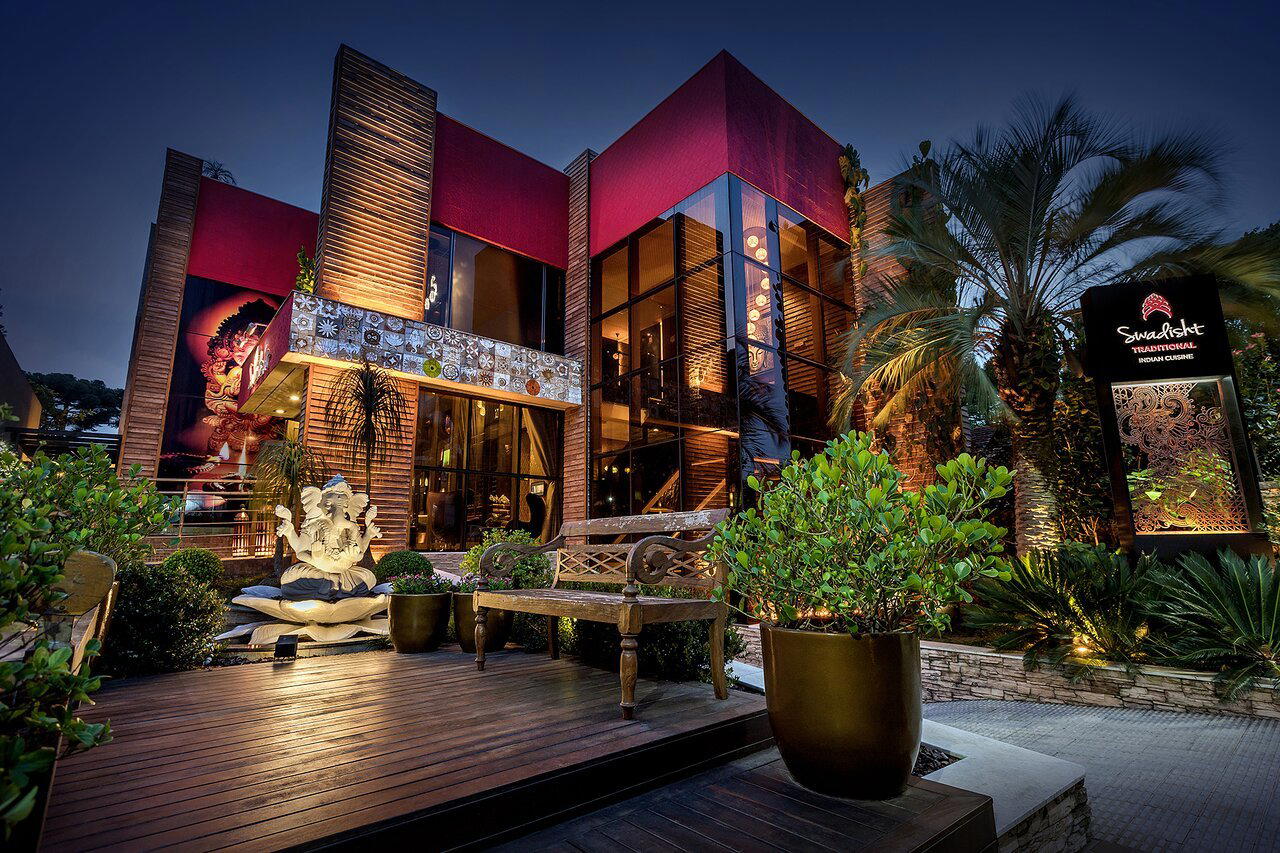
Swadisht Traditional Indian Cuisine occupies a notable address on Av. Vicente Machado in Batel, one of Curitiba's most cosmopolitan dining corridors. In a city whose restaurant scene skews heavily toward European and Brazilian churrasco traditions, a dedicated Indian kitchen operating from this neighbourhood represents a distinct position in the local dining mix. The name itself signals intent: swadisht translates roughly as 'delicious' or 'tasty' in Hindi, grounding the restaurant in a vernacular rather than aspirational identity.

Pearl is the En Primeur Club membership app — saves, bookings, and concierge access live there. Same editors, same standards.
- Address
- Av. Vicente Machado, 2036 - Batel, Curitiba - PR, 80440-020, Brazil
- Phone
- +554130151056
- Hours
- Mon–Sat 7–11:30 PMSun Closed
- Website
- swadisht.com.br
- Directions
- Get directions
The menu
What to order
- Butter chicken
- Punjabi chole
- Samosas
- Tandoori naan
Indian Cuisine in a Southern Brazilian Context
Curitiba's Batel district is where the city's more internationally minded restaurants tend to cluster. Addresses along and around Av. Vicente Machado host a range of European-influenced kitchens alongside Brazilian staples, meaning the neighbourhood functions as a reasonable proxy for where the city's dining ambitions sit. Against that backdrop, a restaurant committed to traditional Indian cooking occupies an unusual position. Indian cuisine has never developed the institutional weight in Brazil that, say, Japanese food has in São Paulo, where a large diaspora population built a deep culinary infrastructure over more than a century. In Curitiba specifically, the category is thin. That scarcity gives a restaurant like Swadisht Traditional Indian Cuisine a different kind of relevance: it is not competing in a crowded field so much as defining the field it operates in.
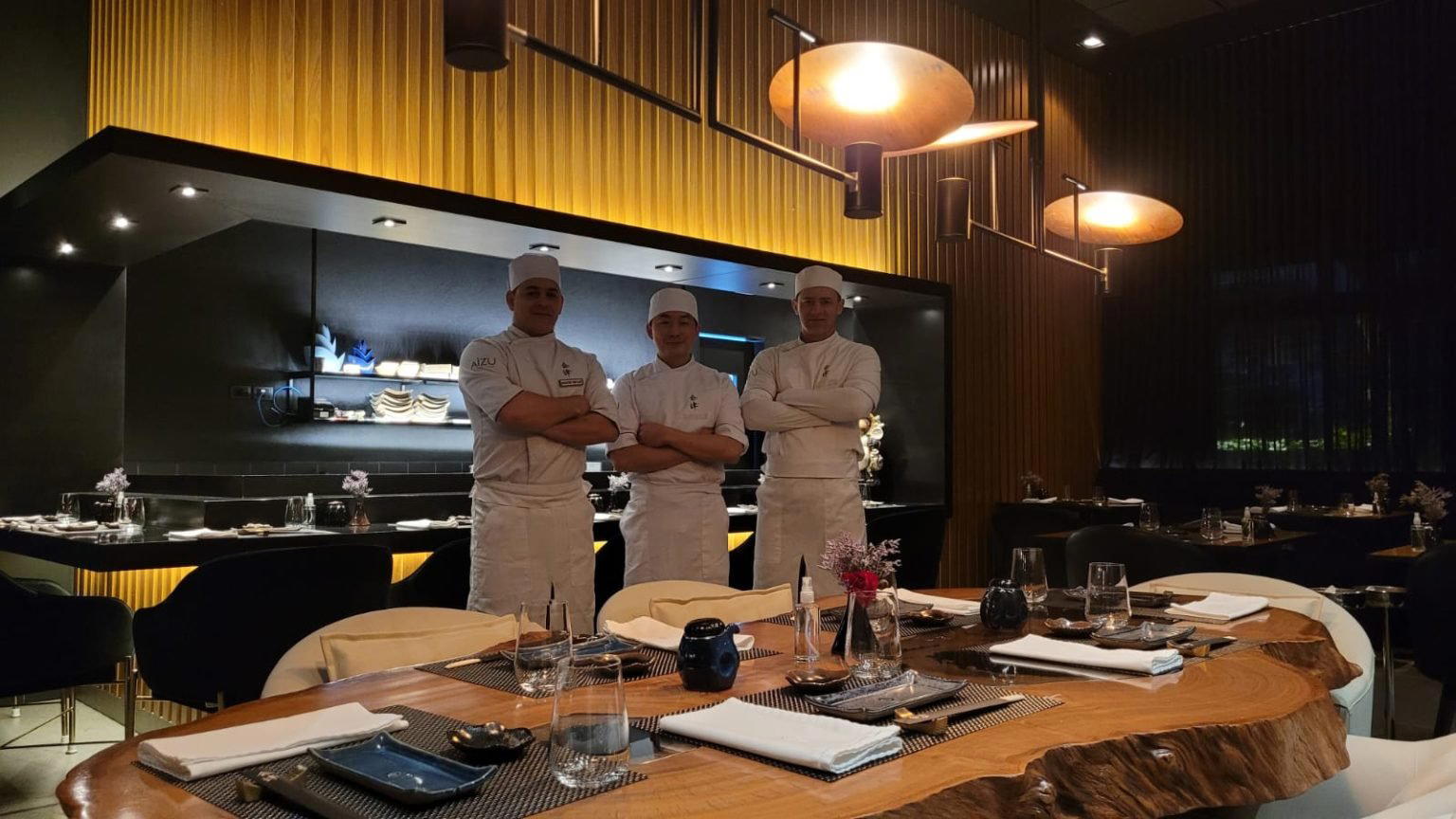
For context on how niche this placement is, consider that Curitiba's dining conversation more typically circles restaurants like Batel Grill, the churrascaria tradition represented across the city, and European-style dining rooms such as Barolo Curitiba. Japanese influence also has a presence, visible in venues like Aizu. Indian cooking, by contrast, has fewer dedicated representatives, which means Swadisht operates with relatively little local competitive pressure but also without the institutional credentialing that a denser scene would produce.
The Question of Traditional Indian Cooking Outside India
The word "traditional" in a restaurant's name carries a specific kind of promise. In most Western and Latin American cities, Indian restaurants have historically calibrated their menus toward local palates, softening spice profiles, adjusting heat levels, and anglicising dish names in ways that distance the food from its subcontinental source. This has been particularly true in markets where Indian food arrived without a significant Indian community to set quality benchmarks or sustain regional specificity. Brazil fits that pattern: the country's Indian food history is shallow compared to the UK, Canada, or the United States, where diaspora communities created demand for regional distinction between, say, Keralan seafood preparations and Punjabi tandoor work.
A restaurant that positions itself as "traditional" in this context is making a claim worth scrutinising. It implies fidelity to technique and flavour profile over accommodation to perceived local preference. Whether that manifests in spice calibration, sourcing of specific dried chillies and whole spices, or preparation methods like slow dum cooking is the kind of detail that distinguishes a kitchen with genuine command from one deploying the word as marketing shorthand.
For a broader sense of how serious culinary ambition plays out in Brazil's major cities, restaurants like D.O.M. in São Paulo and Lasai in Rio de Janeiro set the reference points for rigour and sourcing philosophy, even though they operate in entirely different categories. Across Brazil's smaller and mid-sized cities, the range is wide: from casual neighbourhood spots like Cantina Pozzobon in Santa Maria to more locally embedded operations like Bistro Fitz Carraldo in Manaus. Swadisht's positioning in Batel places it in a neighbourhood that expects a certain level of finish.
Wine and Beverage Pairing with Indian Food: A Structural Challenge
The editorial angle of wine pairing with Indian cuisine is one of the more genuinely interesting problems in the beverage world. The flavour architecture of subcontinental cooking, built on layered spice, fat from ghee or coconut milk, acidity from tamarind or dried mango powder, and persistent heat from fresh and dried chillies, creates a challenging environment for wine. Tannin amplifies heat. Oak can clash with aromatic spice. High alcohol exacerbates capsaicin burn. The result is that many sommeliers and wine-focused diners default to beer or lassi with Indian food, treating the pairing question as essentially closed.
That is a more conservative position than the evidence warrants. Off-dry Riesling from the Mosel or Alsace has a documented track record with spiced food: residual sugar moderates heat, while high acidity cuts through fat-based curries. Gewürztraminer, with its lychee and rose petal aromatic profile, finds natural sympathy with dishes that use cardamom, rose water, or mace. Sparkling wine, particularly non-dosage or brut nature styles, provides a palate-resetting function between intensely spiced bites. Even lighter-bodied reds at cool serving temperatures, such as Gamay-based wines from Beaujolais or certain Pinot Noirs, can bridge the gap when a dish's heat is moderate and its fat content is high.
For a restaurant operating without a published wine list in the public record, the beverage approach remains unverified. What can be said is that the structural pairing question matters more with Indian food than with almost any other cuisine, and that a restaurant serious about its traditional credentials would do well to have thought carefully about it. At the more technically ambitious end of the global restaurant spectrum, venues like Atomix in New York City or Le Bernardin demonstrate what a genuinely considered beverage program looks like alongside complex, spice-forward flavour profiles. The standard is out there; whether Swadisht reaches toward it is something a visit would need to settle.
Batel as a Dining Neighbourhood
The Batel address on Av. Vicente Machado situates Swadisht in one of Curitiba's most walkable and commercially active dining corridors. The neighbourhood has a density of restaurants across multiple categories, which means foot traffic supports discovery dining in a way that more residential or suburban addresses do not. Nearby, restaurants like Badida Sete and Calabouço Restaurante e Pizzaria reflect the breadth of formats operating in the area. For visitors using Curitiba as a base for wider Paraná exploration, Batel functions as the most reliable starting point for restaurant research. Our full Curitiba restaurants guide maps the neighbourhood's dining character in more detail.
Planning a Visit
Specific operational details, including current hours, a phone number, and booking method, are not publicly listed in verified sources at time of writing. For a restaurant of this type in a neighbourhood like Batel, walk-in availability on weekday evenings is typically more reliable than weekend service, when the corridor draws higher foot traffic. Anyone planning specifically around this address should verify current hours directly with the venue before travelling. The Batel location puts public transport and rideshare access within easy reach of Curitiba's wider hotel and accommodation district.
For those building a multi-day Curitiba itinerary that extends across Brazil, the culinary range visible elsewhere in the country, from the regional specificity of Casa da Dika in Bragança to the more casual register of Aero Burguer e Grill in Santa Cruz do Sul, speaks to how varied the country's dining culture is outside its headline cities. Swadisht's Indian focus adds a genuinely different register to that range when Curitiba is the base.
Frequently asked questions
Where is Swadisht Traditional Indian Cuisine located?
Swadisht Traditional Indian Cuisine is located at Av. Vicente Machado, 2036 - Batel, Curitiba - PR, 80440-020, Brazil, Curitiba.
Is Swadisht Traditional Indian Cuisine one of the only Indian restaurants in Curitiba?
Indian restaurants are notably scarce in Curitiba compared to cities like São Paulo or Rio de Janeiro, making Swadisht's address in the Batel district on Av. Vicente Machado a relevant option for those seeking subcontinental cuisine in Paraná. The city's restaurant scene is shaped heavily by its European immigrant heritage and a strong Japanese-Brazilian community, which means South Asian cooking occupies a narrow slice of the market. Whether Swadisht is the sole Indian restaurant in Curitiba at any given time can change without current local data, but the category remains thin. Check the venue's official channels for the latest details.
What do regulars order at Swadisht Traditional Indian Cuisine?
In Curitiba's Batel district, where international dining options are relatively concentrated, the draw tends to be dishes that reflect a traditional register: lentil-based preparations, slow-cooked curries, and bread-based accompaniments. Confirm current offerings directly with the restaurant on Av. Vicente Machado.
Should I book Swadisht Traditional Indian Cuisine in advance?
No booking contact details are publicly listed for Swadisht at the time of writing, which suggests walk-in may be the primary mode of entry. The Batel address on Av. Vicente Machado sits in one of Curitiba's busier dining corridors, so arriving earlier in the service window is advisable on weekends. Check for any current reservation channels through the restaurant directly or via local discovery platforms.
What is Swadisht Traditional Indian Cuisine known for?
Swadisht occupies a specific gap in Curitiba's dining scene: traditional Indian cooking in a city whose restaurant culture skews heavily toward Brazilian, Italian, and Japanese food. Located in the Batel neighbourhood on Av. Vicente Machado, it is one of the few addresses in Paraná pursuing subcontinental cooking with a stated commitment to tradition rather than localisation.
Quick Comparison
Comparable venues nearby, for context on price, style, and recognition.
| Venue | Cuisine | Price | Notes |
|---|---|---|---|
| Swadisht Traditional Indian CuisineThis venue — the venue you are viewing | Traditional Indian Cuisine | $30–50 | Not listed |
| Badida Sete | Brazilian Steakhouse | $20–30 | Batel |
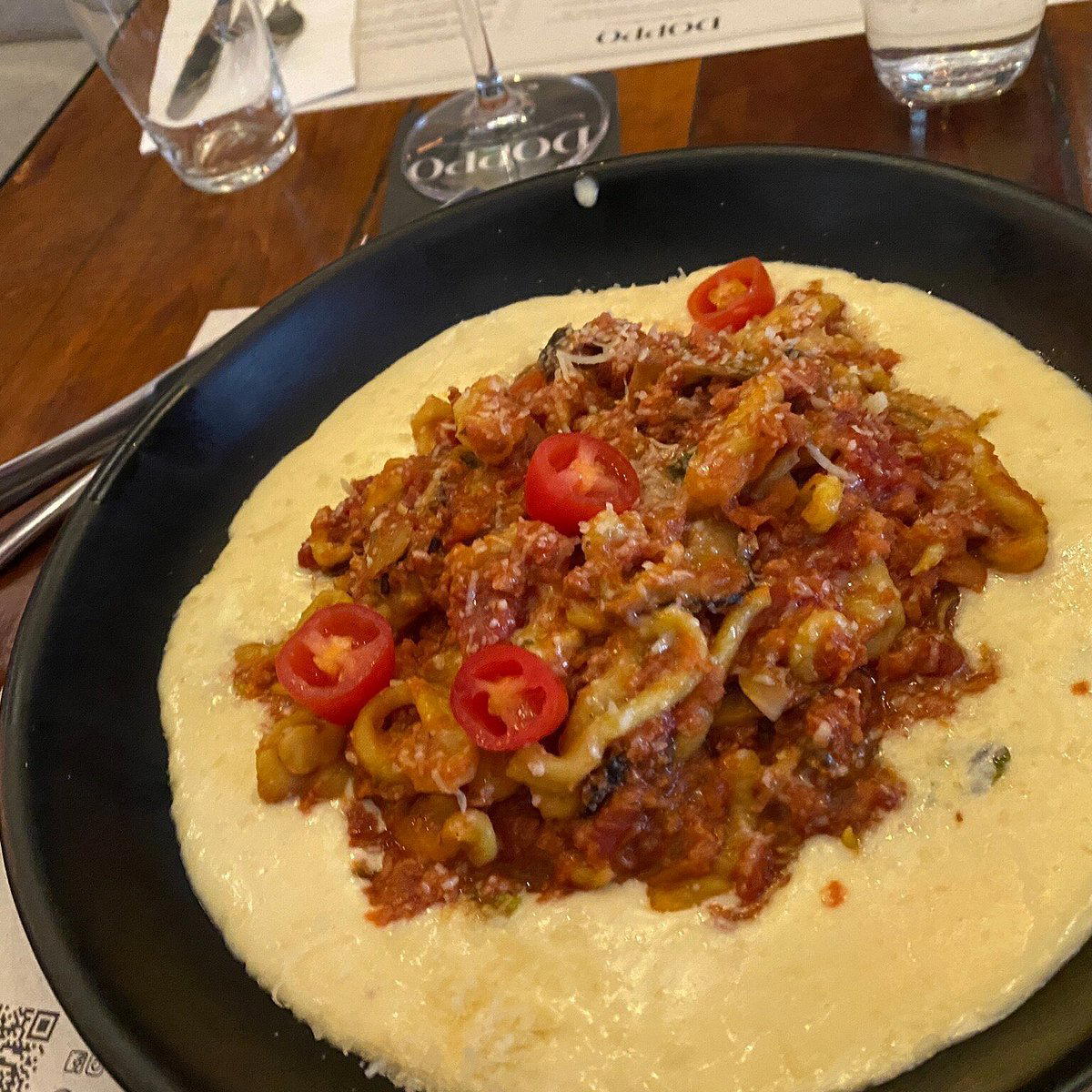
| Doppo Cucina | Authentic Italian Trattoria | $20–30 | Batel |
| Restaurante Ibérico | Portuguese & Spanish Iberian Cuisine | $30–50 | Água Verde |
| Essen Biergarden | Authentic German Biergarten | Not listed | Centro Cívico |
| Aizu | Modern Japanese Fusion | Not listed | Bigorrilho |
Continue exploring
More in Curitiba
Swadisht Traditional Indian Cuisine
The wine
- Wine program
- Curated wine list
- Extensive wine list
Details
- Elegant
- Sophisticated
- Cozy
- Date Night
- Special Occasion
- Family
- Open Kitchen
- Extensive Wine List
- A La Carte
- Tasting Menu
- Vegetarian Friendly
- Vegan Options
- Gluten Free Options
Current opening hours
- Monday
- 7–11:30 PM
- Tuesday
- 7–11:30 PM
- Wednesday
- 7–11:30 PM
- Thursday
- 7–11:30 PM
- Friday
- 7–11:30 PM
- Saturday
- 7–11:30 PM
- Sunday
- Closed
Hours can change for holidays and private events. Last verified .
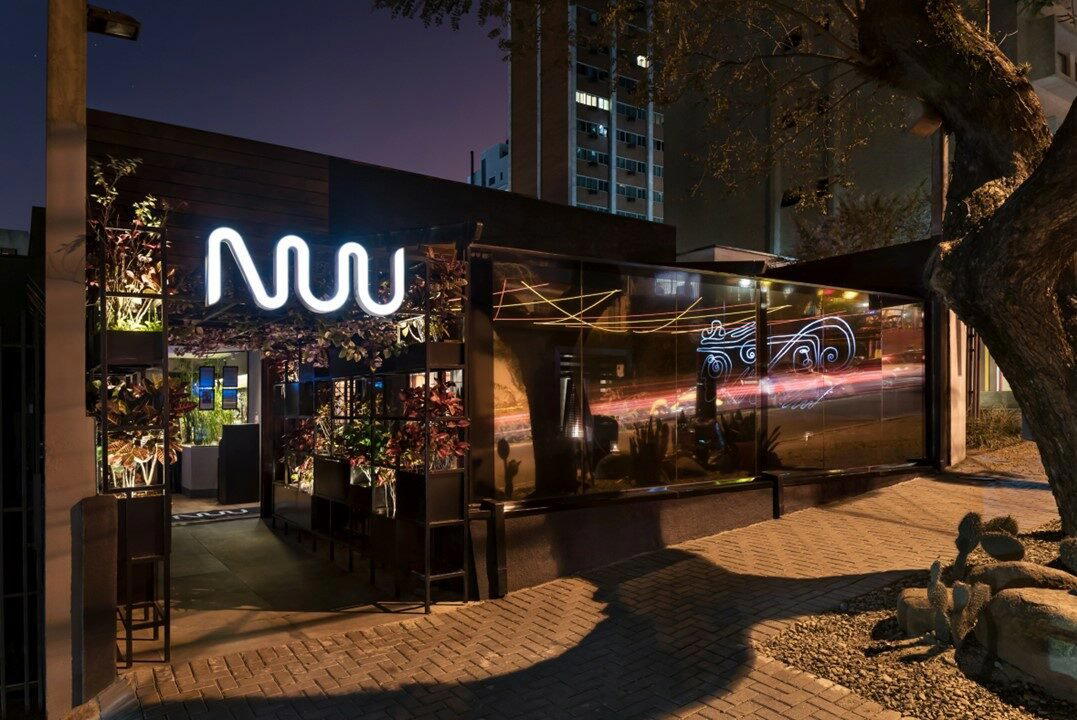
Elegant and sophisticated with Indian-themed decorations, modern stylish ambiance, fancy atmosphere, and well-lit for an upscale dining experience.