Our verdict
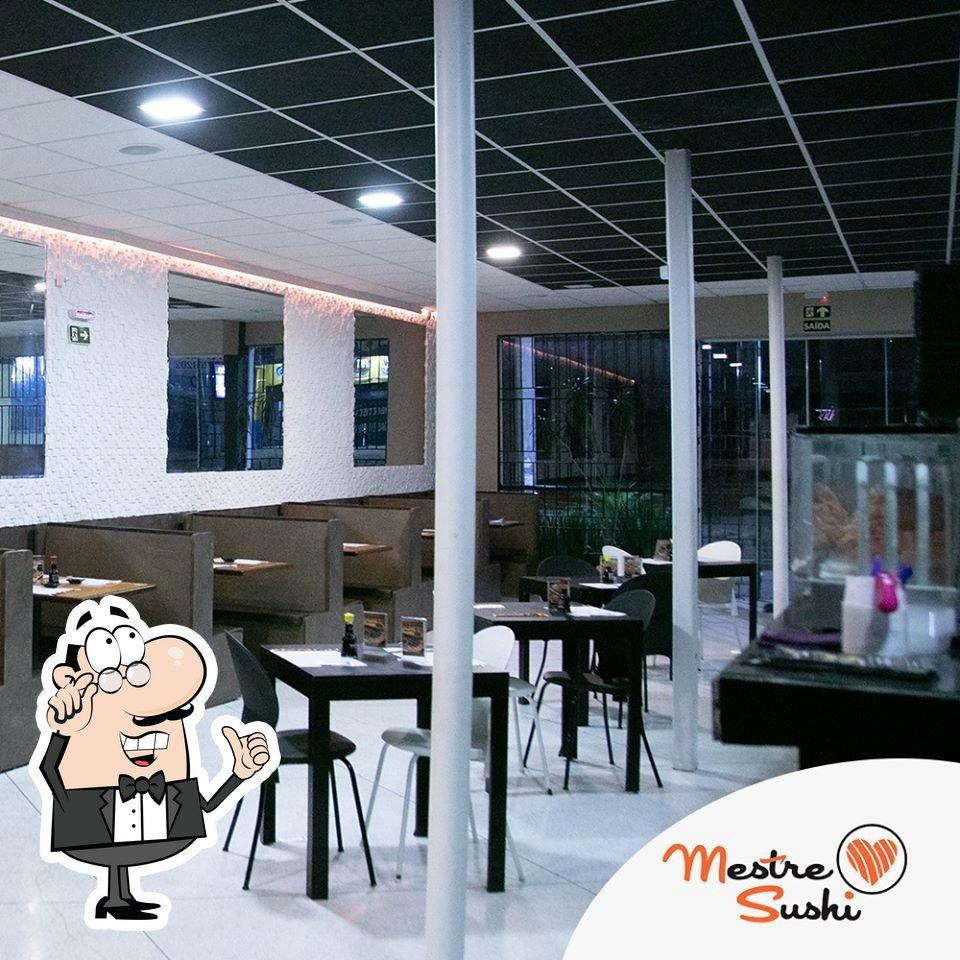
Mestre Sushi Fazendinha sits in Curitiba's Cidade Industrial district, where neighbourhood sushi culture operates at a different register than the city's central dining corridor. The address on Rua Raul Pompéia places it away from the more trafficked restaurant clusters, which itself signals something about the format: this is a local institution built on repetition and trust rather than footfall and tourism.

Pearl is the En Primeur Club membership app — saves, bookings, and concierge access live there. Same editors, same standards.
- Address
- R. Raul Pompéia, 1642 - loja térreo - Cidade Industrial de Curitiba, Curitiba - PR, 81020-430, Brazil
- Phone
- +5541997013030
- Hours
- Mon–Tue 11 AM–3:30 PM, 5 PM–12 AMWed 10:30 AM–3:30 PM, 5 PM–12 AMThu 11 AM–3:30 PM, 5 PM–12 AMFri 10:30 AM–3:30 PM, 5 PM–12 AMSat 11 AM–3:30 PM, 5 PM–12 AMSun 11 AM–3:30 PM, 5:30 PM–12 AM
- Website
- menudino.com
- Directions
- Get directions
Sushi in the Industrial Quarter: How Curitiba's Japanese Dining Tradition Reaches Beyond Batel
Curitiba's reputation for Japanese cuisine is one of the most documented facts in Brazilian dining. The city holds one of the largest Nikkei communities outside Japan, and that demographic reality has shaped the restaurant scene in ways that go well beyond cosmopolitan novelty. What distinguishes the city's sushi culture from São Paulo's or Rio's is how deep it runs into ordinary neighbourhoods, not just the premium dining addresses. While D.O.M. in São Paulo or Lasai in Rio de Janeiro represent the high-concept end of Brazilian dining, Curitiba's Japanese food tradition is equally strong in its mid-register, neighbourhood-embedded expressions.
Mestre Sushi Fazendinha sits inside that tradition. The address, Rua Raul Pompéia 1642 in Cidade Industrial de Curitiba, is not a destination-dining neighbourhood in the way that Batel or Água Verde are for visitors. It is a working residential and industrial area where restaurants survive by serving local regulars rather than passing trade. That context shapes the dining ritual before you even enter: the expectation is familiarity, consistency, and a pace set by the kitchen rather than by a booking time slot.
The Ritual of the Neighbourhood Sushi Counter
In cities with deep Japanese culinary roots, the neighbourhood sushi format operates according to a distinct rhythm. The pacing is unhurried but not theatrical. There is no omakase ceremony and no timed-course progression of the kind that defines counters at Aizu, Curitiba's more formal end of the Japanese dining spectrum. At this tier, the meal is structured by the diner's own appetite and curiosity rather than by a prescribed sequence.
This format has particular cultural coherence in the Brazilian Nikkei context. The sushi counter in a Cidade Industrial boteco-adjacent setting is less about the choreographed reveal and more about the accumulated trust between kitchen and customer. Regulars often order the same combinations across multiple visits, building a familiarity with what the kitchen does well rather than chasing novelty each time. The ritual is one of recurrence, and that is a different kind of dining discipline than the first-visit-focused experience that premium destination restaurants are designed around.
For visitors accustomed to Curitiba's more central dining options, a meal here requires adjusting expectations about the environment. The Cidade Industrial setting, on a ground-floor address in a primarily residential strip, positions this as a genuine neighbourhood operation. That is not a limitation; it is the category. The meal happens on the kitchen's terms, at the neighbourhood's pace, and the return visit is implied in the format itself.
Curitiba's Japanese Food Tier Below the Awards Circuit
Brazil's most formally recognised Japanese-influenced dining tends to concentrate in São Paulo, where the Liberdade district and its surrounding premium restaurant ecology have produced internationally cited tasting menus. Curitiba operates differently. The city's Nikkei community is substantial enough that quality Japanese food does not require a premium-market address to be good; it is distributed through the fabric of residential eating in a way that São Paulo's fine-dining concentration does not replicate.
Mestre Sushi Fazendinha occupies a different position: a neighbourhood-specific address with a local customer base and no apparent interest in the tourist circuit.
This is a useful distinction for anyone reading Curitiba beyond the standard guide. The city's dining character is not fully represented by its award-adjacent restaurants. The neighbourhood sushi counter, operating in Cidade Industrial with no digital footprint beyond a street address, is equally part of what makes Curitiba's food scene coherent. For a fuller picture of where the city eats, the EP Club Curitiba restaurants guide maps the full range of the scene, from the central dining corridors to the neighbourhood operations that rarely surface in aggregated rankings.
Planning a Visit: What to Know Before You Go
The address on Rua Raul Pompéia in Cidade Industrial is a ground-floor unit in a primarily residential area. This is not a walk-in neighbourhood for visitors staying in Batel or the central hotel corridor; the Cidade Industrial district sits to the west of the city centre and is more accessible by car or rideshare than on foot from most tourist accommodation. Visitors making the trip should treat the journey as deliberate rather than opportunistic.
No booking method, hours, or pricing information is available in the public record. That absence is itself informative: neighbourhood operations at this tier in Curitiba often run without reservation systems, relying instead on consistent regulars who understand the opening rhythm by habit. Arriving without a booking mid-week at a midday service is the low-friction approach. Evenings and weekends at well-regarded neighbourhood spots in this city tend to fill with local families and groups, and without a confirmed reservation policy, arriving early in a service window reduces the uncertainty.
For visitors exploring Brazilian restaurant culture at the neighbourhood level more broadly, it is worth noting how different this experience is from the highly designed dining environments at globally recognised addresses like Le Bernardin in New York City or Atomix in New York City. The discipline of the neighbourhood sushi counter is entirely different: less architecture, less narrative, more repetition, and more trust. That is not a hierarchy of quality; it is a difference in format and intent.
Other Brazilian neighbourhood dining operations that follow similar logic include Cantina Pozzobon in Santa Maria, Bistro Fitz Carraldo in Manaus, and Casa da Flor Restaurante in Dourados, each of which serves a primarily local customer base in a city-specific neighbourhood context. The pattern is consistent: venues without a visible digital presence or formal booking infrastructure are often the most embedded in their communities, and Mestre Sushi Fazendinha fits that description precisely. Additional reference points across the country's neighbourhood dining tier include Aero Burguer e Grill in Santa Cruz do Sul, Arte e Café Imperial in Angra dos Reis, Casa da Dika in Bragança, Casa da Picanha Penedo in Itatiaia, and Famosa Pizza in Ribeirão Preto.
Frequently asked questions
Is Mestre Sushi Fazendinha formal or casual?
The address on Rua Raul Pompéia in Cidade Industrial — a ground-floor unit in a residential working neighbourhood — signals a casual format. This is a neighbourhood sushi counter, not a white-tablecloth dining room. Dress accordingly: clean and comfortable rather than dressed up.
Where is Mestre Sushi Fazendinha located?
Mestre Sushi Fazendinha is located at R. Raul Pompéia, 1642 - loja térreo - Cidade Industrial de Curitiba, Curitiba - PR, 81020-430, Brazil, Curitiba.
Is Mestre Sushi Fazendinha a good option for Japanese food outside Curitiba's central restaurant districts?
Yes. Located in Cidade Industrial on Rua Raul Pompéia rather than the more visited Batel or Centro areas, it sits in a part of Curitiba where Japanese culinary tradition has deep residential roots. Curitiba holds one of the largest Nikkei populations in Brazil, and neighbourhood counters in outlying districts often reflect that heritage more directly than the city's more prominent dining corridors.
What's the must-try dish at Mestre Sushi Fazendinha?
Curitiba's Japanese dining tradition, shaped by one of Brazil's largest Nikkei communities, means neighbourhood counters like this typically anchor around nigiri and maki prepared to local preference. Visiting with an open order — asking the kitchen what's freshest — is the standard approach at counters of this type.
Cuisine Context
Comparable venues nearby, for context on price, style, and recognition.
| Venue | Cuisine | Price | Notes |
|---|---|---|---|
| Mestre Sushi FazendinhaThis venue — the venue you are viewing | Japanese Sushi | $20–30 | Not listed |
| Petiscaria do Victor | Traditional Brazilian Seafood & Petiscos | $20–30 | Santa Felicidade |
| Taisho Yakiniku Água Verde | Japanese Yakiniku | $30–50 | Água Verde |
| Swadisht Traditional Indian Cuisine | Traditional Indian Cuisine | $30–50 | Batel |
| Cantinho do Eisbein Restaurante | Authentic German | $20–30 | Água Verde |
| Oidē | Japanese Izakaya | Not listed | Centro |
Continue exploring
More in Curitiba
Details
- Casual
- Trendy
- Casual Hangout
- Solo
- A La Carte
Current opening hours
- Monday
- 11 AM–3:30 PM, 5 PM–12 AM
- Tuesday
- 11 AM–3:30 PM, 5 PM–12 AM
- Wednesday
- 10:30 AM–3:30 PM, 5 PM–12 AM
- Thursday
- 11 AM–3:30 PM, 5 PM–12 AM
- Friday
- 10:30 AM–3:30 PM, 5 PM–12 AM
- Saturday
- 11 AM–3:30 PM, 5 PM–12 AM
- Sunday
- 11 AM–3:30 PM, 5:30 PM–12 AM
Hours can change for holidays and private events. Last verified .
Casual dining atmosphere with focus on quality Japanese preparation