Hi-Res occupies a distinct position among Rome's creative dining addresses, situated on Via della Fontanella in the 00187 district near the Spanish Steps corridor. Where many of the city's ambitious restaurants lean on classical Italian frameworks, Hi-Res positions itself within a more technically oriented mode of cooking. For visitors cross-referencing Rome's upper tier of contemporary dining, it belongs in the same conversation as Il Pagliaccio and Enoteca La Torre.
Pearl is the En Primeur Club membership app — saves, bookings, and concierge access live there. Same editors, same standards.
- Address
- Via della Fontanella, 15, 00187 Roma RM, Italy
- Phone
- +393963212905
- Website
- highrestaurant.com
- Directions
- Get directions
 Saves & bookings on Pearl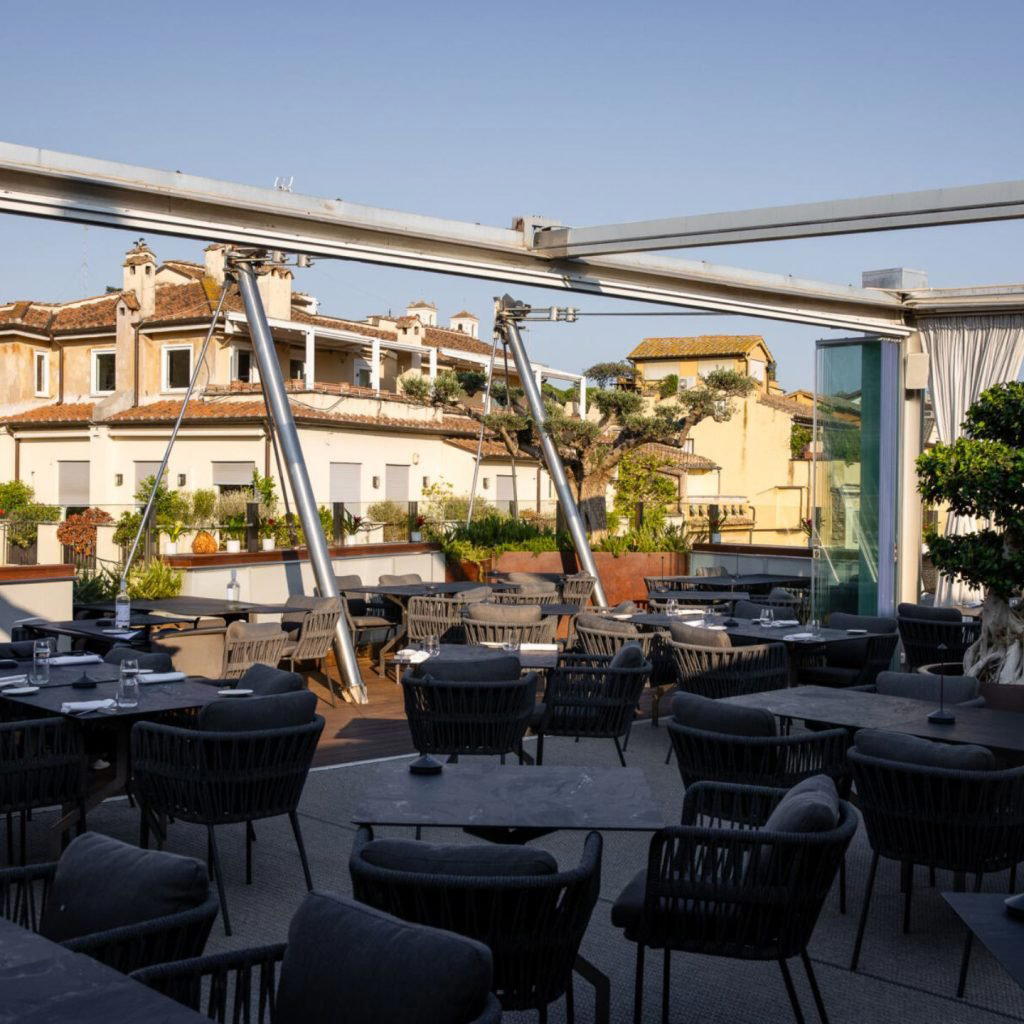
Where Rome's Creative Dining Tier Meets Technical Ambition
Hi-Res is a modern Italian fine dining restaurant in Rome, Italy, at Via della Fontanella, 15, with a recommended reservation policy and an approximate spend of $100 per person. Via della Fontanella, where Hi-Res sits at number 15, represents something of an exception to that pattern. The street sits close enough to the commercial centre to catch international foot traffic, but far enough from the tourist concentrations of Piazza Navona or the Tridente's peak zones to maintain a quieter register. That geography matters, because Rome's most technically ambitious restaurants have tended to cluster either in this zone or further out toward the Prati and Flaminio districts, neighbourhoods where rental pressures allow chefs to invest in kitchens rather than simply in addresses.
Across Italy's creative dining tier, the structural logic of a restaurant menu has become one of the clearest signals of a kitchen's ambitions. At places like Osteria Francescana in Modena or Piazza Duomo in Alba, the menu functions almost as a manifesto, a sequenced argument about what Italian cooking can mean when it is freed from the obligation to reproduce the familiar. Hi-Res operates in that same mode. The name itself is a signal: high resolution implies precision, detail, granularity, qualities that map directly onto a kitchen philosophy oriented around technique and composition rather than comfort and convention.
Reading the Menu as Architecture
In Rome's competitive upper tier, the structure of a tasting menu reveals more than its ingredient list. The sequencing of dishes, the ratio of cooked to raw, the presence or absence of a cheese course, the decision to offer or omit an à la carte option, each choice positions a restaurant within a broader set of culinary assumptions. Hi-Res, by name and by location in a city where tradition exerts significant pressure on ambitious kitchens, signals an orientation toward clarity and precision over volume and theatricality.
This approach places Hi-Res in a category that Rome has not historically dominated. The city's great culinary tradition runs toward abundance: the suppli, the cacio e pepe, the slow-braised oxtail of the Testaccio trattorie. When Rome produces fine dining, it has often done so by applying classical French structure to Italian ingredients, a model exemplified for decades by La Pergola, Heinz Beck's three-Michelin-starred address atop the Rome Cavalieri hotel, which remains the benchmark for the city's highest formal tier. What the current generation of creative restaurants in Rome, including Acquolina, Il Pagliaccio, and Enoteca La Torre, has introduced is a different grammar: Italian ingredients read through a more contemporary technical lens, where the menu architecture itself communicates intent.
The broader Italian creative scene provides useful comparison points. Le Calandre in Rubano and Reale in Castel di Sangro both demonstrate how Italian kitchens can sustain long tasting sequences without losing coherence, a discipline that requires the menu to function as a single composed arc rather than a collection of individual strong dishes. Uliassi in Senigallia shows how marine ingredients can be treated with the same architectural seriousness typically reserved for land-based produce. These are the reference points against which technically oriented Roman restaurants now measure themselves.
Rome's Creative Dining Tier: Peer Context
Rome's fine dining market stratifies in ways that differ from Milan or Florence. Milan, home to Enrico Bartolini's multi-starred operation, has developed a dense ecosystem of contemporary Italian restaurants sustained by business clientele and fashion-week cycles. Florence's Enoteca Pinchiorri anchors a market shaped heavily by wine-focused dining and international tourism. Rome's upper tier, by contrast, depends on a mix of diplomatic entertaining, Roman professional clientele, and destination visitors, a combination that tends to reward restaurants that can operate at high formality without sacrificing legibility for international guests.
Within that context, Achilli al Parlamento occupies a wine-forward position near the Pantheon, while Il Pagliaccio has built a reputation on precise contemporary Italian cooking near Campo de' Fiori. Hi-Res on Via della Fontanella enters a market where the creative tier is still developing depth and where new entrants can establish a position relatively quickly if the cooking is coherent. The Spanish Steps adjacency also brings a built-in international audience, a double-edged asset that rewards kitchens able to maintain standards under varied demand.
For comparison beyond Italy's borders, the structural seriousness that Hi-Res implies by name and positioning echoes what restaurants like Atomix in New York City have achieved: a menu architecture so considered that the sequence of courses becomes the primary communication between kitchen and guest. Le Bernardin in New York offers a different but instructive model, a restaurant where extreme technical precision and a clearly argued menu structure have sustained relevance across decades. The question for any technically oriented Roman restaurant is whether it can build the same kind of durable identity in a city whose dining culture still privileges familiarity.
Italy's Alpine creative tier, represented by Atelier Moessmer Norbert Niederkofler in Brunico, demonstrates how a clearly articulated philosophy, in that case, rigorous locality, can function as a menu architecture principle strong enough to define an entire restaurant. Dal Pescatore in Runate and Quattro Passi in Marina del Cantone represent different approaches to the same question of how a kitchen communicates its values through structure. These are the conversations Hi-Res joins by positioning itself in Rome's creative upper tier.
Planning a Visit
Hi-Res is located at Via della Fontanella 15, in central Rome's 00187 postal district, within walking distance of the Spanish Steps and the Piazza del Popolo axis. The surrounding neighbourhood has strong hotel density in the four- and five-star range, which makes Hi-Res a practical option for guests staying in the Tridente area who want serious contemporary cooking without crossing the river. For visitors building a Rome itinerary around the city's creative dining tier, our full Rome restaurants guide maps the broader scene and provides context for how individual restaurants fit within their respective categories and price bands. Hi-Res is open Monday through Friday from 5 PM to 1:30 AM, and on Saturday and Sunday from 12:30 to 3:30 PM and 5 PM to 1:30 AM.
A Lean Comparison
Comparable venues nearby, for context on price, style, and recognition.
| Venue | Cuisine | Price | Notes |
|---|---|---|---|
| Hi-ResThis venue — the venue you are viewing | Campo Marzio, Modern Italian Fine Dining | $$$$ | Not listed |
| Viride | Not listed | $$$$ | Campo Marzio, Contemporary Italian Fine Dining |
| Trattoria al Moro | Trevi, Traditional Roman Trattoria | $$$ | Not listed |
| Collegio Bistrot | Colonna, Roman & Amatrice Trattoria | $$$ | Not listed |
| Il Cortile | Ludovisi, Traditional Roman Trattoria | $$$ | Not listed |
| Marzapane | Collatino, Modern Italian Fine Dining | $$$ | Not listed |

At a Glance
- Elegant
- Modern
- Sophisticated
- Romantic
- Trendy
- Date Night
- Special Occasion
- Celebration
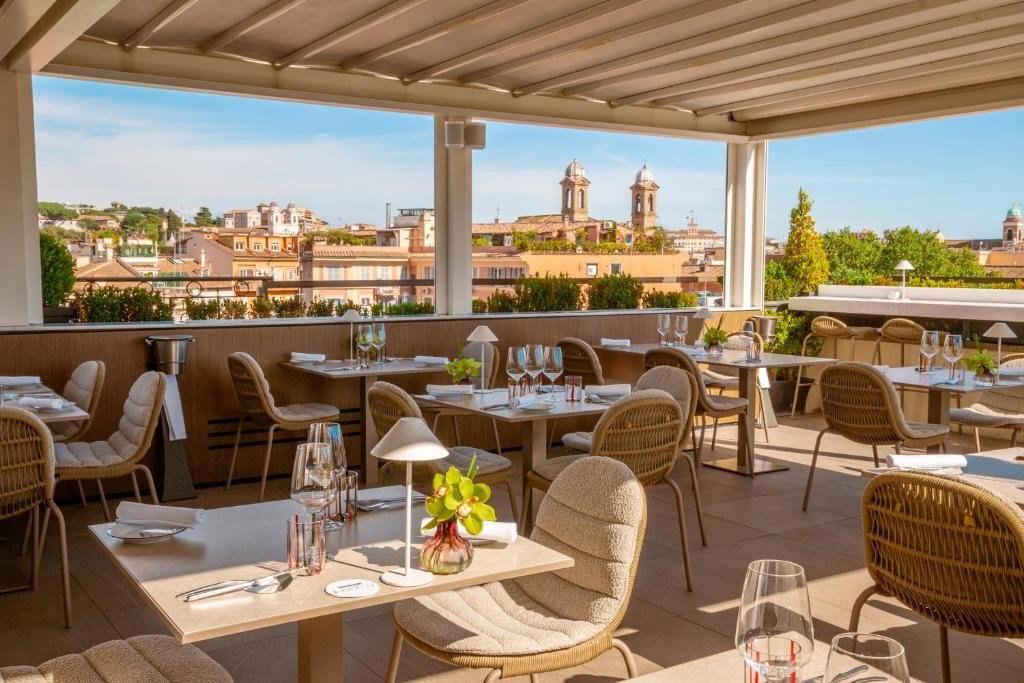
- Rooftop
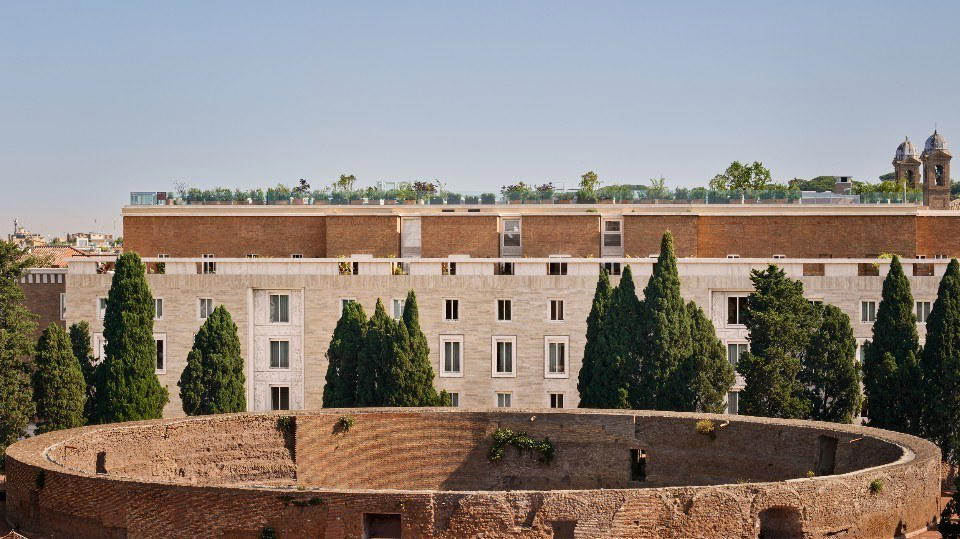
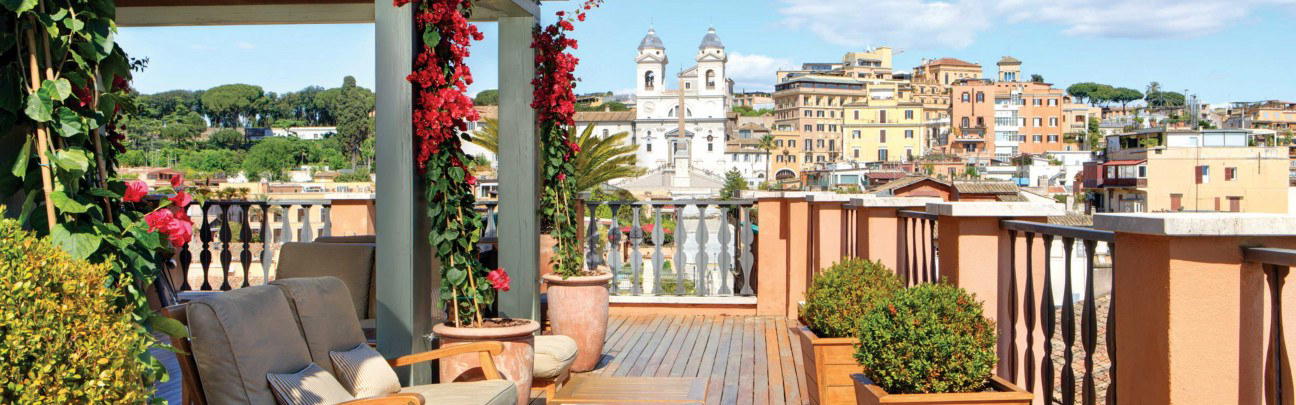
- Panoramic View
- Open Kitchen
- Terrace
- Extensive Wine List
- Craft Cocktails
- Skyline
- Street Scene
Current opening hours
- Monday
- 5 PM–1:30 AM
- Tuesday
- 5 PM–1:30 AM
- Wednesday
- 5 PM–1:30 AM
- Thursday
- 5 PM–1:30 AM
- Friday
- 5 PM–1:30 AM
- Saturday
- 12:30–3:30 PM, 5 PM–1:30 AM
- Sunday
- 12:30–3:30 PM, 5 PM–1:30 AM
Hours can change for holidays and private events. Last verified .
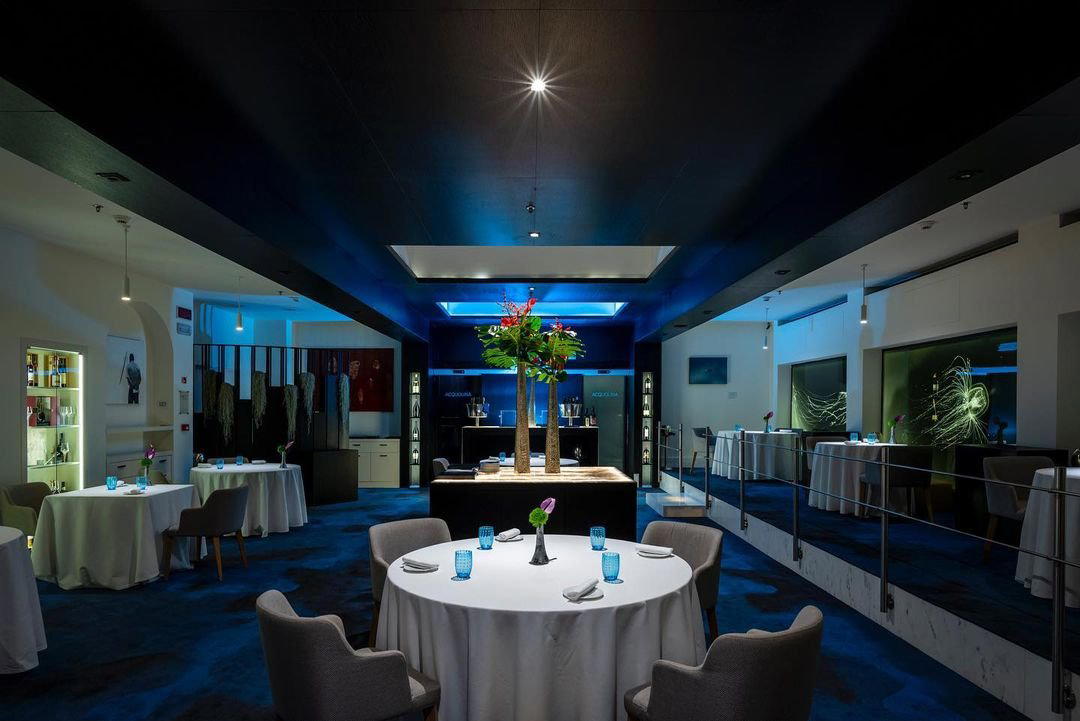
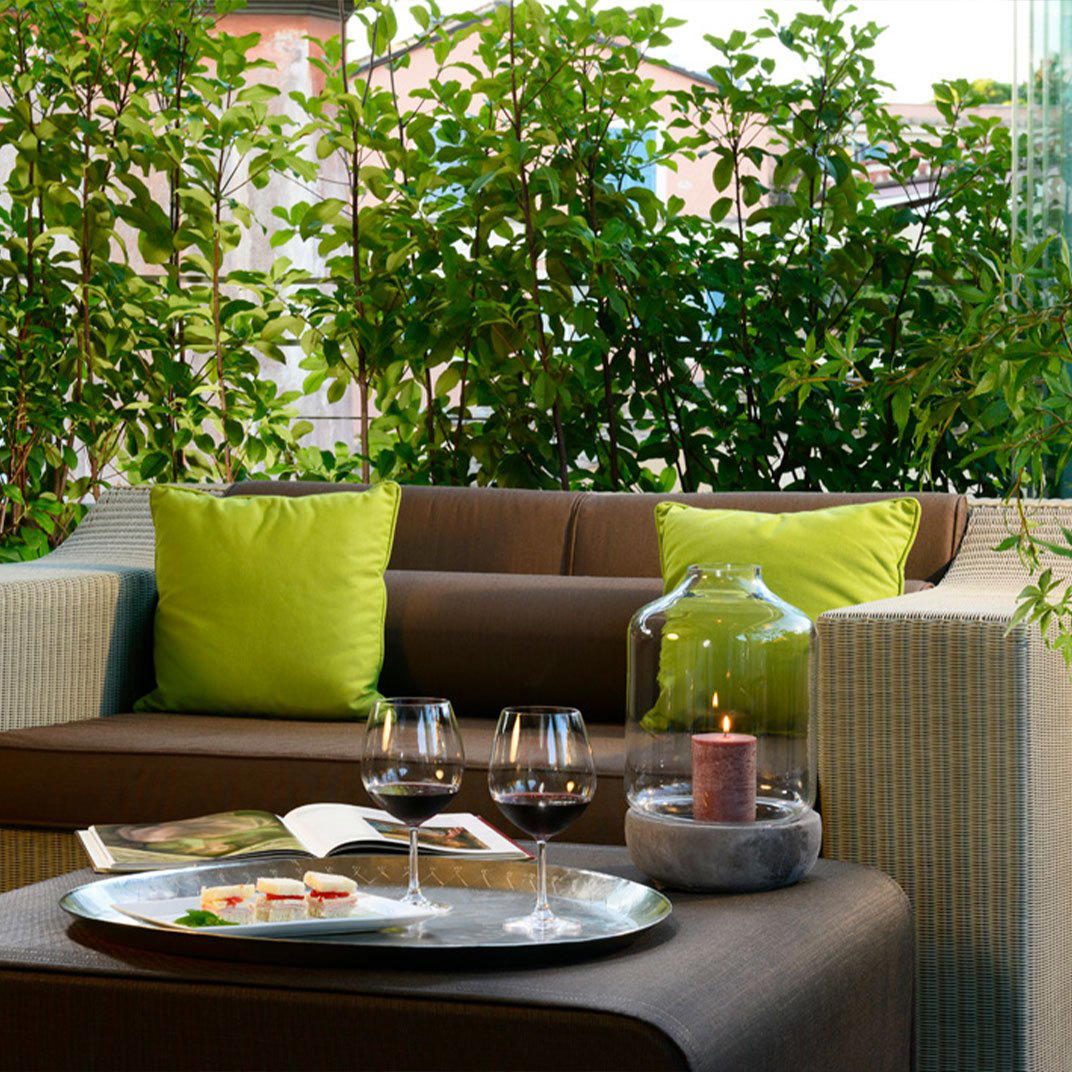
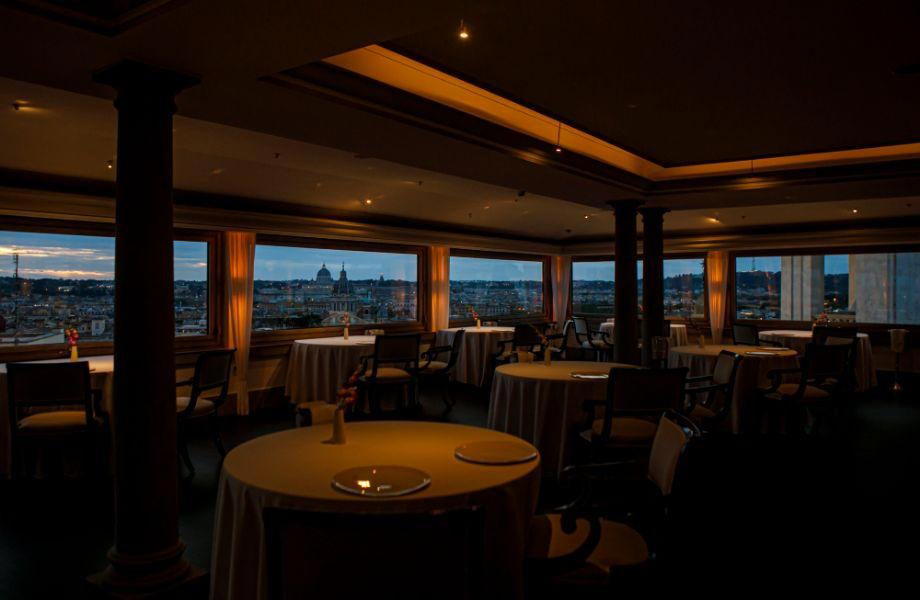
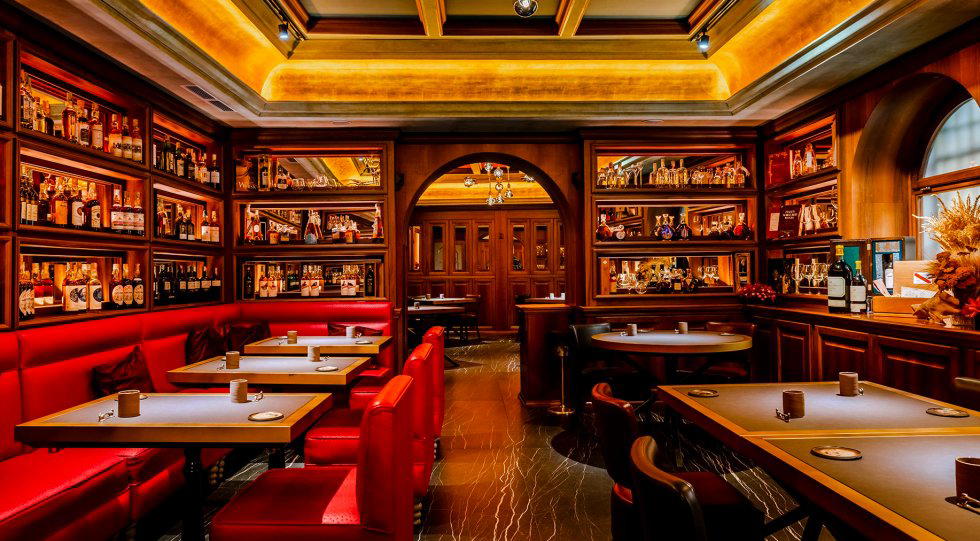
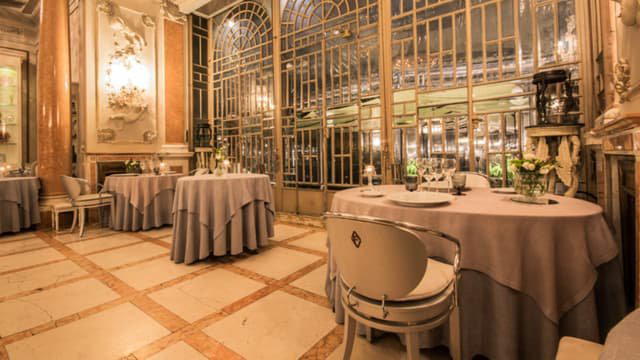
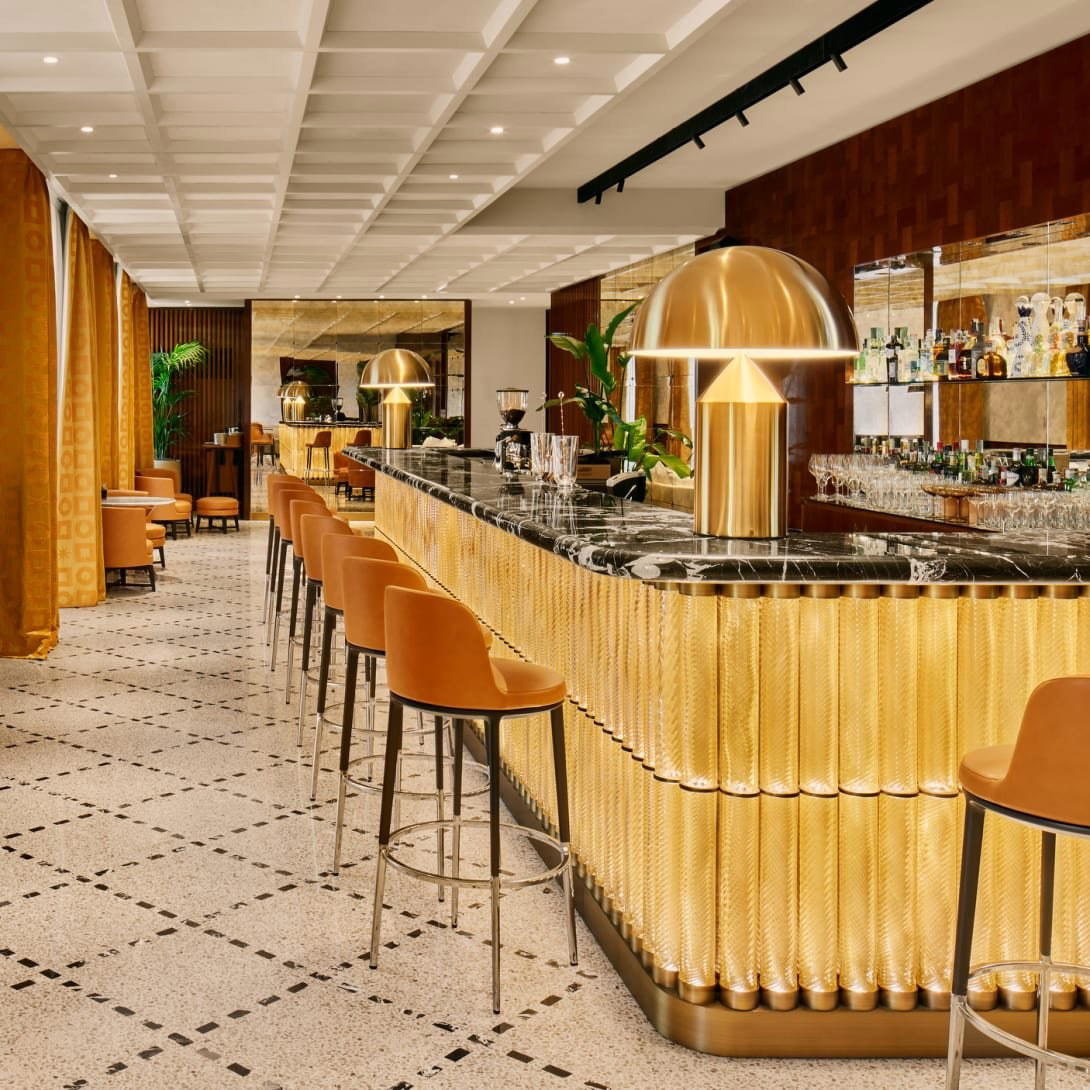
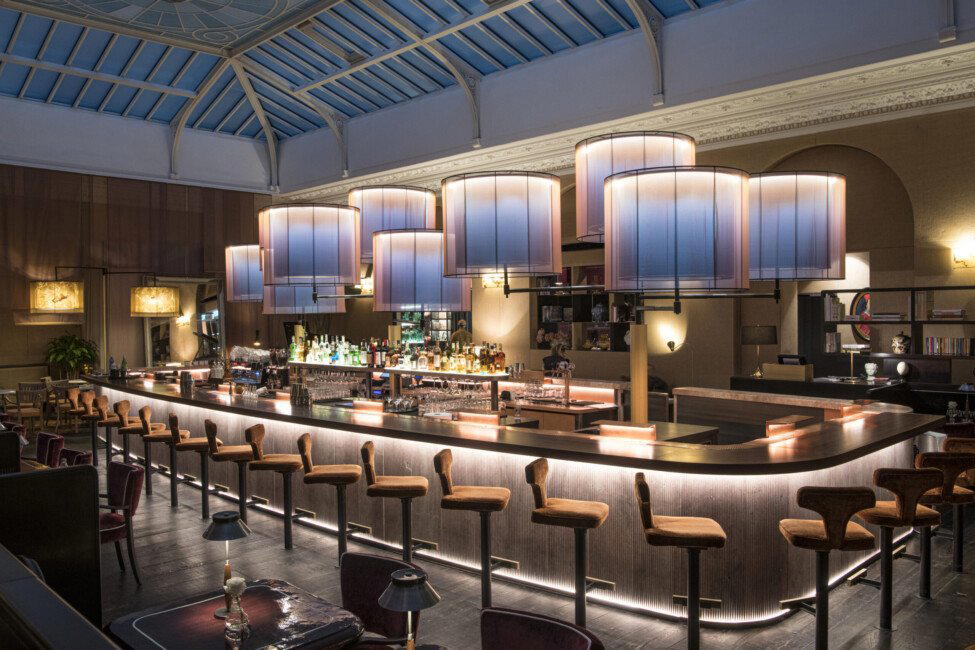
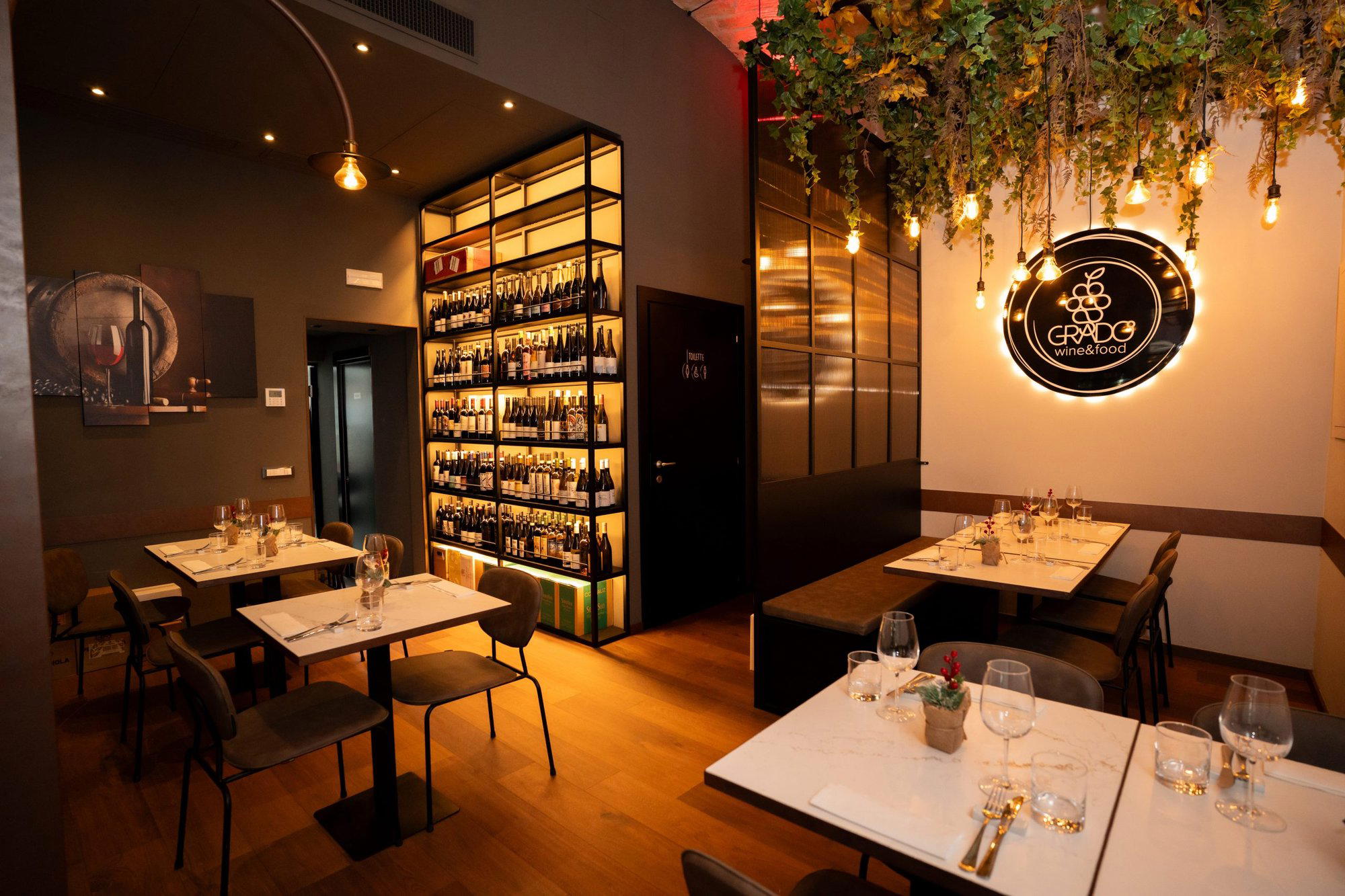
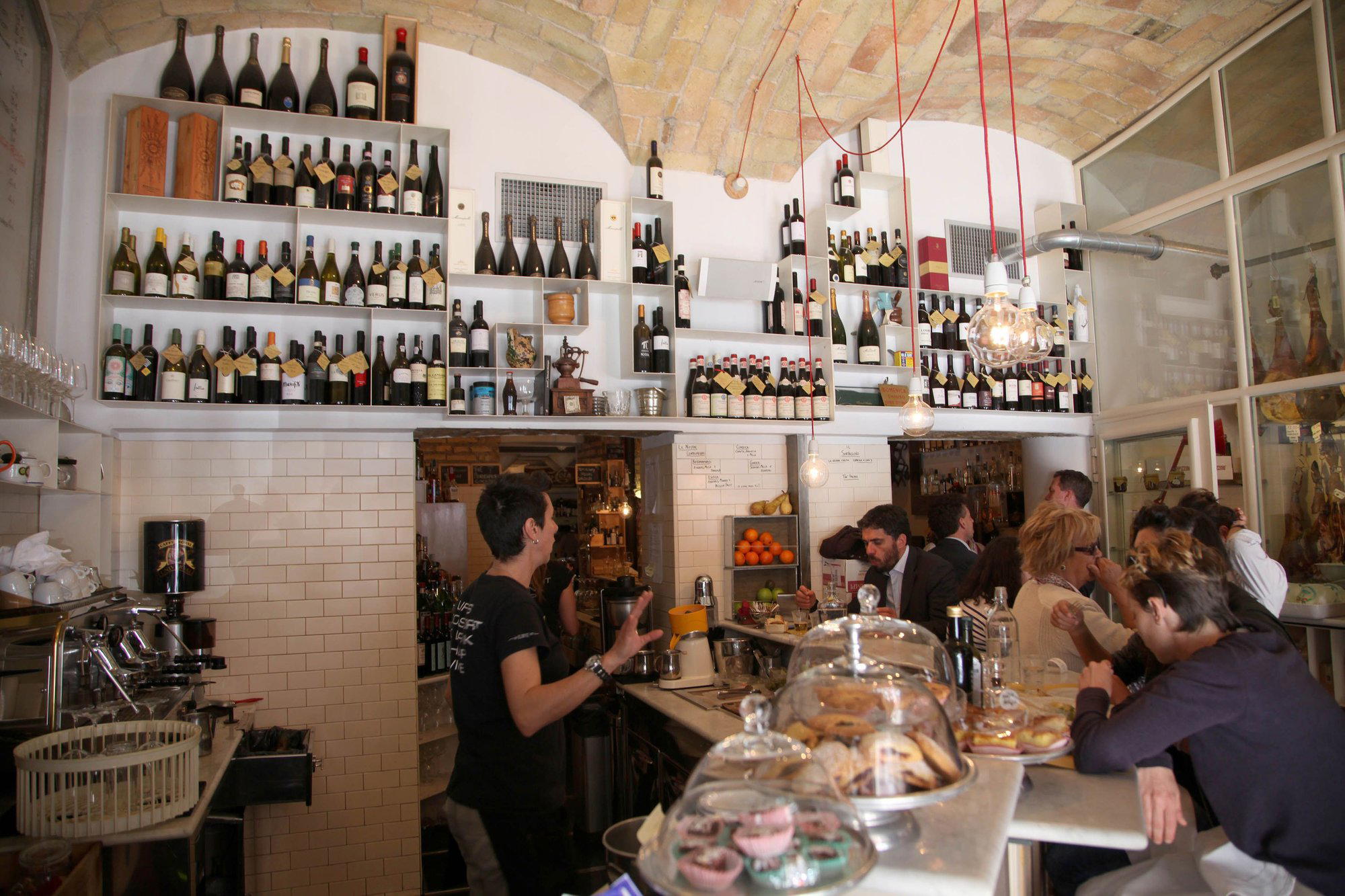
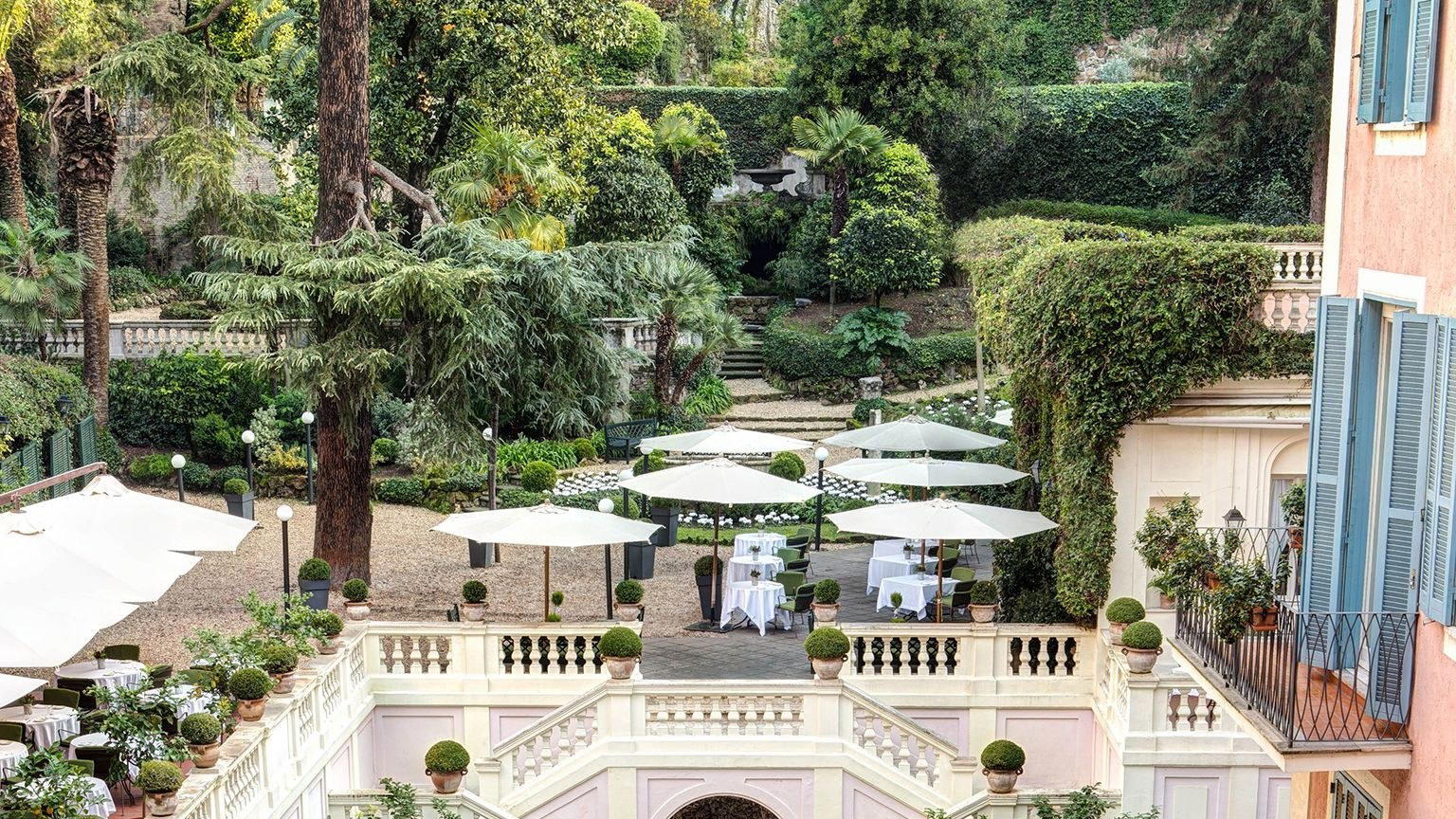
Sleek, airy, and contemporary design with a refined, informal atmosphere that evolves from sunset aperitifs to evening dinners, enhanced by panoramic views.