Our verdict
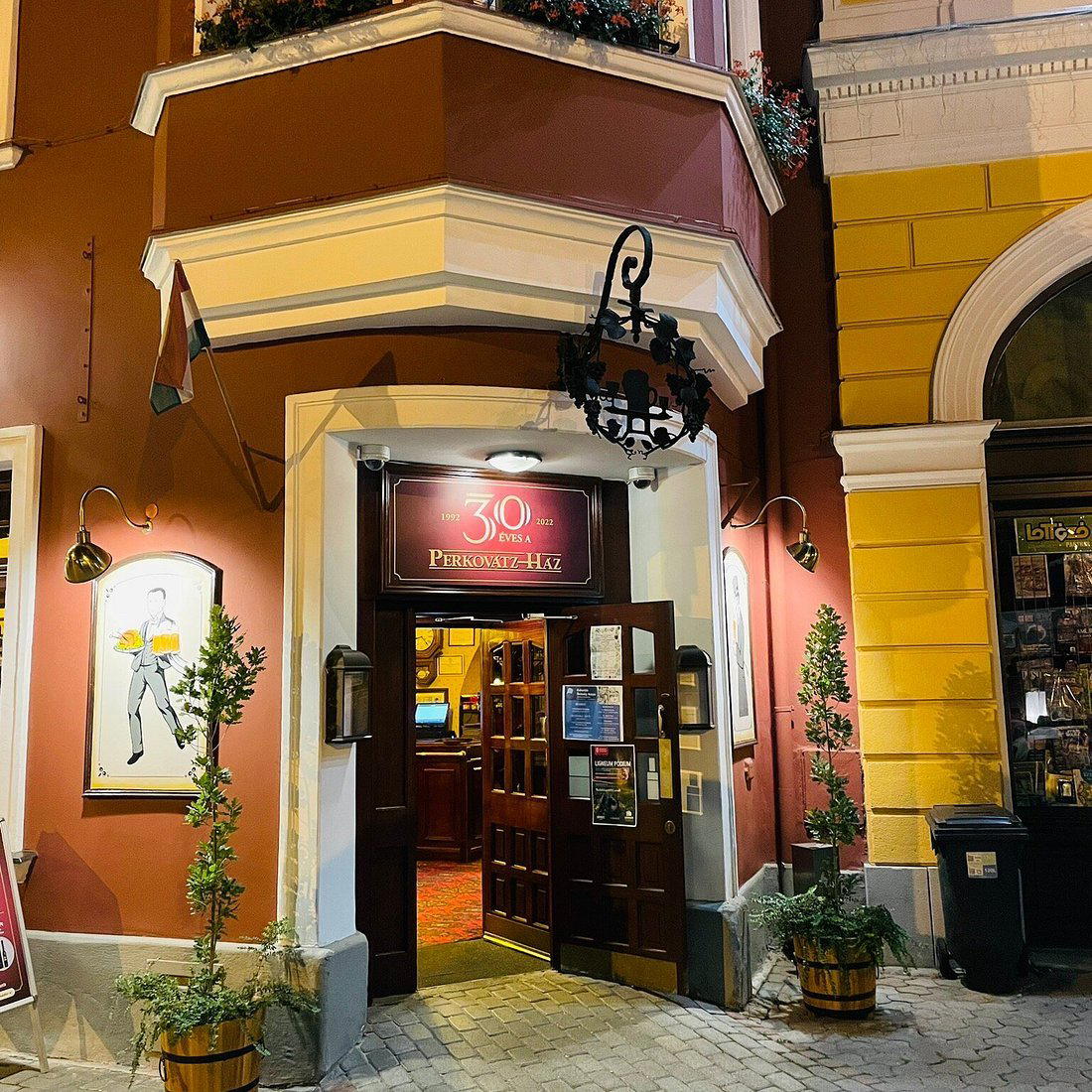
Perkovátz-Ház occupies a position on Sopron's central Széchenyi tér that places it squarely within the city's tradition of market-square hospitality, where proximity to the western Hungarian border has always shaped what arrives in the kitchen. The address sits at the convergence of old-town pedestrian flow and the square's social gravity, making it a reference point for understanding how Sopron eats.

Pearl is the En Primeur Club membership app — saves, bookings, and concierge access live there. Same editors, same standards.
- Address
- Sopron, Széchenyi tér 12, 9400 Hungary
- Phone
- +3699316839
- Hours
- Mon 11 AM–10 PMTue–Thu 11 AM–11 PMFri–Sat 11 AM–12 AMSun 11 AM–10 PM
- Website
- perkovatz-haz.hu
- Directions
- Get directions
The menu
What to order
- Goulash soup
- Beer-battered chicken on mushroom gnocchi
- Cheddar cheese chicken steak with pumpkin seed salad
- Rosemary-marinated beef sirloin
- Grey cattle burger
The Square That Feeds the City
Sopron's Széchenyi tér has functioned as the city's social and commercial centre for centuries, and the buildings that line it have housed a rotating cast of merchants, wine traders, and hospitality establishments that reflect the city's position as Hungary's westernmost significant town. The Austrian border sits close enough that Sopron has historically drawn ingredients, techniques, and diners from both sides of it, producing a dining culture that is neither purely Hungarian in the village sense nor simply a mirror of Viennese cuisine. Perkovátz-Ház at Széchenyi tér 12 sits inside that layered context. The address alone frames expectations: you are eating in a building on the square that has witnessed the full arc of Sopron's modern history, from Austro-Hungarian prosperity through the post-war decades and into Hungary's gradual rediscovery of its own culinary heritage.
That rediscovery has accelerated across western Hungary over the past fifteen years. Towns like Sopron, with their proximity to Austrian consumer standards and their access to some of Hungary's more productive agricultural zones, have developed a restaurant culture that is increasingly attentive to provenance. Where the kitchen sources its produce, its meat, and its wine is no longer a secondary consideration in this part of the country — it is often the central one.
Western Hungary's Ingredient Geography
Understanding what arrives on the plate at a Sopron address requires some knowledge of what surrounds it. The Fertő-Hanság region, a UNESCO World Heritage area straddling the Hungarian-Austrian border, produces a distinctive microclimate that supports both viticulture and market gardening of a kind that most of inland Hungary cannot replicate. Sopron's own wine appellation, one of Hungary's oldest, has long produced Kékfrankos and Pinot Noir from slopes that face the shallow Fertő lake. That wine geography has a corresponding food geography: cellars, cured meats, fresh-water fish from the lake system, and seasonal produce that shifts markedly between the cool spring and the warm, dry late summer.
Restaurants in this part of Hungary that pay attention to sourcing are working with a different raw material base than their counterparts in Budapest. The comparison with, say, Stand in Budapest, which operates at the higher end of the capital's creative dining tier, illustrates the point: Budapest kitchens pull from a national supply chain and increasingly from premium imports, while leading western Hungarian kitchens work with hyper-local ingredients that require less transformation to be interesting. The discipline is different. So is the result.
Across the wider Hungarian regional dining map, this sourcing-first approach appears in several forms. Pajta in Őriszentpéter has built its reputation entirely around the ingredients of the Őrség region. Almalomb in Hosszúhetény takes a similarly rooted approach in the Mecsek hills. Platán Gourmet in Tata anchors its menu to the productive flatlands of Komárom-Esztergom county. Each of these addresses reflects a broader Hungarian trend: the leading regional kitchens now define themselves by what they refuse to import rather than by what they claim to cook.
Széchenyi Tér: What the Address Signals
Arriving at Széchenyi tér on foot from Sopron's inner old town, the square opens after a sequence of narrow medieval lanes. The proportions shift. The buildings here are larger, their facades carrying a central European civic weight that the side streets cannot match. The square is not tourist-facing in the way that some Hungarian historic centres have become; it functions for residents as much as visitors, which tends to produce a more grounded hospitality environment. Venues here have to work for a local audience with genuine expectations, not just for passing traffic.
That local pressure has shaped Sopron's dining culture in ways that distinguish it from more purely tourist-dependent Hungarian cities. For a full map of the city's options, our full Sopron restaurants guide covers the range from wine-bar formats to full-service dining rooms. Within that range, addresses on or near Széchenyi tér occupy a specific tier: visible, accountable, and required to maintain consistency across a clientele that includes both daily regulars and the weekend visitors who cross from Austria specifically to eat and drink in Sopron at prices they cannot find at home.
That cross-border dynamic is worth noting as a structural feature of Sopron dining. Austrian visitors, accustomed to Viennese pricing, find Hungarian restaurants in Sopron substantially less expensive in euro terms, which has two effects: it sustains demand for quality, and it raises the bar for what western Hungarian kitchens need to deliver to retain that audience. The result is a competitive environment that has, over time, pushed sourcing and technique standards upward. Comparable dynamics appear in other Hungarian border towns, though Sopron's wine culture gives it an additional axis of credibility that towns without an established appellation cannot match.
In Sopron itself, Erhardt represents the city's more formal dining register, with a wine programme that draws on the region's appellation strengths. The broader western Hungarian dining circuit connects to venues like Guri Serház Szombathely in Szombathely and Apicius Étterem és Kávéház in Herend, both of which illustrate how the western Hungarian dining corridor operates as a coherent regional network rather than a collection of isolated addresses.
For planning purposes, Széchenyi tér is walkable from Sopron's main railway station in under fifteen minutes, and the square is accessible on foot from the old town's main pedestrian axis. The city is well connected by rail to both Vienna and Budapest, making it a practical stop on a western Hungary itinerary rather than a detour. Visitors arriving from Austria often use Sopron as their first Hungarian dining destination, which means the restaurants on and around the square function as a first impression of Hungarian hospitality for a significant share of their clientele.
Where Perkovátz-Ház Sits in the Picture
For comparable regional experiences across Hungary, the EP Club guide also covers BoriMami in Gyöngyös, Forst-Ház Étterem és Kávéház in Eger, Halasi Pince Panzió in Villány, Aranysárkány Vendéglő in Szentendre, Classic Grill Serbian Restaurant Underground in Szeged, Astro Tea & Kávéház in Gyor, La Pizza Del Lupo in Onga, and Fiume Étterem in Bekescsaba District, each of which adds a different regional angle to a picture of how Hungary eats outside its capital. For those curious about how international fine dining compares structurally to this regional tradition, Le Bernardin in New York City and Atomix in New York City illustrate the distance between the two registers.
Frequently asked questions
Where exactly is Perkovátz-Ház located in Sopron, and how do you get there?
Perkovátz-Ház is at Széchenyi tér 12, 9400 Sopron, Hungary, which sits at the heart of the city's old town district. The square is accessible on foot from Sopron's inner medieval core after passing through a sequence of narrow historic lanes. Sopron itself is served by rail connections from both Budapest and Vienna, making the city reachable as a day trip or short stay from either capital.
What dish is Perkovátz-Ház famous for?
Ask the restaurant directly about current dishes and menu recommendations.
What's Perkovátz-Ház's location?
Perkovátz-Ház is located at Sopron, Széchenyi tér 12, 9400 Hungary.
How hard is it to get a table at Perkovátz-Ház?
Contact the restaurant directly before visiting, especially for weekend evenings.
How Perkovátz-Ház Sopron compares with similar nearby venues.
| Venue | Cuisine | Price |
|---|---|---|
| Perkovátz-HázThis venue — the venue you are viewing | Modern Hungarian with International Influences | $20–30 |
| Erhardt | Traditional Hungarian & International | $20–30 |
Continue exploring
More in Sopron
Restaurants in Sopron
Browse all →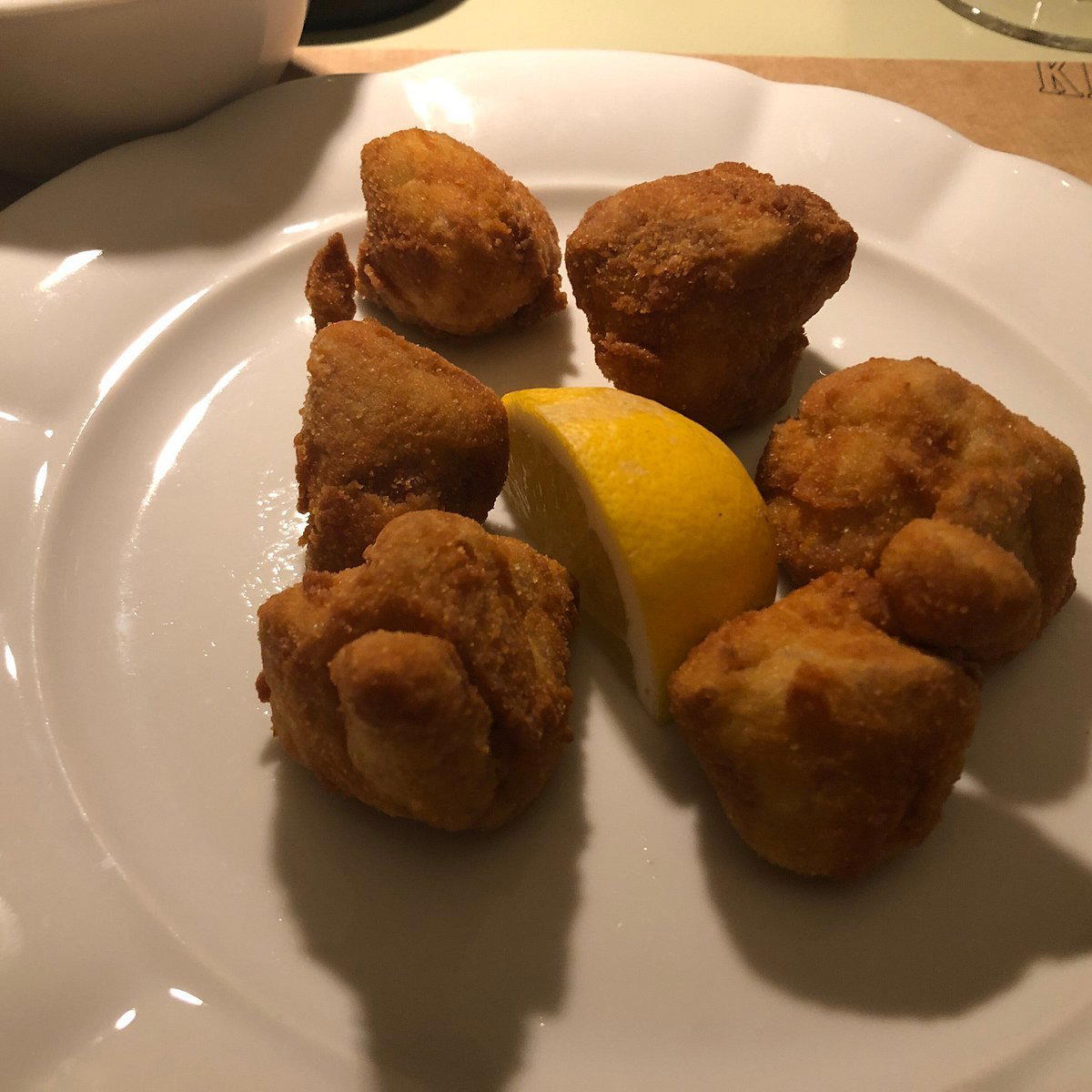
Bars in Sopron
Browse all →

Hotels in Sopron
Browse all →


Details
- Classic
- Cozy
- Lively
- Casual Hangout
- Group Dining
- Family
- After Work
- Historic Building
- Standalone
- Beer Program
- Local Sourcing
- A La Carte
- Sopron Beer
- Hungarian Wine
- House Cocktails
- Vegetarian Friendly
- Vegan Options
Current opening hours
- Monday
- 11 AM–10 PM
- Tuesday
- 11 AM–11 PM
- Wednesday
- 11 AM–11 PM
- Thursday
- 11 AM–11 PM
- Friday
- 11 AM–12 AM
- Saturday
- 11 AM–12 AM
- Sunday
- 11 AM–10 PM
Hours can change for holidays and private events. Last verified .
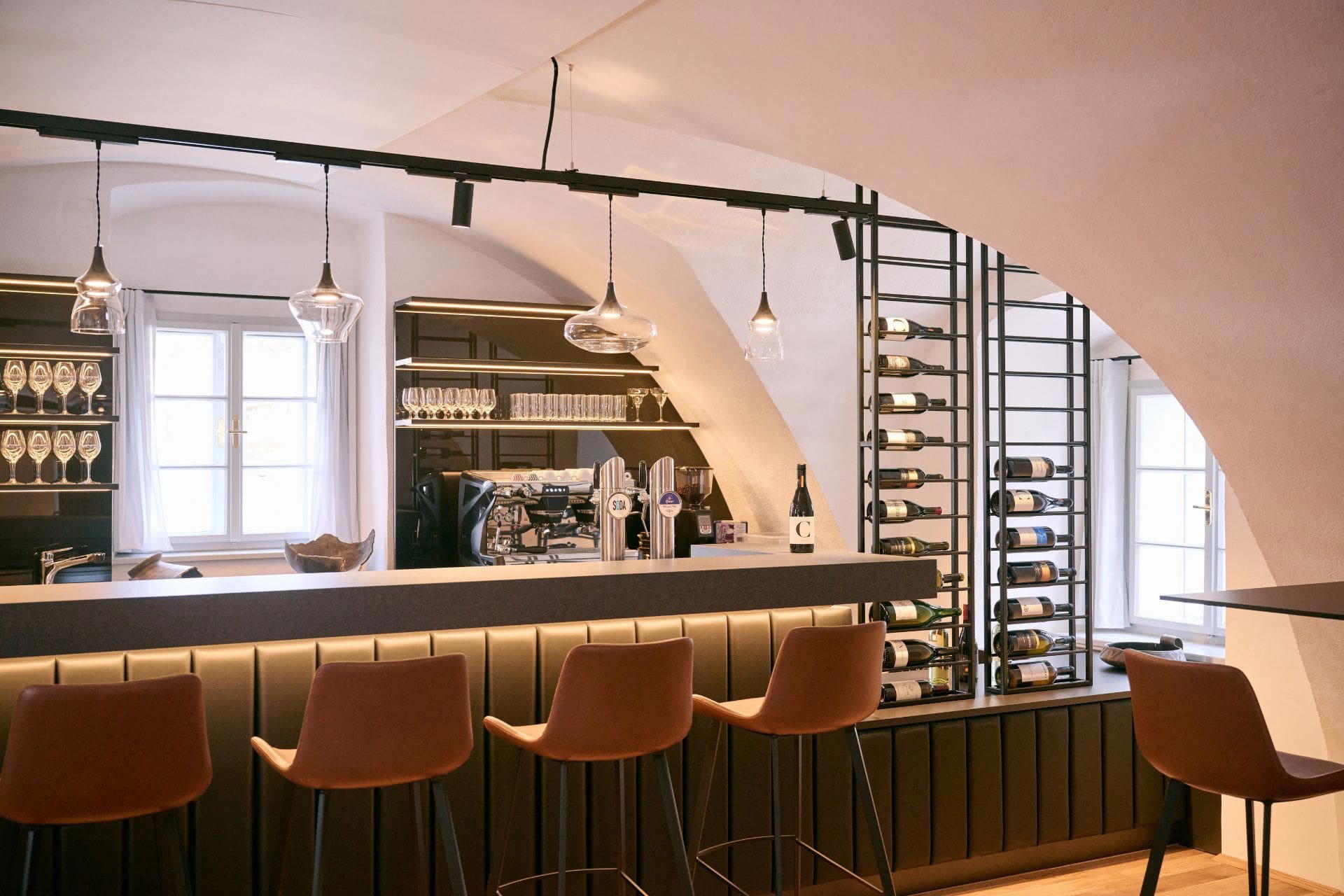
Warm, inviting pub atmosphere with classic English pub décor featuring wood paneling, cozy booths, and period furnishings; three levels with varying moods from intimate to lively.