Erhardt sits on Balfi út at the edge of Sopron, a city whose proximity to the Neusiedlersee wine region and the Austrian border has long shaped how its kitchens source and cook. The restaurant draws on that agricultural and viticultural context, positioning itself within Hungary's growing circuit of regionally grounded dining destinations worth the drive from Budapest or Vienna.
Pearl is the En Primeur Club membership app — saves, bookings, and concierge access live there. Same editors, same standards.
- Address
- Sopron, Balfi út 10, 9400 Hungary
- Phone
- +3699506711
- Website
- erhardts.hu
- Directions
- Get directions
 Saves & bookings on Pearl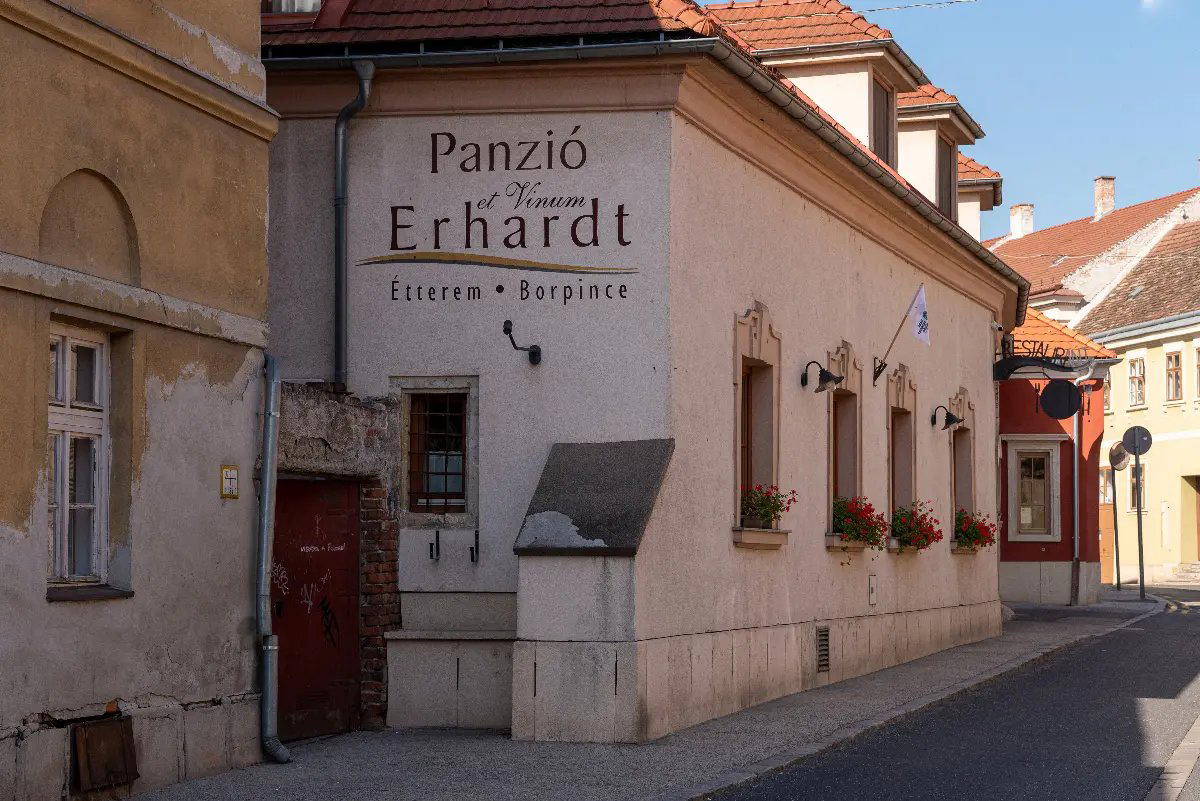
Where Sopron's Border Geography Shapes the Plate
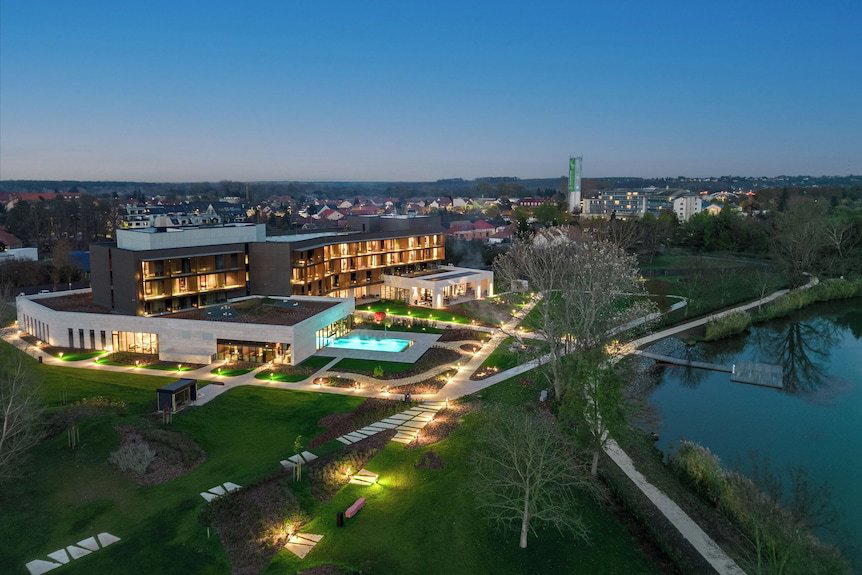
Sopron occupies a corner of Hungary that functions less like a provincial outpost and more like a culinary crossroads. The city sits within reach of the Neusiedlersee wine belt, the pig-farming villages of the Rábaköz lowlands, and the forested hills that separate Hungary from Burgenland. That geography has always given Sopron's kitchens a different pantry from Budapest's. Produce, game, freshwater fish, and regional wine arrive through short supply chains that Budapest restaurants often have to work considerably harder to establish. Erhardt, at Balfi út 10 in Sopron, sits on the road toward the thermal baths and the wine-growing village of Balf, a location that puts it close to some of the region's most productive agricultural land.
Balfi út is not a tourist strip. It is a working road that connects the city centre to the thermal resort at Balf and the vineyards beyond. Arriving along it gives a clear sense of Sopron's layered identity: a medieval core that draws day-trippers from Vienna, surrounded by landscapes that have fed the region for centuries. That context matters when reading what restaurants here do with sourcing, because the access is genuinely different from what most Central European cities can claim.
The Sourcing Logic Behind Western Hungarian Cooking
The agricultural belt around Sopron produces ingredients that appear on Hungarian menus either as local points of pride or, in less considered kitchens, as generic regional staples. The difference lies in how a restaurant reads the season and how closely it works with producers operating within the same county. Western Transdanubia, the broader region Sopron anchors, has a tradition of goose farming, freshwater fishing along the Hanság marshes, and viticulture that predates Hungarian statehood by several centuries. The Roman-era wine culture of the region is well-documented, and contemporary producers in and around Balf and Fertőrákos are extending a lineage that archaeological evidence places before the ninth century.
In practical terms, this means a Sopron kitchen with genuine sourcing ambitions does not need to look far. The question worth asking of any restaurant along this stretch is whether it treats that access as a passive advantage, a bullet point on a menu header, or as an active discipline requiring ongoing relationships with specific farms, fishermen, and winemakers. The restaurants in Hungary doing the latter most credibly include operations like Pajta in Őriszentpéter, where the sourcing geography is embedded in the format itself, and Kővirág in Köveskál, which works within the Balaton uplands producer network. Sopron's position gives Erhardt comparable access to a dense and historically rooted agricultural zone.
Sopron in Hungary's Regional Dining Circuit
Hungary's serious regional dining scene has expanded considerably over the past decade, and it no longer concentrates exclusively in Budapest. Restaurants in wine country villages and smaller cities have built reputations that bring diners from the capital and from across the Austrian and Slovak borders. Sauska 48 in Villány is one reference point for what estate-anchored cooking looks like in the south. Hosszú Tányér in Hosszúhetény and Petrányi Csopak in Csopak occupy similar positions in the Mecsek and Balaton regions respectively. These are not Budapest satellites, they are places that make the region itself the reason to travel.
Sopron belongs in that conversation. Its proximity to Vienna (roughly 70 kilometres by road) means it sits within easy reach of one of Europe's most food-literate audiences. That proximity cuts both ways: it brings well-travelled diners with high reference points, and it creates a comparative standard that Sopron restaurants must meet without the budget structures of a major capital. For a city of Sopron's size, the local dining circuit is meaningful. Perkovátz-Ház is among the other addresses worth considering on a visit.
The Budapest comparison is also worth drawing explicitly. Restaurants like Stand in Budapest and the wine-forward Platán Gourmet in Tata represent what Hungarian cooking looks like when it applies technical rigour to local ingredients at the higher price tiers. The regional restaurants operating outside the capital often reach comparable ingredient quality while operating at lower price points, simply because logistics are shorter and overhead is different. Sopron's restaurants, Erhardt among them, sit in that structural position.
The Thermal and Viticultural Context of Balfi út
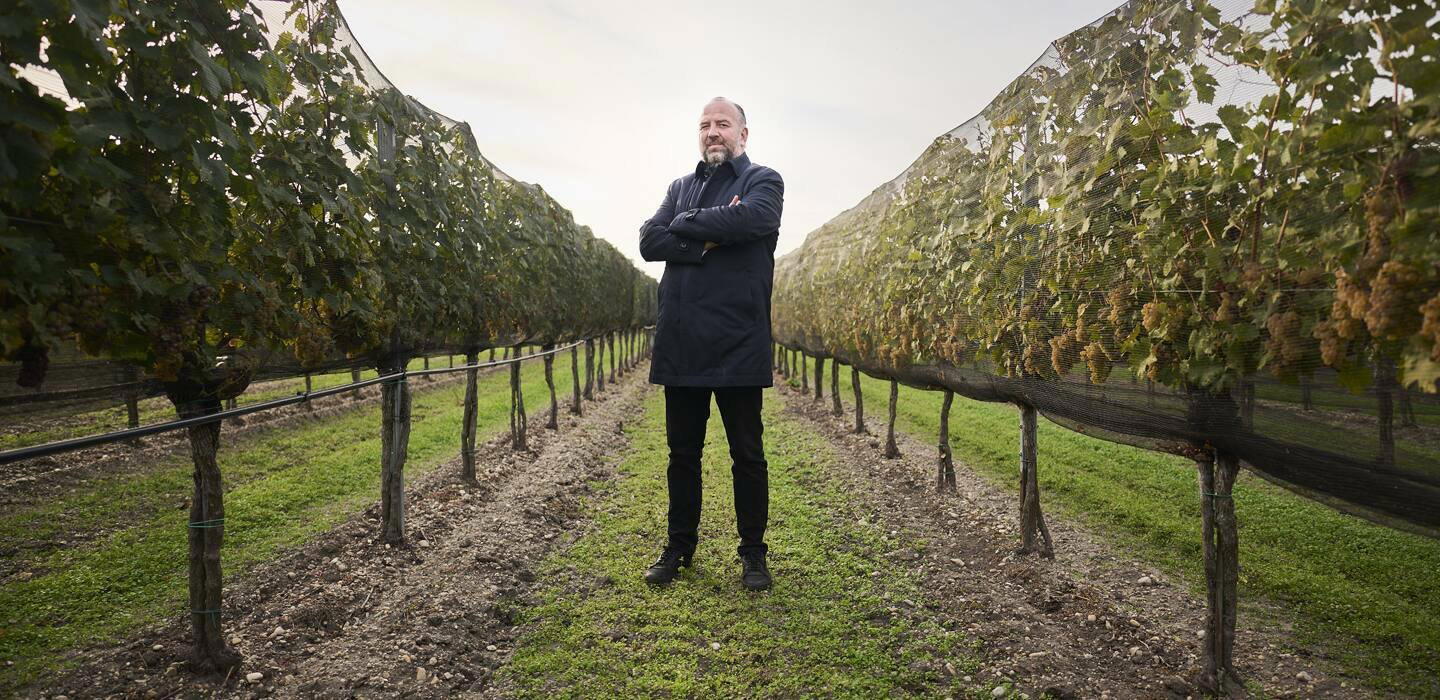
The address on Balfi út carries specific meaning in Sopron. The road leads toward Balf, a village with documented spa culture dating to the Roman occupation of Pannonia, and whose contemporary thermal facilities continue to draw visitors from both Hungary and Austria. The vineyards of Balf produce wines under the Sopron wine region appellation, primarily Kékfrankos, known in Austria as Blaufränkisch, along with some Pinot Noir and Zweigelt. A restaurant positioned along this road exists in a wine corridor as much as a food one, and the natural pairing expectation from diners arriving from Balf or returning from the vineyards is for a kitchen that treats the regional wine list seriously.
For broader context on what Hungarian regional cooking looks like across different terroirs, the restaurants at Tiszavirág in Szeged and Horgonyzó Kisvendéglő in Tiszalök show how the eastern Hungarian kitchen works with freshwater fish from the Tisza. The western Transdanubian approach represented by Sopron draws on different proteins and a wine culture shaped by centuries of Austrian and German influence. Old Kőrössy Fish Restaurant in Szegedin offers yet another regional anchor. These contrasts illustrate why sourcing geography is not an abstraction in Hungarian cooking, it determines what appears on the plate at a fundamental level.
Other regional operations expanding the map further include Botanica in Dánszentmiklós, Padi in Rátka, Teyföl in Szentendre, and Öreg Prés in Mór. Taken together, they describe a Hungary in which interesting cooking is dispersed across the country rather than concentrated in the capital, a pattern that has parallels in France's provincial kitchen tradition and, more recently, in what operations like Lazy Bear in San Francisco have demonstrated about destination dining outside major urban centres. Even at the international level, ingredient-led thinking anchors serious restaurants: Le Bernardin in New York City built its reputation not on technique alone but on sourcing fish to a standard that set the reference point for an entire category.
Planning a Visit
Erhardt is located at Balfi út 10 in Sopron, on the route toward Balf and the thermal resort area. Sopron is accessible by direct train from Vienna's Westbahnhof in under an hour, and from Budapest in approximately two and a half hours. Visitors combining a meal here with a visit to the Balf thermal baths or the Fertőrákos cave theatre should account for the road rather than walking distance from the old town centre.
Comparison Snapshot
Comparable venues nearby, for context on price, style, and recognition.
| Venue | Cuisine | Price | Notes |
|---|---|---|---|
| ErhardtThis venue — the venue you are viewing | Traditional Hungarian & International | $$ | Not listed |
| Perkovátz-Ház | Modern Hungarian with International Influences | $$ | Széchenyi tér, Downtown Sopron |
| Öreg Harang | Traditional Hungarian | $$ | Egregy |
| HILDA Budapest | Modern Hungarian Bistro | $$ | Varhegy |
| Oportó Étterem | Modern Hungarian | $$ | Villány center |
| Kispiac | Traditional Hungarian Bistro | $$ | Terézváros |
Continue exploring
More in Sopron
Restaurants in Sopron
Browse all →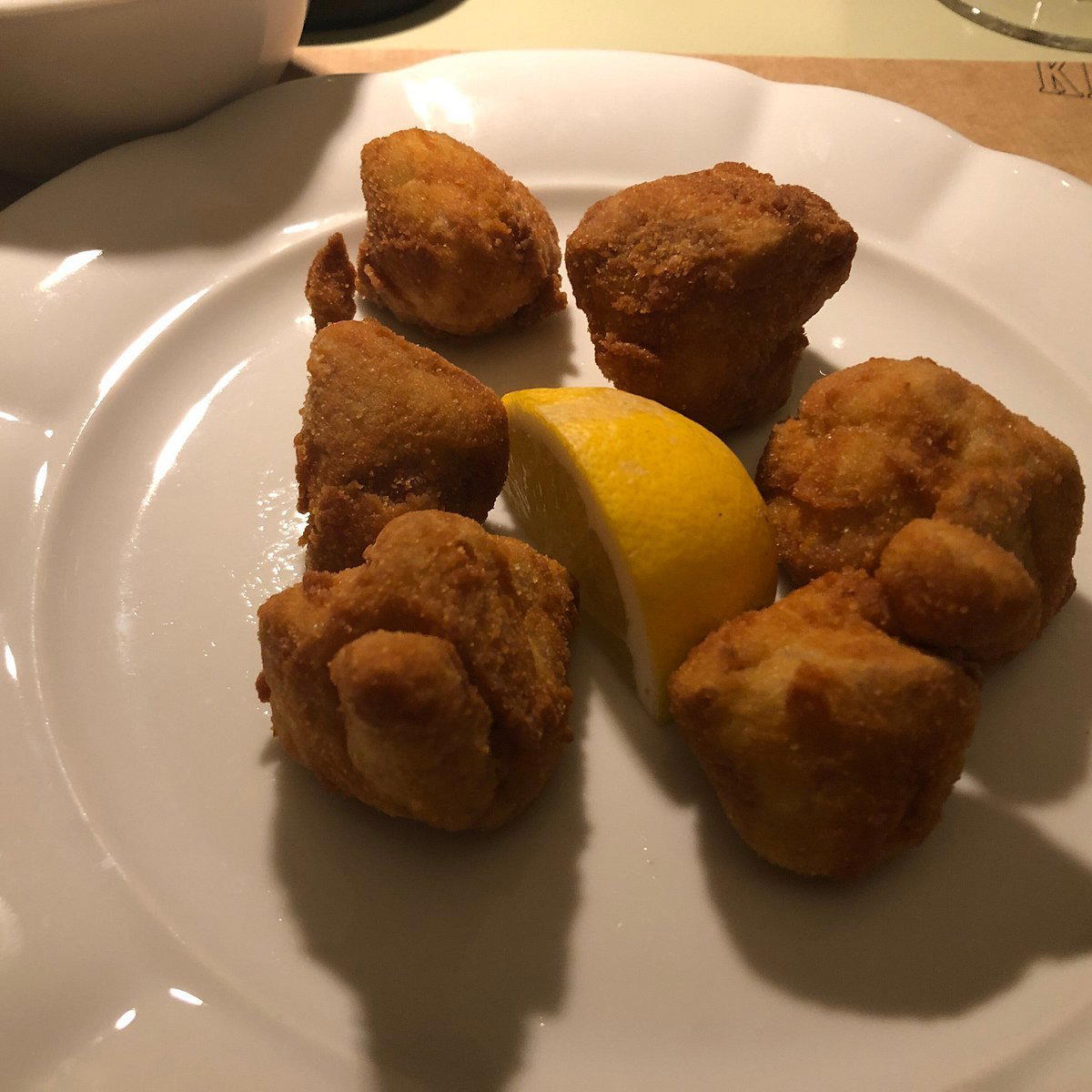
Bars in Sopron
Browse all →

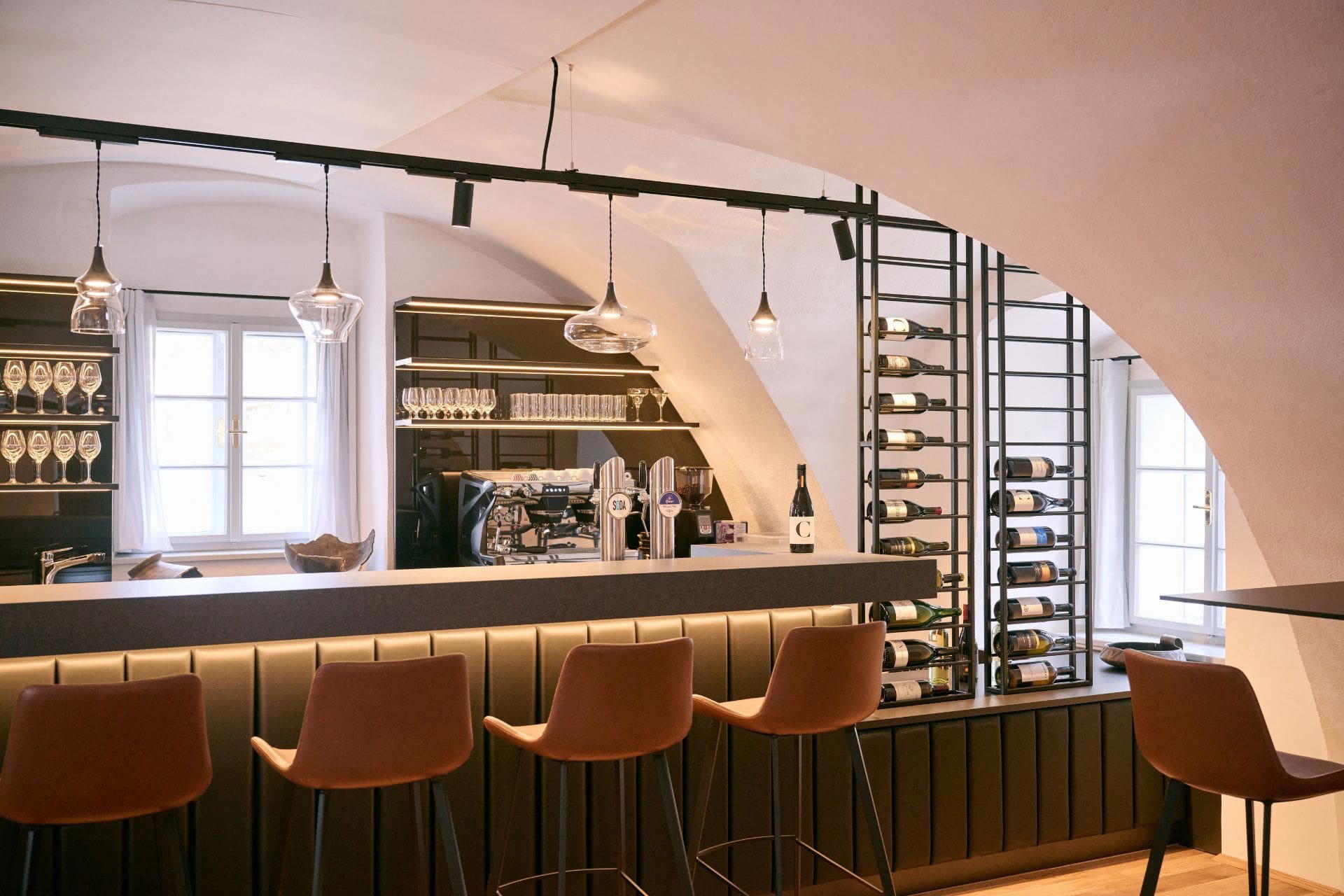
Hotels in Sopron
Browse all →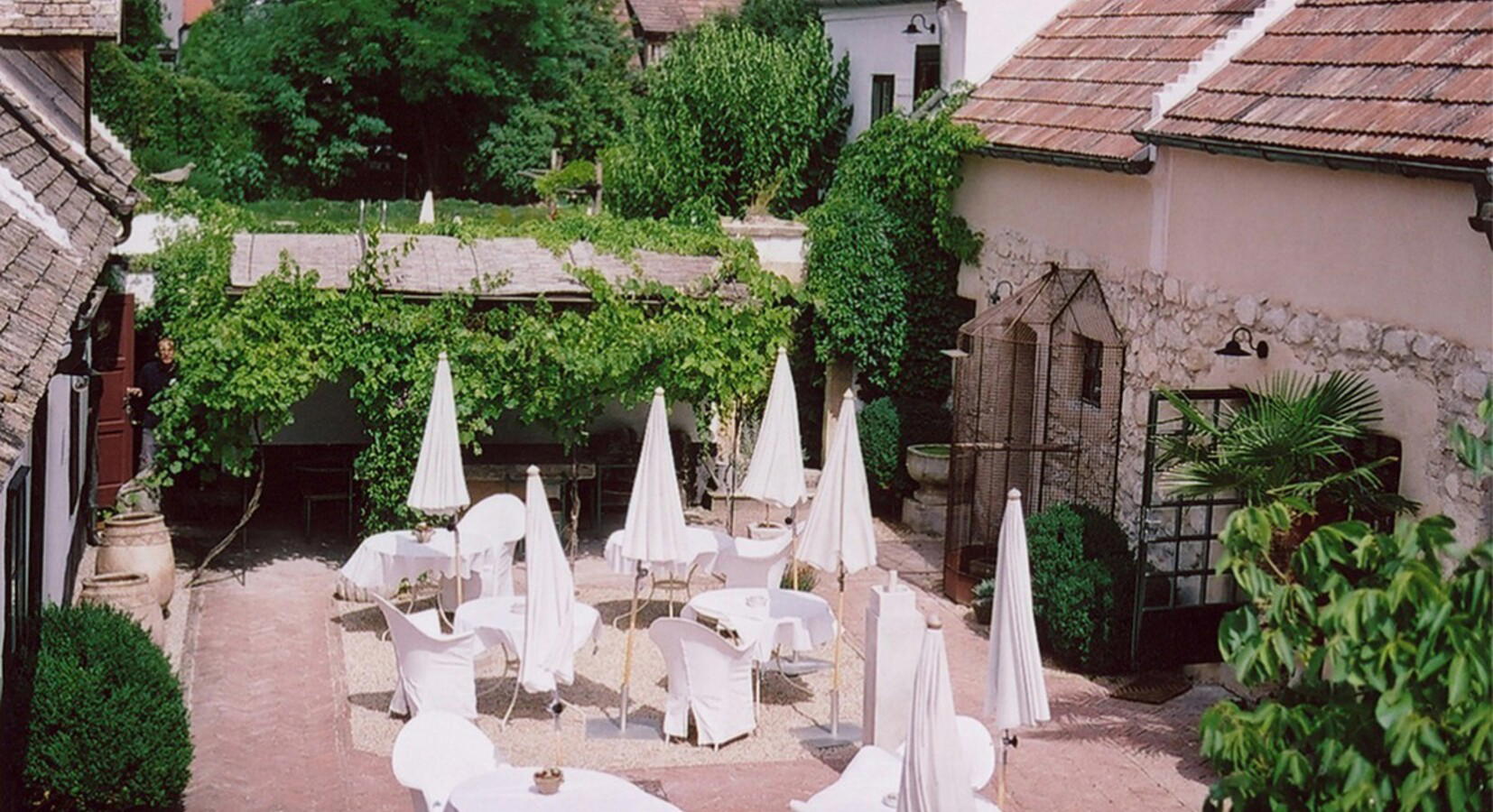
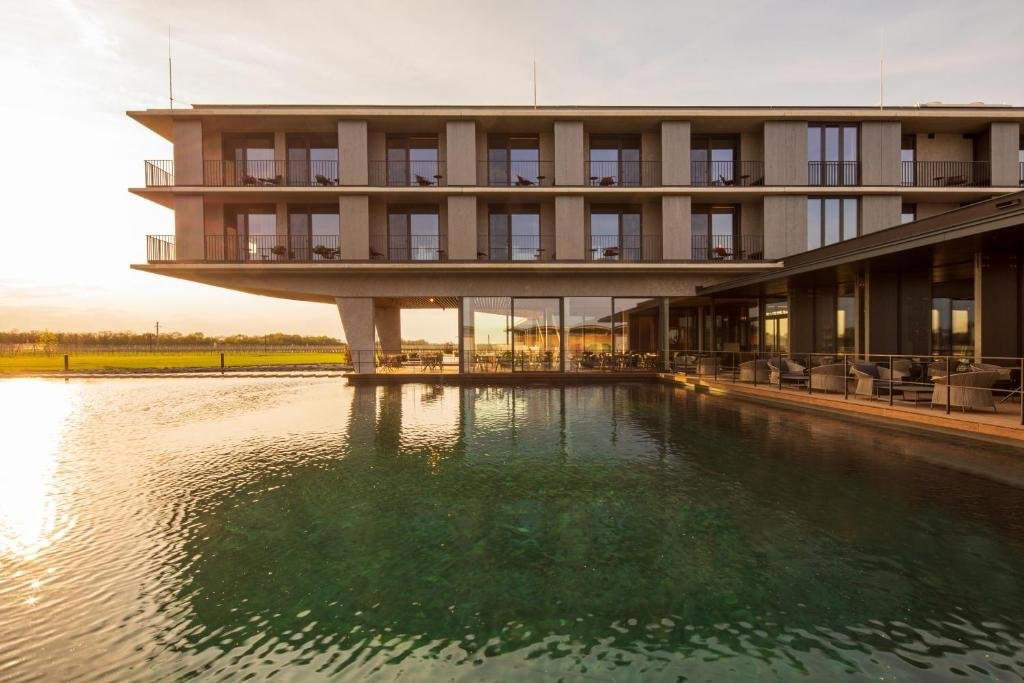
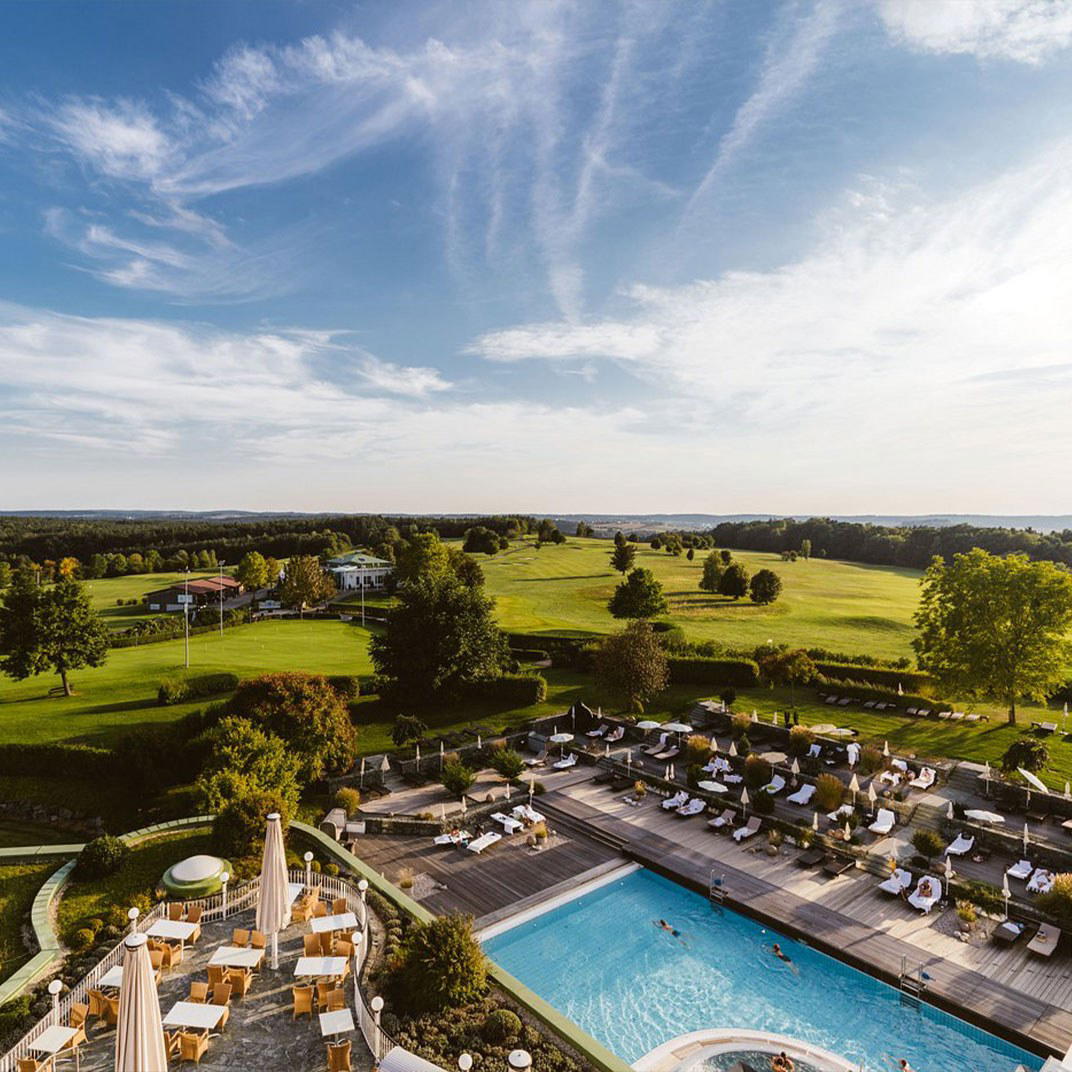

At a Glance
- Cozy
- Elegant
- Classic
- Date Night
- Family
- Group Dining
- Garden
- Private Dining
- Wine Cellar
- Extensive Wine List
- Sommelier Led
- Garden
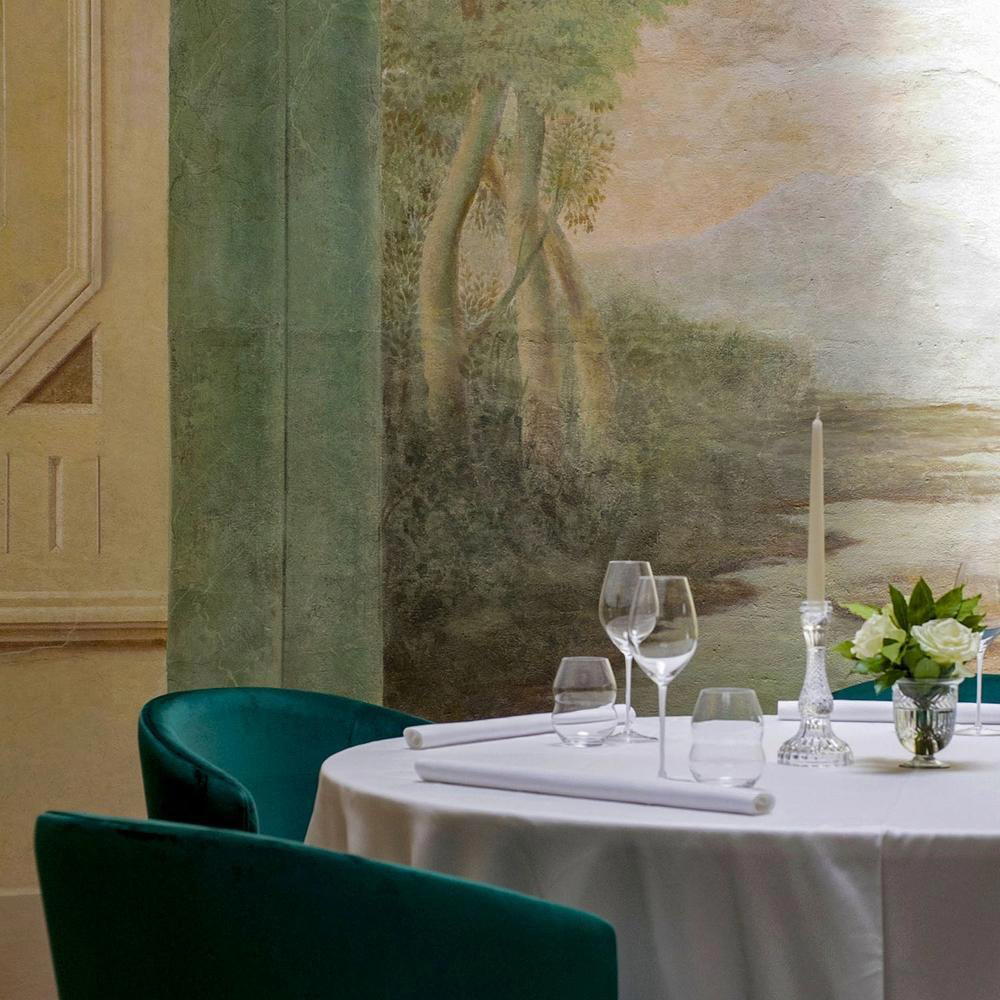
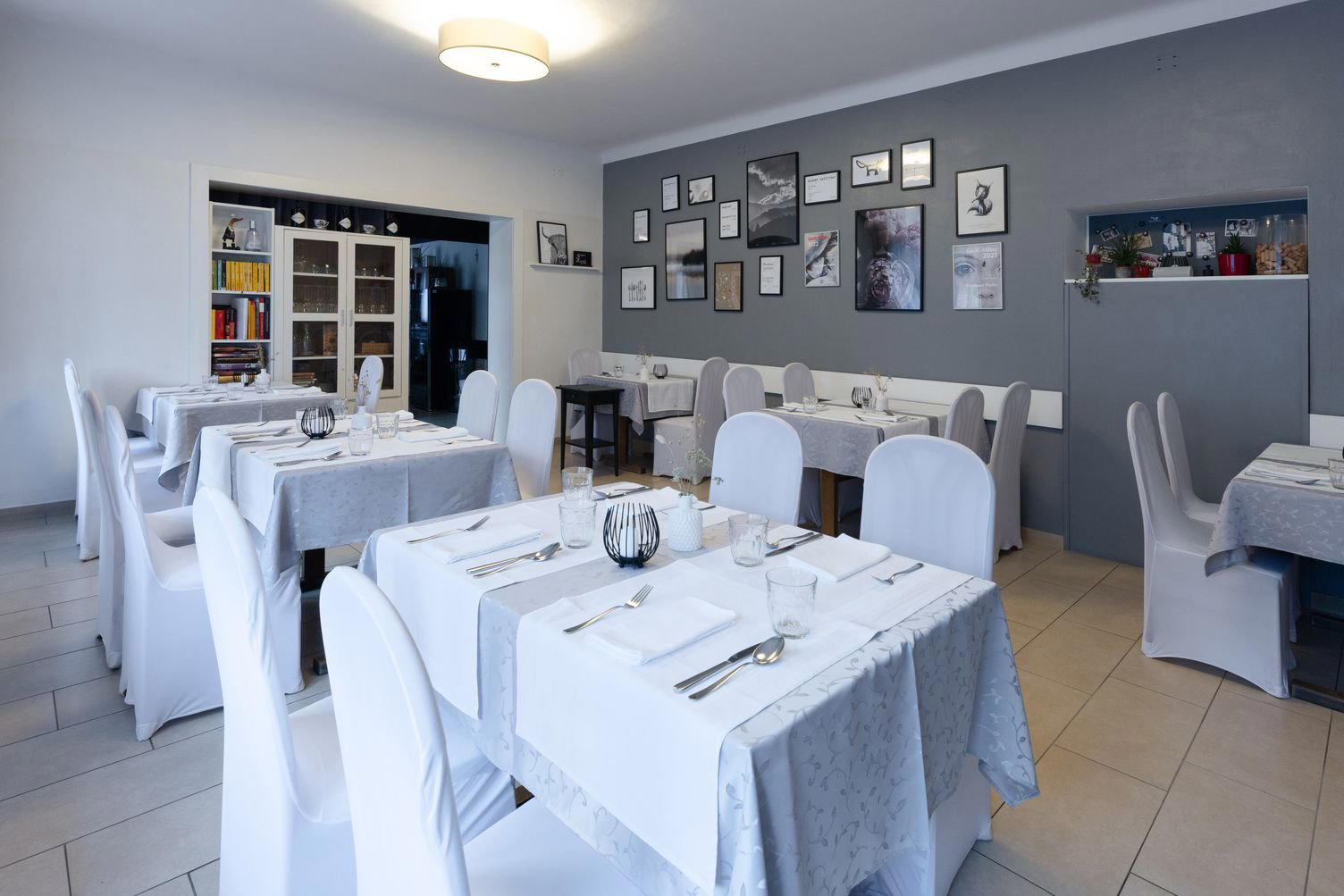
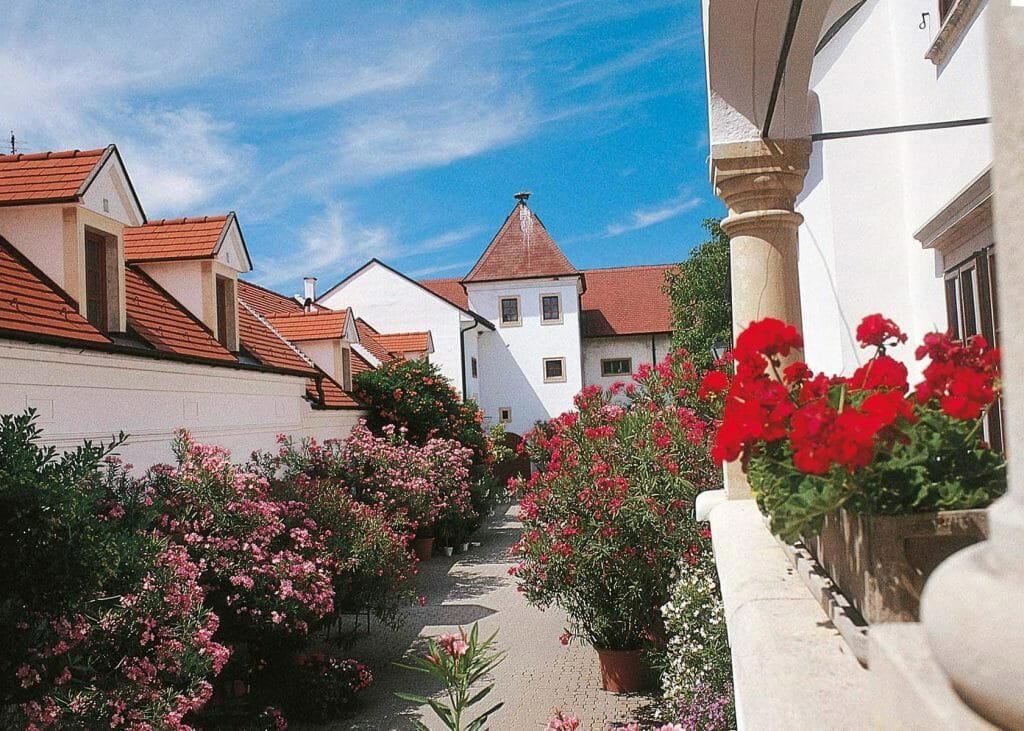
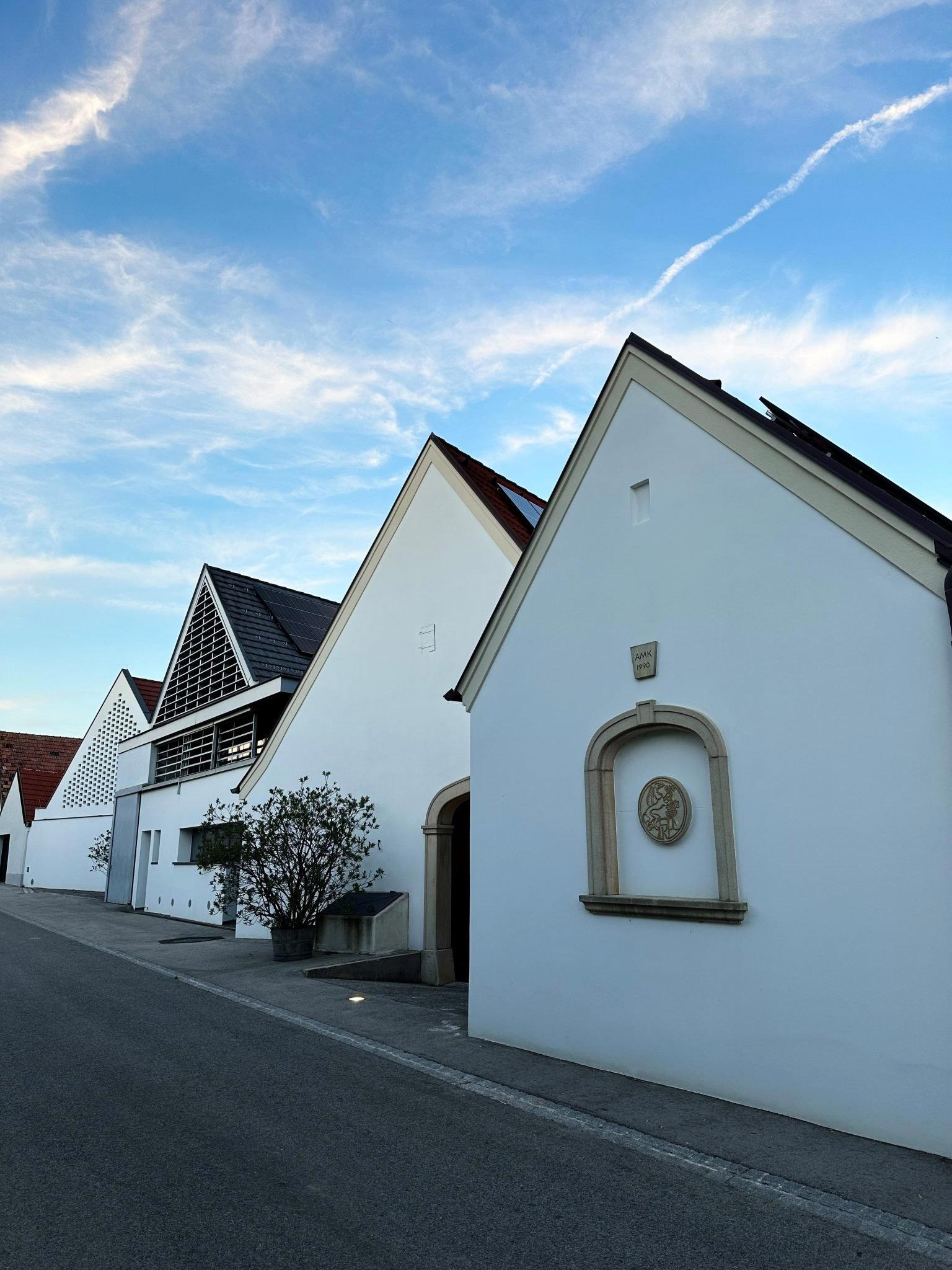
Intimate lighting, artistic interior design with secret corners, cozy atmosphere, and pleasant terrace in good weather.