
Michelin Plate
Our verdict
Hosts Susanne and Michael Pilz run the room with the kind of warmth that keeps tables booked well in advance.

Pearl is the En Primeur Club membership app, where members save venues, book tables and use the concierge.
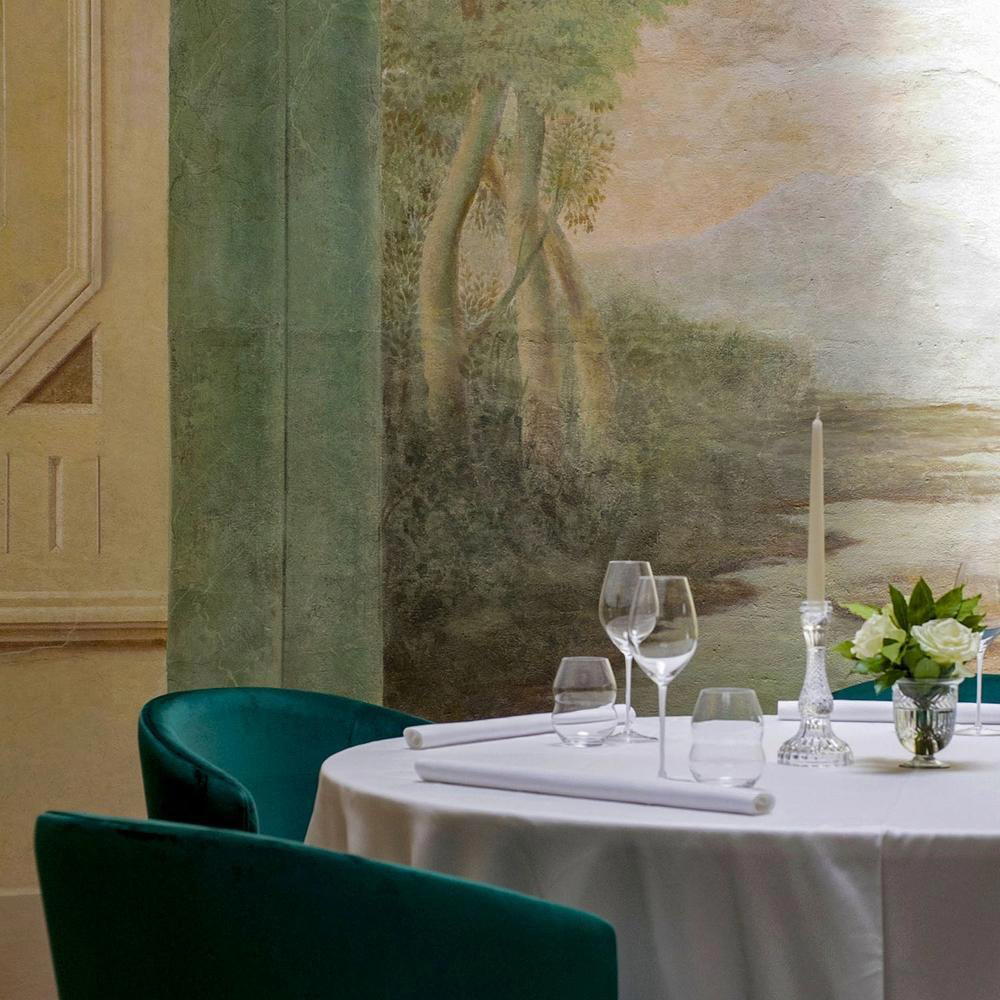
A Townhouse Table in Rust's Old Quarter
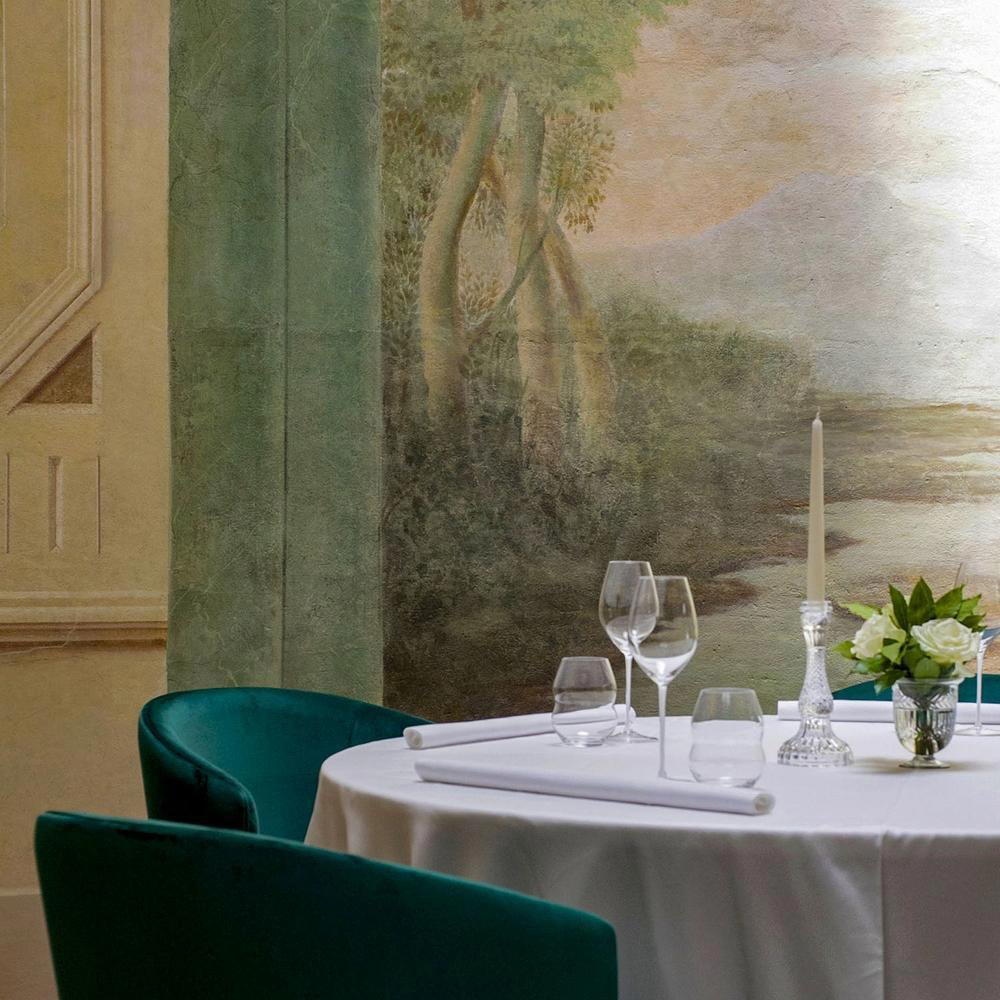
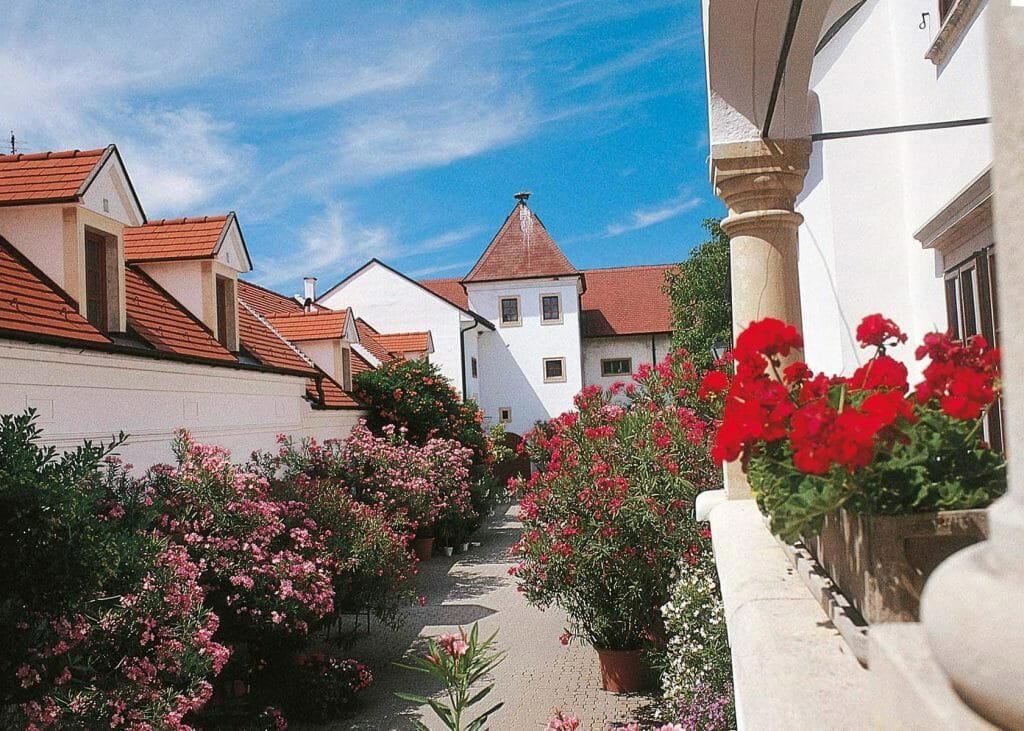
Rust is a compact town on the western shore of Lake Neusiedl, a UNESCO-listed shallow-water lake whose reed banks define the eastern edge of Burgenland's wine country. The town is better known for its stork nests and its Ruster Ausbruch sweet wines than for its restaurants, which makes the concentration of serious cooking here, including ammolite - The Lighthouse Restaurant and Eatrenalin, somewhat surprising to first-time visitors. Im Hofgassl occupies a 16th-century townhouse in the heart of the old quarter. The building announces itself quietly: stone walls, a low arched entrance, and the kind of proportions that predate the idea of a purpose-built dining room. Inside, vaulted ceilings and pale plasterwork create the ambient cool that thick stone carries even in summer. Outside, a courtyard shaded by trees, grapevines, shrubs, and herbs functions as a second dining room through the warmer months, the kind of outdoor space where the architecture and the planting feel continuous rather than decorative. The meal at Im Hofgassl reflects that tradition. Neither dish is timid, but neither demands that the diner work to understand it. Compare the approach here to the more technically demanding formats at Döllerer in Golling an der Salzach or Ikarus in Salzburg, and the distinction is clear: Im Hofgassl prioritises the logic of a composed meal over the demonstration of a kitchen's range. That is a considered choice, not a limitation. Gannerhof in Innervillgraten and Fahr in Künten-Sulz both work within a similar regional-cuisine frame. Ois in Neufelden, Kräuterreich by Vitus Winkler in Sankt Veit im Pongau, and Obauer in Werfen and Griggeler Stuba in Lech represent other points on a circuit that rewards slower travel. Steirereck im Stadtpark in Vienna anchors the top end of the same national dining tradition. See the full Rust restaurants guide, along with guides to Rust hotels, bars, wineries, and experiences for a complete picture of the town. Rust is a small town, and the restaurant operates within the rhythms of a regional calendar, seasonal availability and local demand both affect table access. No booking method is confirmed in the public record, but for a room of this size and recognition, planning ahead by at least several weeks is prudent, particularly for weekend dinners or high summer when the courtyard is in use. The courtyard's shade and planting make it the preferred setting from late spring through early autumn; the vaulted interior is the natural choice the rest of the year.
Frequently asked questions
What should I budget for a meal at Im Hofgassl?
Pricing at Im Hofgassl is listed as €€.
How far ahead should I plan for Im Hofgassl?
At the €€ tier with Michelin Plate recognition in a small town like Rust, the dining room fills quickly, particularly during summer when Lake Neusiedl draws visitors to Burgenland. Booking at least two to three weeks in advance is a reasonable baseline outside peak season; during summer weekends, earlier is safer. No phone or online booking link is publicly listed, so reaching out directly via local channels or in person is the practical route.
Cuisine Lens
| Venue | Cuisine | Price | Awards | Notes |
|---|---|---|---|---|
| Im HofgasslThis venue (the venue you are viewing) | Modern Austrian Regional | $50–100 | Michelin Plate | Not listed |
| Steirereck im Stadtpark | Modern Austrian Fine Dining | $200–300 | 3 Michelin Stars · World's 50 Best #33 | Creative |
| ammolite - The Lighthouse Restaurant | Modern International Fine Dining | $200–300 | 2 Michelin Stars · La Liste Top Restaurants | Modern European, Modern Cuisine |
| Döllerer | Modern Alpine Cuisine | $100–150 | 2 Michelin Stars · La Liste Top Restaurants | Contemporary Austrian, Innovative |
| Ikarus | Guest Chef Fine Dining | $200–300 | 2 Michelin Stars · La Liste Top Restaurants | Modern European, Creative |
| Mraz & Sohn | Contemporary Austrian Fusion | $150–200 | 2 Michelin Stars · La Liste Top Restaurants | Modern Austrian, Creative |
Recognition history
Dated appearances from independent guides and award organizations, with the underlying list record or original source where available.
Michelin Plate
Michelin
Full recognition history (3 entries)
Michelin Plate
Michelin
Michelin Plate
Michelin
Continue exploring
More in Rust
Restaurants in Rust
All restaurants in Rust →
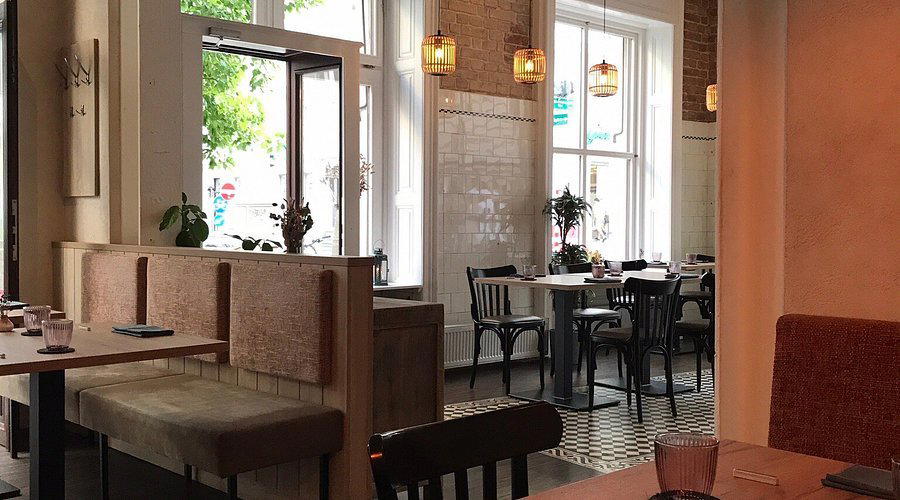
![[aend] restaurant in Vienna](https://cdn.enprimeurclub.com/storage/v1/object/public/images/locations/recsVyRkMfzCxPmp0/hero2.jpg?width=3840&quality=75)
Bars in Rust
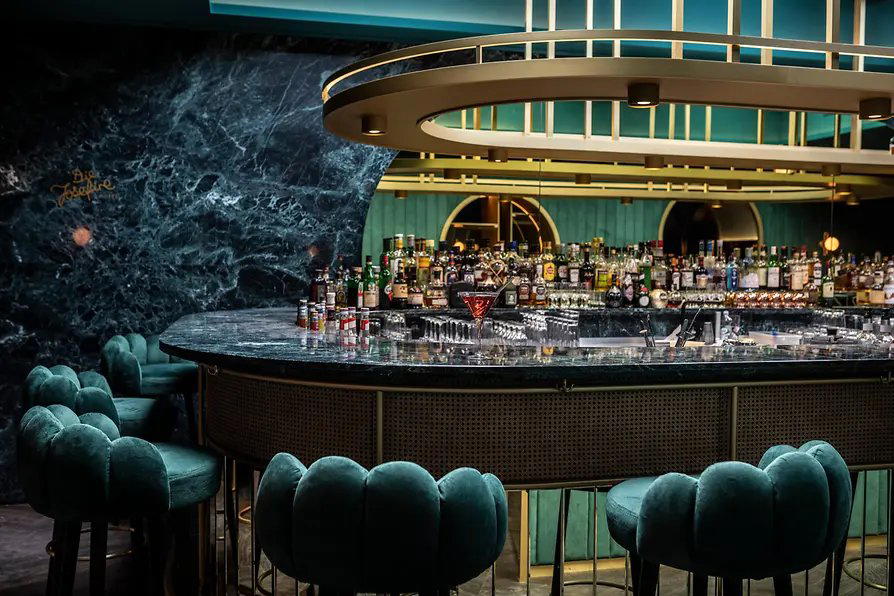
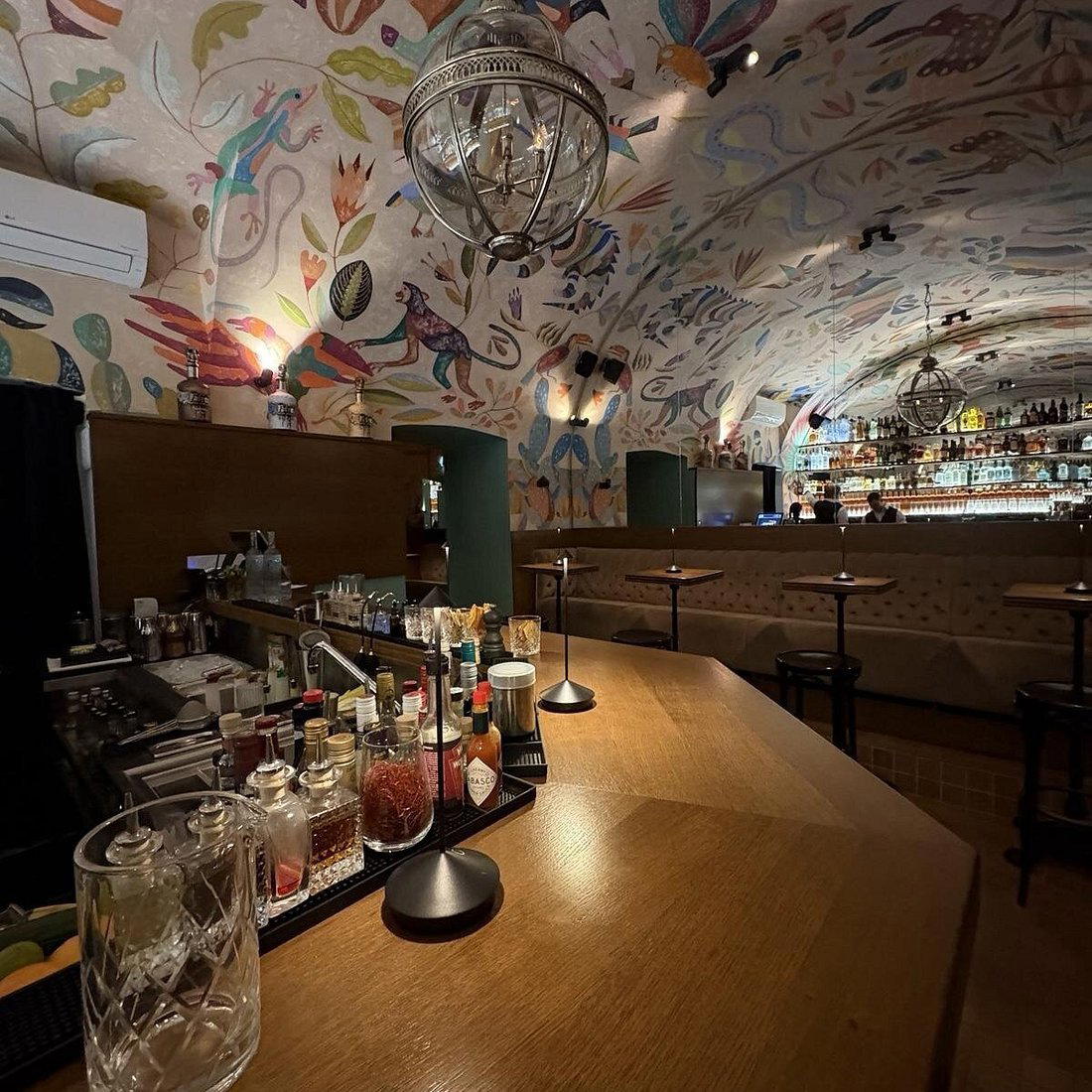
Browse all →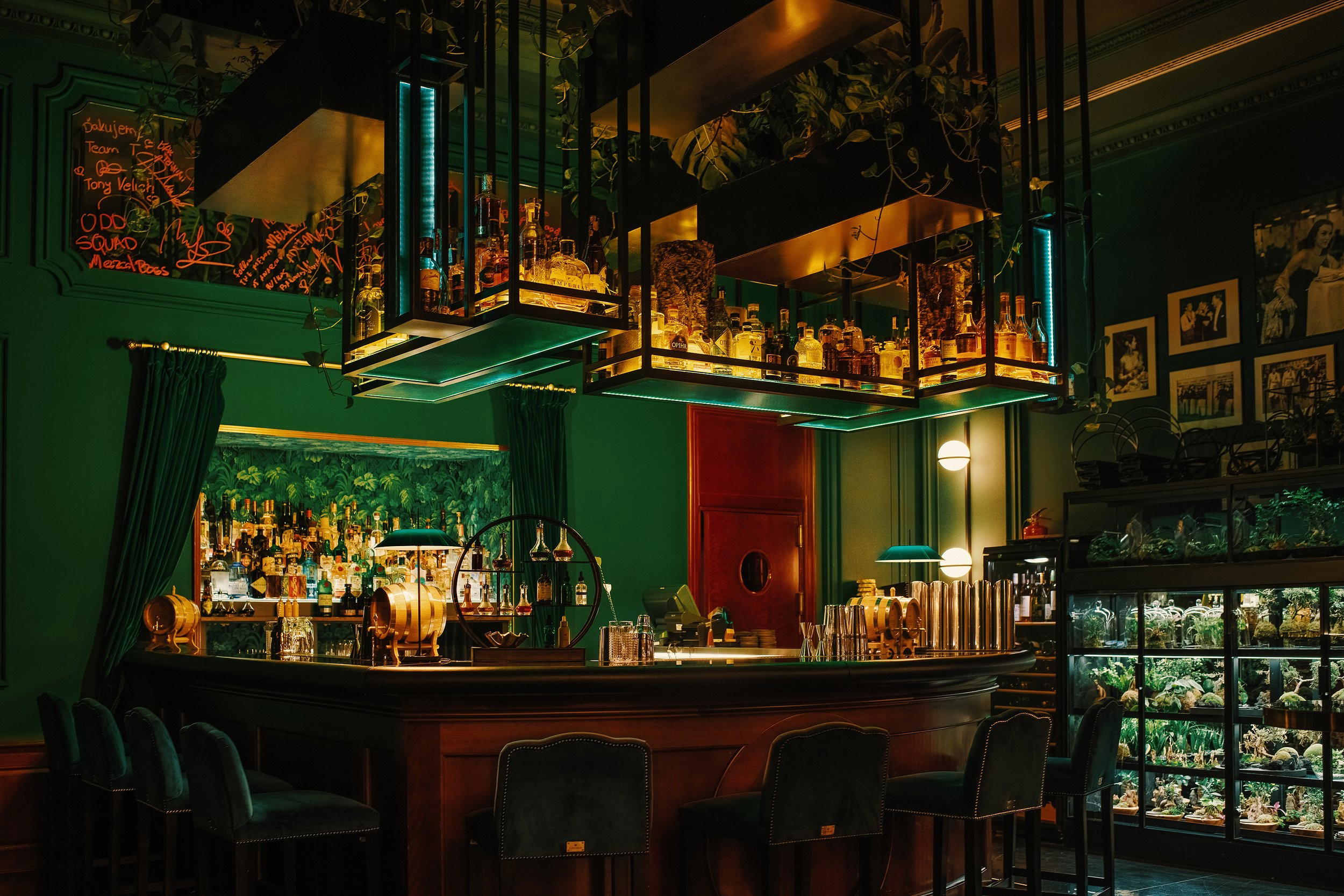
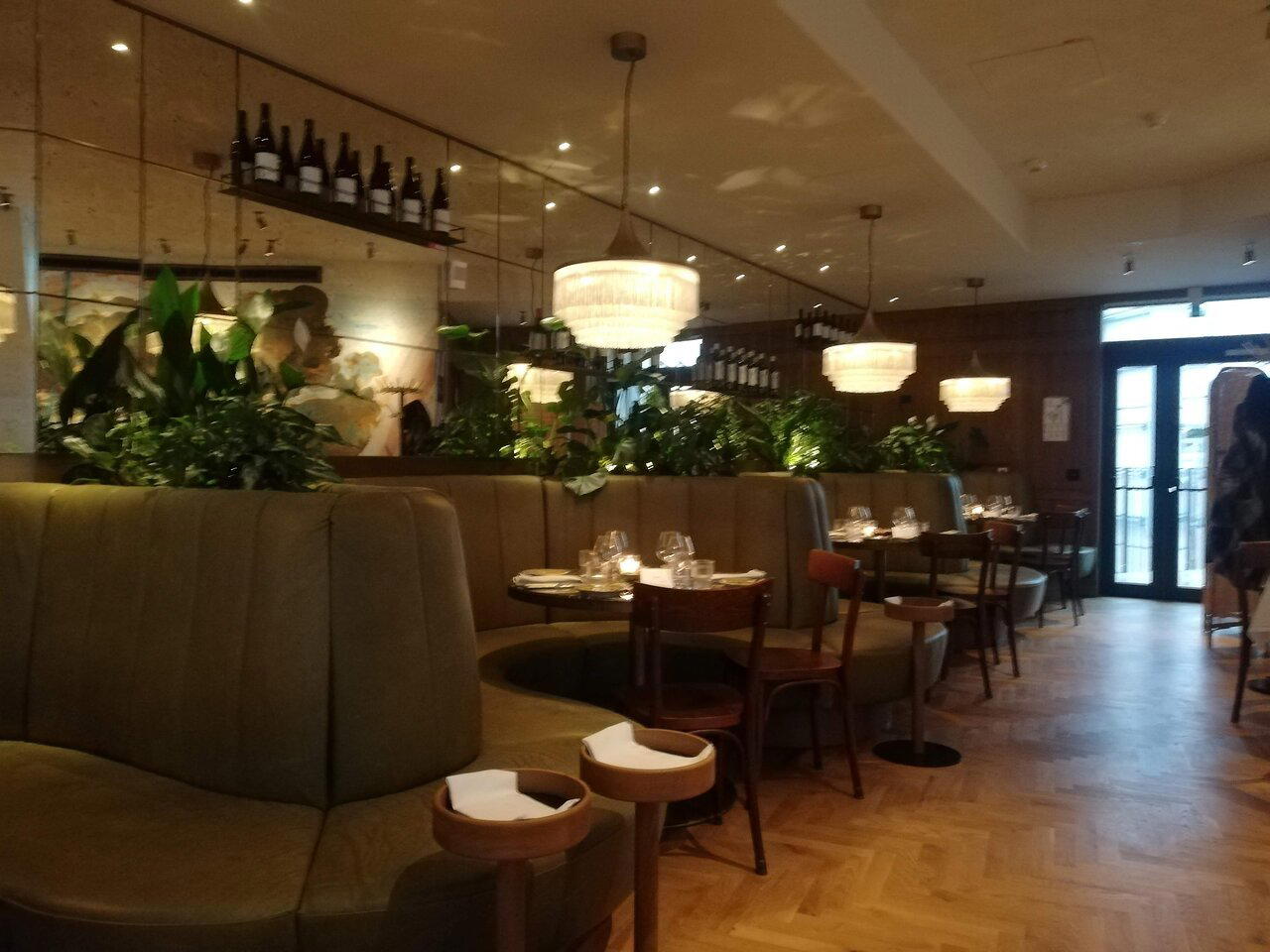
Hotels in Rust
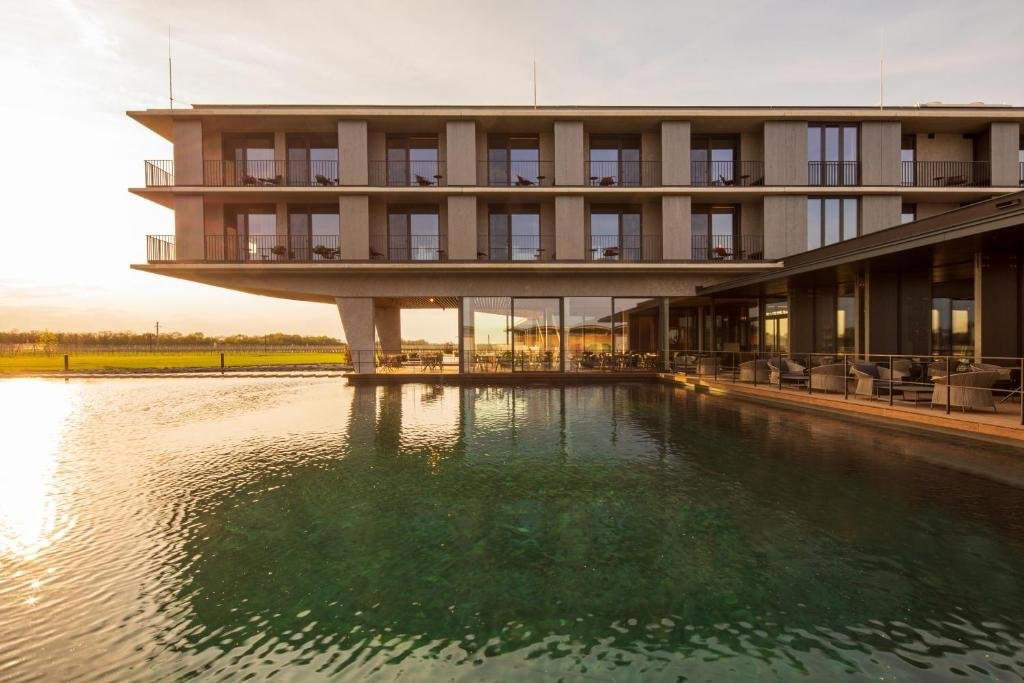
Browse all →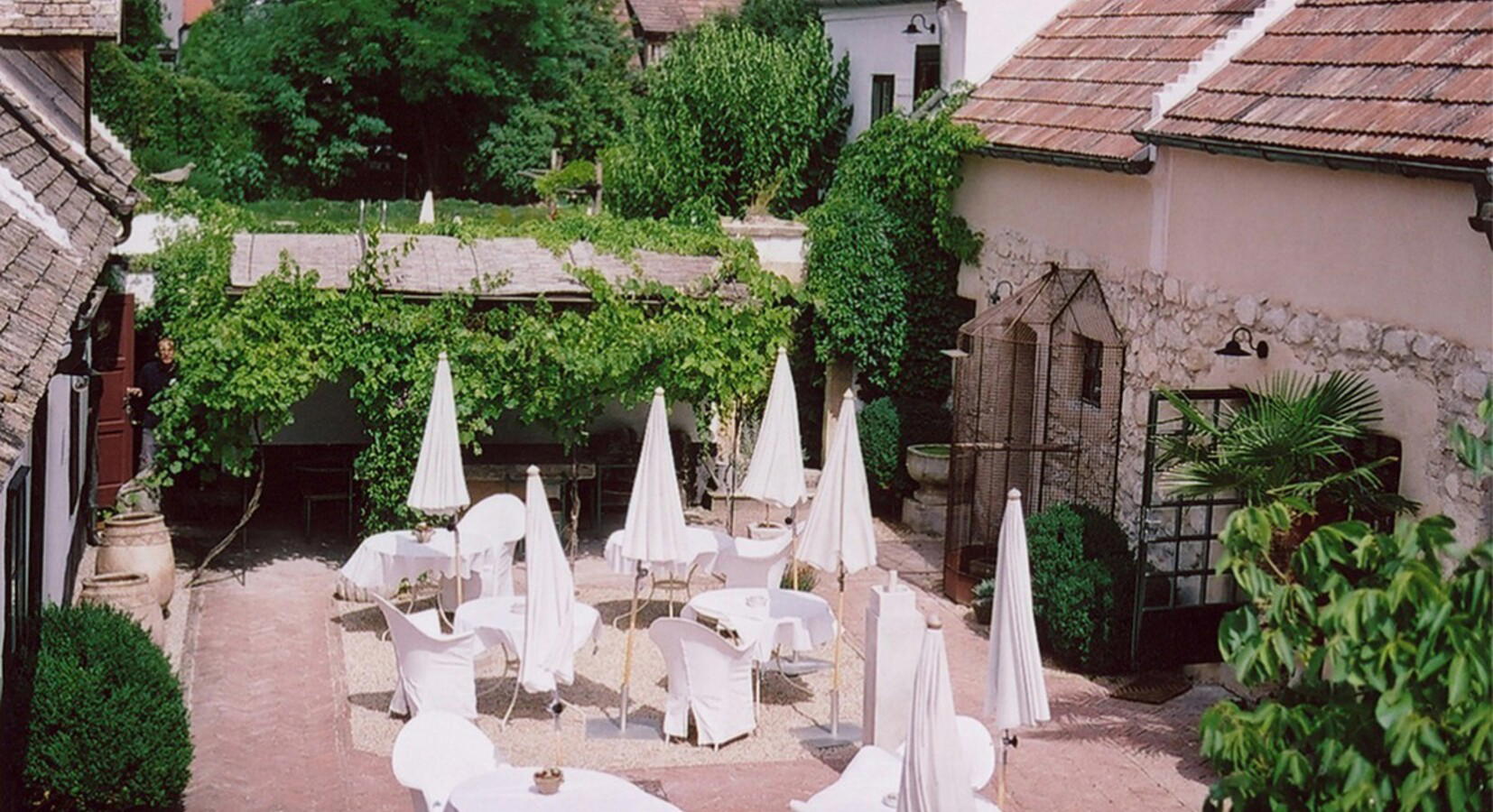
Details
- Cozy
- Rustic
- Intimate
- Elegant
- Date Night
- Special Occasion
- Family
- Garden
- Historic Building
- Extensive Wine List
- Local Sourcing
- Garden
- A La Carte
- Vegetarian Friendly
- Gluten Free Options
Cosy atmosphere with beautiful vaulted ceilings and warm hospitality in a historic setting.