
Falstaff Winery - 5 Stars
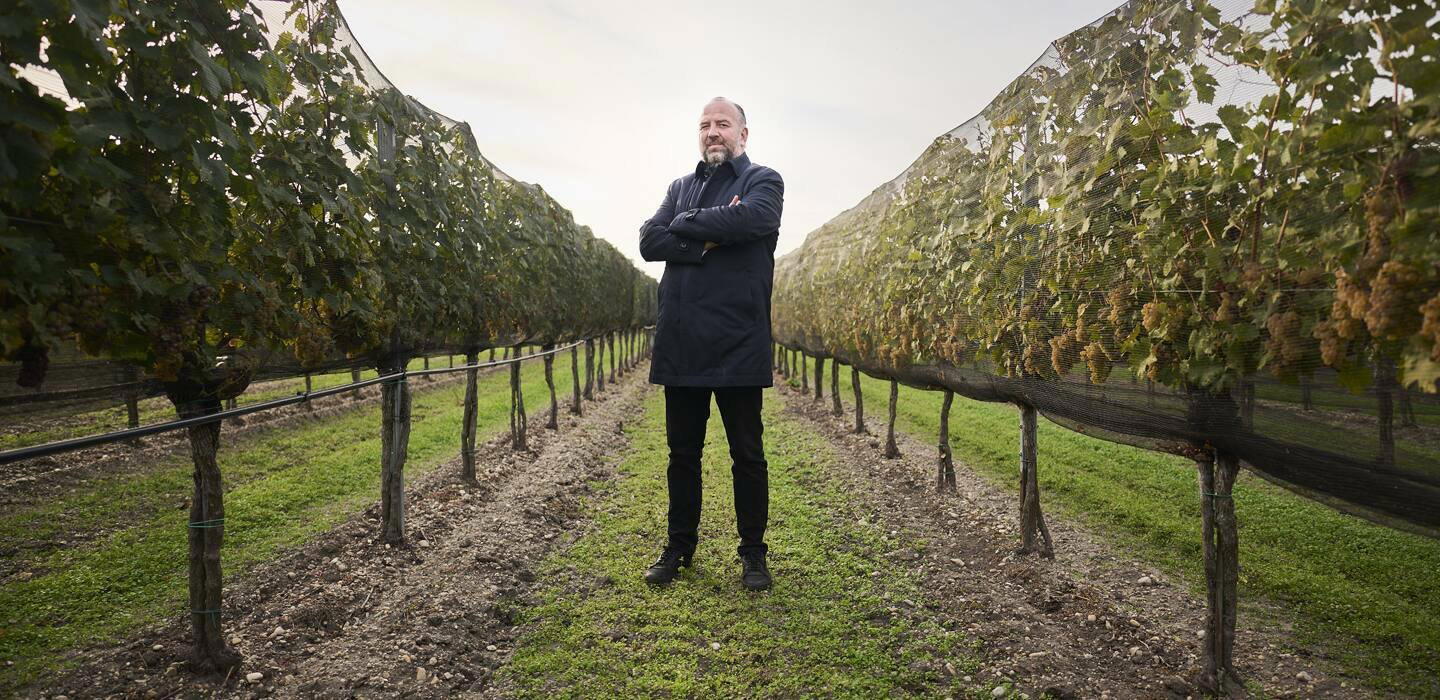
Weingut Ernst Triebaumer sits at the heart of Rust, one of Austria's most historically significant wine towns on the western shore of the Neusiedlersee. It belongs to a small tier of Rust producers whose reputations extend well beyond the region.

Pearl is the En Primeur Club membership app — saves, bookings, and concierge access live there. Same editors, same standards.
- Address
- F.W.-Raiffeisen-Straße 9, 7071 Rust
- Phone
- +43 2685 528
- Website
- triebaumer.com
- Directions
- Get directions
Where the Lake Shapes the Wine
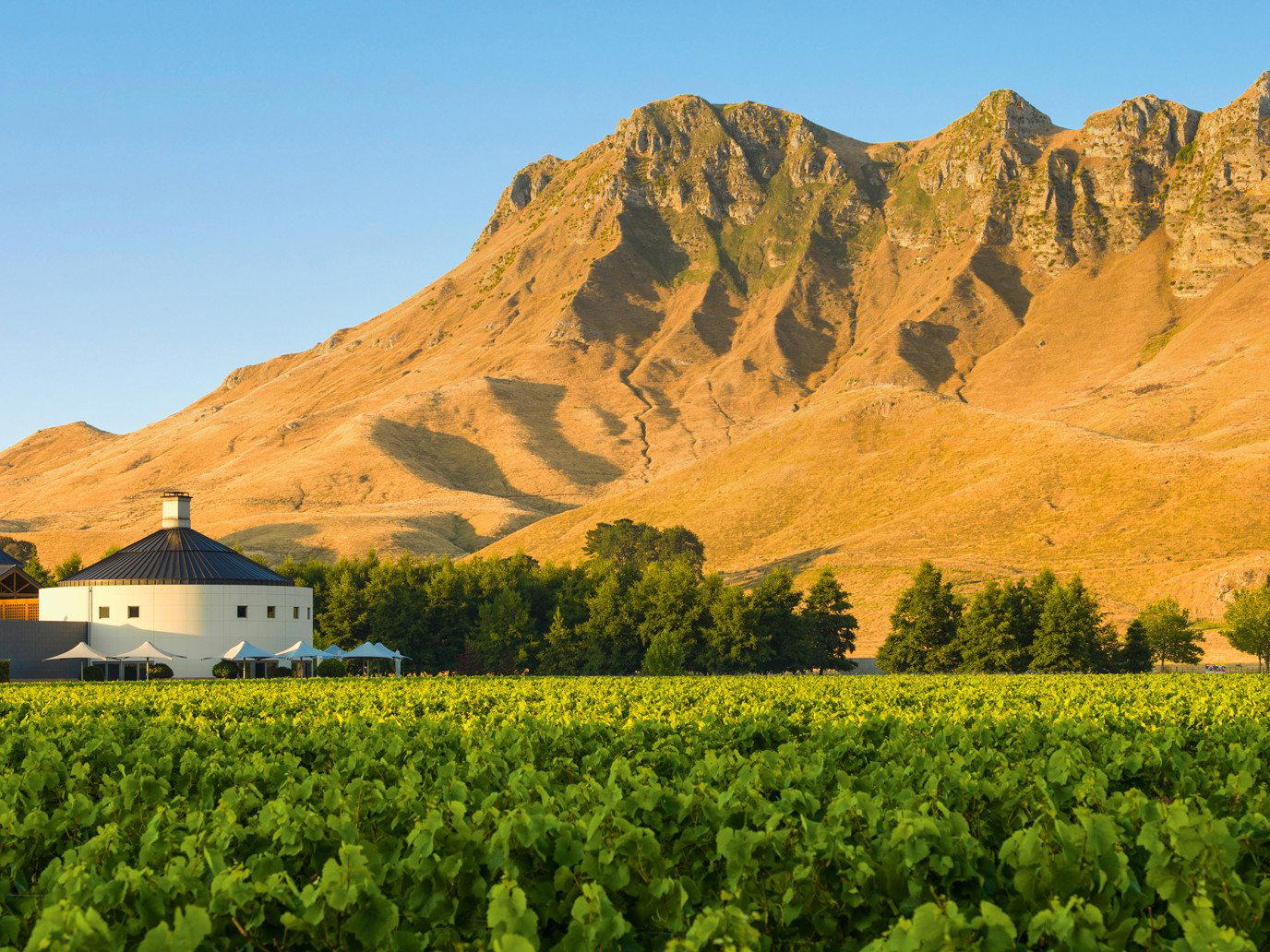
Rust is not a large town. Its medieval walls, preserved Baroque facades, and the stork nests stacked on almost every chimney make it feel more like a stage set than a working wine village, and yet the farming here is serious. The Neusiedlersee — a vast, shallow lake that sits at the border between Austria and Hungary — generates a microclimate unlike anything else in Central Europe. Warm, humid autumns promote botrytis reliably, which is why the Ruster Ausbruch tradition, a late-harvest style predating even Tokaj in documented history, took root here rather than elsewhere. That climatic logic is the starting point for understanding what estates like Weingut Ernst Triebaumer are actually doing.
The address at F.W.-Raiffeisen-Straße 9 places the estate within Rust's compact wine quarter, where cellars run beneath the cobbled streets and the distance between a producer's door and their vines is rarely more than a short walk. This physical proximity between cellar and vineyard is one of the defining characteristics of old Burgenland estates, and it has a direct effect on how fruit is handled between picking and pressing. For anyone arriving from Vienna, the drive south along the eastern edge of the Leitha mountains takes roughly an hour, and the town of Rust itself rewards time spent on foot before or after any tasting.
Terroir on the Western Shore
The soils around Rust carry a different character from those found further north in Niederösterreich or west in Styria. The lake's influence extends well beyond autumn fog and botrytis pressure. Summers are long and warm here, moderated slightly by moisture from the water, which prevents the kind of heat spikes that flatten aromatics. The result is a growing season that builds sugar gradually and retains acidity longer than many producers further inland would manage. Burgenland red wines, particularly those built on Blaufränkisch, reflect this in their structure: concentrated fruit, firm tannin, and enough acid to age meaningfully.
Rust's vineyard geography sits within the broader Neusiedlersee-Hügelland appellation, a designation that covers the hilly land west of the lake. The distinction matters when comparing Triebaumer's position with estates based in flatter, more lake-adjacent positions. Hillside vineyards here tend toward more mineral-driven profiles, with limestone and gravel subsoils that contrast with the silty, fertile flats closer to the shoreline. That contrast is part of why Rust's leading producers occupy a distinct identity within Burgenland, separate from the sweeter, botrytis-heavy profile that dominates some of the lake's eastern communes.
For comparative reference, producers such as Weingut Feiler-Artinger and Weingut Wenzel occupy similar ground in Rust's peer hierarchy, each working with the same lake-moderated climate but arriving at distinct stylistic positions. Across Burgenland more broadly, estates like Weingut Pittnauer in Gols and Weingut Kracher in Illmitz extend the regional reference set, the former focused on natural-leaning reds from Gols, the latter synonymous with Trockenbeerenauslese production on the lake's eastern shore.
Ruster Ausbruch and the Long Tradition
The most historically resonant wine style associated with Rust is the Ruster Ausbruch, a noble rot sweet wine made from individually selected botrytised grapes that was granted its own royal trading privileges in the seventeenth century. The style sits between Beerenauslese and Trockenbeerenauslese in sweetness and concentration, and its production depends entirely on the Neusiedlersee's autumn fog rolling in at exactly the right moment. Not every vintage delivers the conditions required, which is why the style is made selectively rather than annually. Estates that have maintained this tradition across generations carry a credibility that newer arrivals cannot replicate on a short timeline.
Austria's broader wine tradition provides useful context here. In the Wachau, producers like Weingut Emmerich Knoll in Dürnstein and Weingut Bründlmayer in Langenlois work within a framework where Riesling and Grüner Veltliner dominate, and the focus is on dry wines of precise mineral character. In Burgenland, the register shifts: reds take priority, and sweet wines occupy a separate but equally serious tradition. The two regions are not in competition so much as they are expressions of how different climatic realities produce different hierarchies of style. Understanding that split helps place an estate like Triebaumer within the correct frame of reference.
Visiting and Planning
Rust operates on the rhythms of a small Austrian wine town, which means advance contact is advisable before making a specific visit to any estate. The town itself is accessible year-round, with late summer and autumn offering the most atmospheric timing as harvest activity brings the wine quarter to life. The full Rust restaurants guide covers the wider scene, including accommodation and dining options appropriate for a longer stay in the region.
Estates across Austria's wine country vary considerably in how they receive visitors. Some operate formal tasting rooms with scheduled hours; others function as family operations where appointments are made directly with the producer. Weingut Ernst Triebaumer falls into a category of estate where the visit is a considered exercise rather than a drop-in. That applies equally to comparable properties in other Austrian regions: Weingut Wohlmuth in Kitzeck in southern Styria, Weingut Heinrich Hartl in Oberwaltersdorf, and Weingut Scheiblhofer Distillery in Andau all reward planned visits over spontaneous ones.
For those building a longer Austrian itinerary that extends beyond wine, the country's distilling culture has developed considerably in recent years. Operations like 1310 Spirit of the Country Distillery in Sierning, 1404 Manufacturing Distillery in Sankt Peter-Freienstein, and the urban 1516 Brewing Company in Vienna offer a different lens on Austrian craft production. For international comparison, Aberlour in Aberlour and Accendo Cellars in St. Helena represent how other serious wine and spirit regions structure estate visits for committed drinkers.
In a region where quality has risen sharply over the past two decades, maintaining that tier requires consistent execution across both dry reds and, where vintages allow, the demanding Ruster Ausbruch format. The estate represents the kind of address that belongs on a considered Austrian wine itinerary rather than as an incidental stop. Rust's compact geography makes it practical to cover multiple producers in a single visit, but Triebaumer warrants time in its own right.
Side-by-Side Snapshot
Comparable venues nearby, for context on price, style, and recognition.
| Venue | Cuisine | Price | Awards | Notes |
|---|---|---|---|---|
| Weingut Ernst TriebaumerThis venue — the venue you are viewing | Blaufränkisch, Chardonnay | Not listed | Falstaff Winery - 5 Stars | Not listed |
| Weingut Feiler-Artinger | Blaufränkisch, Zweigelt | Not listed | Falstaff Winery - 4 Stars | Rust |
| Weingut Wenzel | Furmint, Gelber Muskateller | $20–30 | Falstaff Winery - Listed | Rust |
| Gut Oggau Winery | Blaufränkisch, Zweigelt | Not listed | Falstaff Winery - Listed | Oggau |
| Weingut Ludwig Neumayer | Grüner Veltliner, Riesling | $30–50 | Falstaff Winery - 5 Stars | Inzersdorf ob der Traisen |
| Weingut Bründlmayer | Grüner Veltliner, Riesling | Not listed | Falstaff Winery - 5 Stars | Langenlois |
Recognition history
Dated appearances from independent guides and award organizations, with the underlying list record or original source where available.
Falstaff Winery - 5 Stars
Falstaff
Continue exploring
More in Rust
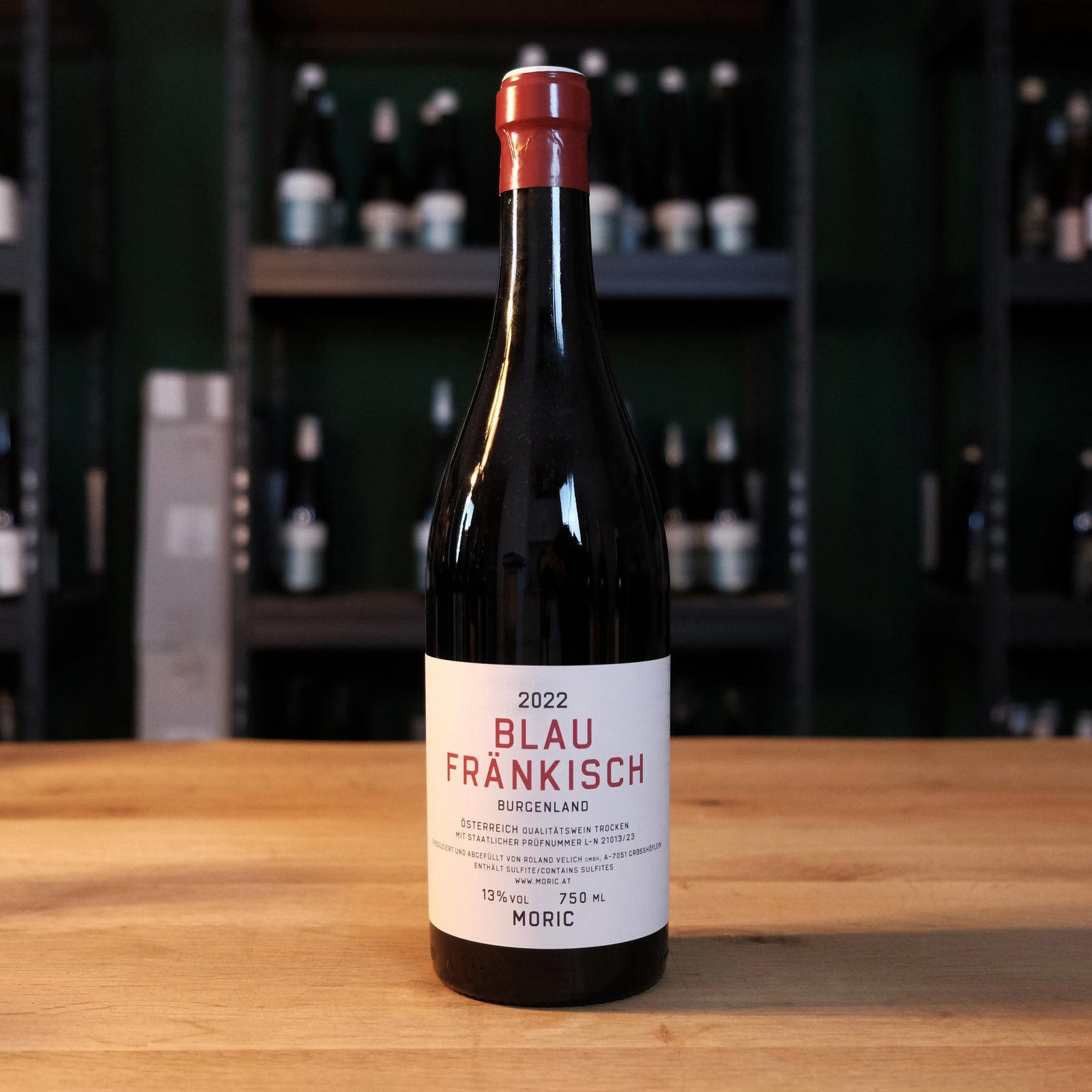
Wineries in Rust
Browse all →
Bars in Rust
Browse all →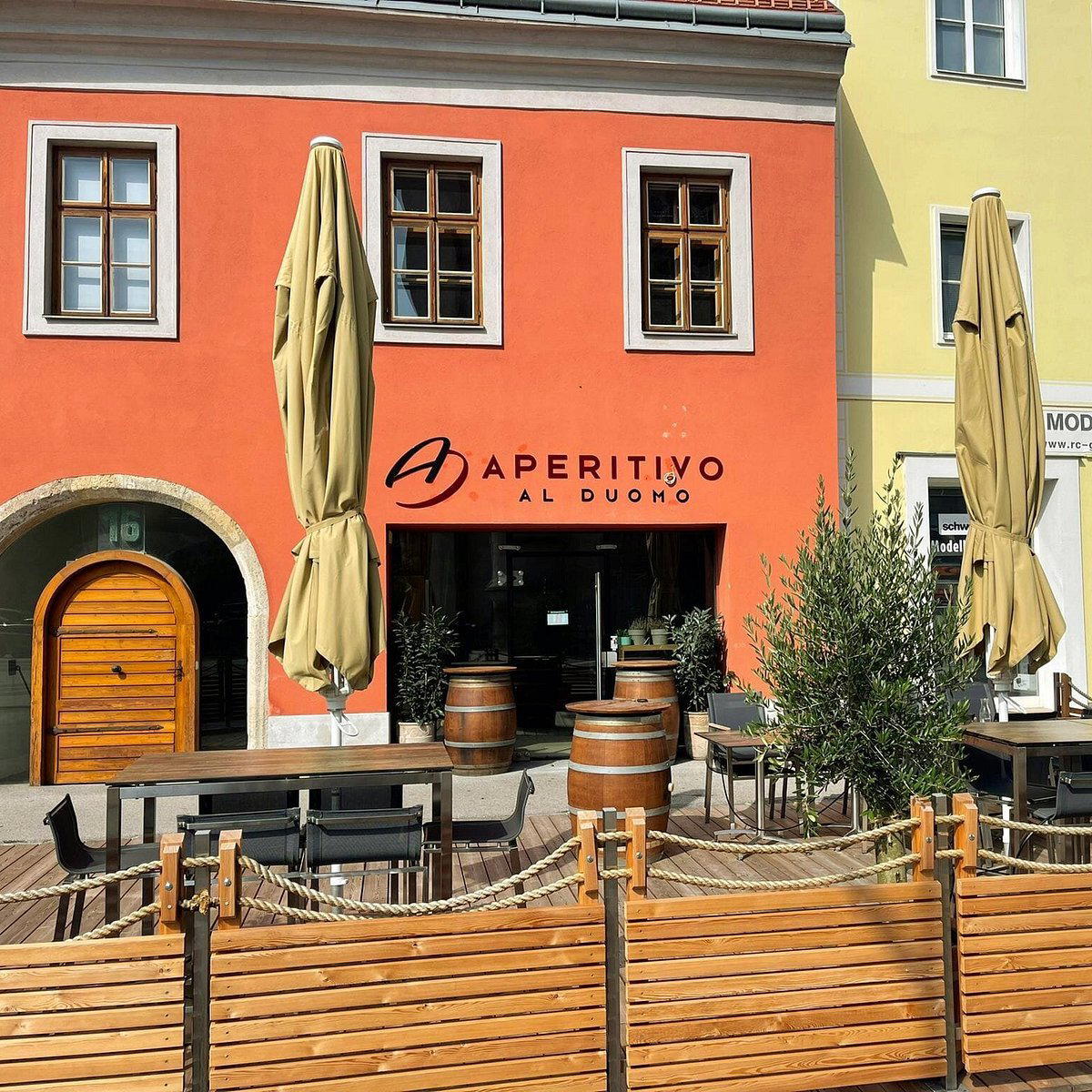

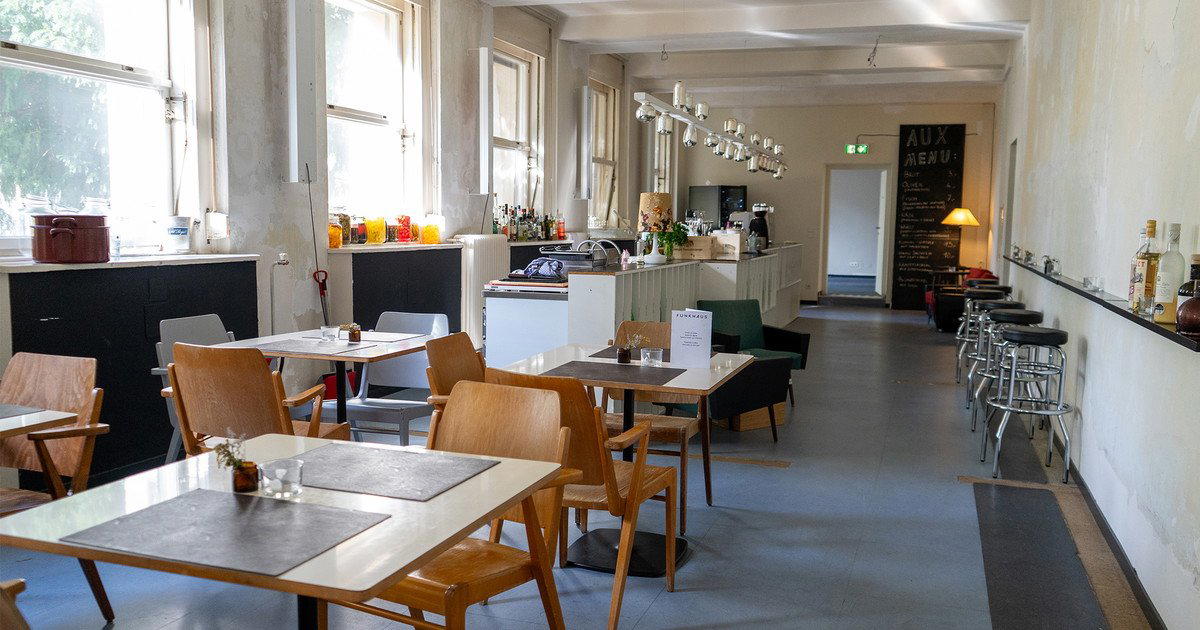
Restaurants in Rust
Browse all →
Details
- Rustic
- Scenic
- Elegant
- Classic
- Wine Education
- Solo Exploration
- Special Occasion
- Vineyard Tour
- Estate Grounds
- Biodynamic
- Sustainable
- Vineyard
- Blaufränkisch
- Chardonnay
- Cabernet Sauvignon
- Merlot
- Ruster Ausbruch
- Furmint
- Still Red
- Still White
- Dessert
- Cellar Tasting
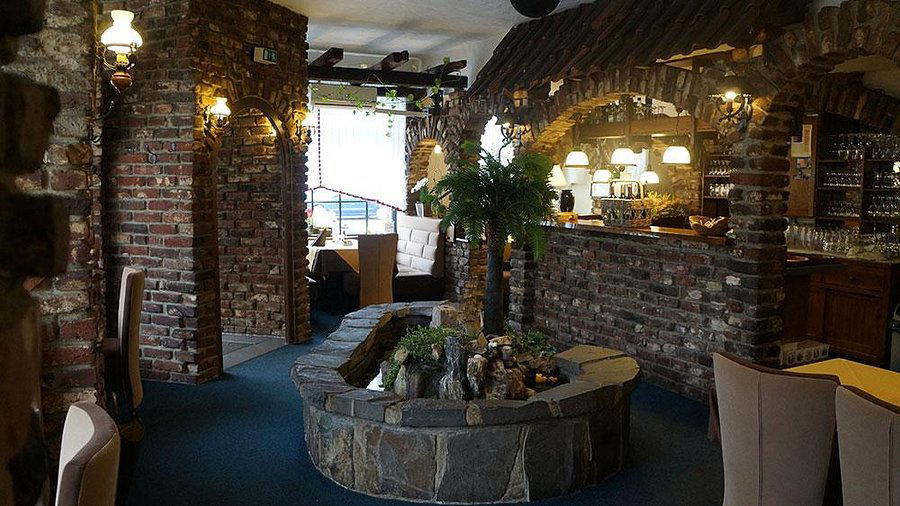
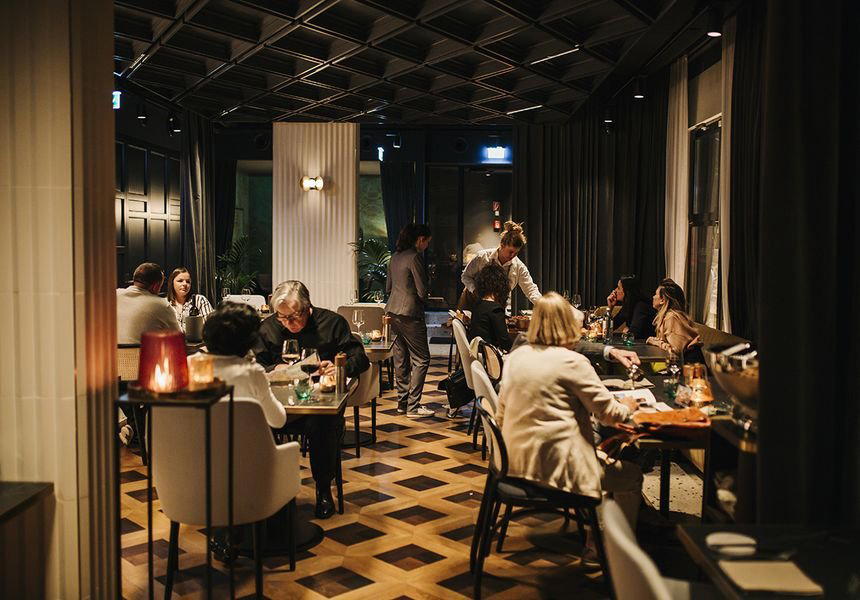
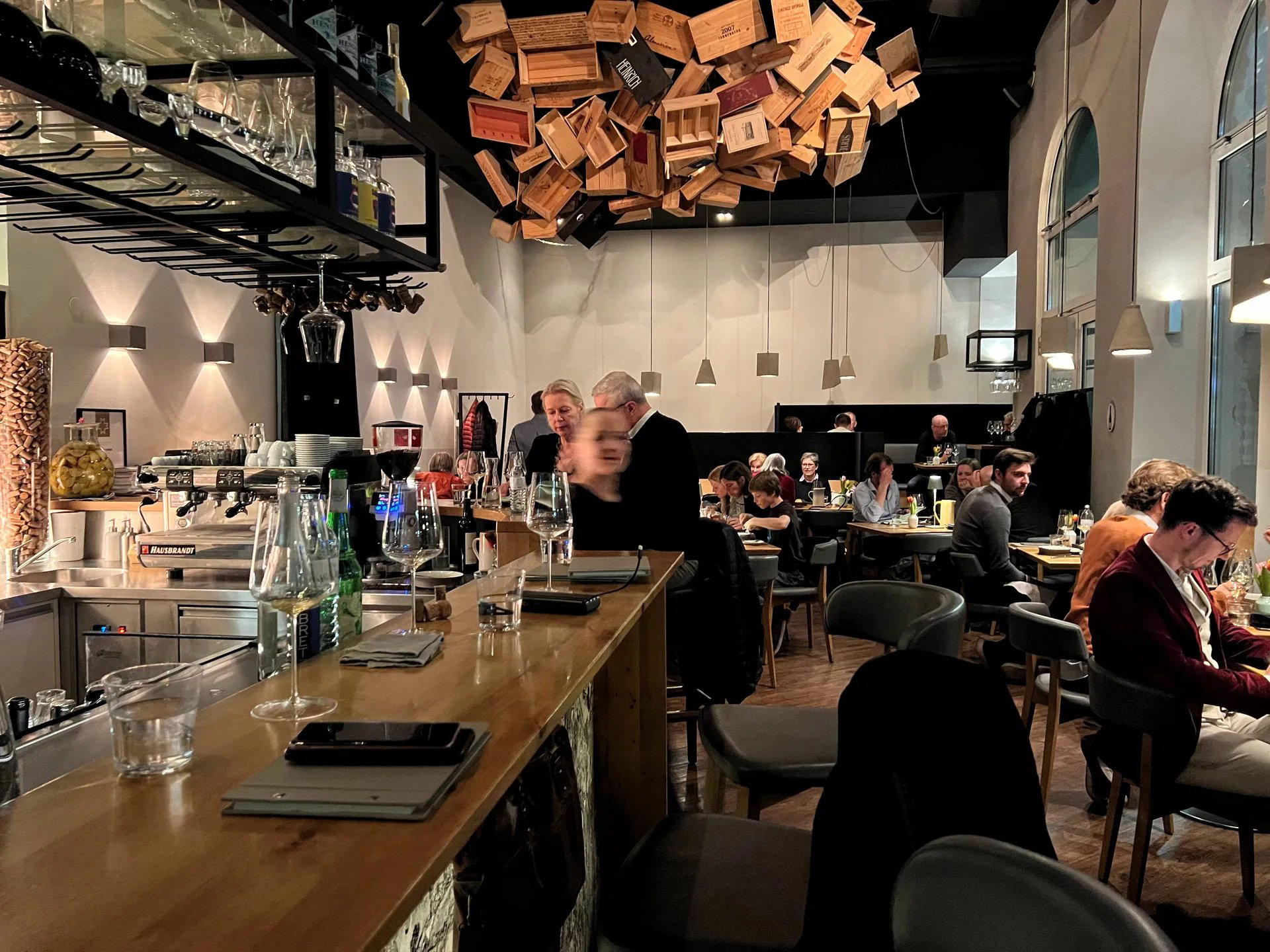
Intimate family-run tasting room with warm, authentic atmosphere focused on sustainable winemaking and terroir-driven wines.