
Michelin Bib Gourmand
Our verdict
On Rust's cobblestoned main square, Kirchenwirt occupies the kind of inn that Austrian market towns used to anchor their civic life around. The handwritten menu runs to Tafelspitz, goulash, and apricot dumplings, executed with the craft standards you'd expect from a kitchen overseen by a Steirereck alumnus. In a town otherwise trending toward high-concept dining, this is the place that keeps its feet on the ground.

Pearl is the En Primeur Club membership app — saves, bookings, and concierge access live there. Same editors, same standards.
- Address
- Rathausplatz 18
- Phone
- +43 2684 2297
- Hours
- Mon–Tue 10 AM–10 PMWed–Thu ClosedFri–Sun 10 AM–10 PM
- Website
- kirchenwirt-rust.at
- Directions
- Get directions
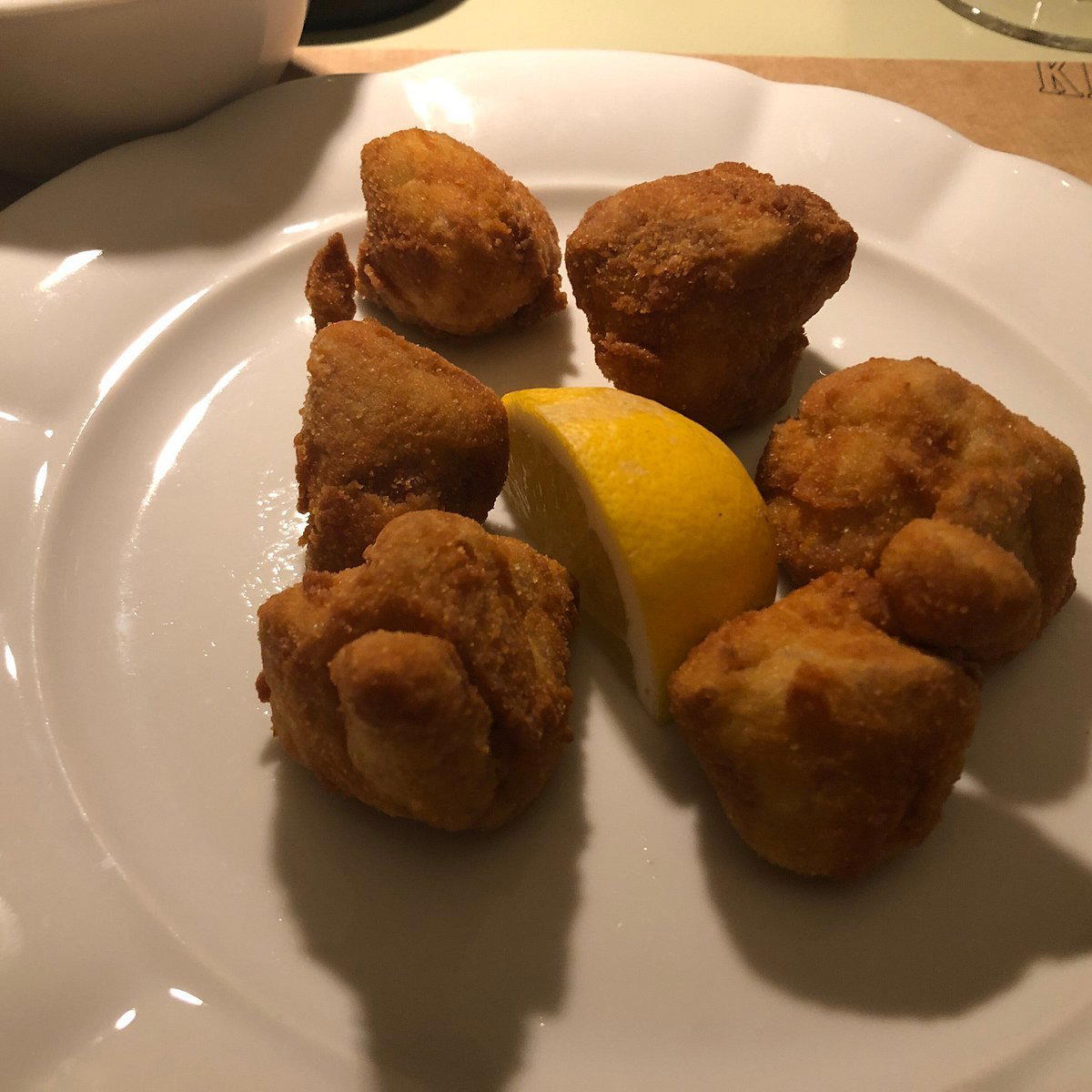
The menu
What to order
- Tafelspitz
- Goulash
- Cordon Bleu
- Apricot Dumplings
The restaurant sits within a town whose dining scene has become genuinely split in character. At the leading end, ammolite - The Lighthouse Restaurant and Eatrenalin represent high-concept, high-investment modern cuisine at the €€€€ tier. Kirchenwirt does not compete in that space. Its closest peer in register is Im Hofgassl, which also occupies regional-cuisine territory, though Kirchenwirt carries the additional weight of a project backed by Barbara Eselböck and Alain Weissgerber, whose flagship Steirereck im Stadtpark in Vienna operates at the very leading of Austrian fine dining. The deliberate decision to preserve the inn's traditional character here, rather than reformat it into something more contemporary, is a statement worth taking seriously.
What the Handwritten Menu Actually Says About Austrian Cooking
A handwritten menu at a serious restaurant is not mere nostalgia theatre. In the Austrian inn tradition, it signals a menu that changes with availability and season rather than one fixed by a brand identity or supply contract. At Kirchenwirt, the menu includes Tafelspitz, goulash, cordon bleu, and apricot dumplings. These are not retro curiosities — they are the dishes that define Austrian bourgeois cooking at its most functional and its most demanding.
Tafelspitz, boiled beef served with horseradish and root vegetables, is the kind of dish that separates kitchens that understand sourcing from those that do not. The cut, the breed, the age of the animal, the clarity of the broth, none of these variables are hidden by seasoning or technique. What arrives in the bowl is a direct statement about what the kitchen started with. This is precisely where the Eselböck-Weissgerber ethos becomes legible even in a down-to-earth format: quality at the source, not applied at the finish.
Goulash, similarly, is a dish that rewards honest ingredients and punishes shortcuts. The spice balance in a properly made goulash is an expression of accumulated craft rather than recipe adherence. Apricot dumplings, when in season, depend almost entirely on the fruit itself, the Wachau and Burgenland regions both produce apricots of a sweetness and acidity that makes the dish coherent in a way that out-of-season or imported fruit cannot replicate. Rust's position in Burgenland places the kitchen within reach of that supply, and the region's agricultural calendar becomes the menu's invisible co-author.
Kitchen standards at Kirchenwirt are maintained by chef Karlheinz Ruttmann, whose background includes the Freisinger Hof in Munich and, critically, time at Steirereck. Austrian cooking at the level Steirereck represents treats classical technique as a living discipline, not a default. Ruttmann's presence here, working within a traditional format rather than a contemporary one, is analogous to what happens when trained musicians choose chamber music over orchestral work: the form is constrained, but the craft shows more directly. For a wider picture of how Austrian kitchens at this level sit within their regional contexts, the comparison set extends to Landhaus Bacher in Mautern an der Donau and Obauer in Werfen, both of which sustain classical Austrian cooking with similar commitments to sourcing and craft.
The Taubenkobel Connection and What It Implies
Eselböck and Weissgerber's primary restaurant, Taubenkobel, is not far from Kirchenwirt. The proximity matters less as a logistical convenience than as a signal about how the same ownership group thinks about cooking at different registers. Taubenkobel operates in the contemporary fine-dining mode; Kirchenwirt does not. Running both without collapsing one into the other requires a clarity of purpose that the traditional inn format here appears to have maintained. The result is a venue that answers a specific question Rust's dining scene otherwise leaves open: where do you eat well without entering a tasting-menu structure or a €€€€ price point?
Austria's broader regional restaurant culture, from Kräuterreich by Vitus Winkler in Sankt Veit im Pongau to Gourmetrestaurant Tannenhof in Sankt Anton am Arlberg and Griggeler Stuba in Lech, tends to divide between modern-inflected fine dining and the kind of Wirtshaus format that prioritises familiarity over ambition. Kirchenwirt occupies a position that refuses that binary. The format is traditional; the execution is not casual.
Visiting Rust: Timing, Booking, and the Terrace Question
Rust is a small town, and Kirchenwirt is not a large restaurant. Walk-in tables are possible but not reliable, particularly in summer when terrace seats on the square are at a premium and the town's wine tourism brings consistent demand. Booking ahead is the practical approach. The cobblestoned main square itself frames the experience differently depending on season: summer terrace dining with long evening light is a specific proposition that the town's winter mood does not replicate.
For visitors building a broader Rust itinerary, the full Rust restaurants guide maps the town's dining range in full. The Rust wineries guide is the obvious companion, given Burgenland's status as one of Austria's most serious red wine regions. Those staying overnight will find hotel options across the tier range in the Rust hotels guide, and the Rust bars guide and Rust experiences guide round out the picture for multi-day visits.
Frequently asked questions
Is Kirchenwirt a family-friendly restaurant?
The format fits: a traditional inn on Rust's cobblestoned main square, with a handwritten menu of Tafelspitz, goulash, and cordon bleu. These are the dishes Austrian families have ordered in Wirtshäuser for generations. The setting is relaxed rather than formally structured, which suits groups across ages.
What's the vibe at Kirchenwirt?
The atmosphere is deliberately classical — a long-established inn that Eselböck and Weissgerber chose to preserve rather than reinvent. Rathausplatz frames it with cobblestones and a church on each side. In summer, the terrace is the most sought-after seating, and it fills quickly.
Is Kirchenwirt Michelin-listed?
Kirchenwirt has received recognition including: The new project by Barbara Eselböck and Alain Weissgerber is not far from their other restaurant, Taubenkobel. The traditional character of this long-established inn has been deliberately preserved – the food being no exception. The handwri….
What do regulars order at Kirchenwirt?
The handwritten menu anchors itself to Austrian Wirtshausklassiker: Tafelspitz, goulash, and cordon bleu hold the savoury end. The apricot dumplings are singled out specifically in the Michelin notes as a highlight, which is rare praise for a dessert in this format.
What's Kirchenwirt's location?
Kirchenwirt is located at Rathausplatz 18, Rust.
What's the best way to book Kirchenwirt?
Walk-ins are possible but not reliable — the restaurant is small, Rust draws consistent summer visitors, and terrace seats in particular fill well ahead. Booking in advance is the more practical approach, especially between June and September.
What do critics highlight about Kirchenwirt?
Michelin's notes focus on the quality of craft behind what reads as a straightforward menu: Karlheinz Ruttmann, formerly at Freisinger Hof in Munich and a Steirereck alumnus, sets a technical standard that the inn format doesn't advertise. The apricot dumplings receive a specific callout, and the Rathausplatz location is noted as part of the appeal.
Fast Comparison
Comparable venues nearby, for context on price, style, and recognition.
| Venue | Cuisine | Price | Awards | Notes |
|---|---|---|---|---|
| KirchenwirtThis venue — the venue you are viewing | Traditional Austrian Regional Cuisine | $30–50 | Michelin Bib Gourmand | Not listed |
| Tesla am See | Authentic Italian Mediterranean | Not listed | Not listed | Rust |
| Im Hofgassl | Modern Austrian Regional | $50–100 | Michelin Plate | Rathausplatz |
| Gasthaus Fuchs | Austrian Farm-to-Table | $30–50 | Michelin Plate | Weppersdorf |
| Gasthaus Tante Liesl | Traditional Viennese Gasthaus | $20–30 | Michelin Plate | Inner City |
| Plachutta | Traditional Viennese | $50–100 | Michelin Plate | Staatsoper |
Recognition history
Dated appearances from independent guides and award organizations, with the underlying list record or original source where available.
Michelin Bib Gourmand
Michelin
Full recognition history (2 entries)
Michelin Plate
Michelin · 2026 Michelin Plate
Continue exploring
More in Rust
Restaurants in Rust
Browse all →
Bars in Rust
Browse all →

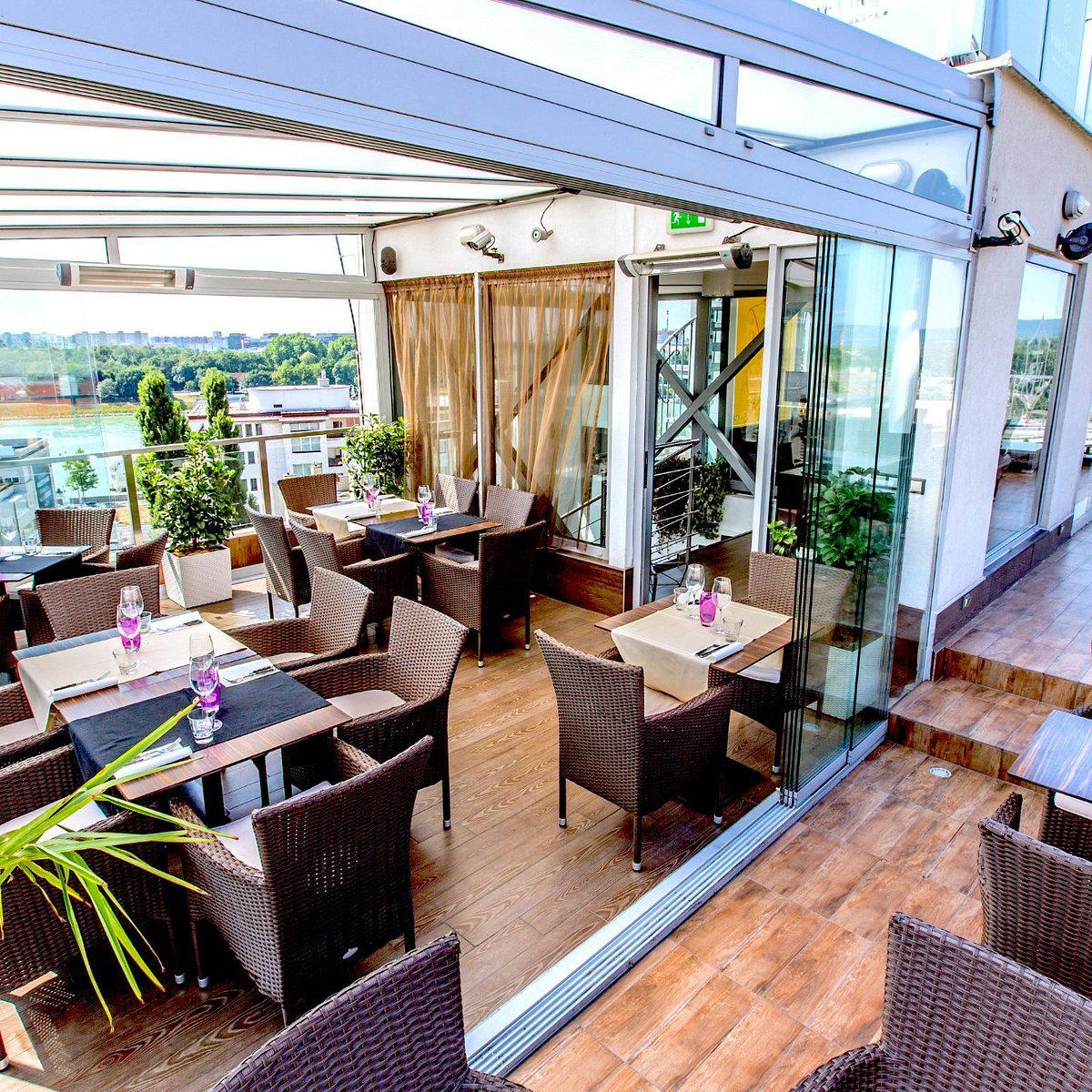

Hotels in Rust
Browse all →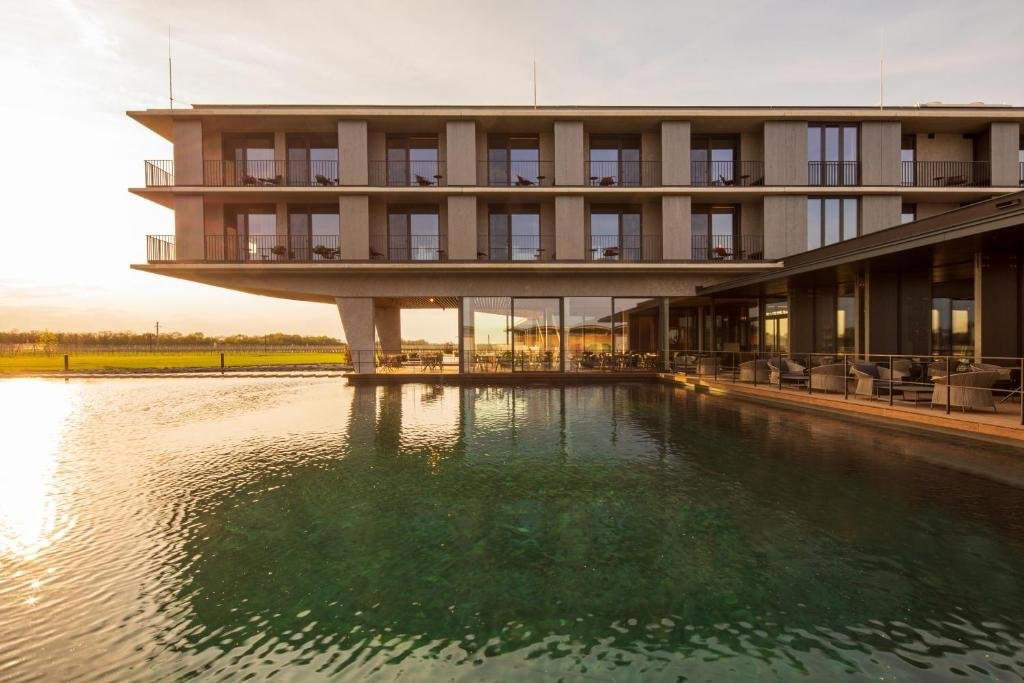







Details
- Rustic
- Cozy
- Classic
- Date Night
- Casual Hangout
- Terrace
- Historic Building
- Extensive Wine List
- Street Scene
- A La Carte
Current opening hours
- Monday
- 10 AM–10 PM
- Tuesday
- 10 AM–10 PM
- Wednesday
- Closed
- Thursday
- Closed
- Friday
- 10 AM–10 PM
- Saturday
- 10 AM–10 PM
- Sunday
- 10 AM–10 PM
Hours can change for holidays and private events. Last verified .
Traditional inn atmosphere with preserved historic character, pleasant terrace seating on cobblestoned main square in summer, cozy indoor spaces.