Thai Spicy Nine brings Southeast Asian cooking to Siófok, the Balaton resort town where the dining scene skews heavily toward Hungarian lakeside staples. In a city where options narrow quickly outside of fish soups and grilled meats, a Thai kitchen represents a deliberate departure. Visitors arriving from Budapest or the western shore will find it a practical alternative when local traditions have been well covered.
Pearl is the En Primeur Club membership app — saves, bookings, and concierge access live there. Same editors, same standards.
- Address
- Siófok, 8600
- Directions
- Get directions
 Saves & bookings on Pearl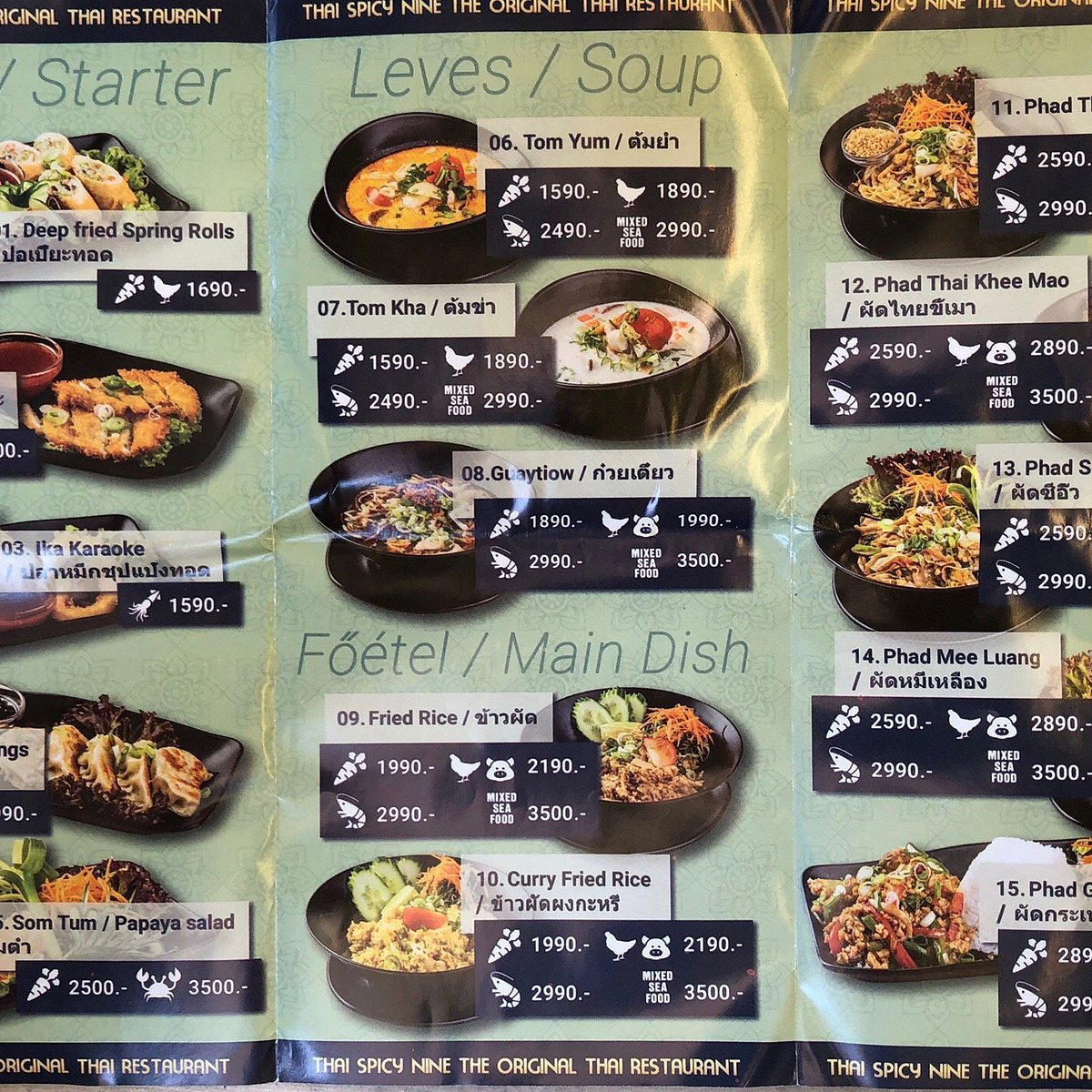
Thai Cooking in a Hungarian Lakeside Town
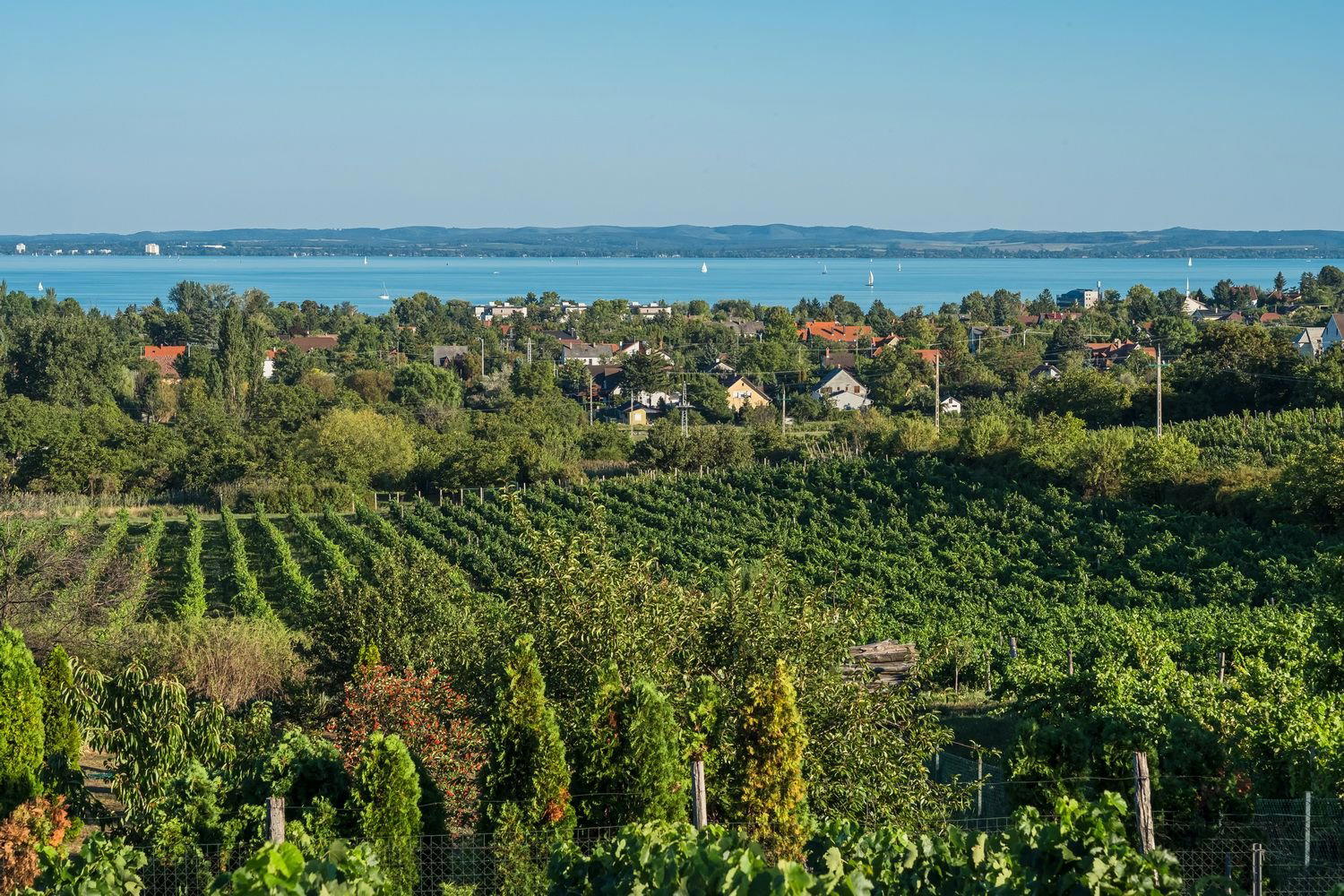
Siófok sits at the southern end of Lake Balaton, a resort city whose restaurant scene is built around summer tourism, grilled freshwater fish, and the kind of Hungarian comfort food that pairs naturally with an afternoon on the water. The town draws crowds from May through September, and the dining options within that window reflect what visitors expect: lángos stands, fish restaurants, and terrace grills facing the lake.
Southeast Asian restaurants operating in mid-sized Central European cities occupy a specific position in the local dining order. They are rarely competing against a deep regional tradition of Asian cooking; instead, they serve as departure points for diners who have exhausted local options or who arrive with a specific craving that Hungarian menus will not satisfy. In Siófok, where even the broader European dining spectrum is thin compared to Budapest, a Thai address functions as one of few genuine alternatives to the dominant lakeside idiom.
The Rhythm of the Meal
Thai dining as a format carries its own logic, one that differs meaningfully from the sequential courses of Central European tradition. The meal does not progress from starter to main to dessert in the European sense; it assembles around the table simultaneously, with shared bowls arriving in an order that reflects kitchen timing rather than hierarchy. Curries, stir-fries, and rice land together, and the eating is communal rather than individual. For diners arriving from a Hungarian dining background, this shift in pacing can feel disorienting the first time, but it rewards those who let the meal find its own tempo.
Heat calibration is part of the ritual at any Thai table. Dishes are typically offered across a range of spice intensities, and the convention in Thailand is to adjust at the table with condiments rather than at the kitchen. Whether that convention translates faithfully into a Siófok context is something individual visits will answer, but it represents the structural logic behind a name like Thai Spicy Nine, which signals that heat is central to the identity rather than decorative. The number nine carries positive cultural weight in Thai numerology, frequently appearing in business names and significant dates, which gives the name a layer of intentionality beyond mere branding.
Placing Thai Spicy Nine in Siófok's Dining Scene
Siófok's restaurant supply concentrates around the waterfront and the main commercial streets near the port. Options in the middle tier of the market include places like Mustafa Restaurant, which represents a different departure from Hungarian convention through Turkish and Middle Eastern cooking, and Rozmaring Kiskert Vendéglö és Étterem, which sits closer to the local tradition with its garden-restaurant format. Thai Spicy Nine occupies a different lane from both: it is neither locally rooted nor Turkish-inflected, but part of a smaller set of Asian kitchens that have opened in Hungarian provincial cities over the past decade as the country's urban-to-regional dining diffusion has continued.
That diffusion is worth noting as context. Budapest now has a functioning Thai restaurant tier, with addresses in Pest's inner districts drawing from the capital's more cosmopolitan population. The same wave has reached secondary cities, though it arrives later and with less consistency. Thai cooking in Hungary's larger cities such as Budapest operates in a more demanding environment, where diners can compare against a wider set of references. In Siófok, the competitive frame is narrower, which changes the calculus for both the kitchen and the visitor.
For those who want to understand where Hungary's more ambitious restaurant formats are operating, the reference points sit elsewhere in the country. Platán Gourmet in Tata and Stand in Budapest define a different register of formal dining, while rural destinations like Pajta in Őriszentpéter and Almalomb in Hosszúhetény demonstrate what careful localism looks like away from the capital.
Practical Considerations for Visitors
Siófok's summer season compresses dining demand significantly. From late June through August, the town's population swells with domestic and international tourists arriving by train from Budapest (roughly ninety minutes on the express service from Keleti station) and by car from Austria and Slovenia. During peak season, reservation planning for any sit-down restaurant in town becomes advisable, even for addresses that might operate with walk-in capacity in the shoulder months. April through May and September offer more relaxed conditions for both table availability and general atmosphere.
The address listed for the restaurant is Siófok, 8600. Visitors arriving by train from Budapest will find the town walkable from the main station. Those driving from the western Balaton shore via Route 7 should allow extra time during weekend afternoons in high season, when the road through the southern shore carries significant leisure traffic.
BoriMami in Gyöngyös, Forst-Ház Étterem és Kávézó in Eger, Halasi Pince Panzió in Villány, Aranysárkány Vendéglő in Szentendre, Classic Grill Serbian Restaurant Underground in Szeged, Astro Tea & Kávéház in Gyor, La Pizza Del Lupo in Onga, Fiume Étterem in Bekescsaba District, and Guri Serház Szombathely in Szombathely. Le Bernardin in New York City and Atomix in New York City represent what particularly formally recognised restaurants in that market look like by comparison.
Cuisine Context
Comparable venues nearby, for context on price, style, and recognition.
| Venue | Cuisine | Price | Notes |
|---|---|---|---|
| Thai Spicy NineThis venue — the venue you are viewing | Authentic Thai & Sushi | $$ | Not listed |
| Mustafa Restaurant | Arabic Kebab & Gyros | $$ | Aranypart |
| Rozmaring Kiskert Vendéglö és Étterem | Traditional Italian Pizza & Pasta | $$ | Siófok |
| Bangkok Thai | Authentic Thai | $$ | Belvaros |
| Oportó Étterem | Modern Hungarian | $$ | Villány center |
| Dunapark | Hungarian Cafe with International Influences | $$ | Újlipótváros |
At a Glance
- Casual Hangout
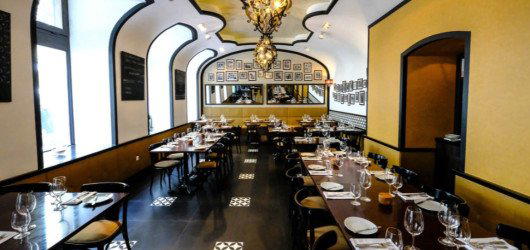
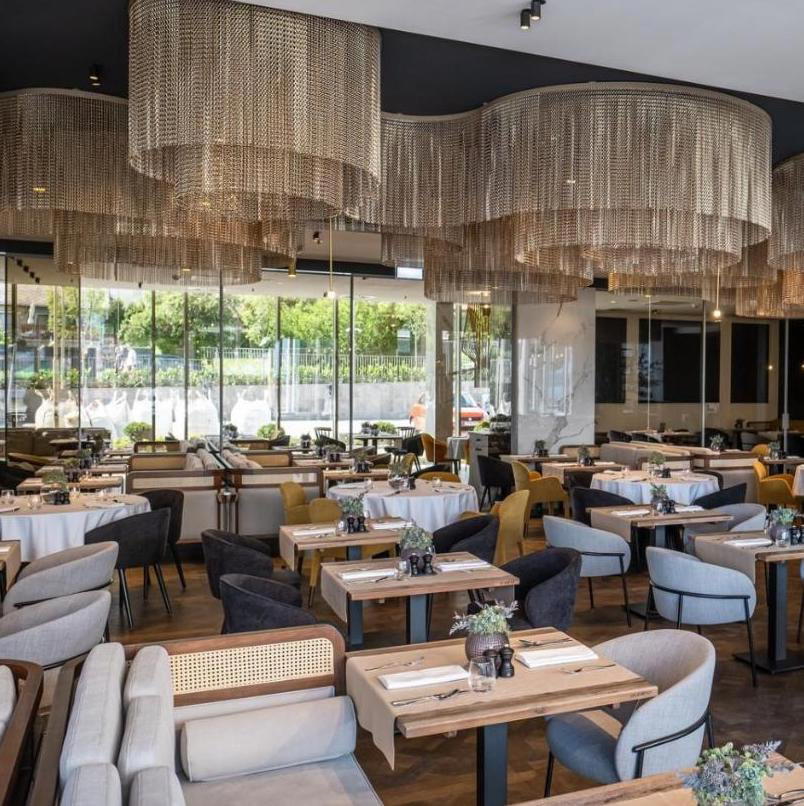
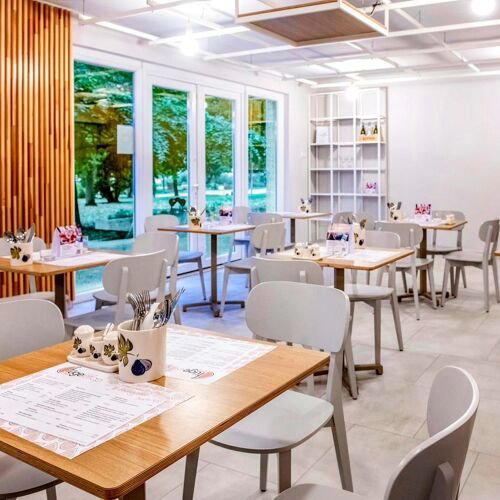
Casual counter-service atmosphere suitable for quick, healthy Thai meals.