Pepen Milano occupies a quietly residential address on Via Marcello Malpighi, positioning itself away from the heavily trafficked dining corridors where Milan's Michelin-chasing restaurants cluster. Relative to the city's upper-tier modern Italian tables, it represents a more intimate register, worth considering alongside the broader Porta Venezia and Città Studi dining circuit for visitors building a serious Milan itinerary.
Pearl is the En Primeur Club membership app — saves, bookings, and concierge access live there. Same editors, same standards.
- Address
- Via Marcello Malpighi, 3, 20129 Milano MI, Italy
- Phone
- +39236510220
- Website
- pepenmilano.com
- Directions
- Get directions
 Saves & bookings on Pearl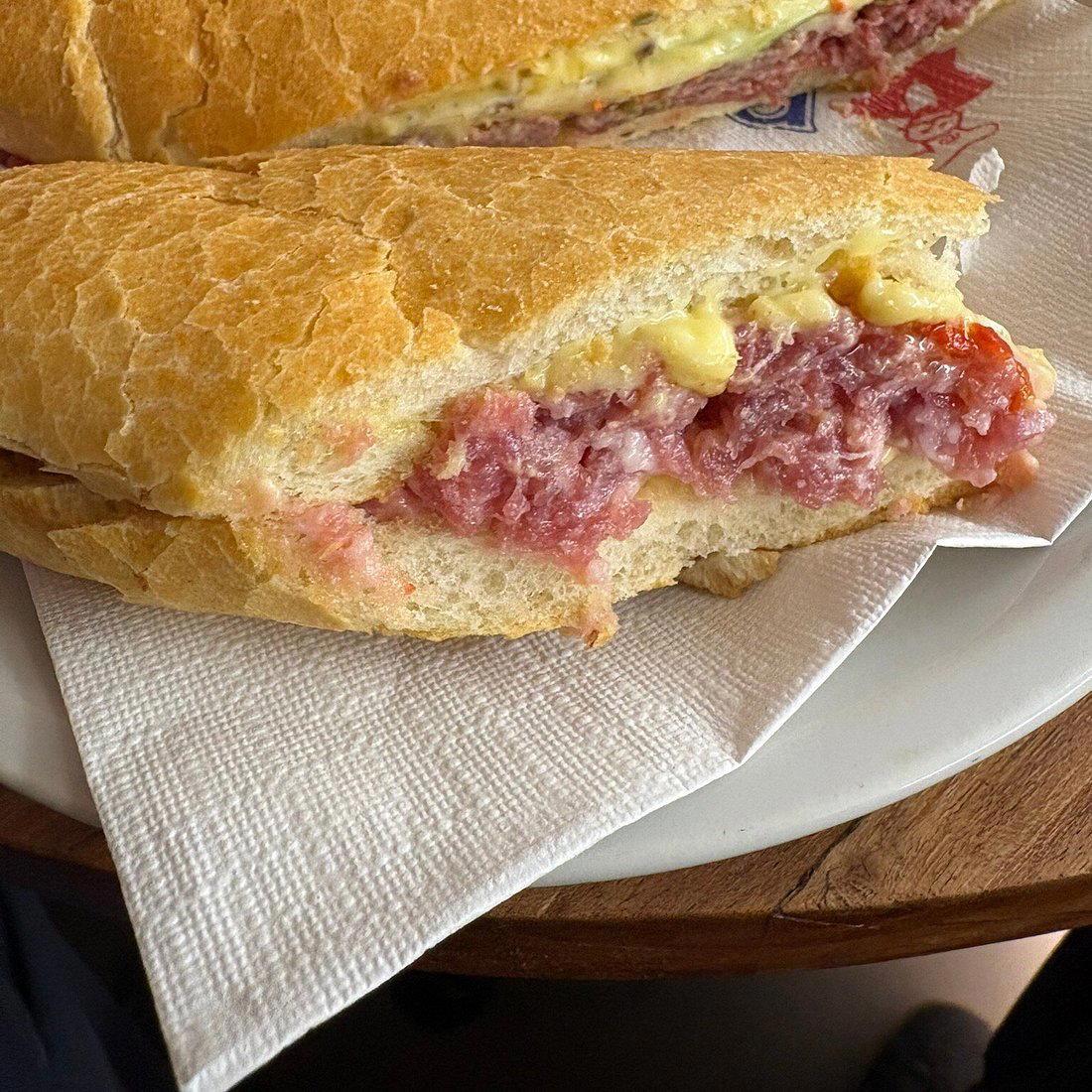
Via Malpighi and the Quieter Side of Milan's Dining Map
Milan's most-discussed restaurants tend to gravitate toward a handful of addresses: the Duomo corridor, Brera, and the design-district blocks around Porta Nuova. The stretch of the 20129 postal zone around Via Marcello Malpighi operates differently. This is a residential quarter where the dining proposition skews local rather than destination-seeking, where a room fills because of neighbourhood loyalty as much as local custom. Pepen Milano sits in that context, and understanding the context matters before you book. The walk from Porta Venezia metro is short, and the surrounding blocks carry the unhurried character of Milan that visitors focused on the Quadrilatero della Moda rarely encounter.
That residential register is worth taking seriously as an editorial point. Milan's premium dining circuit, anchored by addresses like Enrico Bartolini, Cracco in Galleria, Andrea Aprea, and Seta, operates at a price point and formality level that places them in explicit competition with European fine-dining peers. That tier is not the only way to eat well in Milan, and the city's more interesting neighbourhood restaurants often produce experiences that are harder to contextualise but no less worth pursuing. Pepen sits in this second category, a restaurant whose logic is defined by its street and its regulars.
The Architecture of a Meal: How the Progression Reads
One useful editorial frame is the structural one: what kind of meal does the format promise, and how does that compare to the wider category? Italian trattoria and osteria formats, which dominate the residential neighbourhoods of Milan's inner ring, typically build a progression around antipasto, a first course of pasta or risotto, a secondo of meat or fish, and dessert. The logic is sequential and regional, designed to demonstrate technique at each station rather than to arc the meal toward a single climactic dish. This differs structurally from the tasting-menu format that dominates Milan's top tier, where the kitchen controls pacing entirely and the meal is designed as a continuous narrative.
A neighbourhood restaurant on Via Malpighi is more likely operating on the trattoria or modern bistro model than on the tasting format of a venue like Verso Capitaneo. That means the progression of your meal is partly in your hands: the order you choose, the number of courses you elect, the pace you set with the room. Italy's leading neighbourhood restaurants reward guests who approach a meal this way, building deliberately from something cold and cured through pasta and into a secondo, with the wine list shaping the transitions between registers rather than a sommelier pairing doing the work for you.
Across Italy's most respected restaurant dining, from Osteria Francescana in Modena to Le Calandre in Rubano and Piazza Duomo in Alba, the multi-course progression is a tool for telling something specific about a region or a philosophy. At neighbourhood level, the same logic applies at lower volume: a well-executed risotto Milanese followed by a properly rested ossobuco is a coherent argument about Lombard cooking, not just two courses that happen to be served consecutively.
Positioning Within Milan's Mid-Tier and What It Implies
Milan's dining map has expanded considerably over the past decade, with the formal fine-dining tier growing upward in price and formality while a more fluid mid-tier has developed around modern Italian cooking that references regional tradition without being constrained by it. Restaurants in this middle register tend to draw from Lombard ingredients and technique while incorporating lighter preparations and lower intervention approaches to sauce and fat than older Milanese cooking preferred. The neighbourhood around Porta Venezia has seen several of these restaurants establish themselves, partly because the residential density supports regular custom and partly because rents allow kitchens to invest in ingredient quality rather than room theatre.
Italy's highest-profile coastal and rural restaurants, including Uliassi in Senigallia, Quattro Passi in Marina del Cantone, and Dal Pescatore in Runate, demonstrate how deep ingredient sourcing and generational consistency can build a reputation outside the major cities. Milan's neighbourhood restaurants operate without that advantage of rural supply proximity, which means the better ones compete on kitchen skill, menu editing, and the intelligence of their regional sourcing networks. Pepen is best assessed through the meal itself rather than through credentials.
For comparison at the upper end of Italian fine dining, addresses like Enoteca Pinchiorri in Florence, Reale in Castel di Sangro, Atelier Moessmer Norbert Niederkofler in Brunico, and Casa Perbellini 12 Apostoli in Verona have built their reputations on documented craft and sustained critical attention over years. Internationally, the tasting-progression format has been refined by rooms like Le Bernardin in New York City and Atomix in New York City into a near-theatrical arc. Pepen operates at a different register entirely, which is not a criticism. Neighbourhood restaurants and destination fine-dining rooms answer different questions, and conflating them as a basis for judgement is a category error.
Planning a Visit: Practical Considerations
Via Marcello Malpighi 3 is accessible from Porta Venezia on the M1 metro line, a neighbourhood that fills with early-evening foot traffic on weekdays and draws a more mixed Saturday crowd. For visitors building a multi-day Milan itinerary, the broader Milan restaurants guide maps the city's dining tiers and neighbourhoods. Given the residential character of the address and the absence of widely documented booking infrastructure, arriving with a reservation rather than as a walk-in is the lower-risk approach, particularly on weekend evenings when the local custom that sustains this kind of room tends to fill tables early.
A Minimal comparable set
Comparable venues nearby, for context on price, style, and recognition.
| Venue | Cuisine | Price |
|---|---|---|
| Pepen MilanoThis venue — the venue you are viewing | Not listed | $$ |
| Bagni Misteriosi | Pta Romana, Modern Italian Aperitivo | $$ |
| Latteria | Brera, Vegetarian Italian | $$ |
| Taverna del Borgo Antico | Brera, Italian Trattoria & Pizzeria | $$ |
| Trattoria Milanese | Duomo, Traditional Milanese Trattoria | $$ |
| Montesoprano Street | Duomo, Sicilian Street Food | $$ |
Continue exploring
More in Milan
Restaurants in Milan
Browse all →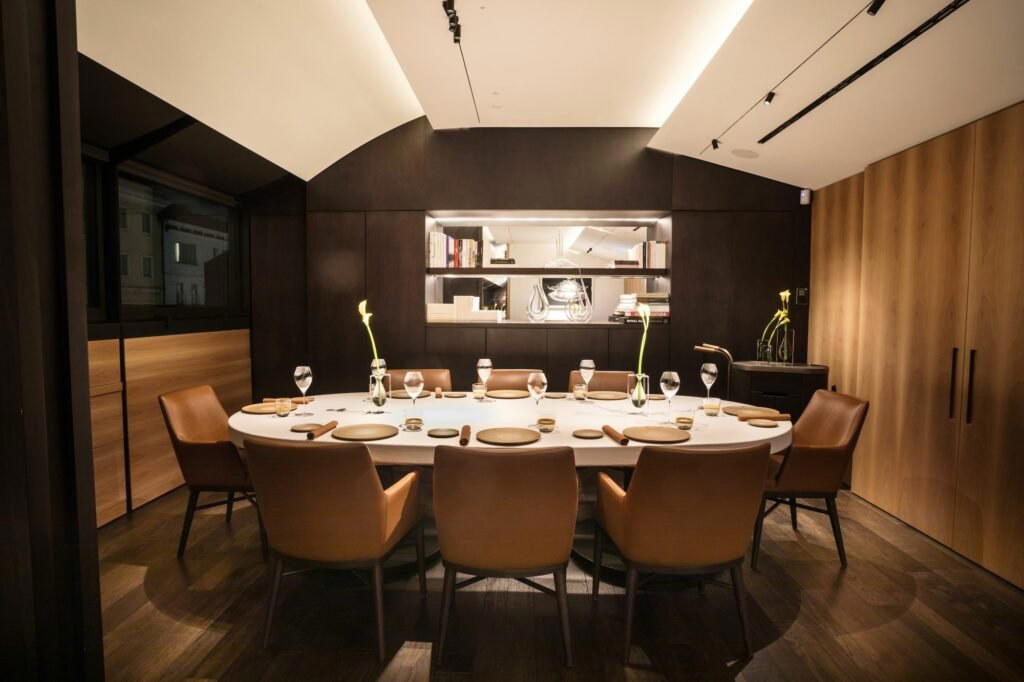
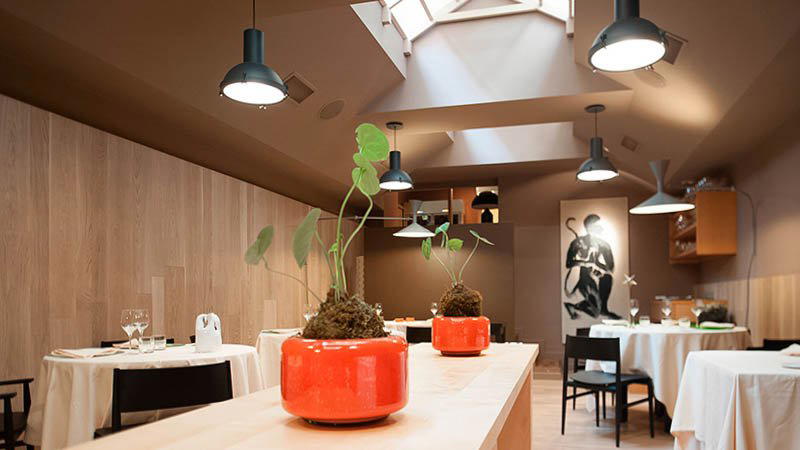
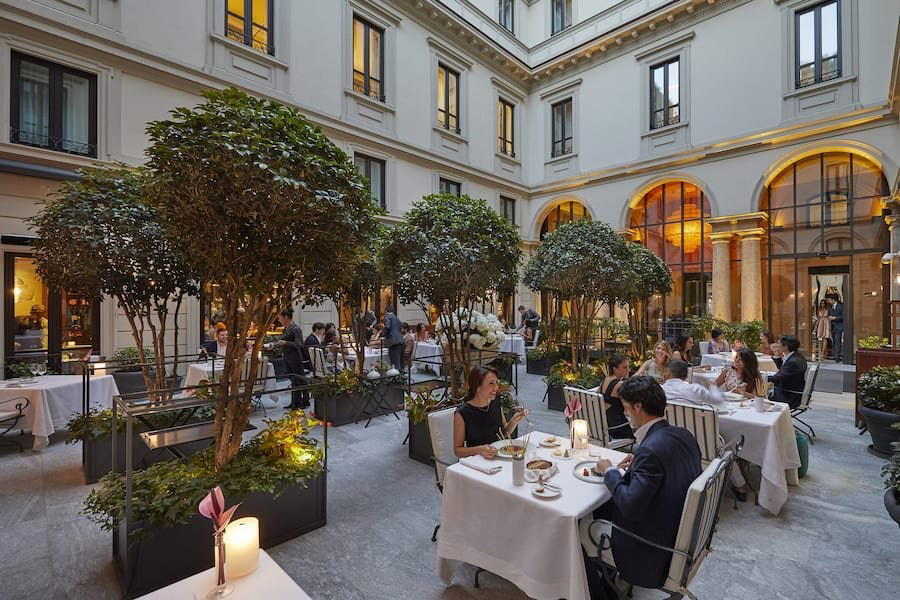
Bars in Milan
Browse all →
Hotels in Milan
Browse all →
At a Glance
- Lively
- Trendy
- Casual
- Casual Hangout
- After Work
- Standalone
Current opening hours
- Monday
- Closed
- Tuesday
- 11 AM–3 PM, 6–10 PM
- Wednesday
- 11 AM–3 PM, 6–10 PM
- Thursday
- 11 AM–3 PM, 6–10 PM
- Friday
- 11 AM–3 PM, 6–10 PM
- Saturday
- 11 AM–3 PM, 6–10 PM
- Sunday
- Closed
Hours can change for holidays and private events. Last verified .
Casual and lively atmosphere in the gayborhood with friendly service and good vibes.