On Via Santa Marta in the centro storico, Trattoria Milanese is one of the city's few remaining classici, a place where the Milanese dining ritual plays out with the unhurried confidence of a restaurant that has never needed to chase trends. The menu centres on the canon of Lombard cucina borghese: ossobuco, risotto alla milanese, cotoletta. Book ahead; this is not a drop-in address.
Pearl is the En Primeur Club membership app — saves, bookings, and concierge access live there. Same editors, same standards.
- Address
- Via Santa Marta, 11, 20123 Milano MI, Italy
- Phone
- +39286451991
- Directions
- Get directions
 Saves & bookings on Pearl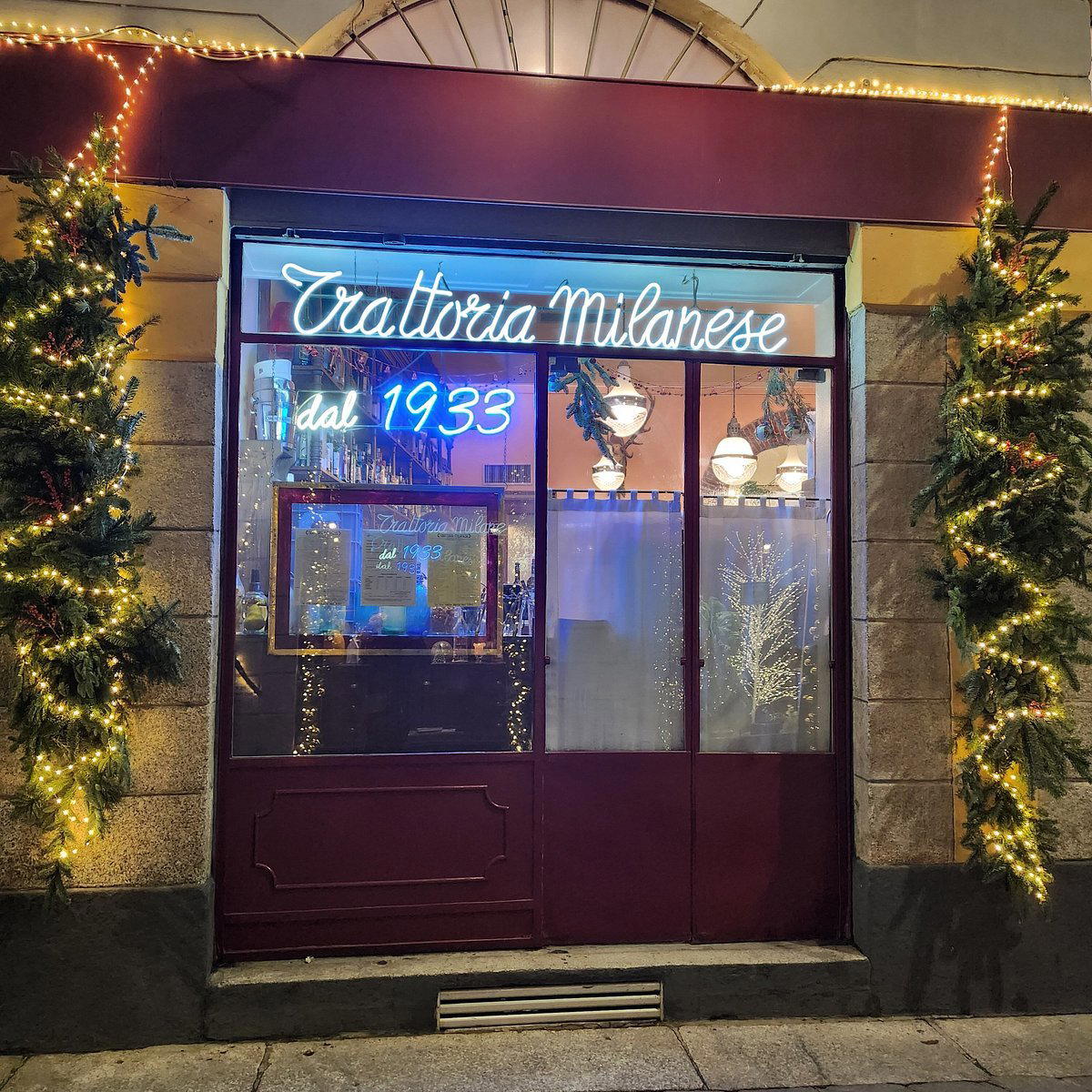
The Weight of the Room
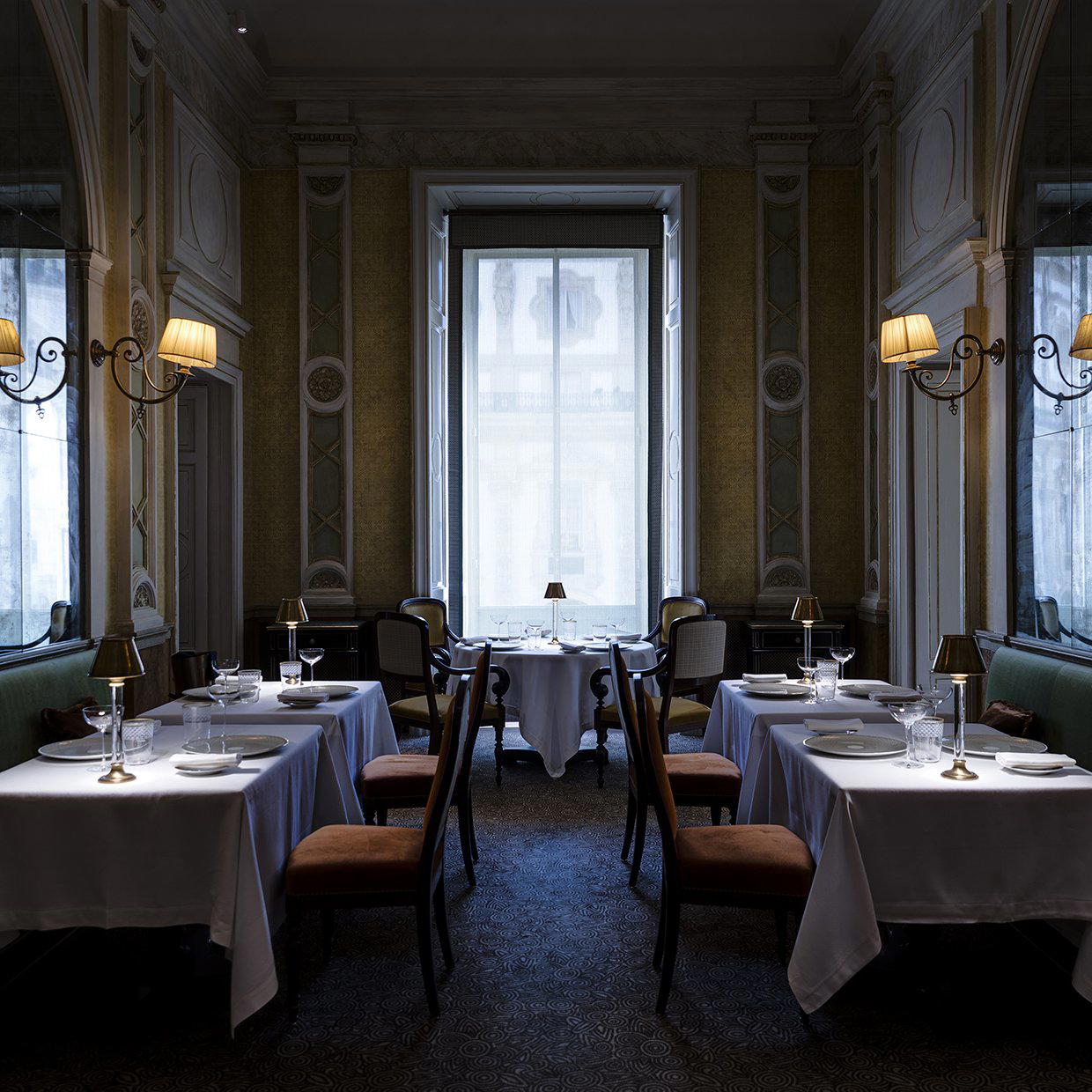
Via Santa Marta sits just west of the Pinacoteca Ambrosiana, in a part of Milan's centro storico that moves at a different pace from the design-district crowd. The street is quiet enough that you hear your own footsteps. When you push open the door at Trattoria Milanese, the shift is immediate: dark wood panelling, white tablecloths, the low percussion of a dining room mid-service. This is the physical grammar of the Milanese trattoria classica, a format that predates the city's postwar reinvention and has resisted most of what came after it.
That resistance is the point. At one end, multi-Michelin operations like Enrico Bartolini, Cracco in Galleria, Andrea Aprea, and Seta compete for international attention with tasting menus and technically ambitious cooking. At the other end, a small cohort of old-school trattorias holds the line on the cucina borghese tradition, the bourgeois home cooking that defined how prosperous Milanese families ate through most of the twentieth century. Trattoria Milanese occupies a specific, shrinking position in that second category.
The Ritual of the Milanese Table
Lombard dining has its own pacing and its own logic. A proper meal here is not structured around the tasting-menu clock, courses arriving at intervals timed to a chef's narrative. It moves instead at the pace of the table: a first course of risotto, a second of braised or fried meat, contorni served separately, wine chosen from a list that skews regional and unpretentious. The ritual is conservative in the leading sense: it assumes you know why you are here and does not need to explain itself.
Risotto alla milanese is the diagnostic dish for any restaurant of this type. The recipe is deceptively short: Carnaroli or Vialone Nano rice, beef marrow, white wine, saffron, Parmigiano Reggiano, butter. The discipline is in the mantecatura, the final off-heat emulsification with cold butter that gives the risotto its characteristic wave when the plate is tilted. Get that wrong, and the dish is either stiff or soupy. Trattorias that have been making it for decades tend to get it right not through innovation but through repetition.
The cotoletta alla milanese presents a similar challenge. The Milanese version uses veal on the bone, pounded to roughly a centimetre, breaded in fresh crumbs, and fried in clarified butter until the crust is copper-coloured and dry, not greasy, not golden-pale. The debate between the Milanese and Viennese schools of breaded veal cutlet is old and unresolved, but the Lombard version has a distinct identity: rib-bone attached, crust thicker than the Wiener Schnitzel standard, served without garnish beyond a wedge of lemon. A kitchen that has been executing this dish across decades has absorbed a kind of institutional muscle memory that no amount of technical ambition can replicate quickly.
Ossobuco, braised veal shank, served with gremolata and, classically, alongside risotto alla milanese, completes the triad of dishes that define this cooking tradition in the eyes of most Milanese. These three preparations are the core of what cucina borghese meant in Lombardy: rich, slow, seasonal in their bones even when the ingredients are available year-round.
Where Trattoria Milanese Sits in the City's Dining Tier
Milan's serious modern kitchens, the places with international press attention and long reservation windows, are well documented. Verso Capitaneo represents the newer creative current. For those tracing Italy's broader fine-dining geography, the conversation extends to Osteria Francescana in Modena, Le Calandre in Rubano, Piazza Duomo in Alba, and Dal Pescatore in Runate, a Mantovan institution with its own deep roots in regional cucina borghese, and a useful comparator for understanding what this kind of cooking looks like at the highest formal expression. Coastal Italian traditions at restaurants like Uliassi in Senigallia and Quattro Passi in Marina del Cantone show how differently regional Italian cooking develops when geography shifts the ingredient base.
The restaurant does not compete with any of those addresses. Its comparable set is internal to the city: the handful of trattorias and osterias that have survived long enough in Milan's centro storico to carry institutional credibility. That comparable set is small and getting smaller.
For international visitors comparing this kind of Italian regional cooking to the global fine-dining circuit, the Le Bernardin tier in New York, or a technically precise operation like Atomix, the comparison is instructive precisely because the ambitions are different. The trattoria classica is not trying to advance a cuisine. It is trying to reproduce it faithfully, night after night, for a clientele that would notice immediately if the risotto arrived without the right wave.
Italy's wider tradition of this kind of institutional cooking is visible at addresses like Enoteca Pinchiorri in Florence, Reale in Castel di Sangro, Atelier Moessmer Norbert Niederkofler in Brunico, and Casa Perbellini 12 Apostoli in Verona, each operating within a distinct regional tradition and a distinct format. The Milanese trattoria sits at the less formal end of that spectrum, but the fidelity to regional identity is no less serious.
When to Go
The Lombard dishes that define this menu are cold-weather cooking by nature. Braised veal shank, bone marrow risotto, butter-fried cotoletta, these are dishes that make more sense in October than in July. Autumn and winter suit this menu best, and the dining room fills with regulars and returning visitors. The lunch service on weekdays tends to draw a notably local crowd.
Practical details
- Address: Via Santa Marta, 11, 20123 Milano MI, Italy
- Neighbourhood: Centro storico, west of Piazza del Duomo, adjacent to the Pinacoteca Ambrosiana
- Reservations: Booking ahead is advisable; walk-in availability is limited, particularly at dinner and on weekends
- Format: À la carte trattoria; no tasting menu format
- Leading season: Autumn through early spring, when the Lombard menu is at its most appropriate
- Dress code: No formal requirement, but the room skews toward smart casual by local convention
Peers in This Market
Comparable venues nearby, for context on price, style, and recognition.
| Venue | Cuisine | Price | Notes |
|---|---|---|---|
| Trattoria MilaneseThis venue — the venue you are viewing | Traditional Milanese Trattoria | $$ | Not listed |
| La Bottega di Mario | Italian Trattoria | $$ | Brera |
| Osteria del Treno | Traditional Milanese Osteria | $$ | Stazione Centrale - Ponte Seveso |
| Montesoprano Piazza XXIV Maggio | Sicilian Meat & Grill | $$ | Porta Ticinese - Conca Del Naviglio |
| Pizzacoteca di Brera | Gourmet Neapolitan Pizza | $$ | Brera |
| CANTINE A MARE | Italian Seafood | $$ | Buenos Aires - Porta Venezia - Porta Monforte |
Continue exploring
More in Milan
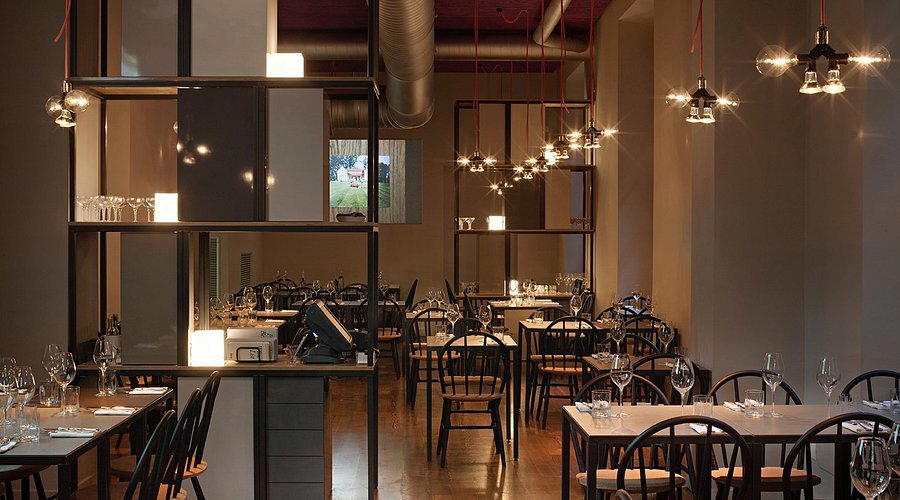
Restaurants in Milan
Browse all →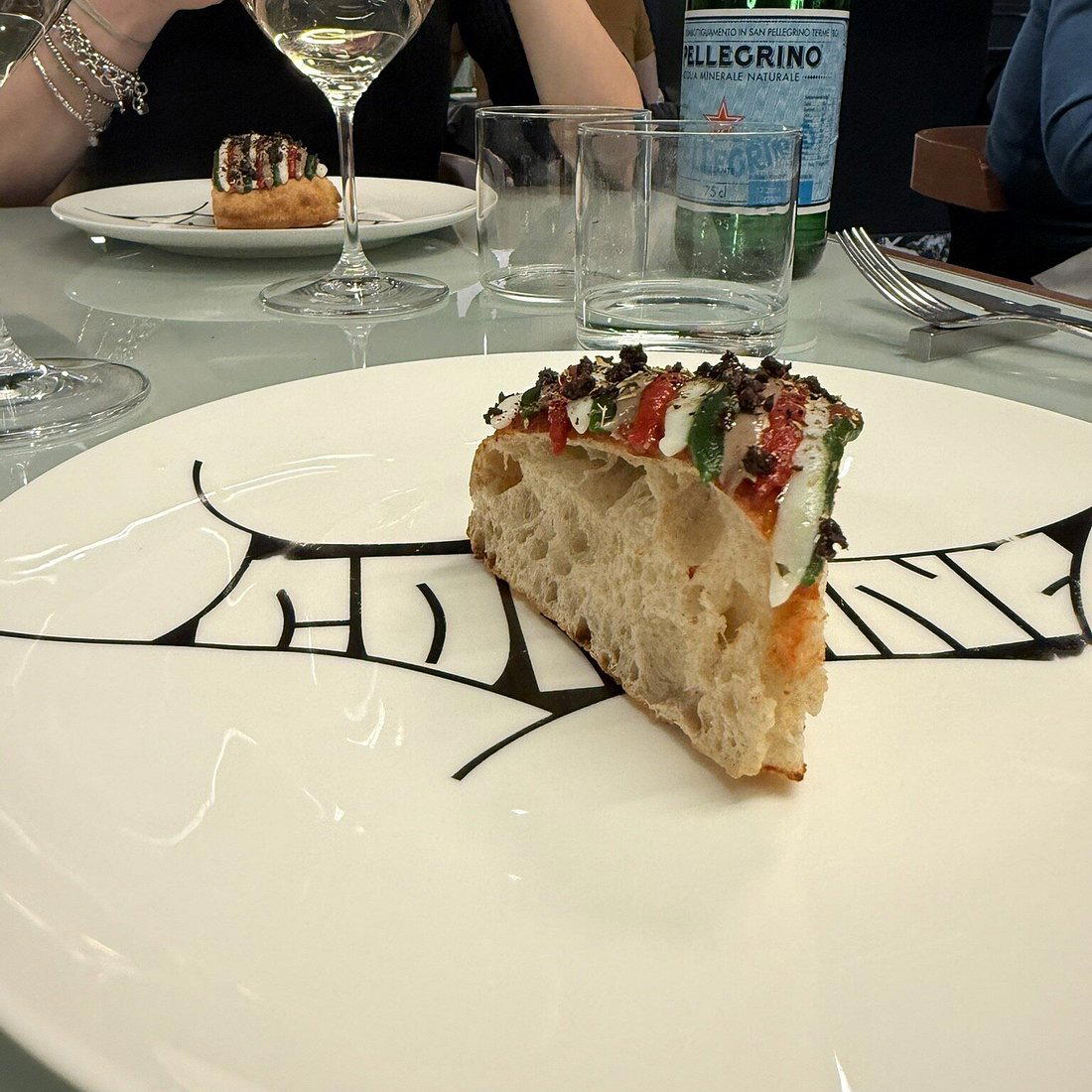
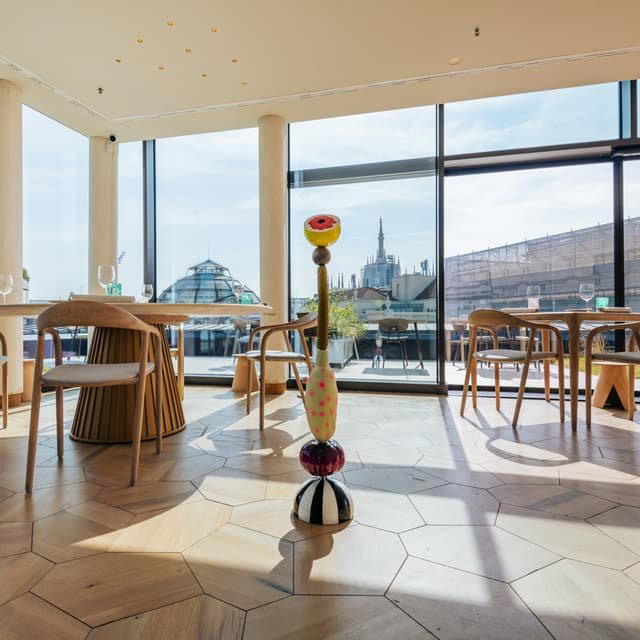
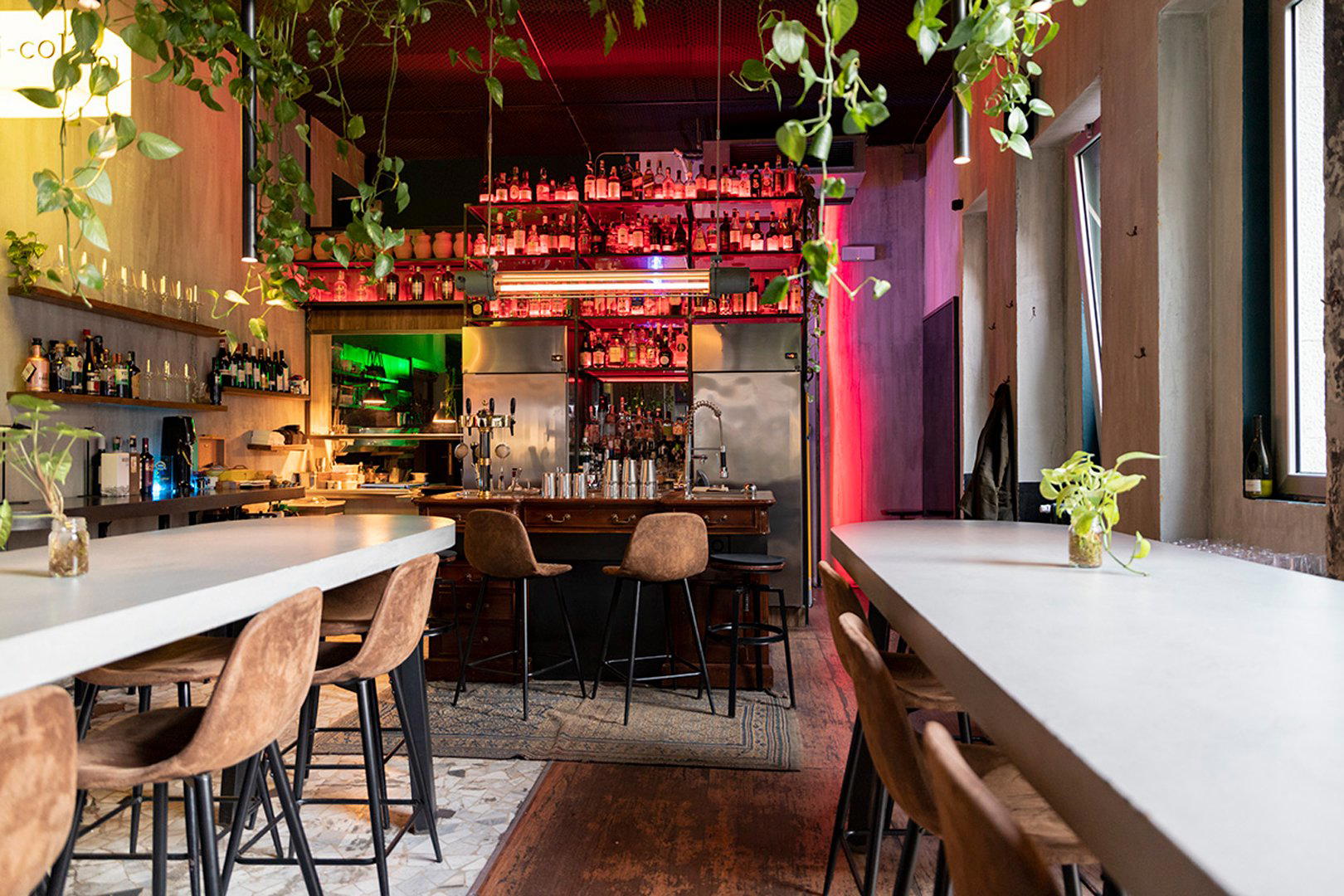
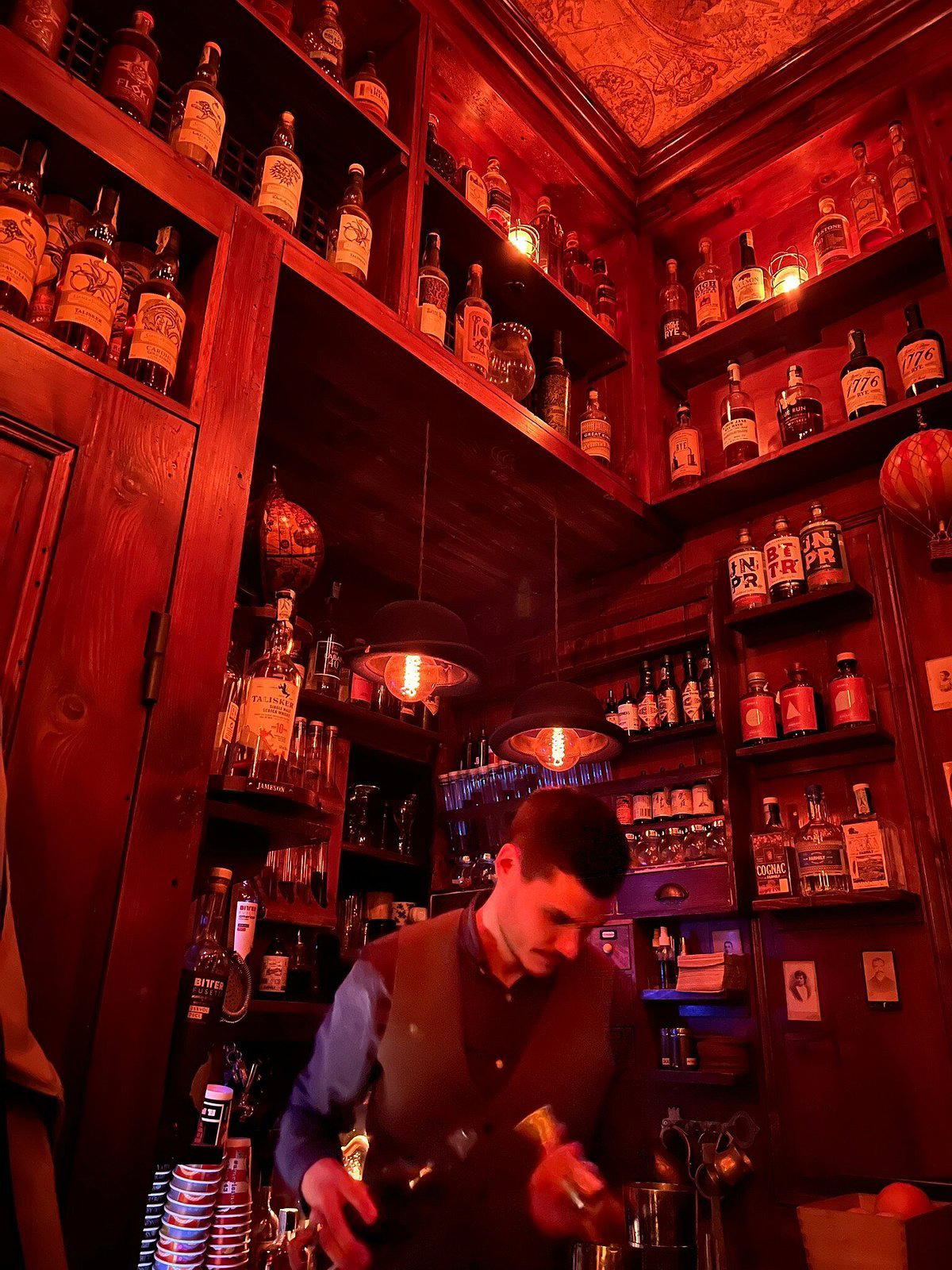
Bars in Milan
Browse all →
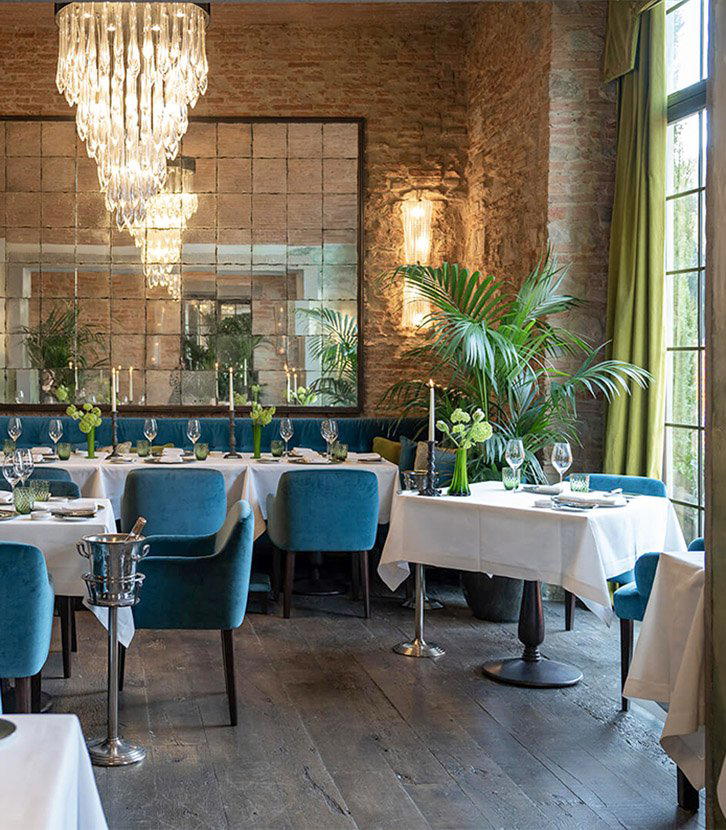
Hotels in Milan
Browse all →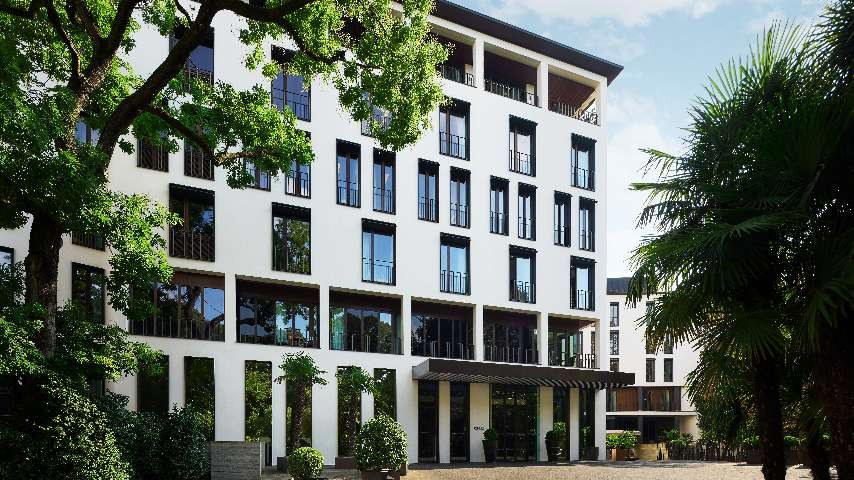
At a Glance
- Classic
- Rustic
- Cozy
- Date Night
- Special Occasion
- Historic Building
- Extensive Wine List
Current opening hours
- Monday
- 12–2:30 PM, 7–10:30 PM
- Tuesday
- 12–2:30 PM, 7–10:30 PM
- Wednesday
- 12–2:30 PM, 7–10:30 PM
- Thursday
- 12–2:30 PM, 7–10:30 PM
- Friday
- 12–2:30 PM, 7–10:30 PM
- Saturday
- 12–2:30 PM, 7–10:30 PM
- Sunday
- Closed
Hours can change for holidays and private events. Last verified .
Retro environment with closely spaced tables, beamed dining room, and old-world charm evoking traditional Milan.