
Peck has anchored Via Spadari in Milan's historic centre for well over a century, operating as the city's most complete gastronomic emporium. From cured meats and aged cheeses to prepared dishes and an extensive cellar, the shop functions as a living index of Italian larder culture, a reference point for Milanese who treat provisioning as seriously as dining out.
Pearl is the En Primeur Club membership app — saves, bookings, and concierge access live there. Same editors, same standards.
- Address
- Via Spadari, 9, 20123 Milano MI, Italy
- Phone
- +39 02 802 3161
- Website
- peck.it
- Directions
- Get directions
 Saves & bookings on Pearl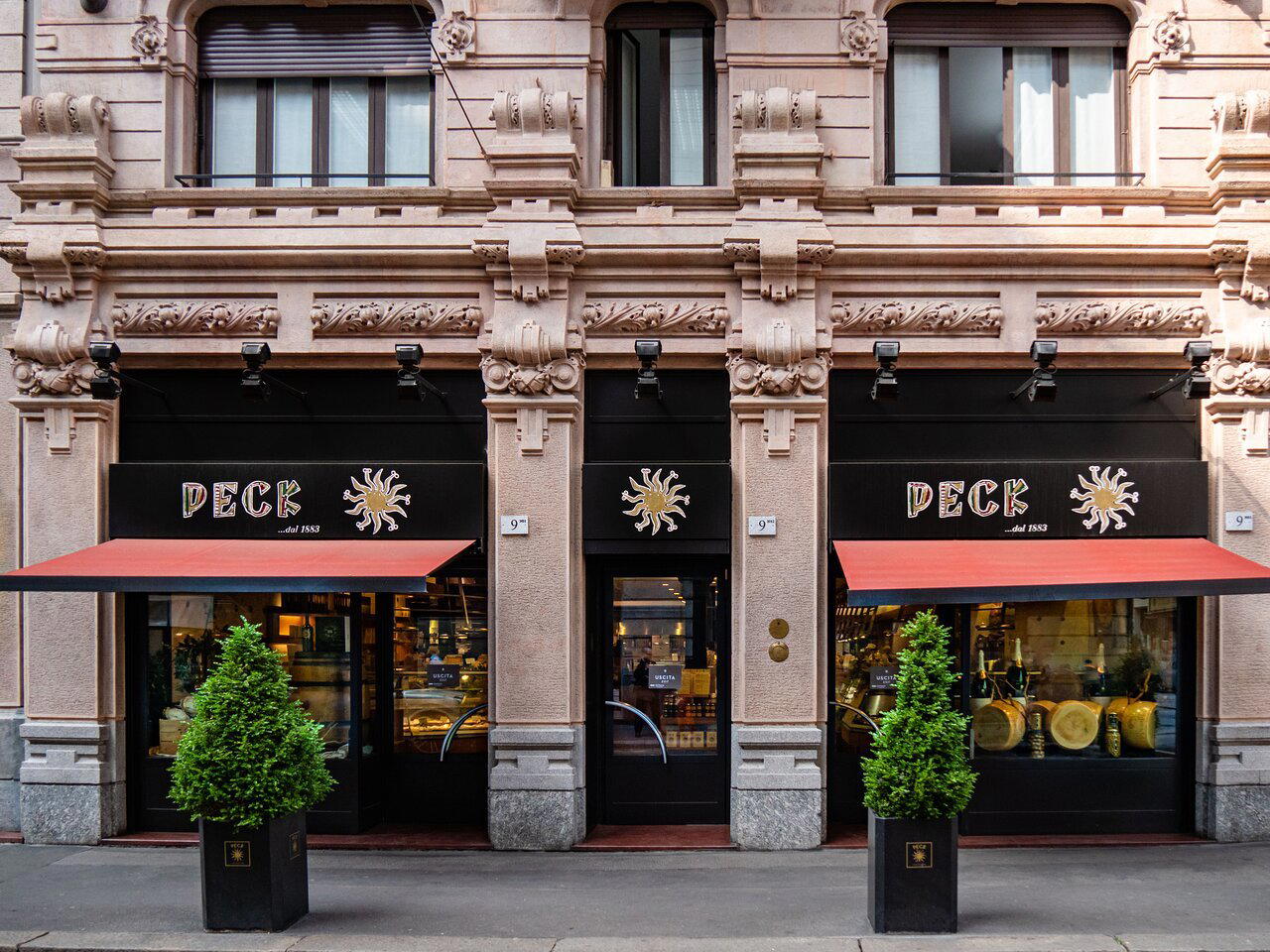
Via Spadari and the Weight of the Italian Larder
There is a particular quality to the air on Via Spadari in Milan's centro storico, a block south of the Duomo: the street narrows just enough that the shopfronts press close, and Peck's facade arrives with the understated confidence of something that has occupied its ground for generations. No queue-management theatrics, no Instagram installation in the window. The display cases do the talking, ranks of prosciutto, mortadella cross-sections, whole Parmigiano-Reggiano wheels, and bottles arranged with the logic of a serious cellar rather than a decorator's instinct.
In cities with more volatile retail habits, a shop that has endured through the compressed, fast-moving arc of modern food culture would be treated as a curiosity. In Milan, Peck is treated as infrastructure. The city's food professionals, caterers, private chefs, household cooks who take their work seriously, use it as a baseline. What it stocks, how it is stored, and at what standard it is presented reflects a broader Italian conviction that the quality of raw ingredients is not a luxury position but a foundational one.
The Emporium Format in Italian Context
The multi-department gastronomic emporium is a format with deep roots in northern Italian retail. The logic runs as follows: gather the country's most important preserved, aged, and prepared foods under one roof, staff each section with people who understand the product at a technical level, and let the range itself make the editorial argument. Peck follows this model with more completeness than almost any equivalent in Italy. The shop operates across several floors, moving from fresh prepared dishes and charcuterie at street level through cheese, wine, chocolate, and confectionery in adjoining or lower spaces.
The comparison set here is not other Milan restaurants. It is the handful of Italian gastronomic houses, places like the historic emporiums of Bologna or Turin, that have maintained specialist depth across every category rather than narrowing to a signature product. What separates Peck from a well-stocked deli is the density of the offer within each section: not three Parmigiano-Reggiano options but a considered selection at different ages; not a generic charcuterie counter but producers chosen with the specificity of a buyer who understands regional curing traditions. This is the standard against which Milanese who know the shop measure it.
For visitors using Milan as a base for exploring northern Italy's dining culture, the shop functions as a primer. The same ingredients that appear on the tasting menus at Enrico Bartolini, Andrea Aprea, or Seta, the Lombardy butter, the aged Grana, the preserved truffles, are available here in retail form, which gives the browsing a different kind of instructive quality.
Local Ingredients, Handled with Precision
The editorial angle that matters most at Peck is not nostalgia, it is the intersection of Italian indigenous product and the rigorous handling techniques that transform a good raw material into something worth travelling for. Curing, aging, and preservation are themselves forms of technique, as demanding and tradition-specific as any kitchen method applied at Cracco in Galleria or Verso Capitaneo.
Consider what it requires to maintain a cheese counter at Peck's level: temperature and humidity control specific to each category, rotation timed to the aging curve, staff who can place a specific Taleggio within its production season. The same operational precision applies to the charcuterie, where the difference between a correctly stored and incorrectly stored culatello is the difference between the product's full expression and a diminished one. This is not a casual operation dressed in heritage branding. The handling is the point.
This framework, imported method applied to indigenous product, or indigenous product protected by precise technique, is the organizing principle behind Italy's leading regional food culture, from the Adriatic kitchens at Uliassi in Senigallia to the mountain-rooted sourcing at Atelier Moessmer Norbert Niederkofler. Peck represents the retail expression of the same logic: the product earns its premium through the integrity of the process, not through the packaging.
Peck in Milan's Dining Architecture
Milan's premium dining tier has grown denser in the last decade. The city now holds a meaningful cluster of tasting-menu restaurants operating at or near stronger examples from Italian fine dining, including addresses like Osteria Francescana in nearby Modena, which draws comparison for its position in Italy's culinary conversation, and operationally precise houses like Le Calandre and Dal Pescatore within driving distance of the city. Against that backdrop, Peck occupies a different but complementary position: it is where that world shops, or where the well-informed visitor goes to understand what Italian ingredient culture actually looks like when applied with seriousness.
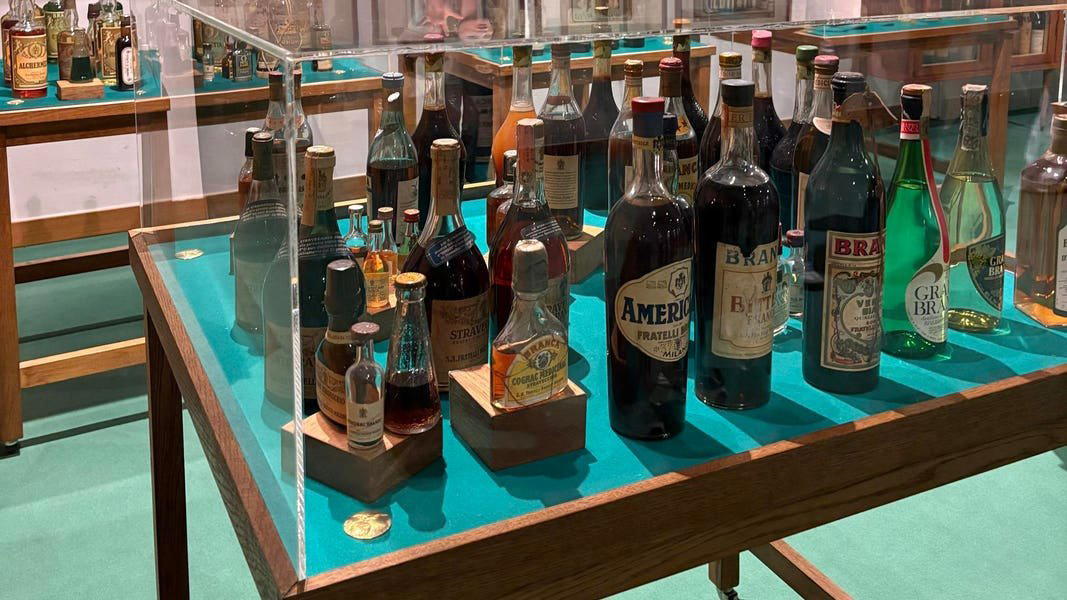
The wine cellar deserves specific mention as a distinct section of the offer. Italian wine retail in Milan ranges from supermarket selections to specialist merchants who focus on a narrow natural-wine list. Peck's cellar sits in a third category: broad across Italian regions, with depth in Piedmont and Tuscany, and the kind of back-vintage availability that makes it useful for anyone planning a serious dinner rather than a casual bottle. The selection reflects the same sourcing philosophy as the food floors, completeness and quality of handling over trend-chasing.
Those planning a longer sweep of northern Italian fine dining will find Peck a logical first stop in Milan. The shop's range maps almost directly onto the ingredient traditions behind houses like Piazza Duomo in Alba, Reale in Castel di Sangro, or the coastal precision of Quattro Passi in Marina del Cantone. Understanding what goes into Italian fine dining at an ingredient level changes what you taste at the table.
Planning Your Visit
Peck is located at Via Spadari 9, in Milan's centro storico, a short walk from the Duomo. The location puts it within comfortable reach of the city's hotel and business districts, and it is a natural stop before or after visiting the cathedral square. Access is walk-in during trading hours, though serious purchases from the cellar or cheese counter benefit from arriving when staff are at full complement, typically weekday mornings rather than Saturday afternoons. For travellers moving between Milan and other northern Italian dining destinations, Peck also stocks products that travel well: vacuum-sealed charcuterie, properly wrapped aged cheese, and bottled preserves that carry the same sourcing rigour as the counter products.
Milan's broader dining offer, from progressive Italian formats to international reference points, ranges from accessible trattorie through to multi-Michelin addresses like Enoteca Pinchiorri and comparisons with international benchmark kitchens such as Le Bernardin and Lazy Bear. Peck sits outside that ranking structure by format, but it informs the same conversation about what Italian food culture, taken seriously, actually requires.
Nearby-ish Comparables
Comparable venues nearby, for context on price, style, and recognition.
| Venue | Cuisine | Price | Notes |
|---|---|---|---|
| PeckThis venue — the venue you are viewing | Traditional Milanese Gastronomy | $$$ | Not listed |
| DA NOI IN | Modern Italian Fine Dining | $$$ | Porta Genova |
| Le Terrazze Restaurant | Traditional Italian with Lombard specialties | $$$ | Buenos Aires - Porta Venezia - Porta Monforte |
| Losko | Modern Italian Grill | $$$ | Buenos Aires - Porta Venezia - Porta Monforte |
| Antica Trattoria della Pesa | Traditional Lombard Trattoria | $$$ | Porta Garibaldi - Porta Nuova |
| Barzac • Tradizione Piacentina | Traditional Piacenza-Emilian | $$$ | Porta Garibaldi - Porta Nuova |
Recognition history
Dated appearances from independent guides and award organizations, with the underlying list record or original source where available.
Star Wine List
Star Wine List
Continue exploring
More in Milan
Restaurants in Milan
Browse all →
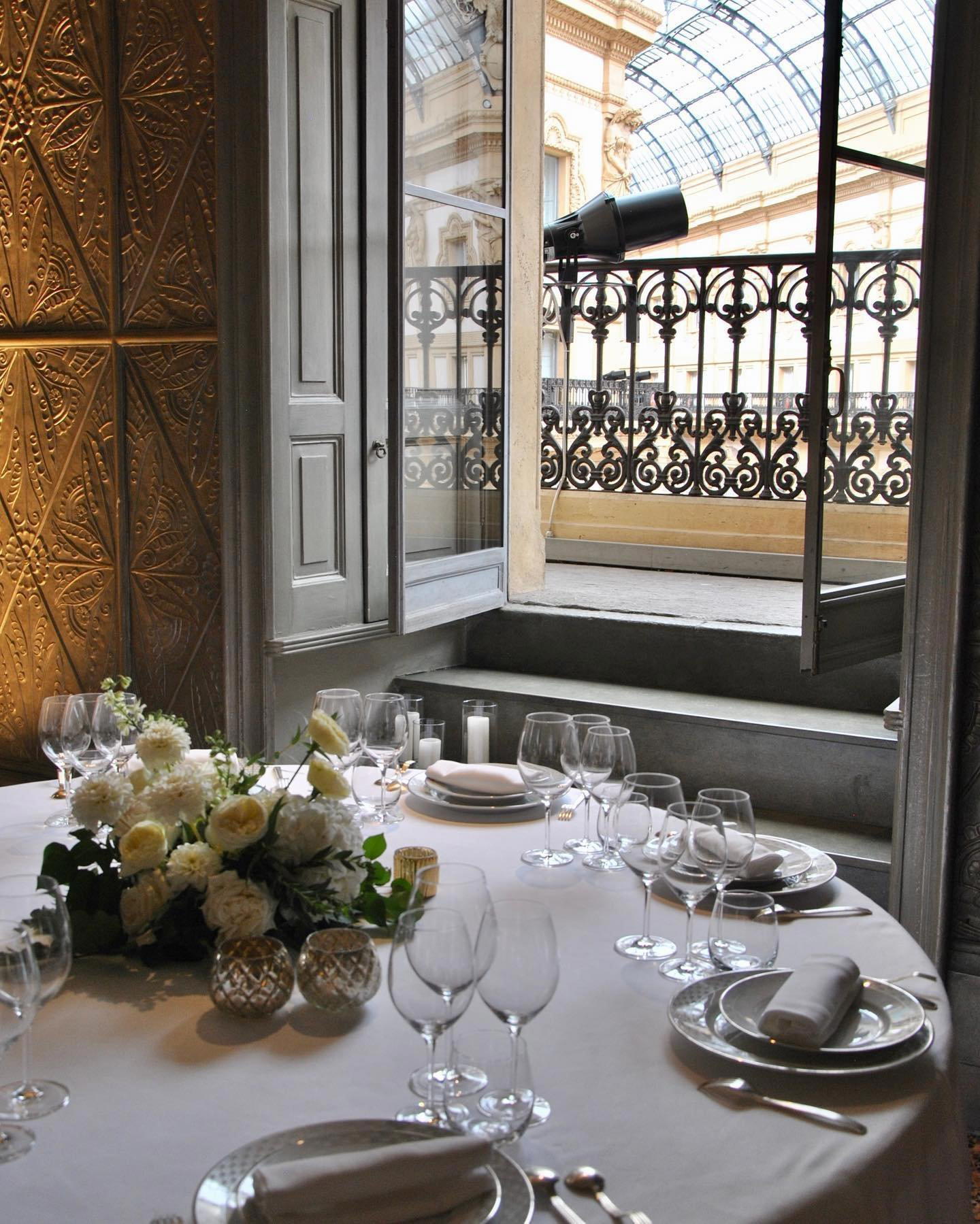
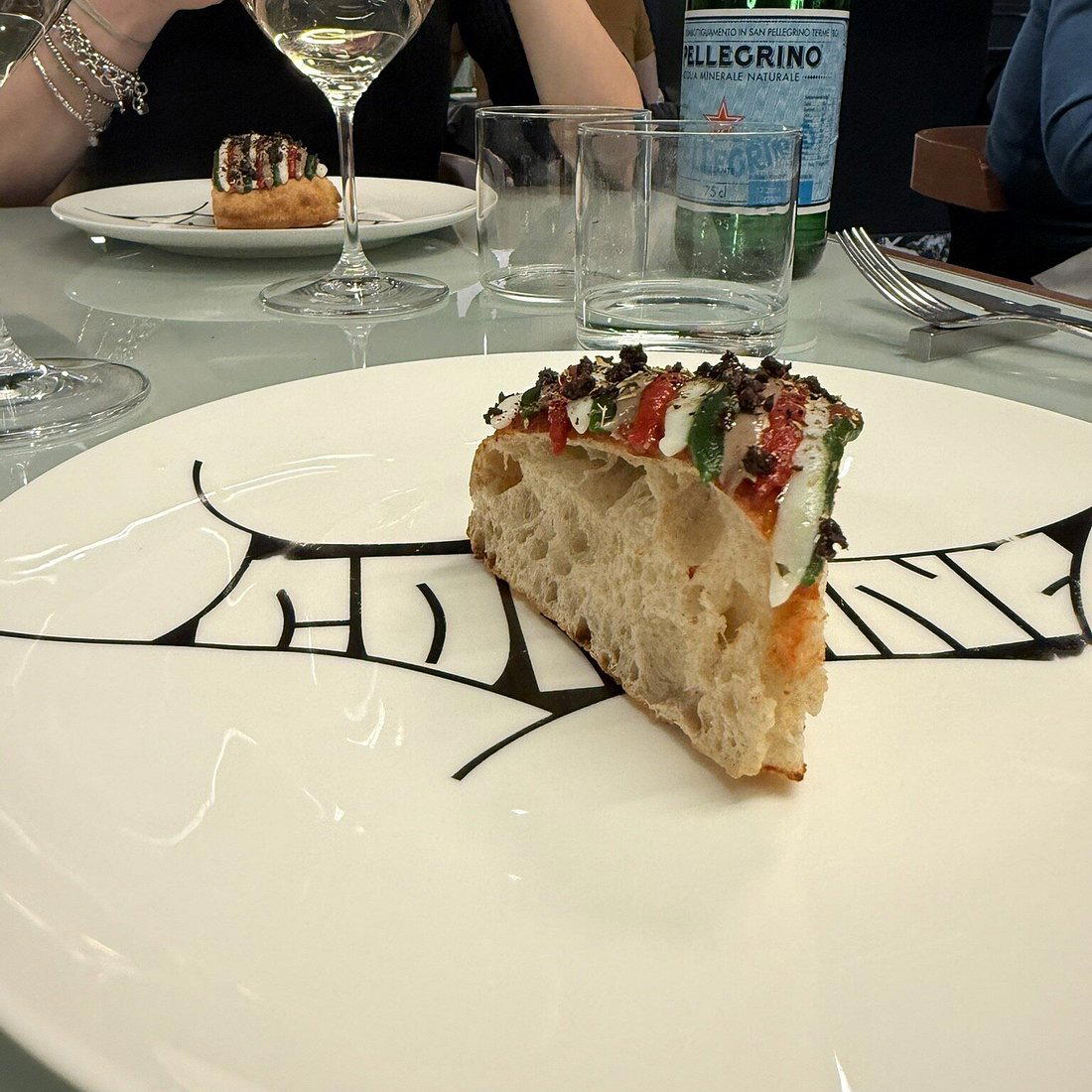
Bars in Milan
Browse all →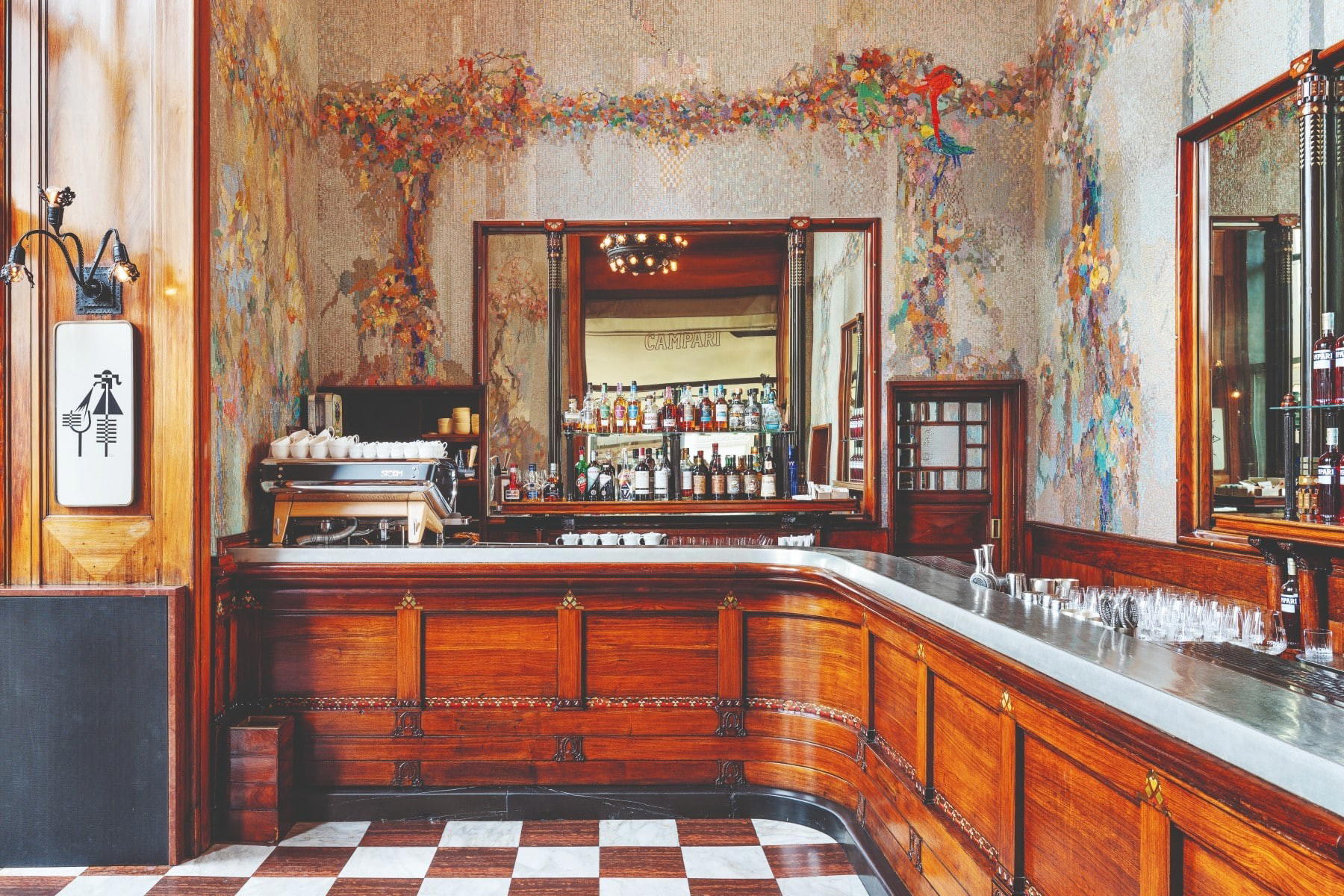
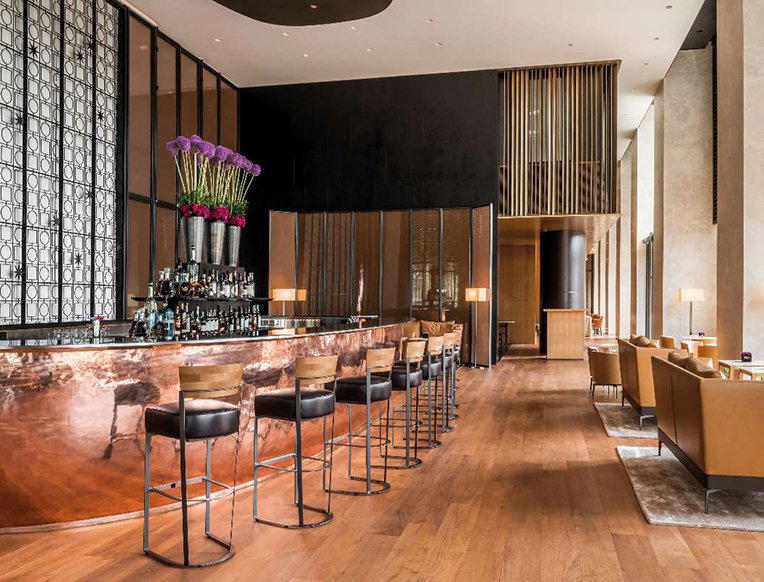
Hotels in Milan
Browse all →
At a Glance
- Classic
- Elegant
- Well Known
- Brunch
- Casual Hangout
- Historic Building
- Wine Cellar
- Extensive Wine List
- Local Sourcing
Current opening hours
- Monday
- 3–7:30 PM
- Tuesday
- 9 AM–7:30 PM
- Wednesday
- 9 AM–7:30 PM
- Thursday
- 9 AM–7:30 PM
- Friday
- 9 AM–7:30 PM
- Saturday
- 9 AM–7:30 PM
- Sunday
- Closed
Hours can change for holidays and private events. Last verified .
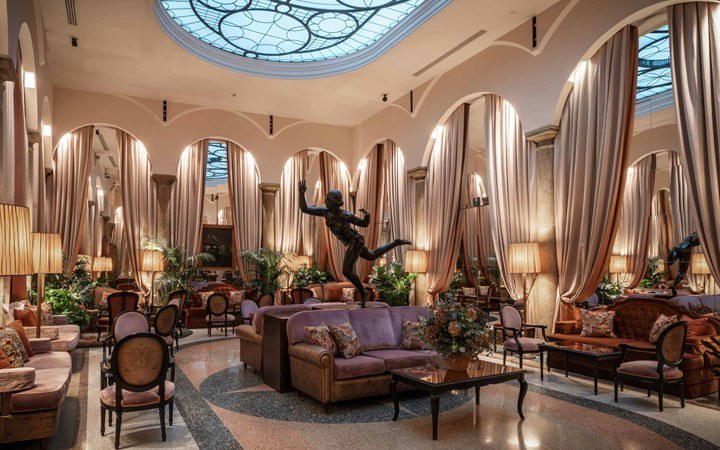
Classic and elegant atmosphere reminiscent of a Viennese café in its gourmet sections, with sophisticated lighting in the restaurant and wine cellar.