Da Noi In occupies a quiet address in Milan's Navigli-adjacent zone, sitting outside the city's highest-profile dining corridor but drawing a local following that resists easy categorisation. The restaurant operates in a segment of Milanese dining where neighbourhood credibility and kitchen consistency matter more than marquee recognition. For visitors, it reads as a useful counterpoint to the city's more theatrical options.
Pearl is the En Primeur Club membership app — saves, bookings, and concierge access live there. Same editors, same standards.
- Address
- Via Vincenzo Forcella, 6, 20144 Milano MI, Italy
- Phone
- +393928378111
- Website
- magnapars.it
- Directions
- Get directions
 Saves & bookings on Pearl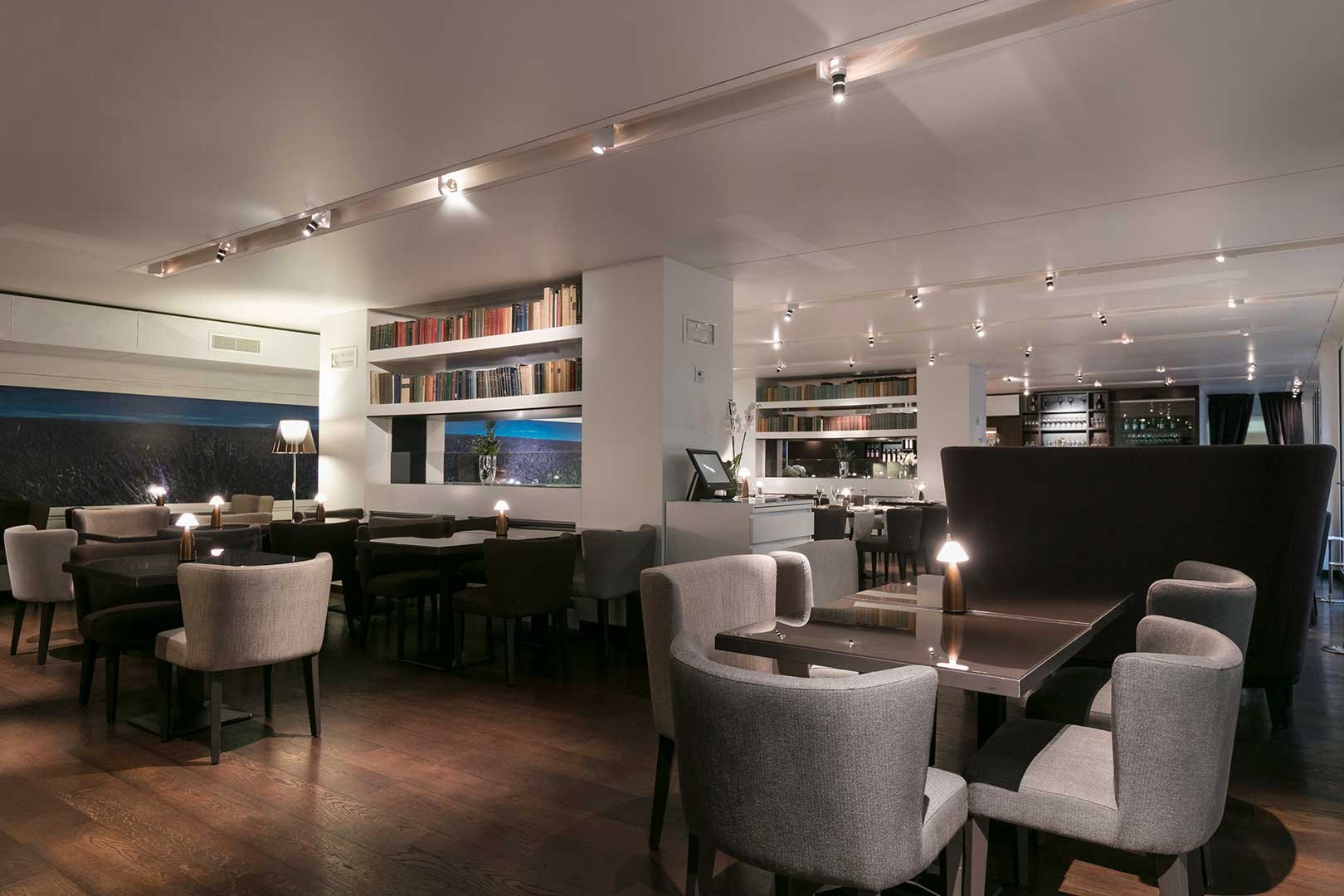
A Neighbourhood Address in a City That Rewards Them
Milan's dining scene has long organised itself around a handful of high-visibility corridors: the Duomo-adjacent expense-account rooms, the Brera aperitivo circuit, the Porta Romana corridor where several serious kitchens have taken root. But a different kind of restaurant has always existed in the gaps between these poles, places that build their reputations through repetition and word of mouth rather than awards cycles and press nights. Da Noi In, at Via Vincenzo Forcella 6 in the 20144 postal district, sits in that second category. The address places it near the Navigli canal network, a part of the city where the dining register shifts from performance to practice.
This matters because Milan's restaurant culture has two distinct tempos. The first is the high-production tempo of rooms like Enrico Bartolini, Cracco in Galleria, Andrea Aprea, and Seta, all of which operate in the €€€€ tier and compete against a national comparable set that includes destinations like Osteria Francescana in Modena and Enoteca Pinchiorri in Florence. The second tempo is quieter, rooted in the city's working rhythms, and Da Noi In belongs there. That distinction shapes everything from how the room feels at noon versus eight in the evening, to how much advance planning the visit actually requires.
The Lunch and Dinner Divide
In Italian restaurant culture generally, and in Milan specifically, the gap between lunch and dinner service is more than a scheduling detail. It reflects two different relationships with food: one practical and embedded in the working day, the other leisurely and social. Restaurants in Milan's neighbourhood tier tend to serve these two audiences differently, even when the kitchen produces the same menu across both services.
At lunch, rooms like this one draw a local clientele for whom the meal is functional as well as pleasurable: a regular rhythm rather than a special occasion. The pace is faster, the atmosphere less orchestrated, and the value proposition tends to be stronger. Many neighbourhood restaurants in Milan offer fixed-price lunch formats or shorter menus during midday service, allowing the kitchen to run efficiently while the dining room turns over at a rate that suits professionals on a time budget. This is a structural feature of Milanese restaurant culture inherited from the city's manufacturing and fashion industry history, where the lunch hour was a genuine pause rather than a rushed convenience.
Evening service at this type of address shifts register. Tables are booked further ahead, the meal extends longer, and the room takes on a different social texture as neighbourhood residents eat rather than refuel. In the broader context of Italian dining traditions, this split mirrors what happens at well-regarded trattorias and osterie across northern Italy, from Dal Pescatore in Runate to Casa Perbellini 12 Apostoli in Verona, where the evening meal is understood as a different kind of commitment.
What the Navigli Zone Means for the Dining Character
The district around Via Forcella has undergone the kind of slow gentrification common to canal-adjacent neighbourhoods in European cities. The Navigli itself now attracts a younger, design-oriented population alongside the longer-established residents, which has expanded the local dining audience without necessarily pushing prices to the levels seen in Brera or the Quadrilatero. Restaurants here compete on consistency and neighbourhood belonging rather than spectacle. Contrast this with the more architecturally theatrical formats at places like Verso Capitaneo, and the difference in positioning becomes clear.
For a traveller spending time in this part of Milan, the Navigli zone offers a more direct reading of how the city actually eats on an ordinary week. The aperitivo culture here is genuine and deeply local rather than staged for visitors, and the restaurants that work alongside it tend to serve food that anchors rather than competes with the ritual. Da Noi In's address puts it within reach of that circuit while operating as a distinct sit-down proposition.
Italian Regional Cooking in a Northern City
Milan has historically been a city that absorbs rather than produces a single cuisine. Its position as Italy's commercial capital means regional cooking from across the peninsula has always found an audience here. Southern Italian flavours, in particular, have long been well-represented in the city, partly because of migration patterns dating back to the postwar industrial expansion. Restaurants with names suggesting a southern or home-style register, as Da Noi In's name implies (roughly: "at ours, inside"), often operate in this tradition of transplanted regional cooking made for a northern urban audience.
This places the restaurant in a lineage that runs through much of Italy's restaurant history. From Quattro Passi in Marina del Cantone to Uliassi in Senigallia, Italy's most compelling restaurants tend to be deeply rooted in a specific place and ingredient tradition. The neighbourhood trattoria format in Milan has always drawn on this, offering food that is territorially specific even when the territory in question is somewhere other than Lombardy.
How Da Noi In Sits Within the Milanese comparable set
Milan has a wide and competitive mid-market of neighbourhood restaurants that serve as the practical dining infrastructure for residents. In this tier, the competitive logic differs from the leading end: reputation is built through return visits rather than single high-stakes evenings, and the kitchen's ability to produce consistent results across both lunch and dinner services is more important than ambition on any single plate. This contrasts with the more experimental formats you find at places like Reale in Castel di Sangro or the tightly controlled tasting menu architecture of Atelier Moessmer Norbert Niederkofler in Brunico.
The restaurant operates in the neighbourhood tier, where the bar for entry is different but the standards that matter most, ingredient sourcing, seasonal awareness, and service rhythm, are no less demanding. For visitors, this kind of address offers something that high-production rooms cannot easily replicate: the experience of eating as a local rather than as a guest on an occasion.
Planning a Visit
Via Vincenzo Forcella 6 is accessible from the Navigli area on foot, and the neighbourhood is well-served by the 2 and 9 tram lines connecting it to the city centre. For visitors staying further north in Milan's hotel corridor, the journey takes around twenty minutes by tram from Cordusio. Given the venue's neighbourhood positioning, lunch service is likely the more accessible entry point for first-time visitors, with evening tables likely requiring advance contact. Phone and website details are not confirmed in current listings, so one practical approach is to check availability through a hotel concierge or in person. For a full picture of Milan's dining options at different price points and styles, see our full Milan restaurants guide. Those exploring Italy's wider fine-dining scene will also find useful reference points at Piazza Duomo in Alba, Le Calandre in Rubano, and, for international comparison, Le Bernardin in New York City and Lazy Bear in San Francisco.
Booking and Cost Snapshot
Comparable venues nearby, for context on price, style, and recognition.
| Venue | Cuisine | Price | Notes |
|---|---|---|---|
| DA NOI INThis venue — the venue you are viewing | Porta Genova, Modern Italian Fine Dining | $$$ | Not listed |
| Via Pastrengo | Isola, Modern Italian Trattoria | $$$ | Not listed |
| Al Pont de Ferr | Not listed | $$$ | Porta Ticinese - Conchetta, Modern Italian Fine Dining |
| Røst | Not listed | $$$ | Buenos Aires - Porta Venezia - Porta Monforte, Modern Italian Bistro with Nordic Influences |
| La Dogana del Buongusto | Duomo, Traditional Milanese | $$$ | Not listed |
| 10 Corso Como Café | Not listed | $$$ | Porta Garibaldi - Porta Nuova, Modern Italian Café |
Continue exploring
More in Milan
Restaurants in Milan
Browse all →
Bars in Milan
Browse all →
Hotels in Milan
Browse all →

At a Glance
- Elegant
- Intimate
- Sophisticated
- Date Night
- Business Dinner
- Special Occasion
- Hotel Restaurant
Current opening hours
- Monday
- 11 AM–10:30 PM
- Tuesday
- 11 AM–10:30 PM
- Wednesday
- 11 AM–10:30 PM
- Thursday
- 11 AM–10:30 PM
- Friday
- 11 AM–10:30 PM
- Saturday
- 11 AM–10:30 PM
- Sunday
- Closed
Hours can change for holidays and private events. Last verified .
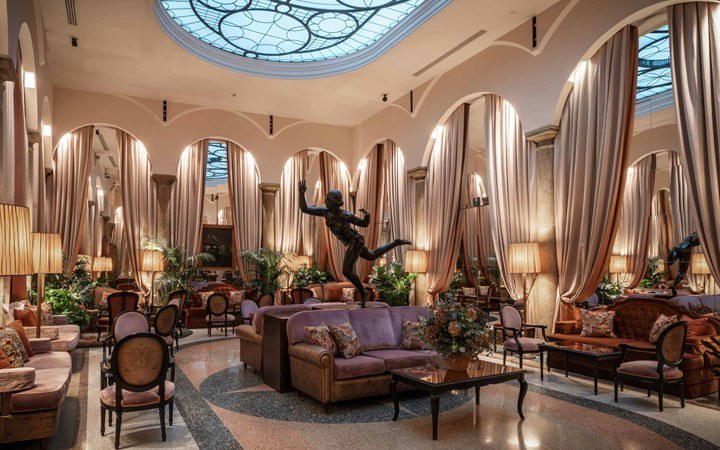
Elegant and comfortable atmosphere with refined lighting, described as calm, relaxed, and luxurious by diners.