One of Milan's longest-standing neighbourhood institutions, Antica Trattoria della Pesa on Viale Pasubio has anchored the Porta Garibaldi district for well over a century. The kitchen holds to the Milanese canon, risotto, ossobuco, cotoletta, at a time when the city's dining scene has largely pivoted toward tasting menus and modern Italian. For visitors and residents who want to eat the city rather than a chef's interpretation of it, this is a reliable and considered address.
Pearl is the En Primeur Club membership app — saves, bookings, and concierge access live there. Same editors, same standards.
- Address
- Viale Pasubio, 10, 20154 Milano MI, Italy
- Phone
- +39 02 655 5741
- Website
- anticatrattoriadellapesa.com
- Directions
- Get directions
 Saves & bookings on Pearl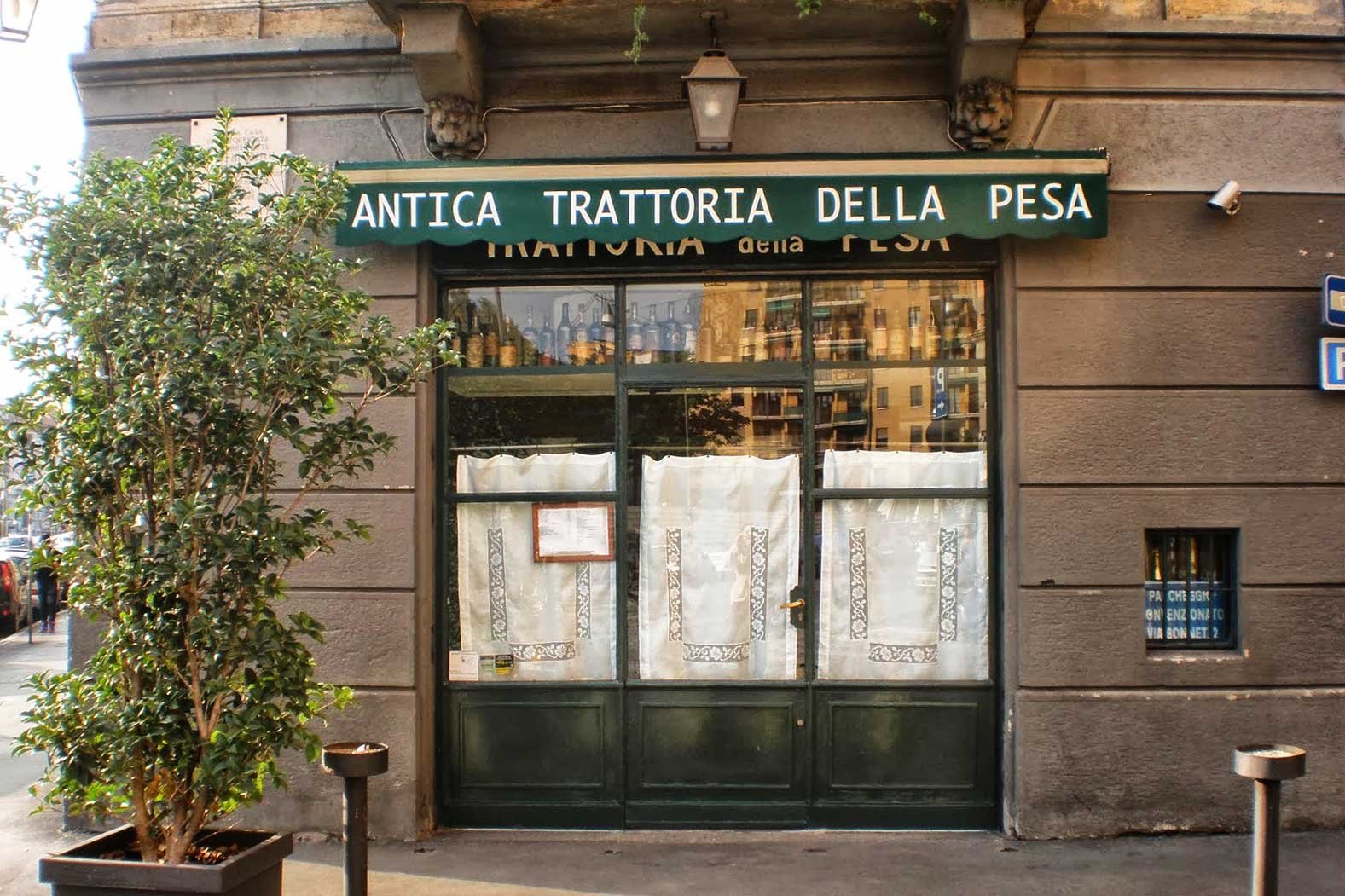
A Dining Room That Predates the Modern Italian Restaurant
Walk north from the Brera district along Viale Pasubio and the density of contemporary Milan, the boutiques, the aperitivo bars with their laminated menus, gives way to something quieter. Antica Trattoria della Pesa occupies a building that carries its age honestly: wood panelling worn to a comfortable darkness, white tablecloths set with the kind of unhurried formality that suggests a room accustomed to long lunches rather than fast covers. The physical environment does the work that younger restaurants attempt with designed-in patina. This is not restoration; it is continuity.
Antica Trattoria della Pesa is a traditional Lombard trattoria in Milan, at a €€€ price point. It belongs to the long-established trattoria category, cooking Milan's classic dishes without editorial distance from tradition.
The Milanese Canon, Held in Place
Milan's culinary identity has always been more specific than the tourist version of Italian food suggests. The city's classic dishes, risotto alla Milanese coloured with saffron, ossobuco braised until the marrow loosens from the bone, cotoletta alla Milanese in its proper thick-cut form rather than the thinned-out Viennese approximation, belong to a cuisine shaped by the Po Valley's agricultural produce and the city's historical role as a northern trading capital. These are not simple dishes. Risotto demands attention at the stove and confidence with stock; cotoletta requires a butcher relationship and technical judgment about the cut.
The trattoria format has historically been the keeper of this knowledge, operating outside the prestige economy of guide-rated restaurants and passing technique through kitchen staff rather than through credentialed chef lineages. What della Pesa represents, in that context, is not a museum piece but an active preservation of culinary infrastructure that the rest of the city's dining evolution has largely bypassed. For comparative reference, rooms like Andrea Aprea and Verso Capitaneo represent Milan's forward-looking Italian Contemporary register, genuinely worthwhile in their own terms, but answering a different question than della Pesa does.
The Team Dynamic in a Traditional Room
In the current conversation about what makes a great restaurant, attention has shifted toward kitchen-led creativity. The counter-argument, less often made, is that the front-of-house and service architecture of a long-standing trattoria represents an equally specific form of professional expertise. At an address like della Pesa, the dining room team typically carries decades of accumulated knowledge about the room's rhythms: which tables suit a long lunch, how to pace a table ordering the full sequence of a Milanese meal, when to bring the bread, when to refill the wine without being asked.
This is a different collaboration than the one at a modern tasting-menu counter, where the kitchen dictates the tempo and the floor team executes a scripted sequence. In a trattoria operating at this level of institutional continuity, the floor team holds genuine authority over the experience. The sommelier's role, similarly, is less about curating an ambitious natural wine list and more about knowing which Lombard and Piedmontese producers work across the meal's arc, a Barbera or Oltrepò Pavese red that can move from the risotto course through to the meat without demanding re-evaluation. Italy's dining institutions that have maintained this integrated approach over generations include Dal Pescatore in Runate and Enoteca Pinchiorri in Florence, both houses where the front-of-house culture has been as durably constructed as the kitchen's.
It is worth placing this against the broader Italian fine dining context. Operations like Osteria Francescana in Modena, Uliassi in Senigallia, Piazza Duomo in Alba, and Reale in Castel di Sangro define the creative end of the Italian restaurant spectrum. Della Pesa defines the institutional end. Both ends require sustained competence to maintain; the trattoria end simply receives less critical attention for doing so. International comparisons like Le Bernardin in New York City and Lazy Bear in San Francisco illustrate how different service cultures operate at different registers of the same premium intent.
Neighbourhood and Timing
Viale Pasubio sits in the Porta Garibaldi zone, north of the Brera grid and within walking distance of the Isola district, which has become one of the city's more active areas for independent restaurants and bars over the past decade. Della Pesa predates that wave entirely; its neighbourhood credentials are not derived from proximity to a fashionable cluster but from having been present before the cluster existed. This is a useful distinction for visitors calibrating their time in Milan. The full Milan restaurants guide covers the breadth of the city's dining, from the Duomo district's major addresses to the newer openings in NoLo and beyond.
For travellers planning around Italy's broader restaurant geography, addresses like Le Calandre in Rubano, Quattro Passi in Marina del Cantone, Atelier Moessmer Norbert Niederkofler in Brunico, and Casa Perbellini 12 Apostoli in Verona represent the country's regional fine dining in forms that reward specific detours. Della Pesa works differently: it is a reason to stay in Milan an extra meal rather than a reason to travel to it.
Planning Your Visit
Antica Trattoria della Pesa is located at Viale Pasubio 10 in the 20154 postal district of Milan, a fifteen-minute walk from the Brera or a short ride from Milano Centrale. The address is suited to lunch rather than a quick dinner, given that the Milanese meal structure, antipasto, primo, secondo, dessert, takes time to move through properly and the room rewards that unhurried rhythm. Booking ahead is advisable, particularly midweek when the table mix includes a significant share of regular local clientele. Reservations are essential.
Price and Positioning
Comparable venues nearby, for context on price, style, and recognition.
| Venue | Cuisine | Price | Notes |
|---|---|---|---|
| Antica Trattoria della PesaThis venue — the venue you are viewing | Not listed | $$$ | Not listed |
| DA NOI IN | Porta Genova, Modern Italian Fine Dining | $$$ | Not listed |
| Carlo e Camilla in Segheria | Not listed | $$$ | Porta Ticinese - Conca Del Naviglio, Contemporary Italian |
| Barzac • Tradizione Piacentina | Not listed | $$$ | Porta Garibaldi - Porta Nuova, Traditional Piacenza-Emilian |
| La Ca' di Tencitt | Duomo, Italian Speakeasy Bistro | $$$ | Not listed |
| 55 Milan | Sarpi, Italian Casual Dining | $$$ | Not listed |
Continue exploring
More in Milan
Restaurants in Milan
Browse all →
Bars in Milan
Browse all →
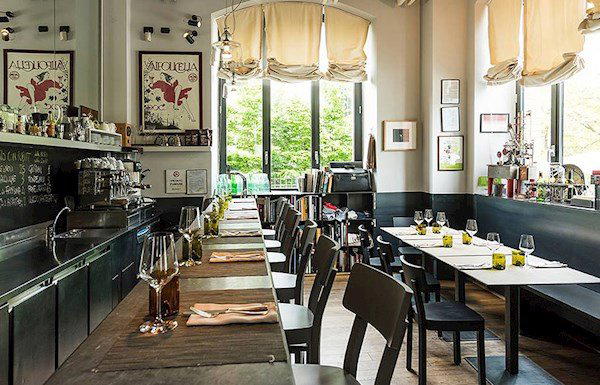
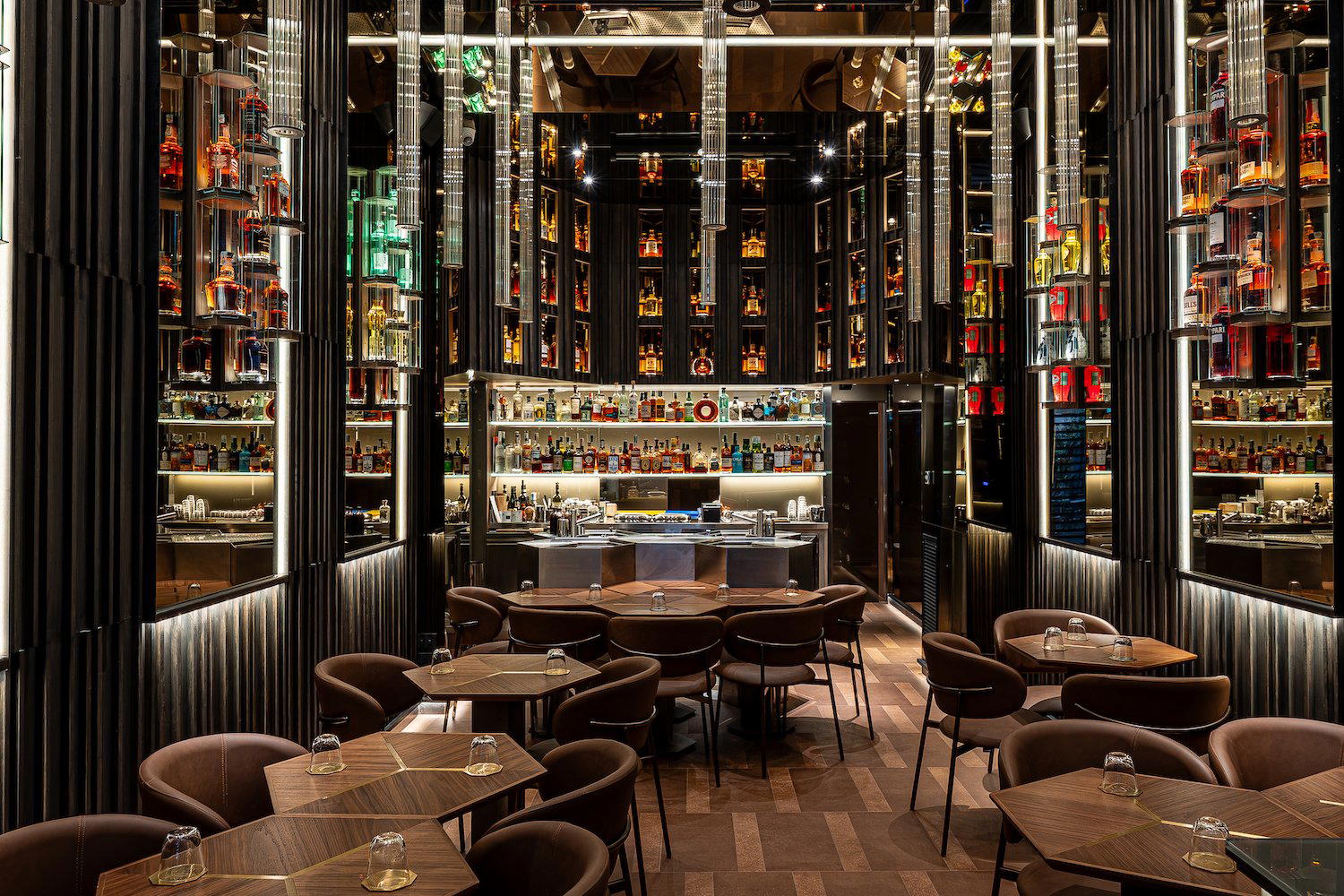
Hotels in Milan
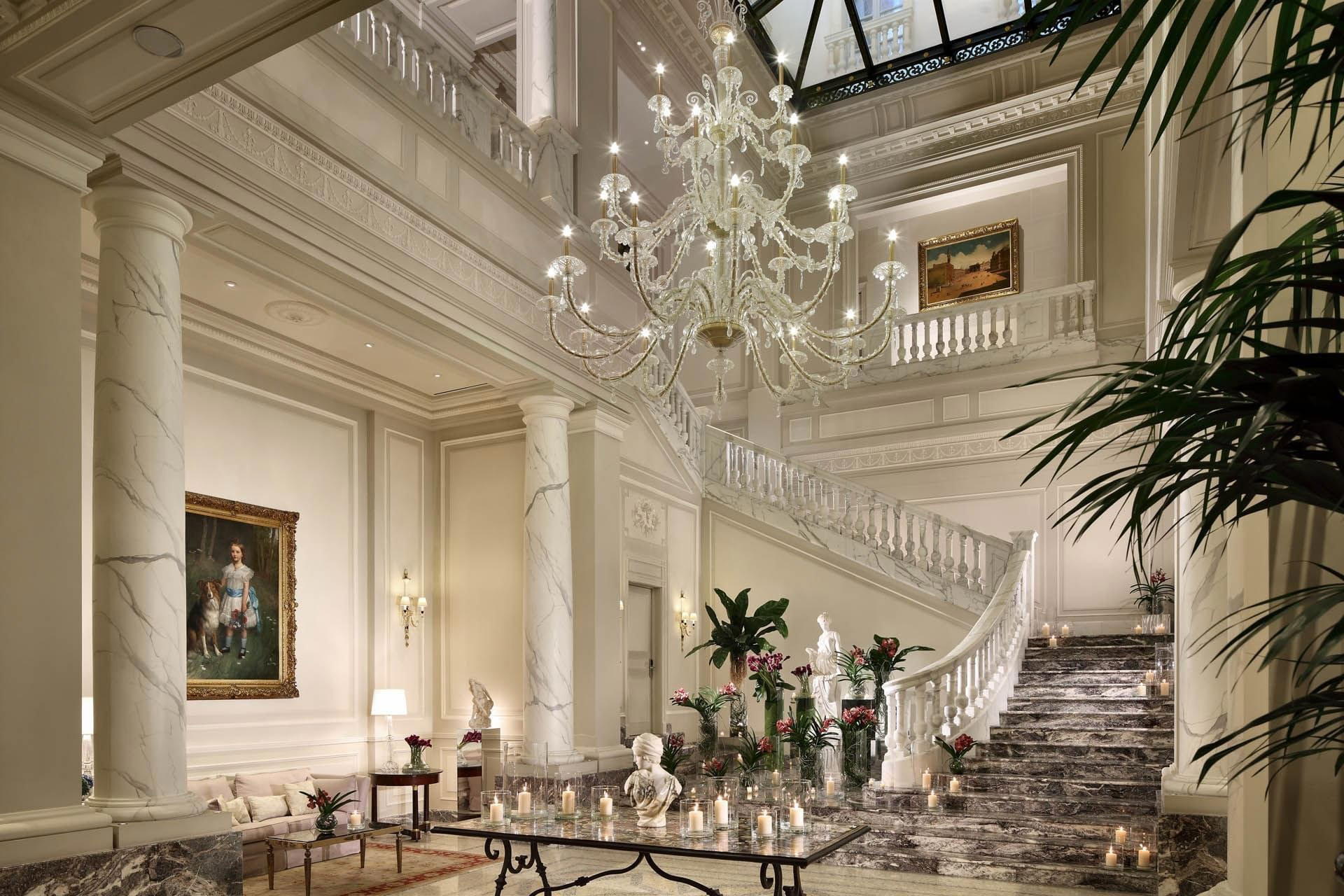
Browse all →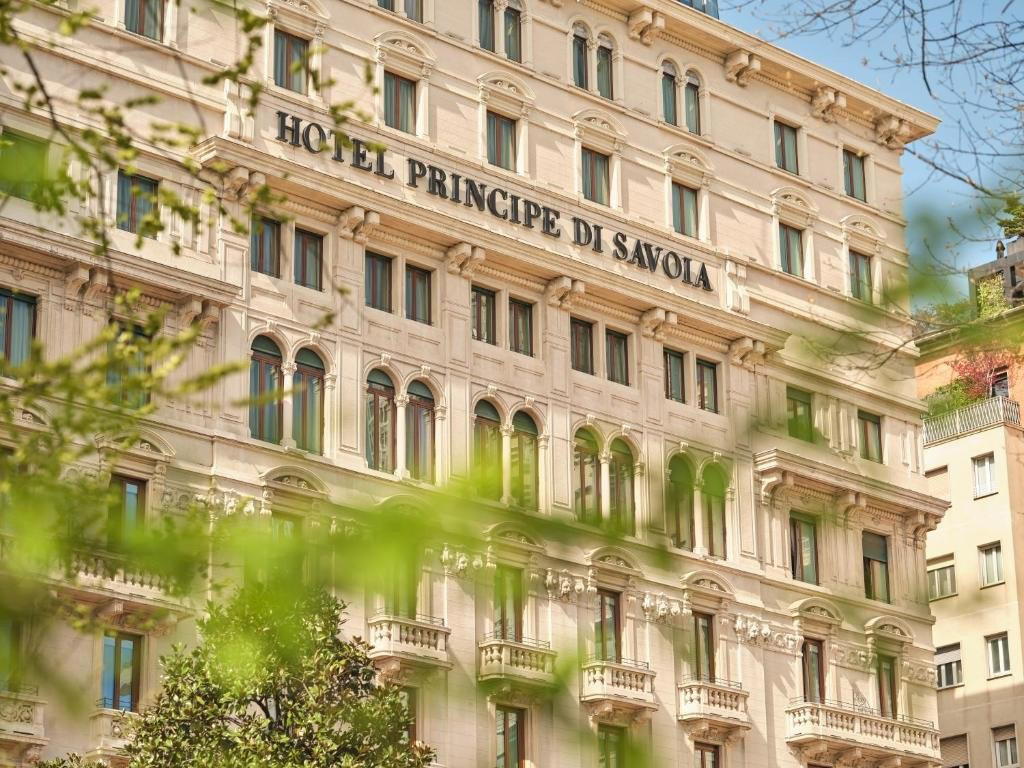
At a Glance
- Classic
- Cozy
- Well Known
- Rustic
- Elegant
- Date Night
- Business Dinner
- Group Dining
- Special Occasion
- Historic Building
Current opening hours
- Monday
- 12:30–2:30 PM, 7–11 PM
- Tuesday
- 12:30–2:30 PM, 7–11 PM
- Wednesday
- 12:30–2:30 PM, 7–11 PM
- Thursday
- 12:30–2:30 PM, 7–11 PM
- Friday
- 12:30–2:30 PM, 7–11 PM
- Saturday
- 12:30–2:30 PM, 7–11 PM
- Sunday
- Closed
Hours can change for holidays and private events. Last verified .
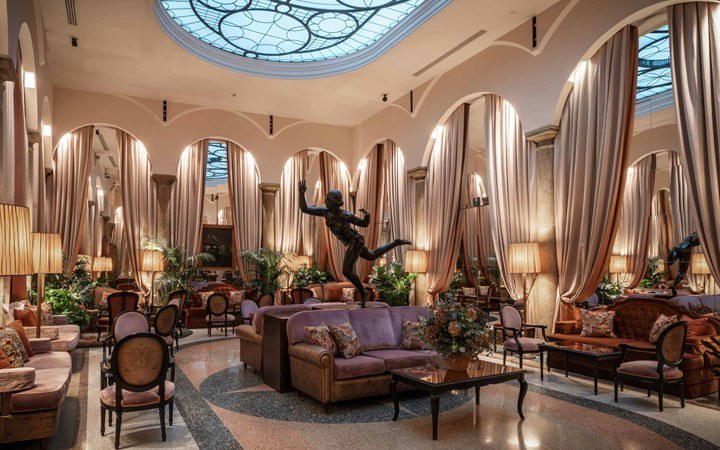
Warm, nostalgic atmosphere with original 1880s furnishings including maiolica stoves and graniglia flooring; intimate dining room that transports guests to old Milan.