
Losko on Via Lecco commits entirely to open-flame cooking, a format that sits outside Milan's dominant fine-dining playbook of refined modern Italian and tasting menus. The restaurant operates from a single, focused technique, placing it in a specialist tier where the cooking method is the menu's architecture. Booking intelligence and neighbourhood context matter here as much as the food itself.
Pearl is the En Primeur Club membership app — saves, bookings, and concierge access live there. Same editors, same standards.
- Address
- Via Lecco, 15, 20124 Milano MI, Italy
- Phone
- +39 02 3594 7507
- Website
- losko.pro
- Directions
- Get directions
 Saves & bookings on Pearl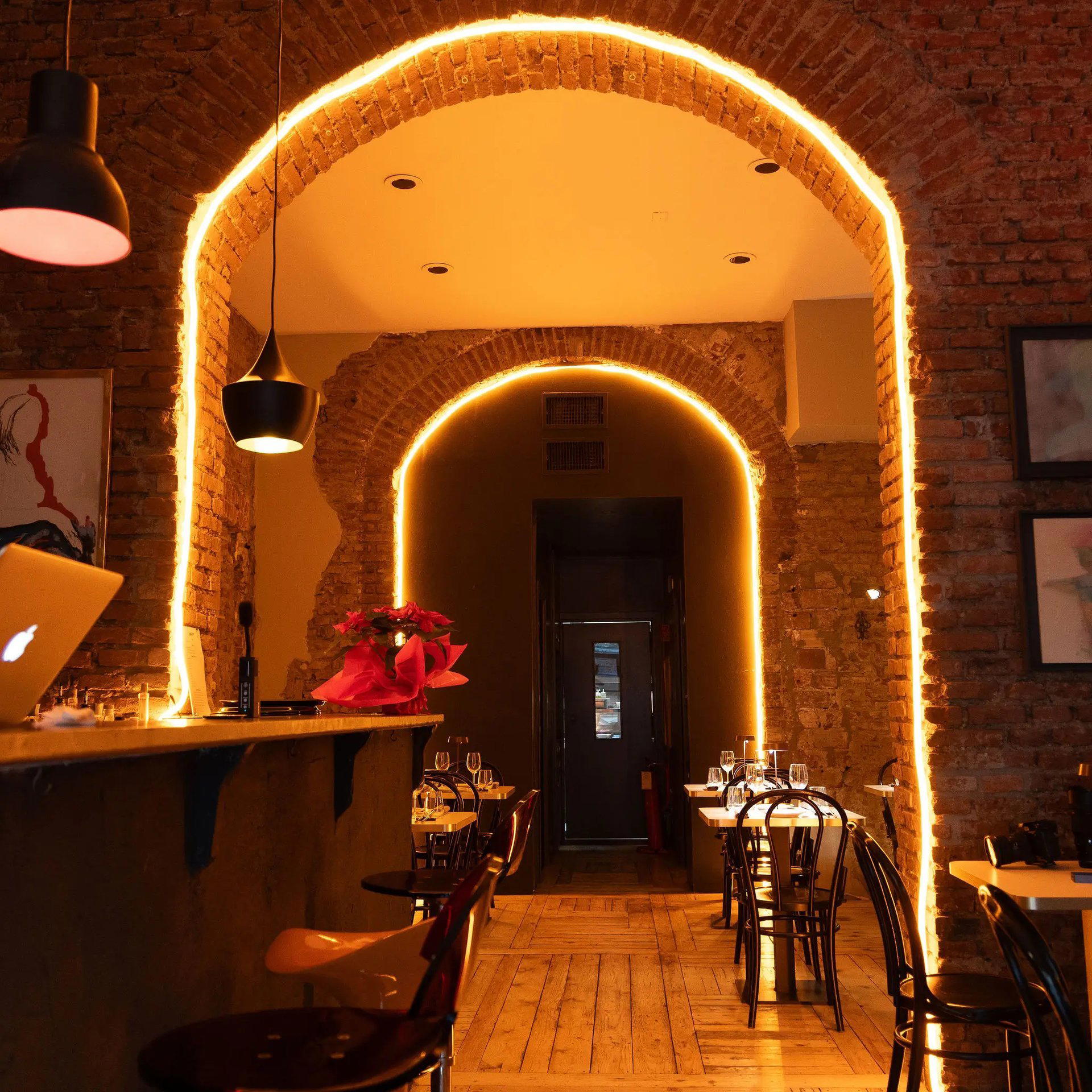
Fire as Method: Where Losko Sits in Milan's Restaurant Scene
Milan's premium dining tier has consolidated around a recognisable formula: modernist Italian technique, polished tasting menus, and Michelin validation. Enrico Bartolini, Cracco in Galleria, Andrea Aprea, and Seta all operate within that framework, competing on refinement, sourcing credentials, and the precision of their kitchen teams. Losko is a restaurant in Milan serving Modern Italian Grill cuisine at Via Lecco, 15, with a price point around $50 per person. By building its entire program around open-flame cooking, it exits the modernist fine-dining competition entirely and enters a smaller, more defined category where the technique itself is the offering. That distinction matters when you are deciding where Losko belongs in a Milan itinerary.
Across European cities with dense fine-dining scenes, a split has emerged between restaurants that compete on classical-to-contemporary technique and a smaller cohort that commit to a single defining method, whether that is fermentation, live-fire, or hyper-local sourcing. Losko belongs to the latter group. The open-flame format places it in a comparable set that includes live-fire specialists across Spain, Scandinavia, and increasingly Italy, rather than alongside Milan's tasting-menu circuit. For the reader planning a multi-dinner trip, that is a scheduling insight: Losko functions as a contrast to the city's modernist Italian options, not a substitute for them.
The Porta Venezia Address
Via Lecco sits in the Porta Venezia district, one of Milan's more residential and architecturally varied neighbourhoods, running northeast from the city centre. The area has developed a concentration of independent restaurants and bars distinct from the heavier tourist traffic around the Duomo or the fashion-district addresses in Brera and Montenapoleone. A restaurant choosing this postcode is positioning itself for a local and informed-visitor audience rather than a passing luxury trade. That is consistent with a specialist format: live-fire cooking attracts guests who are coming specifically for the method, not visitors who wandered in from a nearby hotel.
For those staying in the centre, Via Lecco is reachable by Metro Line 1 (Porta Venezia stop) or a short taxi from the Navigli or Brera areas. The neighbourhood's character, with aperitivo bars and neighbourhood trattorie as neighbours, means the street-level experience before and after dinner has its own texture, separate from the more designed environments around Milan's flagship dining addresses.
Planning a Table: What the Format Signals
Specialist concept restaurants in European cities at this tier typically operate with limited covers and defined service windows, both of which compress availability and extend the booking lead time relative to comparable price points.
The address at Via Lecco, 15, 20124 Milano is verified. Unlike the multi-location operations of Verso Capitaneo or the institutional scale of Milan's Michelin-starred rooms, a single-concept specialist tends to have less redundancy in the booking system, meaning a sold-out evening is genuinely sold out.
Dress code is smart casual, reservations are recommended, and hours are Mon to Thu 6:30-11 PM, Fri and Sat 6:30 PM-12 AM, and Sun closed. Given the positioning relative to other Milanese specialists in this tier, visitors should treat the experience as a planned dinner rather than a spontaneous addition to an evening. The Milan bars guide and experiences guide can help structure the rest of the evening around a confirmed reservation.
Open-Flame Cooking in the Italian Context
Fire-based cooking has deep roots in Italian regional traditions, from the wood-roasted meats of Tuscany to the ember-cooked vegetables of the south, but its elevation to a primary restaurant concept is a more recent development. Across Italy's premium dining scene, a handful of chefs have moved live fire from supporting technique to central identity. Internationally, the model has precedent in restaurants that built reputations entirely on combustion-driven cooking, where the relationship between heat source, resting time, and ingredient quality defines every plate. Italy's proximity to wood-fired traditions in bread and pizza gives the format local cultural coherence in a way it might lack in other national contexts.
For comparison, particularly technically rigorous live-fire formats internationally have demonstrated that the method demands as much precision as classical brigade cooking. Temperature control across different fuel types, the management of smoke, and the sequencing of proteins and vegetables through different heat zones are not simpler than conventional stove work. They are differently complex. A restaurant that commits exclusively to open flame is making a statement about what it believes the leading version of that technique looks like as a sustained editorial position, not a single menu section. Italy's broader fine-dining circuit, represented at its highest tier by venues like Osteria Francescana in Modena, Piazza Duomo in Alba, Le Calandre in Rubano, and Enoteca Pinchiorri in Florence, operates at a different register. Losko's value proposition is not to compete with that tier but to offer something that tier does not: a single-method commitment where the fire is the kitchen's architecture.
For readers whose Italian itinerary extends beyond Milan, Dal Pescatore in Runate and Atelier Moessmer Norbert Niederkofler in Brunico represent the country's approach to ingredient-led and regionally committed cooking at the other end of the format spectrum. Internationally, Le Bernardin in New York City and Emeril's in New Orleans illustrate how a single technique or culinary identity can anchor a restaurant's competitive position across decades. The Milan wineries guide is worth consulting for pairing context, given that open-flame cooking tends to pull toward structured reds that can handle smoke and char.
Price Lens
Comparable venues nearby, for context on price, style, and recognition.
| Venue | Cuisine | Price | Notes |
|---|---|---|---|
| LoskoThis venue — the venue you are viewing | Not listed | $$$ | Not listed |
| Le Terrazze Restaurant | Not listed | $$$ | Buenos Aires - Porta Venezia - Porta Monforte, Traditional Italian with Lombard specialties |
| Stadera Gastronomia | Not listed | $$$ | Guastalla, Campania-Inspired Italian Gastronomia |
| La Dogana del Buongusto | Duomo, Traditional Milanese | $$$ | Not listed |
| 55 Milan | Sarpi, Italian Casual Dining | $$$ | Not listed |
| Carlo e Camilla in Segheria | Not listed | $$$ | Porta Ticinese - Conca Del Naviglio, Contemporary Italian |
Recognition history
Dated appearances from independent guides and award organizations, with the underlying list record or original source where available.
Star Wine List
Star Wine List
Continue exploring
More in Milan
Restaurants in Milan
Browse all →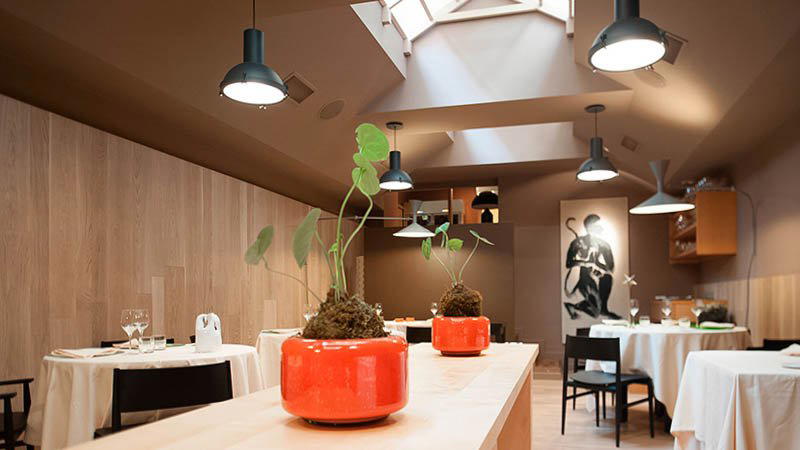
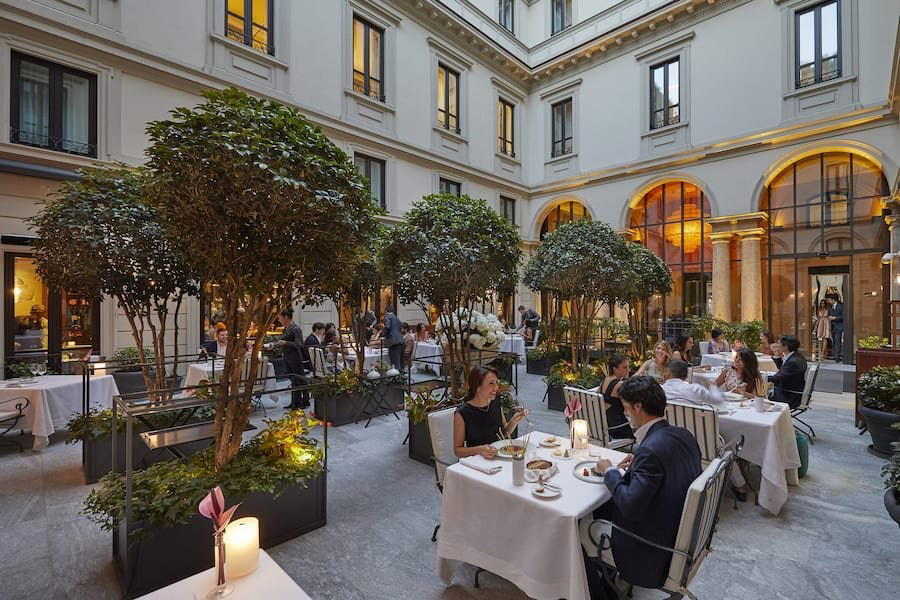
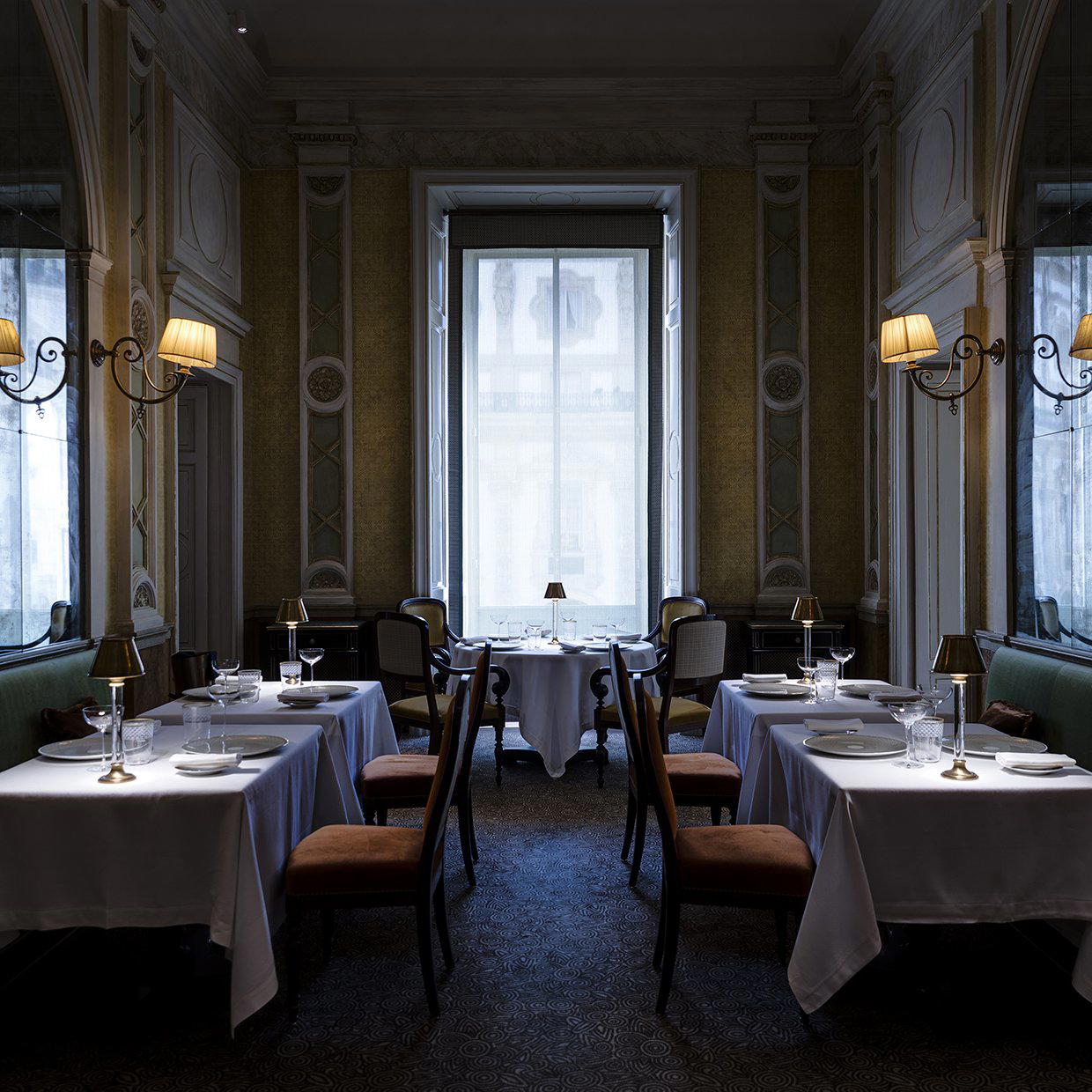
Bars in Milan
Browse all →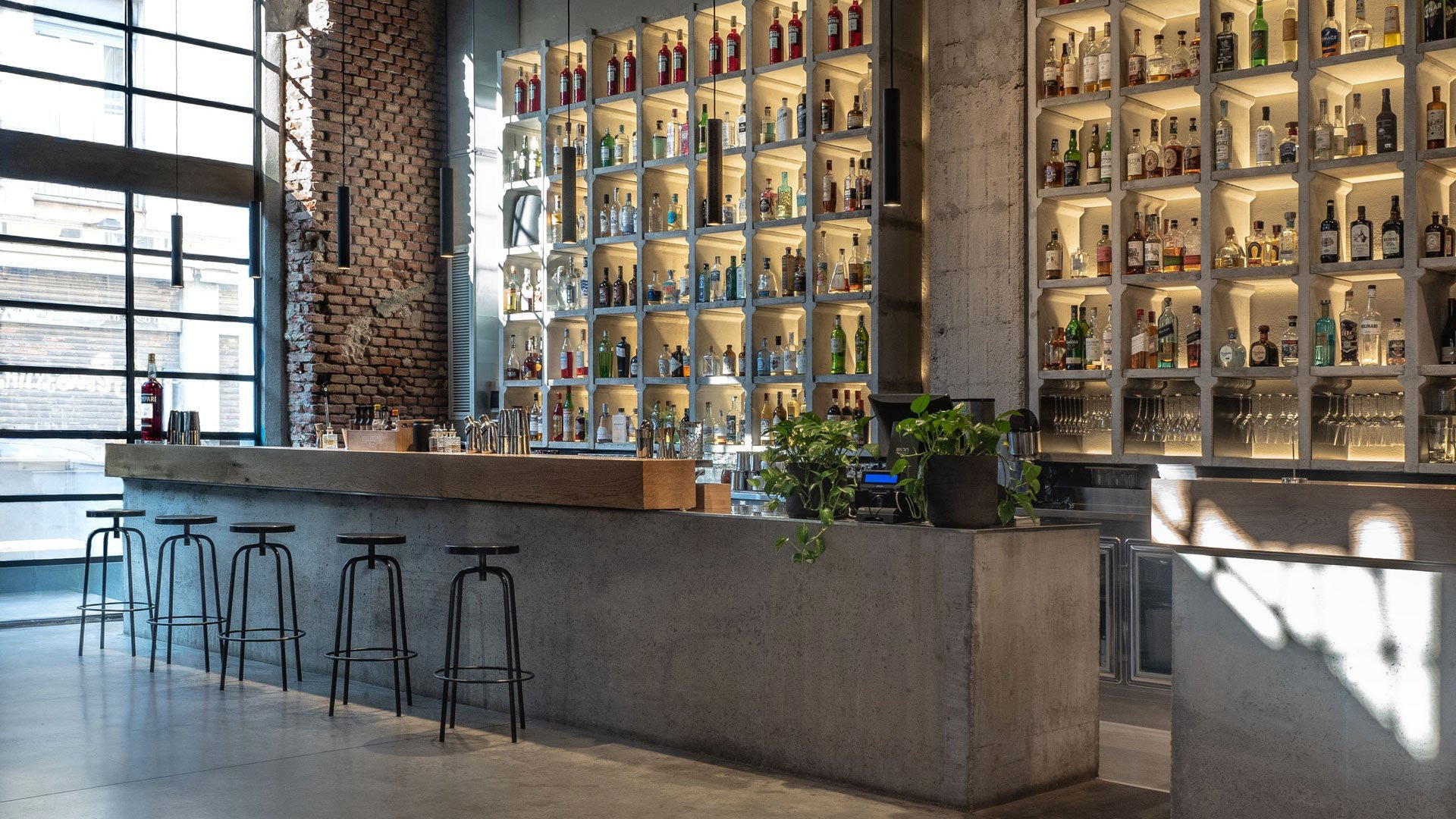
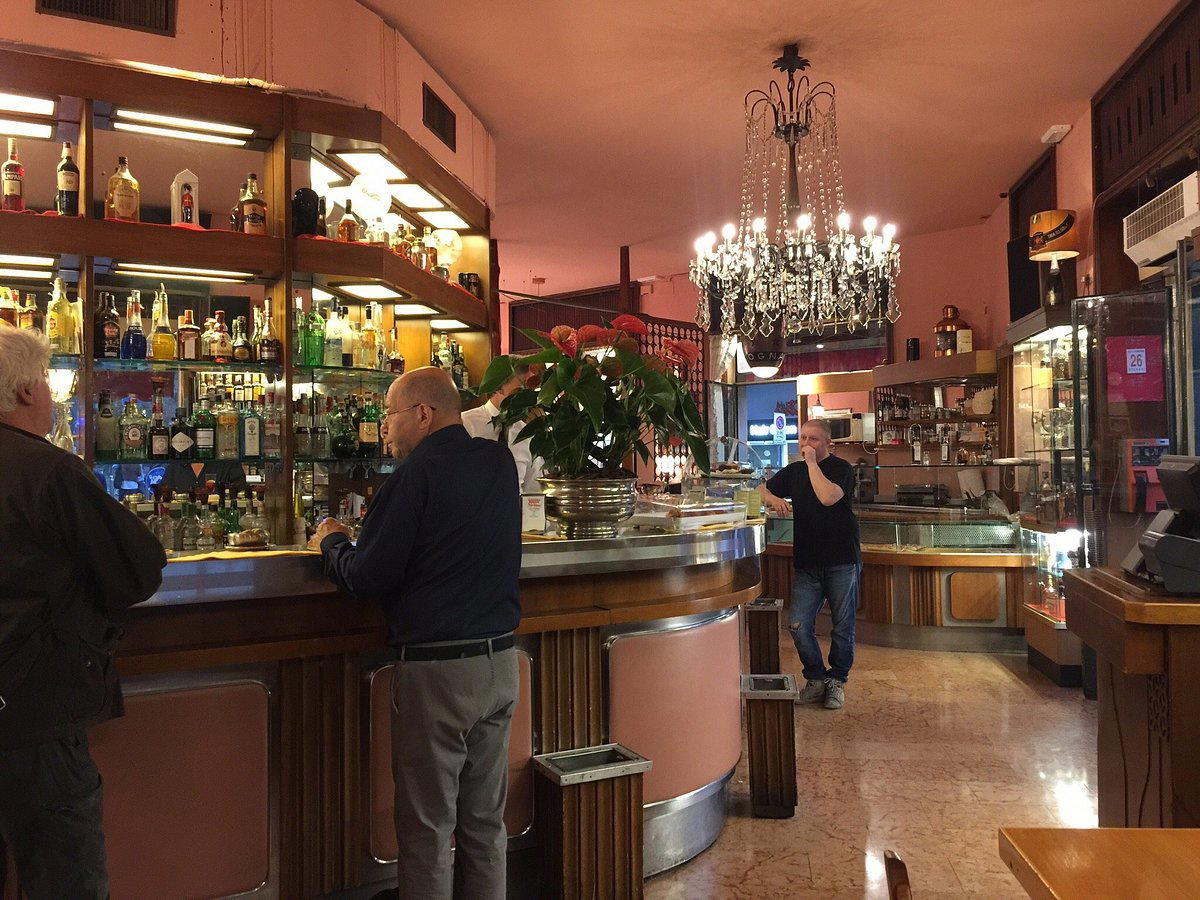
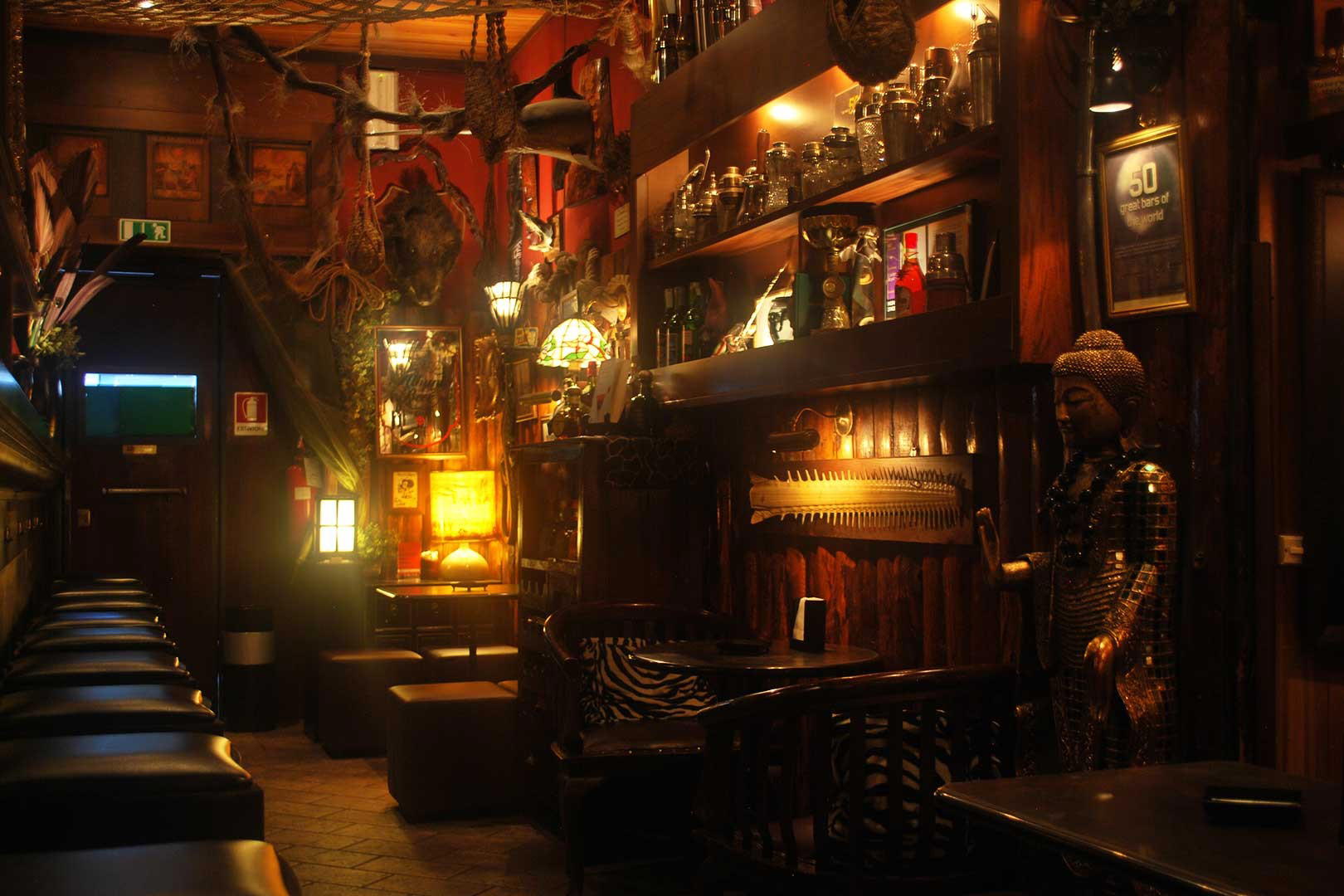
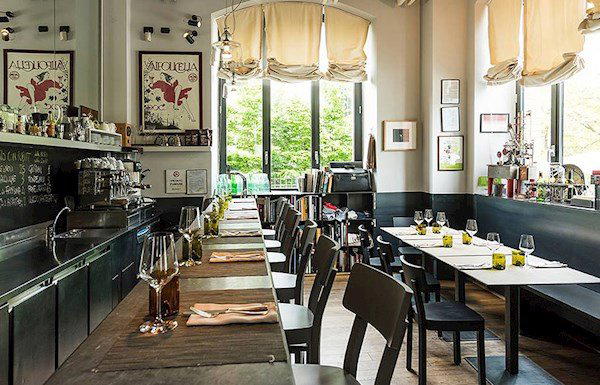
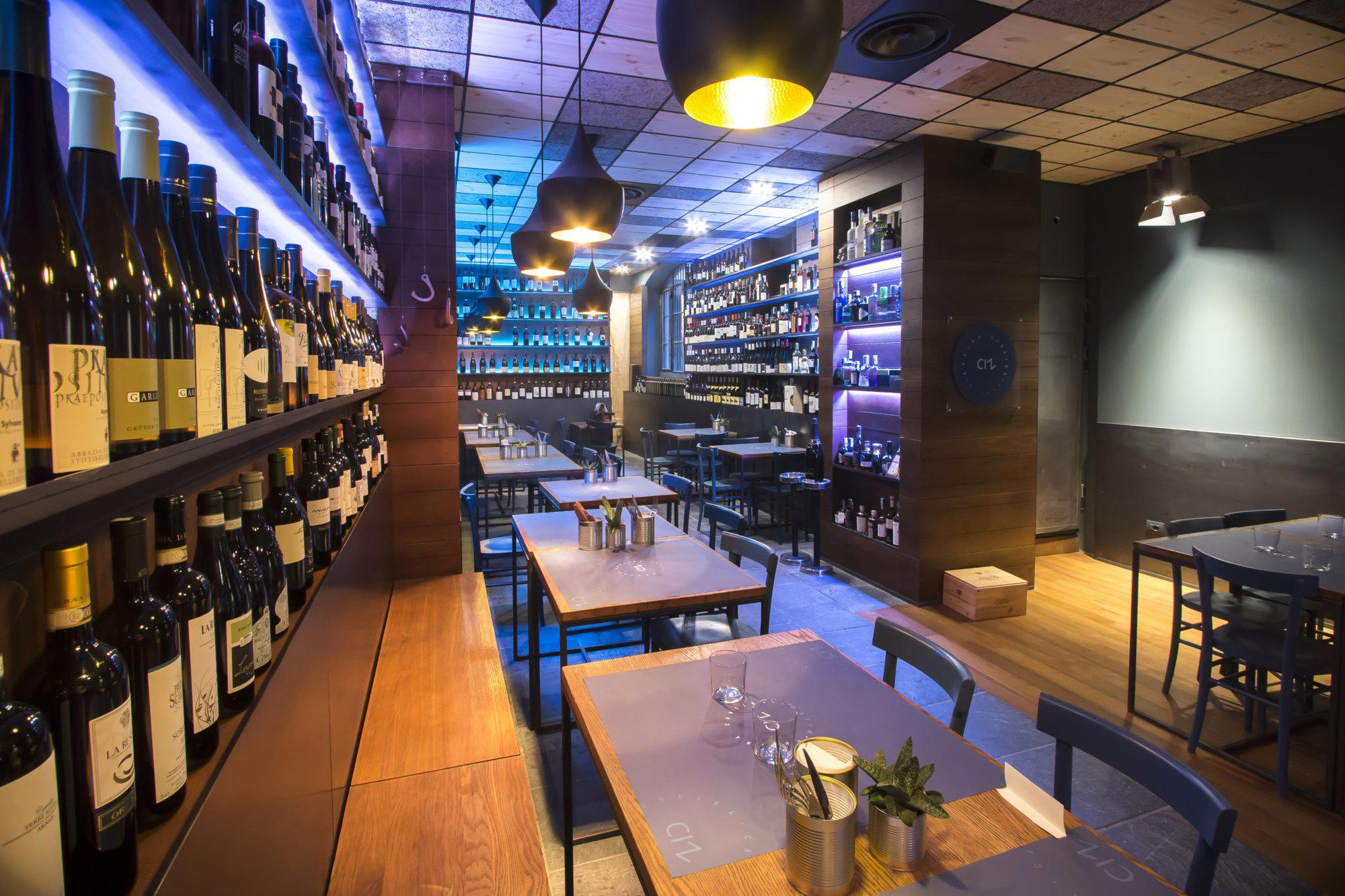
Hotels in Milan
Browse all →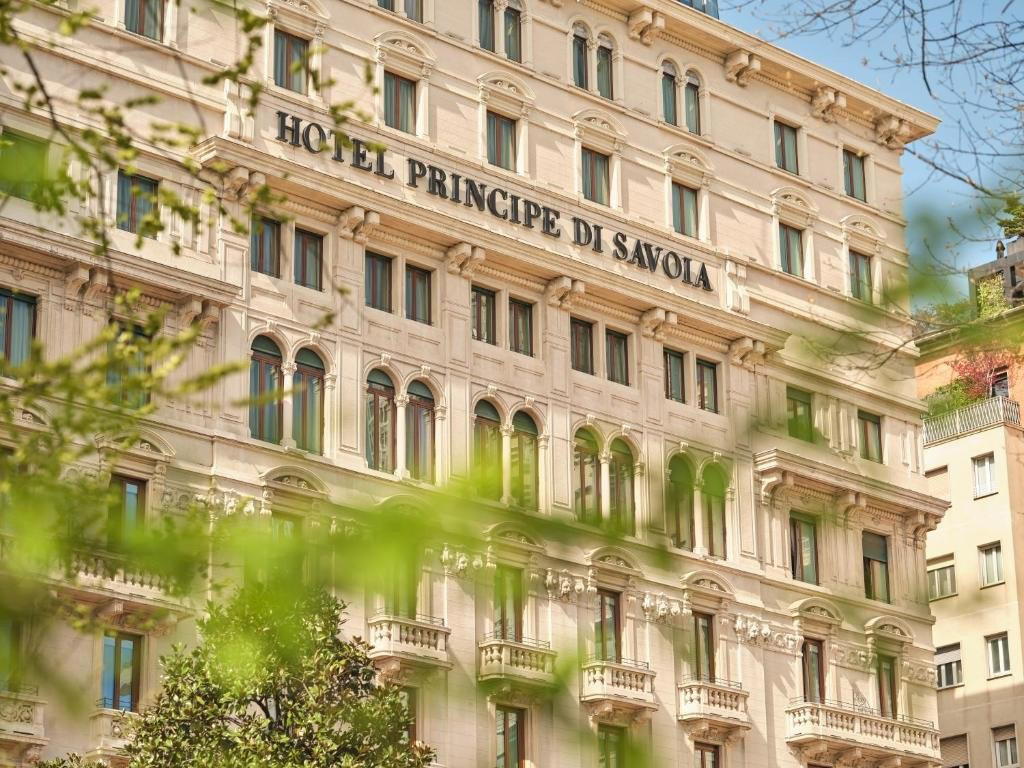
At a Glance
- Cozy
- Elegant
- Sophisticated
- Date Night
- Special Occasion
- Open Kitchen
- Extensive Wine List
- Craft Cocktails
- Sustainable Seafood
- Local Sourcing
Current opening hours
- Monday
- 6:30–11 PM
- Tuesday
- 6:30–11 PM
- Wednesday
- 6:30–11 PM
- Thursday
- 6:30–11 PM
- Friday
- 6:30 PM–12 AM
- Saturday
- 6:30 PM–12 AM
- Sunday
- Closed
Hours can change for holidays and private events. Last verified .
Cozy, elegant, and warm atmosphere with sophisticated lighting that feels both intimate and welcoming.