
Parlor Ekoda is a small Nerima bread, sandwich and cafe address that makes more sense when viewed against Tokyo’s serious bakery culture than as a casual coffee stop. Tabelog selected it for Bread TOKYO “Tabelog 100” in 2022, with earlier selections in 2017, 2018, 2019 and 2020, placing it in a narrow group of bakeries that reward a trip beyond the usual central wards.
Pearl is the En Primeur Club membership app — saves, bookings, and concierge access live there. Same editors, same standards.
- Address
- 41-7 Sakaecho, Nerima City, Tokyo 176-0006, Japan
- Phone
- +81 3-6324-7127
- Website
- parlour.exblog.jp
 Saves & bookings on Pearl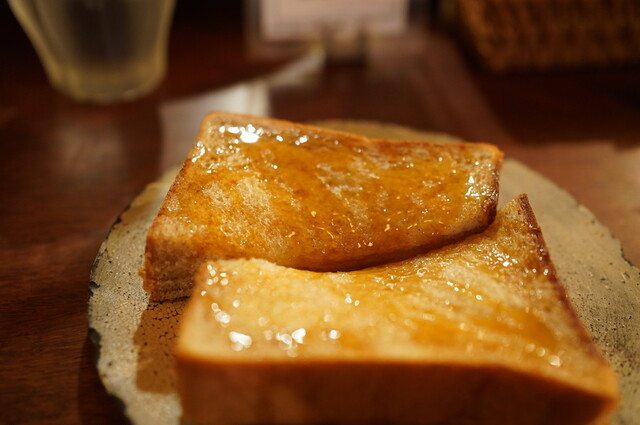
Ekoda does not offer the polished arrival sequence of central Tokyo dining. Around Shin-Sakuradai and Ekoda, the mood is lower-rise, practical and residential, with shopping-street rhythms rather than hotel-lobby choreography. That matters. Tokyo bakery culture has long split between department-store counters, station-adjacent patisseries and small independent rooms where bread is a daily purchase, not a luxury performance. Parlor Ekoda belongs to the last group: a compact bread, sandwich and cafe format with 13 seats, take-out service and a reputation strong enough to pull serious eaters into Nerima.
Tokyo bread culture, priced as a meal rather than a souvenir
Read this address through value, not ceremony. In Tokyo, high-quality bread ranges from a quick bakery snack to a full cafe meal; the difference often comes down to seating, sandwich construction and whether the room invites a pause. Parlor Ekoda sits in the JPY 2,000 to JPY 2,999 bracket for both lunch and dinner, above a casual pastry run but rational for a bread-led Tokyo meal. The spend buys a small-format cafe rhythm rather than a tasting-menu narrative.
The comparison set clarifies the positioning. Chonan Hosono Takashi and Golden time sit in a lower JPY 1,000 to JPY 1,999 band, as do L'AUTOMNE Nakano ten and CRIOLLO Honten. Machi no Parlor shares the JPY 2,000 to JPY 2,999 bracket, making it the more relevant price peer. Within that group, the Nerima address reads less like a bargain counter and more like a committed stop for bread, sandwiches and cafe use, especially when seat count and recognition are considered together.
Tabelog’s Bread TOKYO “Tabelog 100” selection in 2022 is the clearest public signal, reinforced by earlier Bread “Tabelog 100” selections in 2017, 2018, 2019 and 2020. These are not Michelin-style fine-dining markers. They signal repeat credibility in a category where Tokyo diners are exacting about texture, freshness, queue discipline and daily usability. For visitors, that makes the detour easier to justify: not to chase grandeur, but to see how seriously the city treats bread at neighbourhood scale.
A small room changes the way the meal works
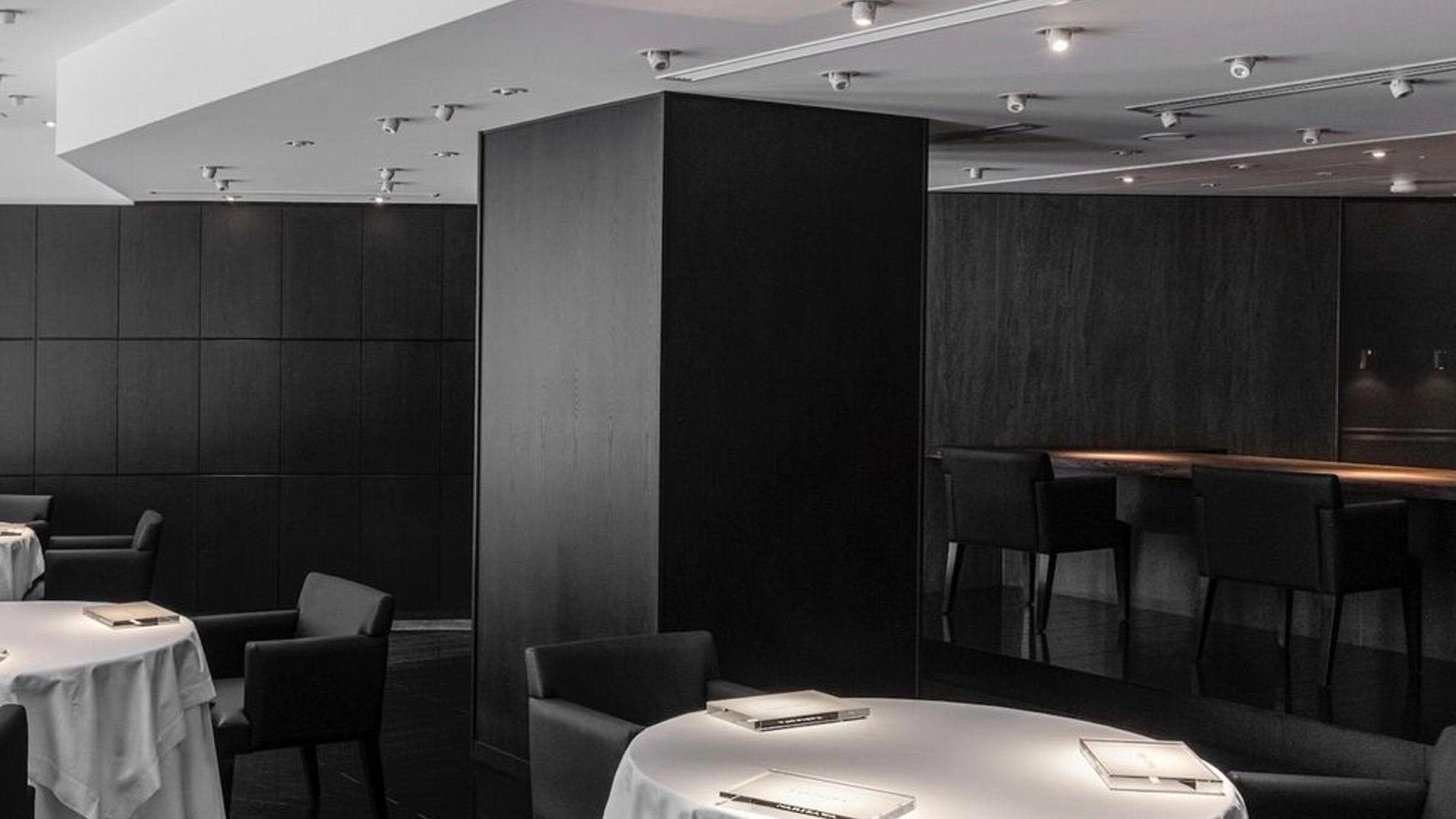
Five counter seats and three tables adding eight more make the room suited to short, focused visits rather than lingering lunches for large parties. Reservations, private rooms and parking are unavailable, so the experience is closer to a neighbourhood bakery-cafe with finite seating than a planned restaurant booking. Non-smoking status and modern payment options, including credit cards, electronic money and PayPay, make it easier for travellers than many older small shops, but the format remains compact.
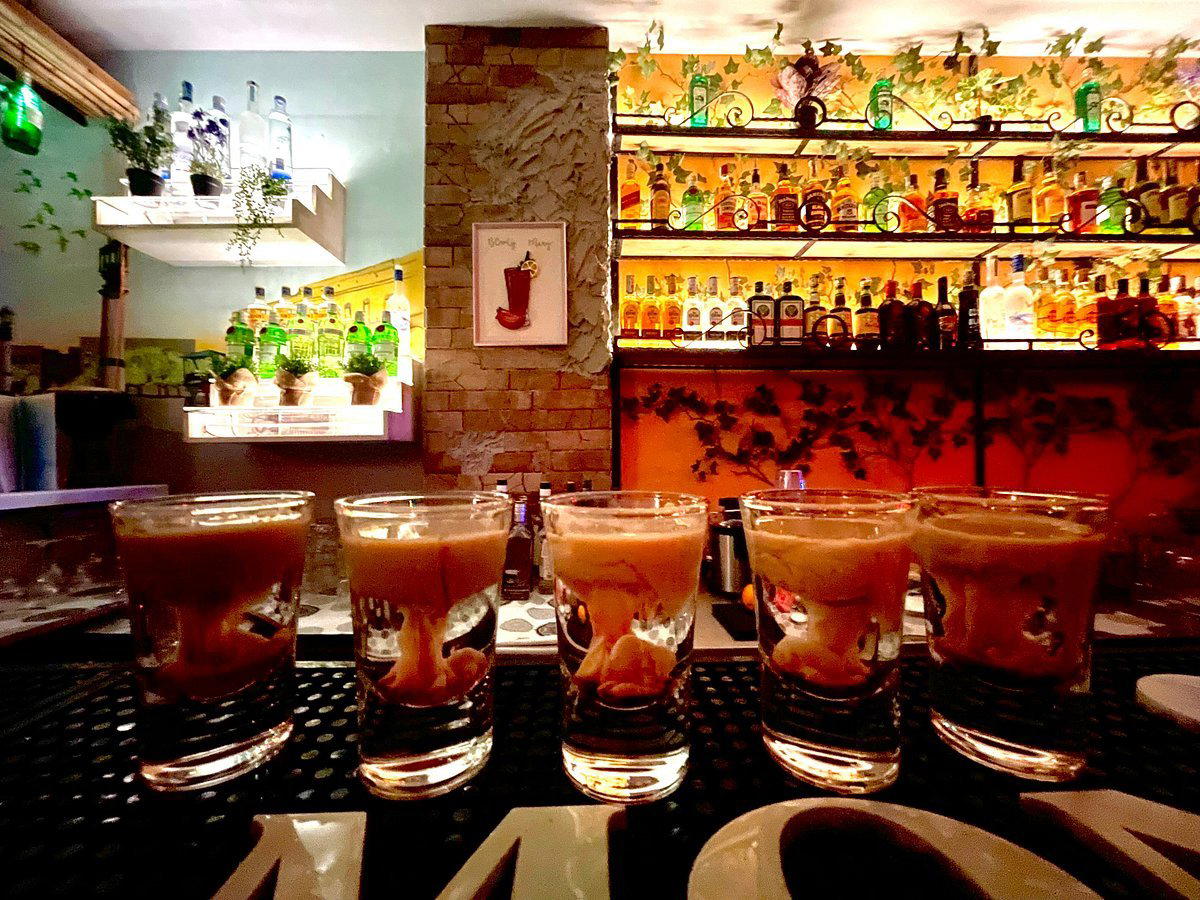
That compactness is part of the value equation. A small seat count concentrates demand, but also keeps the cafe from becoming a generic all-day room. Breakfast availability shifts the visit earlier, when bread-led Tokyo eating feels natural: coffee, a sandwich or bakery purchase, then onward through the west-side rail network. Wine is listed among drinks, placing the format slightly beyond a simple morning bakery, though the safer editorial read is still bread first, cafe second, wine as an added layer rather than the headline.
The location filters the audience. Nerima is not where most first-time Tokyo visitors begin restaurant planning; Ginza, Shibuya, Shinjuku and Ebisu absorb much of that attention. That makes this address useful for travellers who have already eaten through central Tokyo and want the city at a more local register. The nearest station is Shin-Sakuradai, with Ekoda also within walking range, so treat the trip as a west-side morning or lunch plan, not a quick add-on between major sightseeing stops.
Who should make the trip
The strongest case is for travellers who judge a city through everyday categories done with discipline. Tokyo’s bread scene rewards that attention because it borrows from French technique, Japanese precision and cafe culture without announcing itself as fine dining. Parlor Ekoda is worth seeking out when the brief is specific: a bread-focused meal, a small room, a recognised Tokyo bakery category and a price point that remains grounded compared with the city’s reservation-led counters.
It is less persuasive for travellers chasing a full-service restaurant night, a broad menu or a guaranteed table. Families can make it work if children are comfortable in tight cafe seating, but the small footprint is the limit. Larger groups should look elsewhere. Solo diners and pairs get the cleaner version, especially with flexibility around seating and timing.
For broader planning, place this stop within a Tokyo food day, not around it. Pair Nerima with other west or northwest neighbourhoods, then keep central Tokyo for dinner. EP Club’s restaurant coverage can help map that wider circuit, from casual city entries such as 2D Cafe and 3 Chome no Curry Ya San to sharper meal formats including 124. KAGURAZAKA (Yakitori), 12/10 Shinjuku ten and . 鮪と炭火焼き うお炭 秋葉原店. For the wider city edit, use Our full Tokyo restaurants guide, alongside Our full Tokyo hotels guide, Our full Tokyo bars guide, Our full Tokyo wineries guide and Our full Tokyo experiences guide.
Travellers extending the same everyday-food thread beyond Tokyo can compare how compact formats translate elsewhere in Japan and abroad: -Grilled beef Sukiyaki- KAMAKURA TANUKIAN 鎌倉 たぬき庵 in Kamakura.cafe in Osaka.know in Kumamoto, (Shoku) Vietnam in Kawasaki, [Curry Senmon Ten] Maruyama Kyoju. in Sapporo, [ki:] in Kyoto, Jōdo Saké Bar in Los Angeles and Onigiri Time in Pasadena. The common thread is not luxury signaling. It is whether a modest format gives enough specificity to justify the route. In Nerima, the answer is yes for bread-focused diners, and less so for anyone seeking spectacle.
Same-City Peers
Comparable venues for cuisine and category context.
| Venue | Cuisine | Price | Notes |
|---|---|---|---|
| Parlor EkodaThis venue — the venue you are viewing | Bakery café with sandwiches and light plates | $ | Not listed |
| Pan Ya no Donsuke | Japanese neighborhood bakery & sandwich shop | $ | Shinjuku |
| moonbow | Curry bar | $ | Shibuya |
| Nutty’s Caff | British-leaning Coffee Bar / Café | $ | Bunkyō |
| CAFE DE L’AMBRE | Traditional Japanese kissaten coffeehouse | $ | Chūō |
| Gian Franco | Neighborhood bakery & sandwich shop | $ | Setagaya |
Recognition history
Dated appearances from independent guides and award organizations, with the underlying list record or original source where available.
Tabelog 100 #47 · No. 47
Tabelog · Tabelog 100 - Bread - TOKYO - 2022













At a Glance
- Cozy
- Rustic
- Classic
- Intimate
- Casual Hangout
- Solo
- After Work
- Brunch
- Standalone
- Local Sourcing
- Street Scene
Current opening hours
- Monday
- 8:30 AM–6 PM
- Tuesday
- Closed
- Wednesday
- 8:30 AM–6 PM
- Thursday
- 8:30 AM–6 PM
- Friday
- 8:30 AM–6 PM
- Saturday
- 8:30 AM–6 PM
- Sunday
- 8:30 AM–6 PM
Hours can change for holidays and private events. Last verified .
A small, homey bakery-café inside a house, with a wood stove and rustic furnishings that create a relaxed, neighborhood feel; it’s cozy and casual rather than polished, often pleasantly busy but still comfortable for a quiet coffee or light meal.