
moonbow belongs to Tokyo’s compact curry-bar tradition, where a small counter can carry as much personality as a larger dining room. Its Tabelog Curry TOKYO 100 selection in 2024 places it inside a serious local curry conversation, while the bar component points to a format built for solo meals, late conversation, and repeat neighborhood use rather than ceremony.
Pearl is the En Primeur Club membership app — saves, bookings, and concierge access live there. Same editors, same standards.
- Address
- 東京都渋谷区代々木2-30-4 ヨシダペアランドB 102
- Website
- tabelog.com
 Saves & bookings on Pearl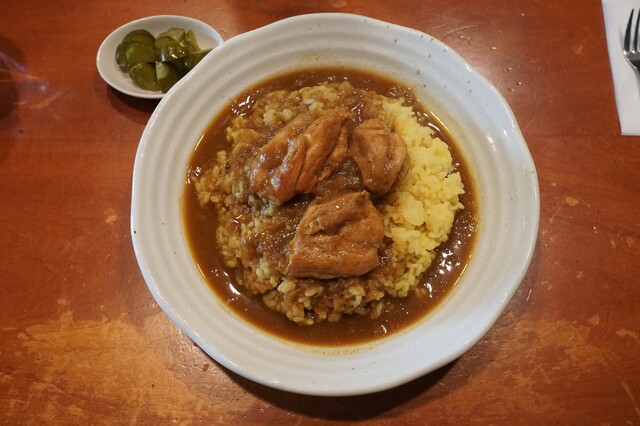
Approaching this part of Yoyogi, Tokyo’s scale changes quickly: station exits, apartment blocks, small signs, basement-level rooms and counters that depend less on street theatre than on regulars who know exactly where they are going. Curry in the city often lives in these compressed spaces. The genre rewards concentration: a short menu, a narrow room, a counter seat, a plate that has to justify the trip without the scaffolding of a formal tasting menu.
That is the useful frame for moonbow. It is not part of Tokyo’s luxury dining grammar, and it does not need to be. The appeal sits in the city’s other serious register: specialist food at modest scale, where curry is treated as a subject with its own canon, loyal following and ranking culture. Its selection for Tabelog Curry TOKYO 100 in 2024 gives it a concrete place in that conversation, alongside the many small shops that make Tokyo’s curry scene far deeper than the tourist shorthand of ramen and sushi suggests.
A curry counter shaped by bar logic
Tokyo curry is not a single tradition. It runs from thick Japanese comfort curry to spice-led plates influenced by South Asia, from kissaten lunch plates to after-dark curry served beside drinks. The bar category attached to moonbow matters because it signals a hybrid format: curry as the anchor, drinks as part of the rhythm, and a room better understood through counter culture than restaurant theatre. Shochu, wine and cocktails are part of the offer, which places the meal closer to Tokyo’s small-room drinking-and-eating tradition than to a conventional curry-house template.
That architecture changes how to read the menu. A curry shop built for throughput tends to be direct: order, eat, leave. A curry bar asks for a different pace. The food remains central, but the surrounding structure encourages a meal that can be taken alone without awkwardness or stretched with a friend over drinks. In Tokyo, that distinction is significant. Some of the city’s strongest casual dining is built around formats that look modest on paper but are highly intentional in practice: a fixed counter, a tight category focus, and enough beverage depth to turn a single dish into an evening.
The comparison set in Yoyogi sharpens the point. Nara Seimen sits in a similar everyday price tier but speaks through noodles rather than spice. KINO_ moves into a higher spend category, while PIZZERIA ROMANA IL PENTITO belongs to another kind of specialist room altogether. Nearby dessert culture, represented by Azuki to Kōri, works with precision and restraint in a different register. Read together, these rooms show why Yoyogi rewards category specialists: the area is close enough to Shinjuku for traffic, but small enough for places with narrow identities to matter.
Why Tokyo takes curry seriously
Curry occupies a particular place in Japanese dining because it is both everyday and deeply nerdy. It can be a school-lunch memory, a train-station staple, a late-night plate, or a chef-driven study in spice balance. Tokyo’s curry lists have become useful because they separate casual fame from sustained category recognition. Tabelog’s Curry TOKYO 100 is not a luxury award; it is a signal that a shop has earned attention inside a crowded, highly competitive city category.
That distinction is important for travelers who usually chase sushi counters, kaiseki rooms or French-Japanese tasting menus. Curry offers a different kind of Tokyo literacy. It teaches how the city values specialization at small scale, how repeat diners shape reputations, and how a narrow menu can carry the same seriousness as a longer one. The right curry room does not need linen, choreography or a chef biography to make its case. It needs clarity of form.
moonbow’s strongest editorial argument is therefore structural rather than biographical. The public-facing facts point to a compact counter, curry and bar categories, no private-room apparatus, and a no-smoking room. Those details describe a Tokyo mode with real cultural weight: the solo-friendly counter where the boundary between lunch shop, neighborhood bar and specialist restaurant becomes porous. For visitors, that is often where the city feels less translated.
How to fit it into a Tokyo eating day
The smart way to position this kind of address is not as a grand-plan centerpiece, but as a precision stop in a Yoyogi or Shinjuku day. The surrounding area gives it range: small restaurants, station-linked movement, and easy continuation into the wider city. For a broader restaurant map, use Our full Tokyo restaurants guide; for drinking after dinner, Our full Tokyo bars guide is the better companion. Travelers building a wider stay can pair that with Our full Tokyo hotels guide, while longer itineraries can cross-check Our full Tokyo experiences guide and Our full Tokyo wineries guide.
Tokyo rewards adjacent eating more than linear dining plans. Around the city, that might mean moving from curry to yakitori at 124. KAGURAZAKA (Yakitori), comparing Shinjuku casual formats at 12/10 Shinjuku ten, or using a more direct curry comparison such as 3 Chome no Curry Ya San. For other city textures, 2D Cafe shows Tokyo’s visual-café side, while. 鮪と炭火焼き うお炭 秋葉原店 points toward a seafood-and-grill register.
The wider Japanese map gives the curry conversation more depth. Sapporo’s spice culture appears through [Curry Senmon Ten] Maruyama Kyoju. in Sapporo, while Kyoto, Osaka and Kumamoto show how specialist rooms shift by city through [ki:] in Kyoto.cafe in Osaka and.know in Kumamoto. Outside Tokyo’s orbit, -Grilled beef Sukiyaki- KAMAKURA TANUKIAN 鎌倉 たぬき庵 in Kamakura and (Shoku) Vietnam in Kawasaki widen the regional frame. Across the Pacific, Jōdo Saké Bar in Los Angeles and Onigiri Time in Pasadena show how Japanese casual formats travel and change.
Price and Recognition
Comparable venues at the same tier for side-by-side context.
| Venue | Cuisine | Price | Notes |
|---|---|---|---|
| moonbowThis venue — the venue you are viewing | Shibuya, Curry bar | $ | Not listed |
| CAFE AALIYA | Shinjuku, French toast & coffee cafe | $ | Not listed |
| TRASPARENTE Nakameguro ten | Meguro, Japanese-European bakery café | $ | Not listed |
| Ore no Bakery Ebisu | Not listed | $ | Shibuya, Bakery & café with Italian terrace |
| Jensen | Not listed | $ | Shibuya, Danish-style bakery and cake shop |
| Nata de Cristiano's | Shibuya, Portuguese Pastry Shop | $ | Not listed |
Recognition history
Dated appearances from independent guides and award organizations, with the underlying list record or original source where available.
Tabelog 100 #96 · No. 96
Tabelog · Tabelog 100 - Curry - TOKYO - 2024











At a Glance
- Cozy
- Intimate
- Trendy
- Solo
- Casual Hangout
- After Work
- Late Night
- Standalone
- Craft Cocktails
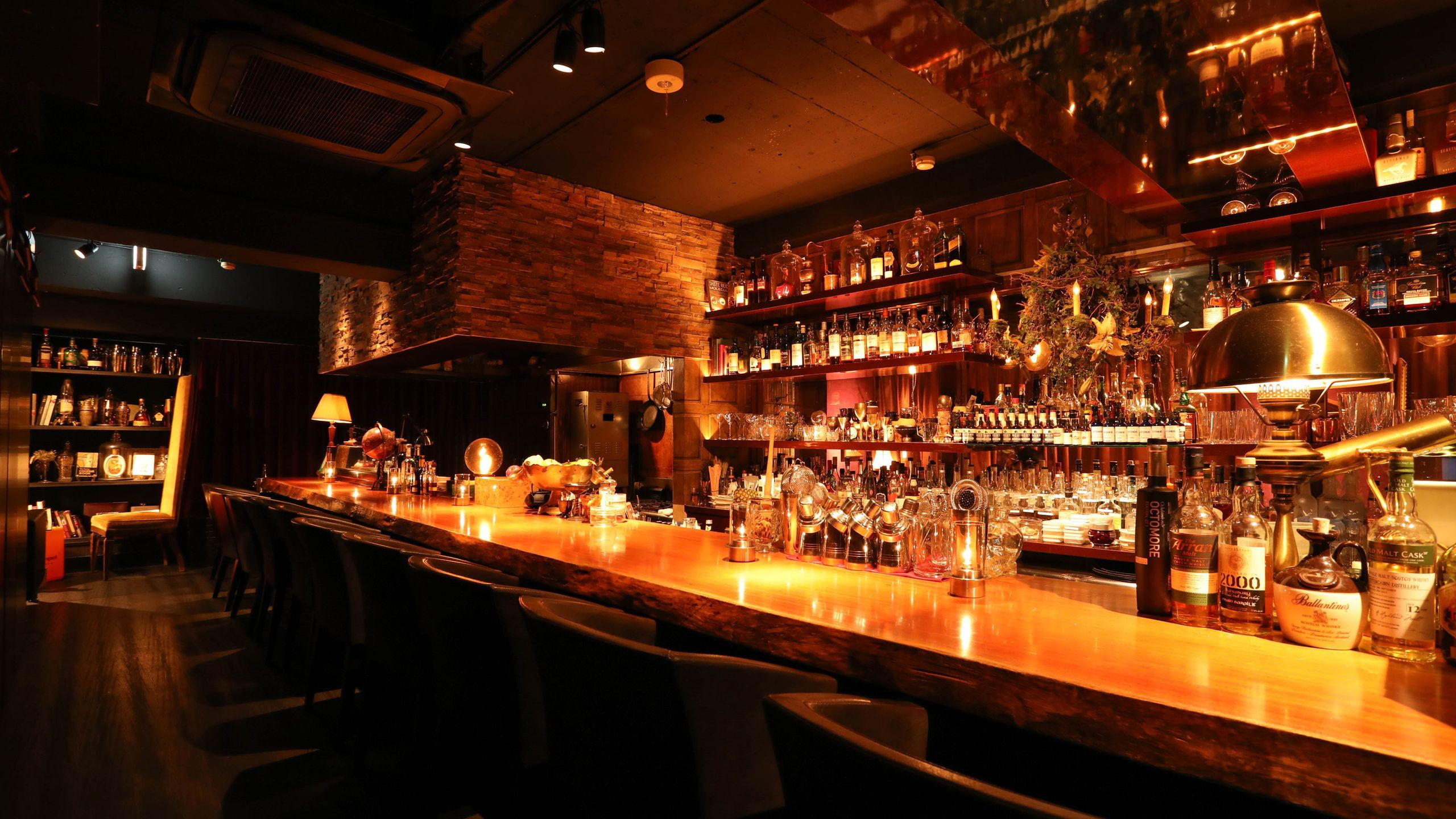
A small, non-smoking counter-only hideout with a stylish yet relaxed rock-bar feel, dim bar-style lighting, and a cozy atmosphere suited to solo diners and friends rather than large groups.