Papillon sits at Hardenbergplatz 15 in Berlin's Charlottenburg district, placing it at the intersection of the city's old-west dining tradition and its current creative fine-dining moment. The address puts it within reach of both the Zoo station corridor and the broader Kurfürstendamm belt, a part of Berlin that has historically attracted formal European restaurant formats. Precise cuisine details are currently unconfirmed; EP Club will update this listing as verified data becomes available.
Pearl is the En Primeur Club membership app — saves, bookings, and concierge access live there. Same editors, same standards.
- Address
- Hardenbergpl. 15, 10623 Berlin, Germany
- Phone
- +4930555792829
- Website
- papillon-berlin.com
- Directions
- Get directions
 Saves & bookings on Pearl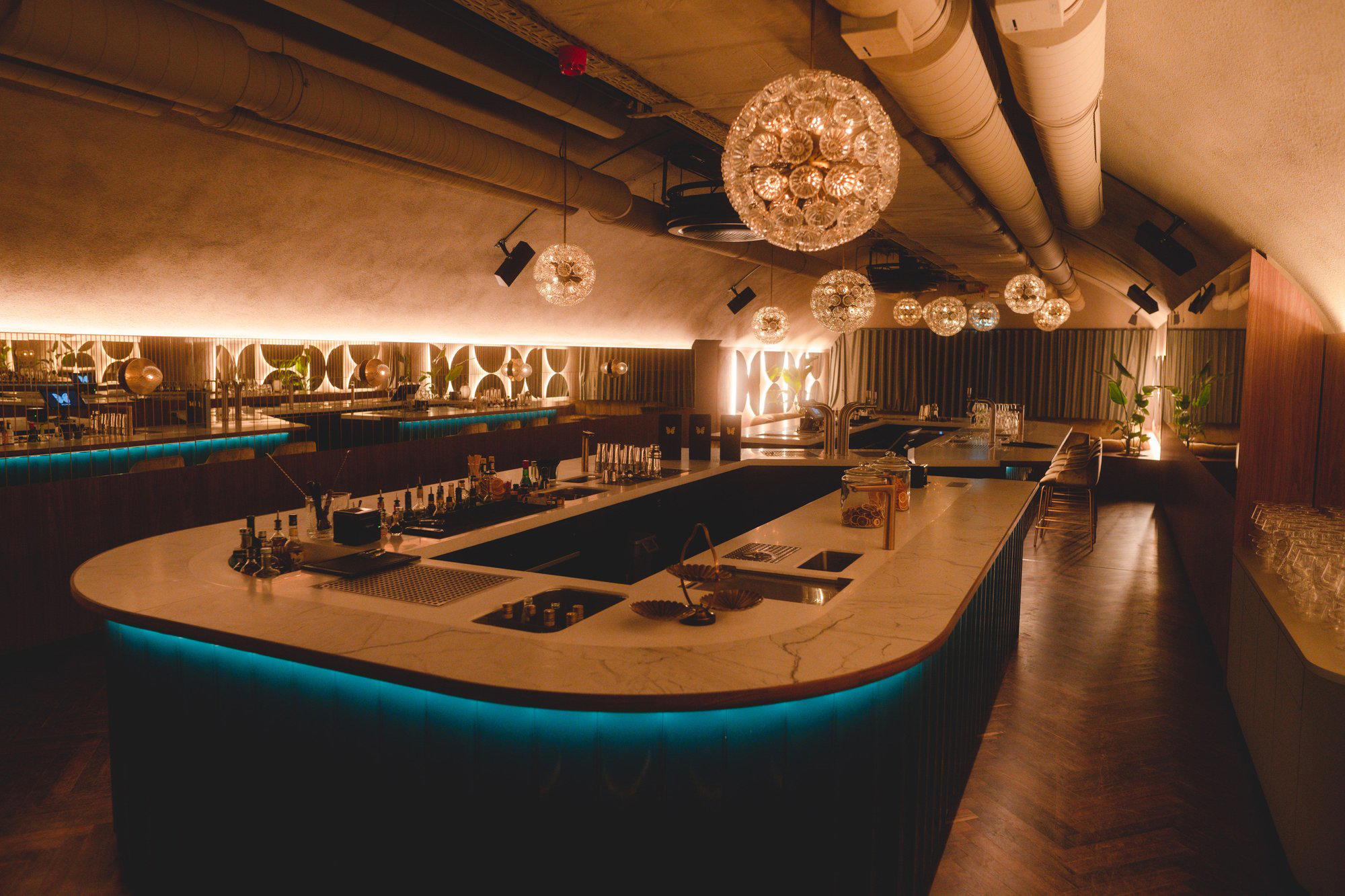
Charlottenburg and the West Berlin Dining Tradition
Berlin's fine-dining conversation in the last decade has tilted east: Mitte, Kreuzberg, and Prenzlauer Berg absorb most of the critical attention, the Michelin ink, and the reservation queues. But Charlottenburg, the old-west district that anchored West Berlin's cultural and commercial life before reunification, has always run a quieter, more formal counterpoint to that energy. The streets around Hardenbergplatz and the Kurfürstendamm corridor still carry the architectural grammar of a city that once structured its ambitions around European-style grand restaurants, theatre suppers, and long-table hotel dining. Papillon, a restaurant at Hardenbergpl. 15 in Berlin, sits squarely inside that tradition.
That geographic positioning matters editorially. Restaurants in this part of Berlin are not competing for the same diner as the natural-wine bistros of Neukölln or the tasting-menu laboratories of Mitte. They occupy a different register: one shaped by proximity to the Deutsche Oper, the Schiller Theater site, and the dense hotel infrastructure around Zoo station. Regulars here tend to eat before or after cultural events, or as part of longer evenings anchored by occasion rather than spontaneity.
Where Papillon Sits in Berlin's Current Fine-Dining Structure
Berlin's upper tier of restaurant dining has compressed into a recognisable competitive set. Rutz holds two Michelin stars and operates a wine-forward modern European program. Nobelhart and Schmutzig runs a hyper-regional modern German format with a political edge. FACIL anchors a hotel fine-dining model with its glass-pavilion setting inside the Mandala. CODA Dessert Dining occupies an almost singular position nationally, building entire menus around dessert architecture. These venues collectively define what serious dining in Berlin looks like in the 2020s: technically rigorous, conceptually declared, and almost always operating within a tasting-menu or multi-course format.
Against that backdrop, Charlottenburg properties like Papillon tend to read as the district's answer to a more classically European sensibility. The neighbourhood's dining history includes long-running French and Continental addresses that predate the tasting-menu era.
For reference on how Berlin's creative fine-dining scene compares nationally, the broader German circuit includes addresses as varied as Aqua in Wolfsburg, JAN in Munich, Schwarzwaldstube in Baiersbronn, Vendôme in Bergisch Gladbach, ES:SENZ in Grassau, Victor's Fine Dining by Christian Bau in Perl, Waldhotel Sonnora in Dreis, Restaurant Haerlin in Hamburg, Schanz in Piesport, and Bagatelle in Trier. Berlin's position in that national hierarchy is shaped less by raw Michelin count and more by the city's density of concepts: more restaurants chasing fewer stars than in Baden-Württemberg or Bavaria.
The Cultural Roots of the Charlottenburg Restaurant Format
French culinary influence on Berlin's formal dining sector has a longer, more structural history than is often acknowledged. The Huguenot migration of the late seventeenth century brought not only craftspeople and merchants but kitchen culture: the word Restaurant itself entered German usage through French channels, and Prussian court cuisine absorbed French technique as a prestige signal long before Escoffier codified it for hotel kitchens across Europe. Charlottenburg, named for Prussian Queen Sophie Charlotte and developed as a separate royal city before its absorption into Berlin, carries some of that Franco-Prussian cultural overlay in its architecture and its dining habits.
The name Papillon sits comfortably inside this history. Butterfly references in French restaurant naming have appeared across European dining from Belle Époque brasseries to mid-century supper clubs, carrying associations of lightness, transformation, and Continental sophistication. Whether Papillon in Charlottenburg deploys that association deliberately, or whether it is simply a name, is a question the menu and format would need to answer. What the name suggests is a European orientation, which already positions it differently from addresses like Restaurant Tim Raue, whose two Michelin stars are built on a Chinese-influenced framework, or the Korean-rooted precision of Atomix in New York City or the French seafood tradition of Le Bernardin, both of which demonstrate how tightly cuisine identity can anchor a restaurant's critical positioning.
Planning a Visit: Logistics and Seasonal Considerations
Hardenbergplatz 15 is one of Berlin's more accessible fine-dining addresses by public transport. The square sits immediately adjacent to Zoologischer Garten S- and U-Bahn station, served by multiple lines and the Ringbahn. That infrastructure makes it a practical choice for visitors staying in Mitte or Prenzlauer Berg who want to cross the city for dinner without depending on a taxi.
Seasonally, Charlottenburg dining tends to run at higher capacity in autumn and winter, when the opera and theatre season draws consistent evening traffic and when the area's enclosed, warm-interior restaurant formats suit the weather. Summer in Berlin shifts dining energy toward outdoor terraces in districts like Mitte and Kreuzberg; the western restaurant belt operates more steadily year-round but sees its strongest evenings from October through March. If Papillon runs a seasonal menu, the autumn changeover is typically the moment to engage with new kitchen direction across Berlin's formal dining tier.
| Venue | District | Price Tier | Format Signal |
|---|---|---|---|
| Papillon | Charlottenburg | Unconfirmed | Unconfirmed |
| FACIL | Mitte | €€€€ | Hotel fine dining, tasting menu |
| Rutz | Mitte | €€€€ | Wine-forward, tasting menu |
| Nobelhart and Schmutzig | Mitte | €€€€ | Hyper-regional, counter format |
| CODA Dessert Dining | Neukölln | €€€€ | Dessert-anchored tasting menu |
Comparable Spots
Comparable venues nearby, for context on price, style, and recognition.
| Venue | Cuisine | Price | Notes |
|---|---|---|---|
| PapillonThis venue — the venue you are viewing | Modern International with Mediterranean Influences | $$$ | Not listed |
| Bistro Mitte | International Bistro Classics | $$$ | Tiergarten |
| heimlichTreu | Modern International Small Plates | $$$ | Scheunenviertel |
| Carambar | International Bar Food | $$ | Mitte |
| Ponte | Modern Italian Trattoria | $$$ | Schoneberg |
| Bobbe Speisesalon | Kosher Israeli-Mediterranean | $$$ | Wilmersdorf |
Continue exploring
More in Berlin
Restaurants in Berlin
Browse all →
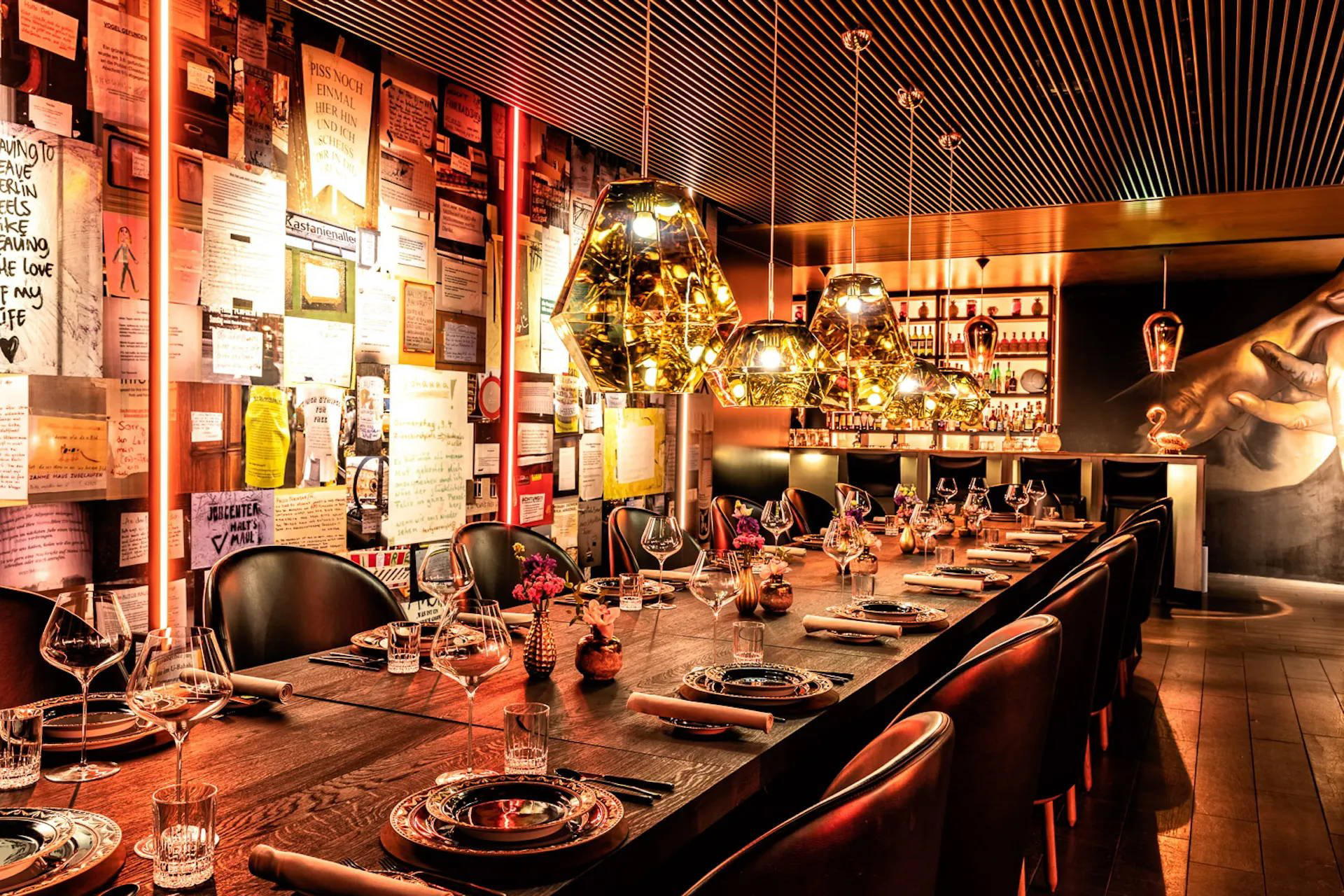
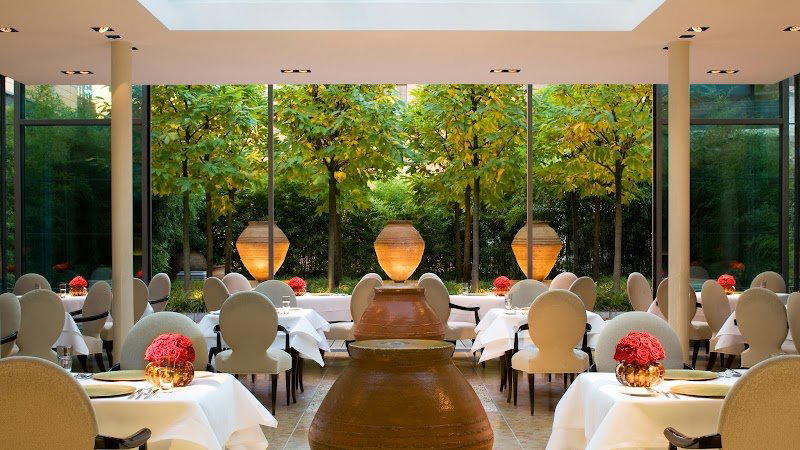
Bars in Berlin
Browse all →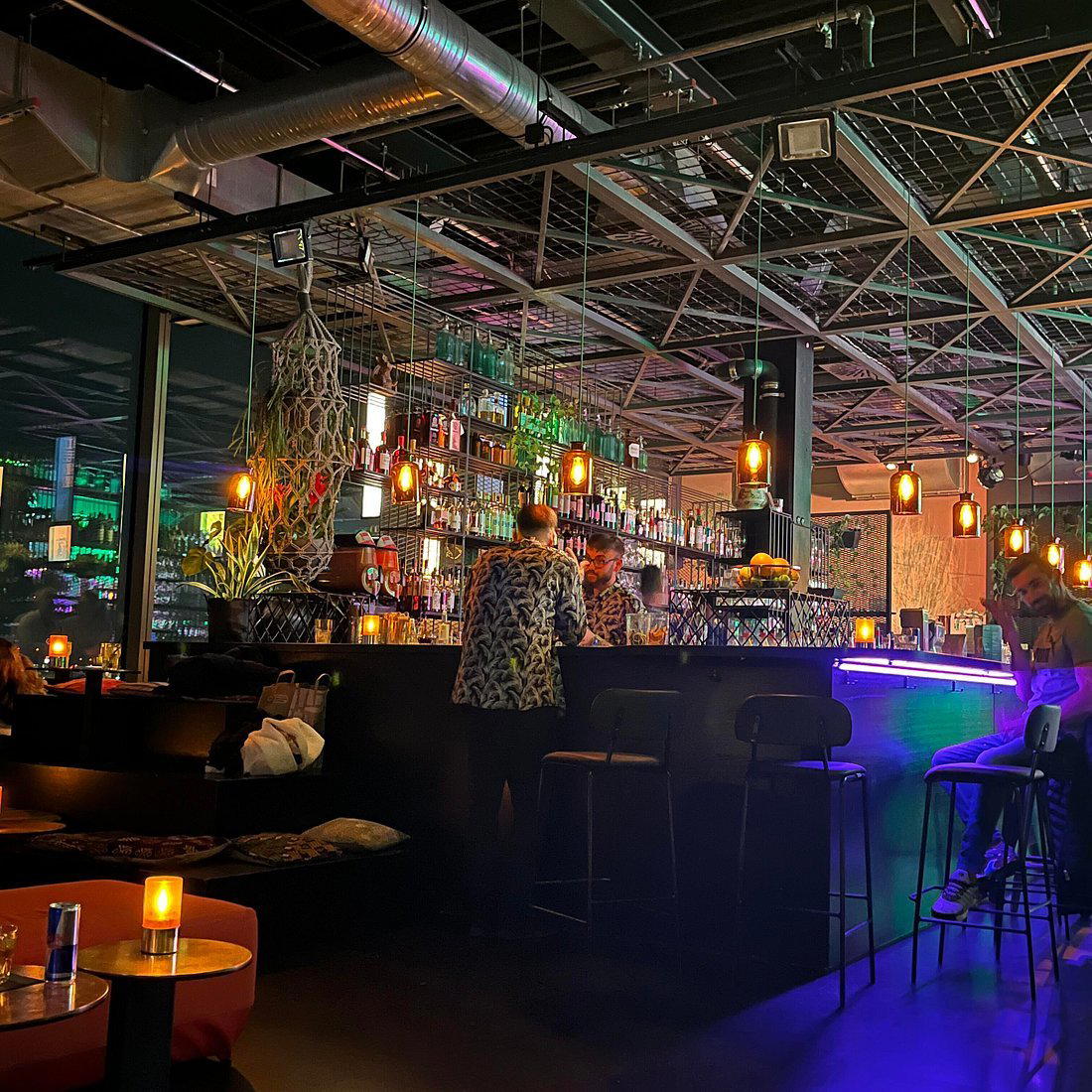
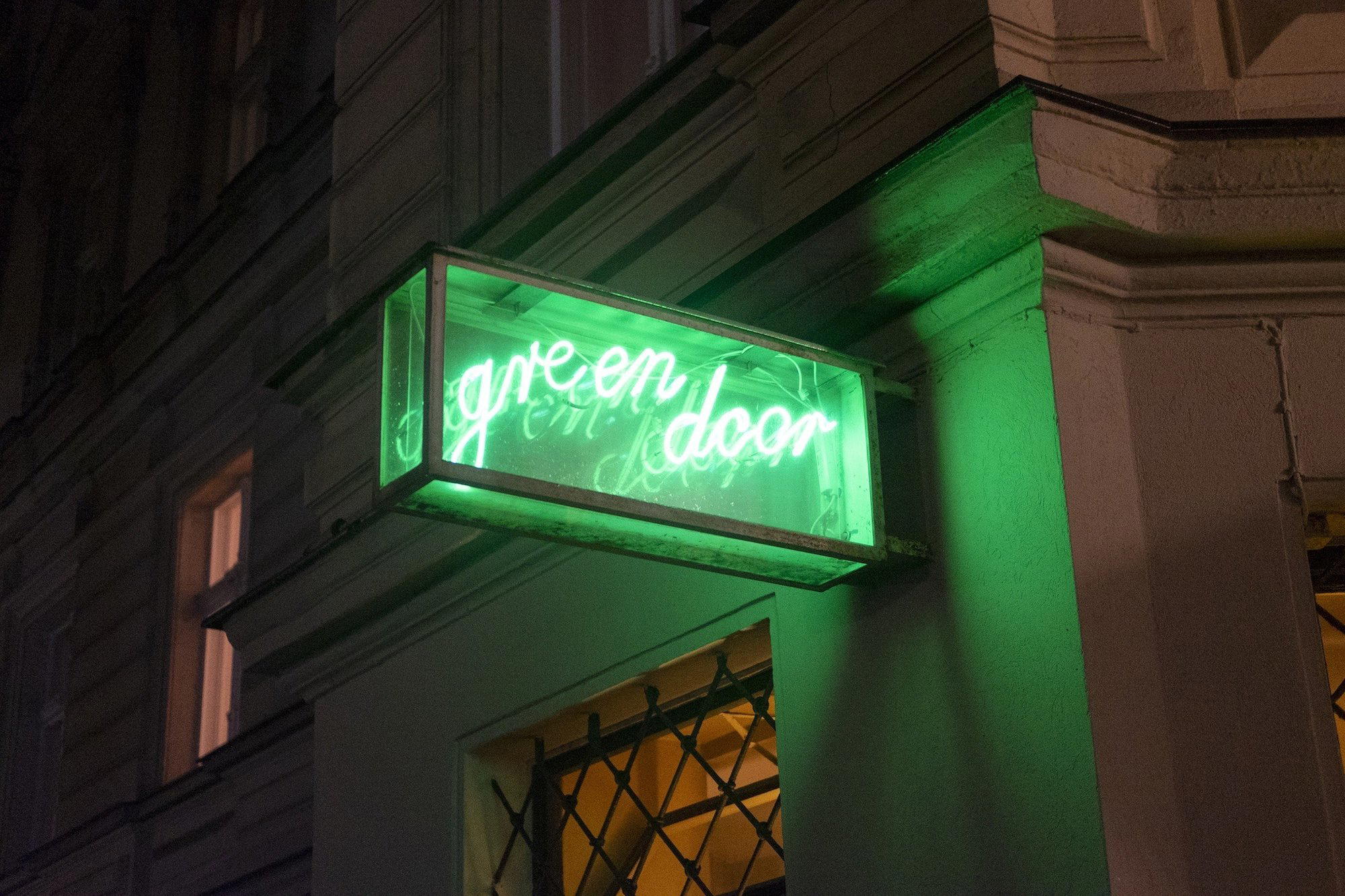
Hotels in Berlin
Browse all →

At a Glance
- Elegant
- Sophisticated
- Lively
- Trendy
- Date Night
- Celebration
- Special Occasion
- Late Night
- Live Music
- Open Kitchen
- Terrace
- Craft Cocktails
- Street Scene
Current opening hours
- Monday
- Closed
- Tuesday
- 6:30 PM–2 AM
- Wednesday
- 6:30 PM–2 AM
- Thursday
- 6:30 PM–2 AM
- Friday
- 6:30 PM–4 AM
- Saturday
- 6:30 PM–4 AM
- Sunday
- Closed
Hours can change for holidays and private events. Last verified .
Stylish mix of modern aesthetics and 1970s glamour with urban chic, seductive lighting, and club-like atmosphere with house music.