Positioned at Marlene-Dietrich-Platz 2 in the Potsdamer Platz corridor, Bistro Mitte sits in a part of Berlin shaped more by international hotel dining than neighbourhood spontaneity. Against peers like Rutz and Nobelhart & Schmutzig, the question for any serious bistro at this address is whether its kitchen operates with the sourcing discipline that Berlin's most discussed restaurants have made the baseline expectation.
Pearl is the En Primeur Club membership app — saves, bookings, and concierge access live there. Same editors, same standards.
- Address
- Marlene-Dietrich-Platz 2, 10785 Berlin, Germany
- Phone
- +493025531527
- Website
- hyattrestaurants.com
- Directions
- Get directions
 Saves & bookings on Pearl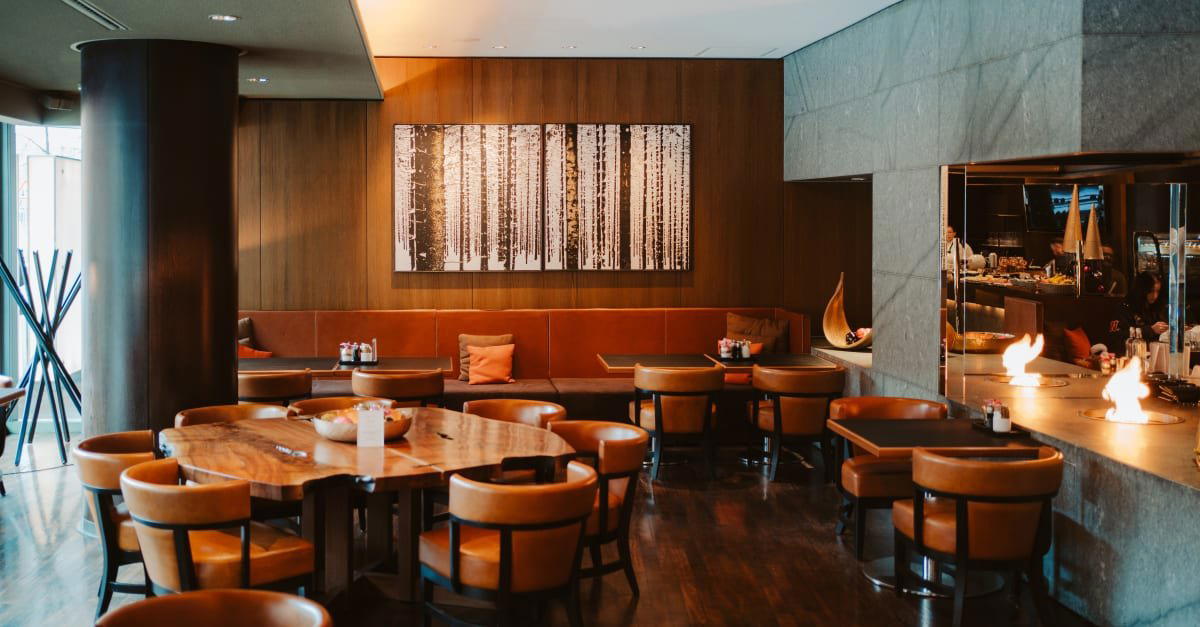
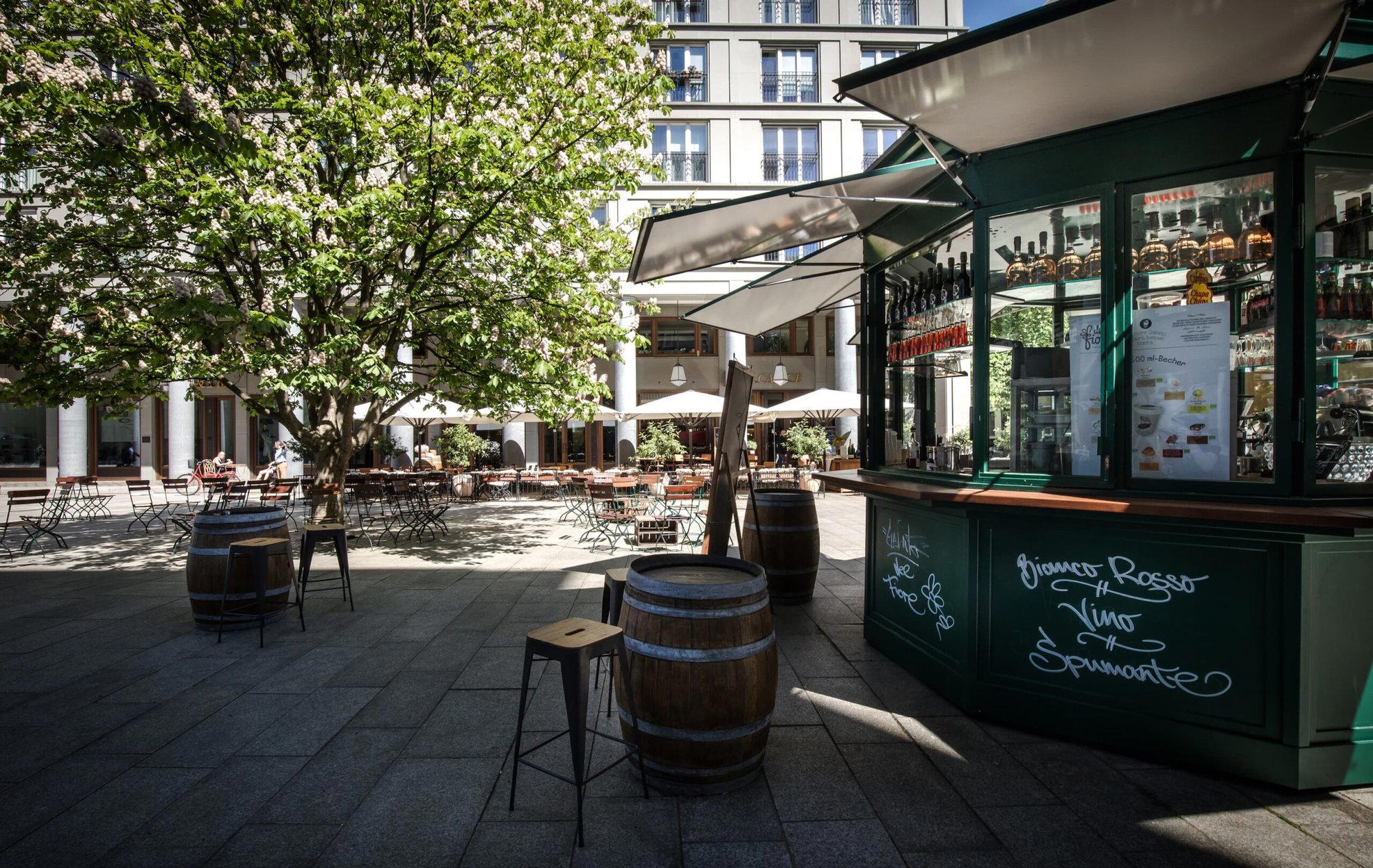
Bistro Mitte is a restaurant in Berlin at Marlene-Dietrich-Platz 2, with a price per person of about $35. The square itself is ordered and purposeful, flanked by the Grand Hyatt and the Musical Theater Berlin, and it attracts a different kind of foot traffic than the city's more talked-about dining districts. Bistro Mitte occupies this address at number 2.
Berlin's mid-to-premium bistro tier has developed considerably over the past decade. That movement set a new reference point for what a Berlin restaurant could stand for. Bistro Mitte operates within that wider current, at a Potsdamer Platz address that places it between the international hotel dining circuit and the more locally embedded neighbourhood scene.
Sourcing as the Story
The ingredient-sourcing conversation in Berlin dining has become a framework through which serious kitchens distinguish themselves from more transactional hotel and tourist-facing operations. Across Germany, particularly discussed restaurants of the past several years have built their identity around where produce comes from rather than where the chef trained. Schwarzwaldstube in Baiersbronn and Waldhotel Sonnora in Dreis each demonstrate how a strong regional identity, rooted in local land and seasonal availability, sustains a kitchen's authority over years rather than moments.
In Berlin specifically, this plays out against a backdrop of Brandenburg's agricultural plains, the forests and lakes of the surrounding Mark, and a growing network of small-scale producers who have found consistent restaurant clients willing to pay for shorter supply chains. A bistro at Marlene-Dietrich-Platz 2 that aligns with this sourcing culture sits in a different conversation than the international brasserie model that the postwar Potsdamer Platz development originally attracted. The better kitchens in this part of the city have learned to cook locally regardless.
Across Germany's broader fine-dining circuit, regional sourcing isn't limited to any single city. JAN in Munich, Schanz in Piesport, and ES:SENZ in Grassau each reflect a national shift toward treating proximity of supply as a kitchen value rather than a marketing footnote. Berlin, without a dominant regional cuisine tradition in the way that Bavaria or the Black Forest commands, has assembled its own version of this through individual restaurants making deliberate choices about where their vegetables, proteins, and dairy originate.
Where Bistro Mitte Sits in the Berlin Scene
Berlin's fine-dining tier is anchored by a set of restaurants with sustained critical recognition. FACIL in Potsdamer Strasse and Rutz on Chausseestrasse each hold Michelin stars and define the upper bracket of what the city's creative European cooking looks like at its most refined. Below that tier, there is a denser and more variable set of bistro and mid-range operations, some with genuine kitchen ambition and some running on the reliable margins that tourist-adjacent locations provide.
The restaurant, with an address that shares its square with the Grand Hyatt Berlin, could read as the latter. The more interesting question is whether the kitchen operates with the sourcing discipline and menu coherence expected in the former conversation. Berlin's full restaurant scene rewards those who look past obvious coordinates, and Potsdamer Platz addresses have historically been harder to read than the neighbourhood bistros of Mitte's eastern edges or the destination restaurants of Charlottenburg.
For direct creative comparison, CODA Dessert Dining operates at the opposite end of the format spectrum, building an entire experience around the disciplined application of pastry logic to savoury and sweet alike. At the more opinionated end of the sourcing conversation, Nobelhart & Schmutzig remains the reference point for what happens when a kitchen commits to hyper-regional supply without compromise. The restaurant's position between these poles is where the editorial question lives.
German Fine Dining Beyond Berlin
Understanding what a Berlin bistro can be requires some awareness of what Germany's broader fine-dining conversation looks like. The country has a number of seriously regarded kitchens operating outside the capital, and they set a benchmark against which any city's mid-range and upper-tier operators are measured. Aqua in Wolfsburg, Vendôme in Bergisch Gladbach, and Victor's Fine Dining by Christian Bau in Perl each operate at the three-star level, setting a national standard for technical precision and ingredient integrity that filters down to how serious kitchens at every price point think about their work.
Restaurant Haerlin in Hamburg and Bagatelle in Trier each show how a committed kitchen can anchor a restaurant's identity to place without being geographically constrained in its technique. Internationally, the sourcing-first ethos that now runs through German fine dining shares DNA with what Le Bernardin in New York City did for ingredient-led restraint in seafood, or what Lazy Bear in San Francisco has done in formalising communal tasting formats around locally anchored menus. The global conversation and the Berlin local one are closely connected.
Restaurant Tim Raue on Rudi-Dutschke-Strasse remains one internationally recognised Berlin name in the conversation, with two Michelin stars and a format that deliberately departs from the European sourcing orthodoxy in favour of Asian flavour architecture. The restaurant, in name and address, signals something more classically European and grounded in the city itself.
Know Before You Go
Address: Marlene-Dietrich-Platz 2, 10785 Berlin, Germany
Neighbourhood: Potsdamer Platz / Tiergarten, central Berlin
Getting There: Potsdamer Platz S-Bahn and U-Bahn station is within walking distance; the square is well served by bus routes connecting to the city centre
Hours: Not confirmed at time of publication; verify before visiting
Price Range: Not confirmed at time of publication
Note: Given the proximity to the Grand Hyatt and the Musical Theater Berlin, the area can see refined foot traffic during theatre evenings and major conference periods at the ICC. Early evening bookings may be advisable.
Just the Basics
Comparable venues nearby, for context on price, style, and recognition.
| Venue | Cuisine | Price | Notes |
|---|---|---|---|
| Bistro MitteThis venue — the venue you are viewing | Not listed | $$$ | Not listed |
| heimlichTreu | Not listed | $$$ | Scheunenviertel, Modern International Small Plates |
| The Post Brasserie | Kreuzberg, Modern French Brasserie | $$$ | Not listed |
| Papillon | Not listed | $$$ | Tiergarten, Modern International with Mediterranean Influences |
| Sathutu | Not listed | $$$ | Prenzlauer Berg, Modern Sri Lankan with Berlin Twists |
| MIYO Sushi Experience | Charlottenburg, Modern Japanese Sushi | $$$ | Not listed |
Continue exploring
More in Berlin
Restaurants in Berlin
Browse all →
Bars in Berlin
Browse all →
Hotels in Berlin
Browse all →

At a Glance
- Modern
- Elegant
- Cozy
- Business Dinner
- Brunch
- Hotel Restaurant
Current opening hours
- Monday
- 11 AM–5 PM
- Tuesday
- 11 AM–5 PM
- Wednesday
- 11 AM–5 PM
- Thursday
- 11 AM–5 PM
- Friday
- 11 AM–5 PM
- Saturday
- 11 AM–5 PM
- Sunday
- 11 AM–5 PM
Hours can change for holidays and private events. Last verified .
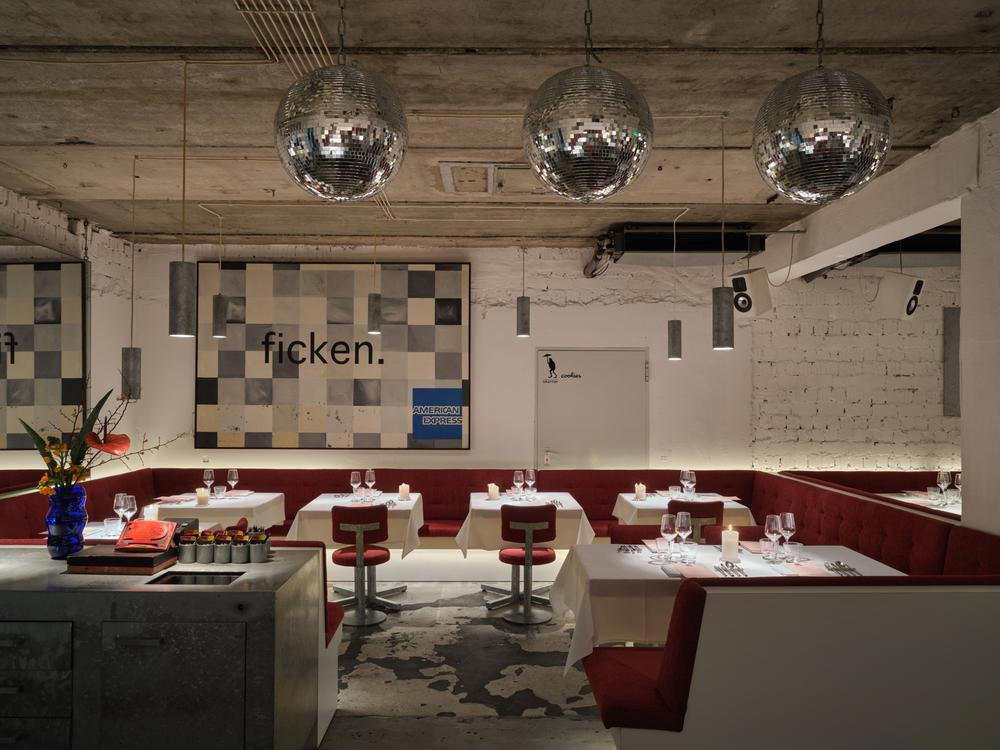
Modern-elegant open space with inviting fireplace, warm and stylish atmosphere blending comfort and sophistication.