Carambar sits at Rathausstraße 1 in Berlin-Mitte, positioned within a neighbourhood that has become a reference point for the city's more considered dining scene. The address places it among Berlin's mid-to-upper tier, where kitchens increasingly work local German produce through technique borrowed from French and Nordic traditions. Visitors looking for the intersection of regional sourcing and international method will find the address worth investigating.
Pearl is the En Primeur Club membership app — saves, bookings, and concierge access live there. Same editors, same standards.
- Address
- Rathausstraße 1, 10178 Berlin, Germany
- Phone
- +493081868785
- Website
- carambar.de
- Directions
- Get directions
 Saves & bookings on Pearl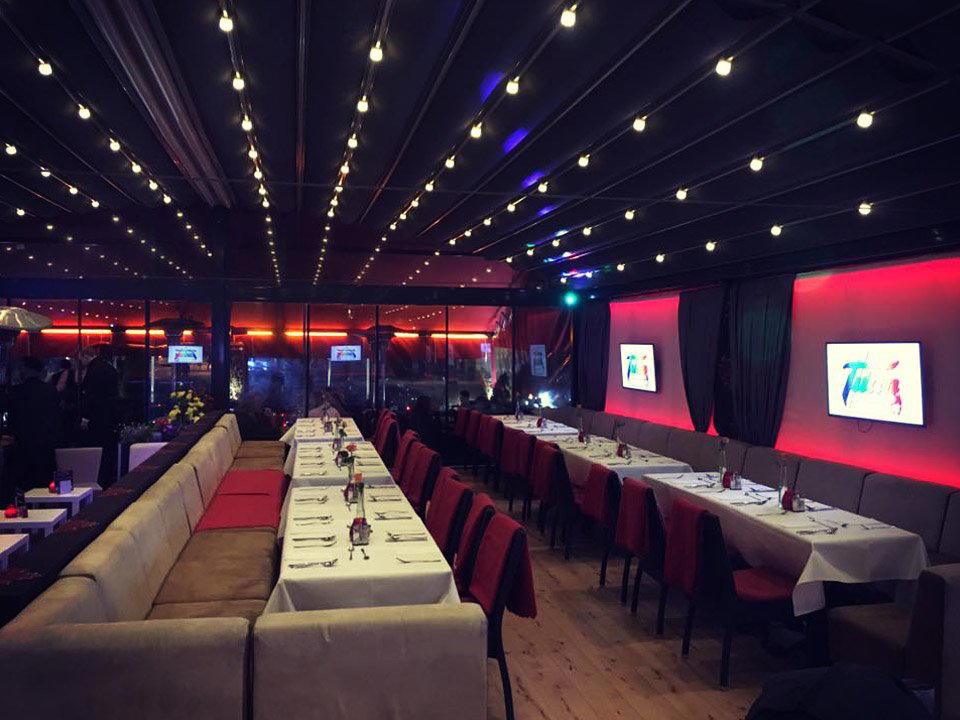
Where Mitte's Dining Ambition Meets the Street
Rathausstraße cuts through the administrative heart of Berlin-Mitte, a stretch that runs past the Rotes Rathaus and feeds into Alexanderplatz. It is not a dining street in the way that Bergmannstraße or Helmholtzplatz are dining streets, it carries institutional weight rather than neighbourhood intimacy, which makes the appearance of a considered restaurant like Carambar on this block a deliberate statement about who the address is meant to serve. The location sits at the edge of a tourist corridor, yet the kitchens operating in this part of the city are increasingly reaching toward the same sourcing and technique conversations in Berlin at Nobelhart & Schmutzig on Friedrichstraße or FACIL inside the Mandala Hotel.
Berlin's serious dining scene has, over the past decade, split into two recognisable tracks. One follows the international playbook: French classical architecture, imported luxury ingredients, long tasting menus priced against a global comparable set. The other, and increasingly the more interesting, applies technique drawn from those same French and Nordic lineages to what is growing or being raised within a reasonable radius of the city. Venues like Rutz on Chausseestraße have shown how German produce handled with precision can hold its own against anything sourced from further afield. Carambar sits within this second conversation.
The Technique-and-Terroir Argument in Berlin
The broader shift in Berlin kitchens toward local-ingredient seriousness did not happen in isolation. It is part of a Germany-wide recalibration that has been playing out at addresses as different as Schwarzwaldstube in Baiersbronn, where Black Forest produce meets classical French discipline, and Schanz in Piesport, where Moselle Valley ingredients anchor a menu built with contemporary European method. What these kitchens share is a conviction that the German larder, its river fish, its root vegetables, its game, its dairy, requires the same technical rigour that French kitchens have historically applied to Breton lobster or Périgord truffle.
In Berlin specifically, that argument has been harder to prosecute than in, say, Munich or the southwest. The city's food culture arrived late to fine dining seriousness, and the infrastructure of premium local sourcing, the relationships with farms, the supply chains for aged meats and heritage grain, took time to build. That it has now been built is evident in what kitchens across Mitte and Prenzlauer Berg are plating. The €€€€ tier that includes CODA Dessert Dining and Restaurant Tim Raue operates with a confidence about ingredient provenance that would have felt aspirational fifteen years ago.
Carambar's position on Rathausstraße places it within reach of this broader network without occupying one visible tier of it. That positioning has its own logic: addresses slightly outside the inner ring of critical attention often carry more freedom to work through the technique-and-terroir argument without the pressure of immediate comparison to the city's awarded leaders.
Berlin in the German Fine Dining Map
Understanding where Berlin sits relative to Germany's other serious dining cities is useful context for any visitor calibrating expectations. The country's most recognised kitchens have historically been concentrated away from the capital: Vendôme in Bergisch Gladbach, Victor's Fine Dining by Christian Bau in Perl, Waldhotel Sonnora in Dreis, and Aqua in Wolfsburg have each accumulated Michelin recognition in settings that feel deliberately removed from urban noise. JAN in Munich and Restaurant Haerlin in Hamburg represent the urban counterpart, city-centre addresses carrying the critical weight that Berlin has only recently begun to accumulate for itself.
Berlin's advantage in this landscape is scale and cultural density. The city generates enough international visitors and enough locally curious diners to sustain a broader range of experimental formats than most German cities can support. The result is a mid-tier of restaurants, below the awarded leaders, above the casual bistro, that is more diverse and more technically ambitious in Berlin than almost anywhere else in the country. Carambar operates in this productive middle ground.
For visitors building a broader Germany itinerary, Bagatelle in Trier and ES:SENZ in Grassau offer regional contrasts that sharpen what Berlin's urban dining scene is doing differently. The cross-referencing is worth doing: it clarifies which elements of the technique-and-terroir argument are Germany-wide and which are specifically shaped by Berlin's particular density and cultural mix.
International Reference Points
The method-over-origin approach that Berlin kitchens are increasingly practising finds parallels in other cities where immigrant culinary influence and technical precision have been combined deliberately. Le Bernardin in New York City remains a reference case for how French classical technique can be applied to non-French ingredients without the result feeling derivative. Lazy Bear in San Francisco shows how a commitment to seasonal regional produce, combined with serious kitchen discipline, produces a format that reads as distinctly local even when the techniques are borrowed from elsewhere. Berlin kitchens working in the same register are asking a version of the same question: what does this place taste like when you apply everything you know to what grows here?
Know Before You Go
Address: Rathausstraße 1, 10178 Berlin, Germany
Neighbourhood: Berlin-Mitte, adjacent to Alexanderplatz and the Rotes Rathaus
Phone: Not available
Website: Not available
Booking: Walk-in friendly.
Getting There: Alexanderplatz U-Bahn and S-Bahn hub is within walking distance; the address is accessible from multiple lines including U2, U5, U8, and the S-Bahn ring.
Dress Code: Casual.
Price Range: About $15 per person.
Price and Positioning
Comparable venues nearby, for context on price, style, and recognition.
| Venue | Cuisine | Price | Notes |
|---|---|---|---|
| CarambarThis venue — the venue you are viewing | Mitte, International Bar Food | $$ | Not listed |
| Pizza Nostra | Not listed | $$ | Prenzlauer Berg, Authentic Neapolitan Pizza |
| MAREDO Beef & Beer Gendarmenmarkt | Mitte, Beef & Beer Steakhouse | $$ | Not listed |
| Leylak | Not listed | $$ | Kreuzberg, Authentic Turkish Börek, Lahmacun & Pide |
| Café Tschüsch | Neukolln, Vegetarian Indian Café | $$ | Not listed |
| li.ke: serious||thai||vegan | Friedrichshain, Serious Thai Vegan | $$ | Not listed |
Continue exploring
More in Berlin
Restaurants in Berlin
Browse all →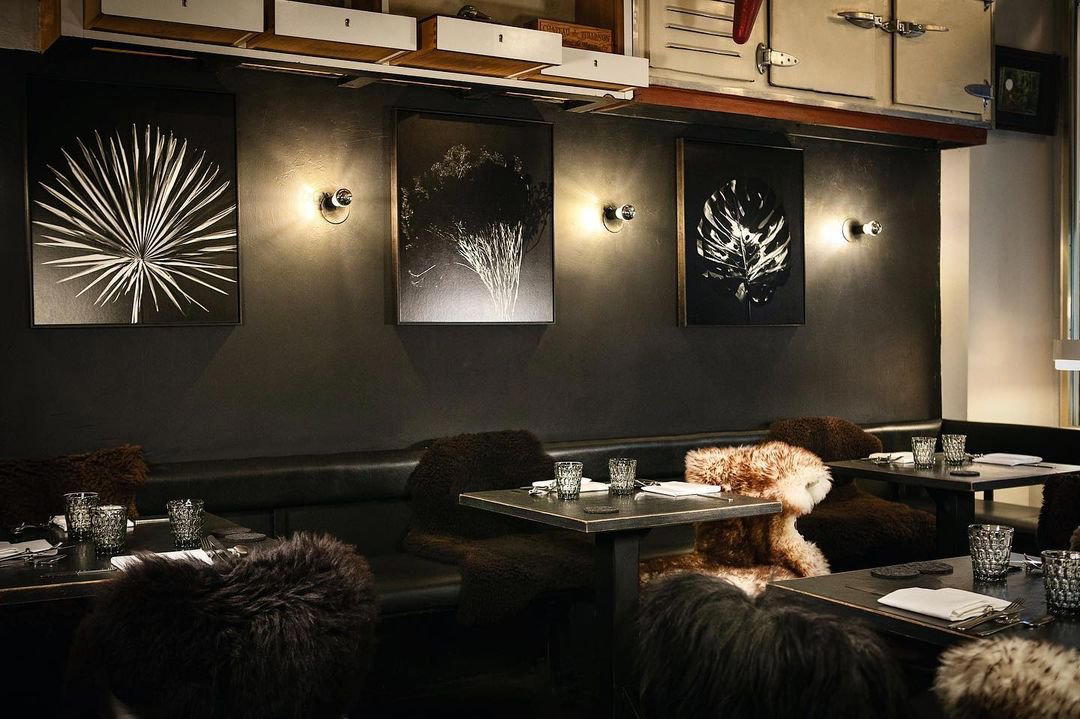
Bars in Berlin
Browse all →
Hotels in Berlin
Browse all →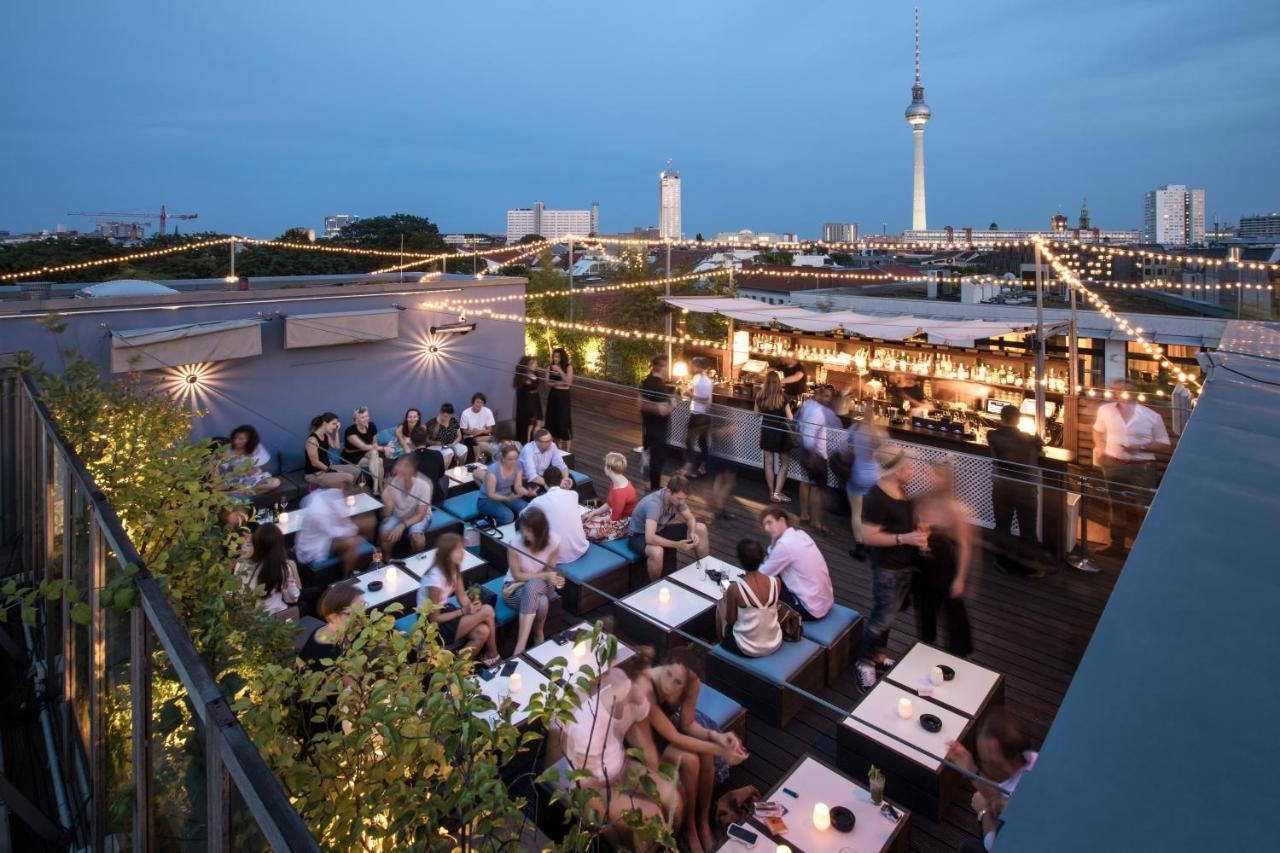
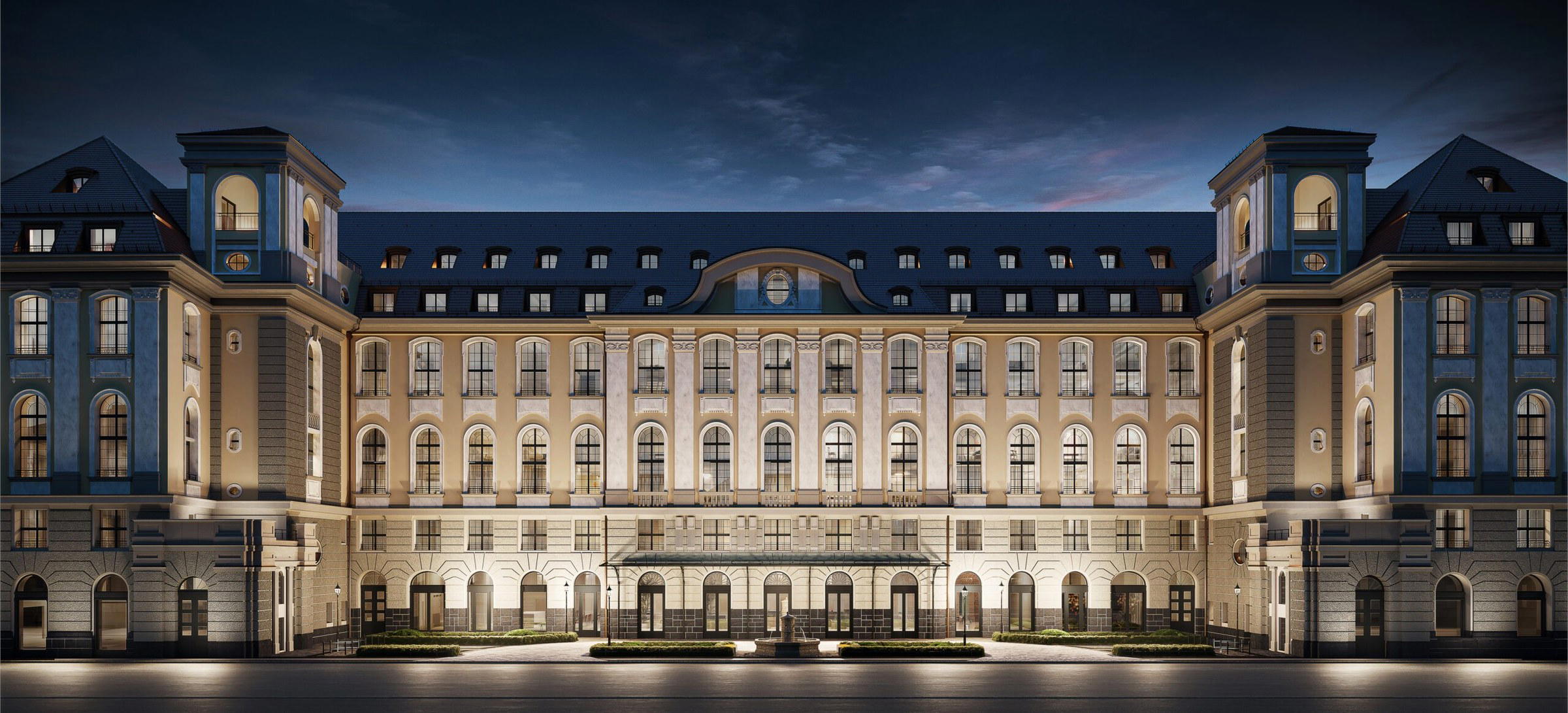
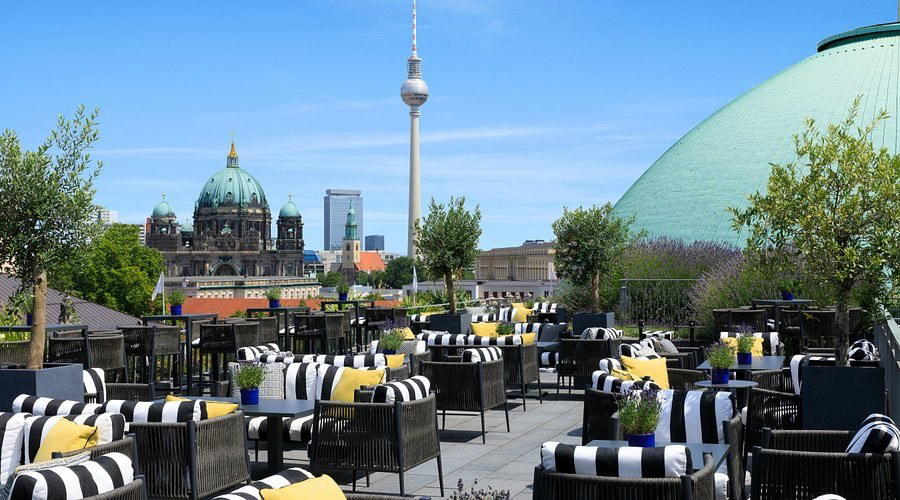
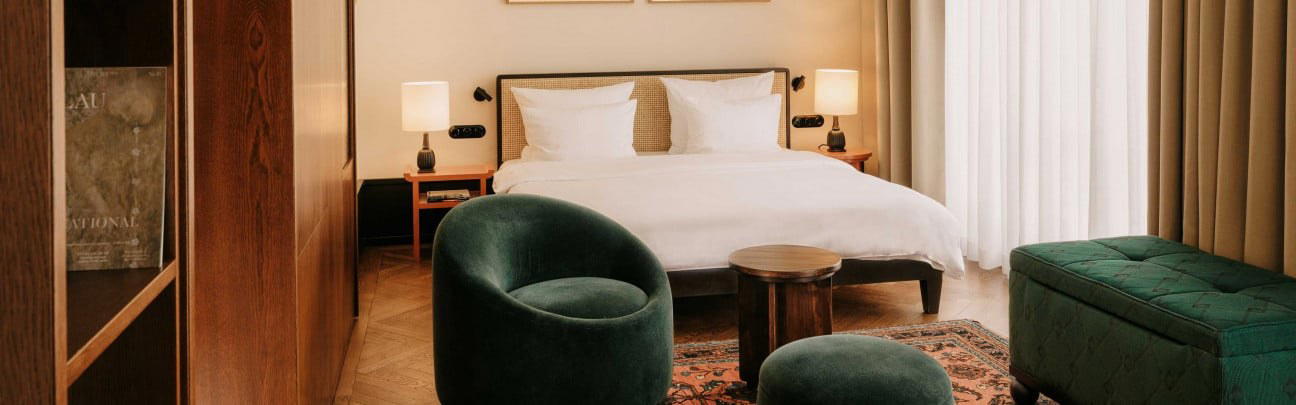
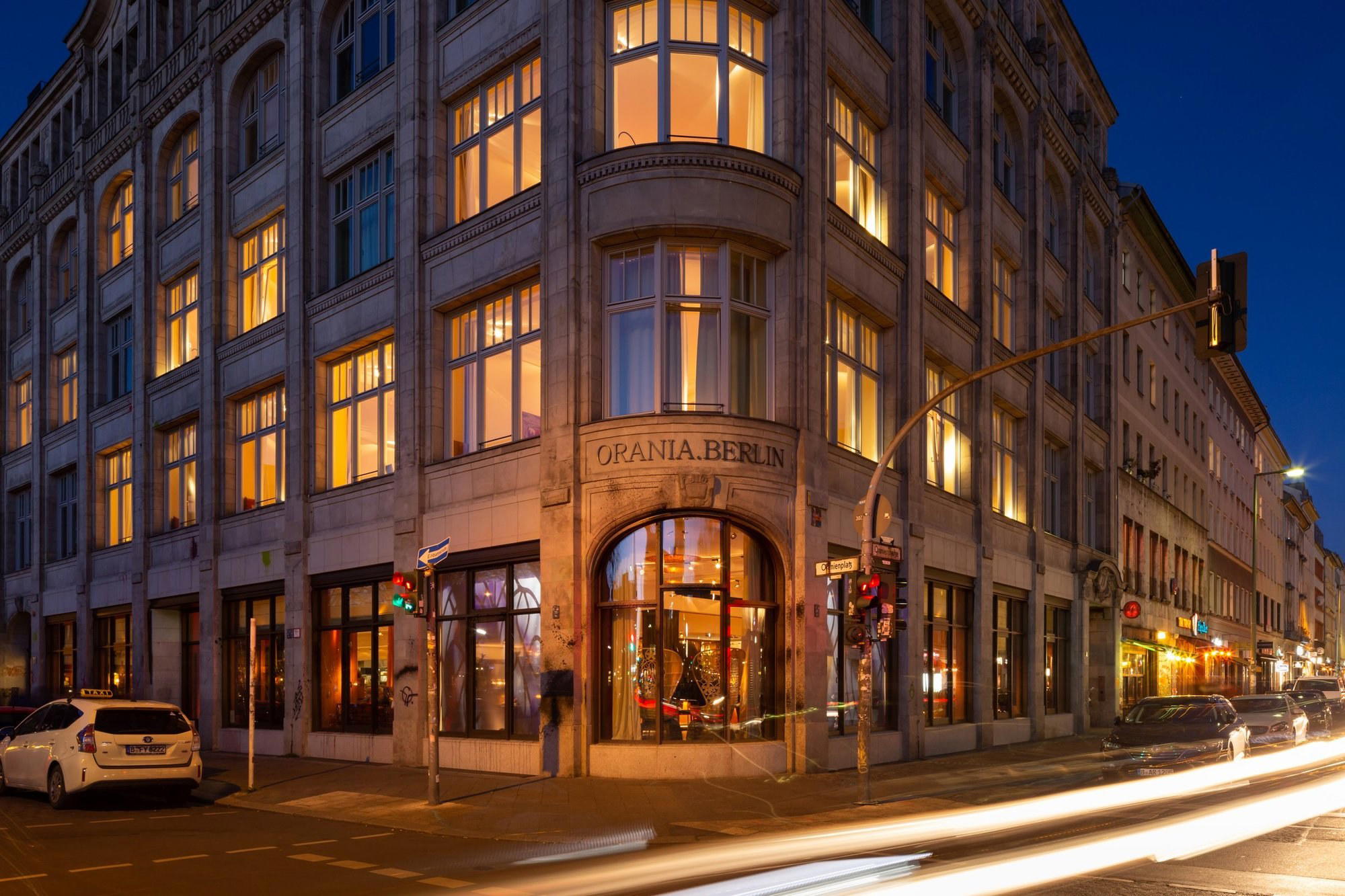
Wineries in Berlin
Browse all →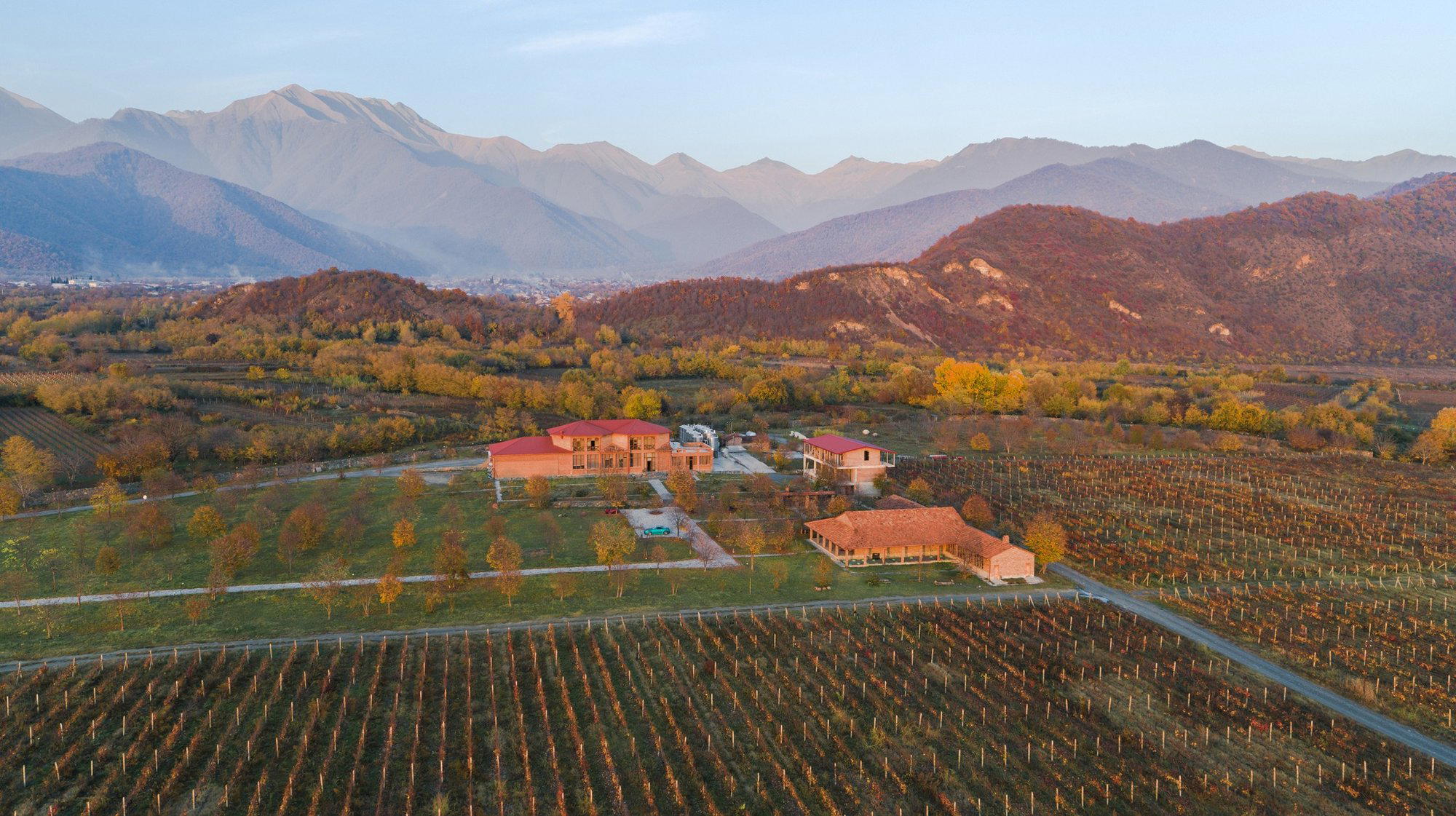
At a Glance
- Lively
- Trendy
- Energetic
- Casual Hangout
- Late Night
- After Work
- Group Dining
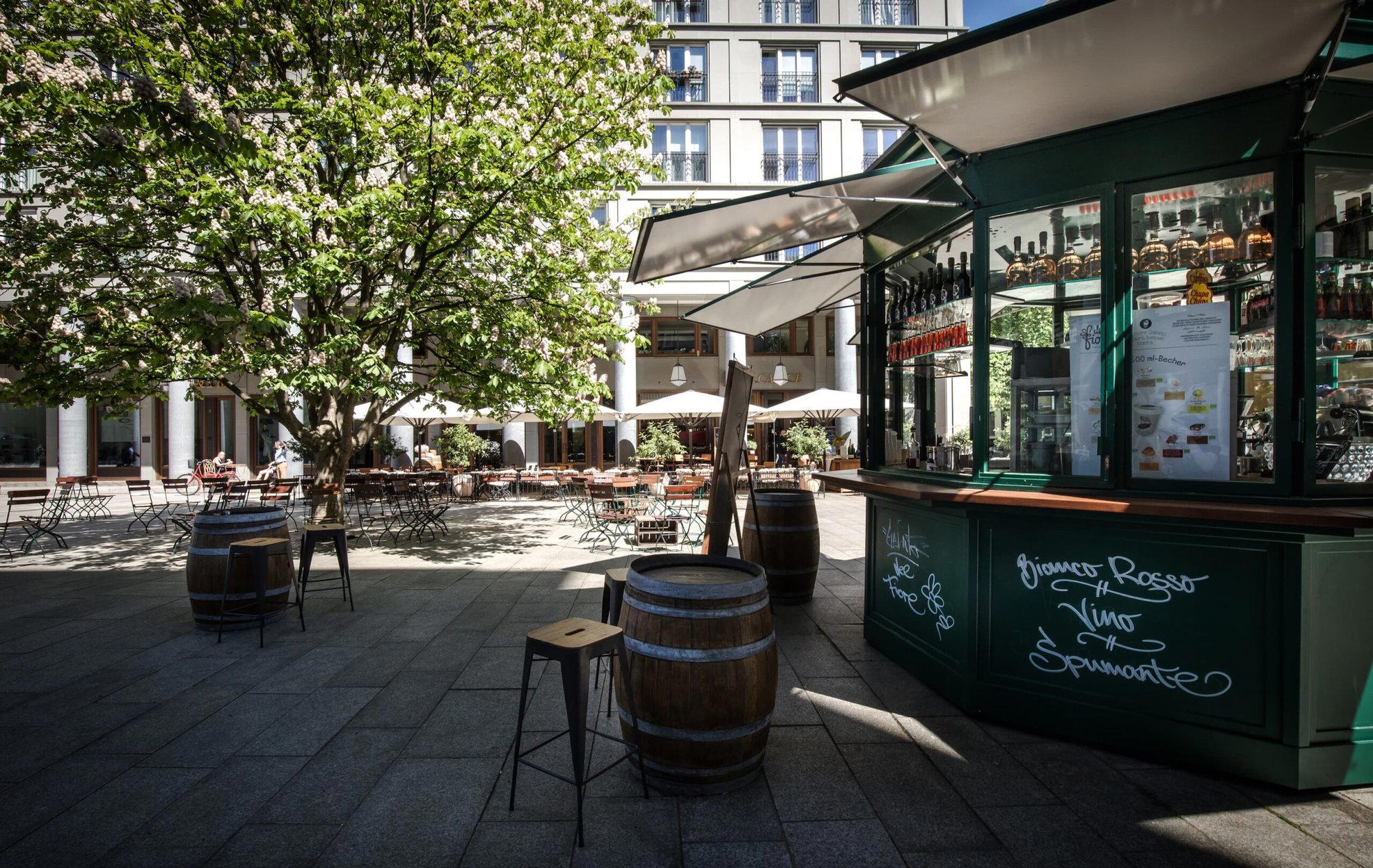
- Terrace
- Open Kitchen
- Craft Cocktails
- Street Scene
Current opening hours
- Monday
- 10 AM–3 AM
- Tuesday
- 10 AM–3 AM
- Wednesday
- 10 AM–3 AM
- Thursday
- 10 AM–3 AM
- Friday
- 10 AM–4 AM
- Saturday
- 10 AM–4 AM
- Sunday
- 10 AM–3 AM
Hours can change for holidays and private events. Last verified .
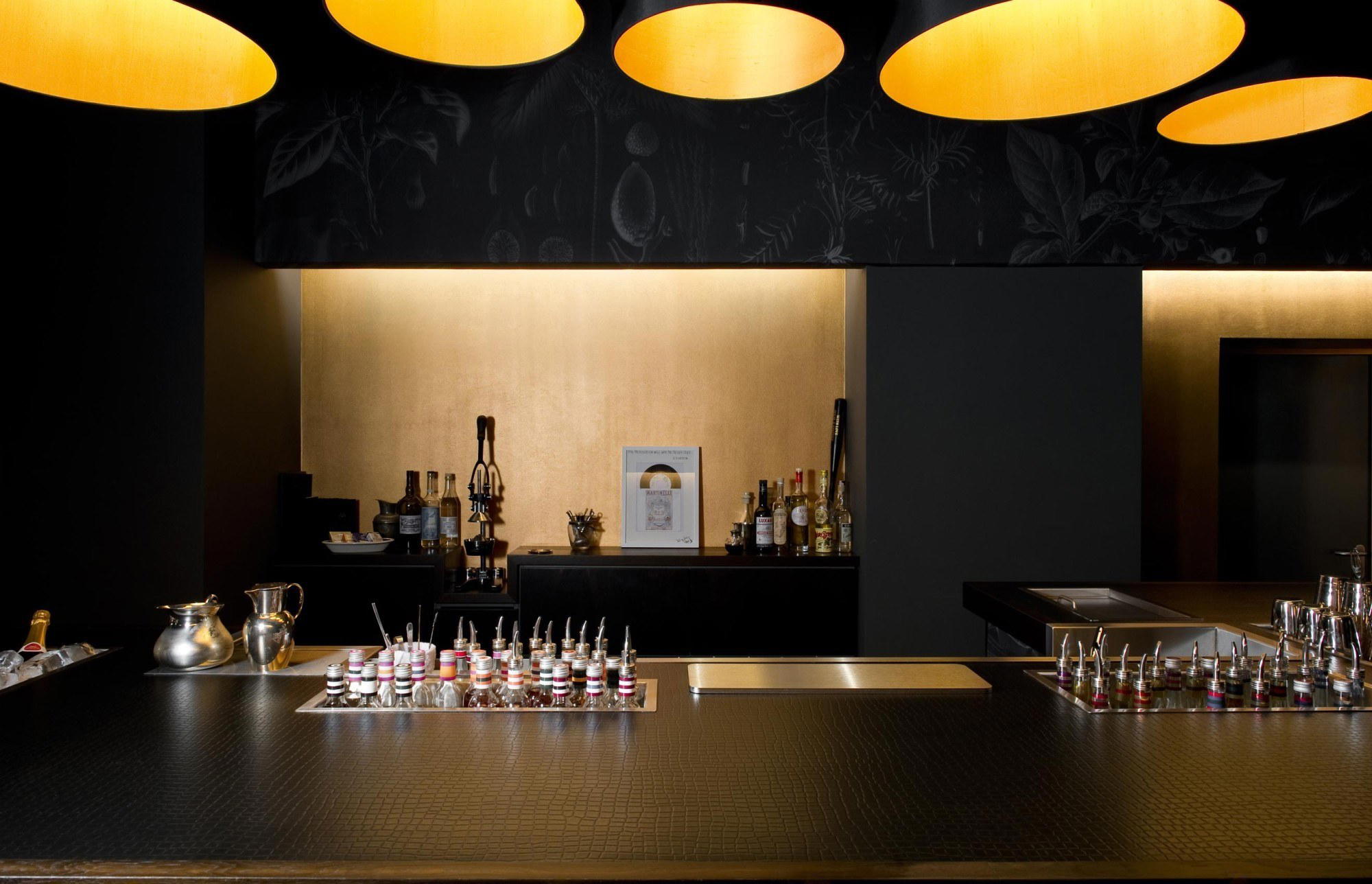
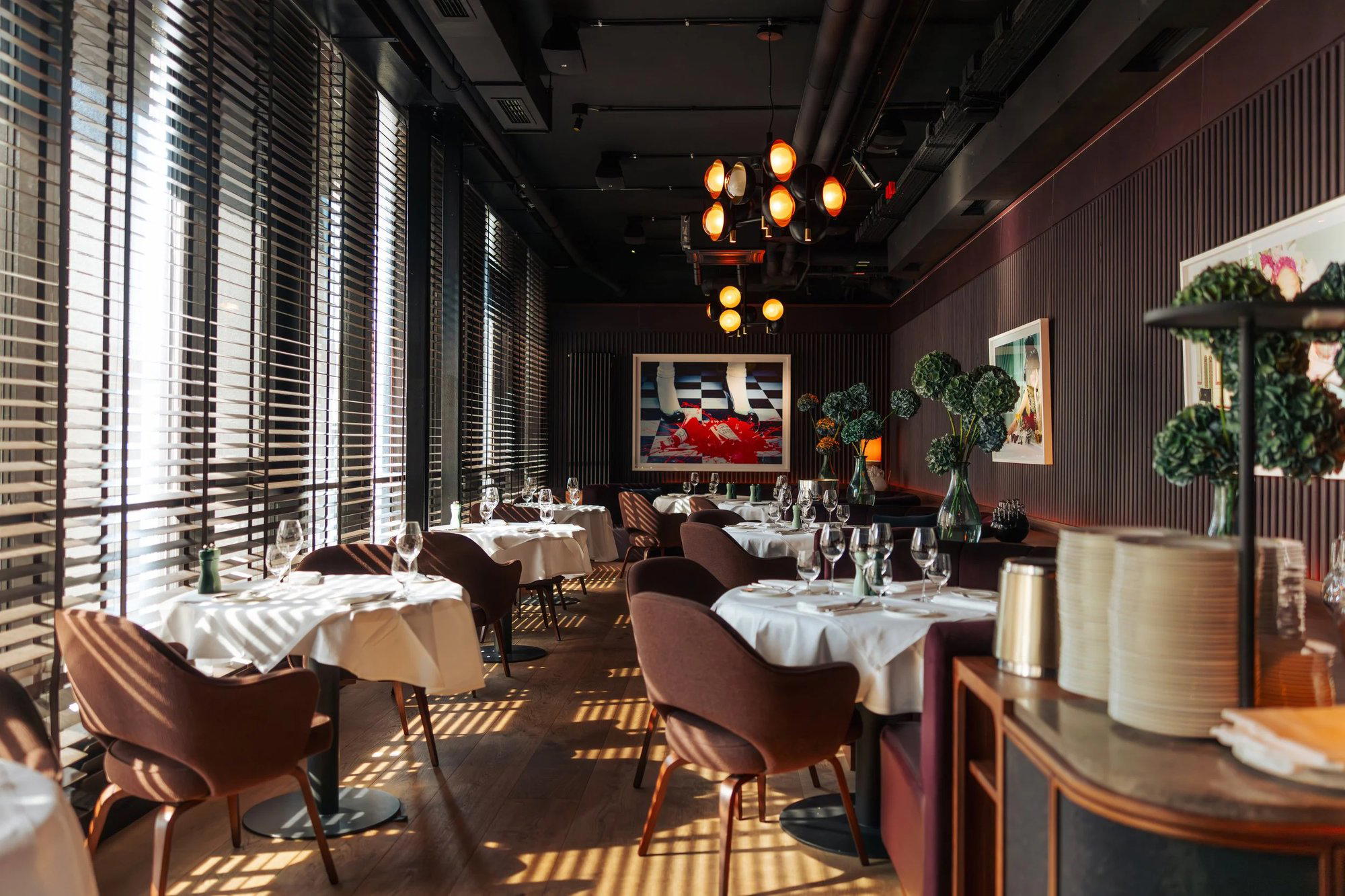
Energetic atmosphere with lively lighting suitable for drinks, dining, and dancing into the early hours.