Ponte occupies a quietly serious position on Regensburger Strasse in Schöneberg, where the neighbourhood's residential density keeps the room grounded and the cooking draws on the Berlin tradition of applying rigorous European technique to locally sourced German produce. It sits in the city's upper-casual fine dining tier alongside addresses like Nobelhart & Schmutzig and FACIL, though with its own distinct register.
Pearl is the En Primeur Club membership app — saves, bookings, and concierge access live there. Same editors, same standards.
- Address
- Regensburger Str. 5, 10777 Berlin, Germany
- Phone
- +493021912410
- Website
- ponte-ristorante.com
- Directions
- Get directions
 Saves & bookings on Pearl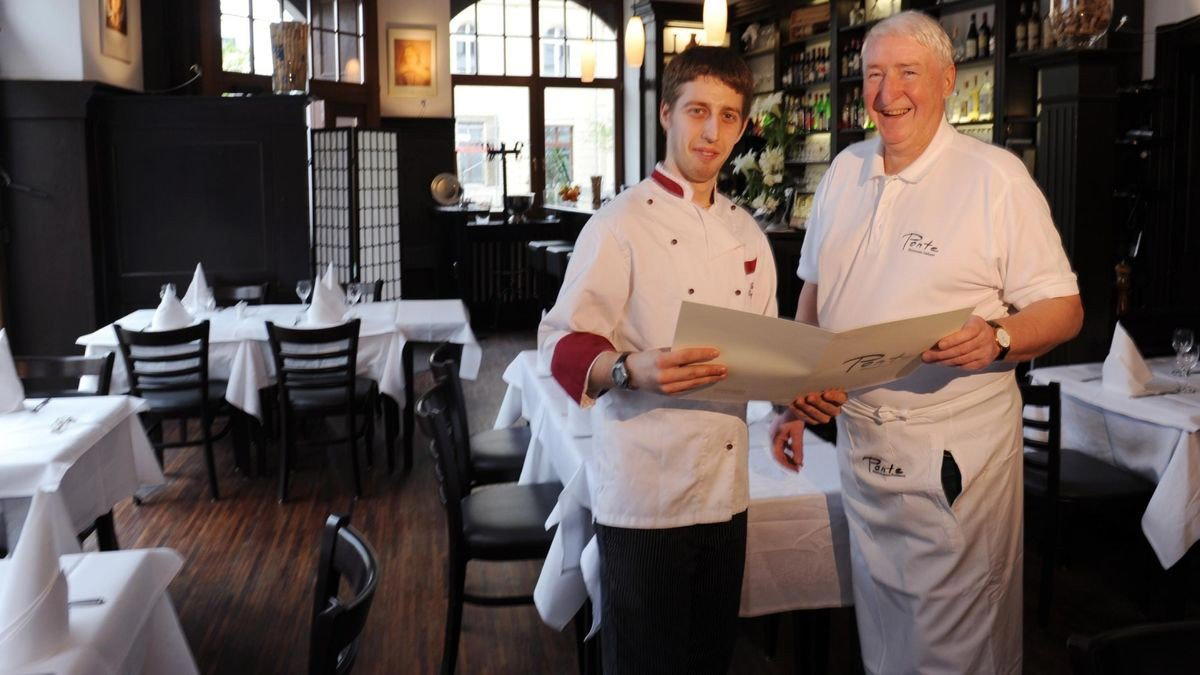
Schöneberg at the Table
Regensburger Strasse runs through the denser residential fabric of Schöneberg, a neighbourhood that has long supported a particular kind of serious dining: not the gallery-lit theatrics of Mitte, not the industrial-chic of Kreuzberg, but a quieter, more considered room where the food carries the weight without architectural distraction. Ponte is a Modern Italian Trattoria in Schöneberg, Berlin, at Regensburger Str. 5, 10777 Berlin, Germany. Schöneberg's dining culture tends toward precision over spectacle, and the city's better-regarded kitchens in this part of Berlin operate in that same register.
Berlin's fine dining scene has, over the past decade, consolidated around a recognisable set of values: German produce treated with borrowed European discipline, wine lists that take natural and grower-producer selections seriously, and rooms that reject the tasting-menu-as-theatre format that defined the early 2000s. Ponte operates inside that shift. Its focus is on modern Italian cooking shaped by German produce rather than a long list of awards or a hotel setting. Each of these addresses represents a distinct interpretation of the same underlying question Berlin's serious kitchens keep asking: how do you reconcile technique acquired in France, Italy, or Japan with the ingredients that German soil and season actually produce?
Technique Crosses Borders, Produce Does Not
The editorial angle that most clearly defines Ponte's position in this city is the intersection of imported method and local material. This is not a phenomenon specific to Berlin, Restaurant Tim Raue applies Southeast Asian structural logic to German and European ingredients; CODA Dessert Dining builds an entire format around reframing pastry technique as a full savory and sweet progression. What links these kitchens is a refusal to treat local produce as a limitation. Brandenburg and the broader northern German agricultural belt supply root vegetables, freshwater fish, game, and dairy that reward precision cooking rather than demanding concealment under imported luxury ingredients.
The global movement toward technique-imports paired with ingredient localism has a clear German precedent in the south and west of the country. Kitchens like Schwarzwaldstube in Baiersbronn and Vendôme in Bergisch Gladbach built their reputations on exactly this exchange: French classical method applied with German disciplne to local seasonal material. The difference in Berlin is register and price point. The city's dining culture has historically resisted the cost structures that support multi-course tasting menus at the price levels that are standard in Munich, as seen at JAN, or in the rural destinations that attract destination diners, such as Waldhotel Sonnora in Dreis or Schanz in Piesport. Ponte is priced at about $35 per person, which fits that local-market model. Berlin asks kitchens to price for a local market rather than a purely destination one, which shapes the format and the room as much as the cooking itself.
Where Ponte Sits in the Berlin Dining Scene
Berlin's upper-end dining tier is smaller than its international reputation might suggest. The city has a handful of Michelin-starred addresses and a wider cohort of serious, non-starred kitchens that operate at comparable ambition levels. Ponte occupies a position in that broader serious tier: geographically specific to Schöneberg's residential character, tonally distinct from the louder, more programmatic rooms in central districts, and editorially positioned around the local-ingredients-with-global-technique axis that has become the operating logic of Berlin's most considered kitchens.
For comparison, Restaurant Haerlin in Hamburg and Aqua in Wolfsburg represent the more formal, hotel-anchored end of serious German dining, where the room, service structure, and price architecture align with international luxury standards. Ponte operates without that infrastructure. The result is a room and a format that feels closer to the Berlin independent dining tradition, where the cooking is the primary credential rather than the address or the setting. That positioning has its own appeal: it attracts a diner who is there for the food rather than the occasion.
Internationally, the closest analogues are not other German kitchens but rather the mid-scale precision restaurants that have proliferated in cities where dining culture rewards technique over ceremony. Atomix in New York City operates in a different price tier but applies the same structural logic of imported method (in that case, Korean culinary intelligence) to a local ingredient conversation. Le Bernardin represents the classical end of that same technique-import tradition in the Atlantic context. Ponte's reference set is neither of these exactly, but the underlying tension between where cooking knowledge comes from and where ingredients come from is the same question across all three cities.
Planning Your Visit
Ponte is located at Regensburger Strasse 5 in the Schöneberg district of Berlin, reachable from the Nollendorfplatz U-Bahn station. The neighbourhood is walkable, dense with apartment buildings, and quieter in the evenings than Mitte or Prenzlauer Berg, which shapes the atmosphere of the room and the pace of service. For context on Ponte's logistics against its Berlin comparable set, see the comparison below.
| Venue | District | Price Tier | Format | Michelin |
|---|---|---|---|---|
| Ponte | Schöneberg | Not confirmed | Not confirmed | Not confirmed |
| Nobelhart & Schmutzig | Kreuzberg | €€€€ | Counter, set menu | 1 star |
| FACIL | Potsdamer Platz | €€€€ | À la carte / tasting | 2 stars |
| Rutz | Mitte | €€€€ | Tasting menu | 2 stars |
| CODA Dessert Dining | Neukölln | €€€€ | Dessert-led tasting | 2 stars |
For a broader picture of where Ponte sits within Berlin's full dining range, consult the Berlin restaurants guide. Seasonal timing matters in a city where the northern European growing calendar drives kitchen calendars: autumn game and winter root vegetable programs typically run from October through February, while the warmer months bring the lighter, market-driven plates that characterise the Berlin summer.
Peers You’d Cross-Shop
Comparable venues nearby, for context on price, style, and recognition.
| Venue | Cuisine | Price | Notes |
|---|---|---|---|
| PonteThis venue — the venue you are viewing | Modern Italian Trattoria | $$$ | Not listed |
| Nuovo Mario Berlin Charlottenburg am Kurfürstendamm | Fine Italian | $$$ | Charlottenburg |
| Poveracci | Authentic Sicilian Italian | $$$ | Mitte |
| Prometeo | Authentic Neapolitan Pizza | $$ | Schoneberg |
| Cara | Modern Italian | $$$$ | Mitte |
| Cheers Kiez Pizza | Neapolitan Pizza | $$ | Prenzlauer Berg |
Continue exploring
More in Berlin
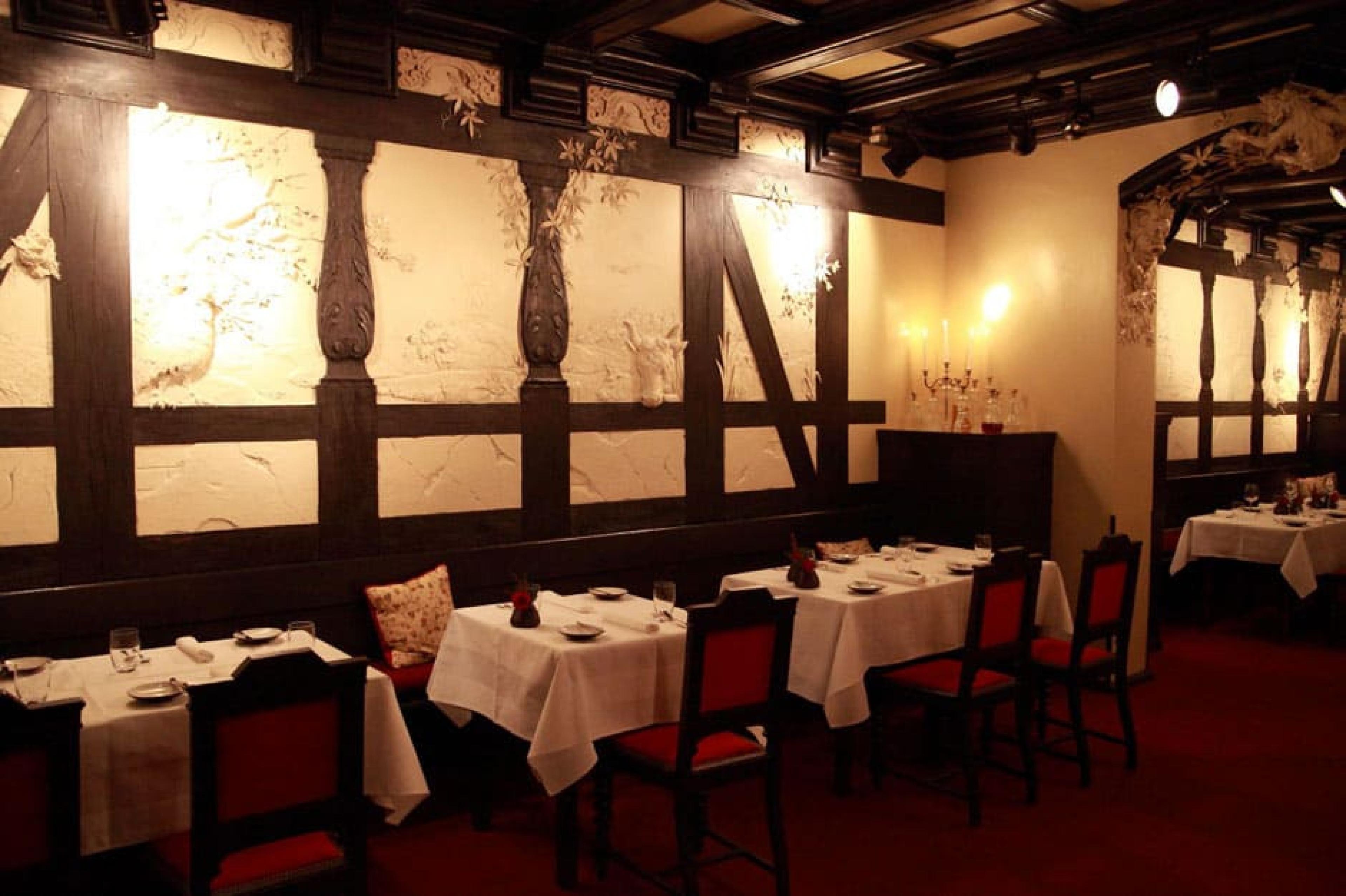
Restaurants in Berlin
Browse all →
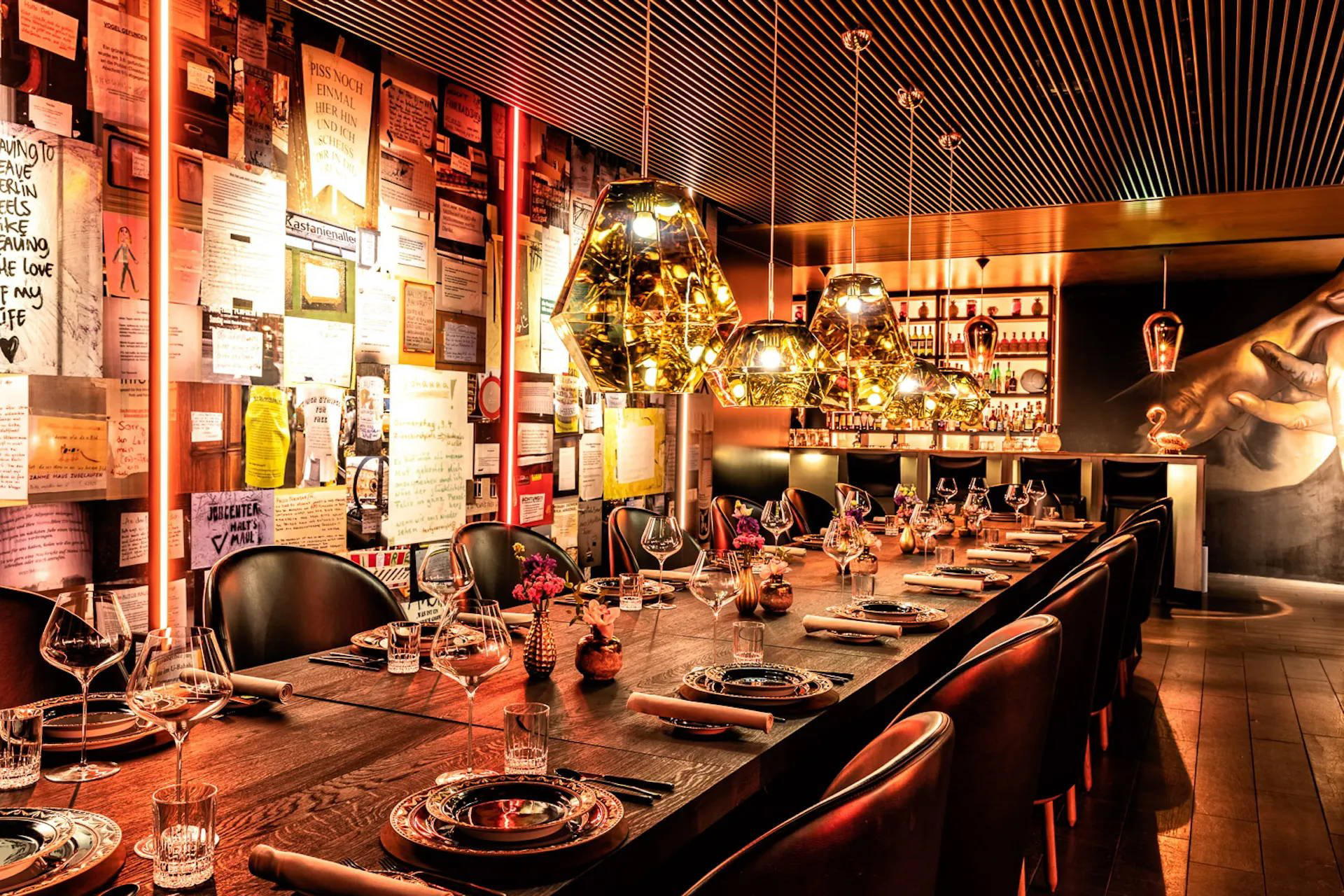
Bars in Berlin
Browse all →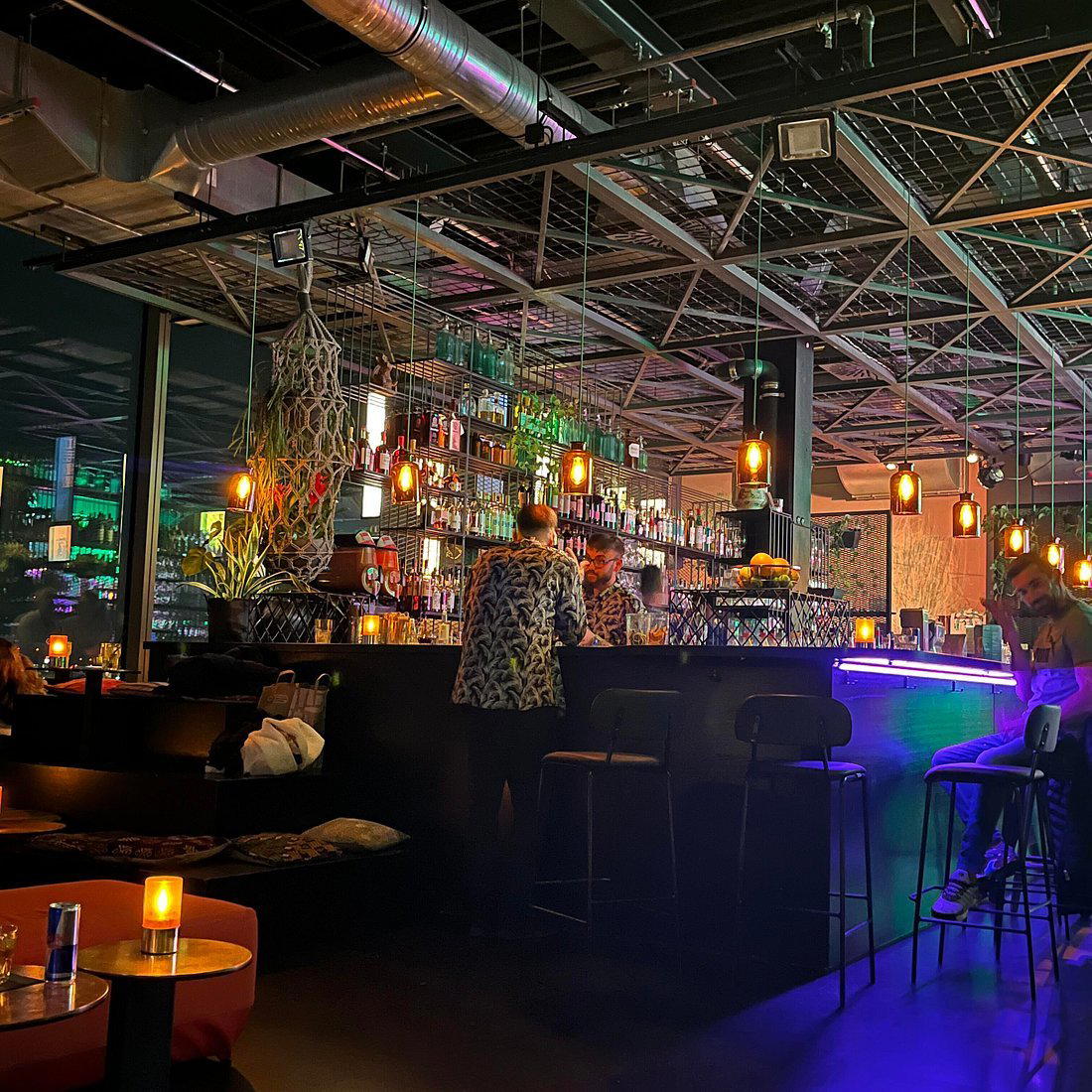
Hotels in Berlin
Browse all →

At a Glance
- Intimate
- Elegant
- Classic
- Sophisticated
- Date Night
- Special Occasion
- Business Dinner
- Standalone
- Extensive Wine List
- Local Sourcing
Current opening hours
- Monday
- Closed
- Tuesday
- Closed
- Wednesday
- Closed
- Thursday
- Closed
- Friday
- Closed
- Saturday
- Closed
- Sunday
- Closed
Hours can change for holidays and private events. Last verified .