Panigl occupies a quieter corner of Vienna's 8th district, where the city's neighbourhood dining culture operates at a remove from the grand-boulevard restaurant circuit. Positioned against a Vienna scene dominated by high-format tasting menus at venues like Steirereck and Konstantin Filippou, Panigl represents the other current in Austrian dining: local, grounded, and rooted in the produce rhythms of the surrounding region.
Pearl is the En Primeur Club membership app — saves, bookings, and concierge access live there. Same editors, same standards.
- Address
- Josefstädter Str. 91, 1080 Wien, Austria
- Phone
- +434319609018
- Website
- panigl.at
- Directions
- Get directions
 Saves & bookings on Pearl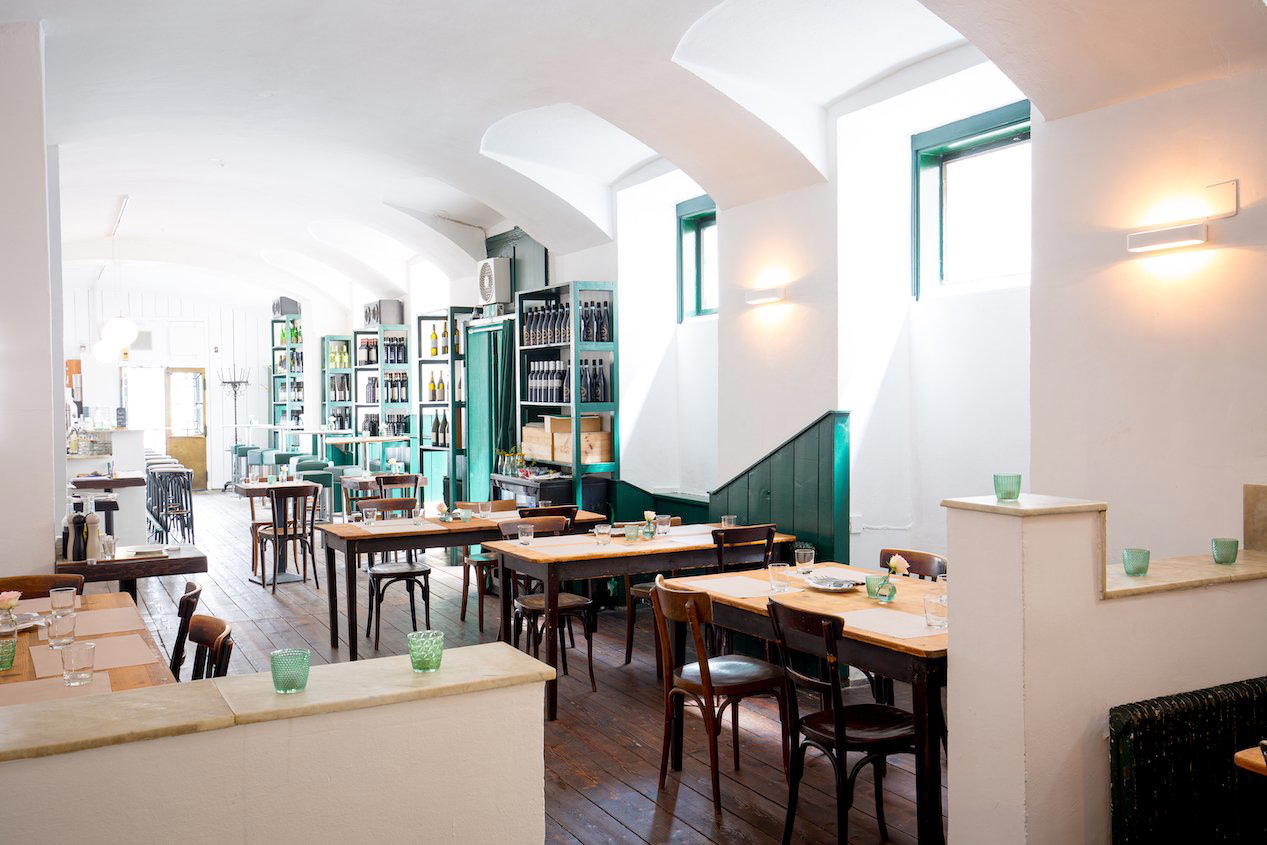
The 8th District and the Neighbourhood Restaurant Tradition
Josefstadt, Vienna's compact eighth district, has long functioned as a counterweight to the city's more theatrical dining addresses. The streets around Josefstädter Strasse carry a residential weight that the first and fourth districts rarely manage: bookshops, small theatres, and the kind of café that has not changed its menu in a generation. Into this context, Panigl operates from a mid-street address at number 91, in a neighbourhood where the dominant expectation is honest cooking rather than ceremony.
The restaurant sits at Josefstädter Str. 91, 1080 Wien, and fits Vienna's neighbourhood dining tradition, where regulars matter as much as first impressions. At one end sit the high-investment tasting-menu formats: Steirereck im Stadtpark, Amador, and Konstantin Filippou occupy a tier where the kitchen's conceptual architecture is the primary product. At the other end, neighbourhood restaurants like Panigl hold a different kind of weight in the city's food culture, one measured by the regularity with which locals return. The eighth district has enough of both types to make the distinction legible.
Where the Food Comes From
Austrian cuisine at this level is inseparable from the geography that surrounds Vienna. The country's alpine interior, the Wachau valley to the west, Styria to the south, and Burgenland to the east produce a specific pantry: river fish, game, root vegetables with a seasonal rigidity that Viennese chefs have historically respected rather than circumvented. The farm-to-table framing that became a marketing shorthand elsewhere is, in the Austrian context, closer to an inherited discipline. Menus in neighbourhood restaurants like this one tend to track what is available rather than what is fashionable, which gives the cooking a seasonal coherence that more ambitious rooms sometimes sacrifice for year-round consistency.
This sourcing logic is what distinguishes the serious neighbourhood restaurant in Vienna from its equivalent in cities where supply chains are more globalised. The proximity of Austria's wine regions, particularly the Wachau, Kamptal, and Steiermark appellations, means a local wine list can be assembled without reaching far. Restaurants in this register, across the city, tend to carry Austrian-heavy wine selections as a matter of course rather than as a point of distinction.
For reference against Austria's broader regional fine-dining circuit, kitchens like Döllerer in Golling an der Salzach and Landhaus Bacher in Mautern an der Donau have built sustained reputations on exactly this sourcing logic applied at a higher technical register. The neighbourhood format operates on a smaller canvas but draws from the same underlying geography.
The Vienna Neighbourhood Restaurant in Its Competitive Set
Panigl's position in the Vienna dining ecosystem sits closer to venues like Doubek than to the destination-format rooms. This is a structural point: the neighbourhood restaurant in Vienna serves a local clientele across repeated visits rather than one-time diners. The competitive pressure in this tier comes not from peer venues trying to outspend on kitchen equipment but from the deep loyalty that Viennese diners extend to places they have decided to trust.
Vienna's more technically ambitious operations, including Mraz & Sohn in the 20th district and the seasonal programming at Ikarus in Salzburg, serve as useful benchmarks for understanding what the upper bracket of Austrian creative cooking looks like. Against that context, the neighbourhood format is defined by its restraint: fewer courses, less elaboration, a more direct relationship between ingredient and plate. This is not a limitation but a different set of values applied to the same regional pantry.
Internationally, the conversation around ingredient-led simplicity has refined restaurants far outside the formal fine-dining tier. Le Bernardin in New York City built its reputation on restraint applied to sourcing rather than on technical spectacle, and more recently, Atomix in New York City has demonstrated how a focused, produce-rooted approach can compete at the highest recognition levels. The underlying principle, that the quality of the raw material is the primary argument, applies at multiple price points and in multiple formats.
Austria's Regional Dining Geography as Context
Understanding what a Vienna neighbourhood restaurant offers requires some familiarity with what else exists across Austria. The alpine and sub-alpine kitchens at places like Griggeler Stuba in Lech, Gourmetrestaurant Tannenhof in Sankt Anton am Arlberg, and Schwarzer Adler in Hall in Tirol operate in a register shaped by proximity to mountain ingredients: game, dairy, root crops, foraged additions. Further into the country, Obauer in Werfen, Ois in Neufelden, Kräuterreich by Vitus Winkler in Sankt Veit im Pongau, and Restaurant 141 by Joachim Jaud in Mieming each demonstrate how regional Austrian kitchens have developed coherent identities from local supply.
Vienna's own access to the Wachau's riverine produce and the Pannonian plains to the east gives city restaurants a different but equally specific set of materials to work with. The neighbourhood format, unencumbered by the pressure to construct a tasting menu narrative, can often apply these materials more directly.
Planning Your Visit
Address: Josefstädter Str. 91, 1080 Wien, Austria. Dress: Smart casual. Reservations: Recommended. Budget: About $30 per person.
A Minimal comparable set
Comparable venues nearby, for context on price, style, and recognition.
| Venue | Cuisine | Price | Notes |
|---|---|---|---|
| PaniglThis venue — the venue you are viewing | Josefstadt, Italian Trattoria | $$$ | Not listed |
| Radici Enogastronomia | Wien-Mitte, Authentic Italian | $$$ | Not listed |
| Bistrot Bertarelli Vienna | Not listed | $$$ | Wieden, Northern Italian Bistro with Viennese Influences |
| Settimo Cielo | Not listed | $$$ | Innere Stadt, Modern Italian Mediterranean Rooftop |
| L'Osteria del Collio | Innere Stadt, Italian Osteria | $$$ | Not listed |
| Bistrot Bertarelli 1894 at Hotel Das Triest | Not listed | $$$ | Wieden (4th district), Modern Northern Italian & Viennese Bistro |
Continue exploring
More in Vienna
Restaurants in Vienna
Browse all →
Bars in Vienna
Browse all →

Hotels in Vienna
Browse all →
At a Glance
- Cozy
- Intimate
- Classic
- Date Night
- Casual Hangout
- Wine Cellar
- Extensive Wine List
Current opening hours
- Monday
- 11:30 AM–11 PM
- Tuesday
- 11:30 AM–11 PM
- Wednesday
- 11:30 AM–11 PM
- Thursday
- 11:30 AM–11 PM
- Friday
- 11:30 AM–11 PM
- Saturday
- Closed
- Sunday
- Closed
Hours can change for holidays and private events. Last verified .
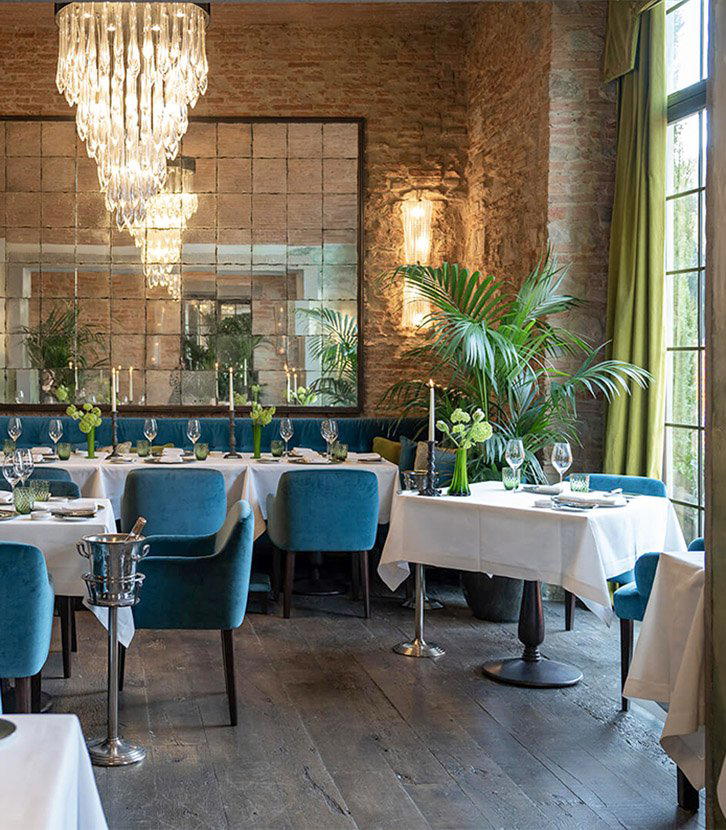
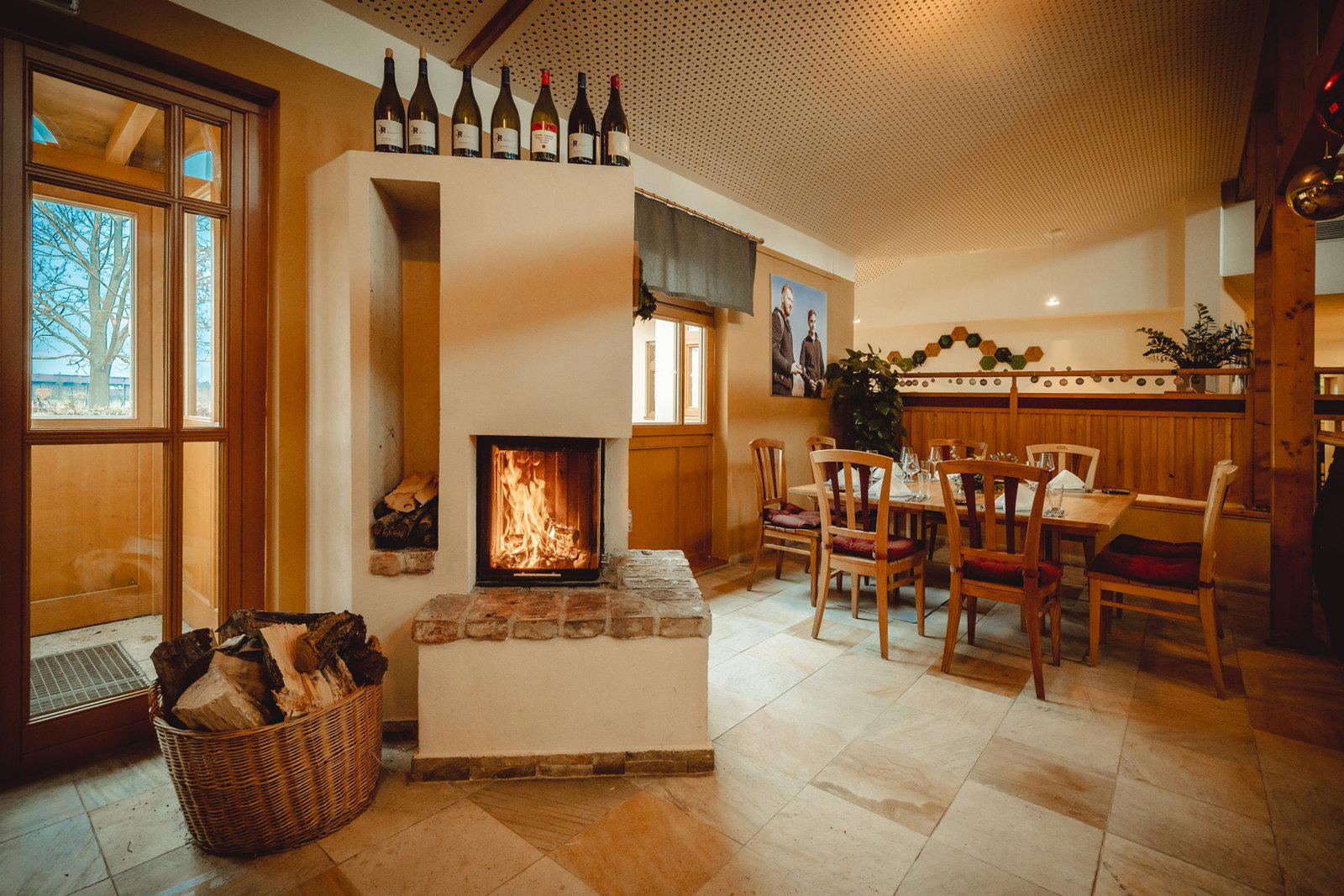
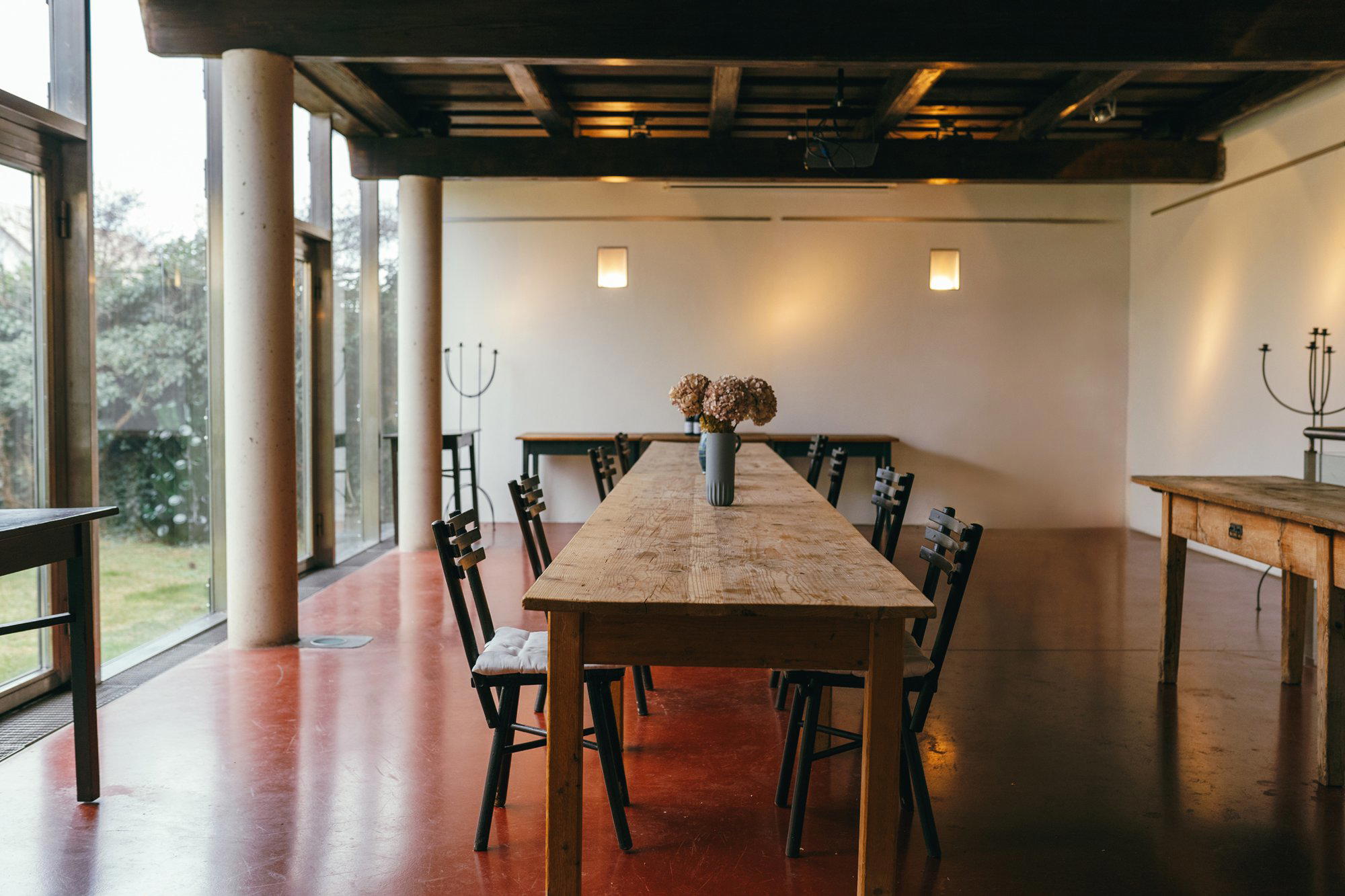
Cozy and relaxing atmosphere with ancient furnishings, friendly service, and high-class music creating an authentic Italian feel.