Italian cooking in Vienna often splits between polished city-centre dining and casual trattoria grammar. Bistrot Bertarelli 1894 at Hotel Das Triest belongs to the hotel-bistrot side of that spectrum, where the appeal is less about spectacle than about how regional Italian cues read inside a Viennese hospitality setting.

Pearl is the En Primeur Club membership app — saves, bookings, and concierge access live there. Same editors, same standards.
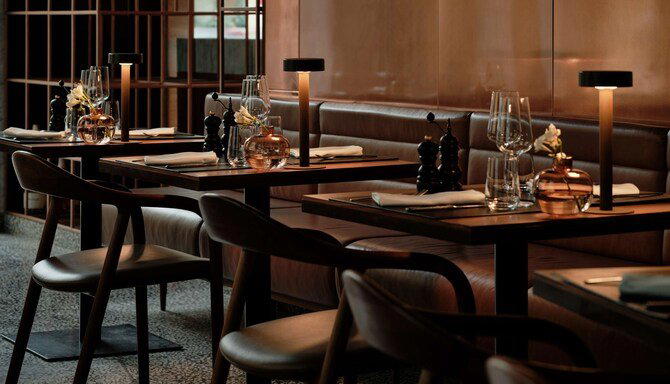
Arriving at an Italian restaurant inside a Viennese hotel changes the expectation before a menu appears. The room has to speak two languages at once: the composure of the city’s hotel dining culture and the looser rhythm of Italian cooking, where the meal is usually built around appetite rather than ceremony. Bistrot Bertarelli 1894 at Hotel Das Triest sits in that overlap, a useful address for readers tracking how Vienna absorbs Italian regional identity without turning it into theme-park nostalgia.
Italian regional identity, filtered through Vienna's hotel-bistrot habit
Vienna has never treated Italian food as a single category. Roman cooking brings pasta discipline and offal tradition; Tuscan food carries grilled meats, beans, bread, and olive oil; Neapolitan identity is tied to pizza, tomatoes, and southern directness; Milanese dining leans toward risotto, veal, aperitivo culture, and a northern sense of polish. A hotel bistrot in Vienna has to decide how much of that regional tension to show and how much to smooth into a cosmopolitan Italian register.
That question matters because Italian restaurants abroad often flatten the map. The serious versions resist that flattening. They may not announce a manifesto, but the better reading is in structure: antipasti before pasta, pasta as its own course rather than a side dish, meat or fish treated separately, and dessert allowed to stay simple. In Vienna, where dining rooms often value pacing and service formality, that Italian structure can feel especially clear. The point is not rusticity. It is sequence, proportion, and restraint.
Bistrot Bertarelli 1894 at Hotel Das Triest is therefore better understood as part of Vienna’s ongoing negotiation with Italian dining rather than as a standalone hotel amenity. Its Italian identity gives the room a different centre of gravity from Austrian beisl culture, where schnitzel, goulash, dumplings, and seasonal game form a separate grammar. Readers mapping that contrast can place it alongside broader city coverage in Our full Vienna restaurants guide, then move outward to hotels, bars, wineries, and experiences through Our full Vienna hotels guide, Our full Vienna bars guide, Our full Vienna wineries guide, and Our full Vienna experiences guide.
Where the Vienna Italian table gets interesting
The useful distinction in Vienna is not simply Italian versus Austrian. It is polished Italian versus regional Italian, hotel dining versus street-level neighbourhood room, aperitivo polish versus trattoria directness. A city-centre Italian address such as Fabios speaks to the polished metropolitan end of the category, while Pastamara - Bar con Cucina points more openly toward bar-and-kitchen energy. &flora shows how hotel dining in Vienna can absorb contemporary restaurant cues without losing its hospitality frame.
The contrast with local formats is just as instructive. 16er Würstelstand belongs to another Viennese register entirely: fast, public, sausage-led, and woven into the city’s everyday rhythm. 1870 signals a different kind of period reference, closer to Vienna’s own dining memory. Against those formats, an Italian bistrot inside a hotel reads as a controlled middle ground: less formal than haute cuisine, more composed than a casual pasta stop, and shaped by the expectations of travellers who want clarity rather than a long explanation.
This is also why regional Italian vocabulary matters. Roman directness can be overpowered by hotel polish; Tuscan simplicity can become generic if the bread, oil, grill, and beans are treated as decoration rather than structure; Neapolitan warmth can look theatrical if reduced to colour and noise; Milanese restraint can translate more naturally in a Vienna hotel dining room. The successful version chooses a regional signal and lets it govern the meal’s logic. The weaker version uses Italy as atmosphere.
How to read this address in a wider Austrian itinerary
For travellers building a food-led route through Austria, Vienna’s Italian rooms should not be treated as a detour from local dining. They reveal how the capital imports, edits, and civilises outside traditions. That makes them a useful counterpoint to regional Austrian addresses such as 's Paul Restaurant in Traunkirchen, 1er Beisl im Lexenhof in Nußdorf am Attersee, 1st Lobster in Kitzbühel, 2Stein in Krems, 7burger in Salzburg, and À la carte restaurant Leni's in Going am Wilden Kaiser. Those addresses sit in different local economies and tourism patterns; Vienna’s hotel-bistrot Italian category is more about urban translation.
The same lens works internationally. Italian cooking abroad can become a luxury language, as seen in 8 1/2 Otto e Mezzo Bombana (Hong Kong), Italian in Hong Kong, or a broader American restaurant vocabulary, as with 112 Eatery, Italian in Minneapolis. Vienna’s version is quieter: the city tends to reward control, service rhythm, and a room that does not work too hard for attention. Bistrot Bertarelli 1894 at Hotel Das Triest fits that reading. The interest lies in how Italian regional thinking behaves when placed inside Vienna’s more measured dining culture.
Reputation & Price
Comparable venues nearby, for context on price, style, and recognition.
| Venue | Cuisine | Price | Notes |
|---|---|---|---|
| Bistrot Bertarelli 1894 at Hotel Das TriestThis venue — the venue you are viewing | Not listed | $$$ | Not listed |
| Terra Rossa | Dornbach, Modern Italian Mediterranean | $$$ | Not listed |
| Restaurant Sole | Staatsoper, Classic Italian Tuscan | $$$ | Not listed |
| La Spiga | Josefstadt, Neapolitan Pizza | $$ | Not listed |
| Viva la Mamma | Not listed | $$ | Staatsoper, Authentic Italian Pasta & Pizza |
| Pizzeria Minante | Hofburg, Neapolitan Pizza | $$ | Not listed |
At a Glance
- Modern
- Elegant
- Sophisticated
- Cozy
- Romantic
- Date Night
- Business Dinner
- Group Dining
- Special Occasion
- After Work
- Terrace
- Design Destination
- Hotel Restaurant
- Historic Building
- Extensive Wine List
- Craft Cocktails
- Street Scene
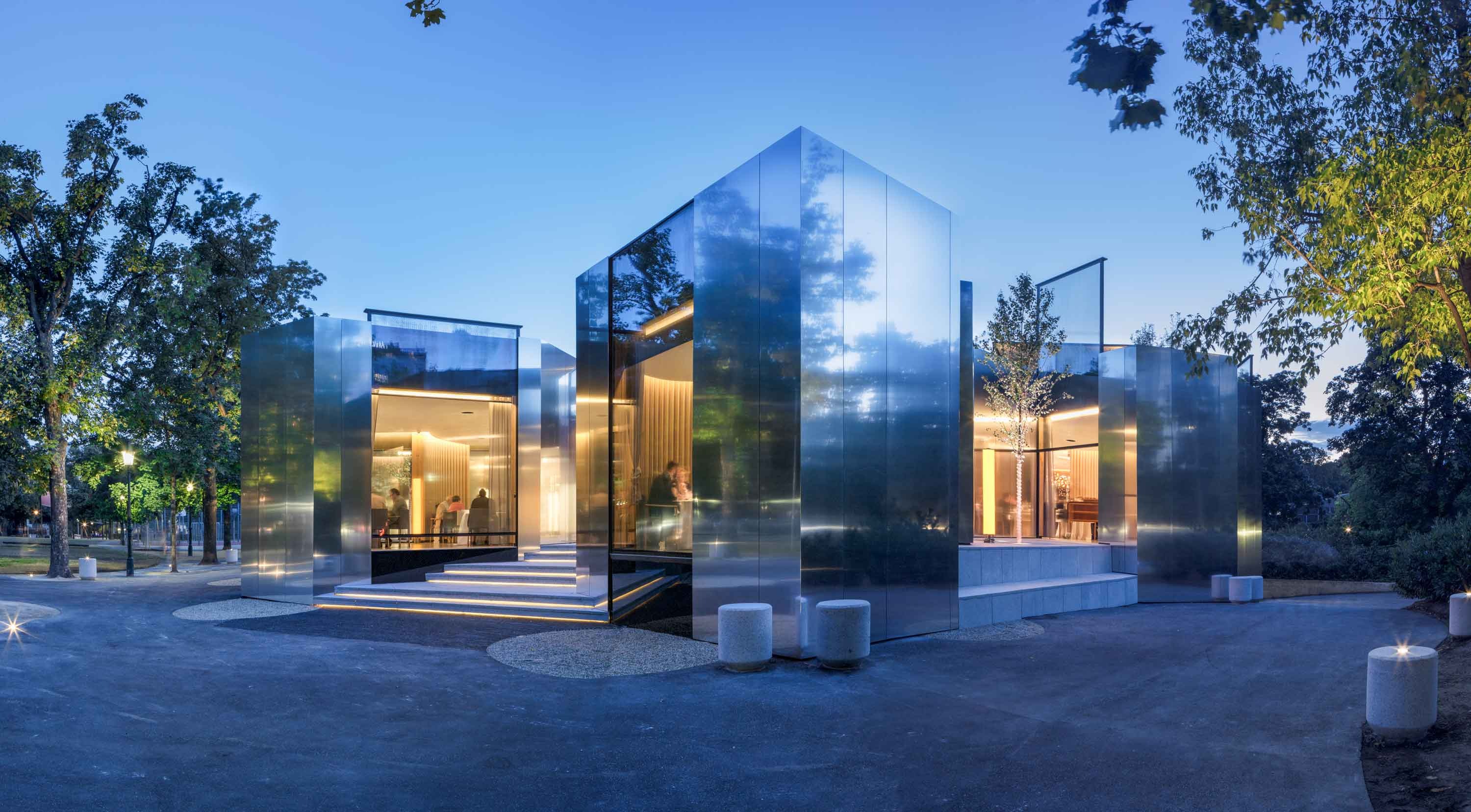
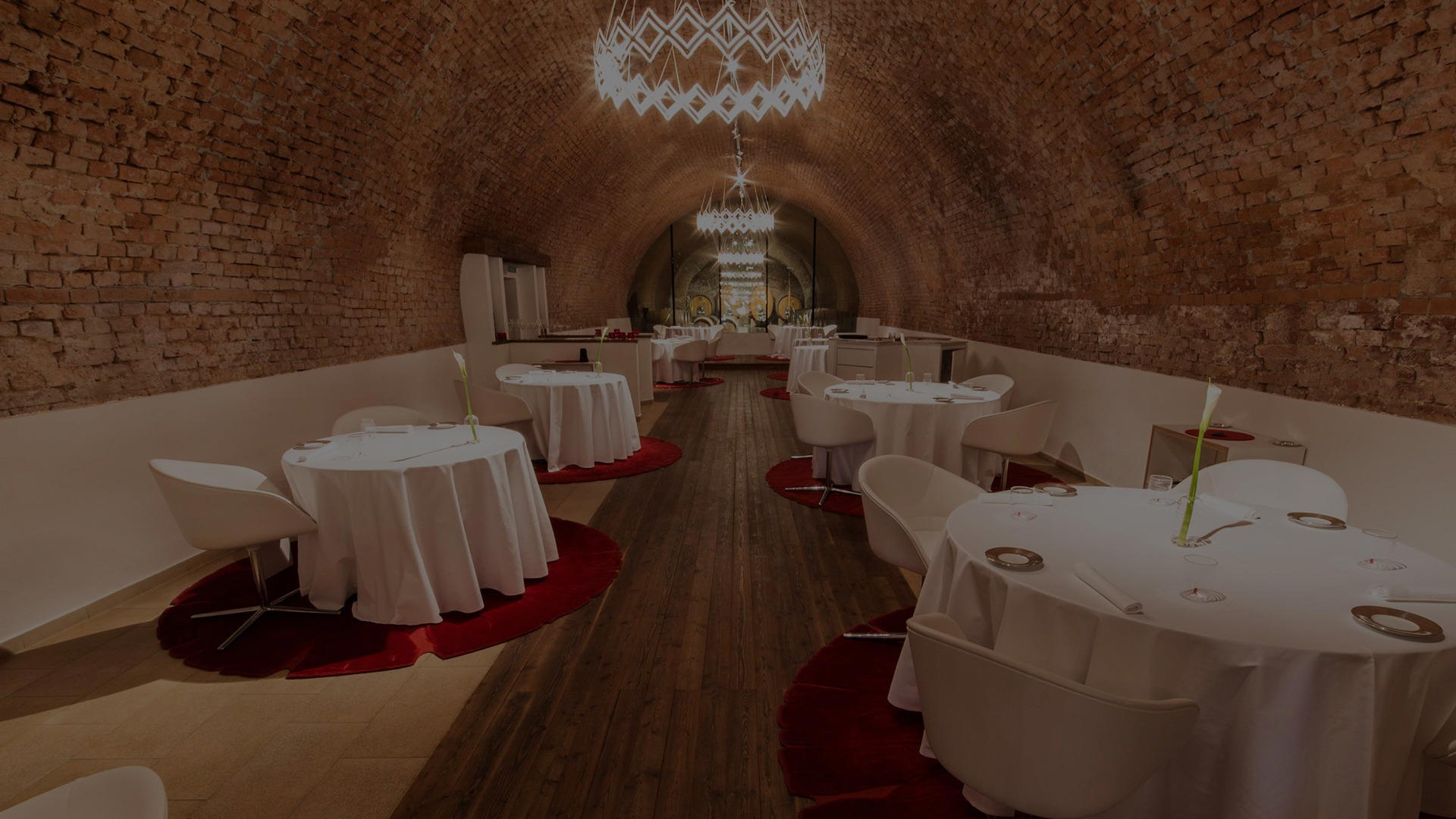
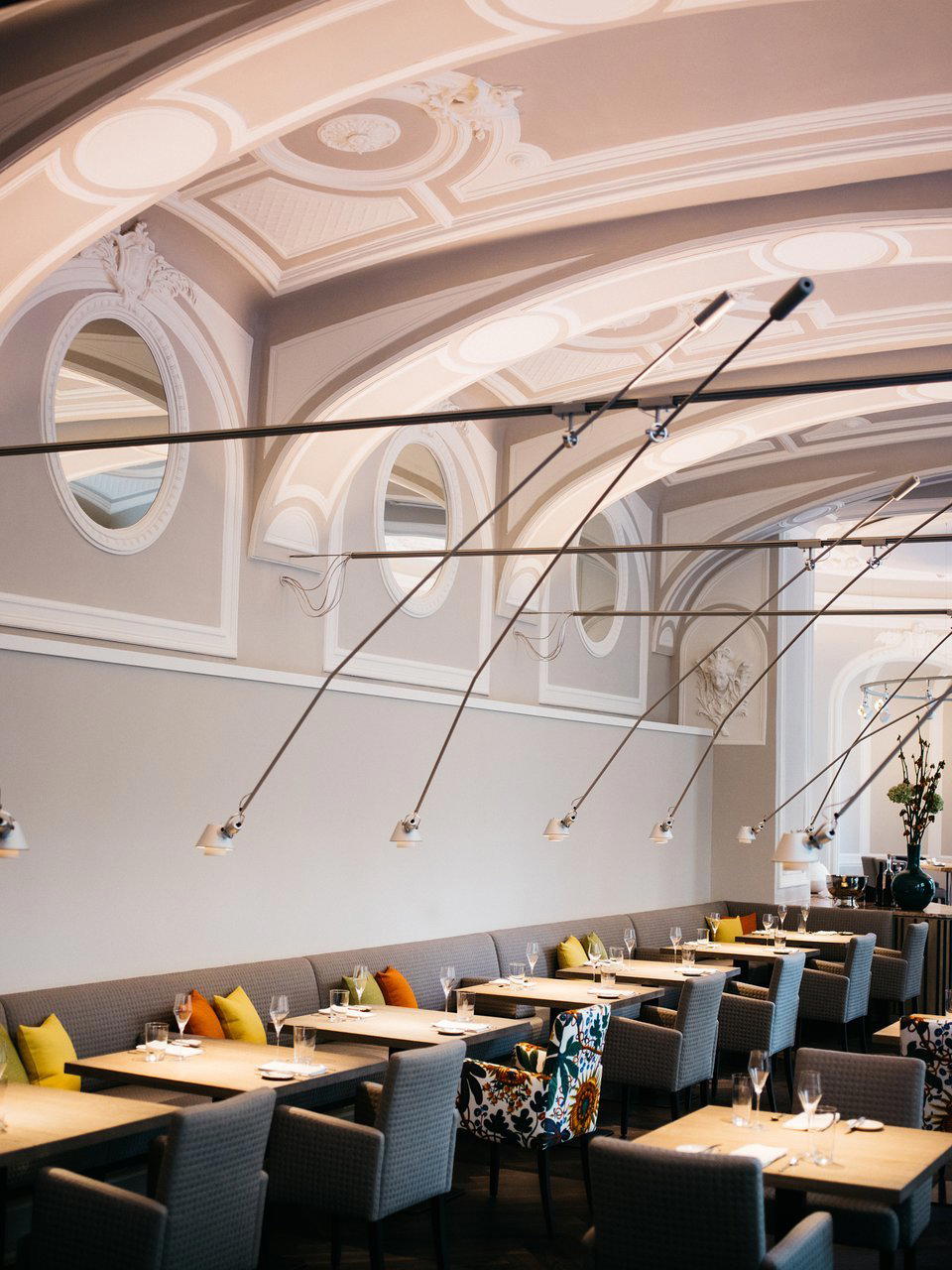
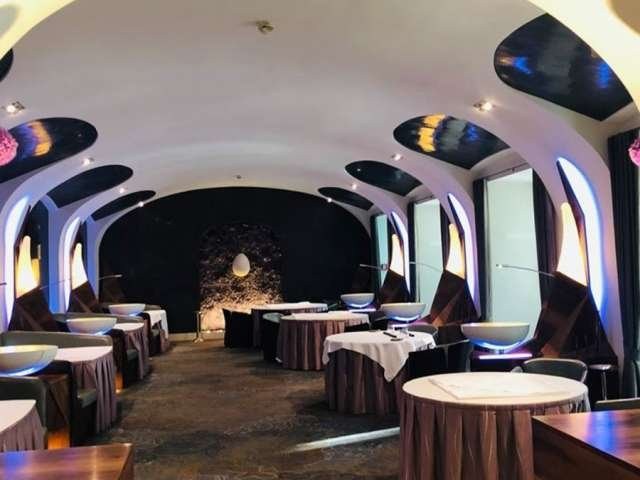
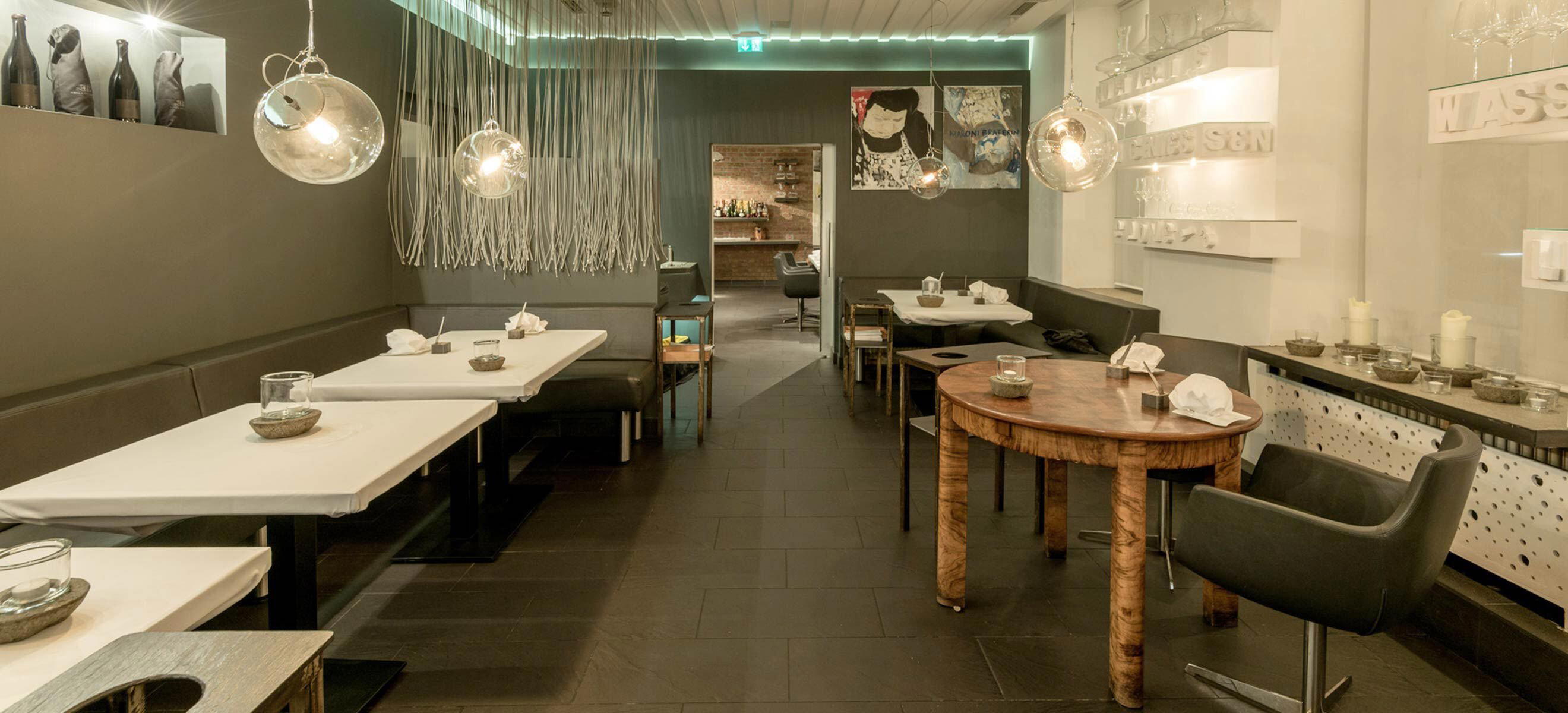
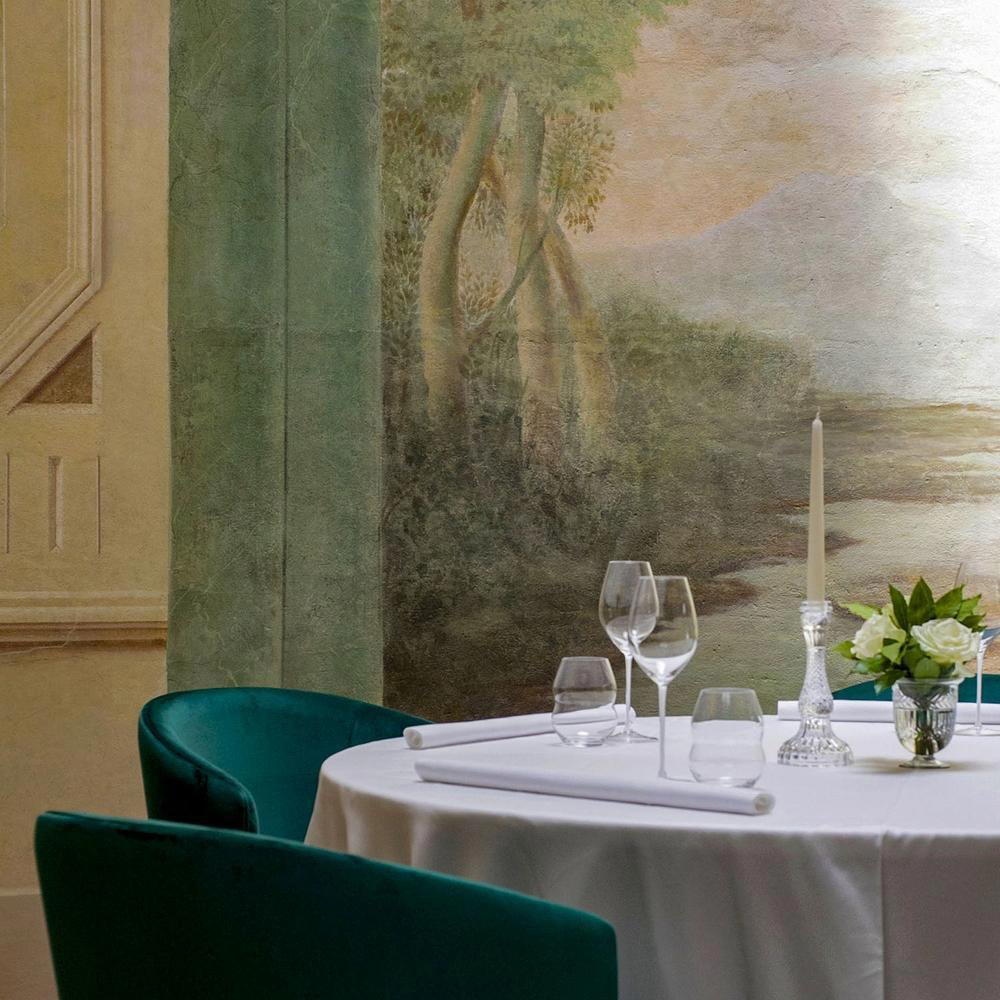
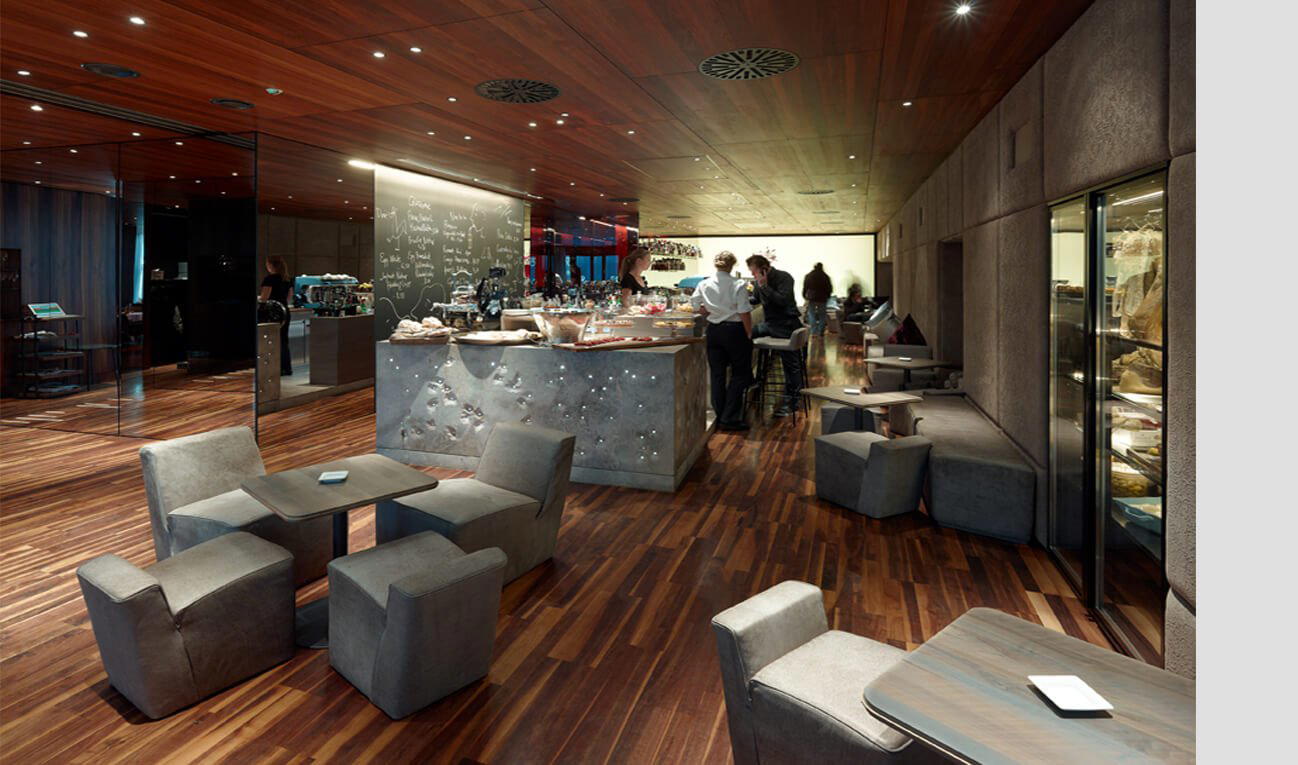
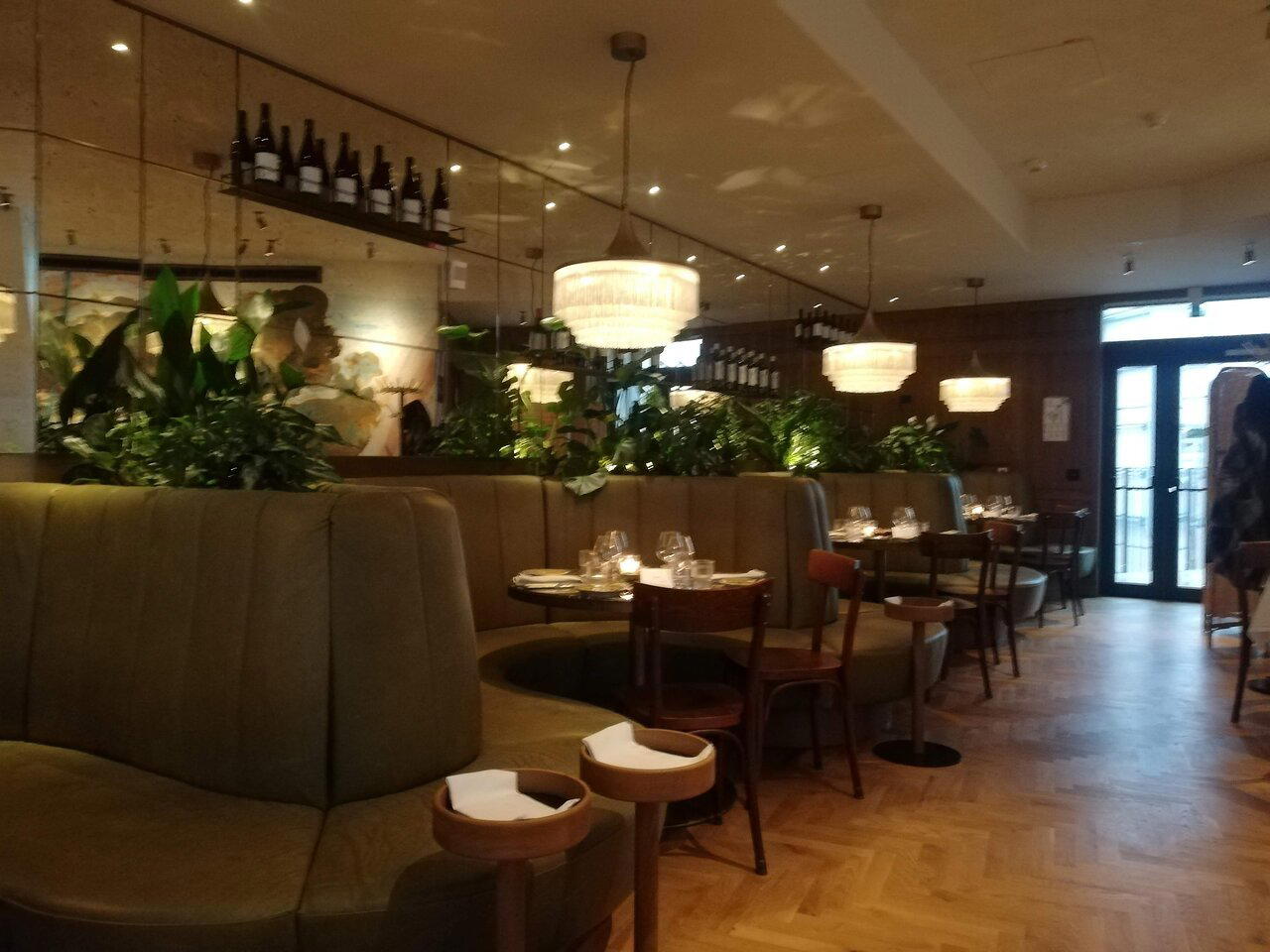
Contemporary design-forward hotel restaurant with chic interiors, soft upscale lighting and a relaxed but polished atmosphere that extends onto a street-facing terrace.