
Radici Enogastronomia on Ungargasse 53 sits within Vienna's third district, where Italian wine culture and kitchen tradition intersect with the city's appetite for producer-focused dining. The name itself signals the premise: roots, both agricultural and regional, expressed through food and wine chosen for provenance rather than prestige. It occupies a niche that Vienna's broader Italian dining scene has rarely filled with this degree of specificity.
Pearl is the En Primeur Club membership app — saves, bookings, and concierge access live there. Same editors, same standards.
- Address
- Ungargasse 53, 1030 Wien, Austria
- Phone
- +4367761589277
- Website
- radicienogastronomia.at
- Directions
- Get directions
 Saves & bookings on Pearl
Where Vienna's Italian Wine Tradition Has Been Heading
Vienna has long maintained a complicated relationship with Italian cuisine. For decades, the city's Italian restaurants divided along a familiar fault line: tourist-facing trattorias near the Ringstrasse, and a handful of more serious addresses serving residents who understood the difference between regional Italian cooking and its internationalized shadow. What has shifted in recent years is the emergence of a third category, venues oriented around enogastronomia, a specifically Italian concept that places wine and food in equal standing, each chosen to illuminate the other. Radici Enogastronomia, at Ungargasse 53 in the third district, belongs to this newer cohort.
The address matters. The third district, Landstraße, sits east of the Innere Stadt and carries a quieter residential density that separates it from the high-visibility dining corridors around the first and seventh. That distance is not incidental. Venues in this part of the city tend to build their audience through word of mouth and return visits rather than tourist foot traffic, which shapes the format and the atmosphere in ways that are difficult to replicate in more central locations.
The Evolution of the Format
The term enogastronomia has itself evolved. Originating as a descriptor for Italian food-and-wine culture in the broad sense, guidebooks, festivals, regional pairings, it has been narrowed and sharpened by a generation of Italian restaurateurs into something more specific: a dining format in which the wine list is not a supplement to the menu but its structural equal. Dishes are selected or constructed around what the cellar holds, and the cellar is chosen for depth in particular Italian regions rather than breadth across the world's appellations.
This is a meaningful departure from how Italian wine has historically been presented in Vienna. The city's wine scene has been dominated by Austrian producers, Grüner Veltliner and Riesling from the Wachau, Blaufränkisch from Burgenland, with Italian bottles appearing as supporting cast on mixed lists. A venue that inverts this logic, treating Italian regional wine as the primary reference point, occupies a different position in the market. It draws comparisons less to Vienna's broader restaurant scene and more to specialist Italian enoteca formats in cities like Milan, Bologna, or Rome, where the bottle drives the booking as much as the kitchen does.
For context on where Vienna's most ambitious kitchens are operating more broadly, restaurants like Steirereck im Stadtpark, Amador, and Konstantin Filippou define the city's upper creative tier. Mraz & Sohn and Doubek represent the modern Austrian direction. Radici operates on a different axis, regional Italian specificity rather than Austrian creative cuisine, which means its competitive comparable set is defined more by wine orientation and provenance philosophy than by tasting-menu format or Michelin positioning.
Reading the Name
Radici means roots in Italian, and the choice of that word over something more generically evocative is an editorial statement about the venue's approach. Root-focused dining, in the Italian sense, points toward regionalism: the premise that a dish from Friuli and a dish from Campania are not interchangeable expressions of a unified national cuisine but distinct products of specific soils, climates, and historical pressures. This regional specificity, when applied seriously, requires a kitchen and a cellar that can speak with authority about particular places rather than Italian cuisine as an aggregate category.
This approach mirrors what has happened at the producer-focused end of Italian dining internationally. In cities where this format has matured, consider how enoteca-style dining has developed in New York, where venues like Le Bernardin or Atomix have each defined their own highly specific category, particularly durable operations tend to be those with genuine depth in one or two regions rather than token representation across many. The same logic applies here.
The Third District as Context
Ungargasse runs through a section of Landstraße that carries traces of the district's earlier character as a bourgeois residential area, with late nineteenth-century apartment blocks and a street-level mix of specialist food shops, wine bars, and neighbourhood restaurants. It is not a dining destination in the way that the Naschmarkt corridor or Josefstadt are, it does not generate the kind of ambient foot traffic that fills tables passively. A venue at this address that sustains itself does so through a specific audience: wine-oriented regulars, Italian food specialists, and the kind of curious eaters who seek out addresses with a clear point of view rather than broad accessibility.
Austria's wider dining geography is worth noting for visitors building a longer itinerary. Beyond Vienna, the country's serious kitchens include Döllerer in Golling an der Salzach, Ikarus in Salzburg, Landhaus Bacher in Mautern an der Donau, and Obauer in Werfen. In the Alpine west, Griggeler Stuba in Lech, Gourmetrestaurant Tannenhof in Sankt Anton am Arlberg, Schwarzer Adler in Hall in Tirol, and Restaurant 141 by Joachim Jaud in Mieming represent a distinct Tyrolean dining tradition. Kräuterreich by Vitus Winkler in Sankt Veit im Pongau and Ois in Neufelden complete a country-wide picture that rewards planning beyond the capital.
Planning Your Visit
Address: Ungargasse 53, 1030 Wien, Austria. District: Landstraße (3rd), accessible by U3 (Rochusgasse) or U4 (Stadtpark). Reservations: Recommended. Budget: Expect about $50 per person. Timing: Monday closed; Tuesday 11:30 AM to 2:30 PM and 6 to 9:30 PM; Wednesday and Thursday 11:30 AM to 2:30 PM and 6 to 10 PM; Friday 11:30 AM to 11 PM; Saturday 6 to 11 PM; Sunday closed.
Comparable Spots
Comparable venues nearby, for context on price, style, and recognition.
| Venue | Cuisine | Price | Notes |
|---|---|---|---|
| Radici EnogastronomiaThis venue — the venue you are viewing | Authentic Italian | $$$ | Not listed |
| Sebastiano | Fine Italian Cucina | $$$ | Wieden |
| Mangia e Ridi | Italian Seafood Osteria | $$$ | Stephansdom |
| Bistrot Bertarelli | Northern Italian Bistro with Viennese Influences | $$$ | Wieden (4th district) |
| Da Capo | Traditional Italian Trattoria | $$ | Innere Stadt |
| Settimo Cielo | Modern Italian Mediterranean Rooftop | $$$ | Innere Stadt |
Recognition history
Dated appearances from independent guides and award organizations, with the underlying list record or original source where available.
Falstaff Restaurant - 81 Falstaff Points
Falstaff
Continue exploring
More in Vienna
Restaurants in Vienna
Browse all →
Bars in Vienna
Browse all →
Hotels in Vienna
Browse all →
At a Glance
- Cozy
- Romantic
- Elegant
- Date Night
- Special Occasion
- Open Kitchen
- Extensive Wine List
Current opening hours
- Monday
- Closed
- Tuesday
- 11:30 AM–2:30 PM, 6–9:30 PM
- Wednesday
- 11:30 AM–2:30 PM, 6–10 PM
- Thursday
- 11:30 AM–2:30 PM, 6–10 PM
- Friday
- 11:30 AM–11 PM
- Saturday
- 6–11 PM
- Sunday
- Closed
Hours can change for holidays and private events. Last verified .
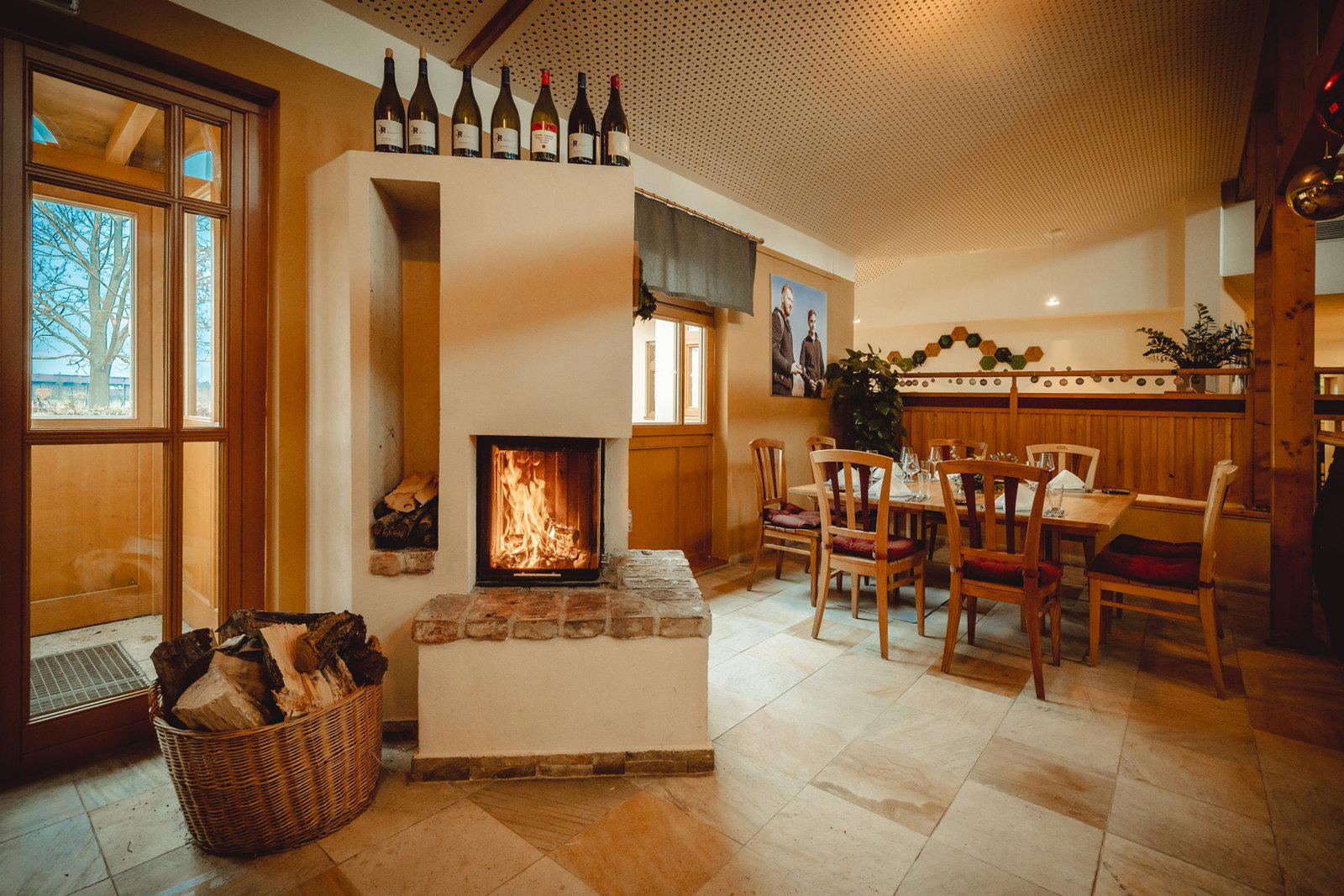
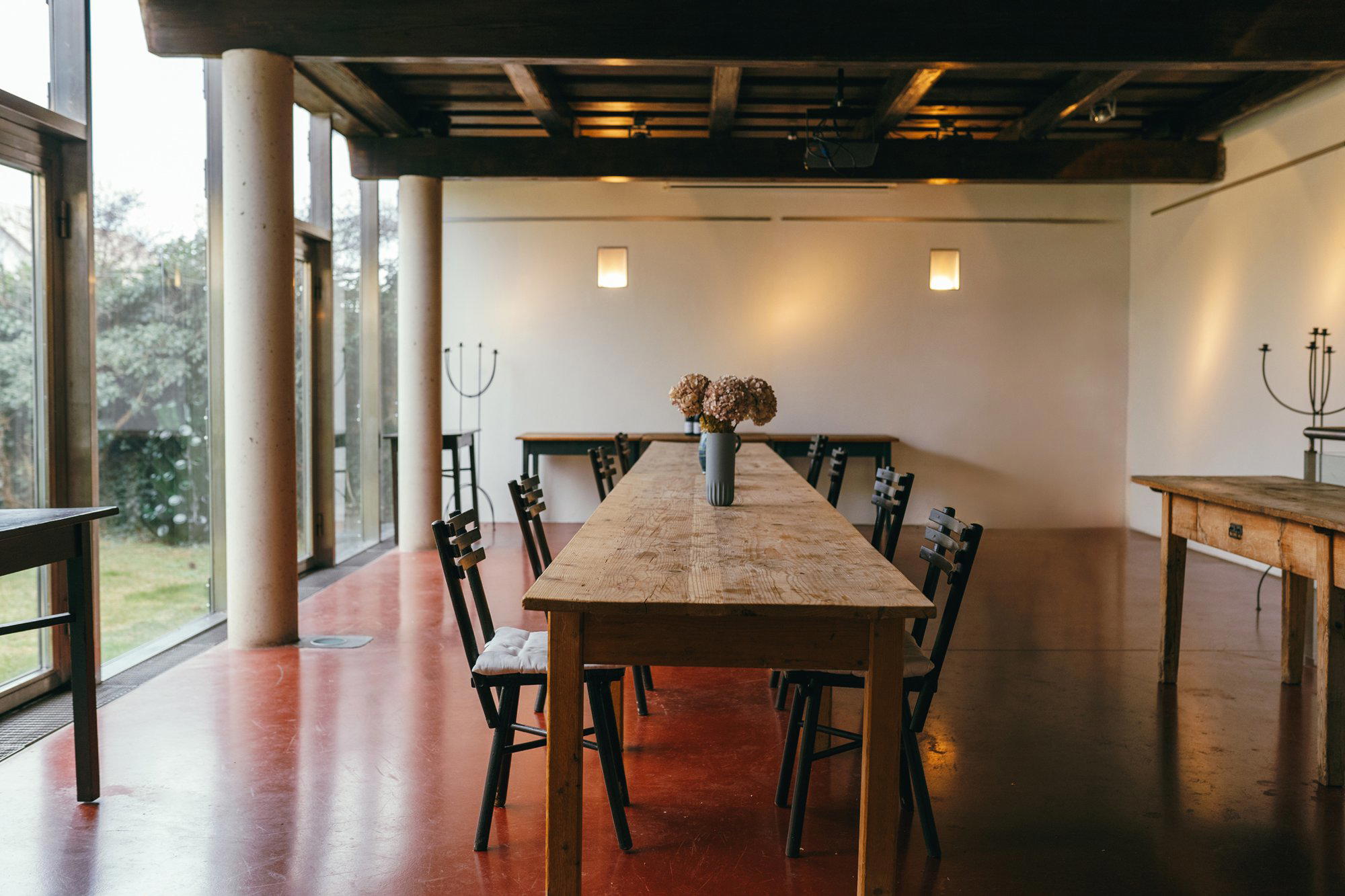
Cozy and romantic with soft lighting, warm welcome, and an elegant yet relaxed Italian feel.