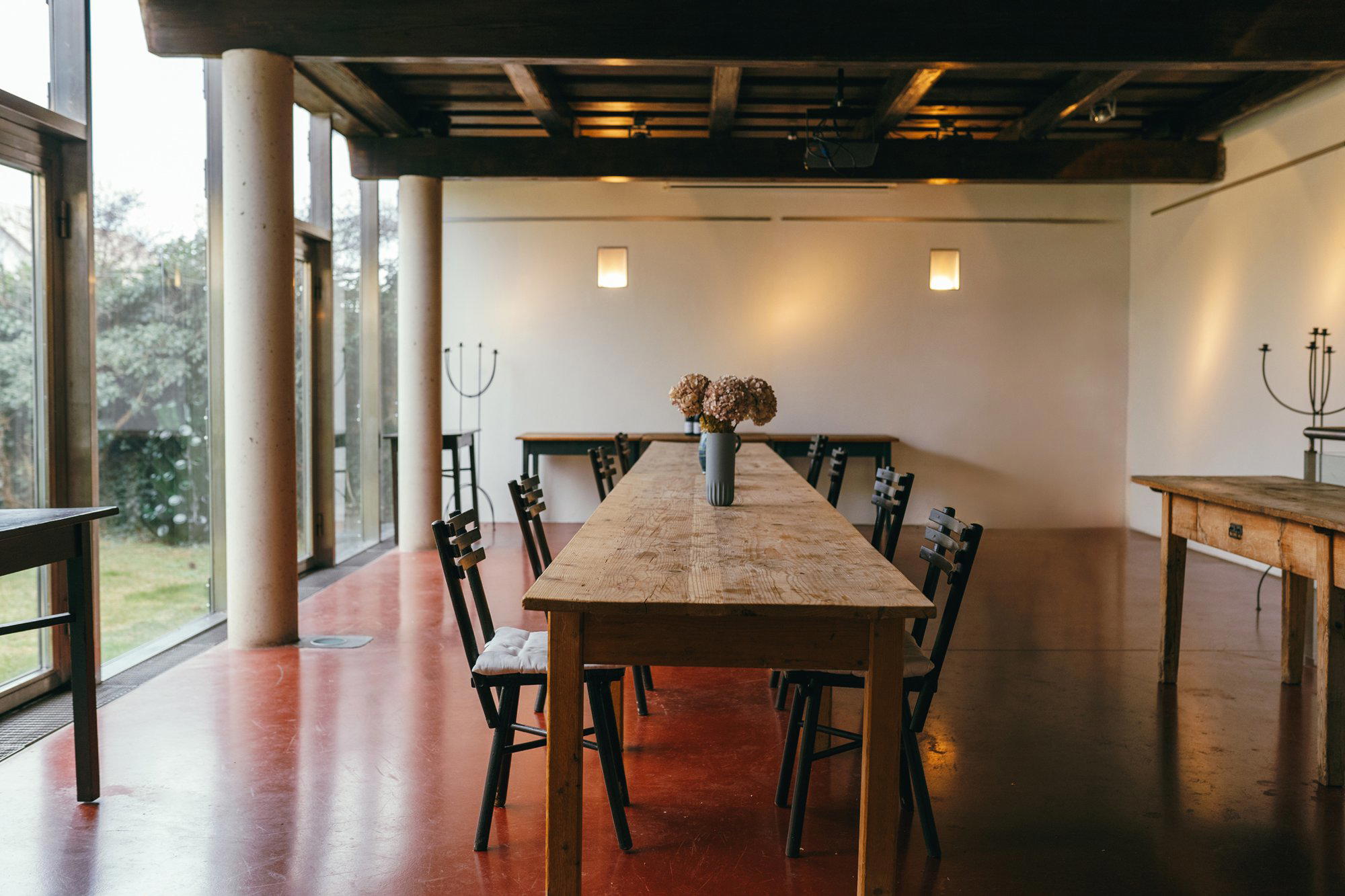
The Sourcing Logic Behind Vienna's First-District Tables
Austria's geography creates a sourcing advantage that few countries of comparable size can match. Within a two-hour radius of Vienna, the kitchen has access to alpine dairy from Vorarlberg and Tyrol, freshwater fish from the Salzkammergut lakes, game from Styrian forests, and wine from the Wachau, Kamptal, and Burgenland. The leading first-district restaurants have historically treated that proximity as a structural argument rather than a marketing one: the product is genuinely different because the supply chain is genuinely short.
That sourcing tradition plays out most visibly at the category's established benchmarks. Steirereck im Stadtpark has built its reputation in part on the depth of its Austrian producer relationships, particularly for dairy and freshwater fish. Mraz & Sohn applies a creative lens to similar regional materials. The pattern holds across the tier: at price points that justify the proposition, Vienna's serious kitchens tend to anchor their menus in geography rather than import lists.
Austria's regional fine-dining circuit reinforces this. Döllerer in Golling an der Salzach has made alpine ingredient sourcing its entire editorial identity. Kräuterreich by Vitus Winkler in Sankt Veit im Pongau works extensively with cultivated and foraged herbs. Landhaus Bacher in Mautern an der Donau, on the Danube, draws directly on Wachau valley produce. The cumulative picture is of a country that has turned agricultural specificity into a competitive signal at the summit of the market.
The restaurant's place in that tradition depends on how its kitchen handles sourcing and seasonality.
The First-District Competitive Set
Vienna's first district functions as the city's premium dining envelope. The restaurants that operate here price against each other and against the city's most decorated tables, which currently include multiple Michelin-starred addresses and entries on European best-restaurant lists. Amador holds three Michelin stars, placing it at the summit of the city's formal recognition hierarchy. Doubek represents a different register, more accessible in format, but still operating within the city's considered dining conversation.
Austria's wider fine-dining network offers useful comparisons. Obauer in Werfen and Ikarus in Salzburg anchor the western corridor. Griggeler Stuba in Lech, Gourmetrestaurant Tannenhof in Sankt Anton am Arlberg, and Schwarzer Adler in Hall in Tirol fill out the Tyrolean end of the spectrum. Ois in Neufelden and Restaurant 141 by Joachim Jaud in Mieming represent the category's newer entries in Upper Austria and Tyrol respectively.
The international frame matters too. The discipline required to maintain a sourcing-first menu at premium prices is not distinctive to Austria. Le Bernardin in New York City has spent decades demonstrating that ingredient provenance, in its case, seafood, can function as the whole argument. Atomix in New York City applies a similar rigour to Korean culinary tradition. The standard that those rooms set for product-led menus is the same standard that shapes expectations at any serious European table.
Timing and the First-District Experience
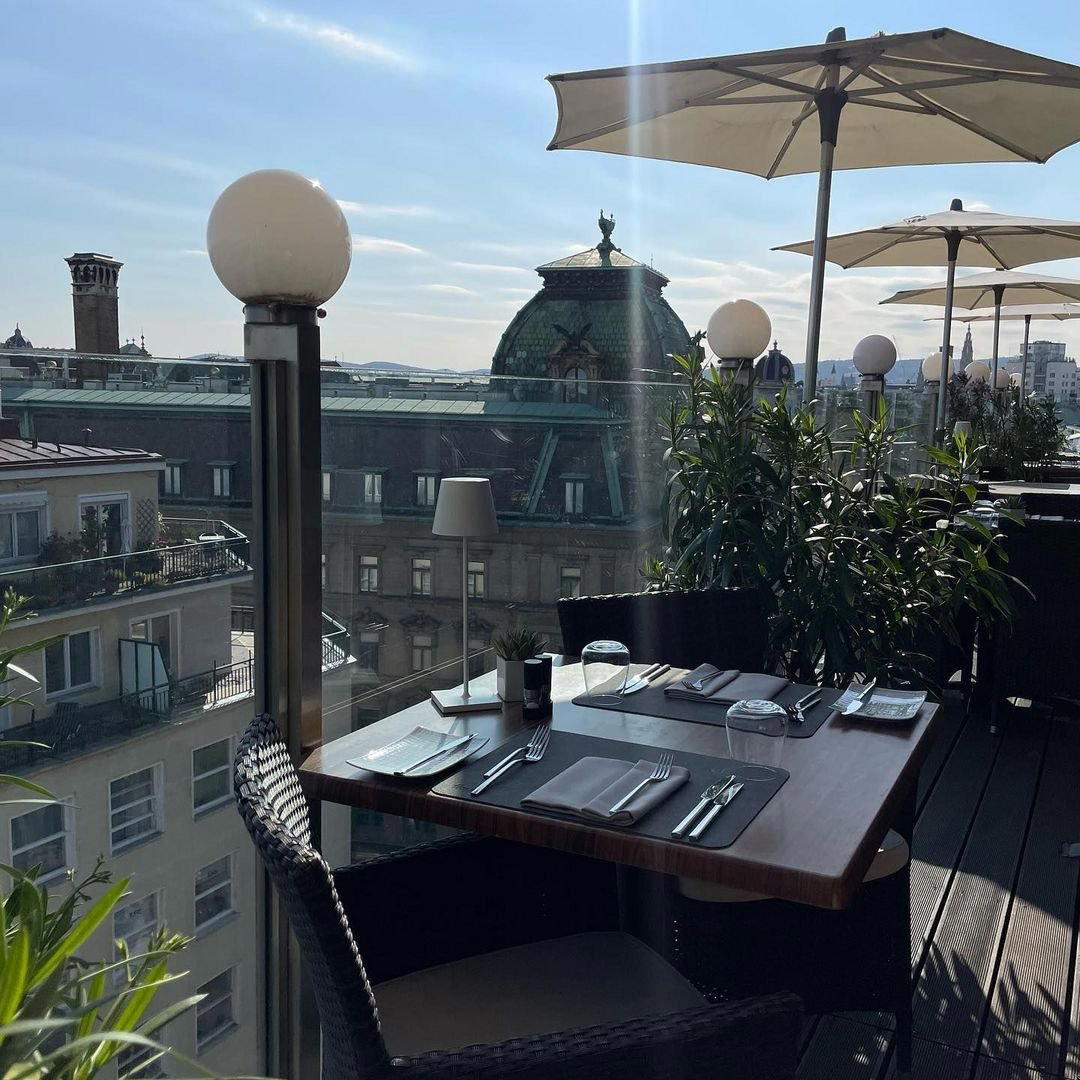
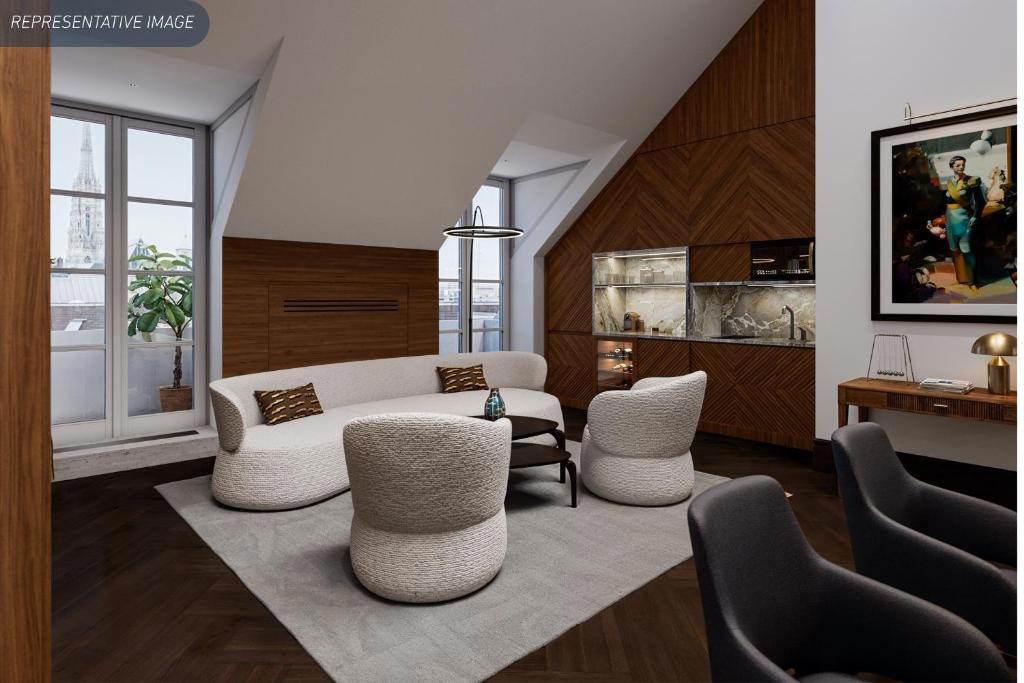
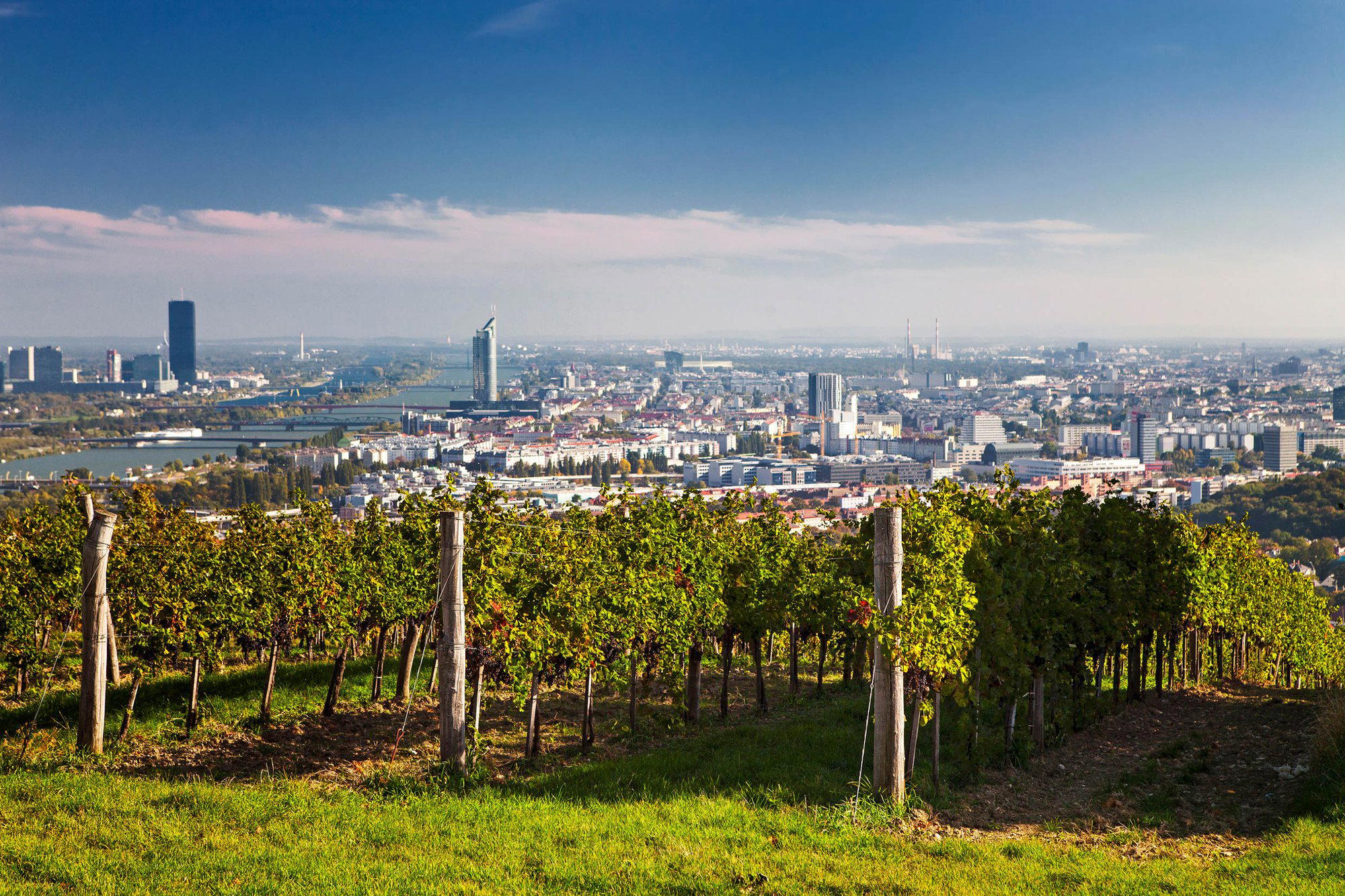
Vienna's first district is busiest between May and October, when opera season, summer tourism, and outdoor dining converge. The Staatsoper's schedule runs from September through June, which means the autumn and winter months bring a particular density of serious diners, opera-goers with pre- or post-performance meals in mind, and a local clientele less visible in high summer. For an upper-floor room, the winter months carry their own visual argument: Vienna's roofline at dusk in December, with the city's Christmas markets below, is a different prospect than the same view in July.
Spring tends to be less crowded than high summer or the pre-Christmas peak, though first-district rooms usually require advance planning.
Know Before You Go
- Address: Singerstraße 3/10 Stock, 1010 Wien, Austria
- Floor: 10th floor, confirm lift access at booking
- District: Innere Stadt (1st district), central Vienna
- Nearby landmarks: Staatsoper (approx. 5 min walk), Albertina, Stephansplatz
- Booking: Reservations recommended
- Leading timing: Autumn and winter evenings for roofline views; spring for lower competition on reservations
- Getting there: U1/U3 Stephansplatz or U1/U2/U4 Karlsplatz; tram lines along the Ring