On Himmelpfortgasse in Vienna's first district, L'Osteria del Collio occupies a slice of the city's Italian-leaning dining tradition at a moment when sourcing transparency and regional provenance are reshaping how the category is judged. The address places it in direct conversation with Vienna's most serious dining corridor, where expectations around ingredient quality and kitchen ethics have risen sharply across the past decade.
Pearl is the En Primeur Club membership app — saves, bookings, and concierge access live there. Same editors, same standards.
- Address
- Himmelpfortgasse 17, 1010 Wien, Austria
- Phone
- +434315138916
- Website
- losteria-del-collio.at
- Directions
- Get directions
 Saves & bookings on Pearl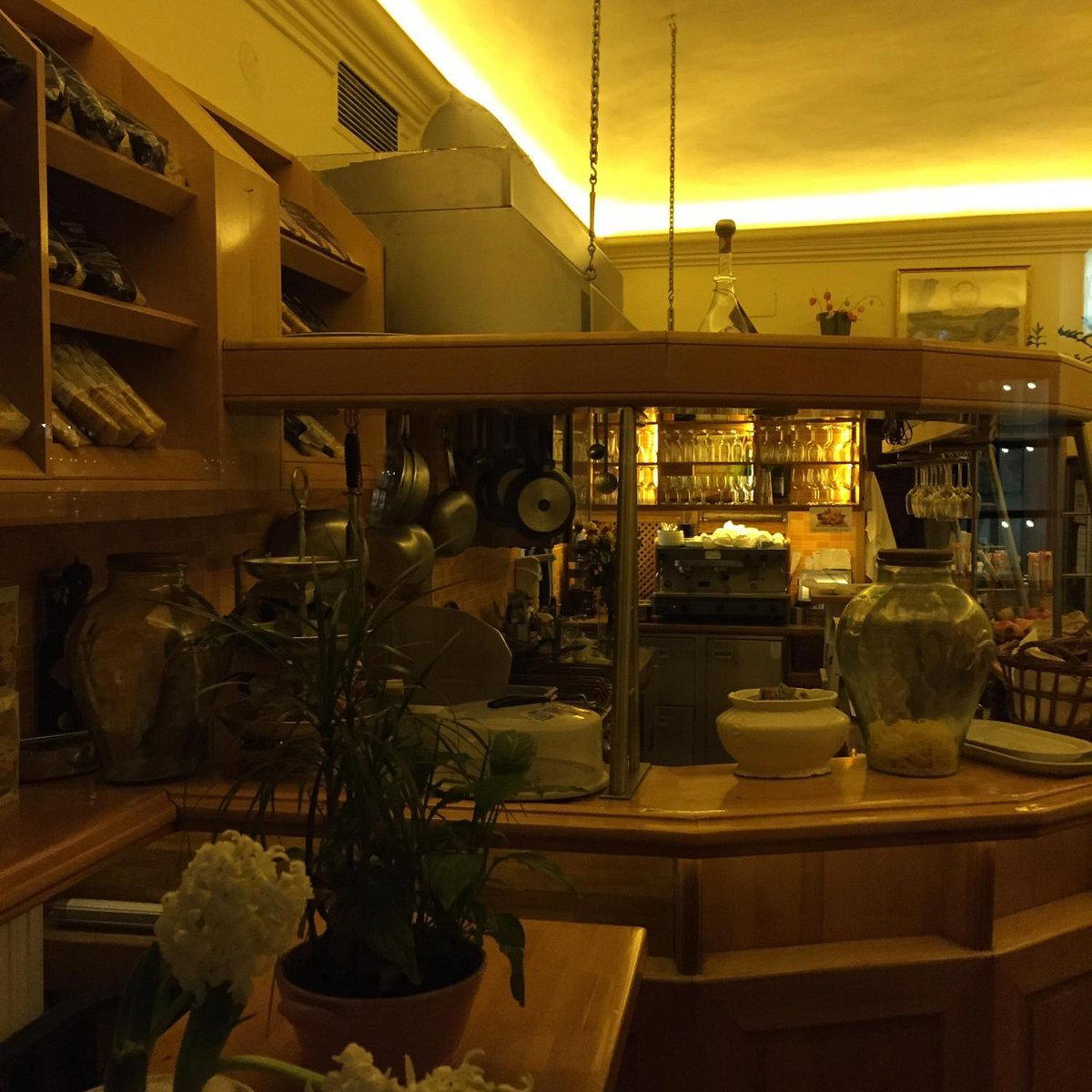
A Street That Sets the Standard
Himmelpfortgasse sits in the dense residential and commercial grid of Vienna's first district, a few minutes' walk from the Staatsoper and the city's main luxury retail spine. The street itself carries the kind of ambient seriousness that comes with proximity to centuries of institutional Vienna: the buildings are heavy with cornice detail, the foot traffic purposeful rather than touristic. A restaurant here is not trading on novelty. It is asking to be judged against a neighbourhood that has long hosted some of the city's most considered dining.
Vienna's Italian dining tier has evolved considerably over the past fifteen years. What was once dominated by red-sauce trattoria formats and mid-market wine lists has split into a more stratified field. At the leading end, a smaller group of addresses now compete on provenance, kitchen discipline, and the kind of sourcing ethics that have reshaped the conversation at restaurants like Steirereck im Stadtpark and Mraz & Sohn on the Austrian side of the city's fine dining ledger. L'Osteria del Collio sits inside that repositioned tier, where the name signals regional Italian specificity rather than generic Mediterranean comfort.
Collio as a Frame of Reference
The name is not incidental. Collio is the wine-producing zone in Friuli-Venezia Giulia, a region that runs along Italy's northeastern border with Slovenia. It is one of Italy's most respected white wine appellations, producing Ribolla Gialla, Friulano, and Pinot Grigio of a calibre that bears almost no resemblance to the commodity versions of those grapes sold globally. More broadly, Friuli-Venezia Giulia is a region with a distinctive culinary identity: cured meats of Central European influence, mountain cheeses, river fish, and a tradition of restraint in cooking that aligns more closely with Austrian sensibility than with the richer registers of Emilia-Romagna or Campania.
That regional specificity is itself an editorial position in Vienna. The city already has a relationship with northern Italian cooking that goes back to the Habsburg period, when trade and political ties made the Adriatic coast an extension of Viennese cultural geography. A restaurant that anchors to Collio is drawing on that history while making a contemporary argument about terroir-driven sourcing.
Sourcing Ethics and the Italian Regional Model
The Italian regional restaurant format carries structural advantages when it comes to sustainability practice. A kitchen anchored to a specific region tends to work with a narrower, deeper supplier network rather than a broad commodity market. Collio's geography, a compact appellation of roughly 1,500 hectares on limestone-rich hillsides, produces ingredients in limited quantities. That scarcity is, paradoxically, a discipline. Kitchens that commit to genuine regional sourcing from a zone like Collio are, by definition, working with what the land produces rather than engineering a menu around global supply chains.
This model contrasts with the approach at many Italian-branded restaurants in major European capitals, where the label of Italian cuisine functions more as a flavour register than a sourcing framework. The distinction matters to a growing cohort of Vienna diners who are applying the same scrutiny to restaurant sourcing that they would to wine provenance or organic certification. Austria's own farm-to-table movement, visible in destinations like Landhaus Bacher in Mautern an der Donau and Kräuterreich by Vitus Winkler in Sankt Veit im Pongau, has raised the baseline expectation for what transparent sourcing looks like.
At the level of the individual plate, regional Italian cooking from the northeast tends toward lower-waste preparation traditions. The Friulian kitchen historically used whole animals, preserved through curing and smoking rather than discarding secondary cuts. Grains, particularly farro and polenta, function as primary rather than supporting ingredients. These are not design choices imposed by a contemporary sustainability agenda; they are the inherited logic of a mountainous, border-zone cuisine that developed under scarcity conditions. A kitchen that draws authentically from this tradition arrives at responsible practice through culinary history rather than marketing.
Where It Sits in Vienna's Broader Dining Field
Vienna's upper dining tier is clustered in the first district and the areas immediately adjacent to the Ringstrasse. The competition at the leading is real: Steirereck im Stadtpark operates at the level of international benchmark, and addresses like Mraz & Sohn and Amador have built recognised credentials in modern European and creative formats respectively. L'Osteria del Collio occupies a different register: it is an Italian-regional proposition rather than a contemporary tasting-menu operation, which places it in a different competitive set but not a lesser one.
For context on how Vienna compares to other European capitals in terms of Italian dining ambition, it is worth noting that the upper tier of regional Italian abroad has reached extraordinary precision in cities like New York, where addresses such as Le Bernardin and Atomix have redefined what European-influenced fine dining looks like when executed with full technical rigour. Vienna's Italian tier is smaller but increasingly focused, and the Himmelpfortgasse address contributes to that focus.
Within Austria more broadly, the fine dining conversation extends well beyond Vienna. Restaurants such as Döllerer in Golling an der Salzach, Obauer in Werfen, Ikarus in Salzburg, and Gourmetrestaurant Tannenhof in Sankt Anton am Arlberg demonstrate that the country's serious dining culture is not confined to the capital. Regional specificity, ethical sourcing, and producer relationships are themes that run across this national tier, from Griggeler Stuba in Lech to Ois in Neufelden and Schwarzer Adler in Hall in Tirol. The frame within which L'Osteria del Collio operates is one shaped by this broader Austrian commitment to provenance.
Know Before You Go
- Address: Himmelpfortgasse 17, 1010 Wien, Austria
- District: Vienna's first district, central to the city's main dining corridor
- Cuisine orientation: Italian regional, with reference to Friuli-Venezia Giulia and the Collio appellation
- Price range: Tier 3
- Booking: Reservations recommended
- Hours: Mon: Closed; Tue: 12–2 PM, 6–10 PM; Wed: 12–2 PM, 6–10 PM; Thu: 12–2 PM, 6–10 PM; Fri: 12–2 PM, 6–10 PM; Sat: 6–10 PM; Sun: Closed
Side-by-Side Snapshot
Comparable venues nearby, for context on price, style, and recognition.
| Venue | Cuisine | Price | Notes |
|---|---|---|---|
| L'Osteria del CollioThis venue — the venue you are viewing | Italian Osteria | $$$ | Not listed |
| Sebastiano | Fine Italian Cucina | $$$ | Wieden |
| Terra Rossa | Modern Italian Mediterranean | $$$ | Dornbach |
| Bistrot Bertarelli 1894 at Hotel Das Triest | Modern Northern Italian & Viennese Bistro | $$$ | Wieden (4th district) |
| Cantinetta Antinori | Classic Florentine Tuscan | $$$$ | Innere Stadt |
| Sette Artisan Craft Pizza | Roman Artisan Pizza | $$ | Neubau |
Continue exploring
More in Vienna
Restaurants in Vienna
Browse all →
Bars in Vienna
Browse all →
Hotels in Vienna
Browse all →
At a Glance
- Cozy
- Intimate
- Classic
- Date Night
- Special Occasion
- Standalone
- Extensive Wine List
Current opening hours
- Monday
- Closed
- Tuesday
- 12–2 PM, 6–10 PM
- Wednesday
- 12–2 PM, 6–10 PM
- Thursday
- 12–2 PM, 6–10 PM
- Friday
- 12–2 PM, 6–10 PM
- Saturday
- 6–10 PM
- Sunday
- Closed
Hours can change for holidays and private events. Last verified .
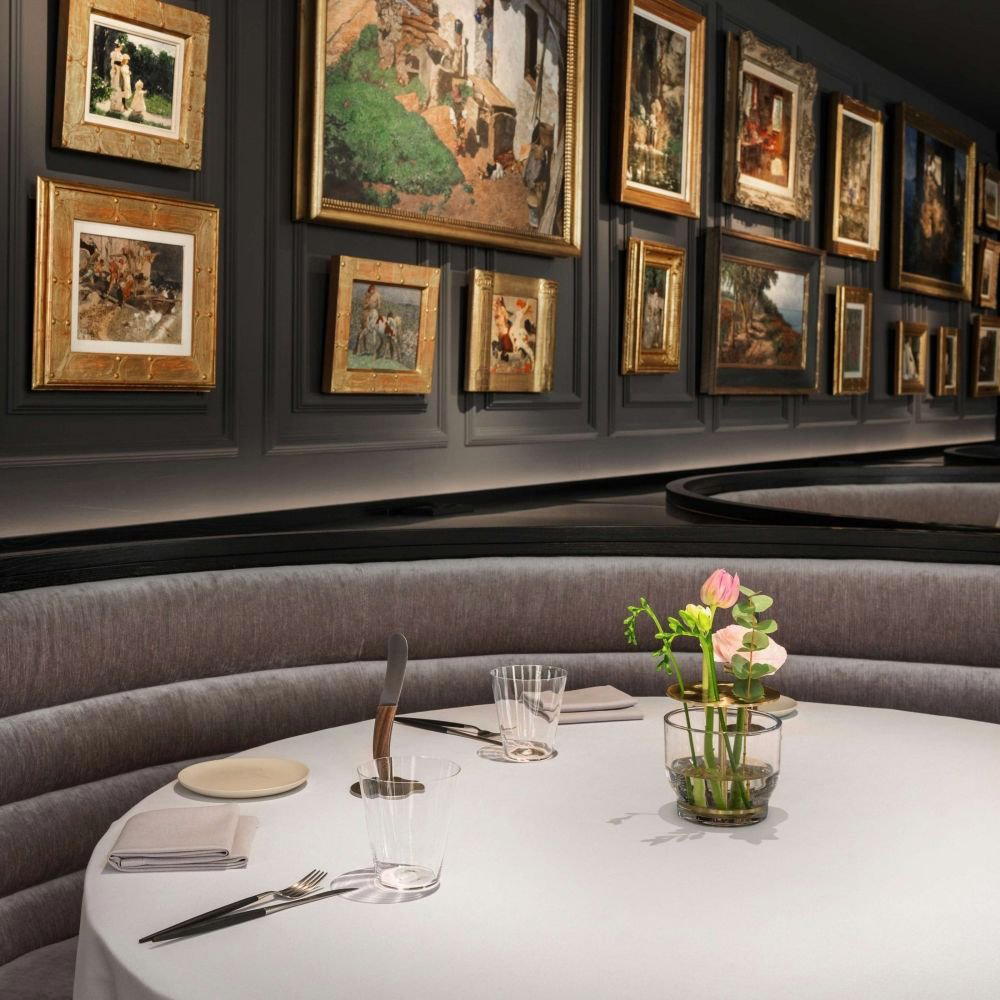
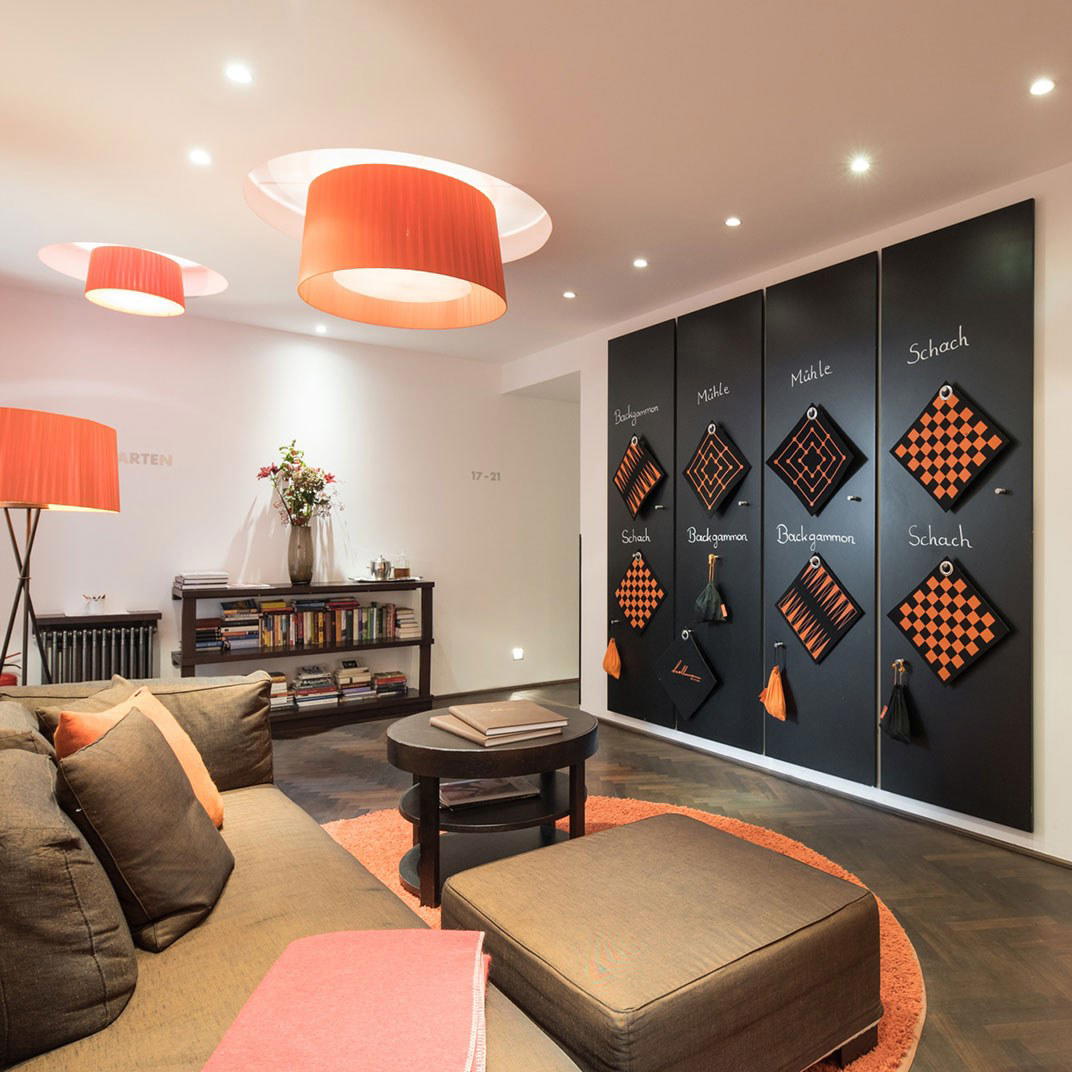
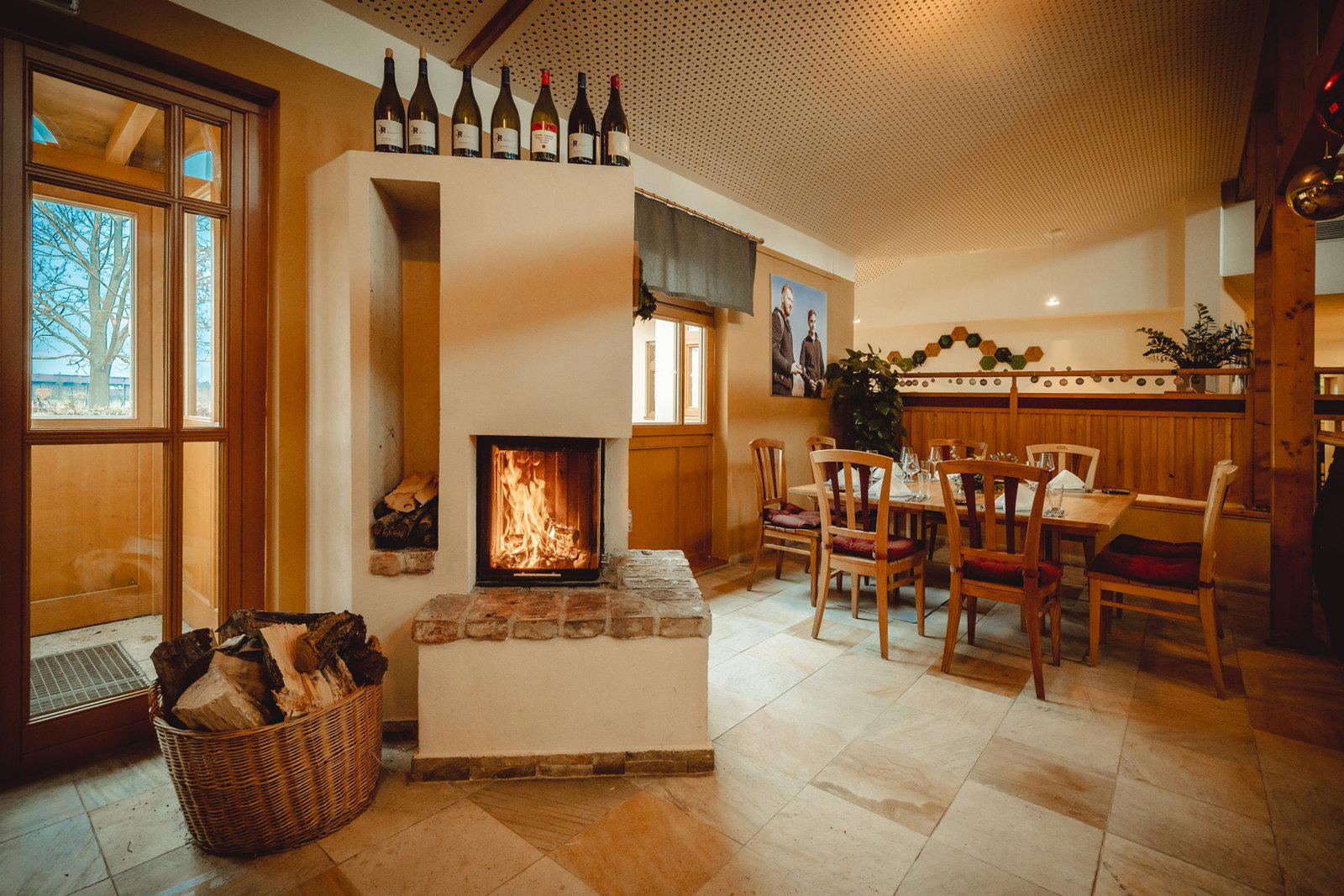
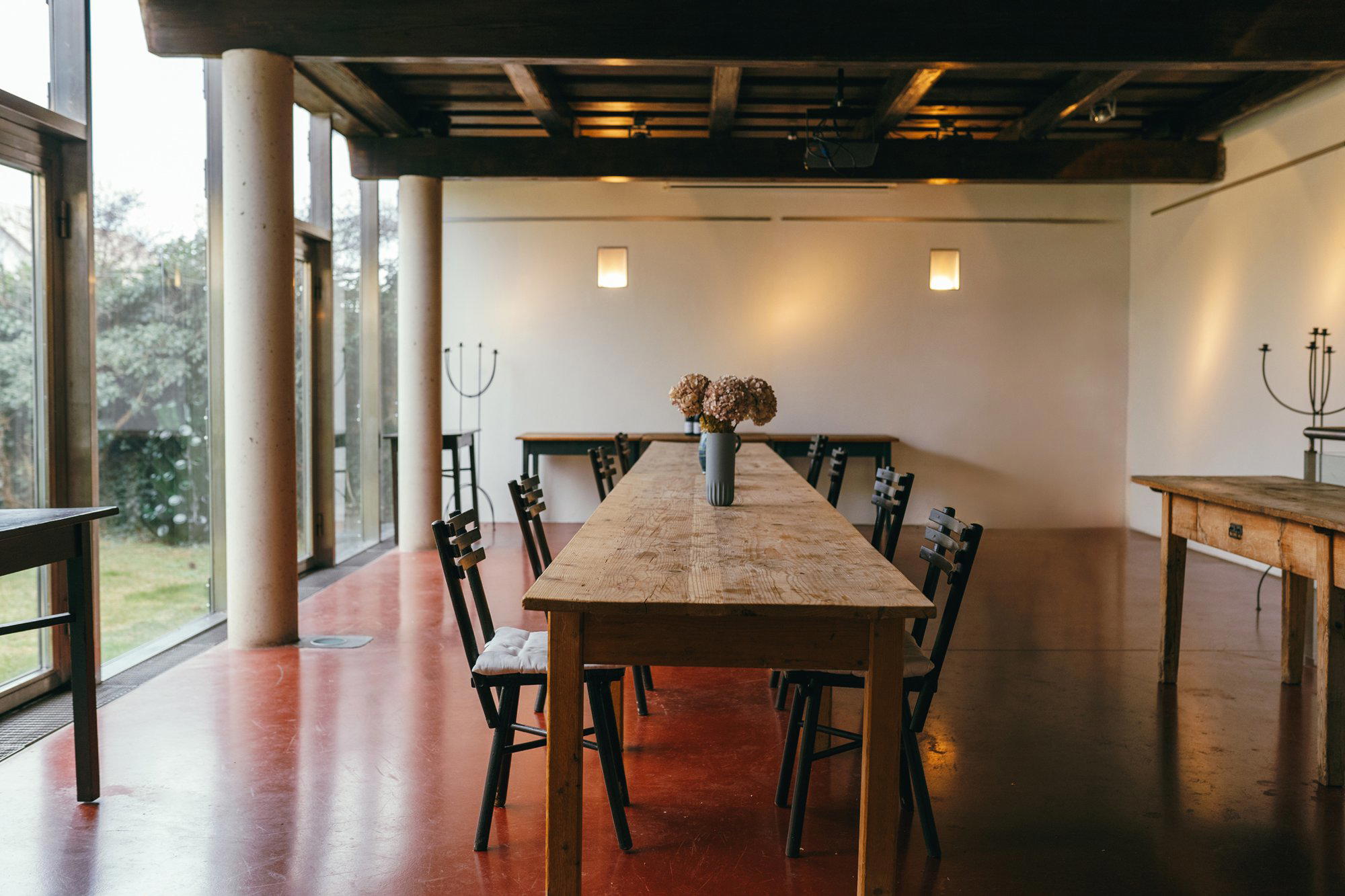
Homely living room-like atmosphere that allows guests to relax.