
Tabelog 100 #28
Our verdict
Pan Ju Kuon gives Atami a serious bread stop in a city more often judged by seafood, hot-spring inns, and station-area sweets. Its Tabelog Bread EAST “Tabelog 100” 2022 selection and low-spend format make it a useful counterpoint to Atami’s sit-down dining circuit: quick, ingredient-led, and better planned earlier in the day than late.

Pearl is the En Primeur Club membership app — saves, bookings, and concierge access live there. Same editors, same standards.
- Address
- 7-3 Tawarahoncho, Atami, Shizuoka 413-0011, Japan
- Phone
- +81 557-81-3310
- Hours
- Daily 8 AM–6 PM
- Website
- atamikuwon.wixsite.com
- Directions
- Get directions
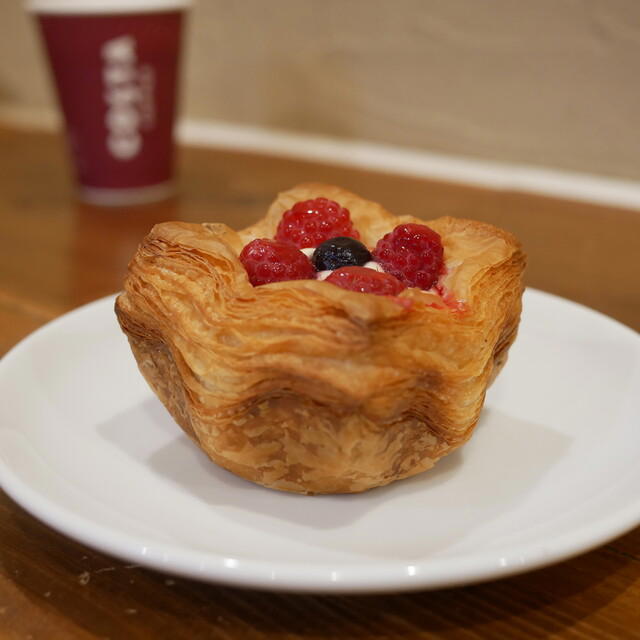
Atami has a different rhythm from the resort-town cliché. Luggage wheels, short visitor windows, and quick decisions shape the way people eat, and small food counters do brisk work before lunch has properly declared itself. In that setting, bread is not an afterthought; it is part of the city’s travel grammar, something bought before a transfer, carried back for later, or eaten between hot-spring appointments. Pan Ju Kuon belongs to that practical Atami as much as to the longer-meal version of the town.
That matters because Atami’s dining identity is often flattened into seafood and ryokan meals. The stronger read is more varied: a resort city with quick-service specialists, old Western-style restaurants, ramen counters, bakeries, and small cafés competing for short visitor windows. For a broader map, Our full Atami restaurants guide places this bread-and-café stop alongside dining rooms such as Ichiban, Scott (Shinkan), AIJU, and MUTSUKI. The comparison is useful precisely because the formats are not interchangeable: a bakery visit answers a different Atami need than a full meal.
Atami's bakery culture rewards early decisions
Japanese bakery culture has long treated bread as both daily staple and technical craft, with café influences absorbed into a domestic style that prizes variety by the tray. In a resort town, that variety has a logistical function. Visitors do not always want a formal lunch between trains, bathing schedules, and hotel check-in; they want something portable, accessible, and made with enough care to justify choosing it over default convenience.
Pan Ju Kuon’s recognition in Tabelog Hyakumeiten 2022 puts it in a bakery conversation rather than merely a neighbourhood snack category. Tabelog’s Hyakumeiten lists are not Michelin stars, but in Japan they carry a different signal: category-specific attention from a user-review ecosystem where bakeries, ramen shops, counters, and cafés are judged with granular seriousness. For bread, that kind of selection indicates consistency in a field where the competition includes small shops with loyal followings and fast sell-through patterns.
The quality angle here is less about named farms than about how Japanese bread shops express care through procurement discipline, handling, fillings, and the daily calibration of a case that must appeal to locals and travellers at once. Without a formal tasting-menu narrative, the craft is visible in format. Bread sits close to the customer, turnover matters, and the day’s selection is shaped by what sells. That is a different kind of luxury from a reserved counter meal; it depends on timing, repetition, and the bakery’s ability to make ordinary buying feel considered.
A small café format, not a destination dinner
The café format changes the way to read the place. This is a short-stay option in a city that often asks visitors to plan around transport, weather, and check-in times. The smarter use is not to force it into the role of a grand meal. Treat it as an Atami morning or midday anchor, especially when a later dinner or hotel meal would make a heavier lunch redundant.
That short-format role also explains the price-tier contrast with other sit-down choices. In Atami, other casual dining answers the quick-meal brief, while Ichiban and Scott (Shinkan) occupy more conventional sit-down meal territory in the local set. A bread-and-café shop with category recognition sits outside that ladder. It is not trying to compete course-for-course; it competes on convenience, daily craft, and the narrow pleasure of choosing bread in a town where many visitors are passing through rather than settling in for the night.
There is also a useful restraint in what can be said. No chef narrative or publicly fixed signature item is needed to define the case, so the editorial argument rests on category strength, recognition, and format rather than personality. That is often the more honest way to discuss bakeries in Japan. The customer’s decision is not whether to follow a chef story; it is whether to spend a limited Atami eating slot on bread from a shop with enough external validation to warrant planning around.
Where it fits in a sharper Atami itinerary
Atami works better when treated as a set of small, timed decisions rather than a single resort cliché. A bakery stop can sit before an Atami walk, before a ryokan check-in, or between trains when a full restaurant meal would be badly paced. Travellers building a fuller city plan can pair the restaurant guide with Our full Atami hotels guide, Our full Atami bars guide, Our full Atami wineries guide, and Our full Atami experiences guide to avoid treating food as an isolated errand.
For readers comparing Japanese casual specialists beyond Atami, the same principle applies across categories: format tells you how to use a place. A counter, a café, a bakery, a regional specialist, and a longer sit-down meal each demand a different slot in the day. The same is true outside Japan’s major tourist circuits, where quick-service addresses and destination dining rooms serve very different purposes. The useful question is never simply where to eat, but what job that stop performs in the day.
On that measure, Pan Ju Kuon has a clear role. It gives Atami a low-commitment, high-credibility bread stop with enough recognition to justify attention, but not the ceremony of a restaurant that has to control the evening. Go with a flexible plan, keep the visit practical, and treat the bakery case as part of Atami’s everyday food culture rather than a detour from it.
Frequently asked questions
Is Pan Ju Kuon okay with children?
Pan Ju Kuon is a bread-and-café stop in Atami, so it is best treated as a practical, casual visit. For any specific access or seating needs, confirm directly with the shop.
Is Pan Ju Kuon better for a quiet night or a lively one?
It is better understood as a bread-and-café stop than as a late-night plan. Build it into a daytime Atami itinerary rather than expecting a destination dinner format.
What's the pricing like at Pan Ju Kuon?
Pricing at Pan Ju Kuon is listed as - JPY 999 - JPY 999, with both dinner and lunch budget shown as - JPY 999.
What time does Pan Ju Kuon open and close?
Specific opening hours should be confirmed directly with Pan Ju Kuon before visiting.
Where is Pan Ju Kuon located?
Atami.
What's Pan Ju Kuon best at?
Bread is the clear focus here. Pan Ju Kuon is listed in the Bread and Cafe categories and was recognized in Tabelog Hyakumeiten 2022.
Side-by-Side Snapshot
Comparable venues by cuisine and price in the same metro.
| Venue | Cuisine | Price | Awards | Notes |
|---|---|---|---|---|
| Pan Ju KuonThis venue — the venue you are viewing | Japanese Bakery Café | Not listed | Tabelog 100 #28 | Not listed |
| Ichiban | Chinese Restaurant | Not listed | Tabelog 100 #97 | Sakimicho |
| Chuka Soba Uosei | Artisanal Niboshi Shoyu Ramen | $10–20 | Tabelog 100 #1 | Ajiro |
| Scott (Shinkan) | Classic Yoshoku (Japanese-style Western) | $50–100 | Tabelog 100 #37 | .渚町 (Nagisacho), Atami |
| Tonjinchi (貪瞋癡) | Himi niboshi ramen & casual dining bar | $1–10 | Tabelog 100 #52 | Himi |
| 屋宜家 | Traditional Okinawan Soba | $10–20 | Not listed | 八重瀬町大頓 |
Recognition history
Dated appearances from independent guides and award organizations, with the underlying list record or original source where available.
Tabelog 100 #28 · No. 28
Tabelog · Tabelog 100 - Bread - EAST - 2022




Details
- Cozy
- Classic
- Solo
- Family
- Casual Hangout
- Standalone
- Street Scene
- A La Carte
- Counter Dining
Current opening hours
- Monday
- 8 AM–6 PM
- Tuesday
- 8 AM–6 PM
- Wednesday
- 8 AM–6 PM
- Thursday
- 8 AM–6 PM
- Friday
- 8 AM–6 PM
- Saturday
- 8 AM–6 PM
- Sunday
- 8 AM–6 PM
Hours can change for holidays and private events. Last verified .
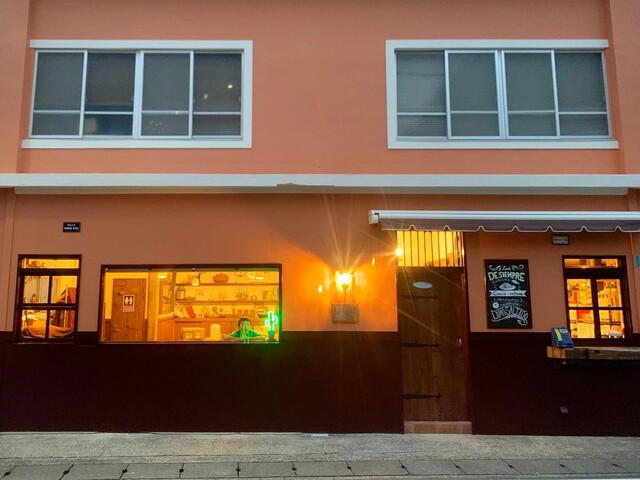
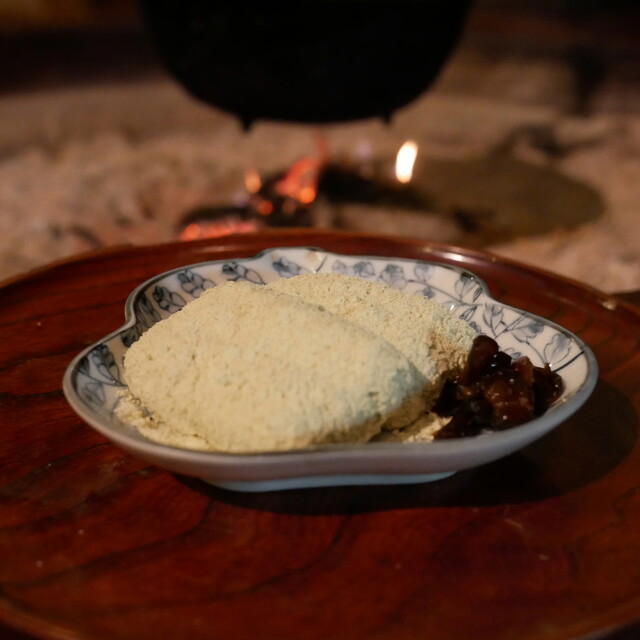
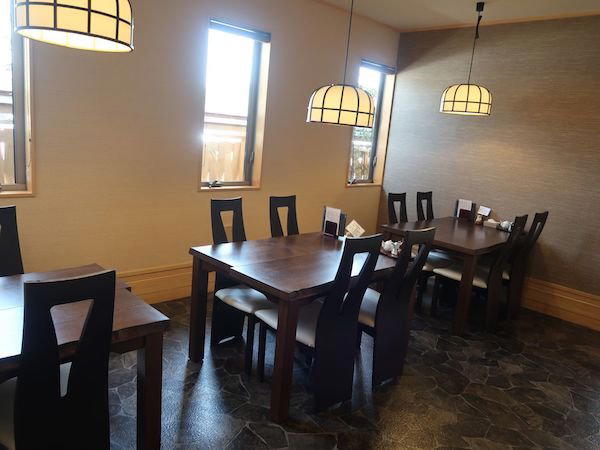
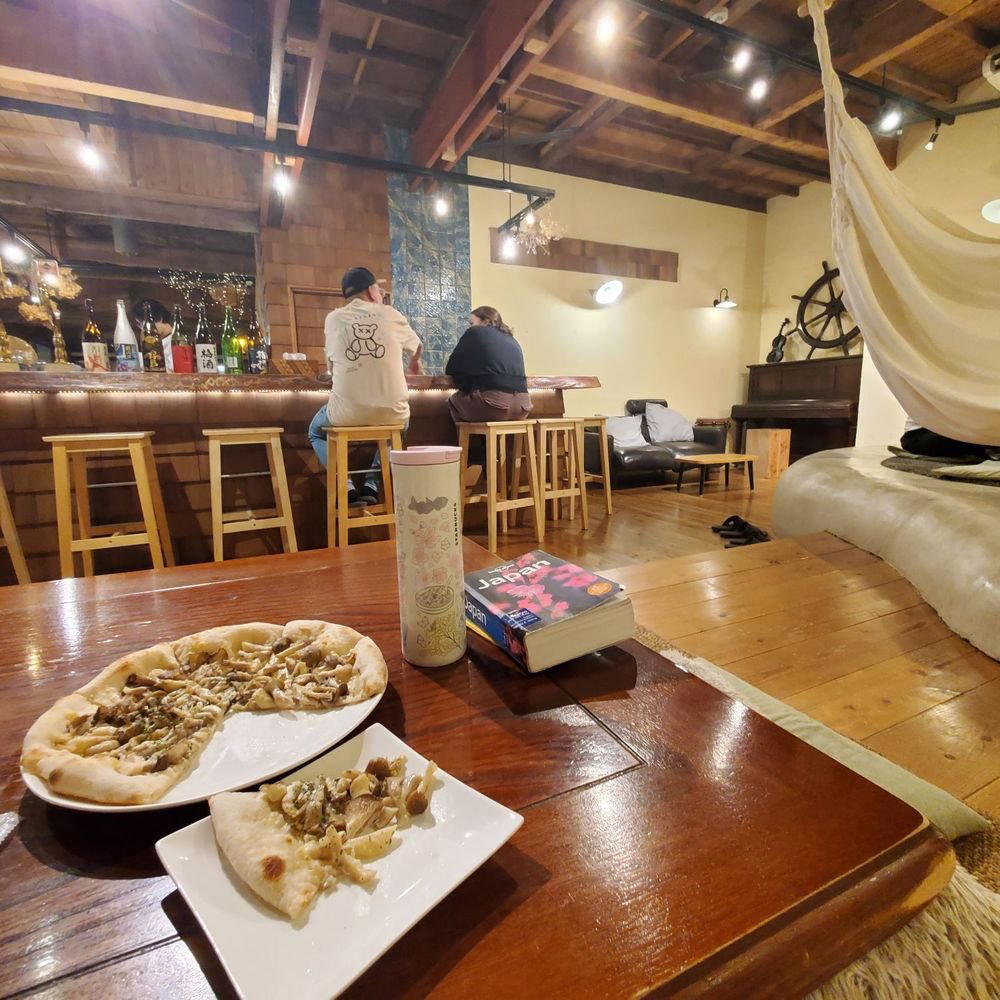
Simple, relaxed, and casual bakery-cafe atmosphere with a small-house feel and a focus on fresh bread rather than formal dining.