
Tabelog 100 #37
Our verdict
Scott (Shinkan) is Atami’s yoshoku address for travelers who read the city through its old resort appetite rather than through sushi alone. Its Tabelog 100 - Yoshoku - EAST - 2025 selection, 30-seat scale, and focus on hamburger steak and steak place it in a compact, tradition-minded tier of Japanese-style Western dining.

Pearl is the En Primeur Club membership app — saves, bookings, and concierge access live there. Same editors, same standards.
- Address
- 静岡県熱海市渚町10-13
- Phone
- +81557819493
- Website
- restaurant-scott.com
- Directions
- Get directions
The menu
What to order
- 盛り合わせの前菜 assorted appetizers
- オニオングラタンスープ onion gratin soup
- カニのクレープ包みコロッケ crab crepe croquettes
- アワビのコキュール abalone coquille
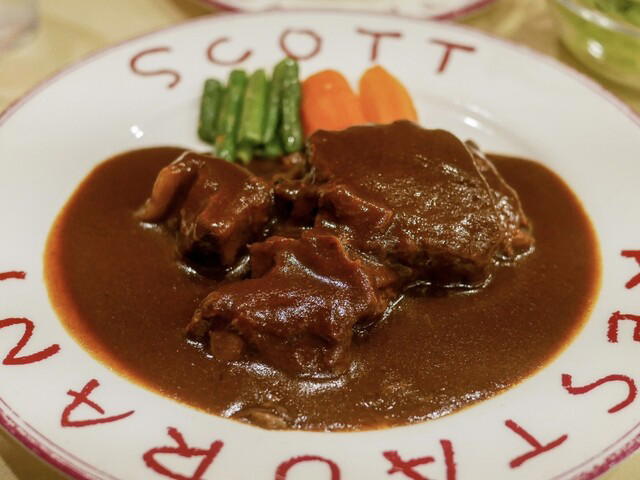
- ビーフシチュー beef stew
- ババロア bavarois dessert
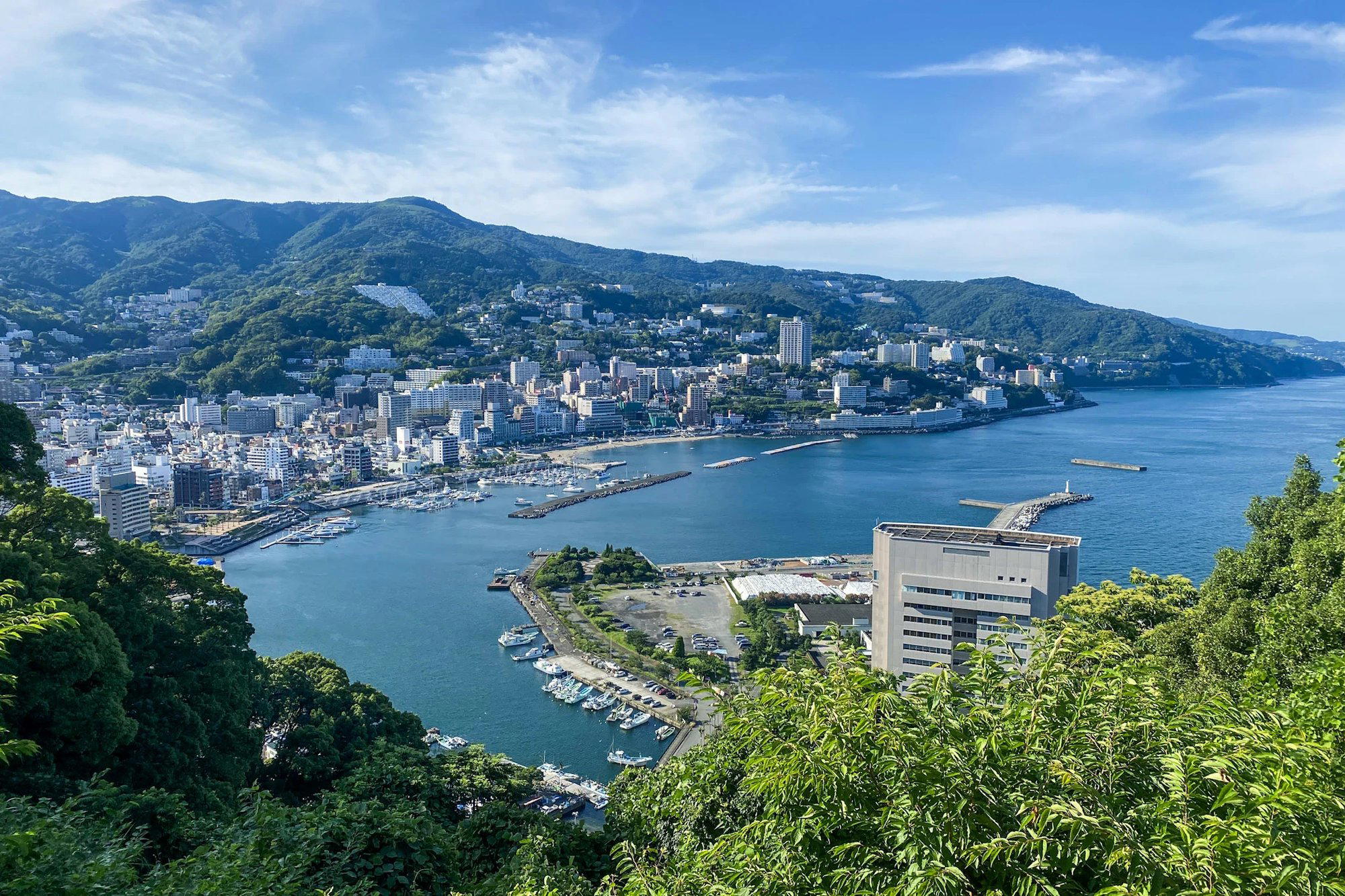
Approaching Atami, the mood shifts from station-front transit to seaside resort town: low-rise streets, old leisure architecture, and restaurants that speak to visitors who came for hot springs but stayed long enough to eat properly. Yoshoku belongs naturally in this setting. It is not imported Western cooking in a literal sense, but a Japanese restaurant language built from demi-glace, cutlets, hamburger steak, rice, sauces, and grill work adapted across more than a century of urban dining.
Scott (Shinkan) sits inside that tradition rather than outside it. The point is not novelty. The point is continuity, especially in a city where the meal often has to satisfy several generations at once: parents after a ryokan check-in, grandparents who prefer familiar formats, younger diners comparing regional ramen, bakeries, and counter restaurants across a short trip. For a broader map of that range, Our full Atami restaurants guide is the better starting point, with nearby contrasts such as Chuka Soba Uosei (Ramen), Ichiban, Pan Ju Kuon, AIJU, and MUTSUKI showing how compact Atami’s dining field can be.
Yoshoku in Atami is comfort cooking with a serious supply chain
Ingredient sourcing matters in yoshoku because the cooking exposes weaknesses quickly. Hamburger steak and steak do not hide behind ceremony; texture, fat, sauce, and heat control carry the meal. In resort cities, that can divide restaurants into two camps: places feeding passing traffic, and places where the genre is treated as a craft category with its own standards. Scott (Shinkan)’s 2025 Tabelog Hyakumeiten recognition places it in the latter conversation, not as fine dining theatre, but as a recognized address within Japanese-style Western cooking.
That recognition is useful because yoshoku is often underestimated by visitors who arrive in Japan with a checklist built around sushi, kaiseki, ramen, and tempura. The better reading is historical: yoshoku is where Japan absorbed Western restaurant forms and rebuilt them around local expectations of rice, sauce, portion, and balance. In Atami, the genre also suits the rhythm of a hot-spring town. It is composed enough for a planned meal, relaxed enough for friends, and familiar enough for mixed-age tables.
The categories tell the story cleanly: Yoshoku, hamburger steak, and steak. This is not a single-track beef house; it is a Japanese Western restaurant where grilled meat and sauce-led cooking can carry the table. Compared with Pan Ju Kuon’s bakery focus or Chuka Soba Uosei’s ramen focus, the Shinkan occupies a more deliberate sit-down bracket. Alongside Ichiban and other dining in Atami, it reads as a mid-priced yoshoku meal rather than a maximalist splurge format.
The room suits a resort city that values familiarity over spectacle
Atami’s dining identity is not driven by one dominant cuisine. It is a patchwork of ryokan meals, casual noodles, cafés, seafood addresses, bakeries, and long-running neighborhood restaurants serving travelers who may only be in town for one night. That makes format important. A yoshoku room has a different role from a ramen counter or pastry stop: it can hold a full lunch or dinner without asking the table to decode a tasting menu.
The appeal points toward a straightforward dining-room experience rather than a closed-door occasion meal. That matters in Atami, where many visitors are already splitting time between baths, hotel check-ins, seaside walks, and transport windows. The restaurant’s appeal is strongest when the meal is allowed to be part of the city’s older leisure culture, not treated as a detour from it.
There is a wider travel pattern here. Premium Japan itineraries increasingly pair small-city meals with tighter cultural planning: a serious lunch, a ryokan stay, a drink later, a craft or coastal experience the next day. Atami can support that rhythm, but only if diners resist treating it as a satellite of Tokyo. Use Our full Atami hotels guide, Our full Atami bars guide, Our full Atami wineries guide, and Our full Atami experiences guide to build the trip around the city rather than around a single reservation.
Where Scott fits among regional comfort-food destinations
The more interesting comparison is not with luxury tasting counters, but with Japan’s specialist comfort formats. Across the country, everyday categories can become serious destinations: beef-focused rooms, charcoal-led counters, curry specialists, bakery stops, ramen shops, and other compact formats that refine one familiar idea until it becomes worth planning around.
Scott (Shinkan) belongs to that same logic, but with yoshoku as the anchor. Its reputation rests on a cuisine that rewards sourcing discipline and repetition rather than constant reinvention. For travelers coming from abroad, that makes it a useful corrective to a narrow Japan dining plan. Yoshoku is not a fallback when sushi is unavailable; it is a separate tradition with its own benchmarks, and the 2025 Tabelog Hyakumeiten recognition gives this Atami address a clear signal inside that field.
That frame also travels beyond Japan. Abroad as well as in Japan, diners increasingly parse Japanese food into sharper categories: sake bar, rice-ball specialist, counter snack, regional comfort food. Atami’s version is older and quieter. It asks less of the diner, but not less of the kitchen.
The editorial case is simple: choose this meal when the trip needs a grounded, recognizably Japanese form of Western cooking rather than another seafood or noodle stop. In a city built around repeat leisure, that kind of restaurant often explains more about local appetite than a flashier table ever could.
Frequently asked questions
Does Scott (Shinkan) work for a family meal?
It can, especially at lunch, when the listed budget is JPY 3,000 - JPY 3,999. The yoshoku format can suit mixed-age tables better than more specialized meals in Atami.
How would you describe the vibe at Scott (Shinkan)?
In Atami terms, it reads as a practical yoshoku stop rather than a highly formal dining room, with the appeal centered on familiar Japanese-style Western cooking.
What should I budget for a meal at Scott (Shinkan)?
Pricing at Scott (Shinkan) is listed as JPY 3,000 - JPY 3,999.
Where is Scott (Shinkan) located?
Atami.
How hard is it to get a table at Scott (Shinkan)?
Plan with normal meal-time demand in mind, especially because Scott (Shinkan) is a recognized yoshoku address in a compact resort city.
What has Scott (Shinkan) built its reputation on?
Its reputation rests on yoshoku, with hamburger steak and steak listed alongside it, plus 2025 Tabelog Hyakumeiten recognition. That puts it in the conversation for Atami addresses where Japanese-style Western cooking is taken seriously rather than treated as nostalgia.
A Quick Peer Check
Comparable venues by cuisine and price in the same metro.
| Venue | Cuisine | Price | Awards | Notes |
|---|---|---|---|---|
| Scott (Shinkan)This venue — the venue you are viewing | Classic Yoshoku (Japanese-style Western) | $50–100 | Tabelog 100 #37 | Not listed |
| Chuka Soba Uosei | Artisanal Niboshi Shoyu Ramen | $10–20 | Tabelog 100 #1 | Ajiro |
| Ichiban | Chinese Restaurant | Not listed | Tabelog 100 #97 | Sakimicho |
| Pan Ju Kuon | Japanese Bakery Café | Not listed | Tabelog 100 #28 | Tahara Honcho |
| Ueno (うえの) | Traditional Japanese Anagomeshi | $20–30 | Not listed | Miyajimaguchi |
| Wabiya Korekidou (侘家古暦堂 祇園花見小路本店) | Traditional Yakitori & Oyakodon | $30–50 | Tabelog 100 #4 | Gion |
Recognition history
Dated appearances from independent guides and award organizations, with the underlying list record or original source where available.
Tabelog 100 #37 · No. 37
Tabelog · Tabelog 100 - Yoshoku - EAST - 2025
Details
- Classic
- Cozy
- Well Known
- Intimate
- Date Night
- Business Dinner
- Group Dining
- Special Occasion
- Historic Building
- Standalone
- Extensive Wine List
- A La Carte
- Wine
- Sake
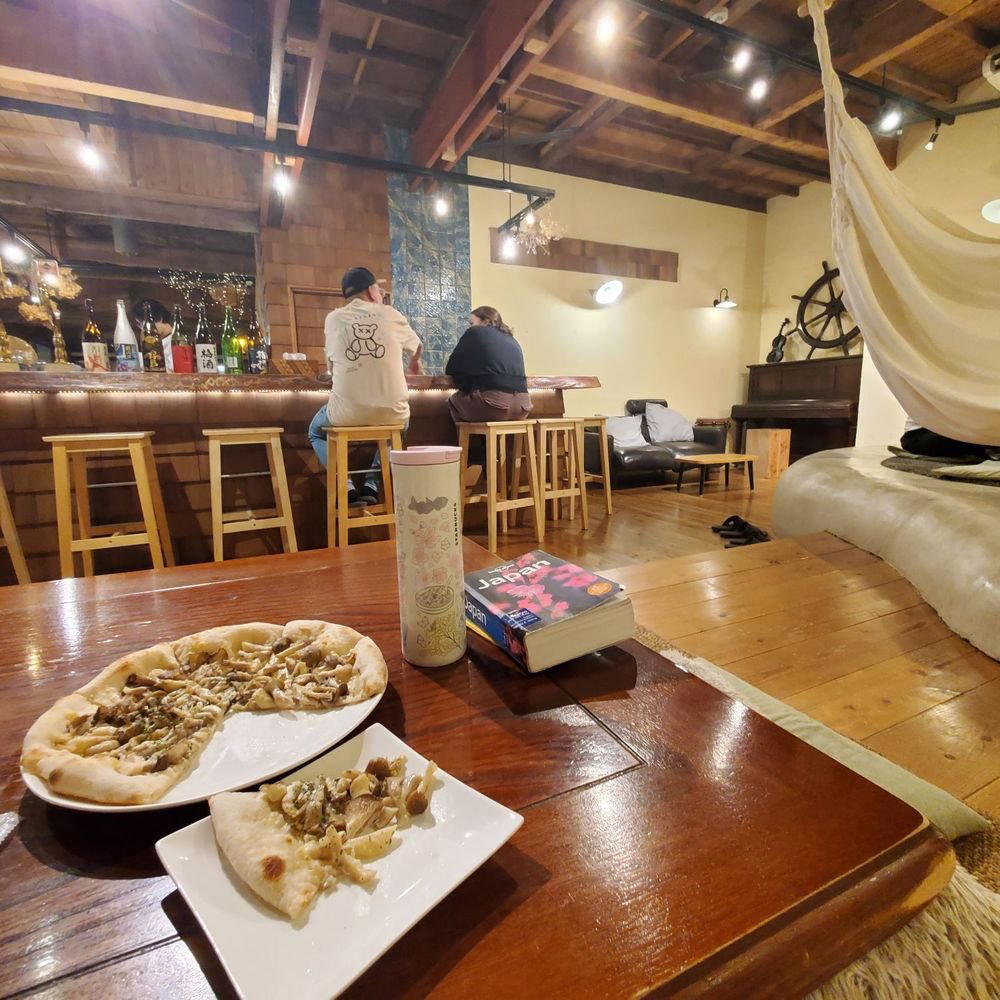
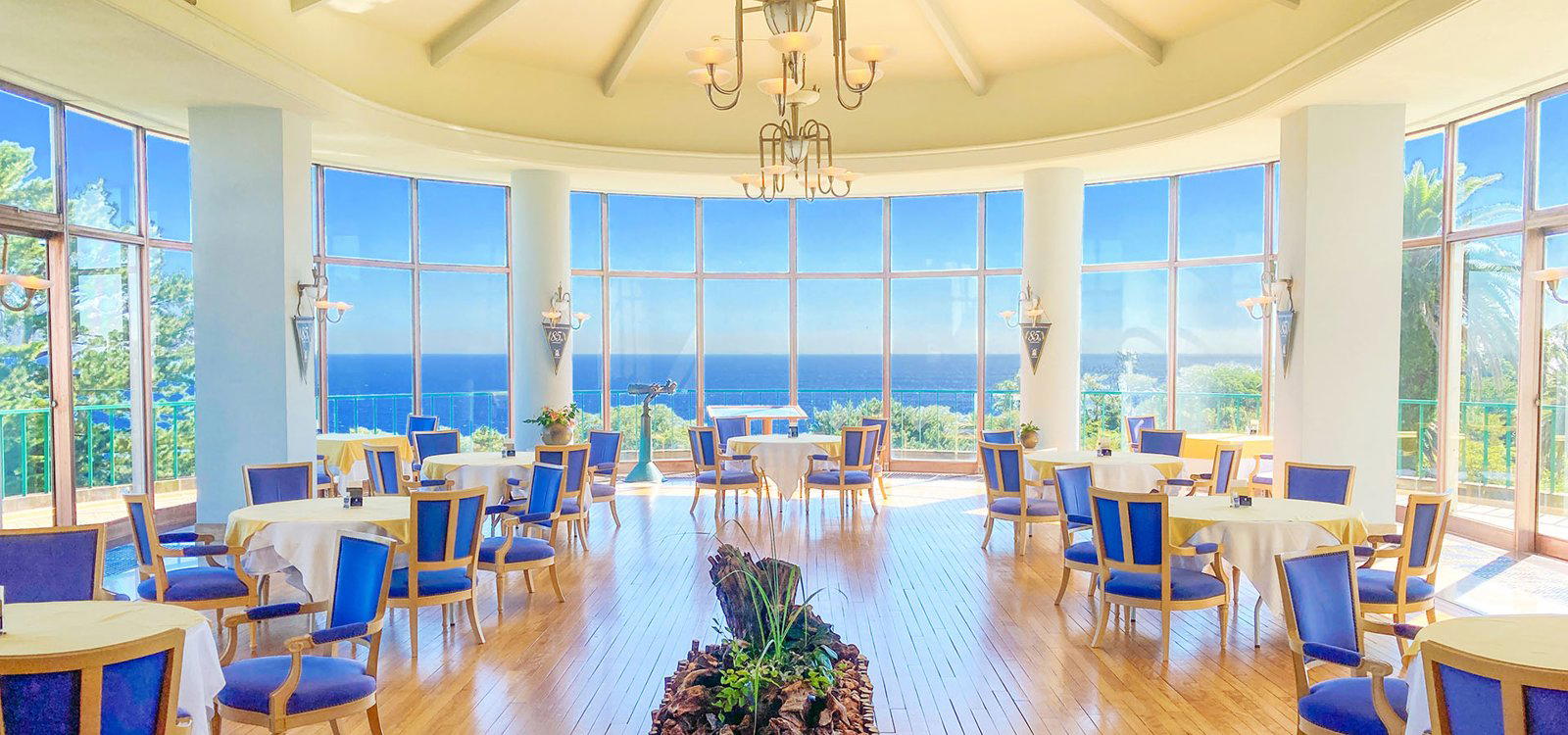
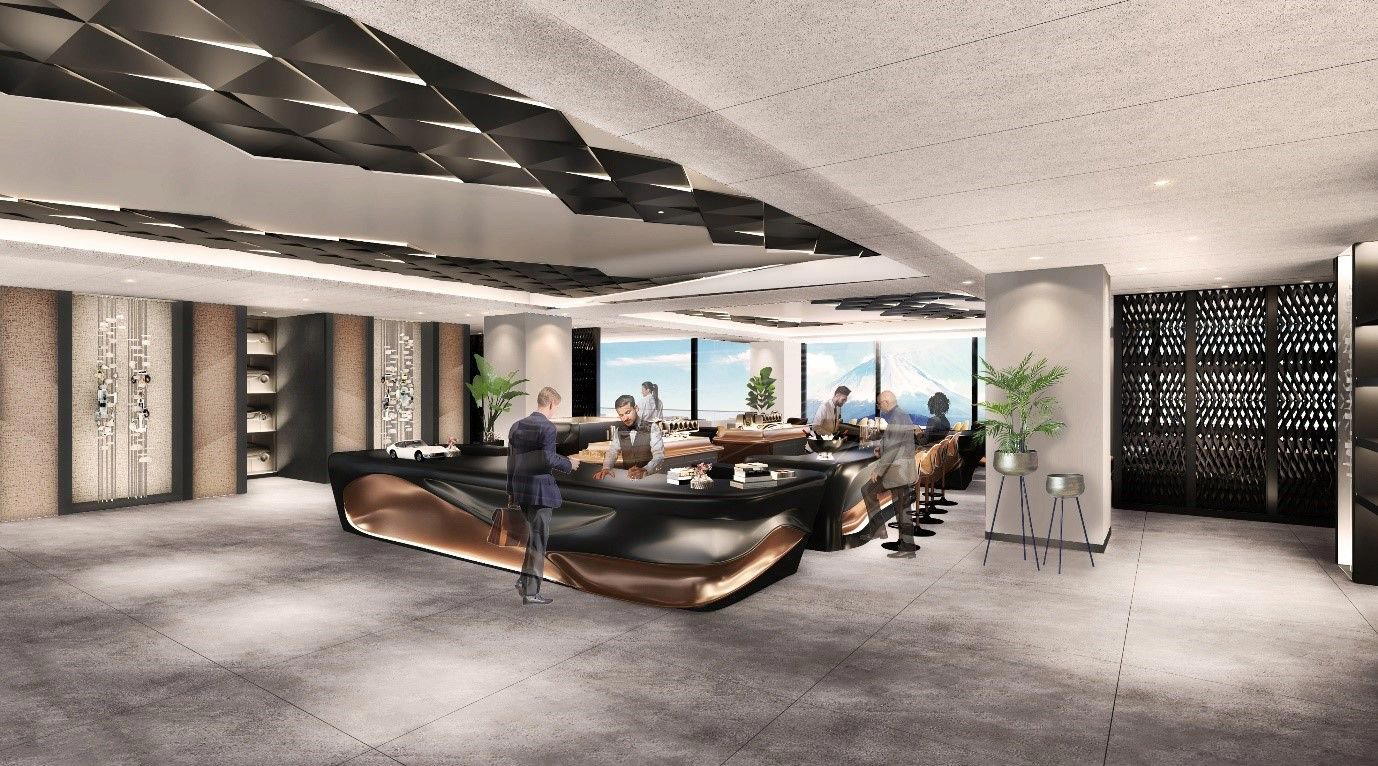
Atmosphere is that of a long-established yoshoku house: modest, quiet and non-smoking, with a cozy dining room of under 40 seats that feels nostalgic and classic rather than modern.