Paligo Palata sits on Horgoški put at the edge of Palić, a lakeside town in Serbia's Vojvodina region where the flat agricultural plain meets a tradition of relaxed, ingredient-led eating. The address places it within a dining culture shaped by proximity to some of the country's most productive farmland, where the distance between field and plate is shorter than almost anywhere else in Serbia.
Pearl is the En Primeur Club membership app — saves, bookings, and concierge access live there. Same editors, same standards.
- Address
- Horgoški put 85, Palić, Serbia
- Phone
- +381666530381
- Website
- paligopalata.rs
- Directions
- Get directions
 Saves & bookings on Pearl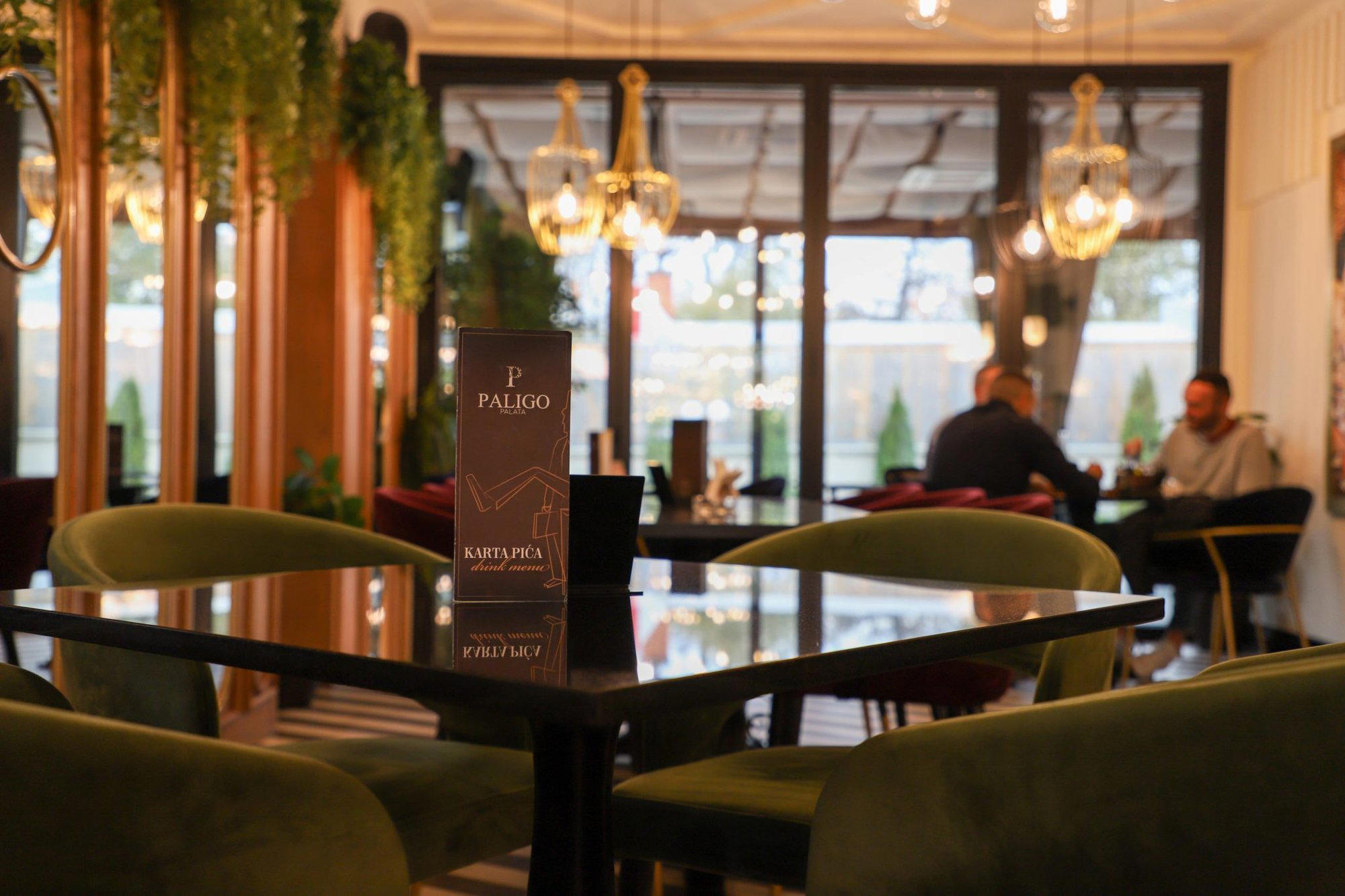
Where the Vojvodina Plain Arrives at the Table
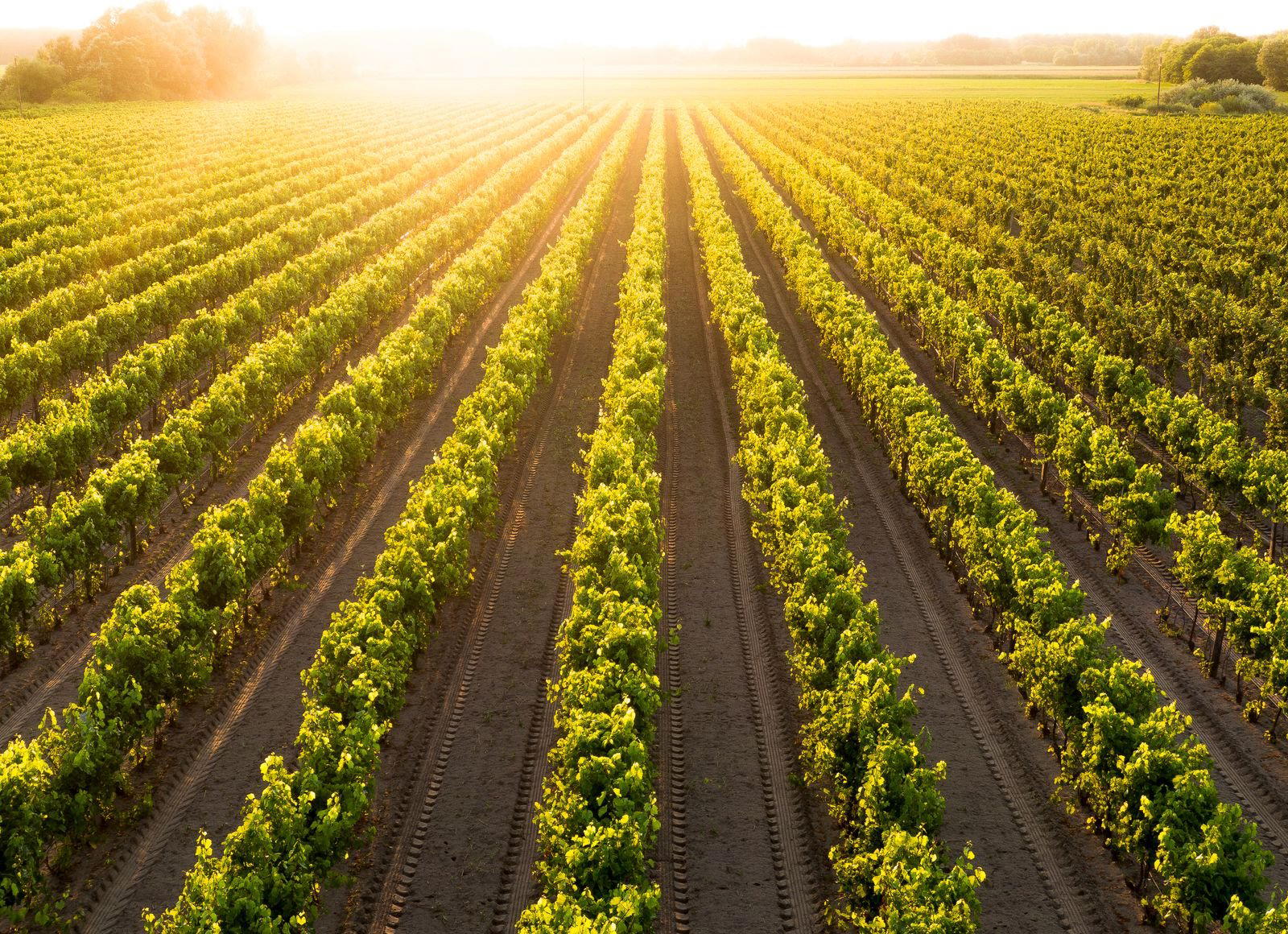
Paligo Palata is a restaurant in Palić, Serbia, where Serbian and International cooking is served at an average price of about $20 per person. Palić is the kind of place that takes a moment to read correctly. From the outside, this small lakeside resort town near Subotica in northern Serbia looks like a leisure destination, rowing boats, a century-old spa park, the unhurried pace of a summer weekend. But the food culture operating around it is shaped by something more structural: Vojvodina is Serbia's agricultural engine, a flat, fertile region that produces wheat, sunflower, corn, paprika, and some of the country's most serious pork and poultry. Restaurants here don't import an ingredient story from somewhere else. The story is already under their feet.
Paligo Palata, addressed at Horgoški put 85, sits at this intersection. The road itself is instructive, Horgoški put runs northeast toward Horgoš and the Hungarian border, passing through exactly the kind of open farmland that defines what ends up on Vojvodina tables. The physical position of a restaurant on a road like this is rarely accidental in a region where sourcing proximity remains a practical reality rather than a marketing claim.
The Vojvodina Sourcing Model and Why It Matters
To understand what any serious restaurant in this part of Serbia is working with, it helps to understand the regional supply chain. Vojvodina's agriculture is not artisanal in the Provençal sense, it operates at scale, with large cooperative farms and a food-processing tradition that goes back to Austro-Hungarian administration. What this means for restaurants is access to consistently high-quality raw material at a price point that allows kitchens to cook generously without reducing portion integrity to manage costs.
The paprika connection is worth isolating. This region sits at the northern edge of a Balkan paprika corridor that runs south through Serbia and into North Macedonia. Fresh and dried peppers, in their many local forms, appear throughout Vojvodina cooking as a seasoning base rather than an accent, a fundamentally different role than the way paprika functions in, say, a Budapest restaurant operating for international tourists. Local fish from Lake Palić and the nearby Tisa river system complete the picture of a kitchen with no need to reach far for its primary materials.
This sourcing model connects Palić's restaurant scene to a wider pattern visible across Serbia's provincial dining culture. Restaurants like ČARDA ZLATNA KRUNA in Apatin operate on the Danube with direct access to freshwater fish. Etno Kuća Dinar in Vrsac draws on the fruit orchards and wine culture of Banat. What connects these places is not a shared menu but a shared logic: the region determines the plate.
The Physical Setting at Horgoški put
The address on Horgoški put places Paligo Palata outside the more tourist-oriented core of Palić, which concentrates around the spa park and the lake's northern shore. This peripheral position is consistent with a category of Serbian restaurant that serves local regulars as its primary audience rather than weekend visitors passing through. In Vojvodina specifically, the leading eating has historically happened at addresses that don't announce themselves with lakeside terraces or resort-adjacent signage.
The broader Palić setting rewards the effort of finding these addresses. The lake itself, around five square kilometres, is ringed by a park infrastructure built in the late nineteenth century when the area functioned as a resort for the Austro-Hungarian bourgeoisie. That heritage is still readable in the architecture, the water tower, the grand hotel ruins, the symmetrical park plantings. A restaurant operating at the edge of this environment inherits a visual context that is more Central European than Balkan, which is itself part of Vojvodina's particular character as a multi-ethnic, historically hybrid region.
How Palić Sits Within Serbia's Wider Dining Picture
Serbia's restaurant scene has diversified considerably over the past decade. In Belgrade, the shift toward technique-led modern cooking is visible at places like Langouste, which operates at the summit of the capital's price tier with a format built around sourced ingredients and kitchen precision. Provincial Serbia runs on a different register, not lesser, but calibrated to different expectations around portion scale, informality, and the relationship between price and abundance.
Palić sits in this provincial category with some regional specificity. It is not a remote mountain village restaurant like Kafana Pećinar Ljubiš in Cajetina or a riverside fish specialist like Kafana Studenac in Bajina Basta. Its context is the flat agricultural north, with different produce rhythms and a culinary identity shaped as much by Central European influence as by the Serbian kitchen traditions that dominate further south.
That Central European layer matters. Subotica, the nearest city, has a significant Hungarian population and a food culture that introduces goulash variants, stuffed cabbage preparations, and pastry traditions not common in southern Serbia. A restaurant operating within this orbit is likely drawing on that repertoire as a natural part of its regional cooking rather than as a themed gesture. For reference, the contrast with something like ETNO PODRUM BRKA in Nis or Koliba Etno Restoran in Leskovac is instructive, those restaurants operate within a distinctly southern Serbian and Balkan register, where the flavour language is different and the produce sources are different again.
Planning a Visit
Palić is accessible from Subotica, approximately five kilometres to the south, and sits within reasonable driving distance of Novi Sad, where Kafe Restoran Maša represents the kind of urban mid-market dining that characterises Serbia's second city. The Horgoški put address is best reached by car, which aligns with how most visitors arrive at Palić in any case. For those travelling to the region from farther afield, the broader Vojvodina circuit can include stops at Lovački dom in Valjevo or Windmill in Pancevo as part of a wider Serbian route.
For those building a longer Serbia itinerary that takes in contrasting restaurant cultures, the range runs from Aleksandar Gold in Uzice in the west to KAFANA DUKAT in Pirot near the Bulgarian border. At the other end of the formality scale entirely, Le Bernardin in New York City and Atomix in New York City represent reference points for what sourcing discipline looks like when filtered through a different level of technical resource, a useful comparison for understanding what provincial Serbian cooking does with similar ingredient quality and less kitchen infrastructure.
Comparable Spots, Quickly
Comparable venues nearby, for context on price, style, and recognition.
| Venue | Cuisine | Price | Notes |
|---|---|---|---|
| Paligo PalataThis venue — the venue you are viewing | Serbian and International | $$ | Not listed |
| Barrel House | Modern Serbian & International Grill | $$ | Old Dorćol |
| RESTORAN OPERA | Serbian & International | $$ | Stari Grad |
| Filter | Modern Cafe & Breakfast | $$ | Belgrade |
| Dušanovački Cvet | Traditional Serbian | $$ | Dušanovac |
| Vila Gospava | Serbian Traditional | $$ | Savski Venac |
Continue exploring
More in Palic
Restaurants in Palic
Browse all →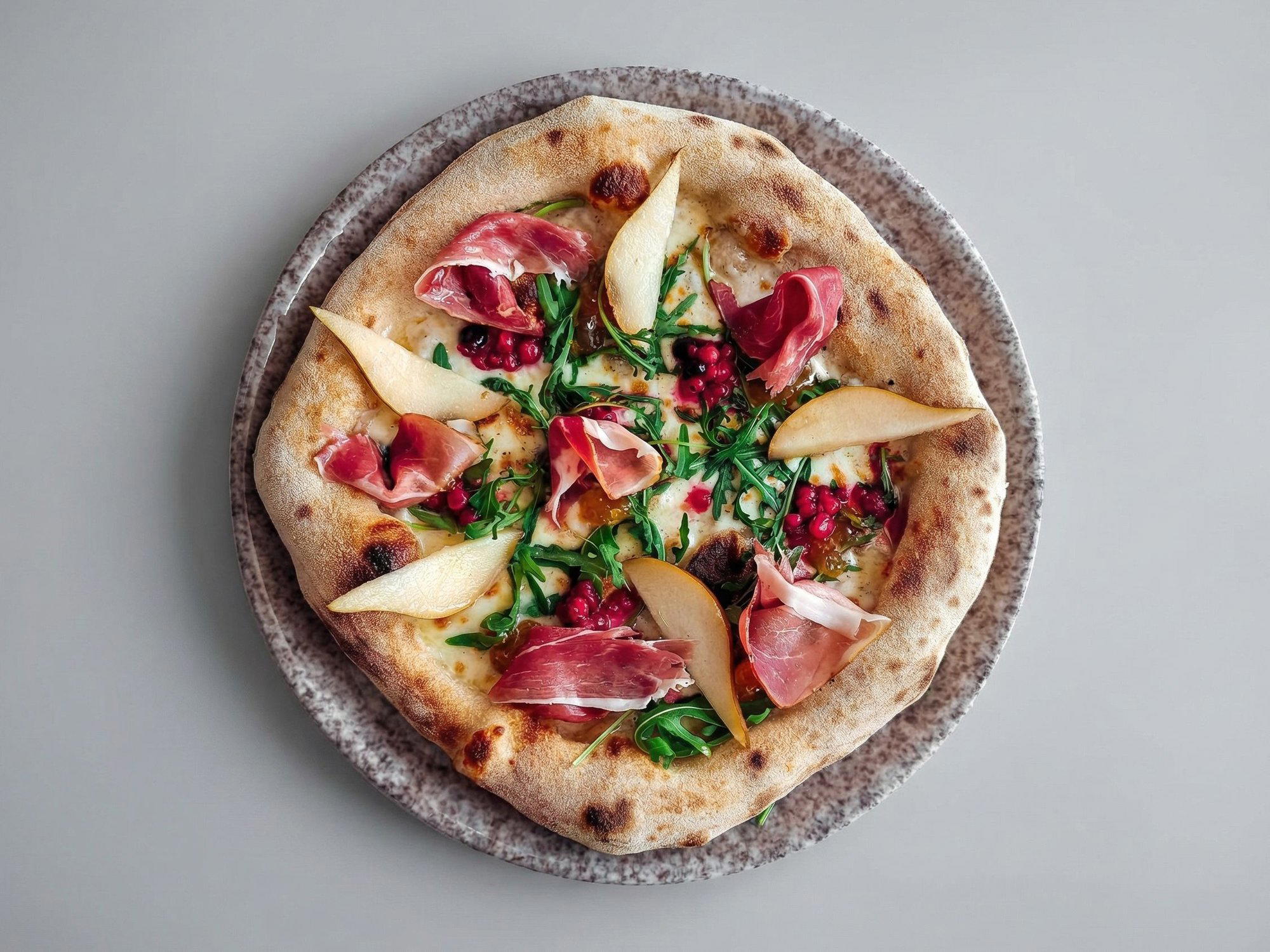

At a Glance
- Rustic
- Cozy
- Family
- Casual Hangout
- Business Dinner
- Local Sourcing
Current opening hours
- Monday
- 8 AM–10 PM
- Tuesday
- 8 AM–10 PM
- Wednesday
- 8 AM–10 PM
- Thursday
- 8 AM–10 PM
- Friday
- 9 AM–11 PM
- Saturday
- 9 AM–11 PM
- Sunday
- 9 AM–10 PM
Hours can change for holidays and private events. Last verified .
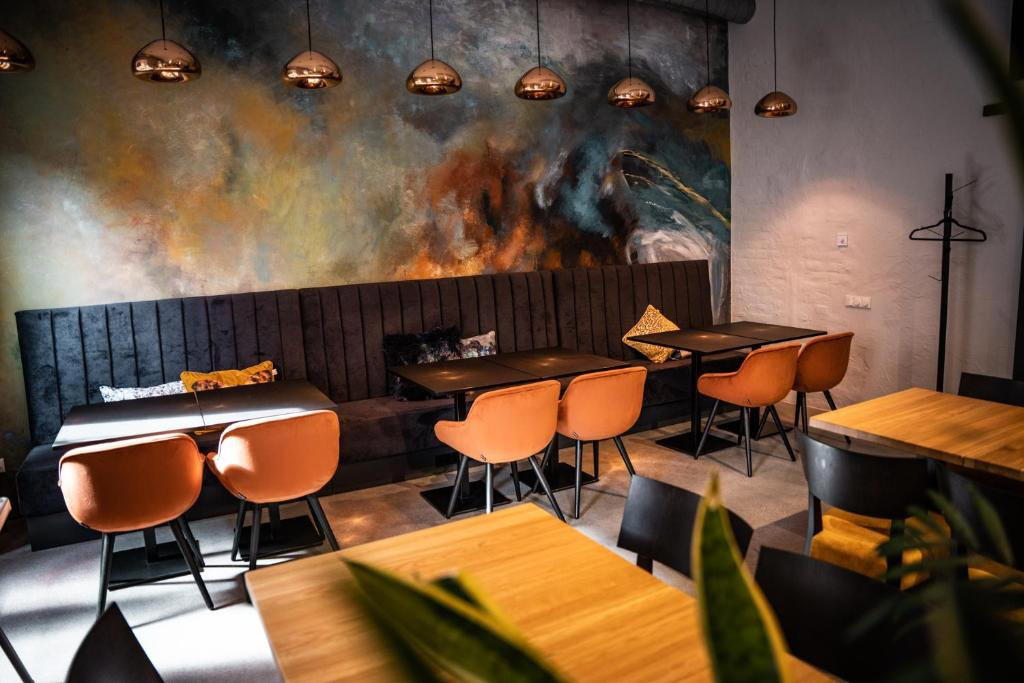
Inviting and magical with friendly service, suitable for relaxed lunches and lazy afternoons.