On Roosevelt Square in the heart of Szeged, Roosevelt téri halászcsárda carries forward the city's most defining dining tradition: the halászcsárda, or fisherman's inn, built around the slow-cooked fish soups of the Tisza river culture. The address places it within easy reach of Szeged's historic centre, making it a practical and characterful entry point into the region's fish-forward table customs.
Pearl is the En Primeur Club membership app — saves, bookings, and concierge access live there. Same editors, same standards.
- Address
- Szeged, Roosevelt tér 14, 6720 Hungary
- Phone
- +3662555980
- Website
- sotarto-halaszcsarda.hu
- Directions
- Get directions
 Saves & bookings on Pearl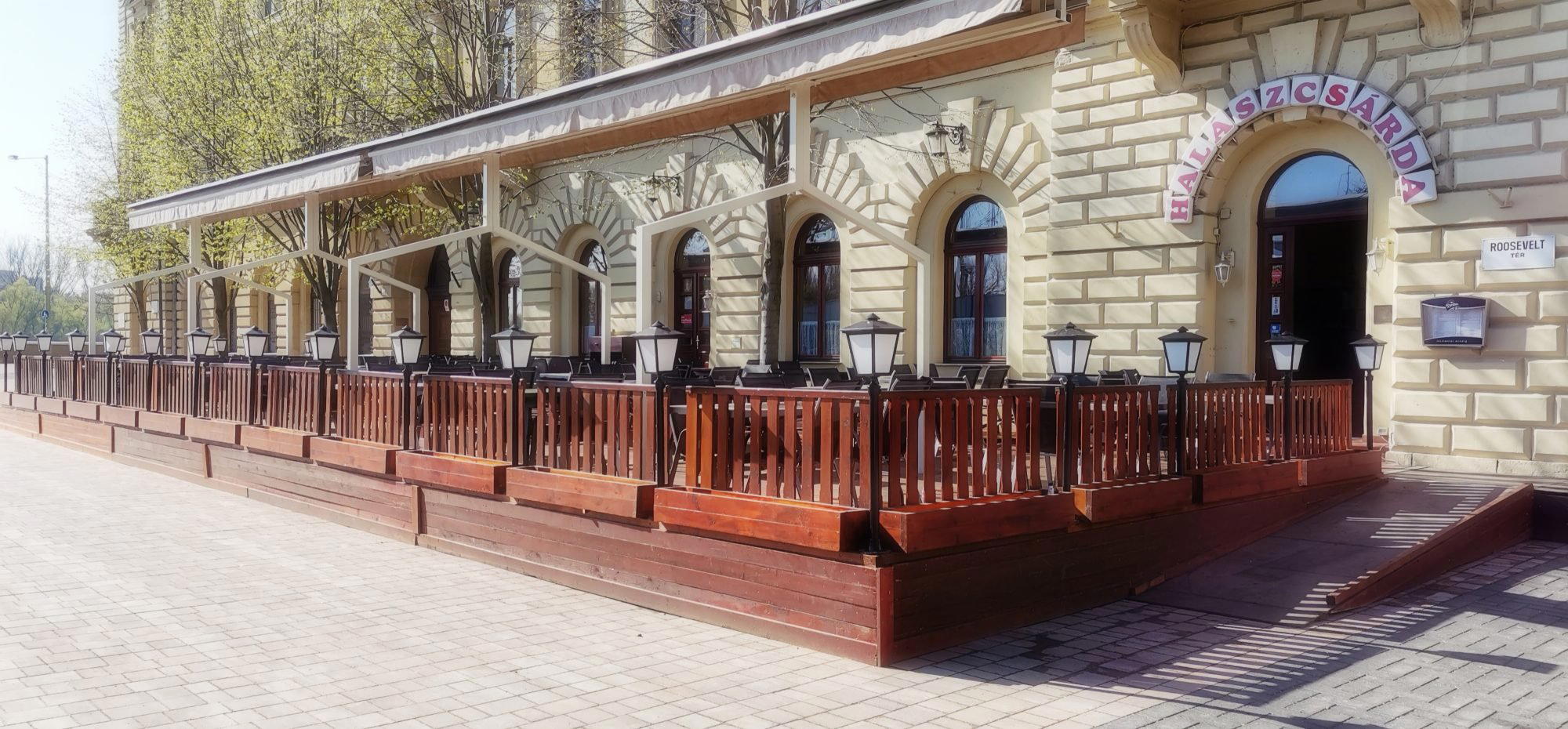
Where the Tisza Comes to the Table
Szeged's relationship with freshwater fish cookery is not incidental. The city sits at the confluence of the Tisza and Maros rivers, and for centuries that geography shaped what people ate, how they cooked it, and what they called the places where they gathered to eat. The halászcsárda, literally the fisherman's inn or fisherman's tavern, is the institutional form that tradition produced: informal in setting, deliberate in ritual, and anchored by a single dish that has become practically synonymous with the city itself.
That geography still matters to anyone trying to understand what kind of meal to expect here. The halászcsárda format, as practised across the southern Great Plain, is not a restaurant in the contemporary sense. It does not organise itself around a tasting progression or a chef's personal statement. It organises itself around a communal ritual: the production and consumption of halászlé, the Hungarian fisherman's soup, cooked over open flame, served in the pot or in deep bowls, and eaten at a pace that resists hurrying. Coming in expecting à la carte refinement, or the kind of modernist plating you find at Tiszavirág or the ambitious regional cookery of Alkimista Kulináris Műhely, would be a category error. The halászcsárda format is its own thing, governed by different expectations.
The Ritual of Halászlé
Hungarian fisherman's soup divides into two main regional schools, and the distinction matters. The Budapest style tends toward a smooth, strained broth. The Szeged style is thicker, more paprika-forward, and less filtered, a soup that carries visible texture and depth from the slow-cooked fish stock base. Szeged's claim to the definitive version is not merely civic pride; it reflects real differences in technique and ingredient hierarchy. Freshwater fish from the Tisza and surrounding waters, historically carp and catfish, form the structural backbone. Generous amounts of ground paprika, for which Szeged has been a production centre since the eighteenth century, colour and flavour the base. The cooking is long and sequential: a rough stock built from the smaller or bonier fish, then the premium cuts added later to finish. The result is nothing like a refined consommé. It is dense, rust-coloured, and assertive, with a heat that comes more from paprika quantity than from chilli sharpness.
The ritual around the soup is as important as the soup itself. At a traditional halászcsárda, the expectation is that the meal does not rush. Bread arrives first, often with mild paprika paste or lard. The soup, when it comes, is served hot. A small glass of pálinka or a local wine from the Csongrád wine region to the north is not unusual alongside. The pace is set by the kitchen's cooking cycle, not by the diner's preference for speed. This is a format built for midday or early-evening meals, not for quick lunches between appointments. Visitors who understand that going in tend to leave satisfied. Those who arrive expecting brisk service will be reading the room incorrectly. Elsewhere in Hungary, similar unhurried fish-tavern traditions persist at places like Kiskörössy Fish Tavern, another Szeged address worth cross-referencing for a sense of how the format varies even within the same city.
Szeged's Fish Tavern Tier
Within Szeged's dining spread, the halászcsárda category sits at a different price point and register than the city's modern or creative restaurants. The format is traditionally accessible rather than premium, priced for regulars and families rather than for special-occasion dining. That positions Roosevelt téri halászcsárda in the same competitive tier as other traditional taverns in the city, not against the higher-spend options like Alkimista Kulináris Műhely (€€€€) or the modern-cuisine offer of Tiszavirág (€€€). For visitors wanting something between traditional fish tavern and full creative restaurant, Classic Grill Serbian Restaurant Underground represents a different cultural axis entirely, reflecting Szeged's proximity to the Serbian border and the culinary crossover that follows.
Across Hungary, fish and regional tradition have produced a cluster of addresses worth comparing. Platán Gourmet in Tata operates near a lake setting with a different regional fish tradition. Pajta in Őriszentpéter brings a farm-rooted, product-first approach to the western frontier. At the refined end of Hungarian dining, Stand in Budapest represents what happens when classical technique meets Hungarian ingredients at full ambition. The halászcsárda format at Roosevelt tér is emphatically not that register, but understanding the range helps place it correctly. It is a format that resists modernisation almost by definition. When you want the contemporary end of the spectrum, Aranysárkány Vendéglő in Szentendre or BoriMami in Gyöngyös offer points of comparison in other Hungarian cities. For those arriving from further afield and calibrating against an international frame of reference, the gap between the halászcsárda tradition and, say, the precision fish cookery at Le Bernardin in New York City is the gap between folk form and fine dining codification, both valid, entirely different in purpose.
Planning the Visit
Roosevelt tér is a central square in Szeged, accessible on foot from most points in the historic centre and close to the main tram routes that connect the city's neighbourhoods. The address, Szeged, Roosevelt tér 14, 6720, is direct to reach from the main railway station, which sits roughly a kilometre to the west. For visitors in the region, Szeged is also a viable day trip from the southern Hungarian wine country around Villány, where Halasi Pince Panzió offers overnight accommodation and regional wine. Northern Hungary addresses such as Forst-Ház Étterem és Kávézó in Eger show how different the dining culture becomes once you move away from the Great Plain and its river-fish traditions. As with most traditional halászcsárda addresses, arriving at lunchtime or in the early evening aligns with the kitchen's rhythm and the dish's natural timing. The restaurant is recommended for reservations and is open daily from 11 AM to 9 PM.
Cuisine and Credentials
Comparable venues nearby, for context on price, style, and recognition.
| Venue | Cuisine | Price | Notes |
|---|---|---|---|
| Roosevelt téri halászcsárdaThis venue — the venue you are viewing | Traditional Hungarian Fish Restaurant | $$ | Not listed |
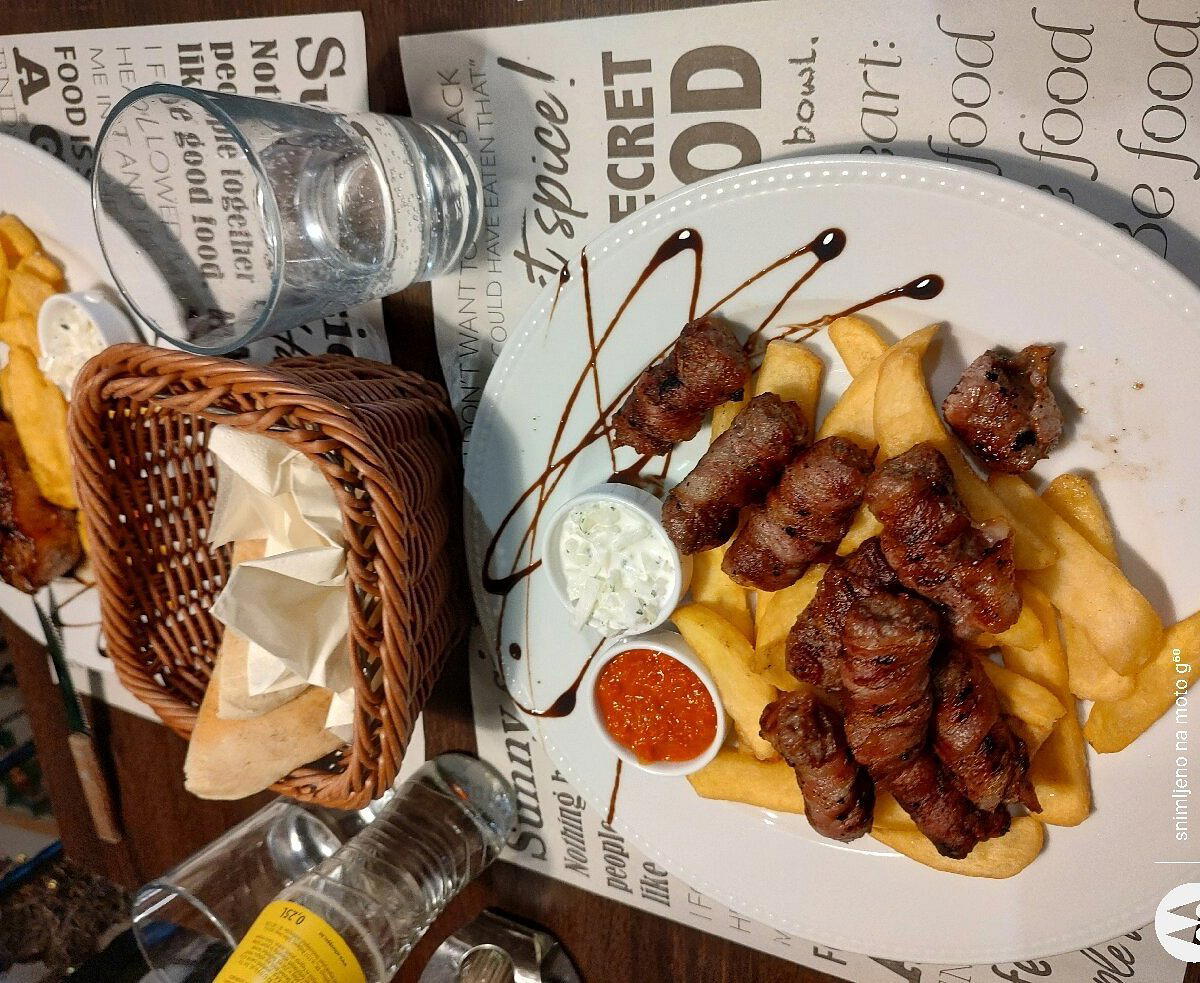
| Classic Grill Serbian Restaurant Underground | Authentic Serbian Grill | $$ | Belvaros |
| Kiskörössy Fish Tavern | Traditional Hungarian Fish Tavern | $$ | Tiszaliget |
| Zuraburger By Vlad | American Burgers | $$ | Szeged |
| Zero Streetfood & Restaurant | Gluten-Free Street Food | $ | downtown Szeged |
| Pizzarium | Modern Artisan Pizza | $$ | Szeged center |
Continue exploring
More in Szeged
Restaurants in Szeged
Browse all →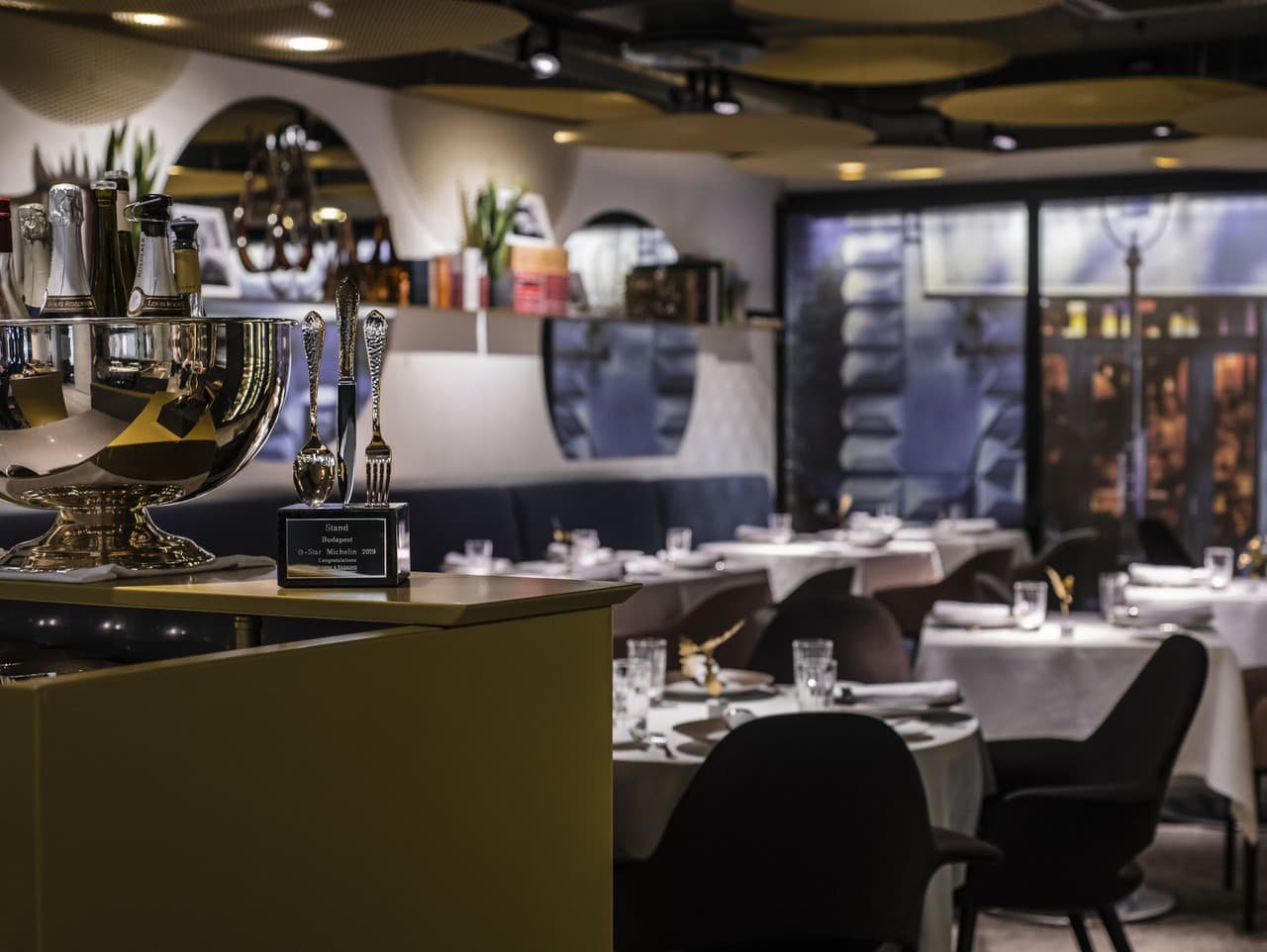


At a Glance
- Rustic
- Cozy
- Classic
- Family
- Casual Hangout
- Waterfront
- Terrace
- Historic Building
- Waterfront
- Street Scene
Current opening hours
- Monday
- 11 AM–9 PM
- Tuesday
- 11 AM–9 PM
- Wednesday
- 11 AM–9 PM
- Thursday
- 11 AM–9 PM
- Friday
- 11 AM–9 PM
- Saturday
- 11 AM–9 PM
- Sunday
- 11 AM–9 PM
Hours can change for holidays and private events. Last verified .
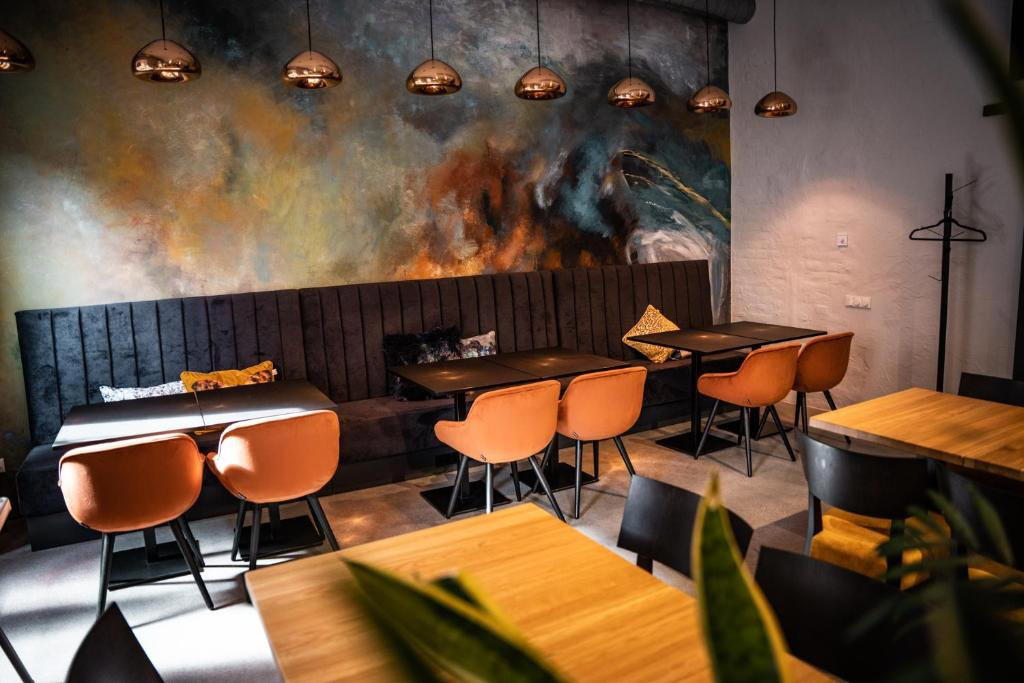
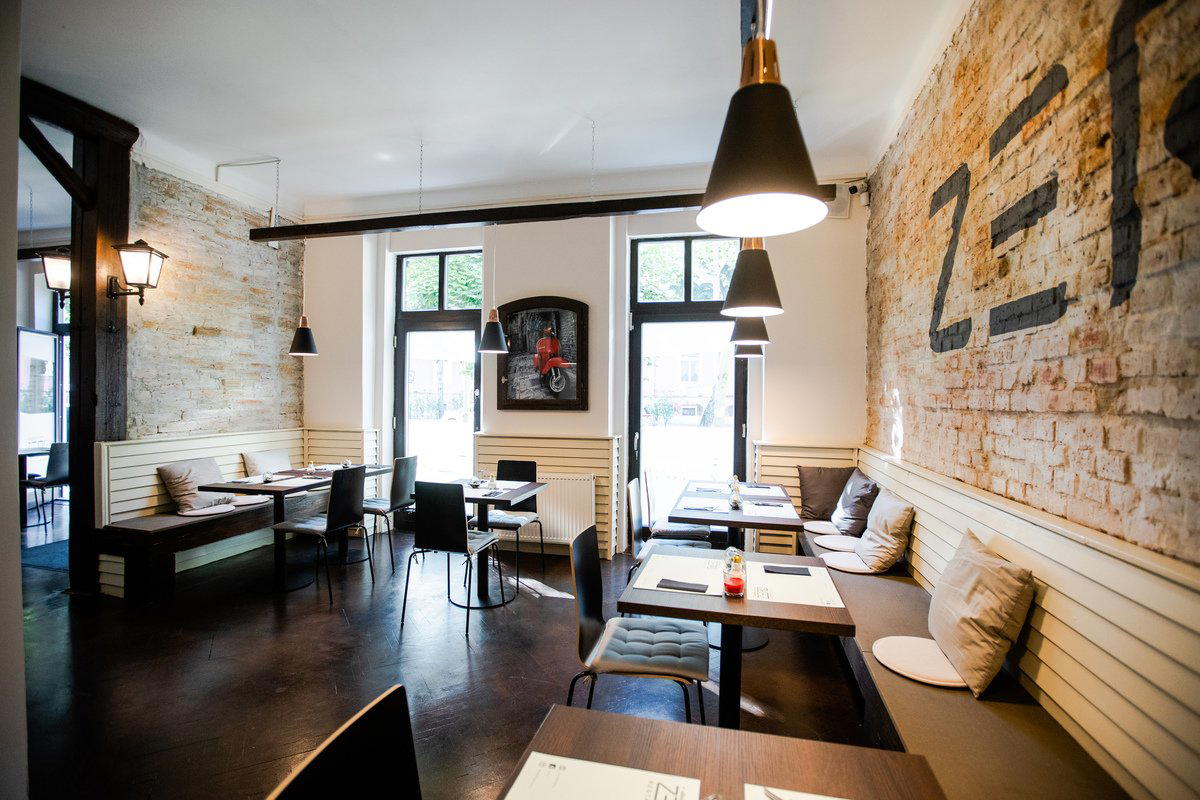
Warm and inviting atmosphere with ethnographic decorations of old Hungarian objects, offering a homey feel.