
Michelin Plate
Our verdict
Set inside a restored Victorian townhouse on Hajnóczy utca, Tiszavirág brings modern technique to traditional Hungarian ingredients — Mangalitsa, cottage cheese, gnudi — without erasing their regional character. The enclosed courtyard, all-Hungarian wine list, and basement spa make it one of Szeged's most complete dining addresses at the €€€ price point.

Pearl is the En Primeur Club membership app — saves, bookings, and concierge access live there. Same editors, same standards.
- Address
- Szeged, Hajnóczy u. 1, 6722 Hungary
- Phone
- +36 62 554 888
- Website
- tiszaviragszeged.hu
- Directions
- Get directions
The menu
What to order
- Mangalitsa fillet with gnudi
- Duck foie gras
Where the Tisza Tradition Meets the Modern Table
Szeged sits at the confluence of two rivers and two culinary impulses: the deep, paprika-saturated cooking that made the city famous across Central Europe, and a newer generation of kitchens that want to honour that inheritance without simply reproducing it. Tiszavirág, on Hajnóczy utca in the city centre, occupies that territory with some conviction. The address alone signals intention — a recently restored Victorian townhouse that once housed a goldsmith's workshop, its bones still visible in the proportions of the rooms and the weight of the architecture. The transition from craft workshop to dining room is less a renovation than a reframing.
Hungarian modern cuisine at the €€€ tier has developed a recognisable grammar in recent years. Kitchens at this level — comparable in positioning to Borkonyha Winekitchen in Budapest, tend to apply refined technique to ingredients that carry strong regional identity: heritage pork breeds, fermented dairy, foraged aromatics, stone-milled grains. The result is cooking that reads contemporary on the plate but traditional in the mouth. Tiszavirág follows that logic closely, and in doing so places itself within a coherent national movement rather than operating as an outlier.
The Cultural Argument on the Plate
Mangalitsa, the curly-haired Hungarian pig breed whose fat-marbled flesh had almost disappeared from serious kitchens by the 1990s, has become something of a litmus test for Hungarian restaurants making this kind of cultural argument. A kitchen that works with Mangalitsa fillet is signalling provenance awareness, a preference for slower-reared animals, and a willingness to let an ingredient with genuine regional history carry the weight of a dish. At Tiszavirág, the fillet appears alongside gnudi and cottage cheese, a pairing that connects Italian pasta technique to the Central European dairy tradition without forcing either into the other's frame. It is the kind of dish that repays thinking about as much as eating.
This approach to Hungarian ingredients is not unique to Szeged, but it takes on particular resonance here. The city's food culture has long been defined by the Tisza River fishermen's tradition, halászlé, the spiced fish soup, remains the dish most visitors associate with the region, and by the paprika trade that made Szeged an agricultural hub from the eighteenth century onwards. A restaurant that reaches past those well-known signifiers to work with heritage pork and local dairy is making a quieter, more considered argument about what Szeged's table can be. For the broader context of where Tiszavirág sits among regional Hungarian restaurants pursuing similar ambitions, the work being done at Pajta in Őriszentpéter, Anyukám Mondta in Encs, and Andrassy Restaurant in Tarcal offers useful comparison points, kitchens spread across Hungary's regions, each making a version of the same case for local ingredients and modern execution.
The Room, the Courtyard, the Bar
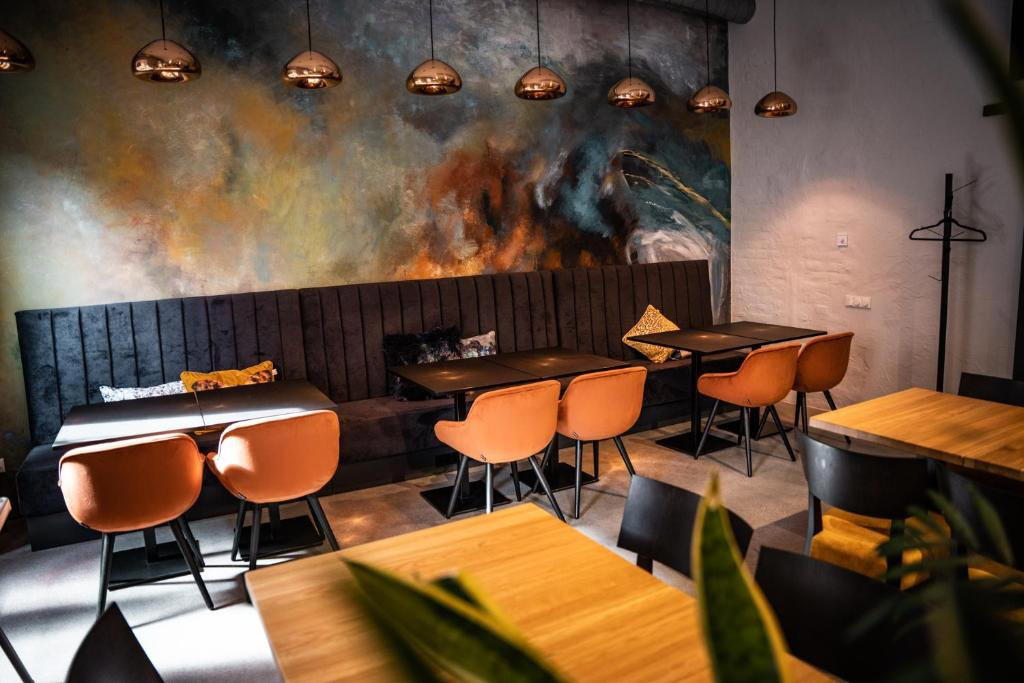
The physical sequence at Tiszavirág matters. The recommended approach is to begin in the bar, a cosy, contained space that functions as both aperitif room and palate-setter before the dining room proper. This kind of ante-room drinking has become less common in Hungarian restaurants at this price point, where the pressure to turn tables quickly can compress the experience, so its presence here is worth noting as a structural choice that slows the meal down deliberately.
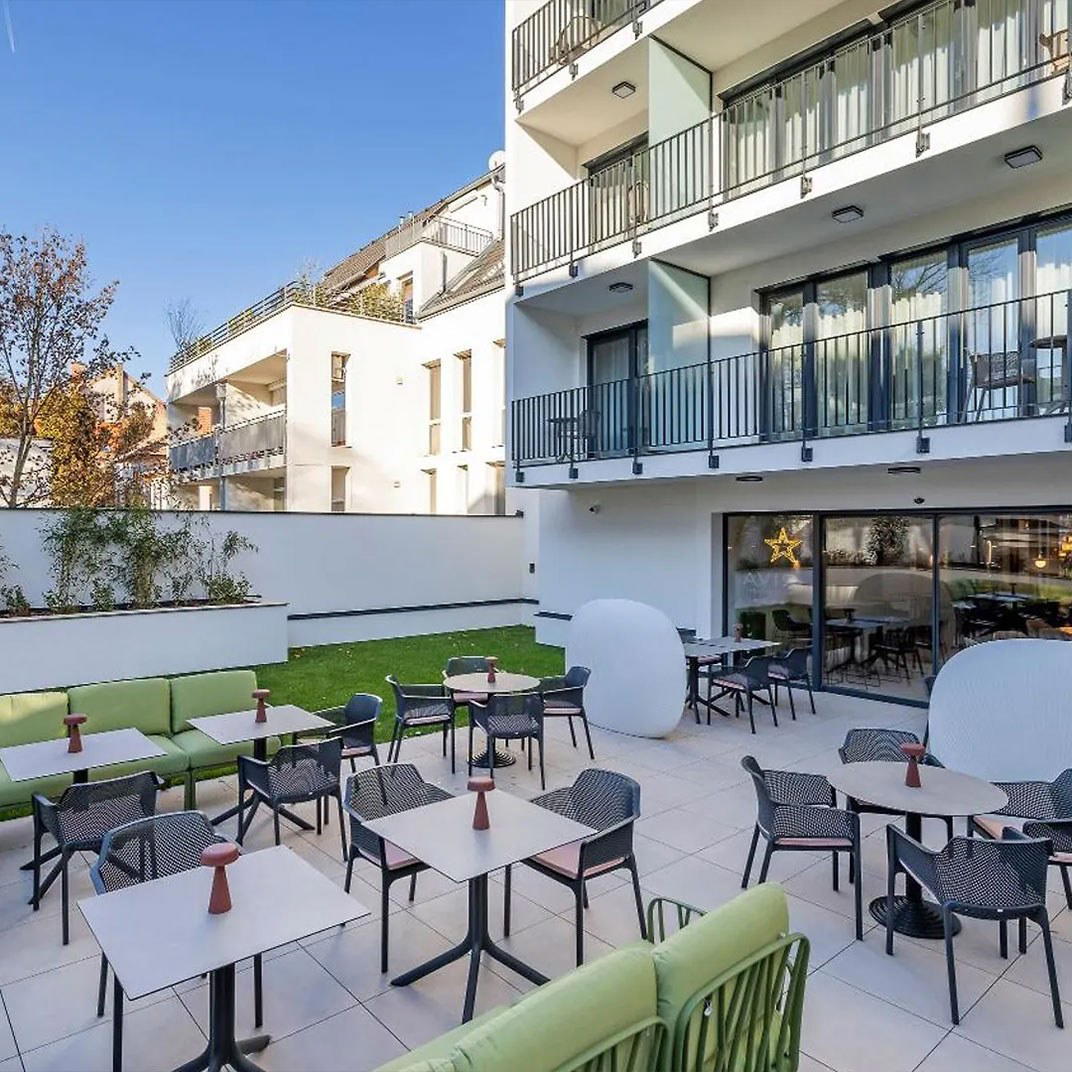
In warmer months, the enclosed courtyard becomes the primary argument for the address. Courtyard dining in Central European cities carries its own cultural weight, it is a format inherited from Habsburg-era urban architecture, where townhouses were built around internal gardens as private retreats from street noise. Szeged's summer heat, which can push well above 30°C between June and August, makes the shaded courtyard not just atmospherically appealing but practically sensible. The all-Hungarian wine list is well suited to outdoor drinking: Hungarian whites from Somló or Tokaj, or lighter reds from Szekszárd or Villány, travel well into warm evenings without demanding the kind of attention that heavier bottles require. For visitors planning around the courtyard season, late spring through early autumn is the relevant window.
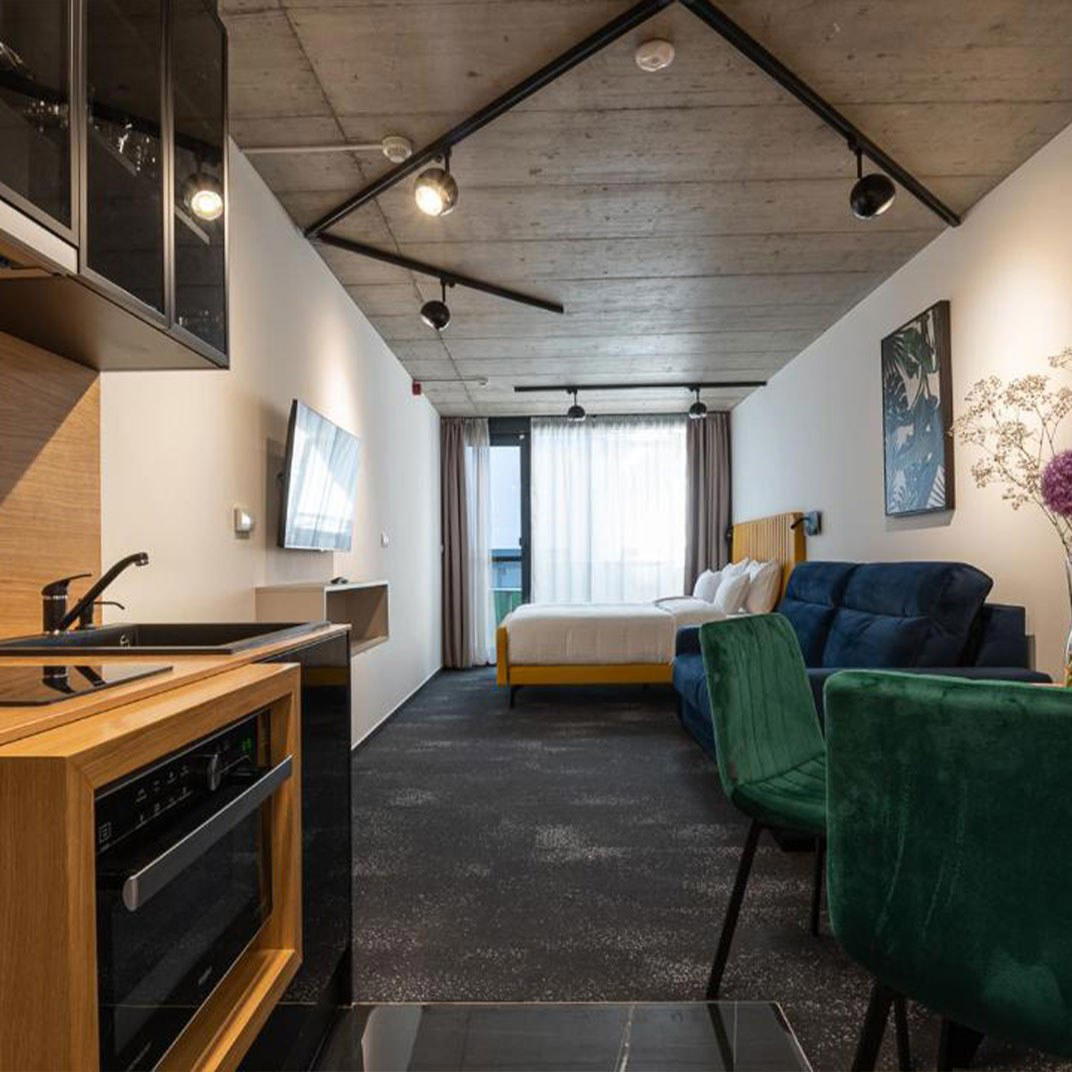
The integration of elegant bedrooms and a basement spa places Tiszavirág in a category of hospitality addresses that function as short-stay destinations rather than purely dining stops. At the €€€ restaurant tier, this kind of vertical integration, food, accommodation, wellness under one roof, is more common in rural or resort contexts than in mid-sized Hungarian cities, which makes the model here worth remarking on. For those building a Szeged itinerary around multiple nights, the combination removes the logistical friction of coordinating separate addresses. Our full Szeged hotels guide covers the broader accommodation picture for context.
How It Fits the Szeged Dining Scene
Szeged's restaurant scene has historically punched below its weight relative to the city's cultural and academic standing, it is Hungary's third-largest city, home to a major university, and sits on a significant transit corridor between Budapest and Serbia. The gap between the city's cultural ambition and its fine dining supply has been closing gradually, and Tiszavirág represents one of the clearer signals of that shift. Alkimista Kulináris Műhely, operating at the €€€€ tier with a regional cuisine focus, occupies the tier above, the two restaurants between them bracket the serious end of Szeged's current dining range.
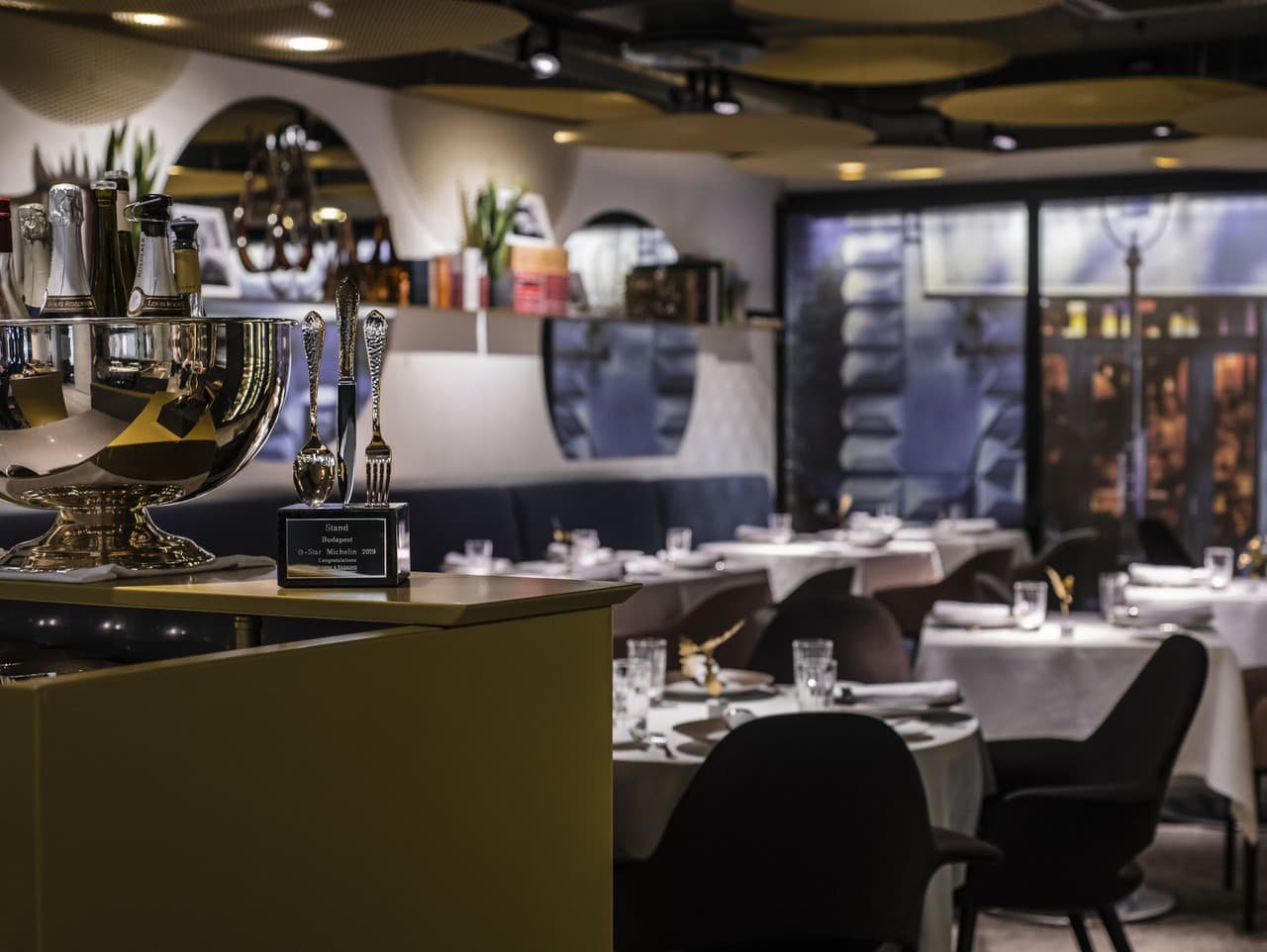
For visitors arriving from Budapest, the comparison points in the capital, Stand, Borkonyha Winekitchen, set a reference frame for what modern Hungarian cooking at recognised quality levels looks like. Tiszavirág operates below those addresses in terms of price tier but within the same broad culinary tradition, which makes it a reasonable next stop for anyone tracing that tradition outside the capital. For a wider picture of Hungarian regional dining at a similar level, Platán Gourmet in Tata, 42 Restaurant in Esztergom, and 67 Sigma in Székesfehérvár all pursue comparable approaches in their respective cities.
Service is described as smooth and eager to please, a combination that, at this price point, matters as much as technical competence in the kitchen. A dining room that can hold the pace of a multi-course meal without either rushing or losing momentum is harder to maintain than it appears, and that consistency is part of what Tiszavirág's recognition reflects. For the full picture of eating and drinking in Szeged, our full Szeged restaurants guide covers the range from casual to formal, and our Szeged bars guide, wineries guide, and experiences guide round out the city beyond the table.
Planning Your Visit
Tiszavirág is located at Hajnóczy u. 1, 6722 Szeged, a central address walkable from the main squares and the university district. The restaurant operates at the €€€ price tier, positioning it as a considered special-occasion address for locals and a natural dinner destination for visitors staying in the city. Given the combination of dining, rooms, and spa under one roof, booking ahead is advisable, particularly for courtyard tables in summer and for weekend evenings when the university calendar drives local demand. Contact and booking details are best confirmed directly through the venue's current channels.
Frequently asked questions
What's Tiszavirág's location?
Tiszavirág is located at Szeged, Hajnóczy u. 1, 6722 Hungary, Szeged.
Has Tiszavirág won any awards?
Tiszavirág has received recognition including: A recently restored Victorian townhouse that was formerly home to a goldsmith’s now plays host to this smart restaurant. Start with a drink in the cosy bar before enjoying boldly flavoured dishes that come with a refined look but a traditio….
What should I order at Tiszavirág?
The Mangalitsa fillet with gnudi and cottage cheese is the kitchen's clearest statement of intent — a dish that delivers bold, traditional Hungarian flavour in a composed, modern format. The Mangalitsa breed, whose fat-marbled flesh nearly vanished from serious Hungarian kitchens by the 1990s, is the ingredient that defines what this restaurant is doing. Pair it with something from the all-Hungarian wine list, which is treated as a point of identity rather than an afterthought.
Should I book Tiszavirág in advance?
Yes, and particularly so for courtyard seating during warmer months, which becomes the primary draw at this €€€ address. Tiszavirág combines a restaurant, bar, bedrooms, and a basement spa under one roof, which means the dining room competes for space with hotel guests and locals alike. Booking ahead is the practical approach for any evening visit, especially on weekends.
What's Tiszavirág best at?
The address performs most coherently as a complete hospitality sequence rather than a standalone dinner reservation. The recommended path — aperitif in the cosy bar, dinner in the dining room or enclosed courtyard, overnight in one of the elegant bedrooms — is where the experience holds together. As a €€€ modern Hungarian restaurant in a restored Victorian townhouse, it also serves as one of the more considered entry points into Szeged's food culture, particularly through its use of heritage ingredients and a proudly Hungarian wine list.
Does Tiszavirág have accommodation, and is it worth staying overnight?
Tiszavirág operates as a restaurant-with-rooms in a restored Victorian townhouse at Hajnóczy u. 1, Szeged, formerly a goldsmith's premises. The property includes elegant bedrooms and a mini spa in the basement, which makes it a practical base for exploring Szeged's university quarter and main squares on foot. For visitors who want to extend the bar-dinner sequence into a full stay, the overnight option keeps the evening unhurried in a way that a purely transactional dinner visit does not.
Budget and Context
Comparable venues nearby, for context on price, style, and recognition.
| Venue | Cuisine | Price | Awards | Notes |
|---|---|---|---|---|
| TiszavirágThis venue — the venue you are viewing | Modern Hungarian | $50–100 | Michelin Plate | Not listed |
| Alkimista Kulináris Műhely | Modern Hungarian Regional Fine Dining | $50–100 | Michelin Plate | city center, Modern Hungarian Regional Fine Dining |
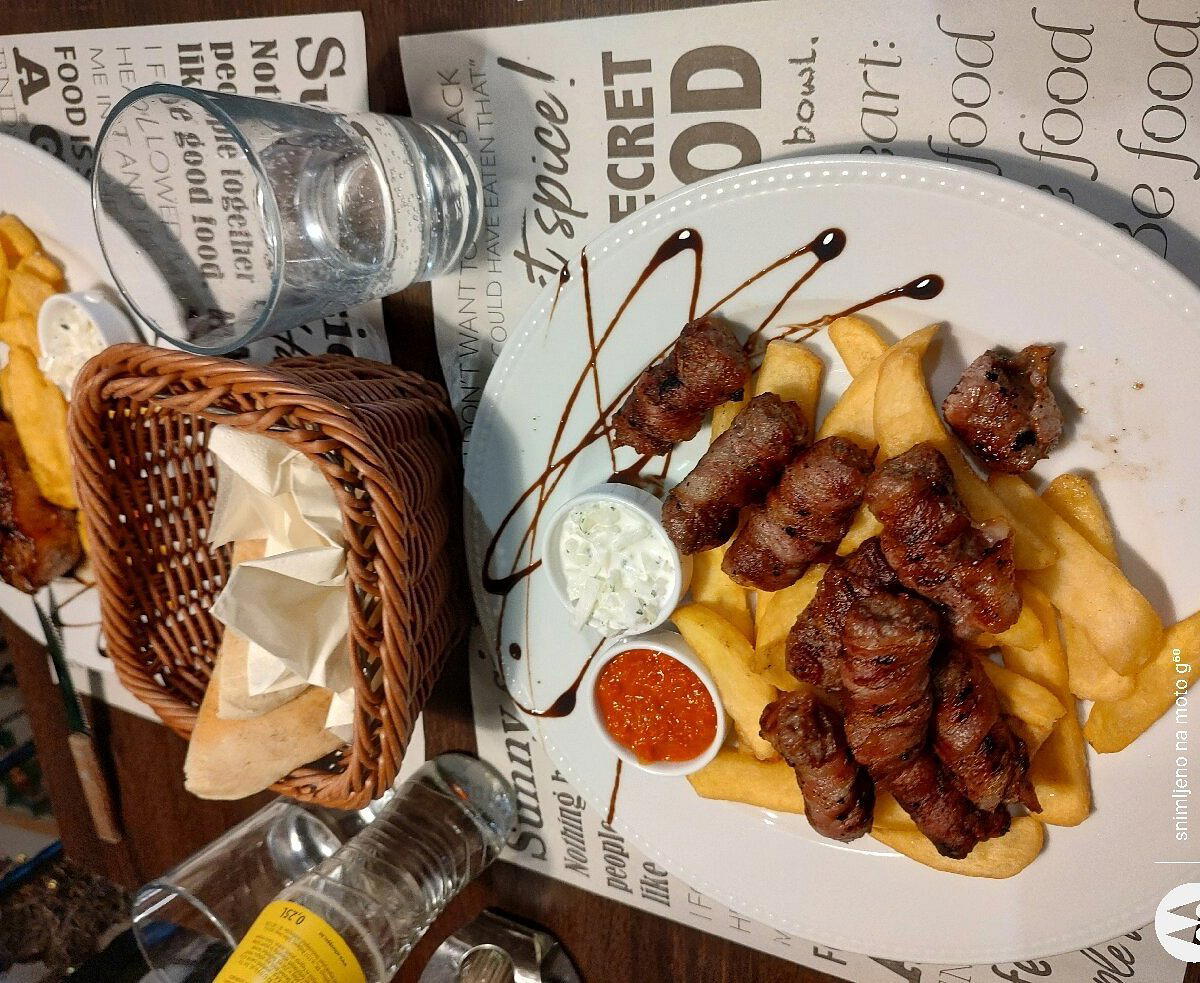
| Classic Grill Serbian Restaurant Underground | Authentic Serbian Grill | $10–20 | Not listed | Belvaros, Authentic Serbian Grill |
| Kiskörössy Fish Tavern | Traditional Hungarian Fish Tavern | Not listed | Not listed | Tiszaliget, Traditional Hungarian Fish Tavern |
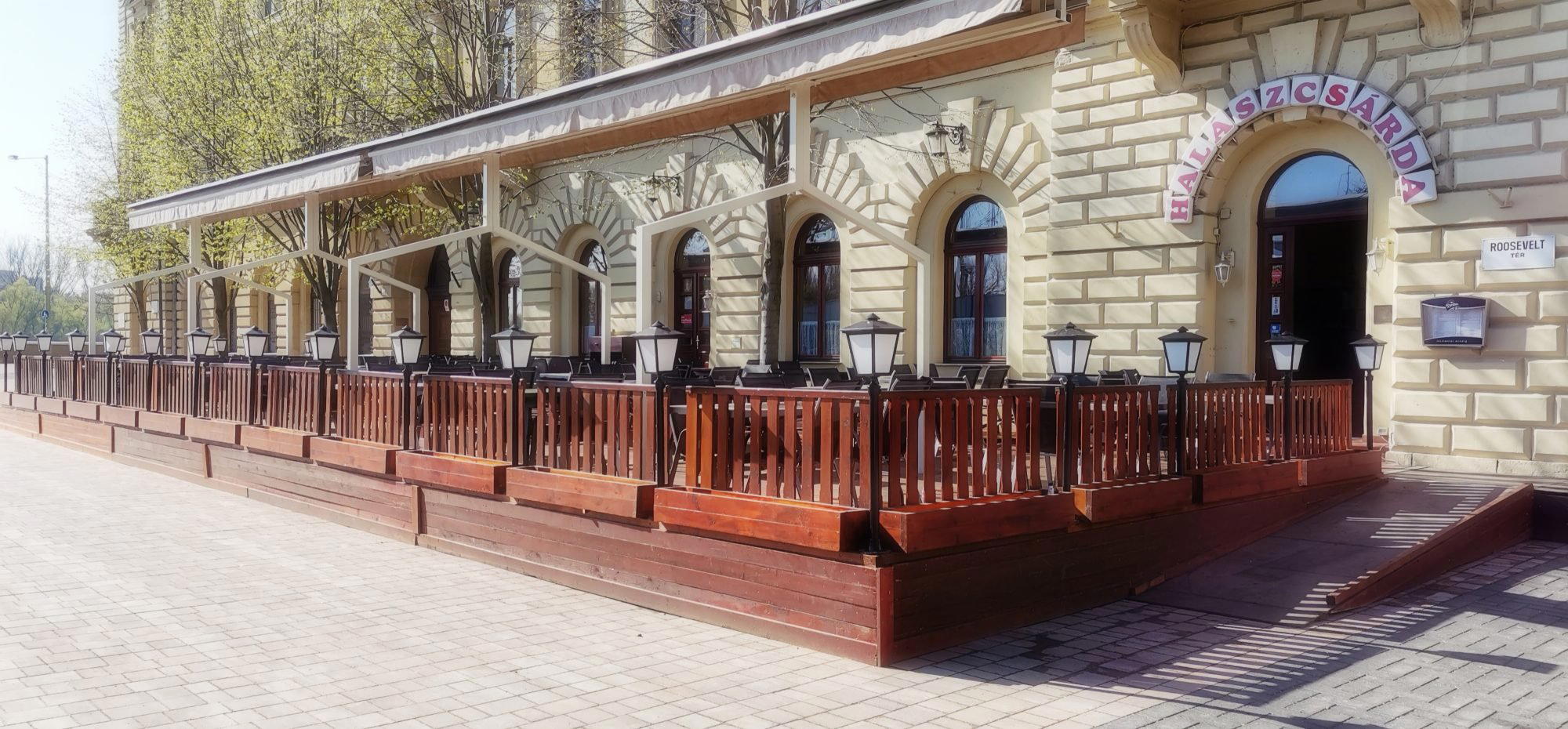
| Roosevelt téri halászcsárda | Traditional Hungarian Fish Restaurant | $10–20 | Not listed | Roosevelt tér, Traditional Hungarian Fish Restaurant |
| Zero Streetfood & Restaurant | Gluten-Free Street Food | $1–10 | Not listed | downtown Szeged, Gluten-Free Street Food |
Recognition history
Dated appearances from independent guides and award organizations, with the underlying list record or original source where available.
Michelin Plate
Michelin
Continue exploring
More in Szeged
Restaurants in Szeged
Browse all →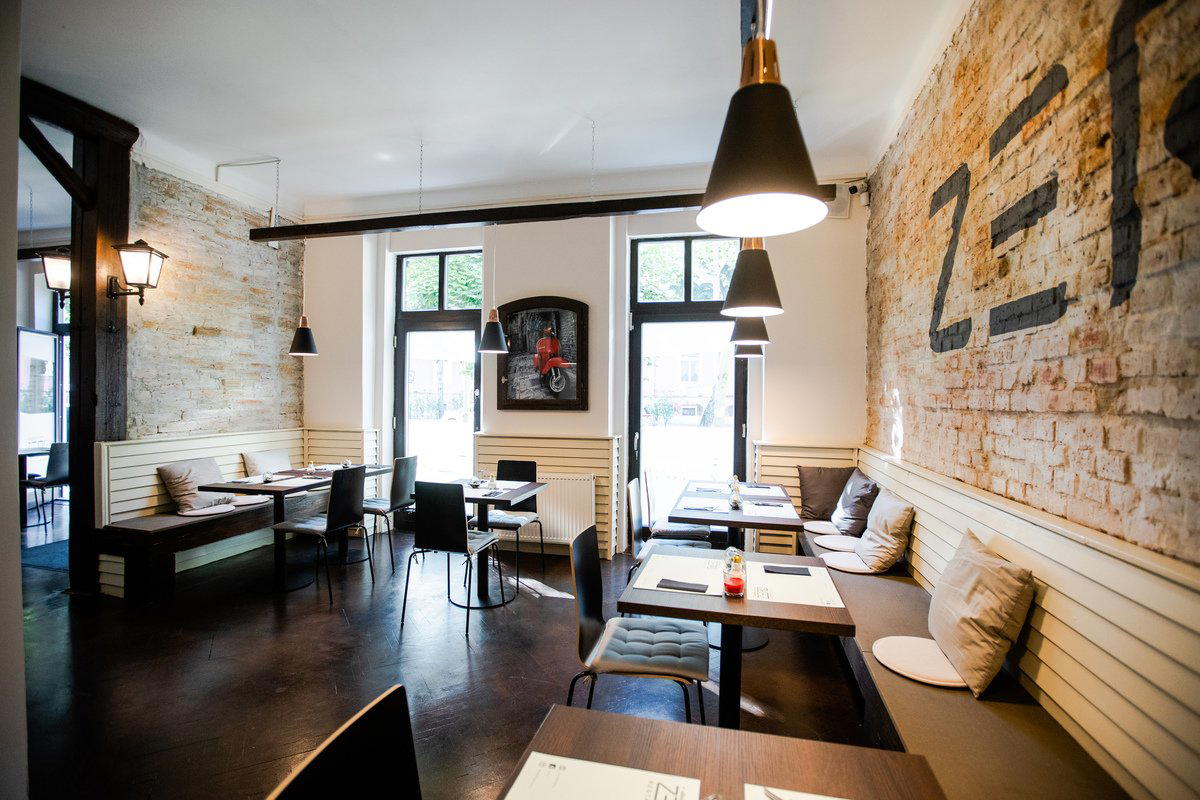

Details
- Elegant
- Cozy
- Sophisticated
- Intimate
- Date Night
- Special Occasion
- Courtyard
- Historic Building
- Extensive Wine List
- Local Sourcing
- A La Carte
- Wine Program
- Vegetarian Friendly
- Gluten Free Options
Cozy bar and elegant dining in a restored Victorian townhouse with harmonious design blending past and present.