Ovum
Ovum occupies a quiet address on Sint Jorisstraat in Grave, a small Brabant river town that sits comfortably outside the Netherlands' main fine-dining circuits.
Pearl is the En Primeur Club membership app — saves, bookings, and concierge access live there. Same editors, same standards.
- Address
- Sint Jorisstraat 32, 5361 HD Grave, Netherlands
- Phone
- +31486745755
- Website
- ovumrestaurant.nl
- Directions
- Get directions
 Saves & bookings on Pearl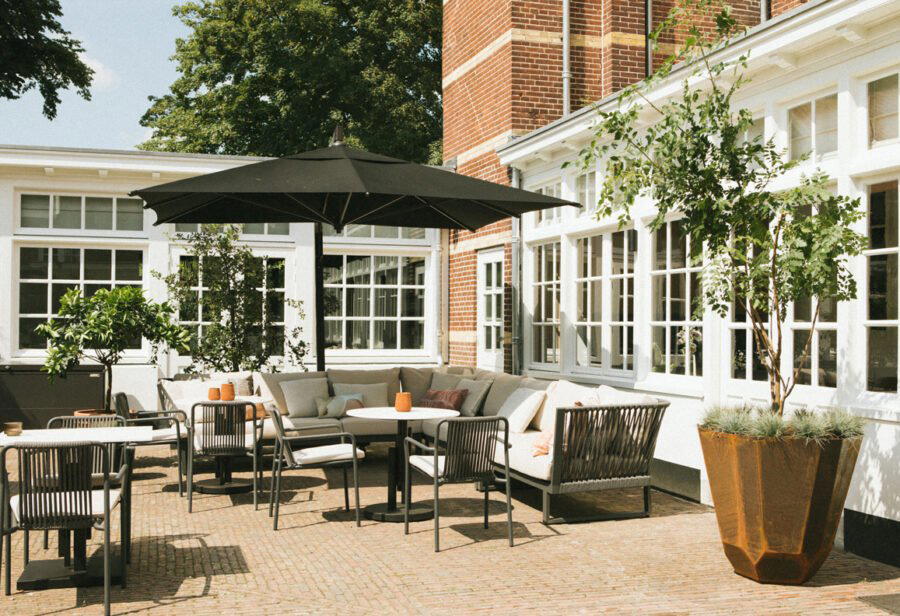
A River Town, a Quiet Street, and the Case for Eating Outside the Circuit
Sint Jorisstraat in Grave is not a street that announces itself. The town itself, a fortified settlement on the Maas in Noord-Brabant, sits roughly halfway between Nijmegen and Den Bosch, close enough to both to borrow from each city's food culture without being absorbed by either. That geographic middle position matters: it places Grave in a corridor of the Netherlands where ingredient sourcing from river plains, market gardens, and small-scale livestock producers is genuinely part of the regional cooking vocabulary, not a marketing overlay applied to justify premium pricing. Ovum is a restaurant on Sint Jorisstraat 32 in Grave, Netherlands, serving Modern French-Asian Fusion at an approximate price of $85 per person.
The Dutch fine-dining scene has, over the past decade, concentrated much of its recognition in a handful of high-profile cities. Amsterdam addresses like Ciel Bleu and broader Noord-Brabant and Gelderland operators, from De Lindehof in Nuenen to De Nieuwe Winkel in Nijmegen, have captured critical attention. Grave, by contrast, operates quietly.
The Ingredient Argument in Noord-Brabant
Noord-Brabant has one of the stronger cases among Dutch provinces for ingredient-led cooking. The Maas river valley produces clay-rich soils suited to brassicas and root vegetables; the province's agricultural density means small-scale producers supplying directly to restaurants is a workable logistics model rather than an aspiration. Restaurants in this part of the Netherlands that commit to short supply chains are not operating against economic gravity the way city-centre operators often must: the sourcing infrastructure is genuinely present.
That broader regional context shapes what ingredient-focused cooking in this corridor can plausibly achieve. Compare this to the approach at Brut172 in Reijmerstok, in the Limburg hills south of here, where proximity to Belgian and German agricultural traditions produces a different sourcing logic, or De Groene Lantaarn in Staphorst, where Overijssel's dairy and grain landscape drives the menu in a different direction entirely. Location determines ingredient grammar. In Grave's section of Brabant, that grammar leans toward river-plain produce and the kind of direct-from-producer relationships that smaller towns often maintain more reliably than urban operators.
Where Ovum Sits in the Dutch Dining Tier
The Netherlands has a well-documented fine-dining tier anchored by multi-Michelin-starred addresses. De Librije in Zwolle and 't Nonnetje in Harderwijk operate at the far end of that spectrum, where national and international recognition sets both the price expectation and the booking difficulty. Below that tier, a larger and more interesting category of Dutch restaurants works with serious culinary intent at less publicised addresses. De Treeswijkhoeve in Waalre, Tribeca in Heeze, and Aan de Poel in Amstelveen each represent that middle-to-upper bracket where regional sourcing, focused menus, and considered service carry the experience without the volume or spectacle of their starred peers.
Ovum's position in Grave places it in this general territory: a smaller-city restaurant operating in a region with genuine agricultural depth. What the address and city context suggest is a restaurant oriented toward a local and regional clientele, where the dining proposition is built around what the surrounding area produces rather than around importing luxury ingredients from outside the region.
The Broader Tradition This Address Represents
Small-city fine dining in the Netherlands follows a recognisable pattern. The chef-patron model remains common outside Amsterdam and Rotterdam, producing restaurants where sourcing decisions and menu changes happen with less institutional friction than in larger operations. The result, at its leading, is cooking that shifts with the agricultural calendar in a way that genuinely reflects what is available within a short radius rather than approximating seasonality as a concept.
Internationally, the argument for this kind of embedded local cooking has been made forcefully by operators in France's provincial cities and, more recently, in the Nordic countries. In the Dutch context, Inter Scaldes in Kruiningen makes the case for Zeeland's coastal ingredients with considerable critical support. De Bokkedoorns in Overveen and De Lindenhof in Giethoorn each situate their cooking within specific Dutch landscape types. Grave's position on the Maas gives Ovum a comparable geographic anchor, one that serious ingredient-led cooking in this part of Europe consistently exploits.
Getting to Grave and Planning the Visit
Grave sits on the A50 corridor between Nijmegen and Oss, making it reachable by car from both cities in under thirty minutes. Rail access requires a connection via Nijmegen or Oss, neither of which is far. The town's scale means accommodation options are limited; most visitors arriving from outside the region use Nijmegen as a base, where hotel infrastructure is considerably more developed. For international visitors familiar with the kind of destination-restaurant pilgrimage that has built audiences for addresses like FG in Rotterdam or, further afield, Le Bernardin in New York and Atomix, Grave adds a meaningful detour to a Nijmegen or Den Bosch itinerary.
Specific hours, booking method, and pricing are not documented in available public sources. Contact the restaurant directly at Sint Jorisstraat 32. Given the restaurant's location in a small town with limited foot traffic, advance booking is advisable regardless of day or season. Nearby Nijmegen, anchored by De Nieuwe Winkel, also offers a useful reference point for understanding where ingredient-led cooking in this region has gained notice. 't Amsterdammertje in Loenen aan de Vecht shows how small-town Dutch restaurants build loyal regional followings that sustain serious kitchens over time, which is the model Grave's restaurant scene broadly follows.
How It Stacks Up
Comparable venues nearby, for context on price, style, and recognition.
| Venue | Cuisine | Price | Notes |
|---|---|---|---|
| OvumThis venue — the venue you are viewing | Modern French-Asian Fusion | $$$$ | Not listed |
| Intens | Modern French Fine Dining | $$$$ | Voorst Gem Voorst |
| De Utrechtsedwarstafel | Seasonal French Fine Dining | $$$$ | Amstelveldbuurt |
| Hoeve de Boogaard | French-Dutch Farmhouse | $$$$ | Geijsteren |
| Moon | Modern French Fine Dining | $$$$ | Overhoeks |
| Éclusier | Modern French | $$$$ | Bloemendaal |
At a Glance
- Elegant
- Sophisticated
- Modern
- Romantic
- Date Night
- Special Occasion
- Celebration
- Business Dinner
- Open Kitchen
- Courtyard
- Garden
- Historic Building
- Design Destination
- Private Dining
- Sommelier Led
- Craft Cocktails
- Local Sourcing
- Garden
Current opening hours
- Monday
- Closed
- Tuesday
- Closed
- Wednesday
- 10 AM–6 PM
- Thursday
- 10 AM–12 AM
- Friday
- 10 AM–12 AM
- Saturday
- 10 AM–12 AM
- Sunday
- 10 AM–12 AM
Hours can change for holidays and private events. Last verified .
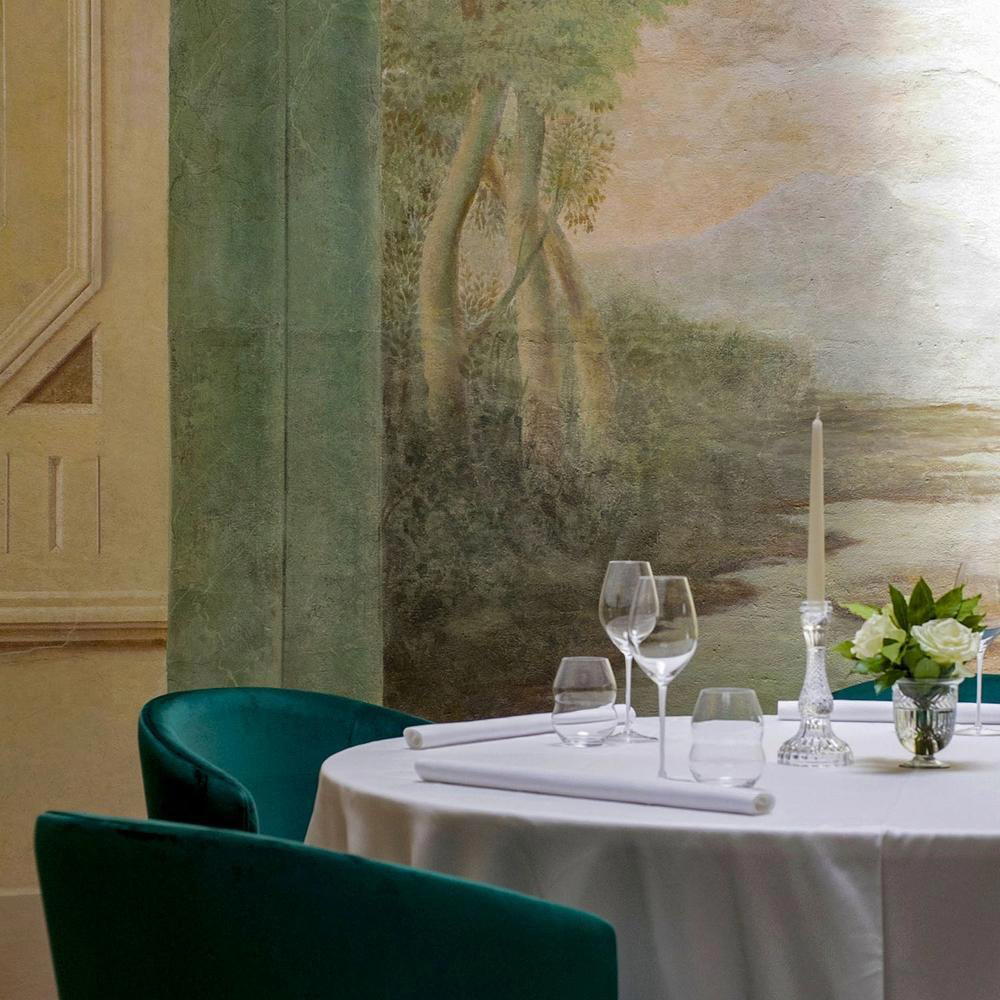
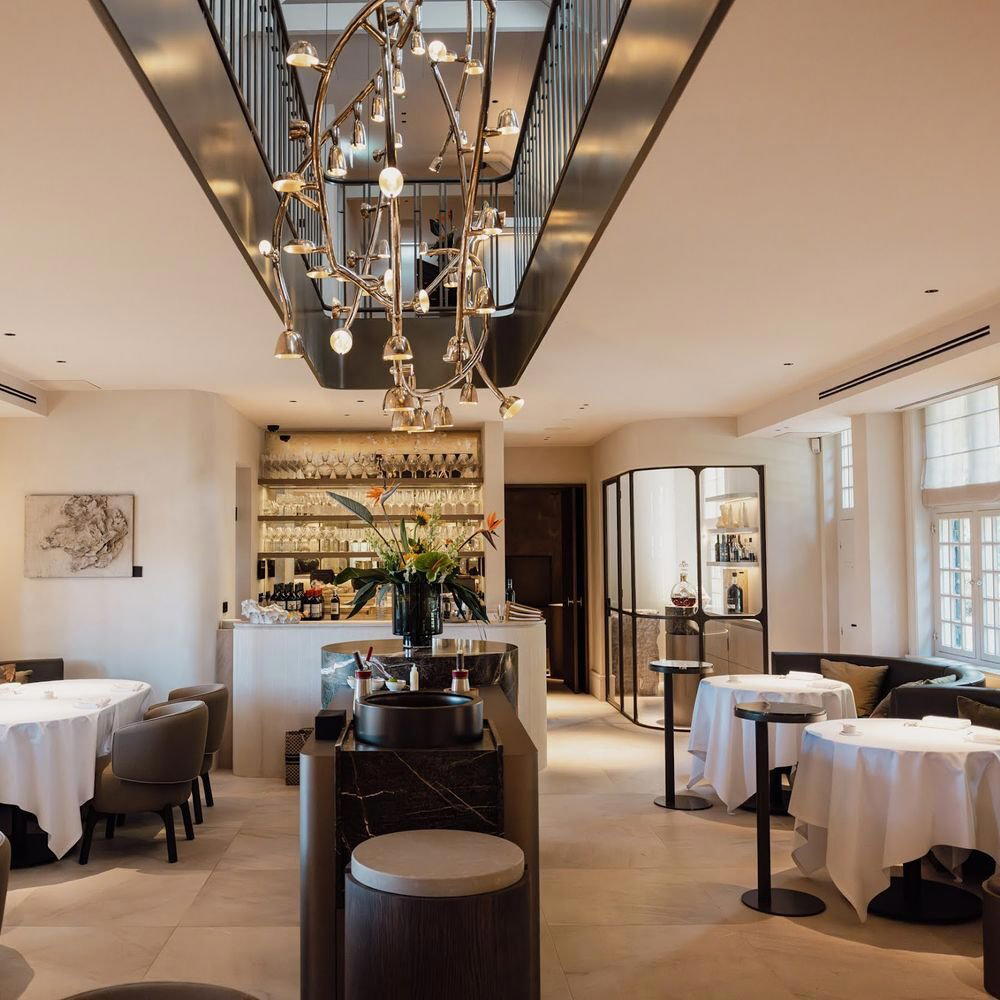
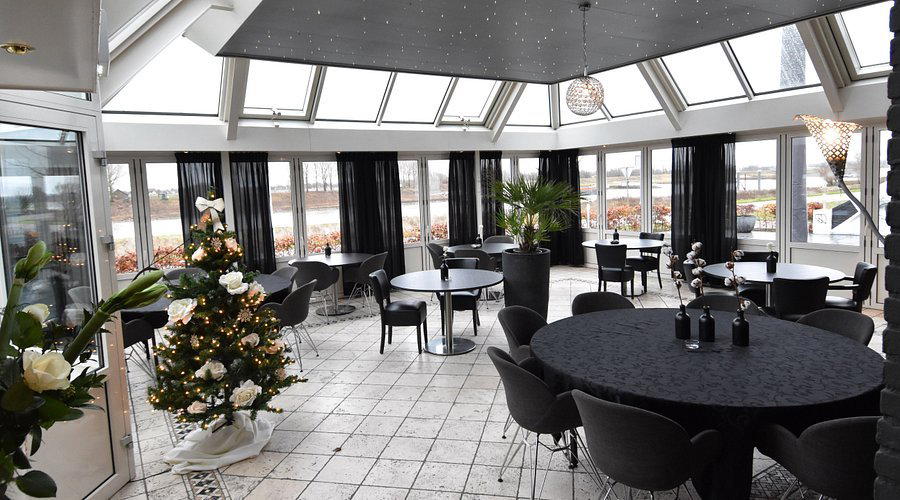
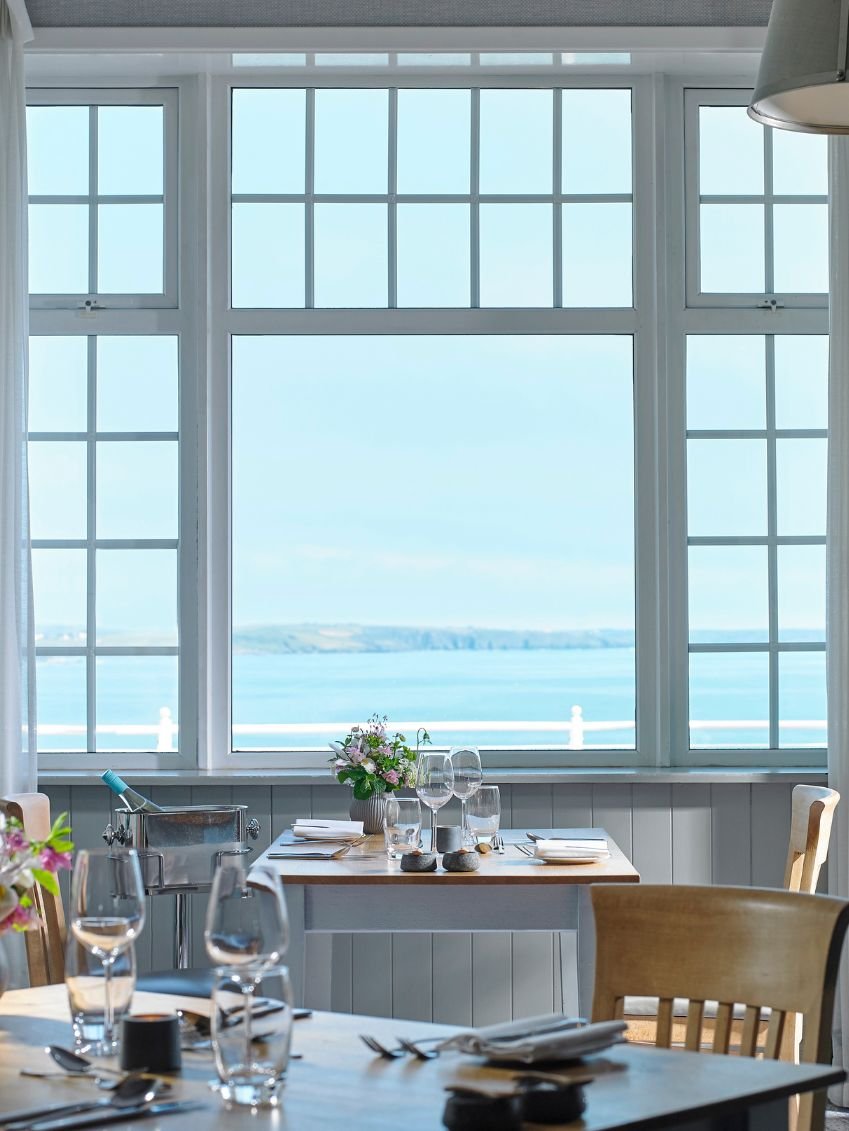
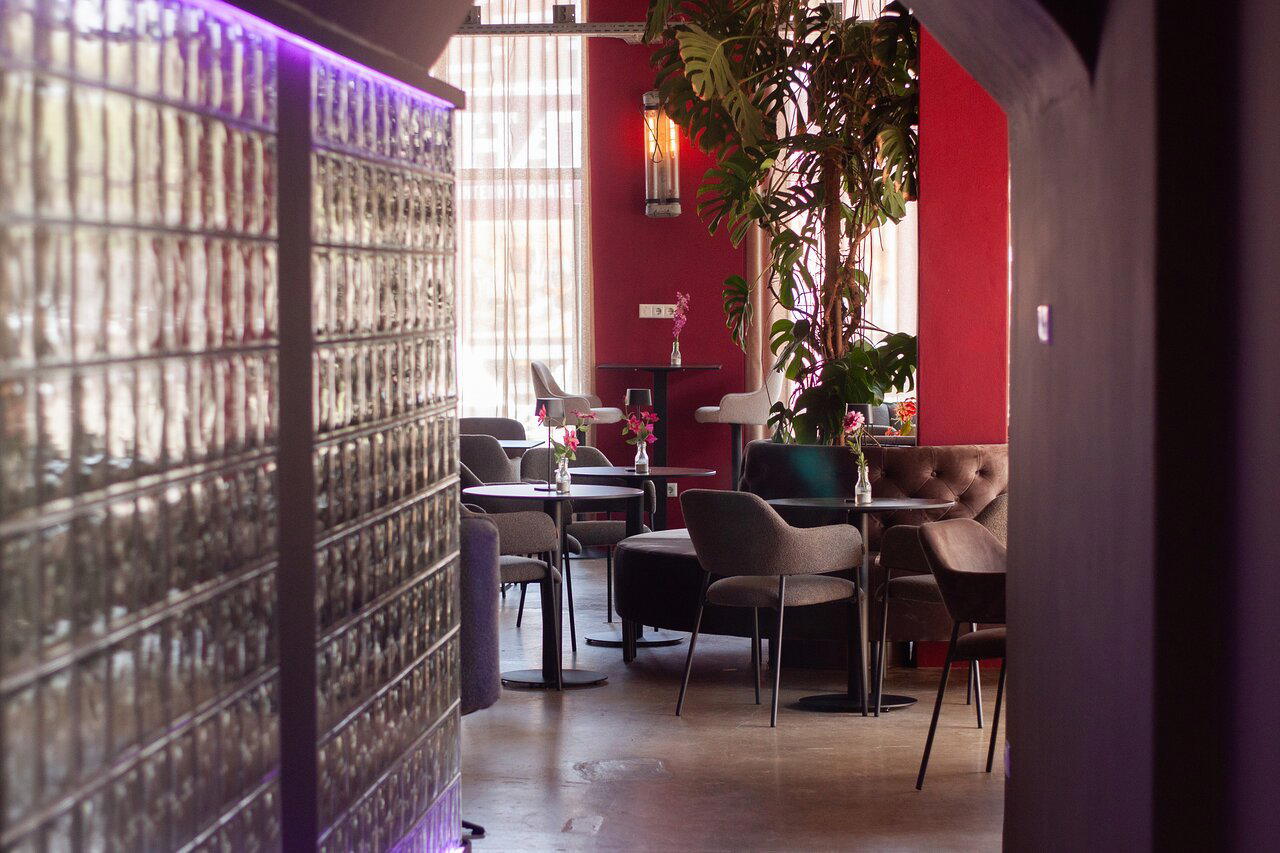
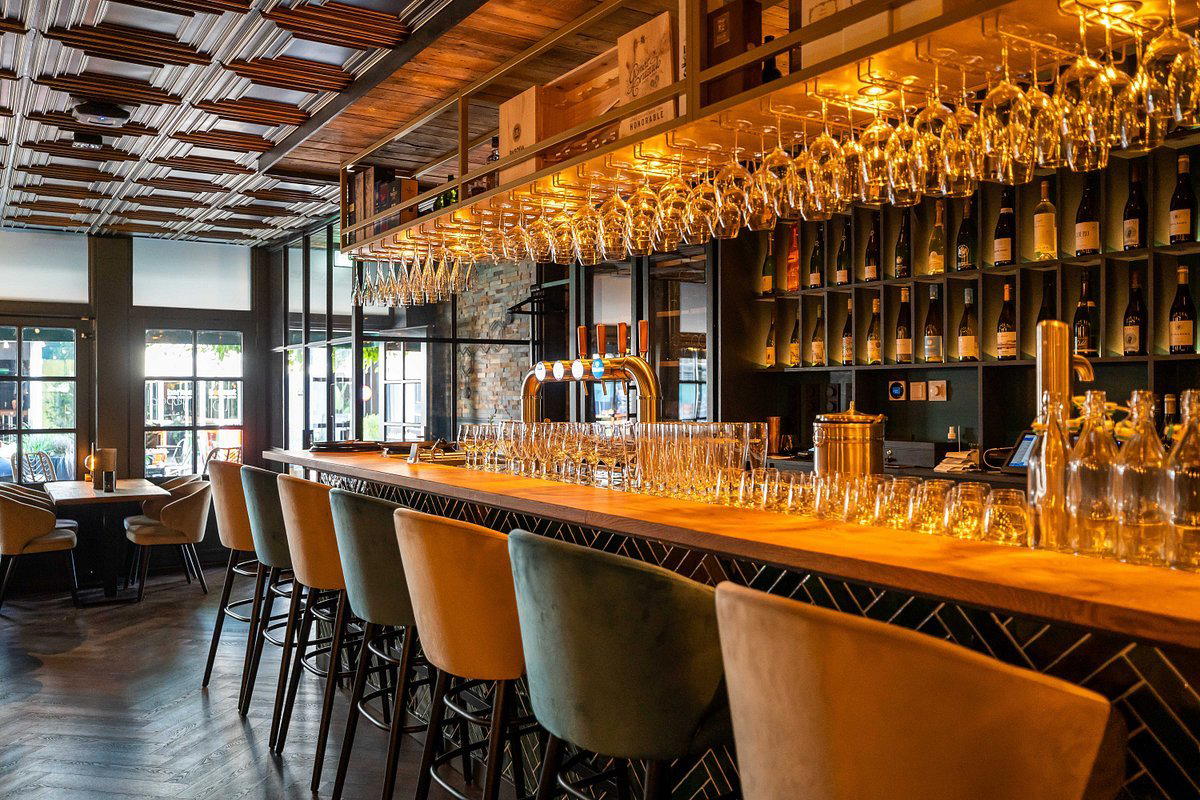
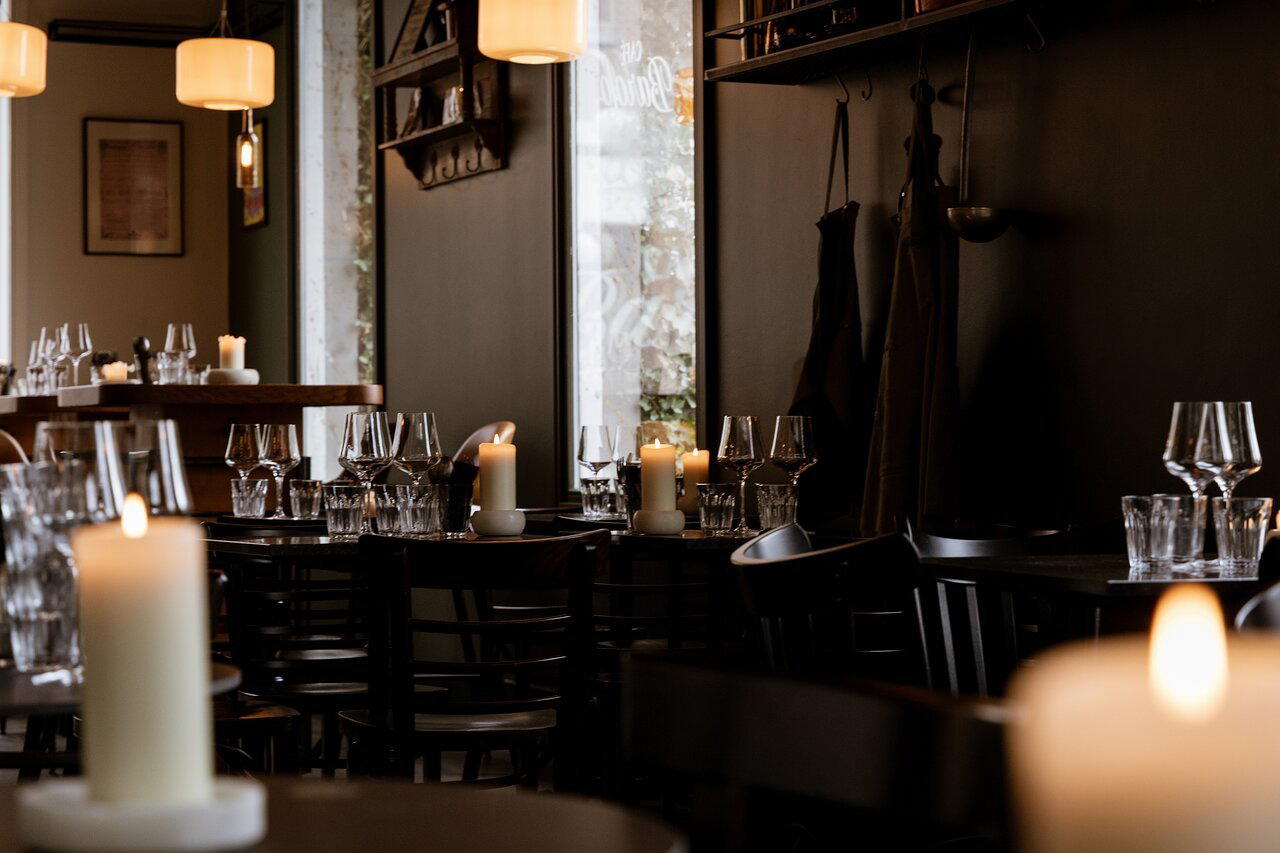
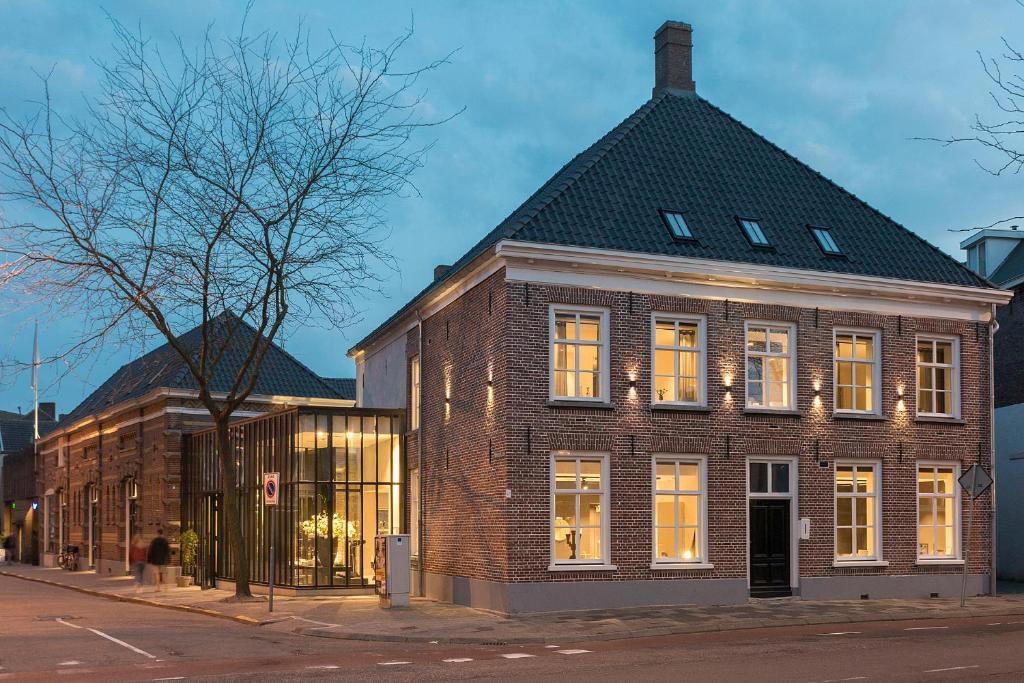
Serene and refined with modernly decorated interiors, a conservatory setting, and views of the historic De Kat fortification; warm and welcoming service creates an intimate yet sophisticated atmosphere.