Rijnzicht


A Michelin-starred destination in the Gelderse Poort river landscape, Rijnzicht has spent four generations becoming something the Dutch countryside rarely produces: technically precise modern cuisine built on hyper-local sourcing from the Betuwe region. The set menu rotates every three months, and the signature close, guests toast marshmallows over a table-top charcoal fire, signals that seriousness and warmth are not mutually exclusive here.
Pearl is the En Primeur Club membership app — saves, bookings, and concierge access live there. Same editors, same standards.
- Address
- Sterreschans 15, 6686 MS Doornenburg, Netherlands
- Phone
- +31 481 421 308
- Website
- rijnzicht.nl
- Directions
- Get directions
 Saves & bookings on Pearl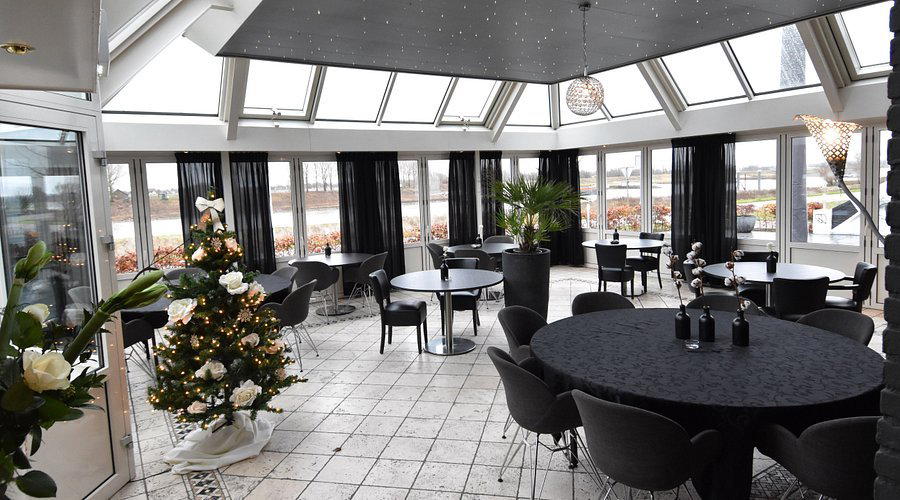
Where the Betuwe Comes to the Table
The stretch of Dutch countryside between Nijmegen and the German border is orchard country: Betuwe cherries, river-bottom farms, and a flat agrarian rhythm that many fine-dining circuits ignore. Rijnzicht, on Sterreschans 15 in the village of Doornenburg, sits inside that landscape and draws directly from it. The address alone, a small fortified town on the Waal, sets expectations about scale and remove. This is a restaurant that does not benefit from urban foot traffic. It operates on reservation, on reputation, and on the quality of what the surrounding region can provide.
That regional sourcing is not decorative. Trout from 't Smallert farm and Betuwe cherries appear on the menu because they are genuinely the right ingredients at the right moment, not because local provenance has become fashionable shorthand for quality. The kitchen's approach positions Rijnzicht alongside a small cohort of Dutch restaurants, among them De Nieuwe Winkel in Nijmegen and De Lindehof in Nuenen, that treat the Dutch agricultural calendar as primary source material rather than supporting detail.
The Sourcing Logic Behind the Menu
The Netherlands has a complicated relationship with fine dining and terroir. The country's horticultural output is enormous and globally exported, yet the connection between what grows locally and what lands on a Michelin-starred plate has historically been thinner than it should be. The kitchens that have closed that gap most convincingly tend to operate outside the Randstad, where the produce is closer and the supply chains are shorter.
Rijnzicht occupies that position with some precision. The Betuwe region, the river island between the Rhine and the Waal, has been fruit-growing territory for centuries, and the farms around Doornenburg still operate at a scale that allows direct relationships with individual restaurants. When the menu references Betuwe cherries or a specific farm's trout, it reflects a sourcing structure that urban restaurants with broader supplier networks rarely achieve. This is the kind of ingredient intelligence that registers in the dish before it registers in the menu description: the fruit has flavour context, the fish has provenance, and the kitchen is working with materials rather than around their limitations.
At the €€€€ price tier, this sourcing discipline sits alongside technical ambition. The oyster shell preparation, goose liver crémeux, raw oyster pieces, apple brunoise, sea buckthorn cream with sambal, and oyster juice foam, demonstrates the kitchen's willingness to layer complexity without losing coherence. Sea buckthorn is an ingredient that grows along Dutch coastal dunes and river banks; its sharp, almost medicinal tartness against the fat of the liver crémeux and the brine of the oyster reflects both technical understanding and genuine regional knowledge. That combination is harder to achieve than it sounds.
The Set Menu Format and Its Rhythm
Across the Dutch fine-dining tier, the set menu has become close to universal at the €€€€ level. What varies between kitchens is how frequently and how genuinely those menus change. A quarterly rotation, the format at Rijnzicht, is meaningful because it forces the kitchen to track what the Betuwe and its surrounding farms are actually producing across the year. Cherry season in the Betuwe peaks in June and July; the river farms shift through the seasons in ways that a menu refreshed every three months is better positioned to follow than one updated annually.
The format also matters to regulars. A menu that changes every three months gives a returning diner a genuinely different experience four times a year, which is a higher frequency than most single-star restaurants in the Netherlands maintain. Comparable kitchens like Aan de Poel in Amstelveen and Fred in Rotterdam operate at a similar price point but in more urban contexts where seasonal anchoring works differently. The rural setting at Doornenburg gives the quarterly rotation a more direct agricultural logic.
The meal closes with guests toasting marshmallows over a table-leading charcoal fire. The gesture is worth noting not as a quirk but as a structural decision about how to end a long, technically demanding meal. At this price point and complexity level, the final memory a kitchen leaves tends to define the evening's emotional register more than the middle courses. The charcoal fire ending shifts the close from formal to participatory, a deliberate choice that few single-star kitchens make.
Generational Continuity and the Restaurant's Interior Logic
Family-run fine-dining restaurants in the Netherlands occupy a specific position in the country's restaurant culture. They tend to accumulate institutional knowledge across decades, supplier relationships, local credibility, understanding of the regional guest, in ways that newer openings cannot easily replicate. The Betuwe and Gelderse Poort area has supported Rijnzicht across four family generations, which implies a rooting in the local community that shapes how the kitchen sources and how it prices.
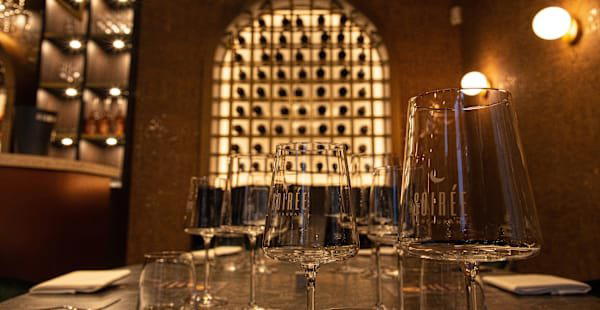
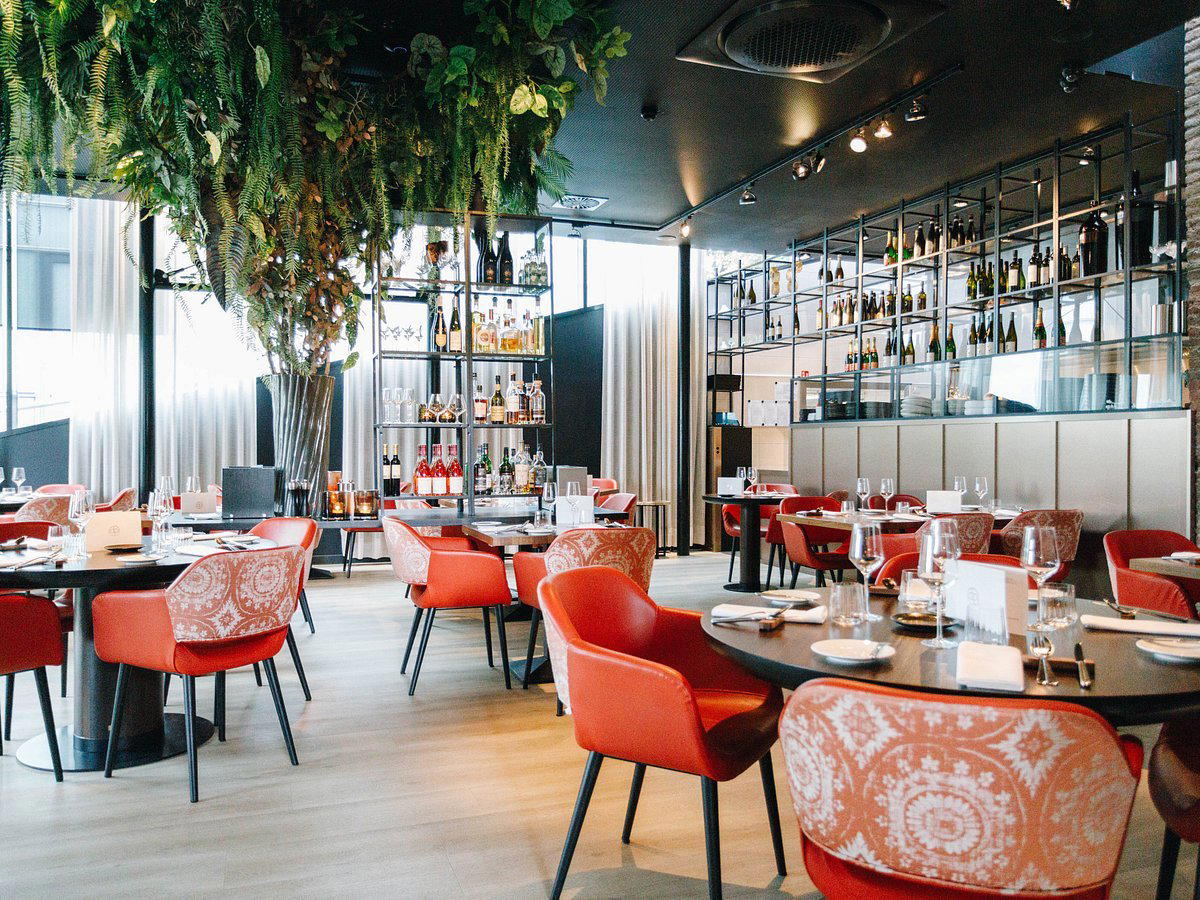
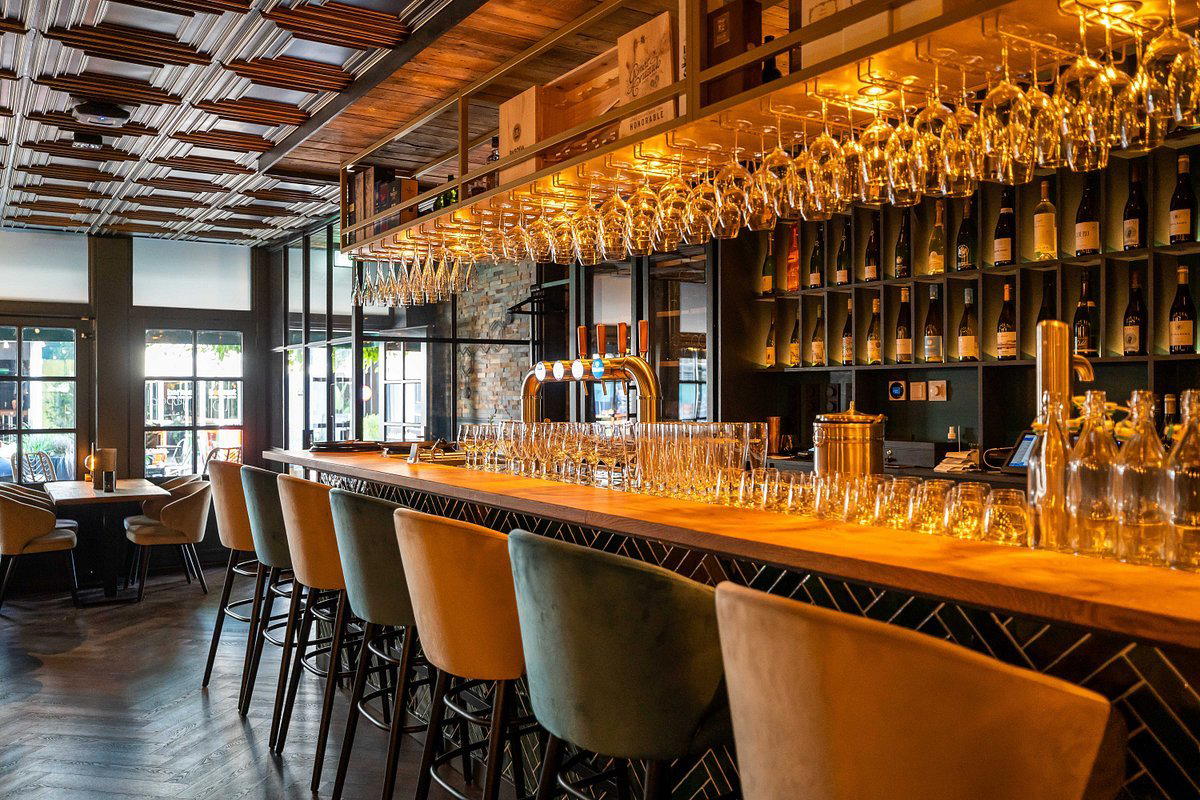
The interior has been updated into a contemporary register while the terrace has kept its original character. That split, new inside, retained outside, is a common tension point for historic restaurant spaces, and the fact that the terrace has been preserved suggests the setting carries value that a full modernisation would have erased. For a dining room that holds Michelin recognition, the physical environment matters as a signal of what the kitchen is trying to do: technically current, but not disconnected from where it comes from.
Within the broader geography of Dutch single-star dining, Rijnzicht sits at some distance from the main clusters. De Librije in Zwolle, Ciel Bleu in Amsterdam, and Parkheuvel in Rotterdam operate in or near major urban centres. De Bokkedoorns in Overveen, Inter Scaldes in Kruiningen, Brut172 in Reijmerstok, and De Groene Lantaarn in Staphorst represent the strand of Dutch fine dining that operates in genuinely rural or semi-rural settings, where the journey to the restaurant is part of its identity. Rijnzicht belongs firmly to that strand. The drive through the Gelderse Poort to reach Doornenburg is itself an act of commitment, and a reasonable signal that the guests who make it are there to pay attention.
High-volume review scores at accessible urban restaurants are less informative than sustained scores at destinations that require deliberate effort to reach. A 4.5 at 346 reviews in a village suggests a consistent experience rather than an occasional spike.
Planning a Visit
Rijnzicht is closed on Mondays and opens Tuesday and Wednesday from 6 PM, with Thursday through Sunday service from noon, all running to midnight. The later closing time across all open days is a practical signal: the kitchen is not rushing tables. At €€€€ pricing with a set menu format, an evening here is designed to extend.
Doornenburg is most easily reached by car from Nijmegen, roughly fifteen kilometres to the west, or from Arnhem to the north. The village sits inside the Gelderse Poort nature area, which makes the approach more scenic than a typical suburban restaurant drive. For those travelling further, Nijmegen's rail connections and the broader Gelderland road network make Doornenburg a feasible destination from Amsterdam, Utrecht, or Düsseldorf. For context on what else the area offers around a visit, see our full Doornenburg restaurants guide, as well as guides covering Doornenburg hotels, bars, wineries, and experiences in the region. For those building a longer itinerary around Dutch fine dining in the east of the country, De Lindenhof in Giethoorn makes a logical pairing for a multi-day circuit through Gelderland and beyond.
Comparable Venues
Comparable venues nearby, for context on price, style, and recognition.
| Venue | Cuisine | Price | Awards | Notes |
|---|---|---|---|---|
| RijnzichtThis venue — the venue you are viewing | Modern Dutch Fine Dining | $$$$ | Michelin 1 Star | Not listed |
| Lutum | Modern Dutch Contemporary | $$$$ | Michelin 1 Star | Wijk bij Duurstede |
| RIJKS® | Modern Dutch Low Countries Cuisine | $$$$ | Michelin 1 Star | Museumplein |
| Zout & Citroen | Modern French-Asian Fine Dining | $$$$ | Michelin 1 Star | Oosterhout city center |
| Pikaar | Modern European Fine Dining | $$$$ | Michelin 1 Star | Vrijthof |
| Kaatje bij de Sluis | Modern French Fine Dining | $$$$ | Michelin 1 Star | Blokzijl kern |
Recognition history
Dated appearances from independent guides and award organizations, with the underlying list record or original source where available.
Star Wine List
Star Wine List
Michelin 1 Star
Michelin
Michelin 1 Star
Michelin
Continue exploring
More in Doornenburg
Restaurants in Doornenburg
Browse all →
Bars in Doornenburg
Browse all →
Hotels in Doornenburg
Browse all →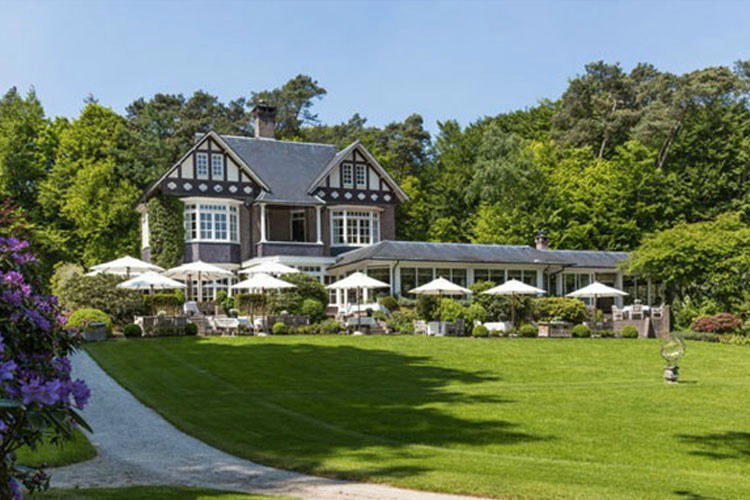
At a Glance
- Elegant
- Scenic
- Intimate
- Sophisticated
- Date Night
- Special Occasion
- Waterfront
- Terrace
- Extensive Wine List
- Sommelier Led
- Waterfront
- Garden
Current opening hours
- Monday
- Closed
- Tuesday
- 6 PM–12 AM
- Wednesday
- 6 PM–12 AM
- Thursday
- 12 PM–12 AM
- Friday
- 12 PM–12 AM
- Saturday
- 12 PM–12 AM
- Sunday
- 12 PM–12 AM
Hours can change for holidays and private events. Last verified .
Relaxed yet refined atmosphere with scenic riverside terrace, warm service, and a sense of homey elegance despite the high-end cuisine.