Versaen


1 Michelin Star · Star Wine List
Our verdict
A Michelin-starred former butcher's shop on Ravenstein's market street, Versaen earns its recognition through restraint rather than spectacle. Chef Hans Derks works with regional suppliers and a limited palette of elements, producing creative plates that draw on Mediterranean and Eastern references without losing their Dutch grounding.

Pearl is the En Primeur Club membership app — saves, bookings, and concierge access live there. Same editors, same standards.
- Address
- Marktstraat 19, 5371 AC Ravenstein, Netherlands
- Phone
- +31 486 851 565
- Hours
- Mon ClosedTue–Wed 6 PM–12 AMThu–Fri 12–4 PM, 6 PM–12 AMSat 12–4:30 PM, 6:30 PM–12 AMSun Closed
- Website
- restaurantversaen.nl
- Directions
- Get directions
- Booking
- Book on Zenchef
The menu
What to order
- Duck Breast with Seasonal Vegetables
- Truffle Risotto with Wild Mushrooms
- Chocolate Fondant with Raspberry Coulis
- Poached Monkfish with Beurre Blanc
A Market Town Setting That Sets Expectations Before You Sit Down
Ravenstein is one of the smallest fortified towns in the Netherlands, a place where the medieval street grid still dictates where you walk and the market square still anchors daily life. Arriving at Marktstraat 19, the building itself signals the register before you open the door: a former butcher's shop, with the kind of bones that carry history quietly rather than advertising it. In a country where Michelin-starred dining tends to cluster in Amsterdam, Rotterdam, and the larger provincial cities, a one-star address in a town this size carries a different weight.
Where the Food Comes From and Why That Shapes Every Plate
The editorial case for ingredient sourcing as a lens through which to read Versaen is not incidental. North Brabant sits within one of the Netherlands' most productive agricultural regions, and the supply relationships that define the kitchen at Versaen are specifically regional in emphasis. Chef Hans Derks pays close attention to his suppliers, and that attention shows in how the menu is constructed: not around conceptual complexity or theatrical technique, but around what a limited number of well-sourced elements can achieve when treated with precision.
This approach puts Versaen in a recognisable tradition within Dutch creative cooking, though one that is less frequently discussed than the high-intervention, many-component style that characterises some of the country's more celebrated addresses. De Nieuwe Winkel in Nijmegen, for instance, takes an organic framework and pushes it into maximalist territory. Versaen operates in a different register: fewer elements, deeper consideration of each one, and a kitchen philosophy that treats sourcing as the foundation rather than the story. The distinction matters to how you read the cooking on the plate.
Regional suppliers in North Brabant provide access to produce, dairy, and proteins that carry the character of the land. When that provenance is handled with the kind of restraint the kitchen applies here, the result is cooking where flavour precision substitutes for elaboration. A beurre blanc built around roasted garlic added to poached monkfish is a credible example of that logic: the sauce technique is classical, but the specific choice of roasted garlic introduces an earthier register that would not emerge from a more conventional preparation. The ingredient decision and the sourcing decision are inseparable.
Mediterranean Reach, Eastern Inflection, Dutch Foundation
One of the more interesting tensions in the cooking at Versaen is the range of reference it draws on without losing coherence. Mediterranean preparations and Eastern intensity appear alongside classical French technique and Dutch raw material, and the kitchen manages that range because the governing principle is harmony rather than novelty. An ajoblanco soup, a dish with roots in Andalusia built on ground almonds and garlic, is referenced in published descriptions of the menu alongside fresh herring, fish roe, and a palette of vegetables including beetroot, radish, and leek. The Spanish base and the Dutch-inflected garnish sit together without either element dominating.
That kind of cross-reference is not unusual in contemporary European creative cooking, but it requires a specific kind of editorial confidence to execute without the result feeling arbitrary. The same published description notes a willingness to reinterpret a tournedos Rossini, a preparation with a defined classical identity, which implies a kitchen comfortable enough with its reference points to update them rather than reproduce them. These are not combinations designed to provoke conversation about themselves. They are decisions made in service of the plate.
For context, the €€€ price tier at Versaen positions it below the €€€€ bracket occupied by many of the Netherlands' better-known Michelin addresses, including De Librije in Zwolle, Aan de Poel in Amstelveen, Fred in Rotterdam, and De Bokkedoorns in Overveen. That pricing differential is worth noting not as a measure of quality but as a signal about the kitchen's approach to ambition: the goal is depth at a contained scale, not the kind of elaborate production that justifies a higher price point through spectacle alone. Among €€€ creative addresses in the Netherlands, Versaen sits alongside Codium in Goes and 't Amsterdammertje in Loenen aan de Vecht as part of a tier that prioritises focus over scale.
Brabant Conviviality as a Context for Serious Cooking
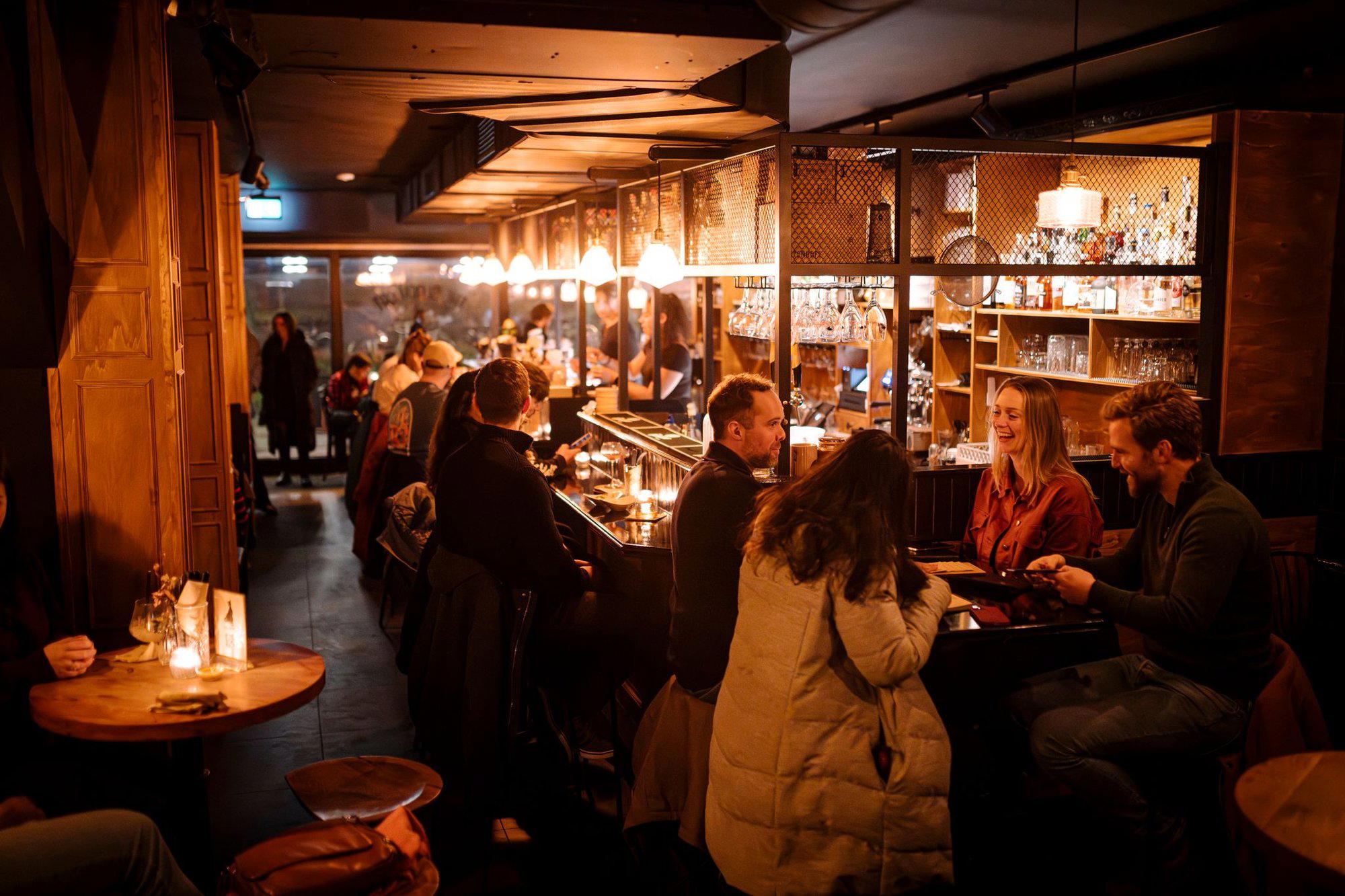
North Brabant has a specific cultural register within the Netherlands. The province is associated with a warmth and directness in hospitality that distinguishes it from the more formal dining cultures of, say, South Holland or Overijssel. That Brabant conviviality is not incidental to how a restaurant like Versaen functions. Published descriptions of the venue specifically reference it as part of the experience, suggesting that the dining room atmosphere is shaped by where it sits as much as by what emerges from the kitchen.
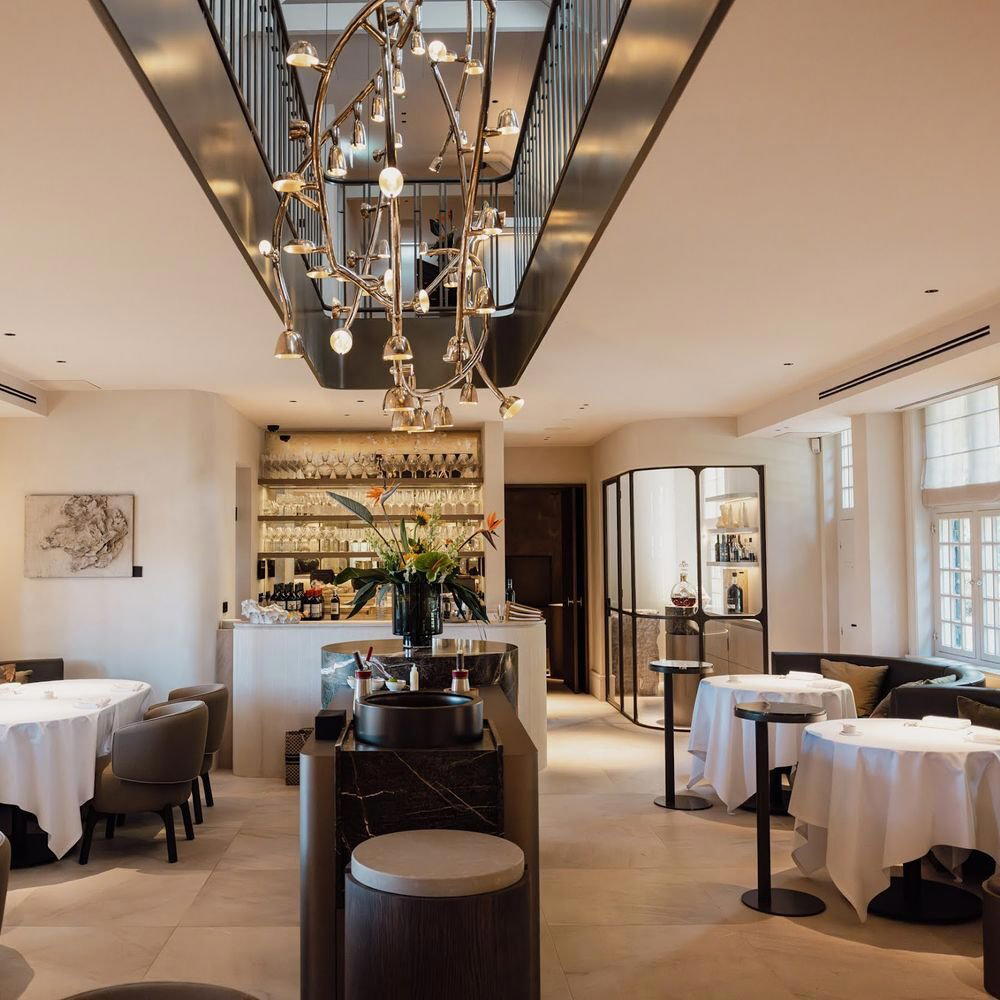
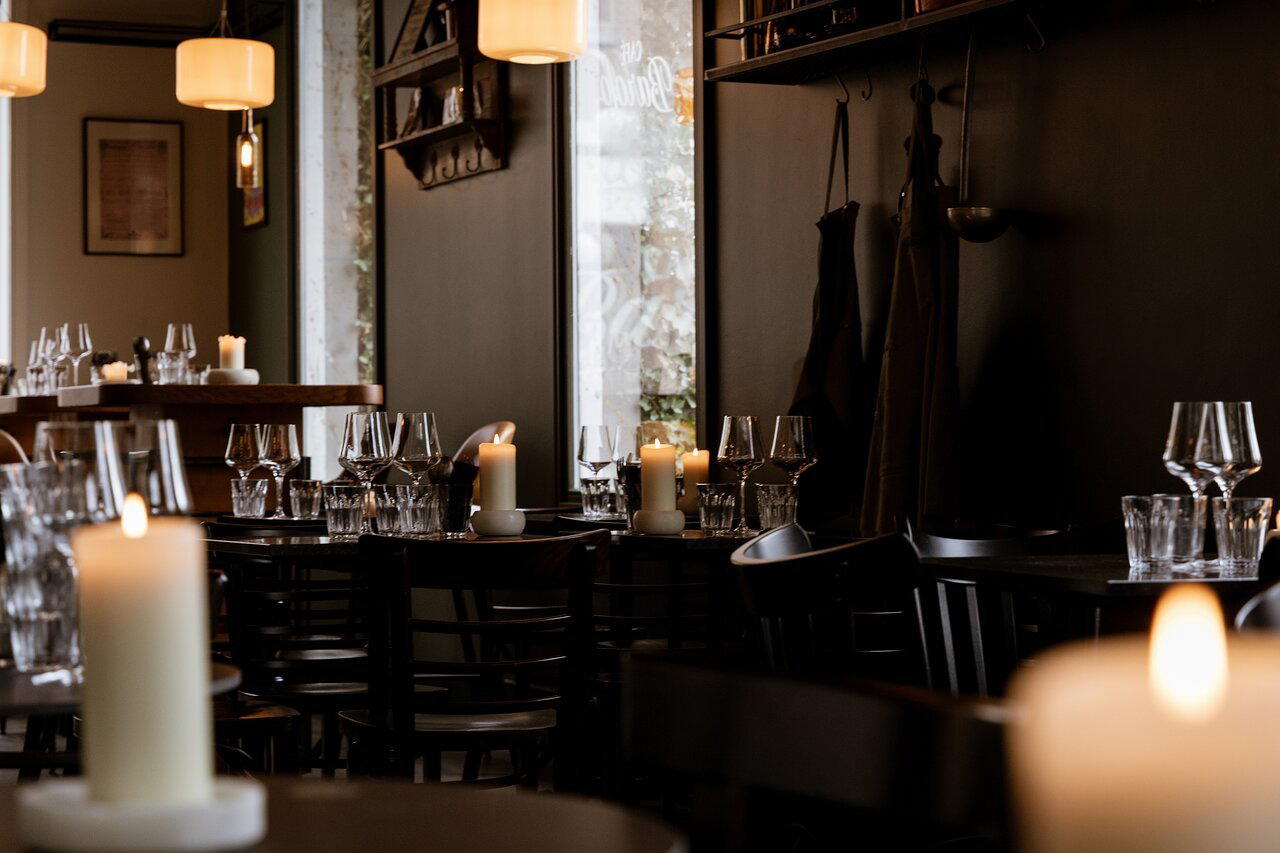
The former butcher's shop space introduces a material quality to that atmosphere: exposed surfaces, structural honesty, a sense of purity that aligns with the cooking's own emphasis on clarity. The Star Wine List recognition, published in April 2023 and carrying a White Star designation, confirms that the beverage programme operates at a level consistent with the food, which matters in a setting where the drink pairing is often where the evening's personality fully emerges.
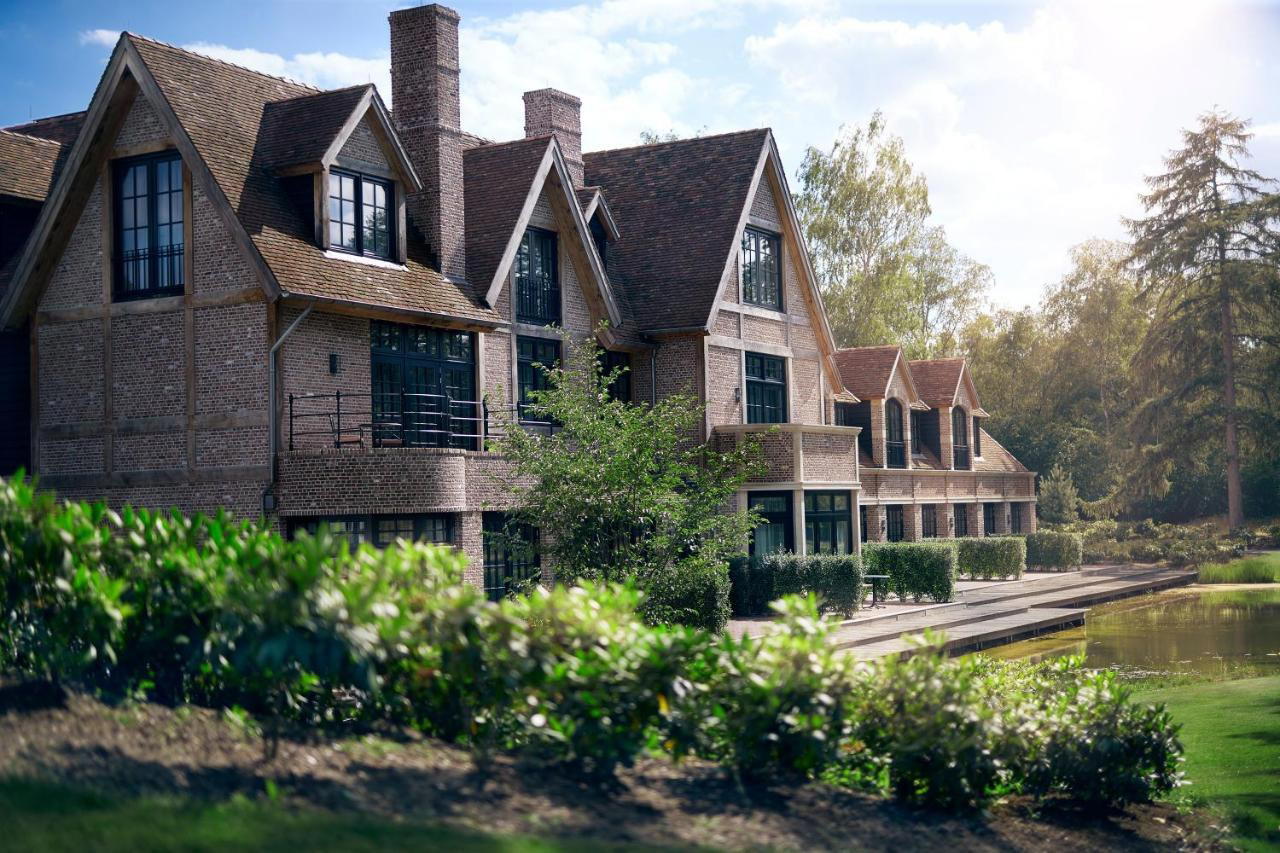
For visitors making the journey to Ravenstein specifically for this restaurant, the town itself is worth a half-day. The medieval fortifications, the Maas riverside, and the compact scale of the historic centre make it a more satisfying destination than a single meal would strictly require. Pairing a dinner reservation at Versaen with a stay in the area makes logistical sense, and the restaurant's hotel association means accommodation options in the immediate vicinity are worth investigating through [our full Ravenstein hotels guide](). For further exploration of what the town and surrounding area offer, [our full Ravenstein restaurants guide](), [bars guide](), [wineries guide](), and experiences guide cover the broader picture.
Planning Your Visit
Versaen operates on a schedule that reflects the rhythms of a serious kitchen rather than a maximised commercial calendar. The restaurant is closed on Mondays, Wednesdays, and Sundays. Lunch service runs Thursday and Friday from noon to 4 PM, with Saturday extending slightly to 4:30 PM. Dinner runs Thursday through Saturday from 6 PM (6:30 PM on Saturdays), with service continuing to midnight across all evening sessions. Tuesday operates as an evening-only day, running 6 PM to midnight. The Tuesday and evening-only pattern suggests a kitchen that is managing energy and consistency carefully, which aligns with the cooking philosophy. Booking ahead is advisable given the venue's scale and recognition; the Michelin star awarded in 2024 will have increased demand meaningfully. Contact and reservation details are best confirmed through current channels, as the venue's website and phone information are not listed in publicly available directories at time of writing.
For those building a broader itinerary around the southern Dutch creative dining scene, De Lindehof in Nuenen and Brut172 in Reijmerstok offer reference points in adjacent price and style tiers. Further afield, Inter Scaldes in Kruiningen, De Groene Lantaarn in Staphorst, De Lindenhof in Giethoorn, and Ciel Bleu in Amsterdam round out a picture of what Michelin-recognised creative cooking looks like across the country at different price points and in different settings.
Frequently asked questions
How much does it cost to eat at Versaen?
Pricing at Versaen is listed as €€€.
At-a-Glance Comparison
| Venue | Cuisine | Price | Awards |
|---|---|---|---|
| VersaenThis venue — the venue you are viewing | Modern French with Mediterranean & Asian Influences | $50–100 | 1 Michelin Star · Star Wine List |
| De Librije | Modern Cuisine | Not listed | Michelin 3 Star |
| Aan de Poel | Creative | Not listed | Michelin 2 Star |
| De Lindehof | Contemporary Dutch, Creative | Not listed | Michelin 2 Star |
| Fred | Creative French | Not listed | Michelin 2 Star |
| De Nieuwe Winkel | Organic | Not listed | Michelin 2 Star |
Recognition history
Dated appearances from independent guides and award organizations, with the underlying list record or original source where available.
Michelin 1 Star
Michelin
Star Wine List
Star Wine List
Full recognition history (3 entries)
Michelin 1 Star
Michelin
Continue exploring
More in Ravenstein
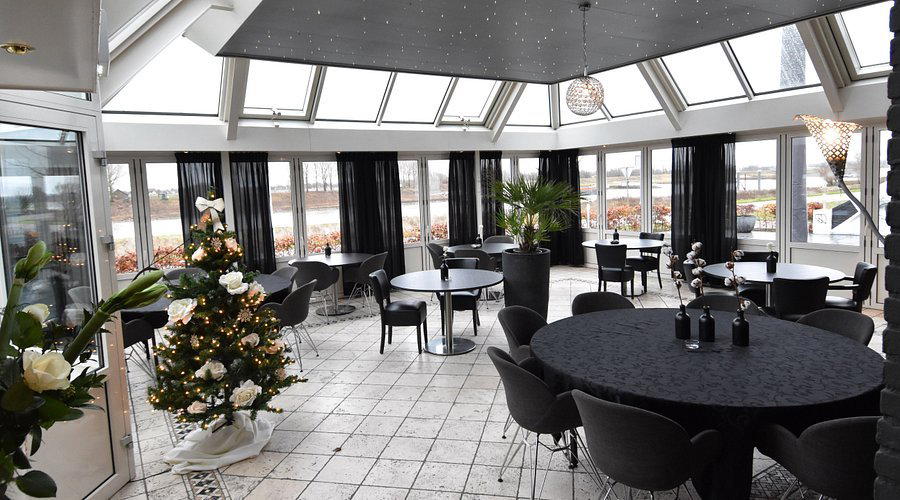
Restaurants in Ravenstein
Browse all →
Bars in Ravenstein
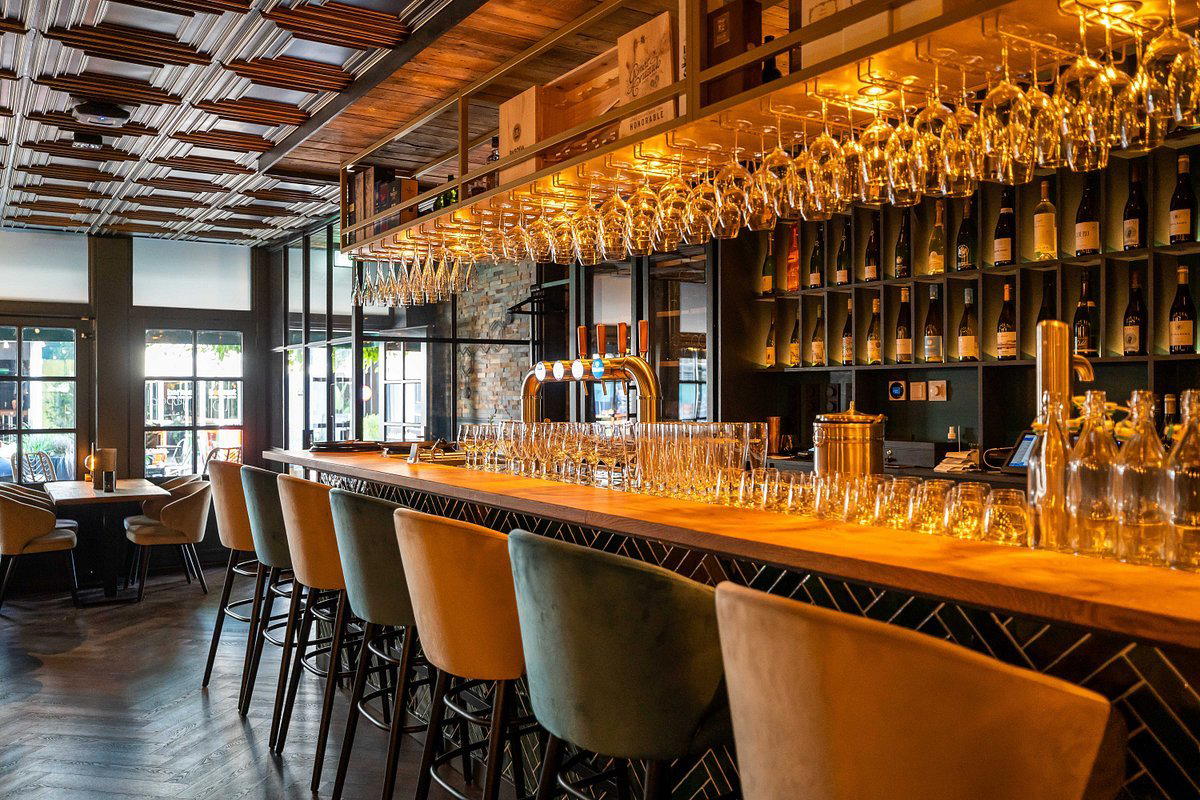
Browse all →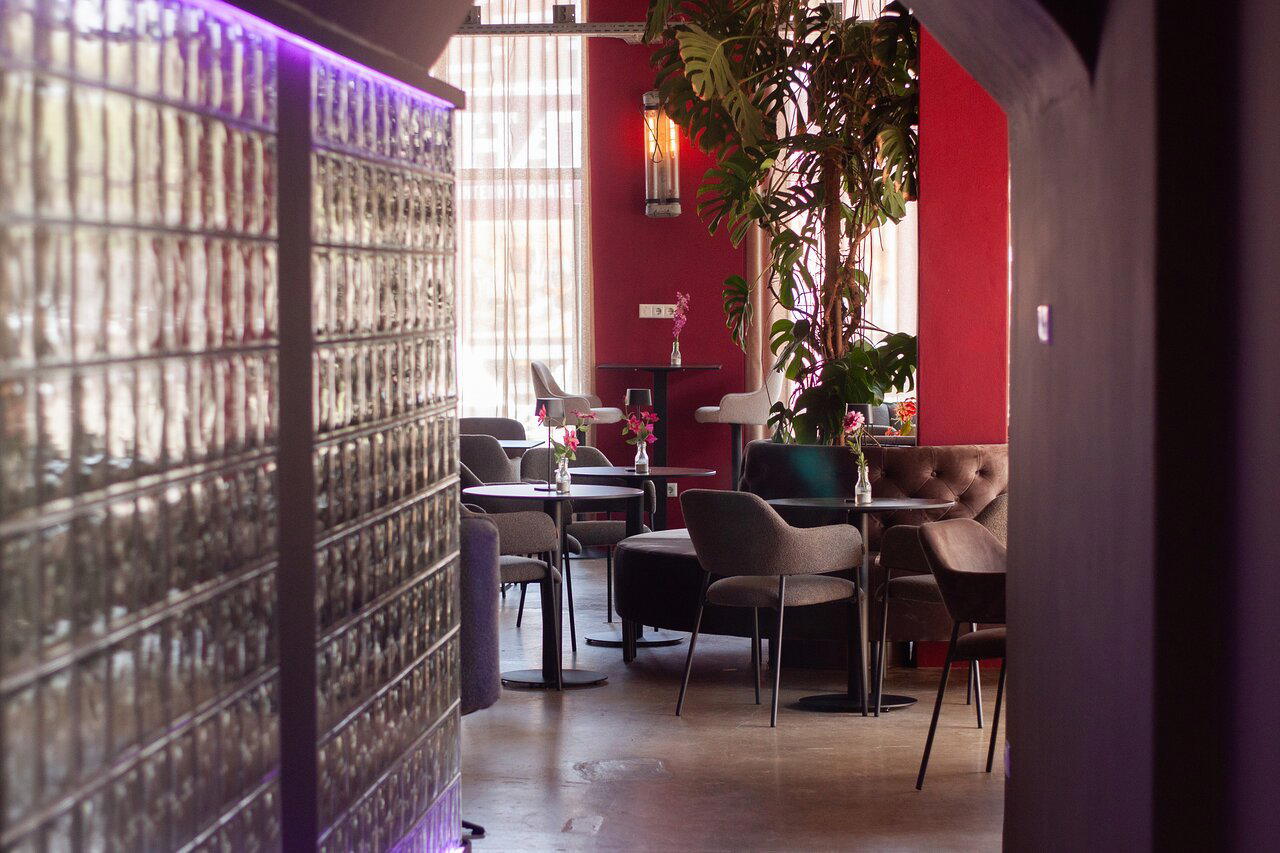
Versaen
The wine
- Wine program
- Exceptional wine program
- Extensive wine list
- Sommelier-led
Details
- Elegant
- Intimate
- Trendy
- Sophisticated
- Date Night
- Special Occasion
- Celebration
- Open Kitchen
- Historic Building
- Wine Cellar
- Extensive Wine List
- Sommelier Led
- Local Sourcing
- Farm To Table
- Sustainable Seafood
- Tasting Menu
- Prix Fixe
- Wine
- Vegetarian Friendly
- Vegan Options
- Gluten Free Options
Current opening hours
- Monday
- Closed
- Tuesday
- 6 PM–12 AM
- Wednesday
- 6 PM–12 AM
- Thursday
- 12–4 PM, 6 PM–12 AM
- Friday
- 12–4 PM, 6 PM–12 AM
- Saturday
- 12–4:30 PM, 6:30 PM–12 AM
- Sunday
- Closed
Hours can change for holidays and private events. Last verified .
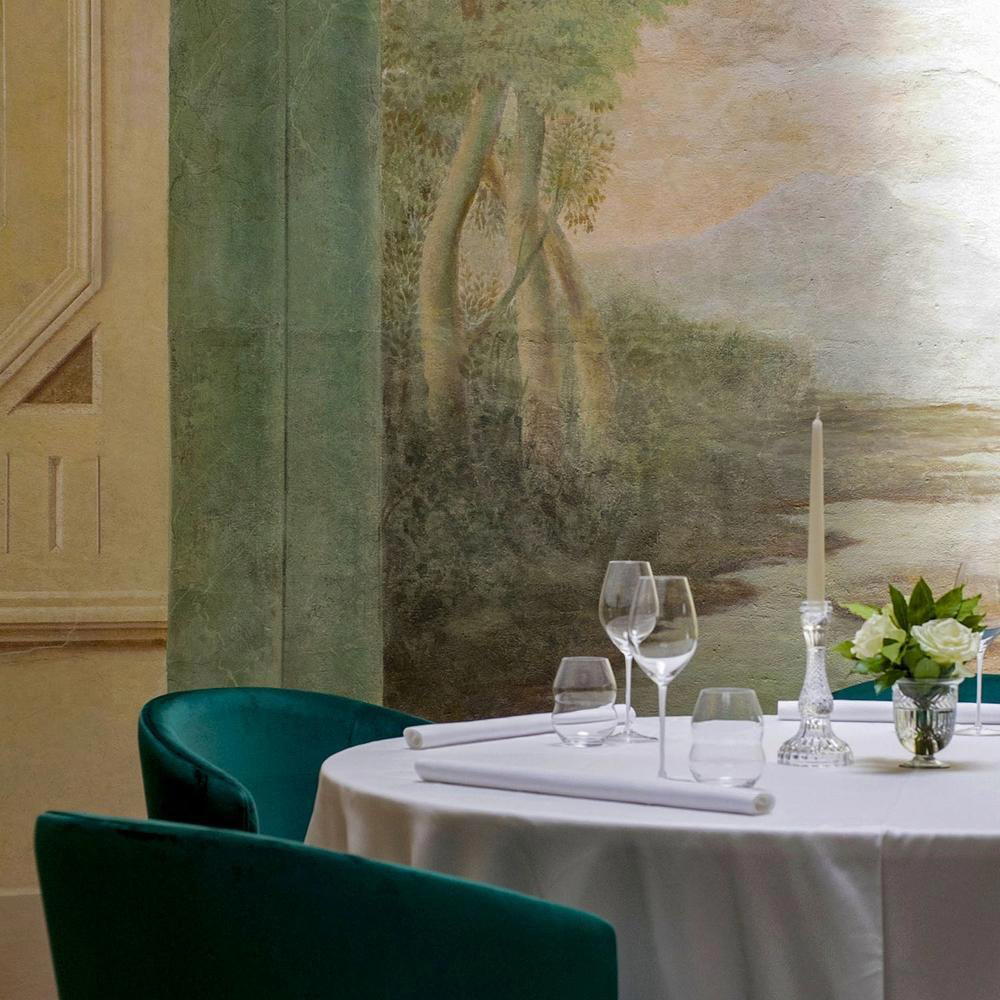
Warm and stylish interior with open kitchen views, trendy yet understated purity, closely arranged tables creating a lively yet intimate atmosphere with Brabantian hospitality.