Intens
Intens sits in Voorst, a quiet corner of Gelderland where the Netherlands' rural east presents a different set of priorities than the urban dining corridors of Amsterdam or Rotterdam. The address places it at some distance from the nearest Michelin cluster, which is precisely what gives a restaurant here its particular character: sourcing is local by necessity and intention, and the dining room operates without the gravitational pull of a city reputation to lean on.
Pearl is the En Primeur Club membership app — saves, bookings, and concierge access live there. Same editors, same standards.
- Address
- Bloemenksweg 38, 7383 RN Voorst Gem Voorst, Netherlands
- Phone
- +31553682618
- Website
- restaurantintens.nl
- Directions
- Get directions
 Saves & bookings on Pearl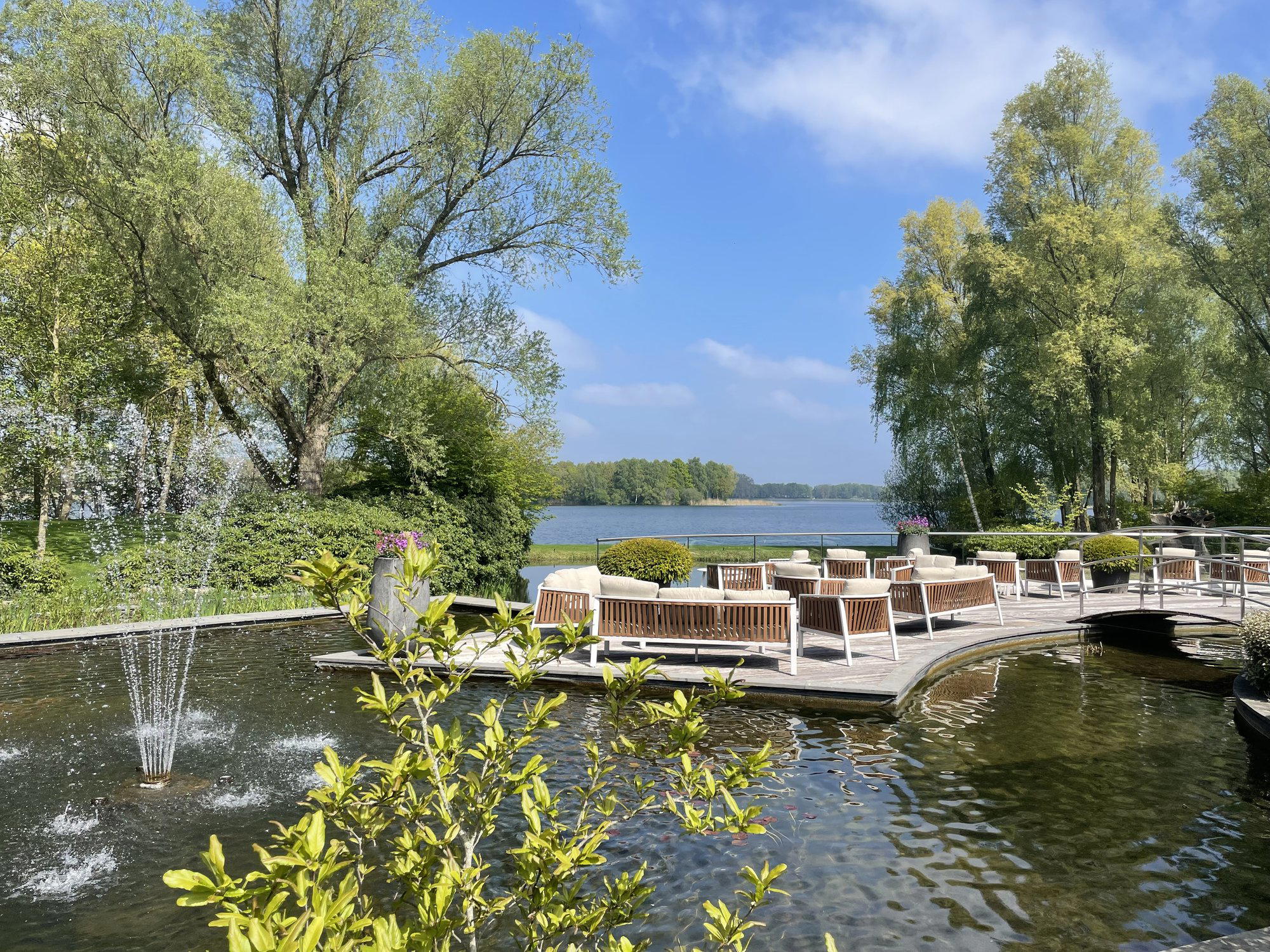
Gelderland's Quiet Dining Radius
The eastern Netherlands has a different relationship with fine dining than the Randstad corridor. In cities like Amsterdam or Rotterdam, restaurants compete within dense peer sets — the kind of environment where a table at Ciel Bleu in Amsterdam or FG by François Geurds in Rotterdam sits two postcodes from a dozen comparable alternatives. Out in Gelderland, the equation changes. The surrounding countryside — the Veluwe to the west, the IJssel valley threading southward, shapes what restaurants can realistically source, and it places a premium on kitchens that can work with what the region produces rather than importing everything from distant wholesale markets.
Voorst itself is a gemeente rather than a proper town: a patchwork of small villages and agricultural land between Apeldoorn and Deventer. Dining here is not a casual decision. Visitors drive out from the Randstad or from Gelderland's larger centres, which means the room fills with guests who have already committed to the evening before they arrive. That kind of audience changes a kitchen's relationship with its menu. There is less pressure to hedge, more room to be direct about what the surrounding land offers at a given time of year.
The Sourcing Logic Behind Rural Fine Dining
Across the Netherlands, the past decade has seen a widening split between urban restaurants that reference local produce as a positioning strategy and rural kitchens that depend on it as a practical reality. De Nieuwe Winkel in Nijmegen has made plant-forward sourcing central to its identity to the point of earning serious critical recognition. De Groene Lantaarn in Staphorst operates in a similarly rural register, where the distance from a major city functions as both constraint and creative premise. Intens on Bloemenksweg in Voorst occupies a comparable position in the eastern province: the address is not on the way to anywhere, which means the kitchen's relationship with its immediate environment is less a marketing choice and more a structural condition.
That structural condition tends to produce a particular kind of cooking. Kitchens in this position work closely with nearby producers because the logistics of sourcing from elsewhere are simply less practical. Game from the Veluwe, freshwater fish from the IJssel, seasonal vegetables from Gelderland's market gardens, these are not exotic imports but the natural inventory of a kitchen rooted in its postal code. The approach aligns Intens with a strand of Dutch cooking that values provenance as a discipline rather than a decoration, in the same way that Inter Scaldes in Kruiningen draws its identity from Zeeland's coastline and estuary rather than despite it.
Where Intens Sits in the Dutch Fine Dining Conversation
The Netherlands has developed a recognisable upper tier of creative kitchens that operate outside the Amsterdam–Rotterdam axis. De Librije in Zwolle demonstrated for years that a restaurant in a provincial city could hold three Michelin stars and draw guests from across the country. 't Nonnetje in Harderwijk operates at the €€€€ tier with a creative format that has no particular need for a large-city address. De Lindenhof in Giethoorn draws an international audience to one of the country's most improbable locations. These precedents matter because they have established that Dutch diners, and serious visitors, will travel for quality without needing a city as the frame.
Intens operates in that same tradition. The Voorst address is a statement of intent rather than a limitation. Restaurants at this level in rural Gelderland are typically working at the €€€€ price range, placing them alongside peers such as De Lindehof in Nuenen and De Treeswijkhoeve in Waalre, both of which operate creative Dutch tasting-menu formats in similarly provincial settings. For international visitors accustomed to the reach of restaurants like Le Bernardin in New York City or Atomix, the scale is different but the seriousness of purpose is not. The Dutch provincial fine dining circuit has its own internal logic, and Voorst sits within it.
The Room and the Approach
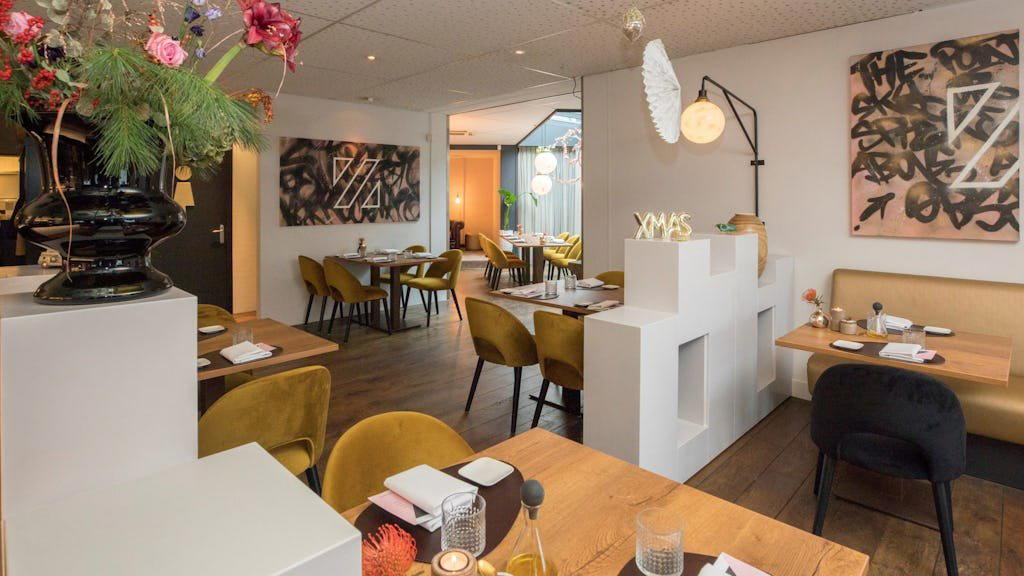
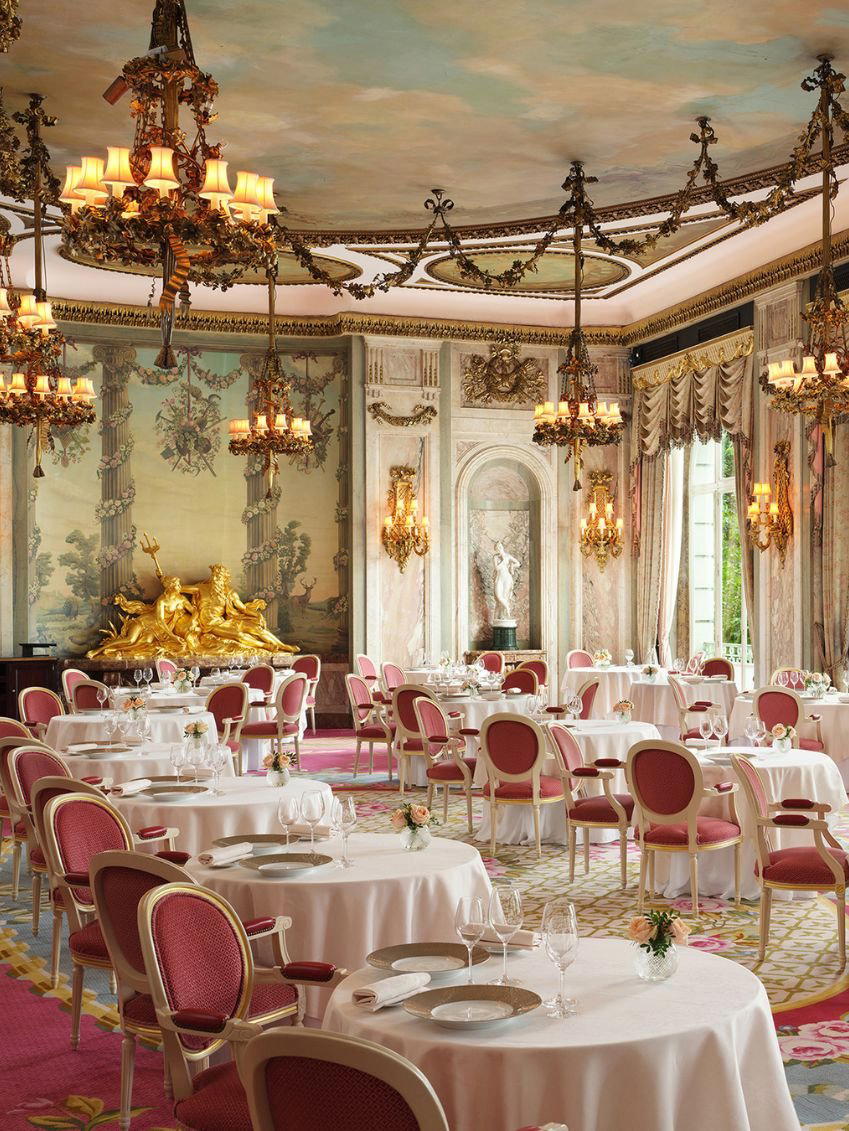
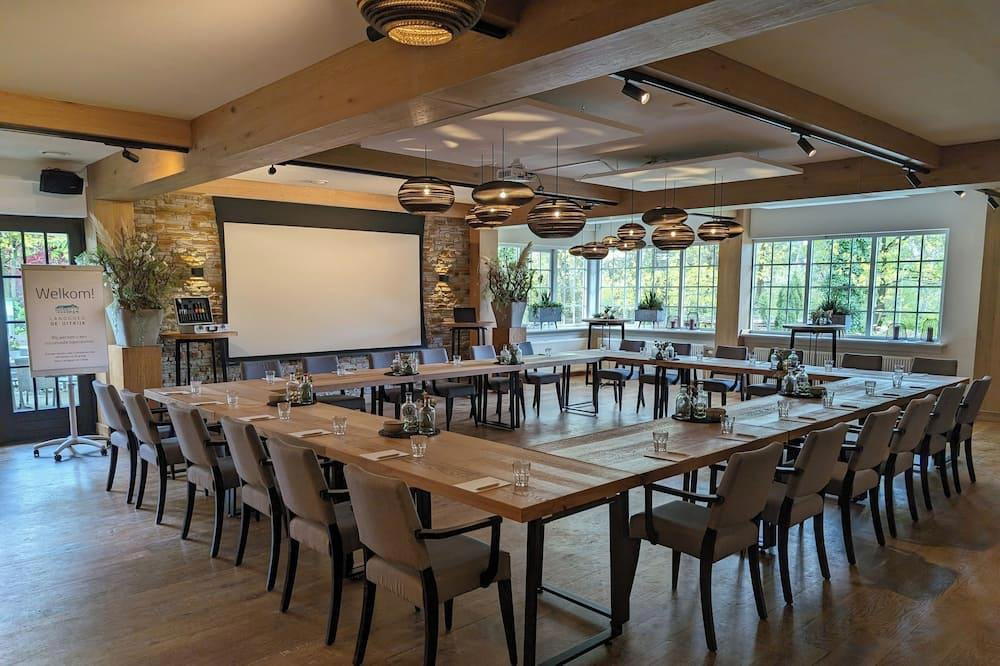
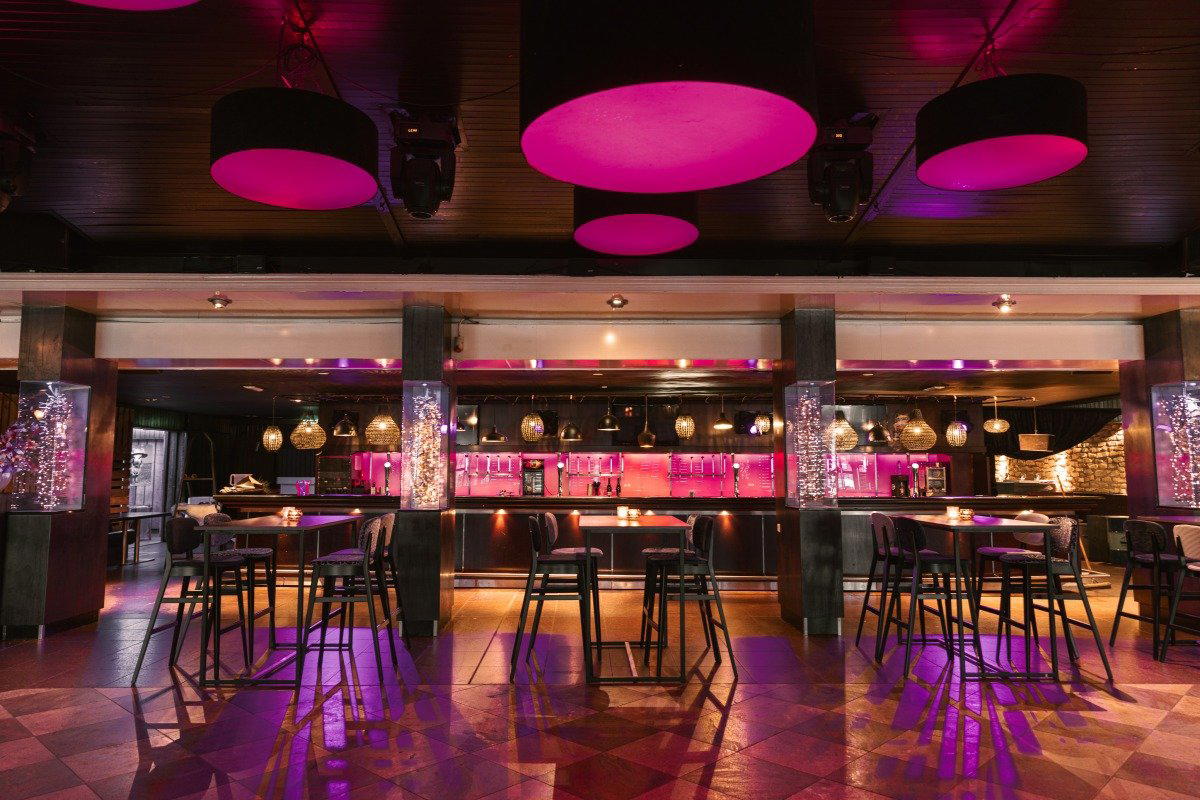
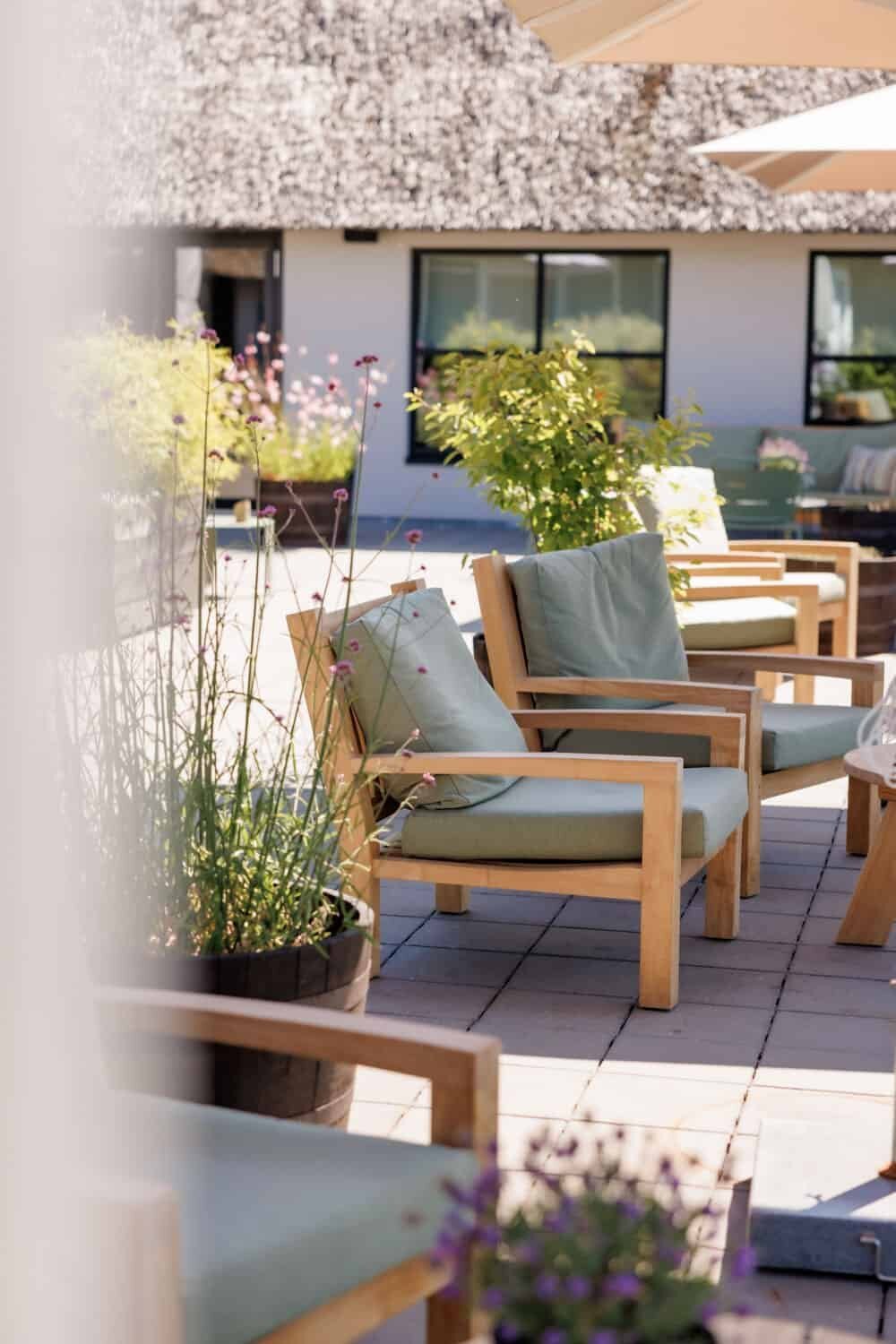
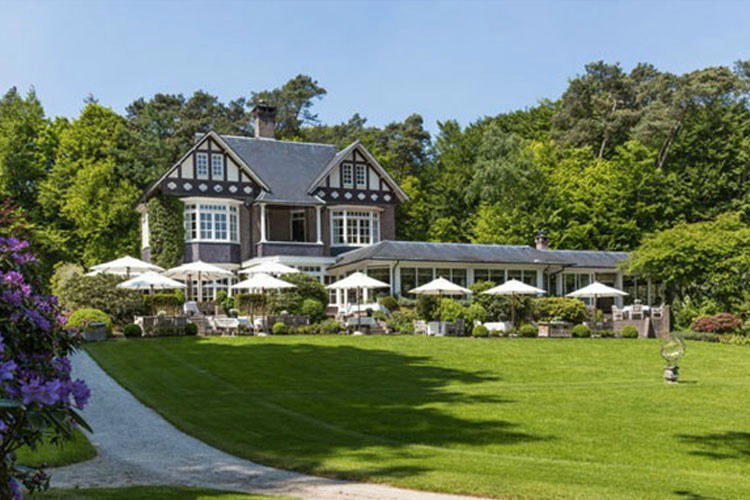
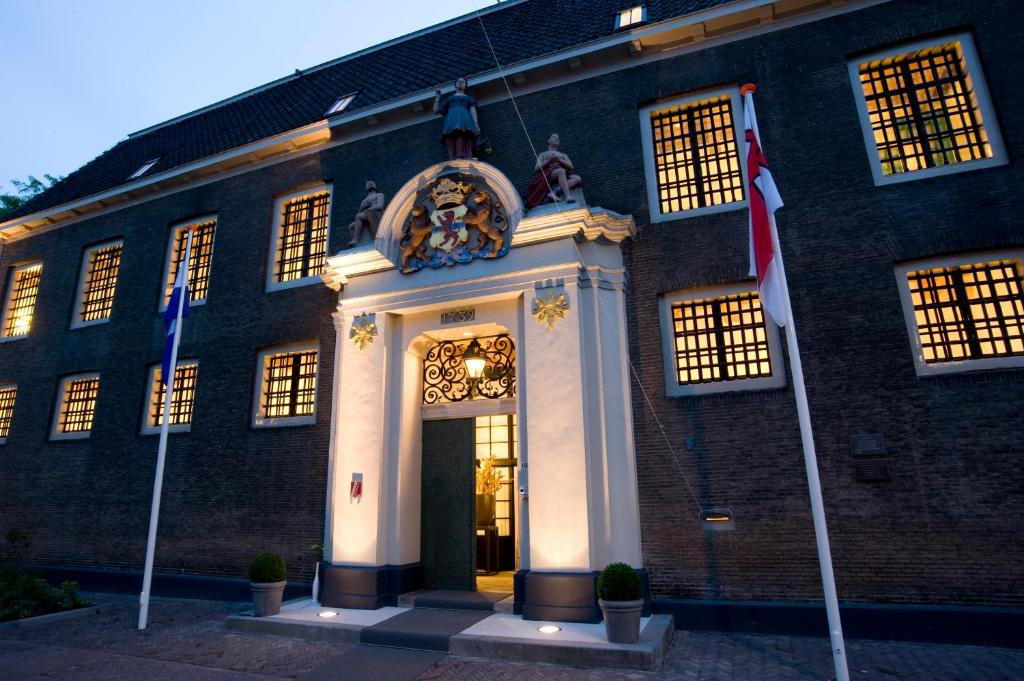
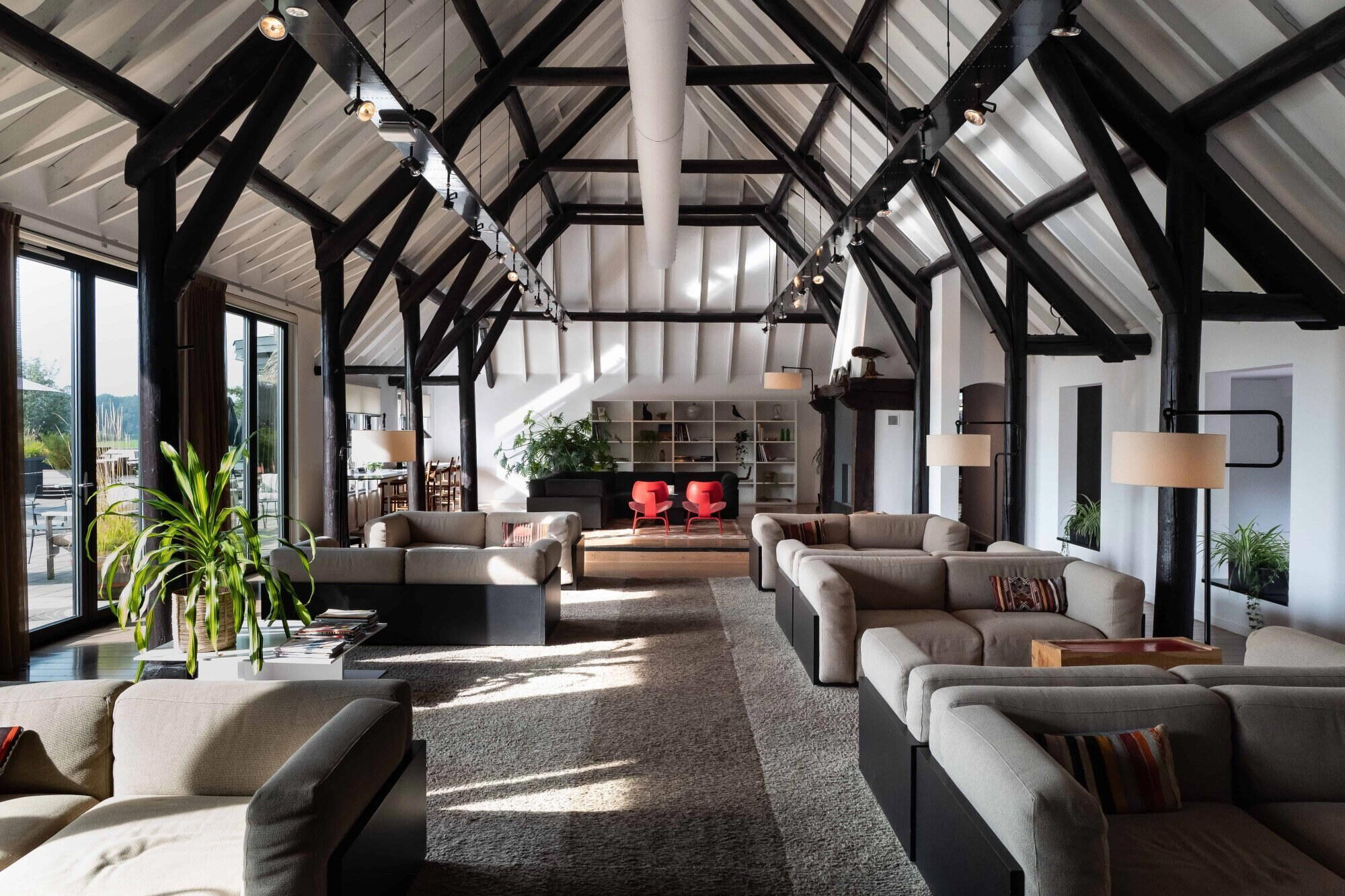
Restaurants on rural addresses in the Netherlands tend to occupy converted farmhouses, former estates, or purpose-built spaces that lean into the landscape rather than against it. The Bloemenksweg address in Voorst follows that pattern, a setting where the physical environment is part of the experience before a single course arrives. Rural Dutch fine dining rooms tend toward calm rather than spectacle: natural materials, considered lighting, a pace that acknowledges guests have already driven some distance and are not planning to rush. The contrast with the compressed energy of urban dining rooms in Amsterdam or Rotterdam is deliberate. Compare the format to something like Brut172 in Reijmerstok, another southern province address that uses its rural remove to set a specific atmospheric register.
The same distance from an urban centre that shapes the sourcing also shapes the service dynamic. Rural fine dining in the Netherlands at this level typically involves small teams with high tenure, where the pace of the meal is set by the kitchen's seasonal rhythm rather than by table-turn pressure. That is a different kind of precision than what a high-volume urban room demands, but it is no less disciplined, see the operation at Aan de Poel in Amstelveen or Tribeca in Heeze for comparable approaches at comparable distances from their nearest major city.
Planning a Visit
Voorst is accessible by car from Apeldoorn in under fifteen minutes, and from Deventer in a similar window. The nearest train stations are at both cities, with onward connections requiring a taxi or arranged transfer. For visitors coming from Amsterdam, the drive is roughly ninety minutes via the A1. Given the rural address and the typical format of a restaurant at this level, the evening should be treated as the destination rather than a stop within a larger itinerary. Reservations at comparable rural fine dining addresses in Gelderland and the surrounding provinces tend to book several weeks ahead, particularly for weekend sittings. Checking availability early is advisable. For a broader picture of what the area offers, see our full Voorst restaurants guide. A parallel for how rural Dutch addresses at this tier manage their calendar can be found at 't Amsterdammertje in Loenen aan de Vecht, where the out-of-city location has not reduced demand.
How Intens Voorst compares with similar nearby venues.
| Venue | Cuisine | Price |
|---|---|---|
| IJssel Restobar | Modern French | €€ |
| 't Arsenaal | Farm to table | €€ |
| 't Nieuwe Diekhuus | Modern French | €€ |
At a Glance
- Elegant
- Sophisticated
- Cozy
- Special Occasion
- Date Night
- Standalone
- Extensive Wine List
- Local Sourcing
- Waterfront
Current opening hours
- Monday
- 5:30–11 PM
- Tuesday
- 5:30–11 PM
- Wednesday
- 5:30–11 PM
- Thursday
- 5:30–11 PM
- Friday
- 5:30–11 PM
- Saturday
- 5:30–11 PM
- Sunday
- 5:30–11 PM
Hours can change for holidays and private events. Last verified .
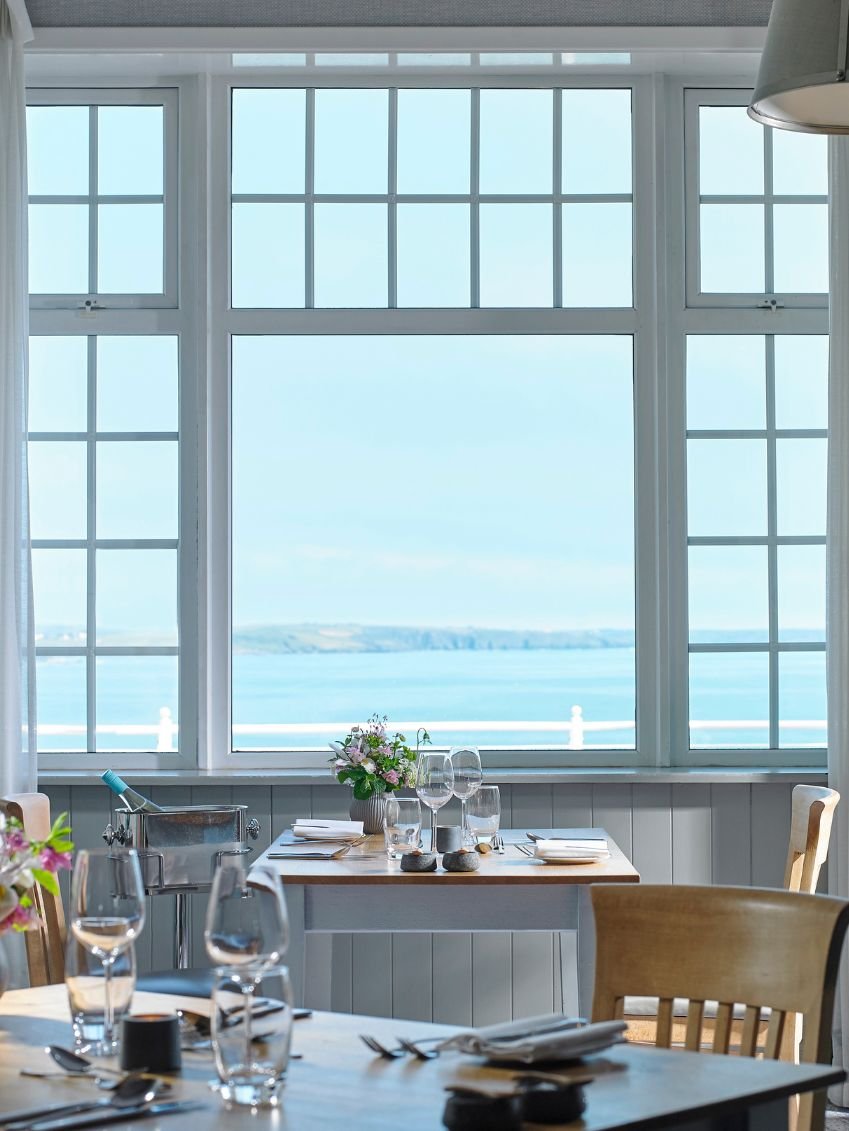
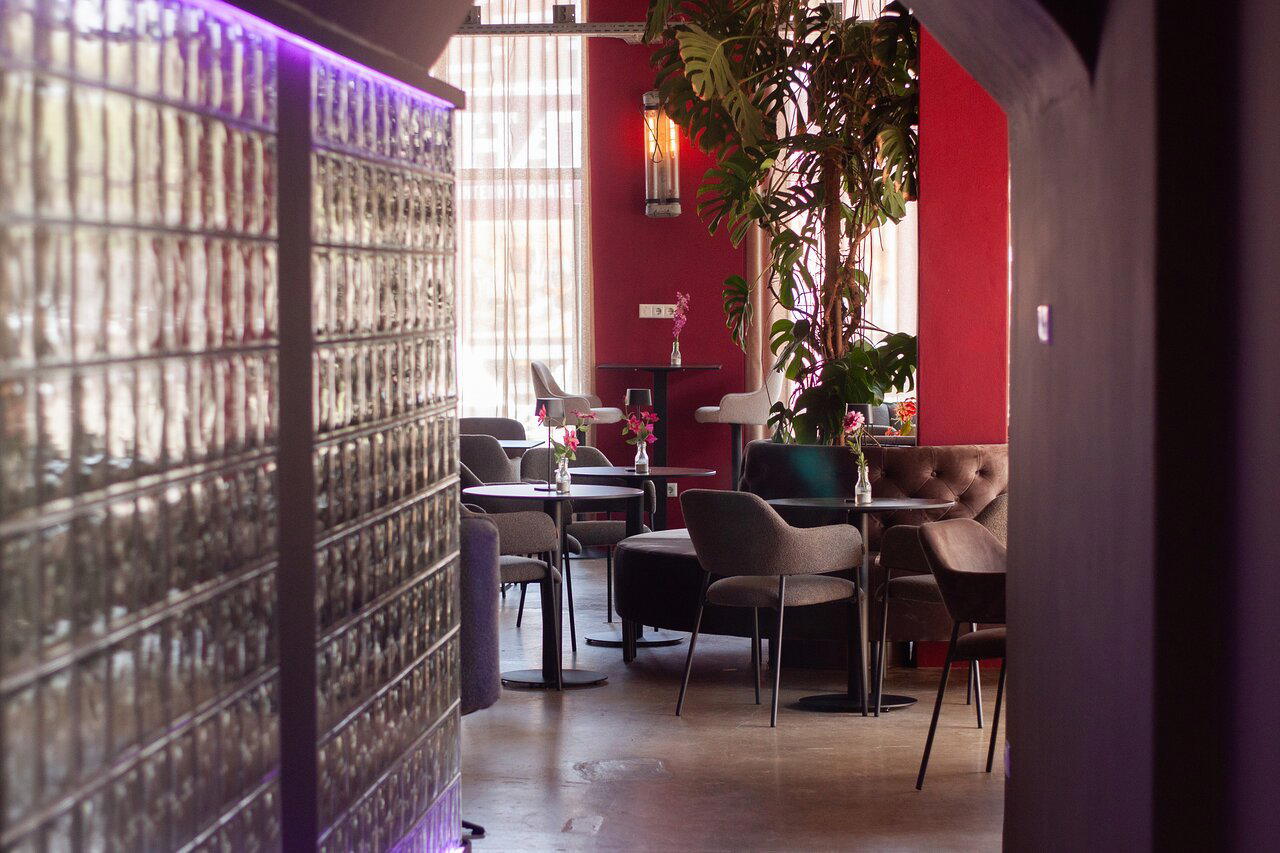
Luxe, sfeervolle, and ongedwongen ambiance with refined atmosphere.
Know Before You Go
- Getting there
- Bloemenksweg 38, 7383 RN Voorst Gem Voorst, Netherlands