GEM.


2 Michelin Stars · The Best Chef One Knife
Our verdict
Set inside a castle on Kasteellaan 1 in Gemert, GEM. places Soenil Bahadoer's Surinamese-Hindustani and French synthesis on one of the most dramatic stages in Dutch fine dining. Premium ingredients, turbot, European lobster, foie gras, carry a spice vocabulary drawn from two culinary traditions at once. The kitchen garden, terrace, and available guestrooms make this a destination that rewards an overnight visit.

Pearl is the En Primeur Club membership app, where members save venues, book tables and use the concierge.
The menu
What to order
- Langoustine
- Monkfish
- Spinach
- Caviar
- Rendang
A Castle Stage for a Singular Kitchen
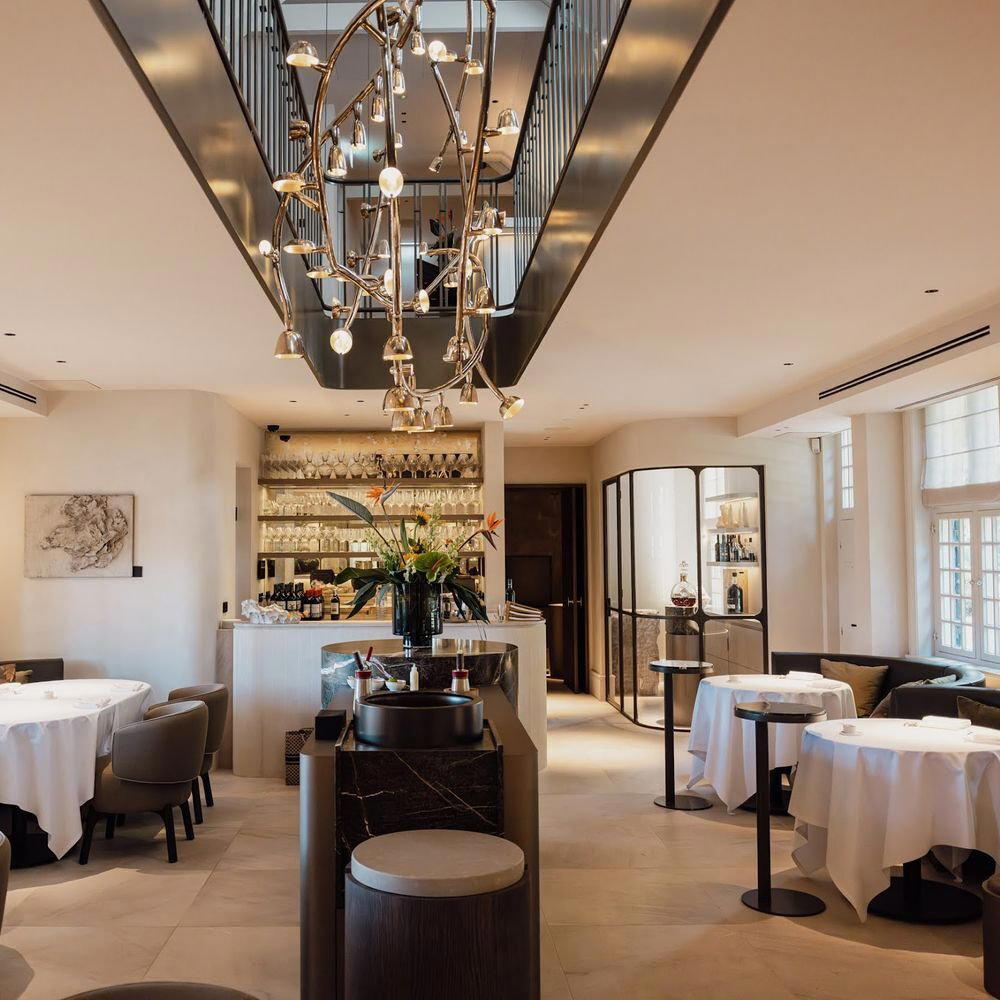
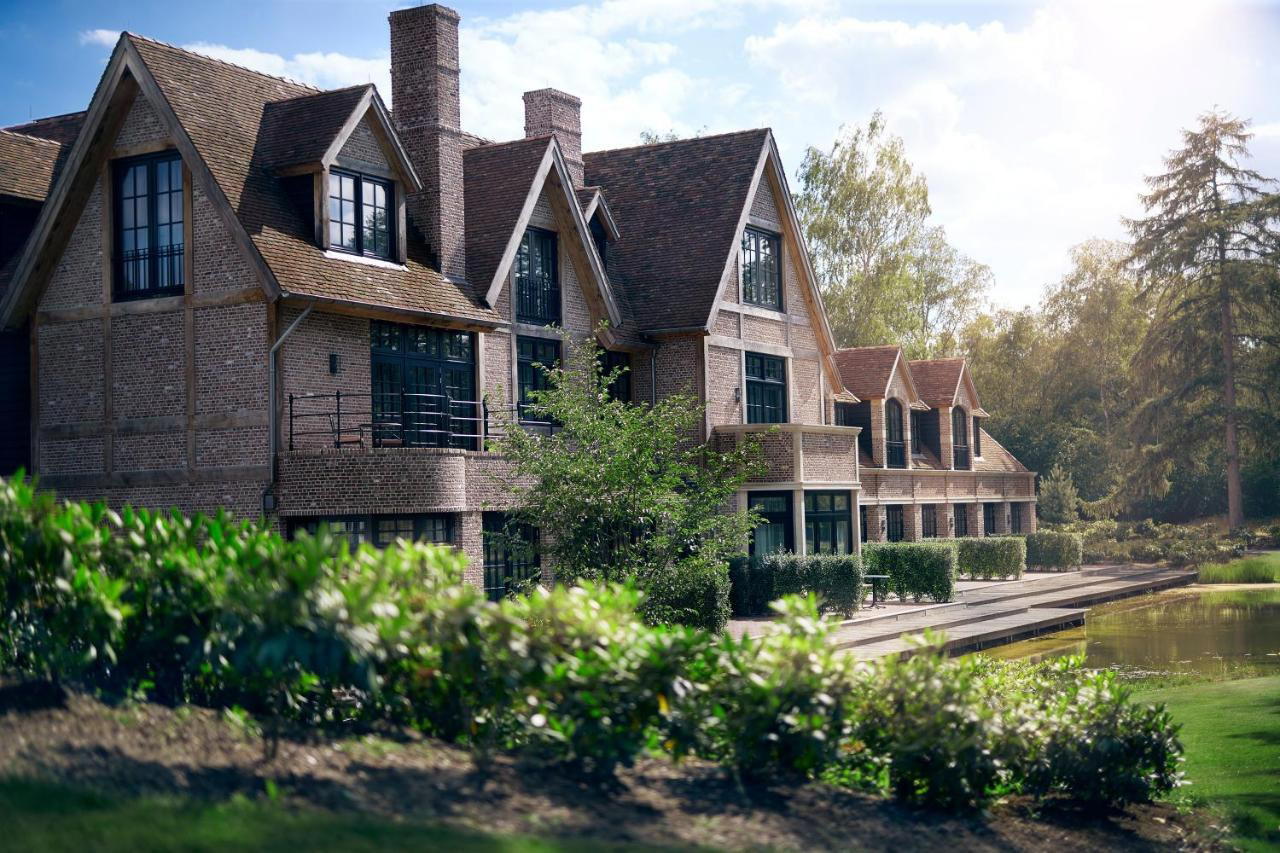
The approach to GEM. does much of the work before a single dish arrives. The driveway at Kasteellaan 1 leads through a kitchen garden before the castle itself comes into view, a setting that places this restaurant in a small cohort of Dutch fine-dining addresses where the architecture is not incidental to the meal but integral to it. The terrace opens onto grounds that frame the meal from the moment you arrive with a welcome drink from the hostess. Very few restaurants operating at this price tier in the Netherlands can offer a setting of this weight, and GEM. does not underplay it.
In the broader geography of Dutch creative fine dining, the addresses working at the €€€€ tier tend to cluster around major cities: Ciel Bleu in Amsterdam, Aan de Poel in Amstelveen, FG - François Geurds in Rotterdam. GEM.'s position in Gemert, in the North Brabant province, places it firmly in the tradition of destination dining, the kind of restaurant that generates its own reason to travel. That tradition has strong roots in the Netherlands, at addresses like De Librije in Zwolle and De Groene Lantaarn in Staphorst, where the remove from urban density becomes part of the proposition rather than an obstacle to it. For more on what the regional dining scene looks like, see our full Gemert restaurants guide.
The Culinary Lineage Behind the Kitchen
The creative fine-dining category in the Netherlands has spent the past two decades developing a credible local identity, moving away from the mid-century template of Franco-classical orthodoxy toward kitchens that position their regional or biographical specificity as a source of flavour logic rather than decoration. Soenil Bahadoer's work at GEM. sits firmly within that evolution, though his particular synthesis, Surinamese-Hindustani heritage in dialogue with French technique and Dutch-sourced ingredients, occupies a more specific register than most.
His earlier years at De Lindehoeve established a long track record of critical recognition before the move to the castle setting. That institutional continuity matters in the Dutch fine-dining circuit, where a chef's preceding work carries weight in how a new address is received. The shift to GEM. did not represent a reinvention so much as an expansion of the same culinary argument into a more resonant physical context. At GEM. the Surinamese-Hindustani thread provides that coherence.
The spice vocabulary that comes through Bahadoer's Hindustani heritage, pomtayer, sambal, harissa, kimchi, does not function here as a signalling device or a token of multiculturalism. It functions as flavour architecture. Dishes built around European lobster, for instance, deploy okra tempura stuffed with tomato and sardine, sambal vegetables, harissa and orange sauce, kimchi cream, and unripe papaya around a centrepiece ingredient cooked to translucent precision. That is a substantial degree of complexity on a single plate, and the structure holds because the spice choices are calibrated against each other, not simply accumulated. Similar precision operates on the sourcing side: turbot and foie gras appear as premium anchors, their classical French weight set against spice registers that neither overwhelm nor defer.
How GEM. Compares Within Its Tier
At the €€€€ level in the Netherlands, kitchens tend to differentiate along three axes: produce sourcing philosophy, formal versus relaxed service register, and the degree to which the chef's personal culinary background becomes the organising principle of the menu. GEM. leans heavily into the third axis, which places it in a similar conversation with kitchens like Brut172 in Reijmerstok or De Treeswijkhoeve in Waalre, addresses in the southern Netherlands where regional identity and chef biography combine to define the meal's character.
What separates GEM. from most peers in this conversation is the degree of cultural synthesis involved. The Surinamese-Hindustani component is not a gloss on a fundamentally French menu; it operates at the level of sauce construction, spice pairing, and vegetable selection throughout. Diners arriving with prior experience at kitchens like De Bokkedoorns in Overveen or De Lindenhof in Giethoorn will find the flavour register here considerably more assertive and, at its finest, considerably more surprising. For broader regional context at creative price-point restaurants, Platán Gourmet in Tata offers an instructive comparison from Central Europe on how multicultural heritage can be deployed at the fine-dining level.
Wine Pairings and the Extended Evening
At creative tasting-menu restaurants operating in the €€€€ bracket, the wine program is rarely separable from the overall value proposition. The flavour intensity that Bahadoer's cooking generates, spice layers running across both savoury and acidic dimensions simultaneously, demands pairings that can work laterally across those registers rather than simply matching weight to weight. According to the awards data, the inspired pairings at GEM. are cited as adding a meaningful dimension to the meal rather than simply accompanying it. That framing suggests a program built around the specific complexity of the kitchen rather than a more generic selection of classical European appellations.
The availability of guestrooms adds a further argument for the overnight model. Destination restaurants at this level in the Netherlands increasingly offer accommodation as a way of extending the occasion and allowing guests to engage with a wine program without logistical constraint. The option to stay on-site at the castle is consistent with how comparable rural addresses in the region, and internationally, have structured the full visit. For accommodation options in the area, our full Gemert hotels guide covers the wider context.
Planning a Visit to GEM.
GEM. is located at Kasteellaan 1, 5421 CB Gemert in the Netherlands. The address operates at the €€€€ price point in the creative fine-dining category, placing it at the upper bracket of Dutch restaurant pricing. Given the destination character of the restaurant, arriving by car is the practical approach for most guests. The presence of guestrooms makes the overnight option worth considering, particularly for those committing to a full wine pairing, and the kitchen garden and terrace reward arriving with enough time before the meal to take in the setting. For complementary planning around drinks and local exploration, see also our full Gemert bars guide, our full Gemert wineries guide, and our full Gemert experiences guide.
Frequently asked questions
Does GEM. work for a family meal?
GEM. at Kasteellaan 1 is a special-occasion address rather than a casual family option. The tasting-menu format, castle setting, and €€€€ price point are calibrated for celebrations, milestone dinners, or dedicated gastronomy evenings. Guests travelling with younger children should plan accordingly.
What should I expect atmosphere-wise at GEM.?
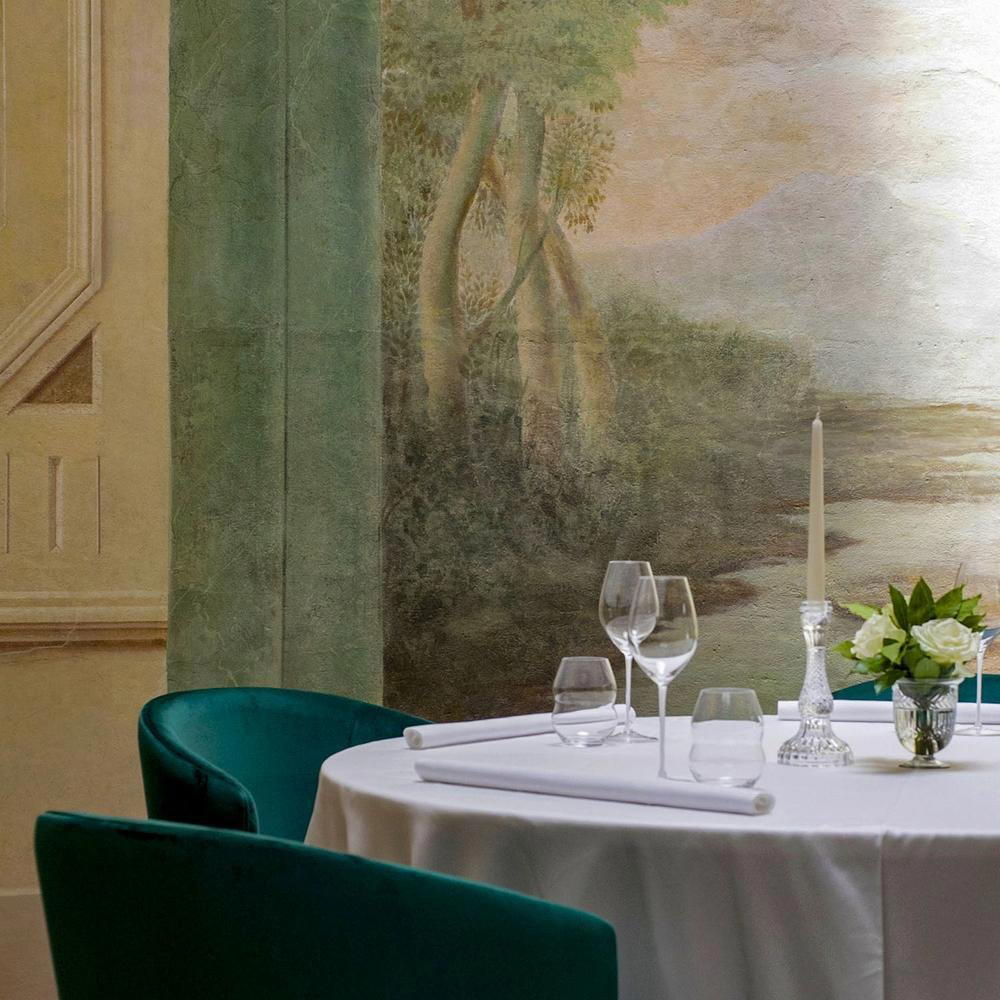
The setting is a castle, and Soenil Bahadoer's kitchen leans into that register fully. Arriving guests are greeted by a hostess before walking through the kitchen garden and into formally elegant dining rooms. The terrace adds a compelling outdoor dimension in fair weather.
Is GEM. award-winning?
GEM. has received recognition including: Chef: Soenil Bahadoer; Once you have made your way up the dri….
What do regulars order at GEM.?
The menu's signature thread is Bahadoer's dialogue between his Surinamese-Hindustani heritage and classical French technique, applied to premium produce including European lobster, turbot, and foie gras. The lobster preparation, built around sambal vegetables, harissa, pomtayer, and okra tempura, draws particular attention. Wine pairings are integrated into the experience and worth taking.
How would you describe the cuisine at GEM.?
GEM.
At-a-Glance Comparison
| Venue | Cuisine | Price | Awards | Notes |
|---|---|---|---|---|
| GEM.This venue (the venue you are viewing) | Creative Surinamese-Hindustani and French Fine Dining | Not listed | 2 Michelin Stars · The Best Chef One Knife | Not listed |
| De Librije | Modern Dutch Fine Dining | $200–300 | 3 Michelin Stars · World's 50 Best #46 | Modern Cuisine |
| Aan de Poel | Modern French Fine Dining | $150–200 | 2 Michelin Stars · La Liste Top Restaurants | Creative |
| De Lindehof | Contemporary Dutch, Creative | Not listed | Michelin 2 Star | Not listed |
| Fred | Modern French Fine Dining | $200–300 | 2 Michelin Stars · La Liste Top Restaurants | Creative French |
| De Nieuwe Winkel | Botanical Fine Dining | $300–500 | 2 Michelin Stars · La Liste Top Restaurants | Organic |
Recognition history
Dated appearances from independent guides and award organizations, with the underlying list record or original source where available.
Michelin 2 Stars
Michelin
The Best Chef One Knife
The Best Chef
Continue exploring
More in Gemert
Restaurants in Gemert
All restaurants in Gemert →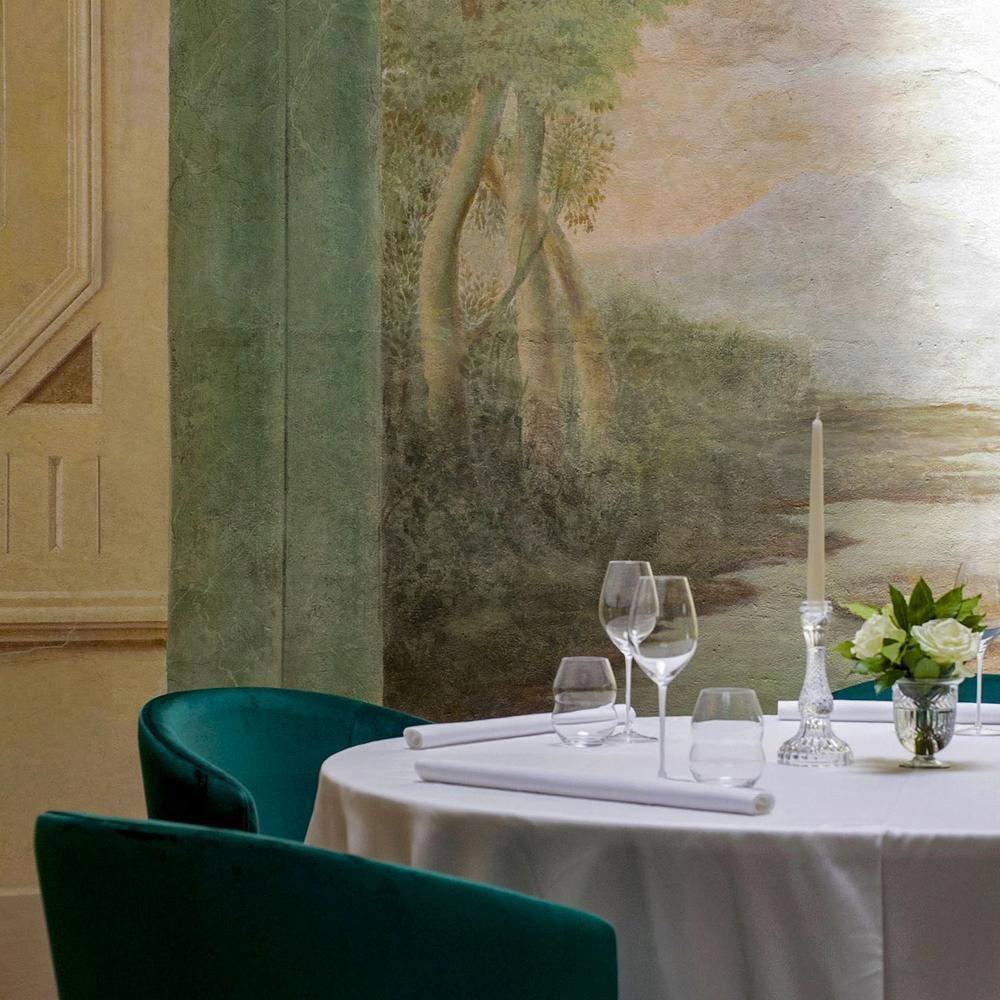

Bars in Gemert
Browse all →
Details
- Elegant
- Sophisticated
- Scenic
- Modern
- Romantic
- Special Occasion
- Date Night
- Celebration
- Business Dinner
- Historic Building
- Terrace
- Garden
- Hotel Restaurant
- Design Destination
- Extensive Wine List
- Sommelier Led
- Local Sourcing
- Farm To Table
- Garden
- Tasting Menu
- Set Menu
- Wine Pairings
- Vegan Options
- Vegetarian Friendly
Current opening hours
- Monday
- Closed
- Tuesday
- Closed
- Wednesday
- 7–8 PM
- Thursday
- 12–1 PM, 7–8 PM
- Friday
- 12–1 PM, 7–8 PM
- Saturday
- 12–1 PM, 7–8 PM
- Sunday
- 12–1 PM
Hours can change for holidays and private events. Hours as of .
A destination fine-dining setting in a historic castle, pairing refined modern presentation with the atmosphere of the estate gardens and castle surroundings.