Éclusier
Éclusier occupies a quiet address on Bloemendaal's Kerkplein, placing it within one of the Netherlands' most affluent and food-literate village communities. The restaurant sits in a region where ingredient provenance has shaped serious dining culture for decades, with the North Sea coast and the dune-flanked polders of North Holland providing a distinctive local larder that kitchens here have long known how to use.
Pearl is the En Primeur Club membership app — saves, bookings, and concierge access live there. Same editors, same standards.
- Address
- Kerkplein 16A, 2061 JD Bloemendaal, Netherlands
- Phone
- +31237858546
- Website
- restauranteclusier.nl
- Directions
- Get directions
 Saves & bookings on Pearl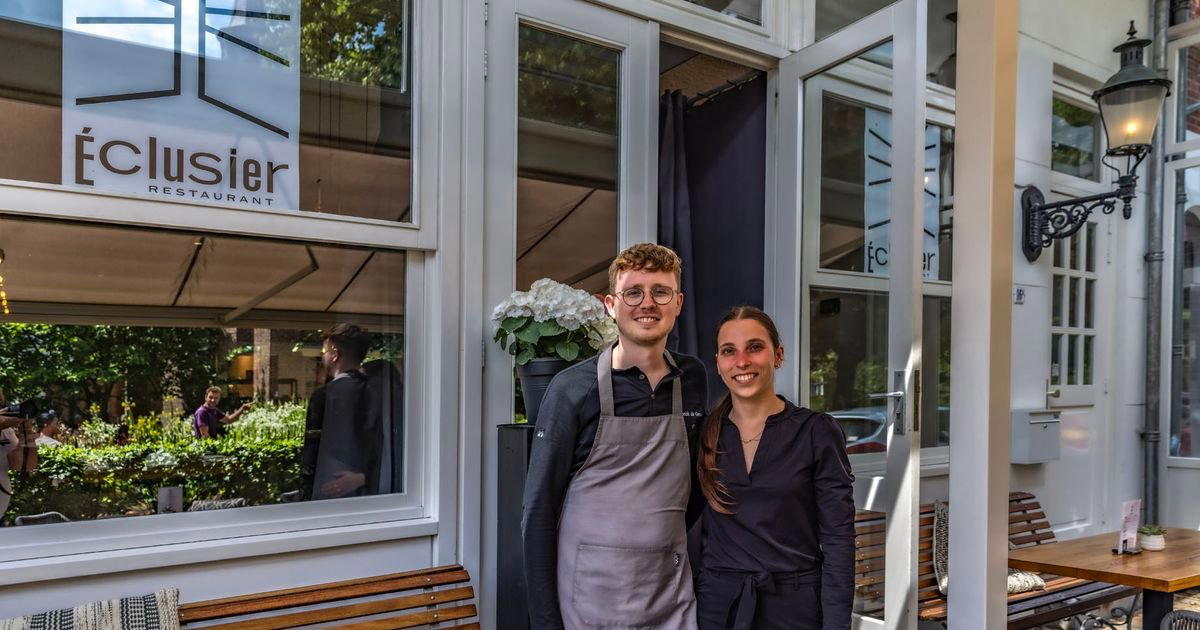
Bloemendaal at the Table: What the Setting Tells You
The village of Bloemendaal sits at the western edge of the Amsterdam metropolitan corridor, close enough to the capital to draw a sophisticated dining public but separated from it by a band of dune reserves and protected woodland that has kept the area deliberately small in scale. Kerkplein, the square where Éclusier is addressed, is the kind of place that feels unhurried in a way few Dutch locations this close to the Randstad manage. That geographic position matters for any serious restaurant here: the North Sea coast is within reach, the Haarlem hinterland supplies a productive agricultural belt, and the customer base skews toward residents who have eaten at the leading tables of Amsterdam and expect comparable attentiveness closer to home.
Provenance as the Defining Logic of North Holland Dining
The ingredient sourcing argument for this part of the Netherlands is less about trend and more about geography. The coastal dunes running between Bloemendaal and the sea create a microclimate that has supported specialty horticulture for generations. The polders to the north and east remain among the more productive vegetable-growing zones in Europe, while the North Sea fishery is close enough that day-boat catches can realistically reach a kitchen the same morning. This is the raw material infrastructure that has allowed Dutch fine dining, particularly in smaller towns outside the major cities, to develop a sourcing discipline that rivals kitchens with far greater international visibility.
That pattern shows up consistently at the serious end of Dutch regional cooking. De Bokkedoorns in Overveen, the closest Michelin-starred address to Bloemendaal, has long anchored its cooking in local coastal and woodland produce. Further afield, De Nieuwe Winkel in Nijmegen has built a reputation on organic and foraged sourcing that sits at the outer edge of ingredient-led Dutch cooking. Inter Scaldes in Kruiningen draws on Zeeland's shellfish and sea vegetables in a way that makes geography the central kitchen argument. The logic repeats: in the Netherlands, particularly compelling kitchens tend to be the ones that have committed to a specific regional larder rather than importing cosmopolitan diversity.
The Scene Éclusier Enters
Bloemendaal has never been a dining destination in the same way that Overveen or Haarlem attract visitors specifically for restaurant culture, but the village's residential character creates a different kind of demand: regulars who dine frequently, know the product well, and are less impressed by spectacle than by consistency and sourcing integrity. That audience is more demanding than a tourist-heavy crowd, because they return often enough to notice when a kitchen is cutting corners on supply.
Dutch regional fine dining outside the major cities has split in recent years between kitchens that position through elaboration and technique and those that position through material quality and restraint. The restraint-and-sourcing camp, represented nationally by addresses like De Groene Lantaarn in Staphorst and Brut172 in Reijmerstok, tends to attract a more local, repeat-visit clientele. Technique-forward kitchens like De Librije in Zwolle and FG in Rotterdam draw destination traffic from further afield. Where a kitchen at Kerkplein positions itself within that split determines which audience it builds and how quickly a reputation travels beyond the village.
What Ingredient-Led Cooking Requires at This Level
The credibility of sourcing-led menus depends on supply chain relationships that take years to establish and are not transferable. A kitchen that genuinely commits to day-boat North Sea fish, dune-grown asparagus in the spring window, or local game in autumn is accepting menu constraints that a kitchen with international suppliers does not face. That constraint is also the value: it forces a seasonal rhythm that guests either align with or do not, and it creates the kind of product differentiation that a well-travelled diner in Bloemendaal will recognise immediately.
Across Dutch fine dining more broadly, the kitchens that have built particularly durable reputations through ingredient sourcing tend to operate in formats where the chef communicates that sourcing directly, whether through tasting menus with supplier notes, open kitchens that invite questions, or simply through the specificity of what appears on the plate. De Lindenhof in Giethoorn and De Lindehof in Nuenen each represent versions of this, where the format of the meal reinforces the sourcing story rather than leaving it as background detail.
Internationally, the sourcing-as-identity argument has driven particularly discussed restaurant formats of the past decade. Lazy Bear in San Francisco built a reputation on hyperlocal California sourcing delivered through a communal, high-engagement format. Le Bernardin in New York City represents the opposite end of the same logic: a decades-long commitment to a single product category, the sea, executed with enough consistency to become a global reference point. Both models confirm that sourcing specificity, when it is genuine, compounds over time into a recognisable identity that marketing alone cannot manufacture.
Éclusier is located at Kerkplein 16A, 2061 JD Bloemendaal. Given the village's scale and the residential character of the square, it is worth arriving with time to walk the immediate area before a meal rather than treating the restaurant as a standalone destination.
Comparison Snapshot
Comparable venues nearby, for context on price, style, and recognition.
| Venue | Cuisine | Price | Notes |
|---|---|---|---|
| ÉclusierThis venue — the venue you are viewing | Modern French | $$$$ | Not listed |
| Le Sommet | Modern French Fine Dining with Seafood | $$$$ | Cadzand |
| Restaurant Seven Seas | French Seafood | $$$$ | Scheepvaarthuisbuurt |
| Grand Cafe Bourgogne | Contemporary French Bistro | $$$ | Schoorl |
| De Witte Dame | Contemporary European Fine Dining | $$$ | Abcoude |
| The Charles | Modern French Fine Dining | $$$$ | Nistelrode |
Continue exploring
More in Bloemendaal
Restaurants in Bloemendaal
Browse all →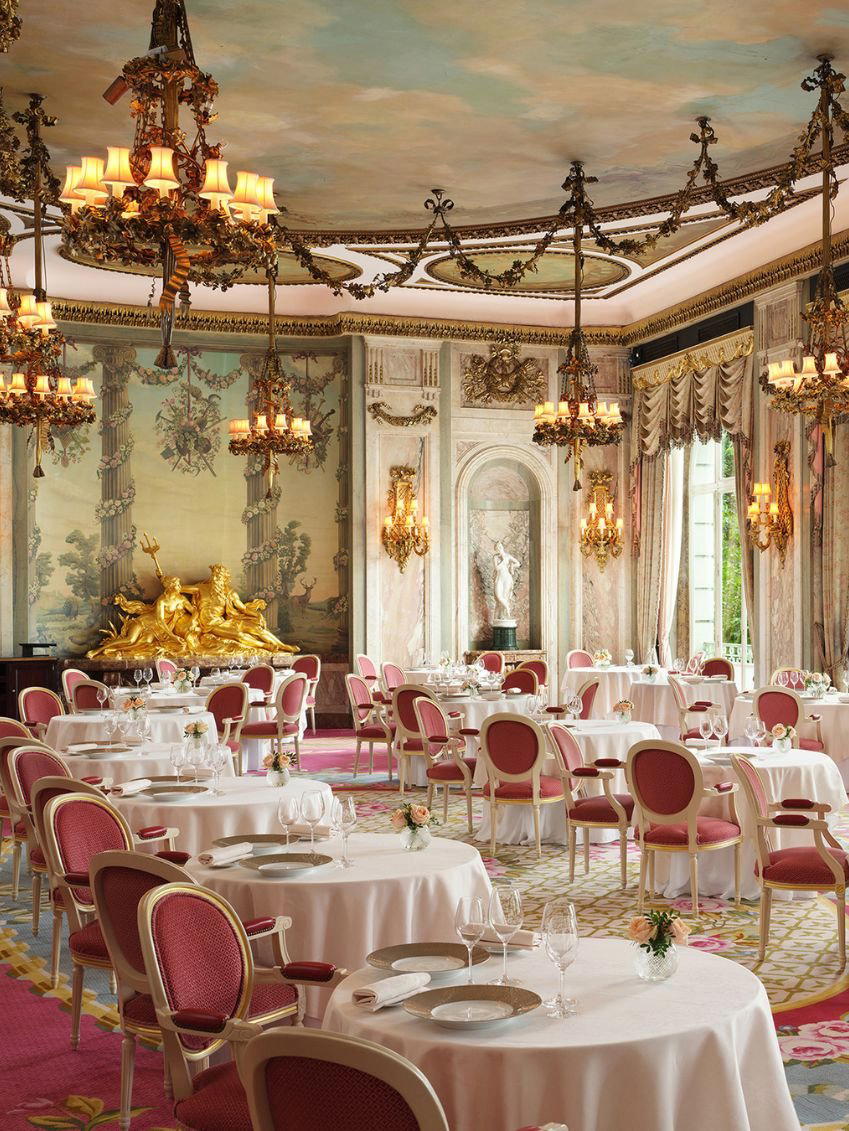
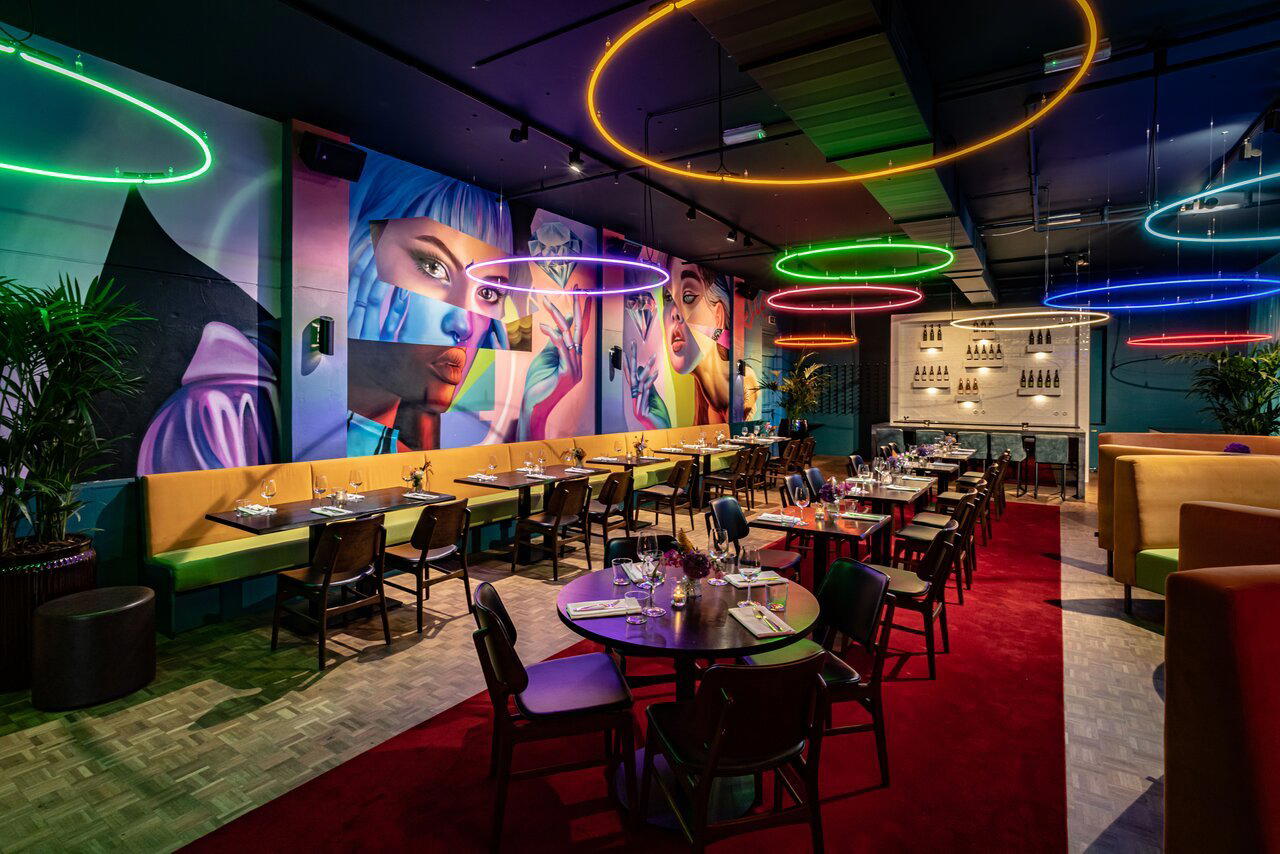
Bars in Bloemendaal
Browse all →
Hotels in Bloemendaal
Browse all →
Wineries in Bloemendaal
Browse all →
At a Glance
- Elegant
- Quiet
- Modern
- Intimate
- Date Night
- Special Occasion
- Celebration
- Standalone
- Historic Building
- Extensive Wine List
- Local Sourcing
- Street Scene
Current opening hours
- Monday
- Closed
- Tuesday
- Closed
- Wednesday
- 12–10 PM
- Thursday
- 12–10 PM
- Friday
- 12–10 PM
- Saturday
- 12–10 PM
- Sunday
- 12–10 PM
Hours can change for holidays and private events. Last verified .
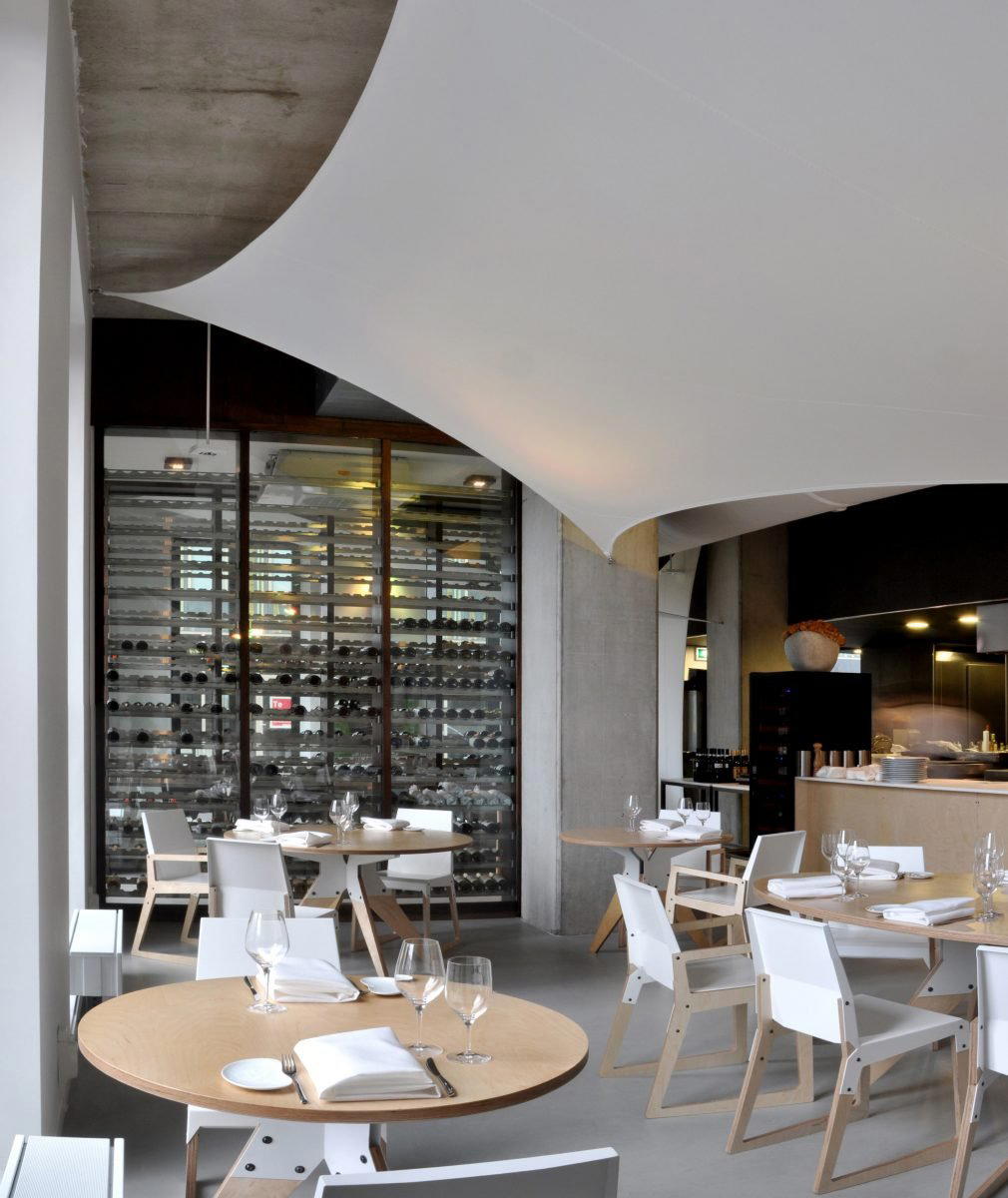
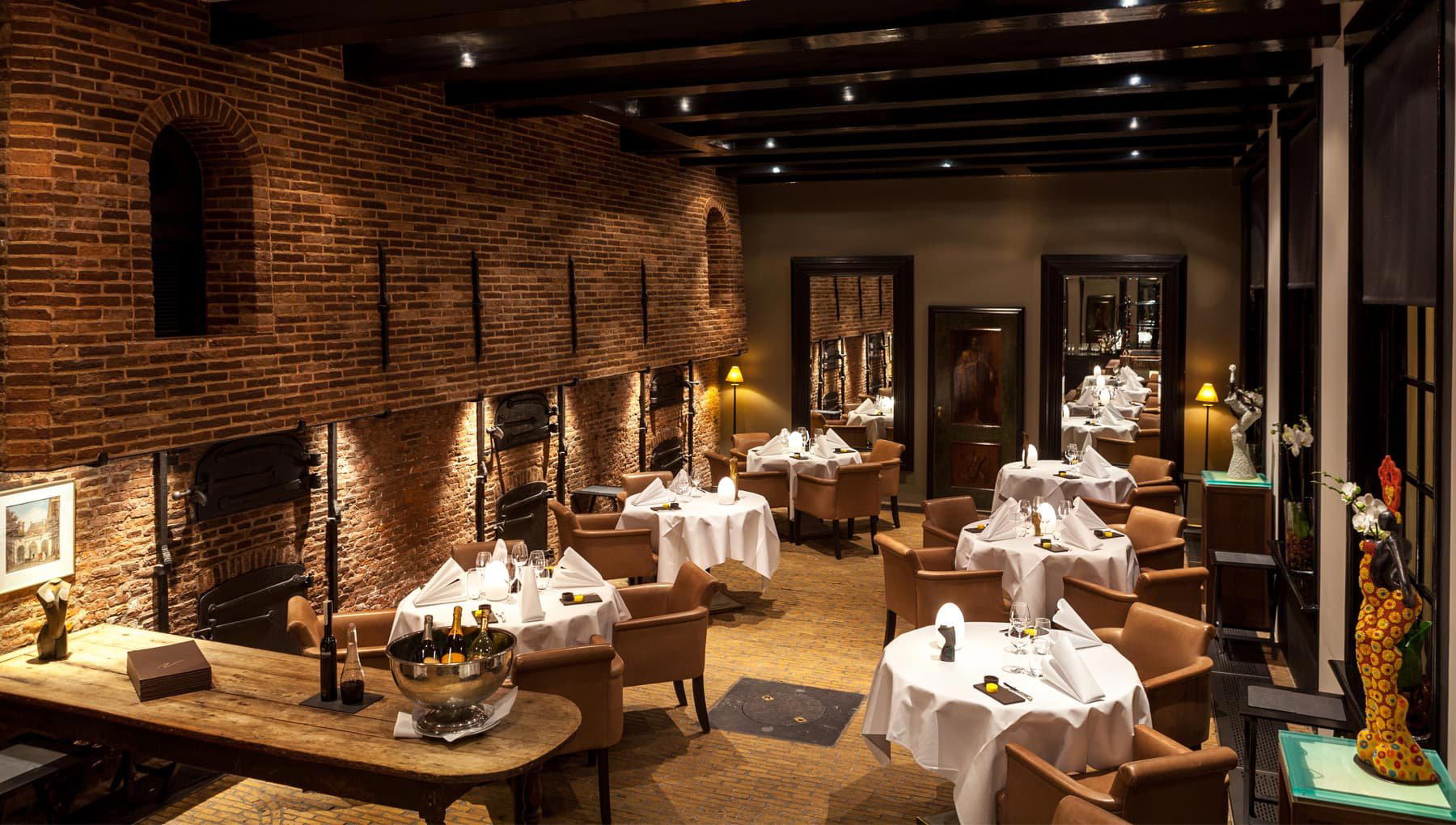
Clean-lined and contemporary interior softened by natural tones and careful lighting, creating a refined yet relaxed atmosphere with understated decor.