Parc Broekhuizen | Culinair Landgoed

A Michelin Selected estate hotel in the Utrecht Hill Ridge, Parc Broekhuizen sits within a historic country house setting where the culinary program carries equal weight to the accommodation. The landgoed format, characteristic of the Dutch countryside, places food, nature, and architecture in deliberate conversation. For travellers seeking a countryside retreat within reach of Utrecht, it occupies a distinct tier among Dutch estate properties.
Pearl is the En Primeur Club membership app — saves, bookings, and concierge access live there. Same editors, same standards.
- Address
- Broekhuizerlaan 2, 3956 NS Leersum, Netherlands
- Phone
- +31 343 745 858
- Website
- parcbroekhuizen.nl
- Directions
- Get directions
 Saves & bookings on Pearl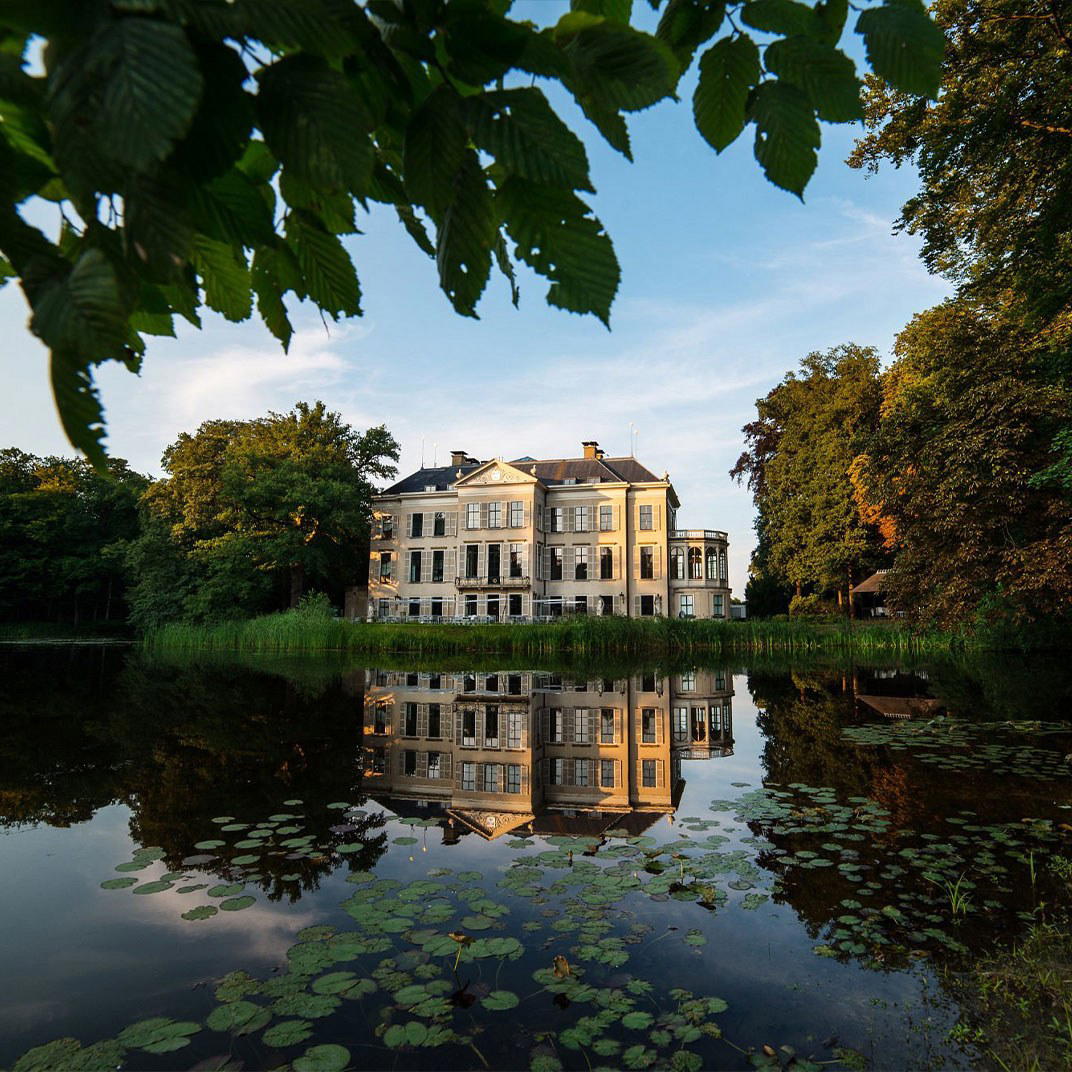
Country House Dining in the Utrecht Hill Ridge
The Dutch landgoed tradition occupies a specific cultural register: these are working country estates where hospitality, cuisine, and landscape have long been considered inseparable. Parc Broekhuizen, situated on Broekhuizerlaan in Leersum at the edge of the Utrechtse Heuvelrug national park, sits squarely within that tradition. The Utrechtse Heuvelrug is one of the few genuinely hilly stretches of the Netherlands, shaped by glacial moraines and densely forested, and properties that have established themselves within it occupy a different competitive set than either urban luxury hotels or coastal retreats.
Arriving at Broekhuizen: Architecture as First Impression
The approach to a Dutch country estate of this type typically delivers a particular sequence: a tree-lined drive, a formal country house facade, and then the transition from exterior grandeur to interior warmth. At Broekhuizen, the estate's architecture follows the conventions of the Dutch neo-classical landgoed house, where restrained ornamentation and proportional facades are offset by the surrounding parkland. The building reads as a working institutional seat rather than a decorative folly, which places it in a different mood than the more theatrical castle hotels found elsewhere in the Netherlands, such as Kasteel Daelenbroeck in Herkenbosch.
Relationship between the built environment and the surrounding landscape is the defining architectural argument here. The Utrechtse Heuvelrug's forested character means the estate is effectively embedded in a green framework rather than sitting in open countryside, producing an atmosphere of enclosure and seclusion that the structure itself reinforces. Properties that achieve this integration between building and terrain tend to anchor their identity in place rather than in any single design gesture, and Broekhuizen follows that logic. The result is a setting where arriving by car along the estate drive functions as a kind of decompression chamber, marking the shift from the arterial roads of central Netherlands to something deliberately slower.
The Culinair Landgoed Format
Designation culinair landgoed signals something specific in the Dutch hospitality context: the culinary program is not ancillary to the accommodation but treated as a parallel pillar of the offering. This positions Broekhuizen differently from estate hotels where the restaurant operates as a convenience rather than a destination. Michelin's selection of the property in the 2025 Michelin Selected Hotels list acknowledges that the hospitality meets a standard of coherent quality across the experience, not merely in individual components. Michelin Selected, while distinct from starred restaurant recognition, reflects an editorial judgment about overall quality and consistency that carries meaningful weight in the Dutch hotel market.
Landgoed dining format, at its most considered, draws on estate-grown or estate-sourced ingredients, uses the scale and setting of the country house to provide a dining room with genuine spatial presence, and calibrates the pace of service to the rhythm of a countryside property rather than an urban restaurant. Among Dutch estate properties, this format has a coherent peer group: Landgoed Duin en Kruidberg in Santpoort Noord and Landgoed Hotel Het Roode Koper in Leuvenum operate within comparable frameworks, each embedding culinary programming within a forested estate context. Broekhuizen's location on the Heuvelrug places it within that comparable set rather than in competition with urban luxury properties.
Positioning Within the Dutch Countryside Hotel Market
Netherlands has developed a coherent category of design-conscious countryside hotels that sit between large international chain properties and pure boutique accommodations. The landgoed format is one distinctively Dutch iteration of this, with a legal and cultural definition tied to estate management and rural heritage. Properties in this category tend to attract a guest profile that prioritises proximity to nature, quality of table, and architectural coherence over the amenity stacking common at urban five-star hotels.
Within the broader Dutch premium accommodation market, Broekhuizen's Michelin Selected status places it alongside a small group of properties where the editorial standard is consistently maintained. For travellers based in Amsterdam or Utrecht who want a countryside counterpoint, it sits within easy reach of both cities. This accessibility makes it viable for a one-night stay or an extended weekend without requiring a major travel commitment.
Those building a multi-stop Dutch itinerary with consistent quality benchmarks might also consider Pillows Grand Boutique Hotel Ter Borch in Zwolle or MUZE Hotel Utrecht as complementary urban stops that share Broekhuizen's orientation toward architectural character and considered hospitality.
Planning Your Stay
Broekhuizen occupies a seasonal sweet spot during spring and autumn, when the Utrechtse Heuvelrug's beech and oak woodland is most visually compelling and the estate grounds read at their most atmospheric. Summer weekends tend to see high demand from Dutch domestic travellers, making advance booking advisable for that period. The estate's culinary focus means dinner reservations, particularly for non-resident guests, are worth securing at the same time as accommodation. Given the property's Michelin recognition and its position as one of a limited number of estate hotels in the Heuvelrug region, demand during key weekends is consistent. The address at 2 Broekhuizerlaan, Leersum, serves as the primary navigation reference.
Within the Netherlands, it is a format that rewards travellers who read architecture and cuisine as a single argument rather than separate amenities.
Comparison Snapshot
Comparable venues nearby, for context on price, style, and recognition.
| Venue | Cuisine | Price | Awards | Notes |
|---|---|---|---|---|
| Parc Broekhuizen | Culinair LandgoedThis venue — the venue you are viewing | Historic country house estate restored with modern heritage design | $$$$ | 5-Star | Not listed |
| op Oost | Boutique Hotel & Restaurant het Kook Atelier | Eco-conscious boutique hideaway rooted in nature and tranquility | $$$$ | 5-Star | Oosterend |
| De Librije | Luxury boutique hotel in a renovated historic prison building. | $$$$ | 5-Star | historic center |
| The Duke Suites | English country manor villa with luxury suites | $$$$ | 5-Star | Nistelrode |
| Pestana Amsterdam Riverside | Historic luxury hotel blending Neo-Renaissance architecture with contemporary annexes | $$$$ | 5-Star | Willibrordusbuurt |
| De Durgerdam | 17th-century fisherman's inn transformed into luxury boutique with modern addition | $$$$ | 5-Star | Durgerdam |
Recognition history
Dated appearances from independent guides and award organizations, with the underlying list record or original source where available.
Michelin Selected
Michelin
At a Glance
- Elegant
- Scenic
- Sophisticated
- Romantic
- Quiet
- Romantic Getaway
- Anniversary
- Weekend Escape
- Garden
- Historic Building
- Panoramic View
- Wi Fi
- Restaurant
- Spa
- Concierge
- Room Service
- Garden
- Garden
- Wi Fi
- Restaurant
- Spa
- Concierge
- Room Service
- Garden
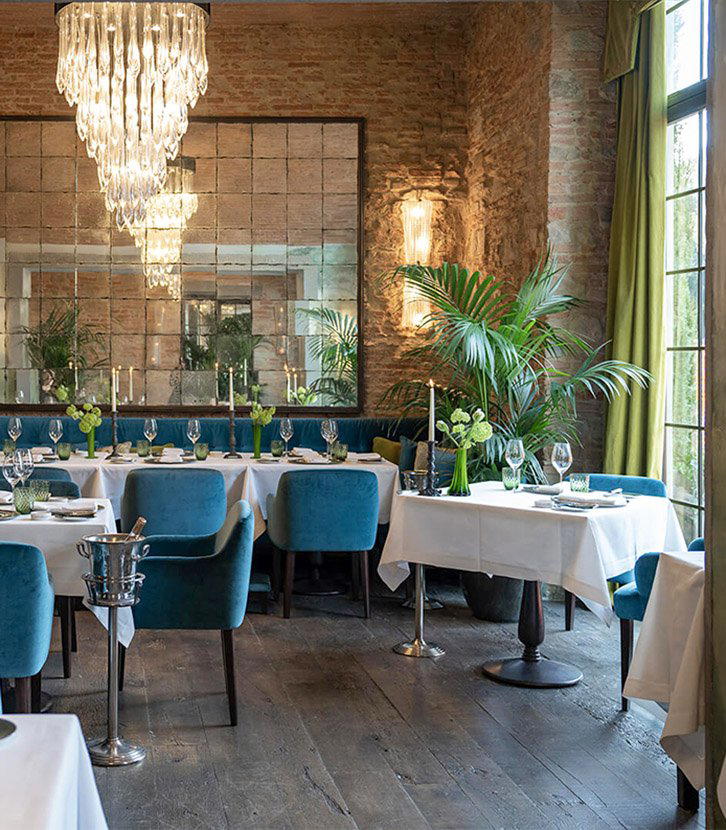
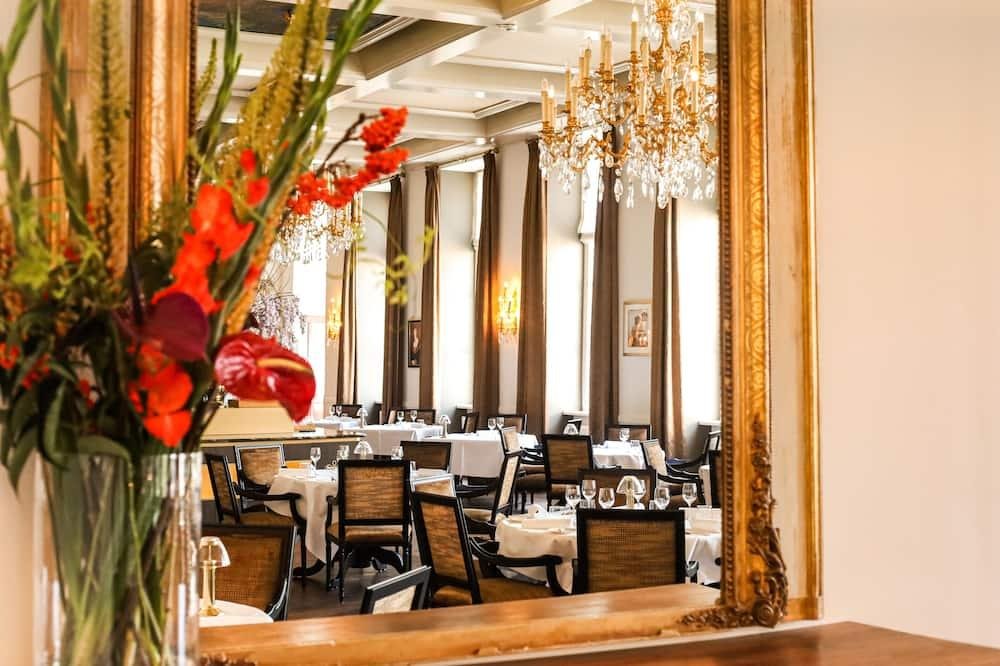
Peaceful and elegant atmosphere with natural light from floor-to-ceiling windows, stylish interiors combining 18th-century details and contemporary design.