Hoeve de Boogaard
Hoeve de Boogaard sits on the rural edge of Geijsteren in the Noord-Limburg region of the Netherlands, where the flat agricultural land of the Maas valley shapes both the setting and the table. The address places it within a wider Limburg dining conversation that prizes proximity to ingredients over city-centre prestige, and the farm setting suggests a kitchen logic anchored in what the surrounding landscape produces.
Pearl is the En Primeur Club membership app — saves, bookings, and concierge access live there. Same editors, same standards.
- Address
- Wanssumseweg 1, 5862 AA Geijsteren, Netherlands
- Phone
- +31478539070
- Website
- hoevedeboogaard.nl
- Directions
- Get directions
 Saves & bookings on Pearl
Farm Country, Fine Table: Noord-Limburg's Ingredient-Led Dining
The Noord-Limburg region sits at the southern edge of the Gelderse Vallei, where the Maas river bends through agricultural flatlands that have supplied Dutch kitchens for centuries. Geijsteren, a small village in the municipality of Bergen (Limburg), is far enough from Amsterdam or Rotterdam to operate on its own logic: what the surrounding farms, woodlands, and river meadows produce is what a kitchen here can credibly put on the table. That geographic fact shapes a distinct tier of Dutch dining, one that runs parallel to the Michelin-decorated urban circuit rather than below it.
Hoeve de Boogaard, addressed at Wanssumseweg 1 in Geijsteren, sits within this tradition. The word hoeve is Dutch for farmstead, and the name alone signals a physical relationship with land that urban restaurants work harder to perform. In the broader Dutch fine dining conversation, which stretches from De Librije in Zwolle to Ciel Bleu in Amsterdam, rural addresses like this one occupy a different competitive space: proximity to primary producers is structural rather than sourced through supply-chain relationships.
Where Ingredients Come From, and Why That Matters Here
The ingredient-sourcing logic of Limburg kitchens is worth understanding before arriving at any table in this region. The province shares borders with Belgium and Germany, which historically gave its cooks access to a wider pantry than most Dutch regions: Ardennes game, Maas river fish, Flemish dairy traditions, and local asparagus from the sandy soils around Venlo (one of the Netherlands' primary asparagus-producing areas, roughly fifteen kilometres south of Geijsteren). Spring asparagus season in this part of Limburg carries the same local significance that white asparagus holds in Alsace or the Rhineland.
This matters for a farmstead address because the sourcing story is not a marketing posture but a function of geography. Kitchens in smaller Limburg towns can maintain direct relationships with growers and small-scale producers that city restaurants replicate at greater effort and cost. The question, always, is what the kitchen does with that access. The comparable set for ingredient-led farmstead dining in the Netherlands includes properties like De Treeswijkhoeve in Waalre and De Lindehof in Nuenen, both in Noord-Brabant, where similar rural settings have supported serious kitchens for decades. Further afield, the plant-forward model at De Nieuwe Winkel in Nijmegen demonstrates how Dutch kitchens are building entire menus around hyper-local sourcing at the highest technical level.
The Setting: What a Farmstead Address Signals
Approaching a working or converted farmstead for a serious meal is a different sensory contract than arriving at an urban restaurant. The visual context does part of the work: open land, agricultural buildings, the particular quiet of a village road in Noord-Limburg. Properties of this type in the Netherlands often combine accommodation, event space, and restaurant functions under one roof, which changes the rhythm of service and the demographic of the dining room on any given evening.
Rural Dutch dining addresses in this category tend to attract a regionally loyal clientele who return seasonally, supplemented by visitors making a deliberate detour. For visitors travelling from outside the region, Venlo is the nearest significant rail hub, with Geijsteren accessible by car from there in under twenty minutes. The address is also reachable from Nijmegen or Eindhoven within an hour by road.
For context on the wider Limburg and southern Netherlands dining circuit, Brut172 in Reijmerstok and Inter Scaldes in Kruiningen represent how rural addresses elsewhere in the Dutch south have built national reputations. The common thread is commitment to place rather than proximity to the major city food press.
Limburg in the Dutch Fine Dining Picture
The Netherlands has a deep, underappreciated fine dining infrastructure outside its three largest cities. Properties like De Bokkedoorns in Overveen, 't Nonnetje in Harderwijk, and De Groene Lantaarn in Staphorst have each built serious reputations in smaller towns, demonstrating that Dutch fine dining literacy extends well beyond Amsterdam. In the south, Tribeca in Heeze and Aan de Poel in Amstelveen anchor different ends of the rural-to-suburban spectrum. Internationally, the sourcing-first model finds its most technically ambitious expression at addresses like Le Bernardin in New York City or Atomix in New York City, where the provenance of primary ingredients is treated as a structural pillar of the menu rather than a footnote.
What distinguishes Limburg specifically is the cross-border pantry. A kitchen here can credibly draw on Belgian and German produce without the air-miles conversation that complicates urban sourcing claims. That geographic advantage is real and worth weighing when choosing between this region's tables and those further north. Restaurants like FG - François Geurds in Rotterdam and 't Amsterdammertje in Loenen aan de Vecht round out a national picture in which terroir-conscious cooking has become a defining current, not a niche position. De Lindenhof in Giethoorn offers a further point of comparison for visitors interested in how different Dutch rural settings translate into distinct kitchen identities.
Planning Your Visit
Geijsteren is a village-scale destination, which means the visit requires a degree of commitment that a city restaurant does not. Arriving by car from Venlo takes approximately fifteen to twenty minutes; from Nijmegen, allow around fifty minutes on the A73. The Limburg asparagus window between April and late June represents one regionally specific time to visit, when local produce is at its most concentrated point of supply. Autumn, when game from the surrounding woodlands and Belgian Ardennes enters the regional kitchen cycle, offers a second high-interest period.
A Quick Peer Check
Comparable venues nearby, for context on price, style, and recognition.
| Venue | Cuisine | Price | Notes |
|---|---|---|---|
| Hoeve de BoogaardThis venue — the venue you are viewing | French-Dutch Farmhouse | $$$$ | Not listed |
| Rooie Nel | Modern French Bistro | $$$$ | Oudwijk |
| Restaurant Aan de Spuihaven | Classical French Fine Dining with International Influences | $$$$ | Dordrecht city center |
| Restaurant SOBER | Modern French Farm-to-Table | $$$$ | Tegelen |
| Bistro Amice | Classic French Bistro | $$$$ | Warmond |
| Ovum | Modern French-Asian Fusion | $$$$ | Grave |
Continue exploring
More in Geijsteren
Restaurants in Geijsteren
Browse all →
Bars in Geijsteren
Browse all →
Hotels in Geijsteren
Browse all →
At a Glance
- Rustic
- Cozy
- Romantic
- Scenic
- Intimate
- Date Night
- Special Occasion
- Group Dining
- Garden
- Historic Building
- Courtyard
- Local Sourcing
- Garden
Current opening hours
- Monday
- Closed
- Tuesday
- Closed
- Wednesday
- Closed
- Thursday
- 6–11 PM
- Friday
- 6–11 PM
- Saturday
- 6–11 PM
- Sunday
- 1–2:30 PM, 6:30–9 PM
Hours can change for holidays and private events. Last verified .
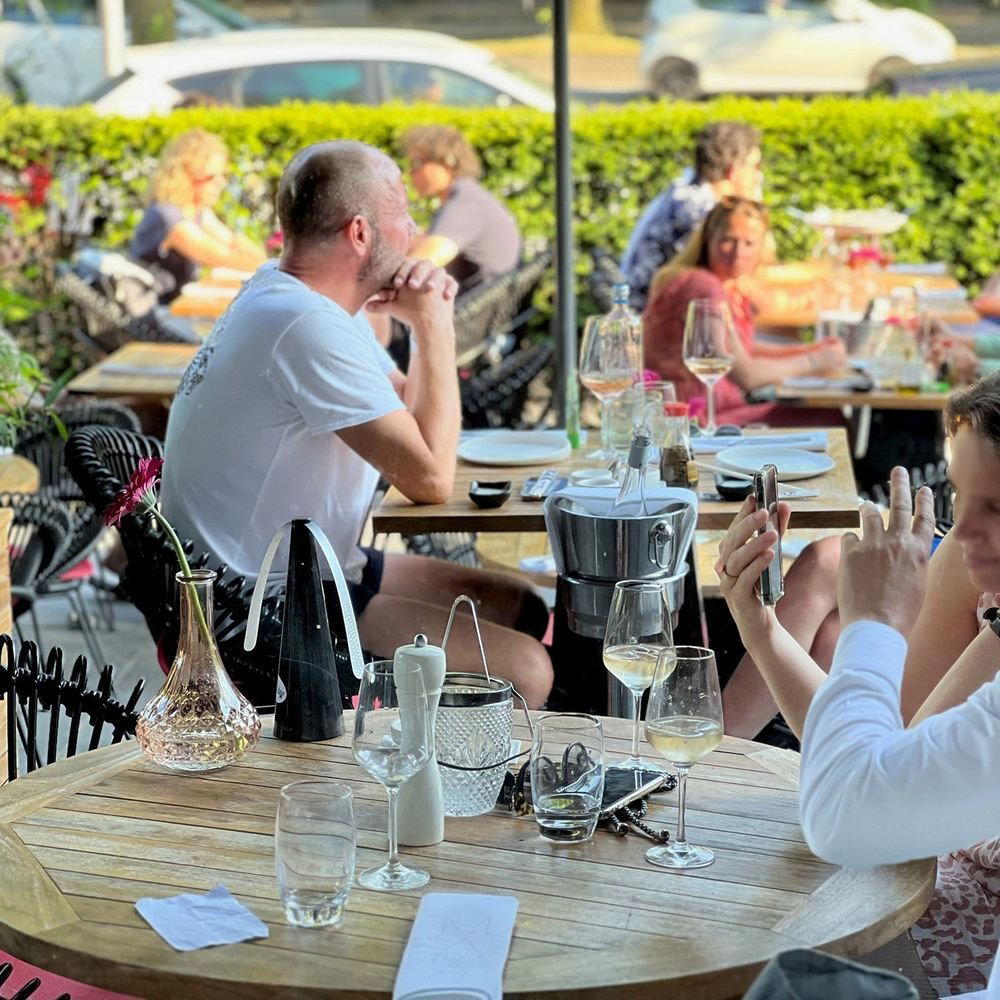
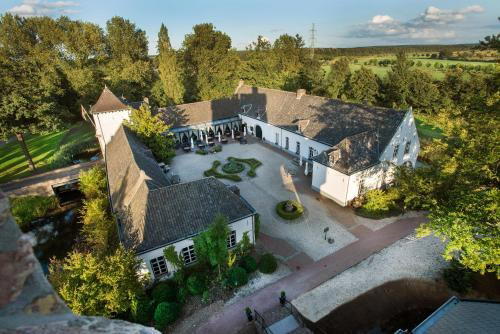
Cozy and tranquil atmosphere in an old farmhouse courtyard with beautiful table settings and romantic outdoor dining.