De Utrechtsedwarstafel
De Utrechtsedwarstafel occupies a quietly residential stretch of Amsterdam's canal belt, where the Jordaan meets the grachtengordel. The address alone signals intent: this is not a restaurant designed to catch passing trade. For diners willing to seek it out, it represents one of Amsterdam's more deliberate dining propositions, tucked into the city's most architecturally coherent neighbourhood.
Pearl is the En Primeur Club membership app — saves, bookings, and concierge access live there. Same editors, same standards.
- Address
- Utrechtsedwarsstraat 107-109, 1017 WD Amsterdam, Netherlands
- Phone
- +31206254189
- Website
- utrechtsedwarstafel.com
- Directions
- Get directions
 Saves & bookings on Pearl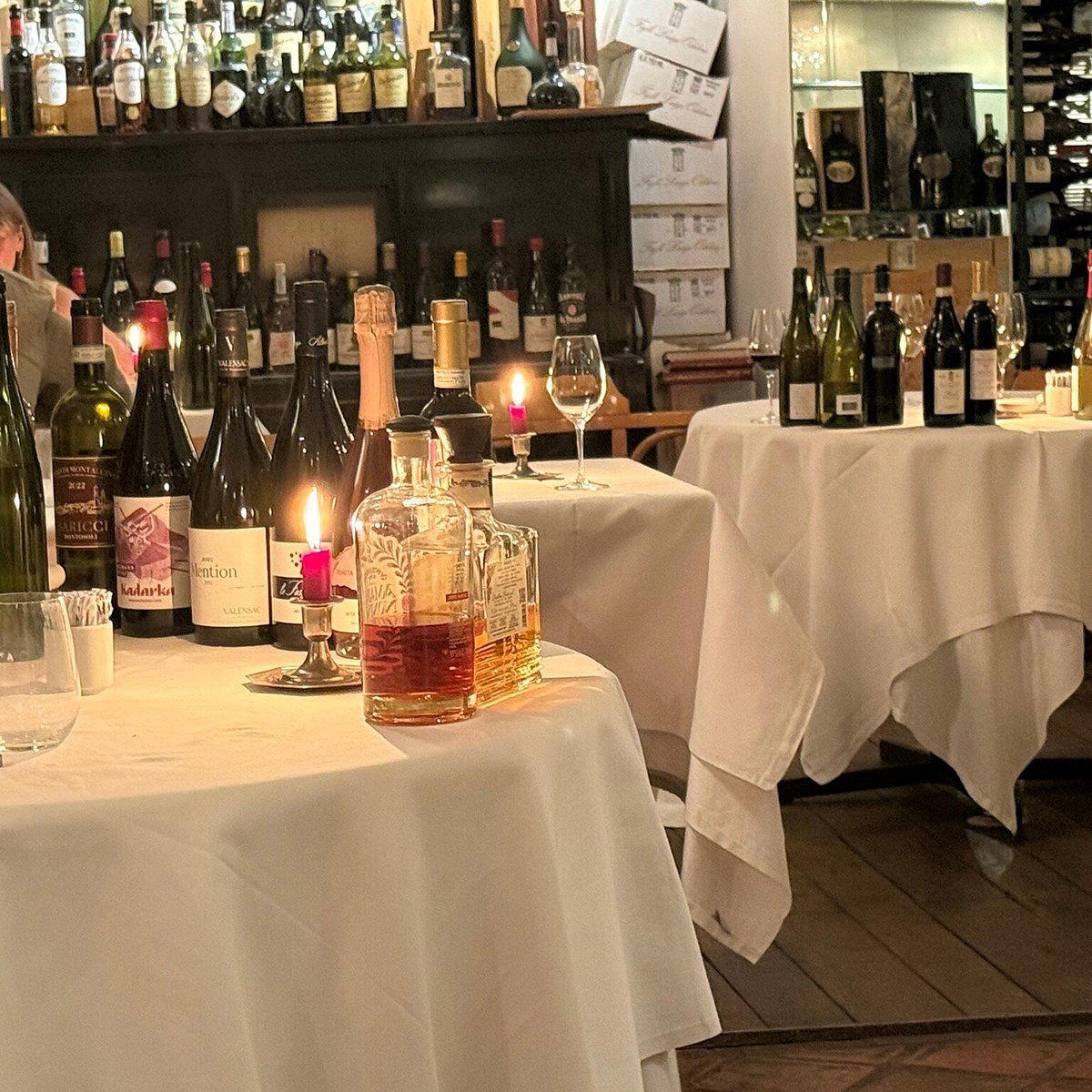
A Canal-Belt Address That Requires Intention
The streets that branch off the Utrechtsestraat form one of Amsterdam's most architecturally consistent corridors, where narrow facades lean imperceptibly toward the water and the foot traffic thins within two blocks of the main drag. Utrechtsedwarsstraat sits in that quieter register, a cross-street where residents outnumber tourists and the buildings retain the proportions of seventeenth-century merchant housing. Arriving here for dinner is, in itself, a small act of navigation: you are not stumbling upon De Utrechtsedwarstafel, you are choosing it.
That geography shapes how Amsterdam's dining scene is structured. The city's most-discussed tables have clustered in two zones: the Museum Quarter and the IJ waterfront, where visibility and hotel adjacency drive covers. Restaurants on the canal belt's eastern fringes, by contrast, operate on a different logic, drawing a clientele that already knows the address. It is a pattern familiar from comparable cities, the kind of dining geography that rewards regulars. In Amsterdam terms, it places De Utrechtsedwarstafel in the same neighbourhood tier as the more low-key end of the grachtengordel dining circuit, distinct from the grand-hotel formality of Ciel Bleu or the design-hotel adjacency of Spectrum.
The Atmosphere the Address Creates
Canal-belt dining rooms in Amsterdam tend toward a particular set of sensory defaults: low ceiling heights dictated by historic building codes, the compression of space that comes from narrow plot widths, and the specific quality of light that filters through single-pane sash windows in the late afternoon. These are not design choices so much as inherited conditions, and the leading restaurants on these streets work with them rather than against them. The effect, when handled well, is an intimacy that purpose-built dining rooms in larger cities spend significant money trying to approximate.
The address, 107-109 on Utrechtsedwarsstraat, occupies two merged units. That configuration typically produces a room that feels wider than it is deep, with the kitchen either visible or implied at the rear. In a neighbourhood context where acoustic separation is limited by stone floors and plaster walls, the ambient sound of a full room can read either as convivial energy or as the kind of noise that makes conversation laborious, depending on how the room is managed.
Where This Fits in Amsterdam's Current Dining Circuit
Amsterdam has developed a reasonably clear hierarchy across its restaurant categories. At the upper end, the city holds a cluster of Michelin-recognised tables: Vinkeles, Flore, and Ciel Bleu anchor the formal tier, while a second layer of creative and modern Dutch restaurants, including Bolenius, has built recognition through consistency rather than spectacle. Below that, at the €€€ price point, venues like De Kas and BAK have established the city's farm-to-table credibility. De Utrechtsedwarstafel's canal-belt address and residential context position it within the mid-to-upper segment of this circuit, the tier where the cooking is taken seriously but the format remains approachable.
For comparison outside Amsterdam, the Netherlands has produced a number of destination restaurants that draw travellers willing to leave the capital: De Librije in Zwolle, Inter Scaldes in Kruiningen, and the vegetable-led De Nieuwe Winkel in Nijmegen represent a national dining circuit that extends well beyond the Randstad. Within Amsterdam itself, however, the canal belt retains a particular draw: proximity to the city's leading infrastructure, the ability to walk to and from dinner, and the specific pleasure of a post-meal canal-side evening that no provincial setting replicates.
The Sensory Logic of Dining in the Jordaan Fringe
There is a predictable rhythm to a canal-belt dinner in this part of Amsterdam. The approach on foot, usually from the Prinsengracht or the Keizersgracht, involves a compression of scale: the streets narrow, the trees thicken in spring and summer, and the ambient noise of the city drops by a register. By the time you reach a door like De Utrechtsedwarstafel's, you have already undergone a minor decompression from the wider city. That transition is part of what neighbourhood restaurants in dense European cities offer that their more central counterparts cannot.
The smell of canal water at low tide, the sound of bicycle tyres on wet cobblestones, the particular cold of Amsterdam evenings from October through March: these are the conditions under which this restaurant is experienced by most of its guests. A dining room that acknowledges this, that leans into warmth, amber light, and tight service rather than cool minimalism, reads differently than one that ignores its environment. The comparison to international analogs is instructive: Lazy Bear in San Francisco and Le Bernardin in New York City both demonstrate how a restaurant's atmospheric register, whether deliberate warmth or precise formality, shapes the dining experience as meaningfully as the food itself.
Dutch restaurants elsewhere in the country have explored their own atmospheric registers, from the rural quiet of De Lindenhof in Giethoorn to the more village-scale intimacy of De Groene Lantaarn in Staphorst and Brut172 in Reijmerstok. Urban canal-belt dining offers a different proposition: density, accessibility, and the particular energy of a city at dinner.
Amsterdam's dining tiers span neighbourhoods and price points. Complementary options in the canal-belt circuit include Bistro de la Mer for classic seafood and Tribeca in Heeze for those extending into the southern provinces. Further afield, De Bokkedoorns in Overveen, De Treeswijkhoeve in Waalre, and De Lindehof in Nuenen represent the provincial end of the Dutch fine-dining circuit for travellers touring beyond Amsterdam.
Booking and Cost Snapshot
Comparable venues nearby, for context on price, style, and recognition.
| Venue | Cuisine | Price | Notes |
|---|---|---|---|
| De UtrechtsedwarstafelThis venue — the venue you are viewing | Not listed | $$$$ | Not listed |
| George W.P.A. | Not listed | $$$ | Vondelpark Oost, French-New York Brasserie |
| Restaurant Seven Seas | Scheepvaarthuisbuurt, French Seafood | $$$$ | Not listed |
| Gertrude | Not listed | $$$ | Da Costabuurt Zuid, French Bistro with Seasonal Small Plates |
| Bistrot Neuf | Haarlemerbuurt, Classic French Bistro | $$$ | Not listed |
| L'Entrecôte et les Dames | Museumplein, Traditional French Bistro | $$$ | Not listed |
Continue exploring
More in Amsterdam
Restaurants in Amsterdam
Browse all →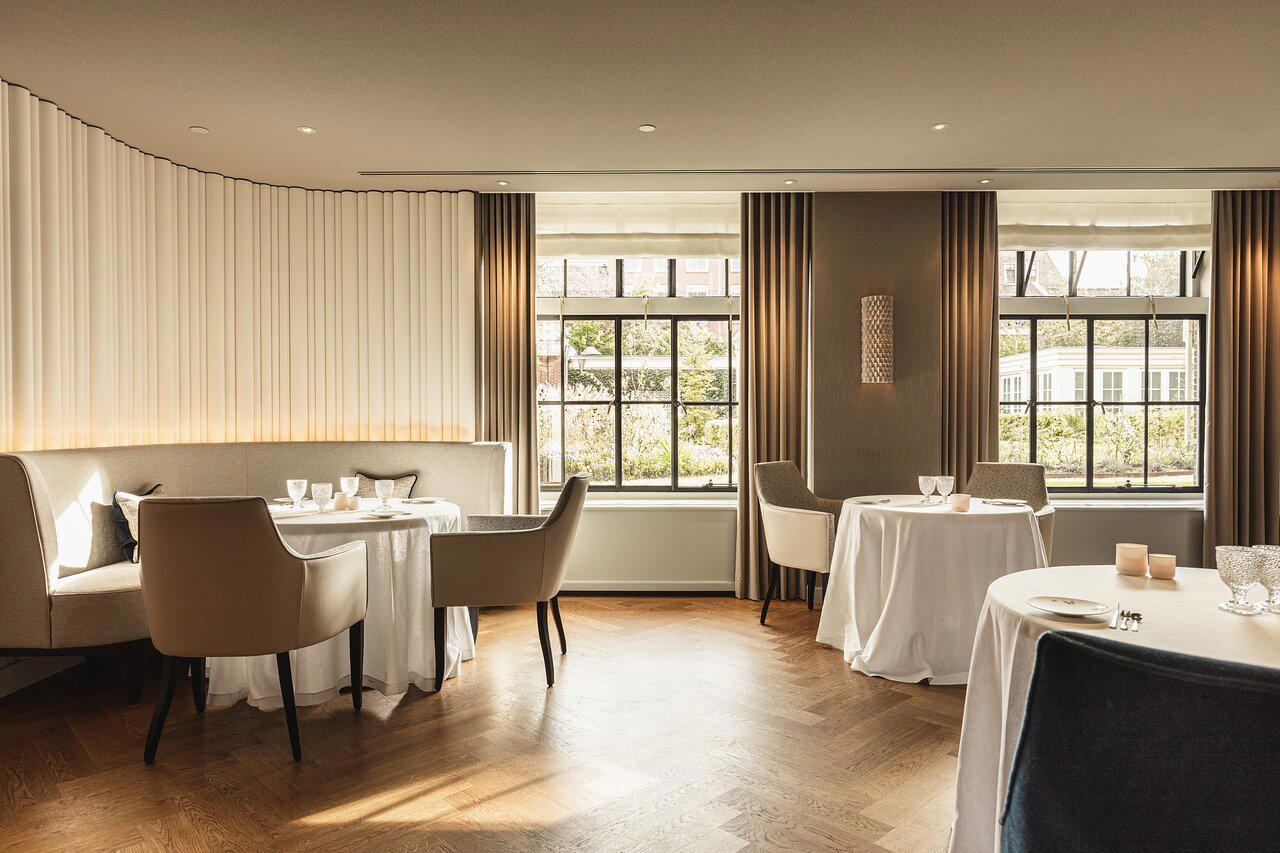
Bars in Amsterdam
Browse all →
Hotels in Amsterdam
Browse all →
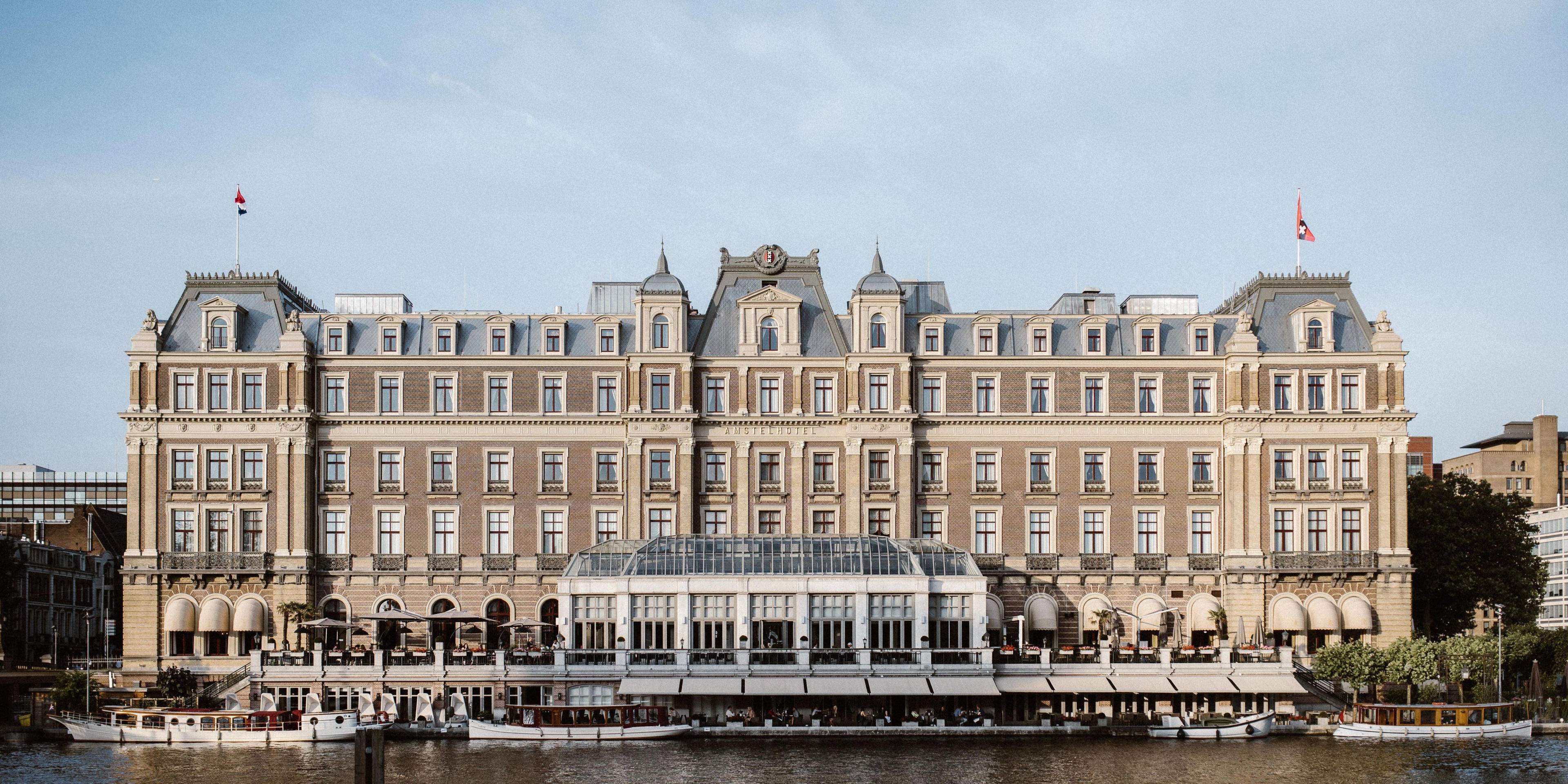
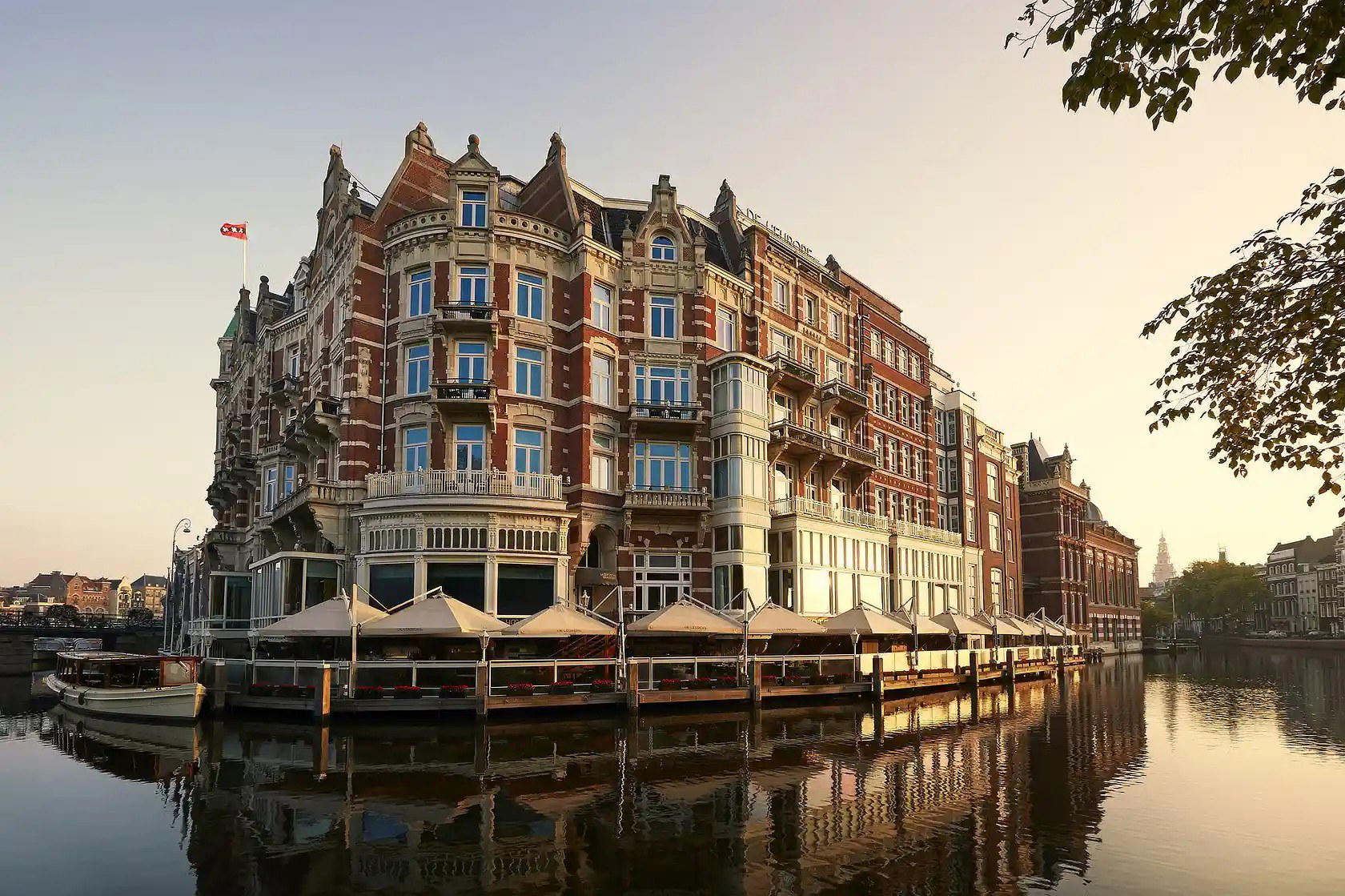
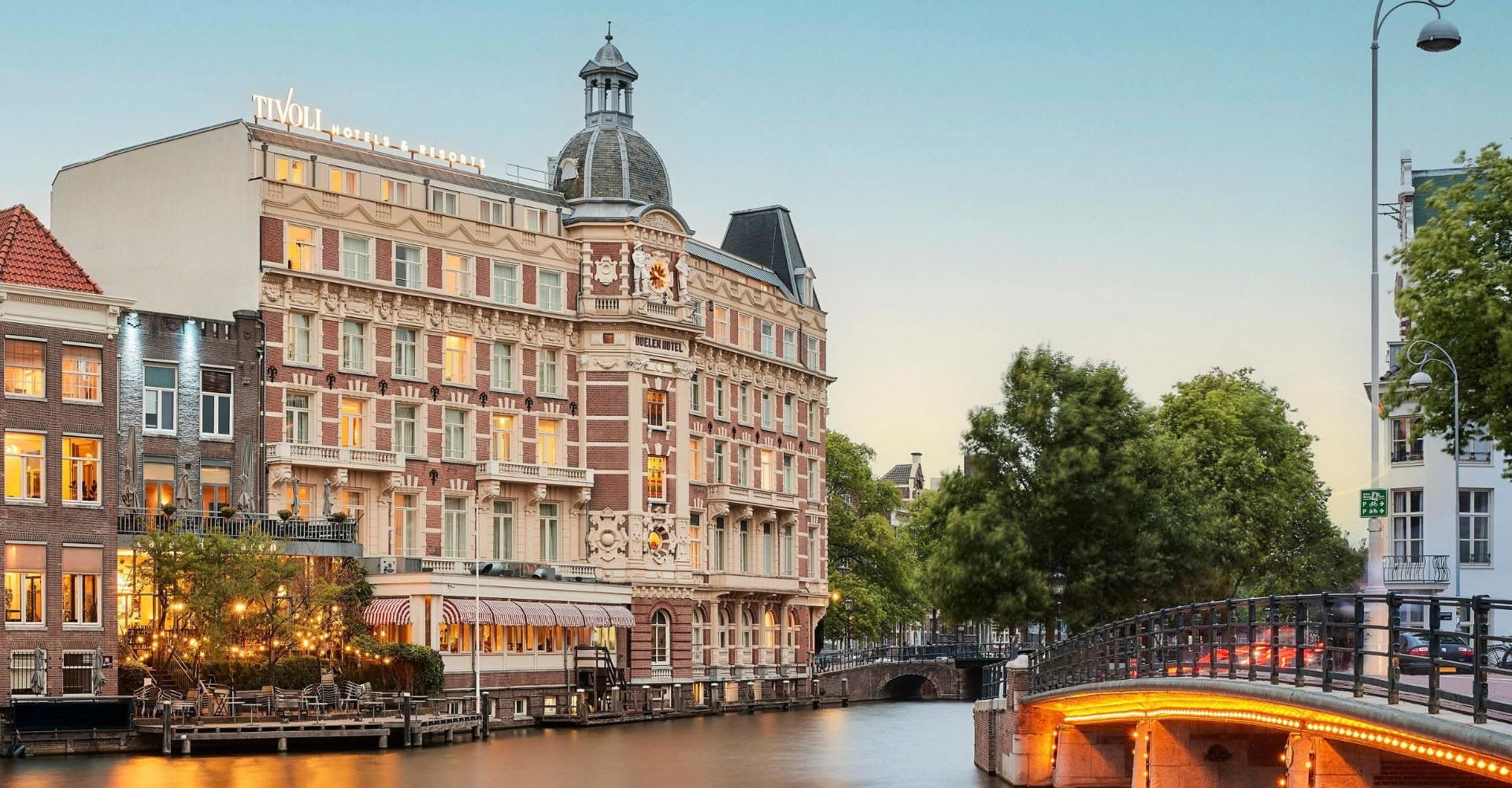
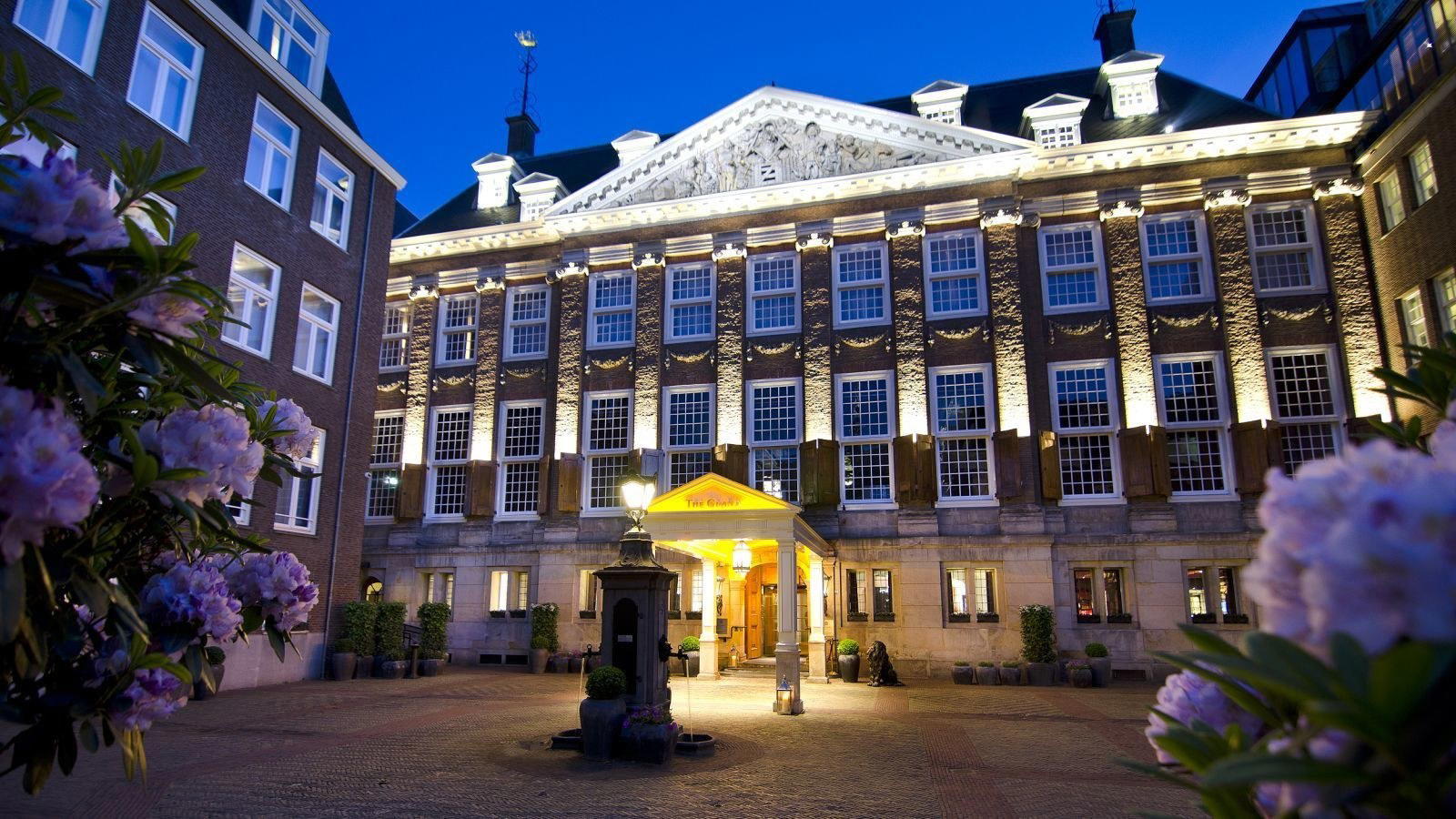
Wineries in Amsterdam
Browse all →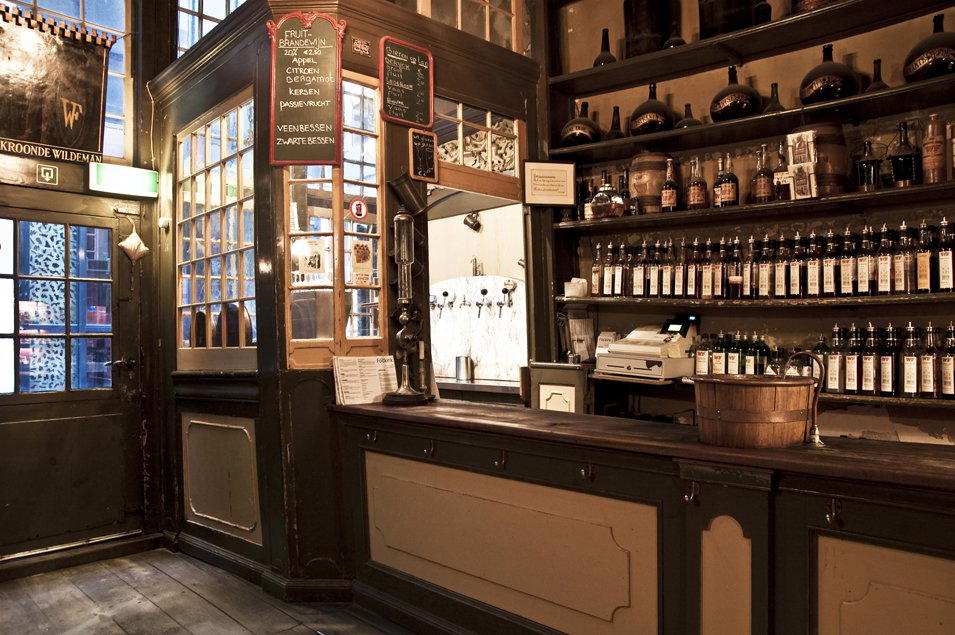
At a Glance
- Intimate
- Romantic
- Elegant
- Sophisticated
- Quiet
- Date Night
- Special Occasion
- Private Event
- Private Dining
- Standalone
- Sommelier Led
- Extensive Wine List
- Organic
Current opening hours
- Monday
- Closed
- Tuesday
- Closed
- Wednesday
- 6:30–11:30 PM
- Thursday
- 6:30–11:30 PM
- Friday
- 6:30–11:30 PM
- Saturday
- 6:30–11:30 PM
- Sunday
- Closed
Hours can change for holidays and private events. Last verified .
Intimate and refined atmosphere in a tucked-away location, designed for evenings that matter with warm hospitality and sophisticated gastronomy.