De Kromme Dissel


Holding a Michelin star continuously since 1971, De Kromme Dissel in Heelsum is the Dutch record holder for unbroken starred recognition. Set in a 17th-century Saxon farmhouse close to Hotel Klein Zwitserland, the restaurant pairs a fireplace-lit rustic interior with modern French cooking that draws on Asian ingredients and technique. Chef Tonny Berentsen and maître d' Ronnie Brouwer lead a room that earns.
Pearl is the En Primeur Club membership app — saves, bookings, and concierge access live there. Same editors, same standards.
- Address
- Klein Zwitserlandlaan 5, 6866 DS Heelsum, Netherlands
- Phone
- +31 317 313 118
- Website
- krommedissel.nl
- Directions
- Get directions
 Saves & bookings on Pearl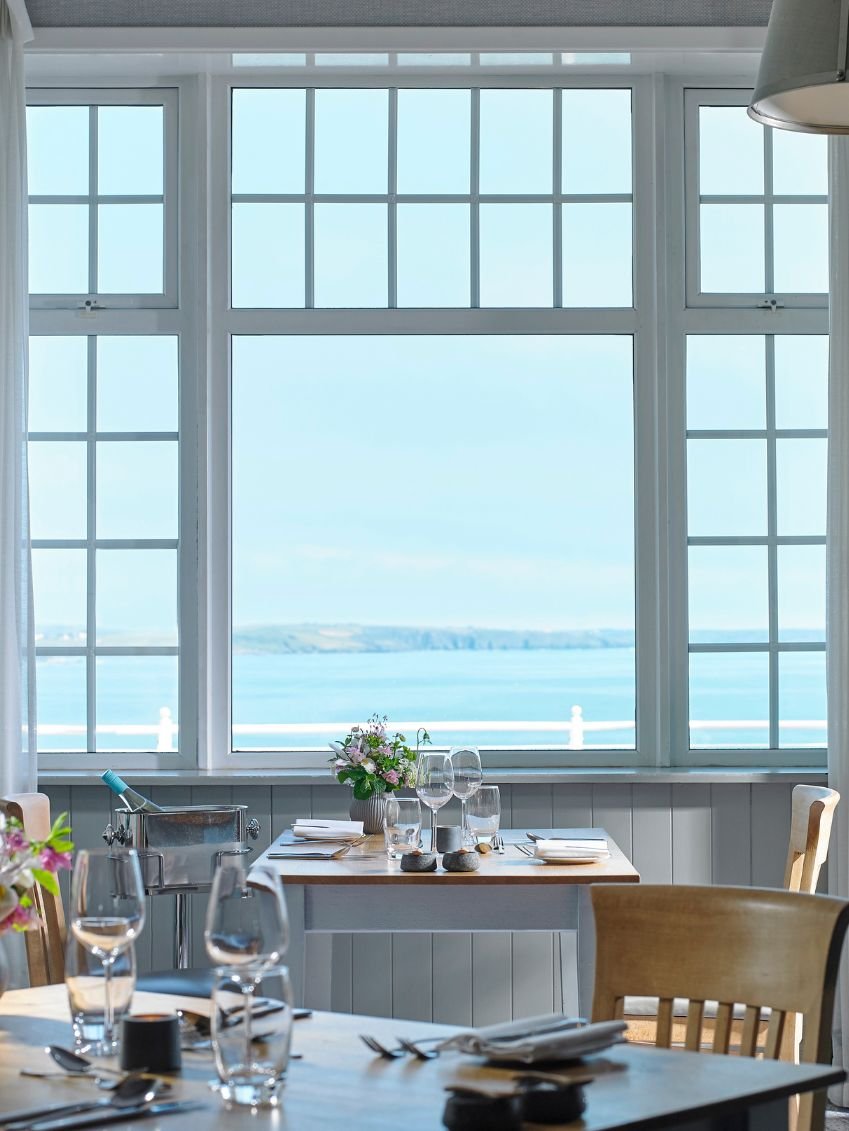
A Farmhouse with Five Decades of Michelin Recognition
The Veluwezoom, the wooded ridge country between Arnhem and the Rhine, does not announce itself as a dining destination. Villages here are small, roads run through forest, and the region is better known for national park walking than restaurant reservations. That context makes what has happened at Klein Zwitserlandlaan 5 in Heelsum all the more instructive. Since 1971, De Kromme Dissel has held a Michelin star without interruption, making it the longest-running starred restaurant in the Netherlands by that measure. In a country that has produced three-star houses like De Librije in Zwolle and two-star destinations like 't Nonnetje in Harderwijk and De Lindehof in Nuenen, longevity of this kind is a different credential entirely. Stars won and retained across five-plus decades reflect institutional consistency, not a single inspired season.
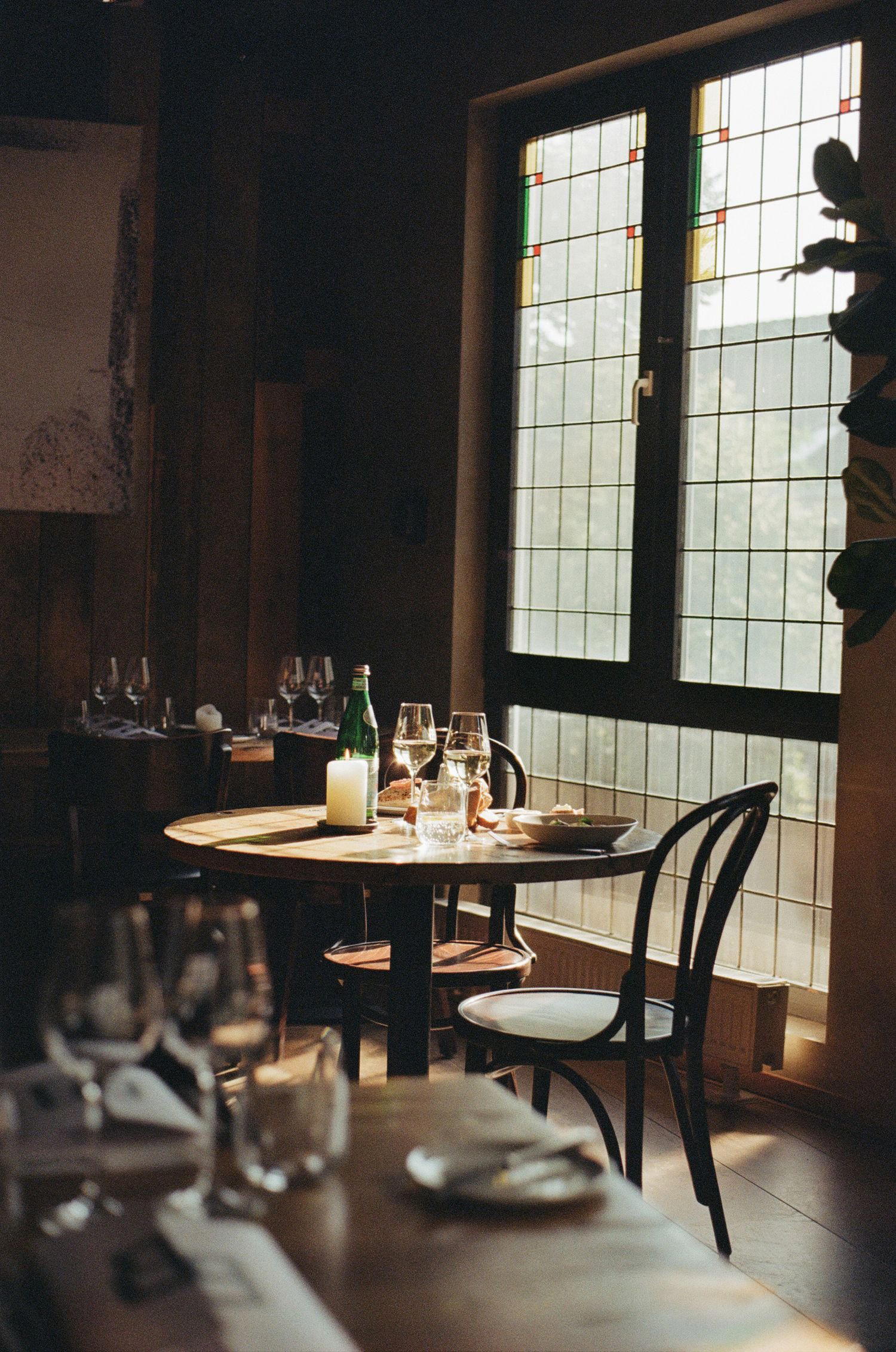
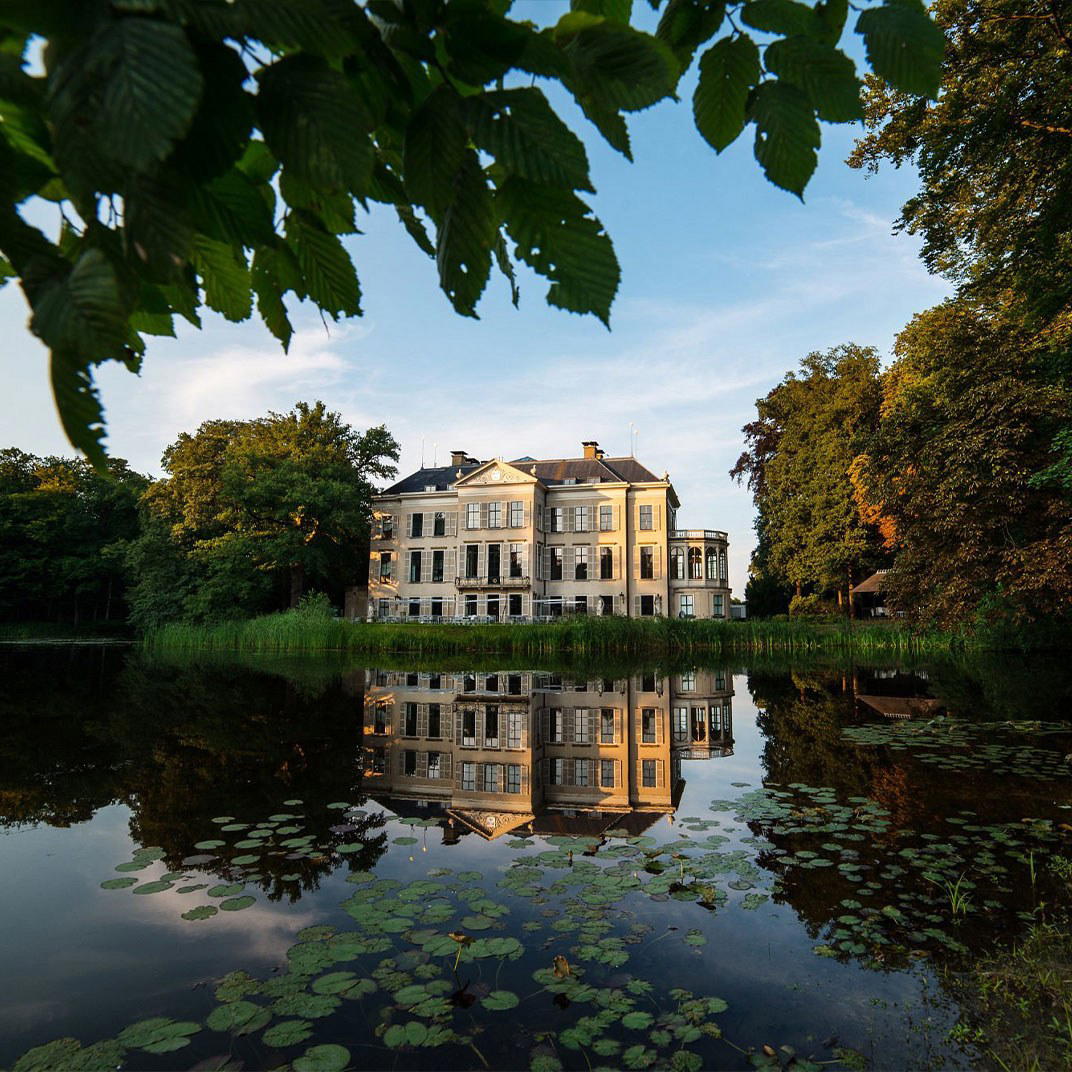
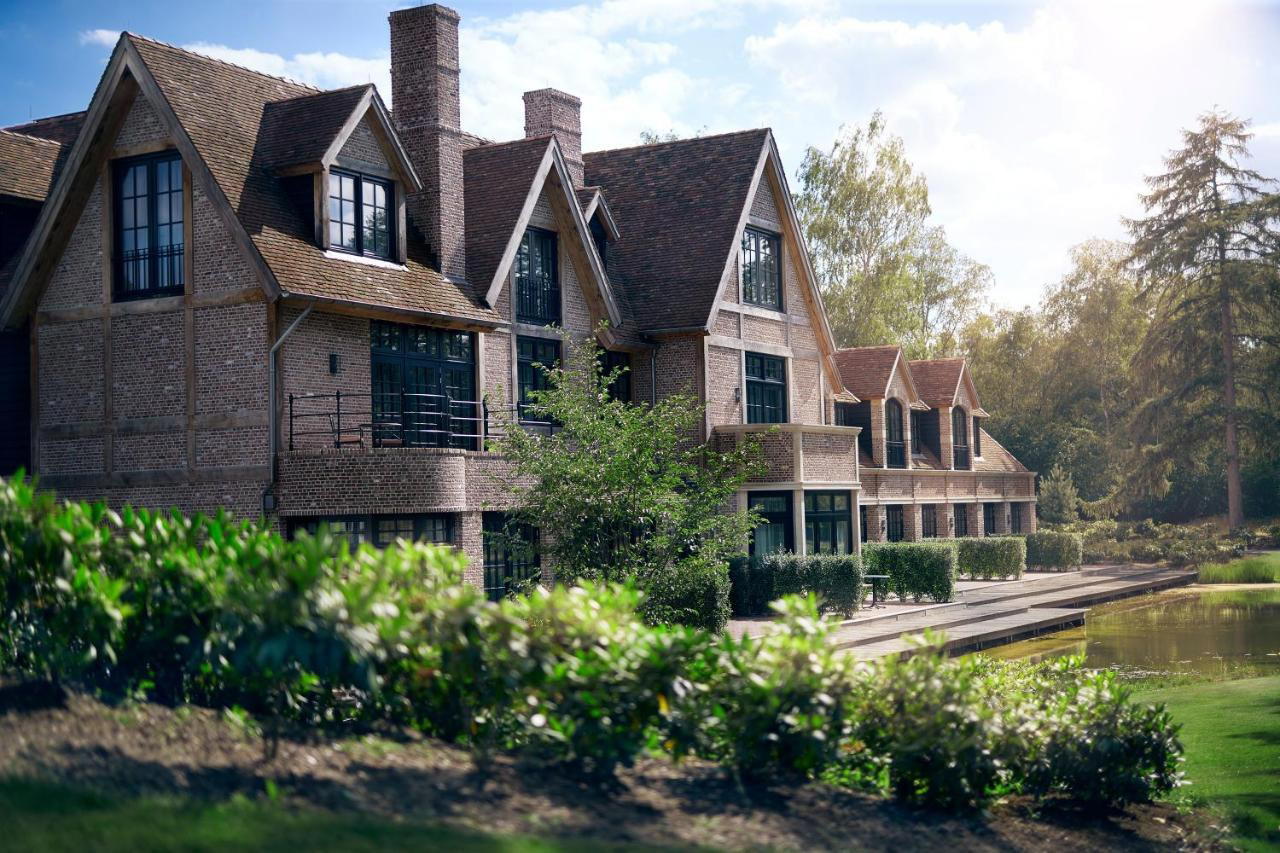
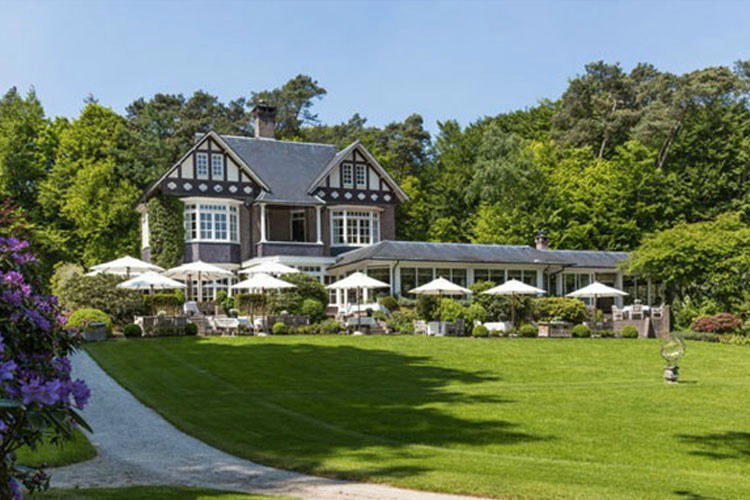
The building that houses the restaurant is part of the argument. A 17th-century Saxon farmhouse carries its age in the timber framing, the low ceilings, and the proportions of a structure built for agricultural life rather than dining. That material history gives the room a weight that newer design-led interiors in the Netherlands, however accomplished, cannot replicate. Arriving in the evening, the fireplace does a significant amount of work, warming a space that could otherwise read as austere. The interior reads as rustic without being rough, a distinction that takes sustained attention to maintain across decades of use.
Land, Ingredient, and the Provenance Question
Modern French cuisine in the Netherlands has always had a complicated relationship with local ingredient identity. France supplies the grammar, the technique, and the reference points, but the leading kitchens working in this mode have had to develop their own answer to the provenance question: where does the raw material actually come from, and does it reflect the land around the restaurant? In the Veluwezoom, that question has a ready answer in game. The region's forests and estates have historically supplied venison, wild boar, and birds to tables in the area, and De Kromme Dissel's positioning in this landscape is not incidental.
The kitchen, under chef Tonny Berentsen, works venison saddle into a preparation that draws on Asian spicing, specifically five spices applied to the jus, to pull additional complexity from the meat. The approach is characteristic of a broader shift in Dutch fine dining over the past two decades, where French technical foundations absorb influences from Indonesian, Surinamese, and East Asian cooking without becoming fusion in the derogatory sense. Restaurants like Aan de Poel in Amstelveen and Ciel Bleu in Amsterdam operate in overlapping territory, each finding their own calibration between classical French structure and broader ingredient reference. At De Kromme Dissel, the calibration runs through the specific proteins and game that the surrounding landscape supplies, anchoring the menu in place even when the seasoning reaches further.
Quail appears on the menu in a preparation that concentrates the bird's intensity: a roulade of breast filled with foie gras, accompanied by pan-fried quail legs, salsify in multiple textures, and a truffle-infused quail sauce. The dish is constructed around contrast, the richness of the filling against the crispness of the legs, the earthiness of salsify against the aromatic weight of truffle in the sauce. Salsify itself is a root vegetable with deep roots in Dutch and Flemish cooking, a detail that anchors what could otherwise read as a classical French composition to the lower Rhine region. This kind of embedded provenance, ingredients that connect to local agricultural history without being labelled or marketed as such, is one of the more interesting things a kitchen can do.
Where De Kromme Dissel Sits in the Dutch Fine Dining Picture
The Dutch one-star tier in 2024 is competitive and geographically spread. Restaurants earning a single Michelin star in the Netherlands range from urban addresses in Amsterdam and Rotterdam to village destinations across Gelderland, Drenthe, and Zeeland. The restaurant's position within this tier is shaped primarily by its record. Where newer one-star addresses must establish their identity and prove consistency, the restaurant arrives with a credential that the Michelin guide itself has validated across more than fifty years and through multiple kitchen generations.
For comparison, the two-star houses that operate in the region, including De Nieuwe Winkel in Nijmegen with its organic focus, and De Bokkedoorns in Overveen, sit in a distinct tier both in ambition and price expectation. The restaurant's four-symbol price positioning is consistent with a serious tasting-menu format in a destination setting, where travel to Heelsum is itself a component of the visit. Restaurants that require a journey tend to price against the full day's commitment rather than the competition in the nearest city.
It is also worth noting the farmhouse category more broadly. Rural fine dining in historic buildings has become a specific sub-genre in northern Europe, where the building's age and agricultural character do part of the storytelling. De Treeswijkhoeve in Waalre, De Groene Lantaarn in Staphorst, and De Lindenhof in Giethoorn each occupy positions in this category, deploying vernacular architecture as context for premium cooking. The restaurant predates most of them in terms of starred status, having established the farmhouse-restaurant template in the region before it became an identifiable format. For Modern French in comparable settings, Au Coin des Bons Enfants and Tout à Fait, both in Maastricht, work in the same cuisine register at the same price tier, though in an urban southern context that brings a different character to the table.
The Room, the Service, and What the Evening Actually Looks Like
Michelin's inspector notes for the restaurant specifically name maître d' Ronnie Brouwer alongside the kitchen, which reflects something real about how the room operates. In French-tradition fine dining, the floor team carries as much of the experience as the kitchen, and a long-serving maître d' with strong wine knowledge shapes the meal's pacing and tone as meaningfully as any dish. The wine recommendations at the restaurant come framed by expertise rather than by list-push, a distinction that guests who have sat through the latter at other addresses will recognise immediately.
Service runs Tuesday through Saturday, with lunch available Thursday and Friday from noon to 2 PM, and dinner across Tuesday, Wednesday, Thursday, Friday, and Saturday from 6 PM to 10 PM. Sunday and Monday are closed. The restaurant sits at Klein Zwitserlandlaan 5 in Heelsum, making access direct for those arriving by car. The hotel adds context: this is a destination rather than a neighbourhood table, and the surrounding Veluwezoom landscape, with its beech forests and sandy heathland, extends the visit beyond the meal itself.
Google's aggregate rating of 4.8 across 390 reviews is a consistent signal for a kitchen operating at this price point and formality level. At €€€€, the expectation benchmark is high, and the rating suggests the kitchen and floor are meeting it with regularity.
Planning a Visit
Heelsum sits in Gelderland, roughly 10 kilometres from Arnhem, and is accessible by car from the Randstad in under ninety minutes. Reservations are essential and should be made with adequate lead time, particularly for weekend evenings. Lunch on Thursday and Friday offers a less formal entry point into the kitchen's work. For Creative and organic-focused alternatives in the Dutch fine dining circuit, Brut172 in Reijmerstok represents a different but equally committed approach to destination dining in rural Netherlands.
A Quick Peer Check
Comparable venues nearby, for context on price, style, and recognition.
| Venue | Cuisine | Price | Awards | Notes |
|---|---|---|---|---|
| De Kromme DisselThis venue — the venue you are viewing | Modern French Fine Dining | $$$$ | Michelin 1 Star | Not listed |
| Zenith | Modern French with Indonesian Influences | $$$$ | Michelin 1 Star | Koninginnelaan |
| Ratatouille Food & Wine | Modern French Fine Dining | $$$$ | Michelin 1 Star | Centrum |
| Noor | Contemporary French with Global Influences | $$$$ | Michelin 1 Star | Hoogkerk |
| Monarh | Modern French-Dutch Fine Dining | $$$$ | Michelin 1 Star | Oud-Zuid |
| Maeve | Modern French with Dutch influences | $$$$ | Michelin 1 Star | Binnenstad |
Recognition history
Dated appearances from independent guides and award organizations, with the underlying list record or original source where available.
Star Wine List
Star Wine List
Michelin 1 Star
Michelin
Michelin 1 Star
Michelin
At a Glance
- Romantic
- Cozy
- Elegant
- Classic
- Intimate
- Well Known
- Date Night
- Special Occasion
- Celebration
- Business Dinner
- Private Dining
- Historic Building
- Garden
- Terrace
- Extensive Wine List
- Sommelier Led
- Local Sourcing
Current opening hours
- Monday
- Closed
- Tuesday
- 6–10 PM
- Wednesday
- 6–10 PM
- Thursday
- 6–10 PM
- Friday
- 12–2 PM, 6–10 PM
- Saturday
- 12–5 PM, 6–10 PM
- Sunday
- Closed
Hours can change for holidays and private events. Last verified .
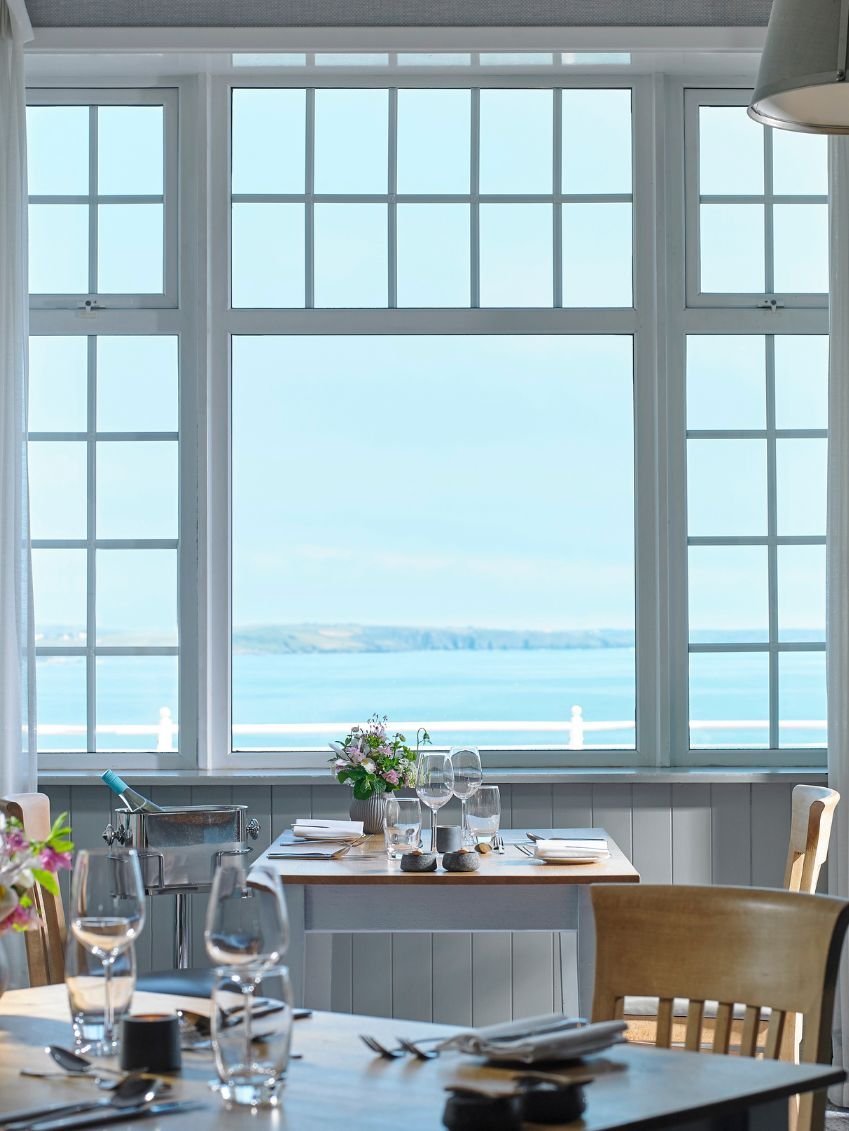
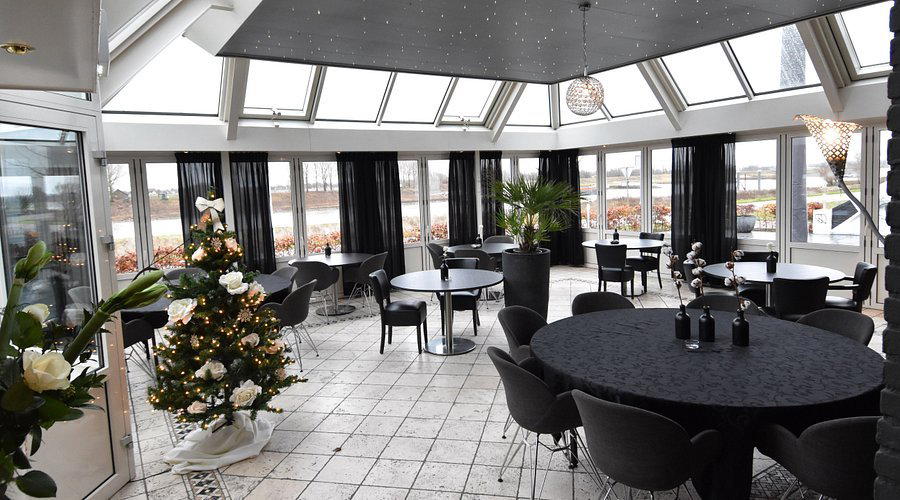
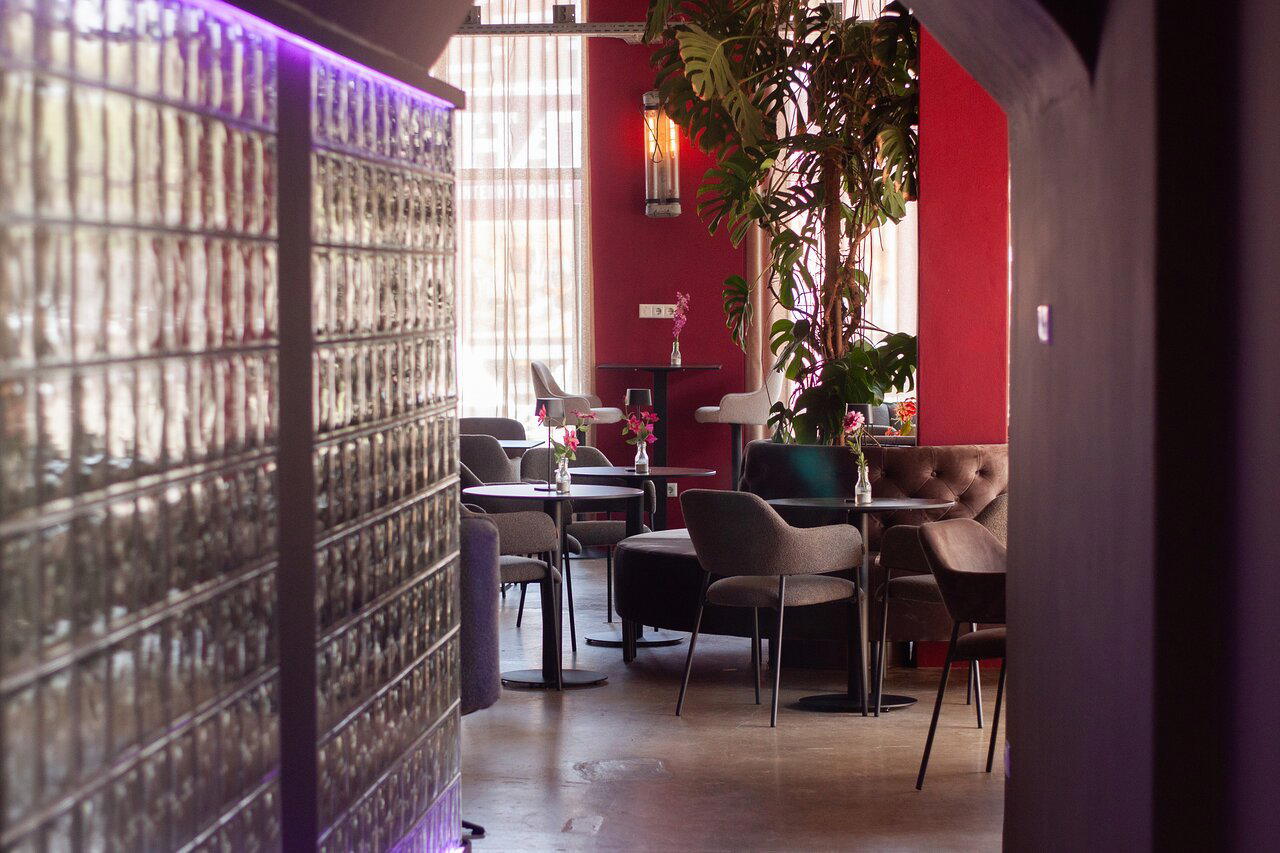
Charming rustic interior with crackling fireplace exuding timeless warmth; recently renovated lighting creates a pleasantly quiet, intimate atmosphere conducive to conversation.