Otani occupies a quiet corner of Nakamura Ward, Nagoya, a city whose dining culture has long operated in the shadow of Tokyo and Osaka while quietly producing serious, ingredient-driven kitchens. The address places it in a residential pocket that rewards the deliberate traveller rather than the casual tourist, and the kitchen's approach reflects a broader Nagoya tendency to let local product carry the argument.
Pearl is the En Primeur Club membership app — saves, bookings, and concierge access live there. Same editors, same standards.
- Address
- 4 Chome-7 Toyokunitori, Nakamura Ward, Nagoya, Aichi 453-0834, Japan
- Phone
- +81524713537
- Website
- ajidokoro-otani.com
 Saves & bookings on Pearl
Nakamura Ward and the Quiet Ambition of Nagoya's Neighbourhood Kitchens
Nagoya's dining identity has never been built on visibility. While the city's meibutsu culture, the civic pride taken in regional specialities like miso katsu, hitsumabushi eel, and kishimen noodles, draws attention from domestic tourists, the kitchens doing the more considered work tend to operate in residential wards, away from the Sakae entertainment corridor and the convenience-driven food floors of the Nagoya Station buildings. Nakamura Ward, where Otani sits at 4 Chome-7 Toyokunitori, belongs to that quieter register. It is not a dining district in any conventional sense, which is precisely why a serious restaurant here signals something: the kitchen is not leaning on foot traffic or neighbourhood cachet. The audience arrives by intent.
This geography matters for understanding how kitchens like Otani function within the broader Nagoya scene. The city has, over the past decade, attracted increasing attention from the restaurant critical community, a reflection of the same dynamic playing out in Japan's secondary cities, where craft-focused operators have found cheaper rents, loyal local clientele, and, crucially, access to regional agricultural and marine supply chains that urban centres like Tokyo often have to replicate at cost. For the traveller already mapping Japan's more decorated kitchens, whether Gion Sasaki in Kyoto or HAJIME in Osaka, Nagoya represents a useful counterpoint: less institutional, more granular.
Local Ingredient, Outside Influence: The Defining Tension in Nagoya's Kitchens
Across Japan's regional cities, one interesting culinary conversation has settled around a specific tension: what happens when techniques absorbed from French kitchens, Italian traditions, or the precision culture of Tokyo omakase counters are applied to produce that is genuinely, specifically local. Nagoya and the surrounding Aichi Prefecture offer a compelling set of raw materials, Mikawa red chicken (Nagoya Cochin), the dark Hatcho miso that anchors so much of the region's flavour profile, freshwater eel from the Hama lake system, and seasonal vegetables from the Chita Peninsula. The question every serious kitchen in the area eventually confronts is whether to lean into those ingredients as local colour or to treat them as primary structural elements around which technique is organised.
The strongest kitchens in the city have moved toward the latter. Atsuta Horaiken, the reference address for hitsumabushi, represents the conservative pole: tradition as the method and the product simultaneously. But a different cohort of restaurants has been absorbing external training and applying it to the same regional pantry. You see this in Italian-inflected kitchens like cucina Wada and Cucina Italiana Gallura, which use the structure of Italian cuisine as a frame for Aichi-sourced ingredients, and in French-leaning addresses like Chez Kobe. Bacio extends the same pattern. These restaurants are evidence of a broader tendency in Nagoya: imported methodology as a tool for expressing, rather than overriding, local product.
Otani occupies this general territory in Nakamura Ward, a kitchen in a city increasingly characterised by the productive friction between what grows and is raised nearby and the techniques that have arrived from outside the region. That positioning places it in a comparable set defined less by cuisine type than by philosophical approach.
The Nagoya Dining Scene in Context
Situating Nagoya within Japan's national restaurant conversation requires some recalibration of expectations. This is not Tokyo, where density of supply and density of demand have produced the world's highest concentration of Michelin-starred restaurants. Nor is it Kyoto, where the kaiseki tradition creates a specific gravitational pull. Nagoya is an industrial city, headquarters of Toyota, hub of the Chubu manufacturing region, whose food culture has historically served a working population rather than an international dining circuit. That has changed, but not entirely, and the restaurants doing serious work here remain oriented toward a local and domestic audience rather than the inbound tourist.
This distinction matters practically. The booking environment for serious Nagoya restaurants is generally less pressurised than equivalent-quality addresses in Kyoto or Tokyo. Counters that would require two or three months of advance planning in central Tokyo, comparable in approach, if not always in recognition, to Harutaka in Tokyo, often operate on shorter lead times in Nagoya. Nagoya adds depth without adding the same logistical friction. The city is also well-positioned as a Shinkansen stop between Tokyo and Osaka or Kyoto, which means it integrates naturally into a longer route rather than requiring a dedicated detour.
For reference points elsewhere in Japan, Goh in Fukuoka and akordu in Nara represent similar dynamics: serious kitchens in cities that are not the primary targets of the international dining circuit but reward the traveller who arrives with the right expectations. The same logic applies in regional towns across Japan, from Nanao to Sapporo, where kitchens in less-trafficked locations have developed strong regional identities partly because of, rather than despite, their distance from the main circuits.
Planning a Visit
Otani's address in Nakamura Ward places it in a residential part of Nagoya. Contacting the restaurant directly is one reliable approach for first-time visitors. This is standard practice for smaller, neighbourhood-oriented kitchens across Japan, where English-language reservation infrastructure varies considerably.
Timing the visit seasonally makes sense: Aichi's agricultural calendar produces stronger examples from its Nagoya Cochin in winter, while spring and early summer bring the freshwater fish and early vegetable growth that regional kitchens tend to structure their menus around. Arriving outside the Golden Week holiday period and the Obon August window generally makes the city quieter and reservations easier to secure across the board.
And for those whose itinerary runs as far as the comparison points of Le Bernardin in New York City or Atomix in New York City, the contrast between the institutional scale of those rooms and the quieter register of a Nakamura Ward kitchen is itself part of the argument for including Nagoya in a serious eating itinerary. Also worth noting in the broader Kansai context: Birdland in Sakai operates in a similar register of local craft in a non-obvious city.
Comparable Venues
Comparable venues nearby, for context on price, style, and recognition.
| Venue | Cuisine | Price | Notes |
|---|---|---|---|
| OtaniThis venue — the venue you are viewing | Kaiseki and Omakase | $$$ | Not listed |
| 雪月花たなかさとる | Premium Wagyu Yakiniku | $$$ | Naka |
| Yakiniku Taiga | Modern wagyu yakiniku | $$$ | Naka |
| Maruko | Traditional Wagyu Sukiyaki & Shabu‑shabu | $$$ | Naka |
| Sushi Gonzaemon | Edomae Sushi Omakase | $$$ | Naka |
| 吉い | Seasonal Japanese Kaiseki | $$$ | Naka |
Continue exploring
More in Nagoya
Restaurants in Nagoya
Browse all →
At a Glance
- Quiet
- Intimate
- Elegant
- Special Occasion
- Date Night
- Sake Program
- Local Sourcing
Current opening hours
- Monday
- 12–2 PM, 6–9 PM
- Tuesday
- 12–2 PM, 6–9 PM
- Wednesday
- 12–2 PM, 6–9 PM
- Thursday
- 12–2 PM, 6–9 PM
- Friday
- 12–2 PM, 6–9 PM
- Saturday
- 12–2 PM, 6–9 PM
- Sunday
- Closed
Hours can change for holidays and private events. Last verified .
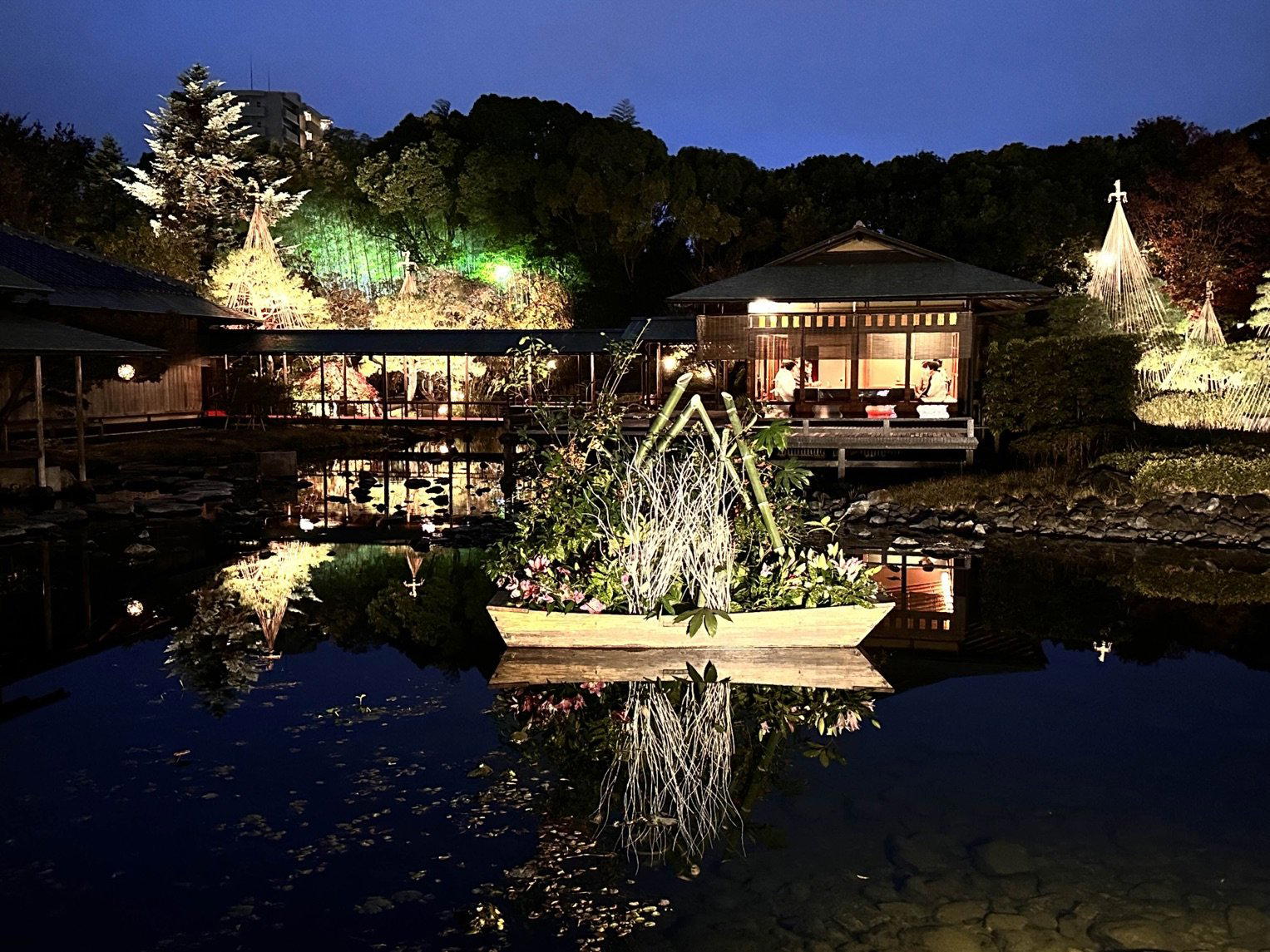
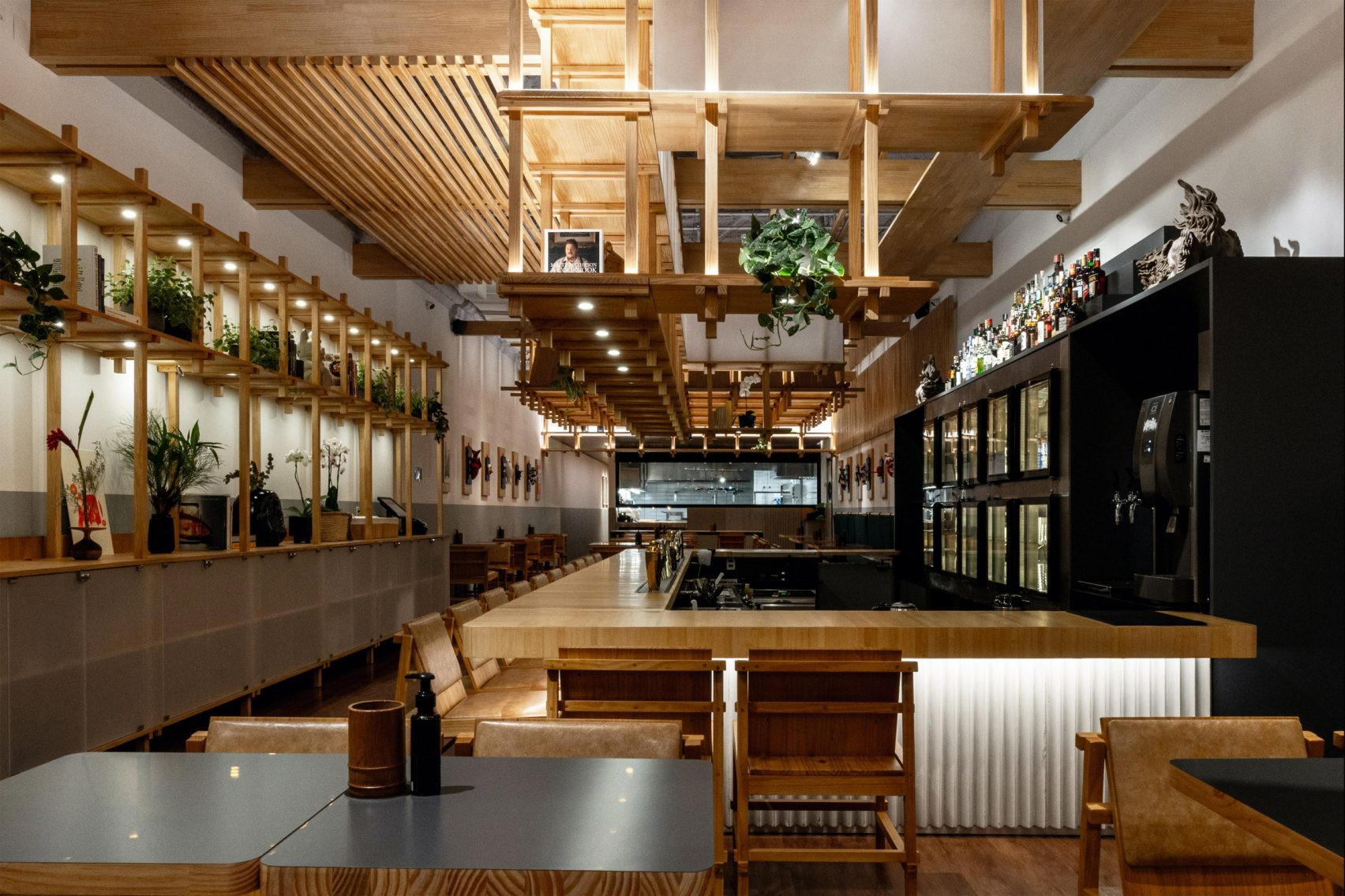
Serene and relaxing atmosphere with an intimate 16-seat setup split between a counter and horigotatsu tatami room.