
Sushi Gonzaemon is a compact Fushimi counter in Nagoya working in Edo-style sushi, seafood and Japanese cuisine, with selection for Tabelog Sushi EAST “Tabelog 100” 2025. Its reputation sits less in spectacle than in format discipline: counter seating, a tightly scaled room, and a menu structure that gives lunch and dinner distinct roles.
Pearl is the En Primeur Club membership app — saves, bookings, and concierge access live there. Same editors, same standards.
- Address
- 愛知県名古屋市中区栄1-4-16 C Forest X 2F
- Phone
- +81522015150
- Website
- tabelog.com
 Saves & bookings on Pearl
Fushimi’s restaurant streets do not announce themselves with Ginza theatre. The rhythm is lower, more local, and more useful for travellers who want Nagoya’s serious dining without turning every meal into a trophy hunt. In that context, Sushi Gonzaemon belongs to the city’s compact sushi-counter tier: small rooms, close chef-to-guest pacing, and a menu architecture that asks diners to pay attention to sequence rather than decoration.
Nagoya’s premium dining scene often gets flattened between two clichés: the hearty local canon of hitsumabushi, miso katsu and tebasaki, and the expense-account polish around Sakae and Fushimi. Sushi counters complicate that picture. They borrow from Edo-mae structure, but the city’s dining habits reward access, clear pricing bands and drinking compatibility as much as ceremonial austerity. That is where this address has built its place: selected for Tabelog Sushi EAST “Tabelog 100” 2025, operating in a 10-seat counter format, and positioned in a bracket that reads serious without entering the rarefied Tokyo omakase economy.
A compact Edo-style counter shaped by sequence, not showmanship
The useful way to read the menu is through architecture. Sushi, seafood and Japanese cuisine appear together, which signals a counter that is not only a nigiri procession. Edo-style sushi anchors the identity, while the wider Japanese-cuisine category allows the meal to move through prepared seafood, drinking-friendly plates and rice-led pacing without becoming a free-form izakaya. That distinction matters in Nagoya, where the strongest counters tend to balance technical sushi grammar with the practical appetite of a business-city audience.
The room scale reinforces that structure. Ten seats keep the experience close to counter dining rather than table-service sushi, and counter seating changes the tempo: pieces and plates are read in order, not as isolated orders. The presence of sake and shochu as explicit drinks strengths also tells the reader how the meal is meant to behave. This is not a wine-led luxury room, nor a casual hand-roll stop. It sits in the middle ground where seafood preparation, rice timing and Japanese spirits do the heavy lifting.
That middle ground is increasingly valuable in Japanese city dining. Tokyo’s luxury counters have become compressed, expensive and reservation-driven; regional cities now offer another kind of seriousness, less globalised and often more legible. Sushi Gonzaemon’s Tabelog recognition places it inside a national sushi conversation, but its Nagoya setting keeps the value proposition different from counters built mainly for international demand. The appeal is not novelty. It is disciplined format at a scale where the counter remains the point.
How it fits Nagoya's Fushimi dining map
Fushimi works as a hinge between Nagoya Station’s transport logic and Sakae’s commercial density. Restaurants here often serve office diners, theatre-goers, hotel guests and residents in the same week, which creates a sharper test than tourist-only districts. A sushi counter in this area has to justify itself on repeatability as well as ceremony. The 2021 opening date also places the restaurant in the post-pandemic generation of Japanese counters, a period when smaller rooms, defined time slots and tighter cost control became part of the business model rather than a temporary adjustment.
The city comparison is useful. Kreis and Daijin Honten occupy lower dinner bands around JPY 4,000 to JPY 4,999, which puts them in a different daily-use category. Beef Junkie moves higher but remains meat-led, while Unagi Okafuji’s eel focus gives travellers a classic Nagoya-adjacent comfort register. Le Chinois SANO Nagoya prices above Sushi Gonzaemon at dinner, indicating a more expensive special-occasion frame. Against that spread, the sushi counter reads as a focused seafood choice for diners who want precision without shifting into the city’s higher luxury tier.
For travellers building a Nagoya itinerary, the better move is to avoid treating sushi as an interchangeable “Japan meal.” The city rewards category planning. Pair one counter meal with eel, one local casual meal and one bar evening, and the city opens up beyond its reputation as a transit hub. Our full Nagoya restaurants guide is the useful starting point, with adjacent planning in Our full Nagoya hotels guide, Our full Nagoya bars guide, Our full Nagoya wineries guide and Our full Nagoya experiences guide.
The editorial read: serious sushi without Tokyo's theatre
The restaurant makes the strongest case for diners who care about format. The 10-seat counter, no-smoking policy, defined sushi-seafood-Japanese cooking identity and 2025 Tabelog 100 selection all point toward a restaurant whose reputation rests on controlled scale rather than excess. The à la carte cover charge also suggests that ordering style matters; this is a counter where the meal format should be understood before arrival, especially for diners comparing lunch and dinner expectations.
The caveat is equally clear. This is not the address for travellers looking for a chef biography, a famous signature item or a theatrically branded tasting menu. Its public identity is more restrained: category, counter, drinks and recognition. That restraint is part of the point. In a city where many visitors overcorrect toward either local comfort food or luxury-hotel dining, a small Fushimi sushi counter gives a more accurate reading of Nagoya’s current restaurant culture: careful, compact, price-aware and serious about sequence.
Readers comparing Japanese dining formats may also find useful contrasts beyond Nagoya: 1022, 451, Aaron, Alan. and All Day Dining Montmartre show how restaurant formats can vary inside the same national dining conversation. For a wider Japan-and-beyond scan, compare -Grilled beef Sukiyaki- KAMAKURA TANUKIAN 鎌倉 たぬき庵 in Kamakura. 鮪と炭火焼き うお炭 秋葉原店 in Tokyo.cafe in Osaka.know in Kumamoto, (Shoku) Vietnam in Kawasaki, [Curry Senmon Ten] Maruyama Kyoju. in Sapporo, Jōdo Saké Bar in Los Angeles and Onigiri Time in Pasadena.
Similar Picks
Nearby venues at a similar price tier for orientation.
| Venue | Cuisine | Price | Notes |
|---|---|---|---|
| Sushi GonzaemonThis venue — the venue you are viewing | Edomae Sushi Omakase | $$$ | Not listed |
| Gyutei | High-end Wagyu Yakiniku | $$$ | Higashi |
| 本郷おけい鮨 | Creative Japanese Omakase Sushi | $$$ | Meitō |
| Unagiya Shibafukuya | Traditional Nagoya Unagi (Grilled Eel) | $$$ | Nishi |
| Kikkou Hanare | Seasonal Omakase Sushi Counter | $$$ | Nishi |
| Tachigui Sushi Kiwami Meieki 4 chome ten | Casual Stand-Up Edo-Style Sushi | $$$ | Nakamura |
Recognition history
Dated appearances from independent guides and award organizations, with the underlying list record or original source where available.
Tabelog 100 #97 · No. 97
Tabelog · Tabelog 100 - Sushi - EAST - 2025
Continue exploring
More in Nagoya
Restaurants in Nagoya
Browse all →
At a Glance
- Elegant
- Cozy
- Intimate
- Sophisticated
- Date Night
- Business Dinner
- Group Dining
- Special Occasion
- After Work
- Chefs Counter
- Standalone
- Design Destination
- Sake Program
- Local Sourcing
- Sustainable Seafood
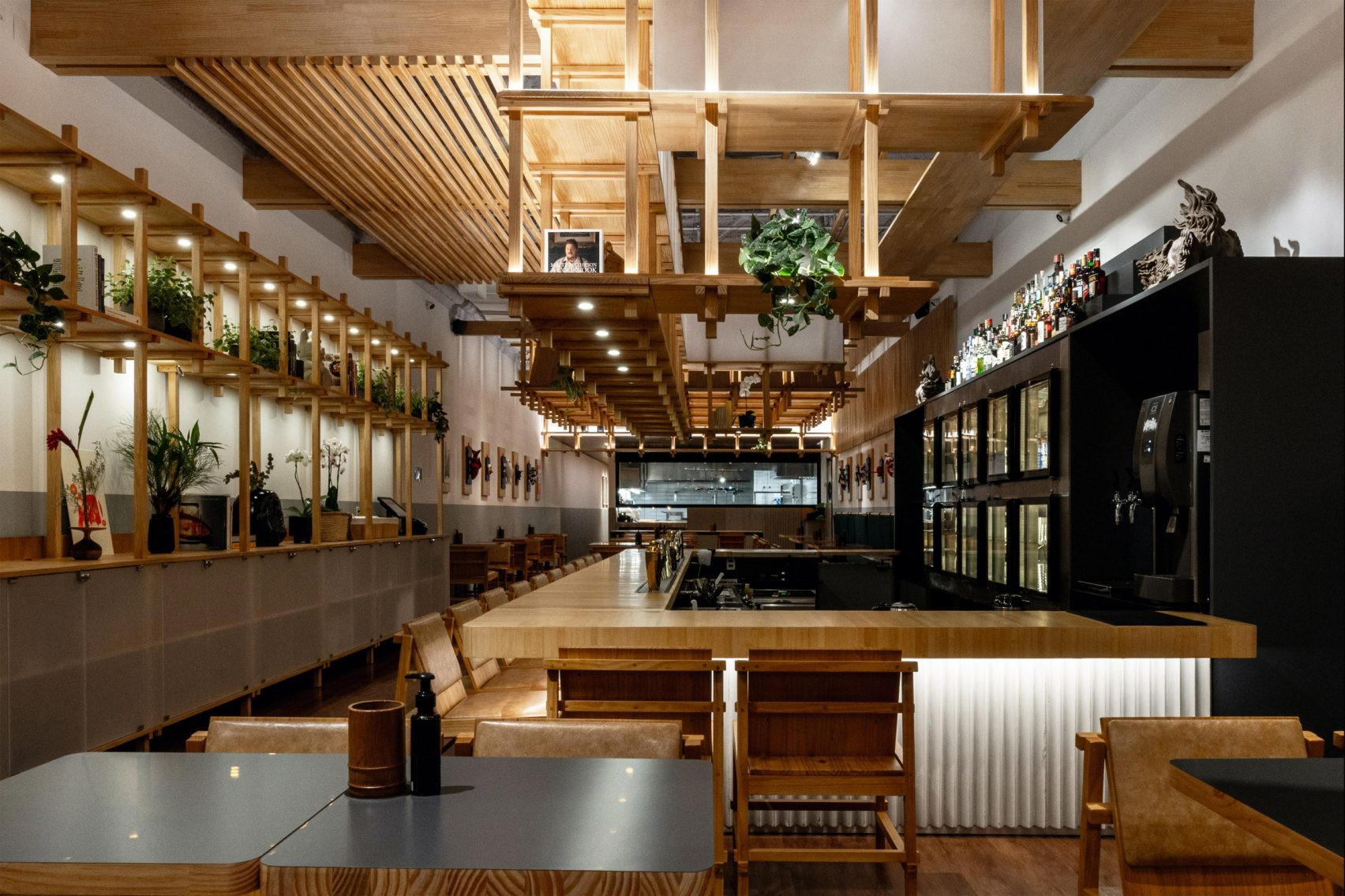
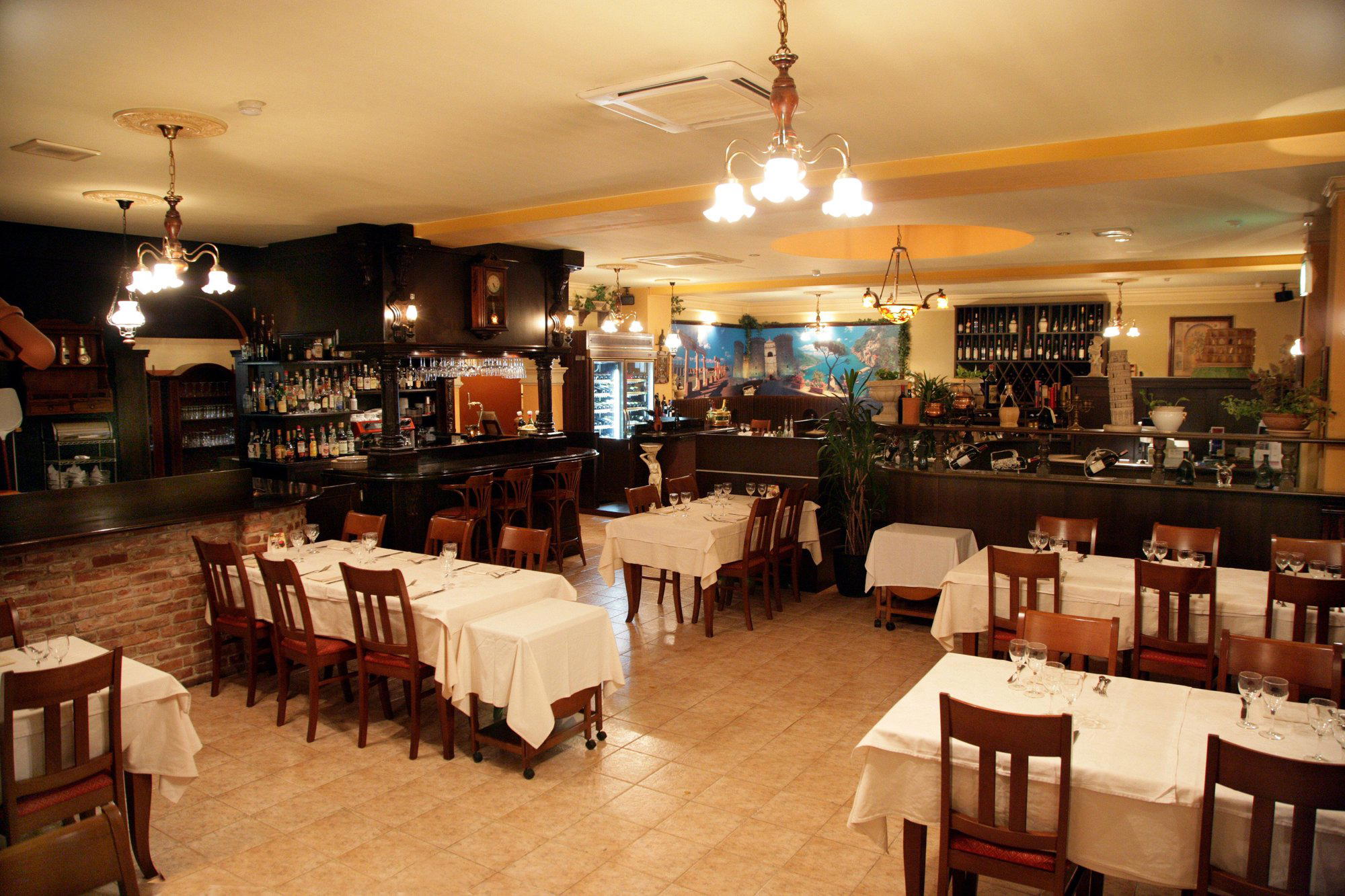
A refined, adult-oriented Japanese atmosphere with a high-quality, clean interior that feels like a low-profile address on the second floor; lighting and design are modern yet warm, creating an intimate counter-focused space suitable for dates and business dinners rather than a noisy casual bar.