Osteria Vicini
On a quiet stretch of Kortekade in Rotterdam's Kralingen district, Osteria Vicini occupies a neighbourhood position that places it firmly outside the city's high-profile dining corridor. The format suggests the Italian osteria tradition: a setting oriented around conviviality rather than ceremony. For visitors tracking Rotterdam's mid-tier Italian scene, it offers a more residential, locals-first register than the €€€€ creative houses that define the city's Michelin tier.
Pearl is the En Primeur Club membership app — saves, bookings, and concierge access live there. Same editors, same standards.
- Address
- Kortekade 63A, 3062 GN Rotterdam, Netherlands
- Phone
- +31 10 890 0555
- Website
- mymenuweb.com
- Directions
- Get directions
 Saves & bookings on Pearl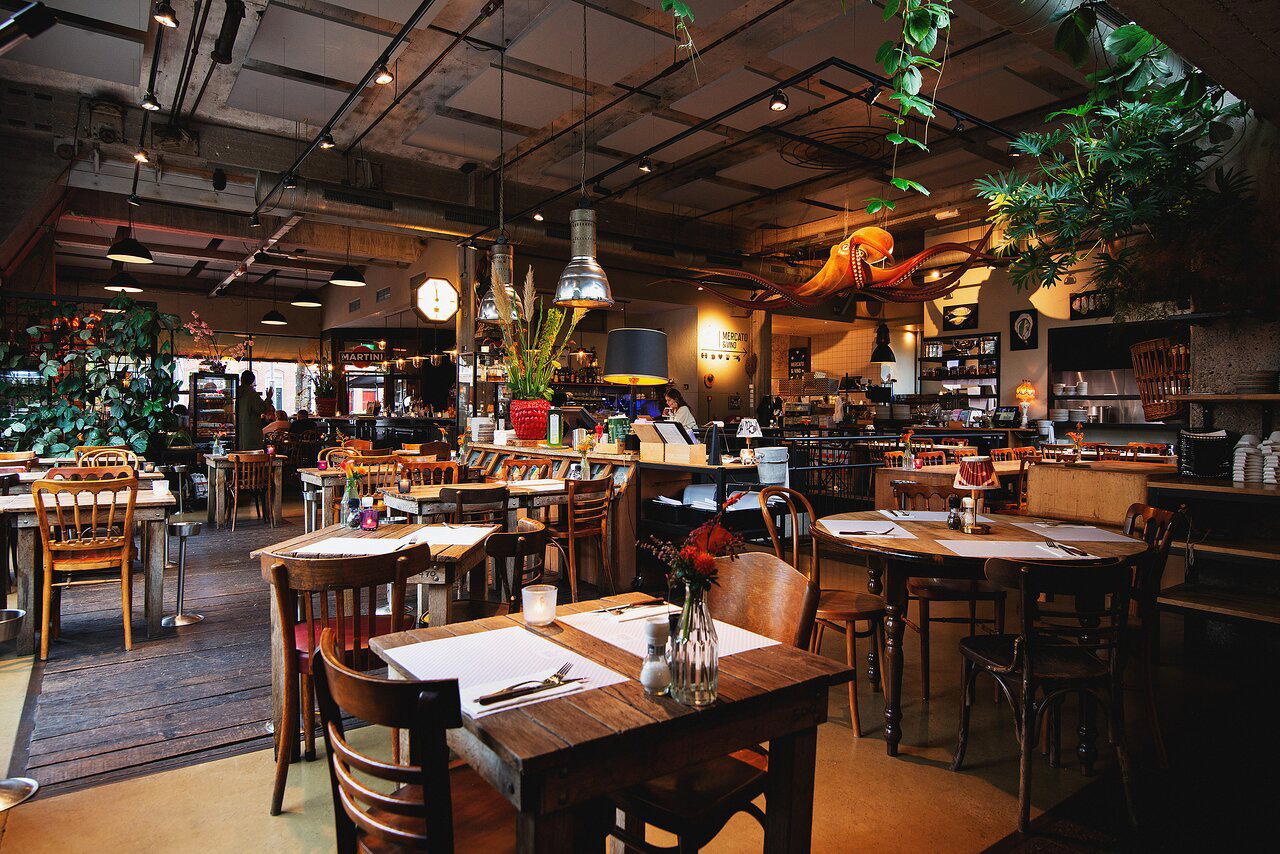
A Rotterdam Neighbourhood and Its Italian Anchor
Rotterdam's dining reputation is built largely on a cluster of high-ambition, tasting-menu restaurants operating at the summit of the price range: FG - François Geurds, Fred, and Parkheuvel all occupy the €€€€ bracket and draw guests who travel specifically for the experience. Below that tier, the city's dining fabric is patchier: independent neighbourhood restaurants that serve a local rather than destination audience. Osteria Vicini, at Kortekade 63A in the Kralingen district, sits in that second category. Kralingen is a leafy, residential area east of the city centre, more canal-side apartment buildings and cycling families than the steel and glass of the waterfront. Arriving at the address places you immediately in that context: a street-level setting on a quiet stretch, with the surrounding character doing much of the atmospheric work before you reach the door.
The osteria format itself carries a set of expectations built over centuries of Italian dining culture. Unlike the ristorante, which tends toward formality, or the trattoria, which historically implied regional home cooking at scale, the osteria originally functioned as a wine-first space with food as accompaniment. Over the twentieth century the format evolved, particularly in northern Italy, toward something closer to a relaxed, convivial restaurant where the wine list and the cooking carry equal weight. That evolution is now a reference point for Italian-named restaurants across Europe: the word signals informality, hospitality-first service, and a general preference for produce and simplicity over technical elaboration. Whether Osteria Vicini holds to that tradition closely or loosely is a question the address alone cannot answer, but the frame it sets for a visitor's expectations is meaningful.
Where Vicini Sits in Rotterdam's Italian Scene
Rotterdam's Italian restaurant offering spans a wide range, from large-format pizza and pasta operations near the Markthal to smaller independent rooms that import wine more seriously and run shorter, more seasonal menus. The city has historically directed its fine-dining energy toward French and creative-international formats: Amarone and Fitzgerald both operate in the Modern French register, while the upper-tier houses pursue a creative-contemporary approach without strong national identity. That leaves the Italian mid-market as a relatively open field. An osteria in Kralingen is not competing with the same audience as the city's tasting-menu rooms; its comparable set is neighbourhood-level, and the evaluation criteria shift accordingly: consistency, wine selection relative to price, and the degree to which the room functions as a local anchor rather than a one-off destination.
Across the Netherlands more broadly, the Italian osteria format has had an interesting run. The country's dining culture absorbed Italian influence heavily from the 1980s onward, and a generation of Italian-named rooms opened across Amsterdam, Rotterdam, Utrecht, and The Hague serving an appetite for pasta and Barolo in settings that felt less formal than French alternatives. Some of those rooms have evolved substantially; others have stayed close to a formula that worked. The better Dutch practitioners of the format now align more closely with the Italian original: shorter menus, serious regional wine programs, and a focus on a small number of well-sourced ingredients rather than a broad, catch-all menu. The trajectory of the osteria format in Dutch cities offers a useful lens for thinking about how any individual room in this category has changed or positioned itself over time.
The Evolution Question: What Changes in a Neighbourhood Room
Neighbourhood restaurants in cities like Rotterdam face a particular kind of pressure over time. They are not insulated by destination status or institutional recognition in the way that a Michelin-starred room is. Their longevity depends on adapting to a changing local audience while retaining the regulars who made them viable in the first place. For an osteria format, that tension often plays out in the menu: how much to modernise the offer, whether to push the wine list toward natural or biodynamic producers as that preference has grown in Dutch dining culture, and whether to add more elaborate dishes or hold to simplicity. The addresses that have navigated this successfully in Rotterdam and Amsterdam tend to do so by sharpening rather than broadening, reducing menu length and increasing sourcing specificity rather than expanding the offer to cover more ground.
The Netherlands has produced some genuinely rigorous Italian-influenced cooking in recent years, though particularly recognised examples tend to sit outside the major cities: De Librije in Zwolle, Inter Scaldes in Kruiningen, and De Nieuwe Winkel in Nijmegen have all built strong reputations in their respective categories. Others, like De Lindenhof in Giethoorn, Tribeca in Heeze, De Groene Lantaarn in Staphorst, Brut172 in Reijmerstok, De Lindehof in Nuenen, De Bokkedoorns in Overveen, and De Treeswijkhoeve in Waalre each represent a strand of Dutch culinary ambition operating at serious levels, even in smaller or less central locations. By contrast, an Italian-named neighbourhood room in Kralingen is working at a different register, one where the benchmarks are consistency and local loyalty rather than award recognition.
For those calibrating expectations against international reference points, the osteria format at its leading resembles something closer to the neighbourhood intelligence of certain New York or San Francisco rooms that prioritise regulars and craft over spectacle. Venues like Le Bernardin in New York City or Lazy Bear in San Francisco represent the opposite end of the ambition spectrum, but they share with the leading neighbourhood rooms a clarity of purpose: they know exactly what they are and who they serve.
Planning a Visit
Osteria Vicini is located at Kortekade 63A, 3062 GN Rotterdam, in the Kralingen district. The address is reachable by tram from the city centre, and the surrounding neighbourhood has the character of a residential evening out rather than a tourist-facing restaurant strip.
Accolades, Compared
Comparable venues nearby, for context on price, style, and recognition.
| Venue | Cuisine | Price | Notes |
|---|---|---|---|
| Osteria ViciniThis venue — the venue you are viewing | Authentic Italian Osteria | $$ | Not listed |
| Sala Federico | Authentic Italian Osteria | $$ | Kralingen West |
| Restaurant Tosca | Contemporary Italian Trattoria | $$ | Oude Noorden |
| Lux | Contemporary Italian | $$$ | Middelland |
| ALOHA - low waste foodbar | Low Waste Shared Dining | $$ | Struisenburg |
| De Prins Van Terbregge | Modern French-Dutch Fine Dining | $$ | Terbregge |
Continue exploring
More in Rotterdam
Restaurants in Rotterdam
Browse all →
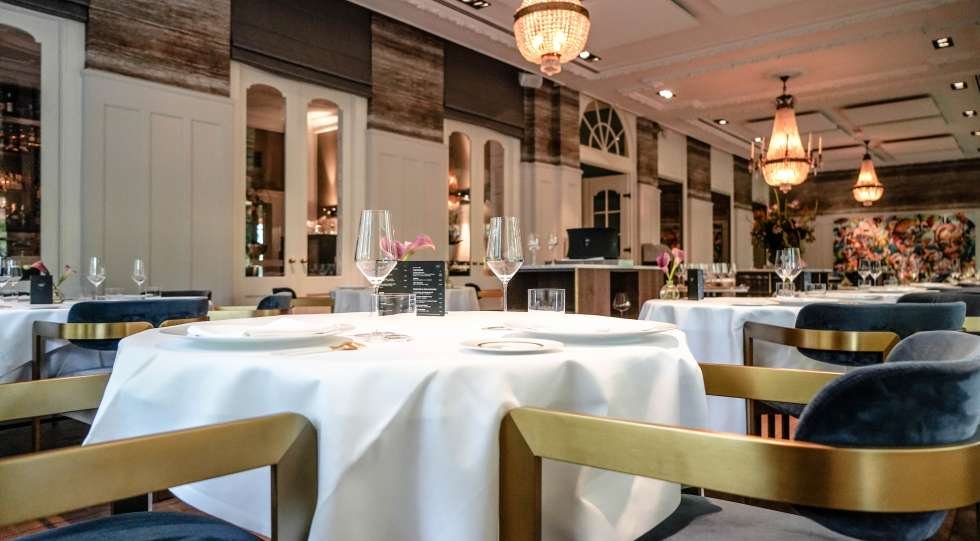
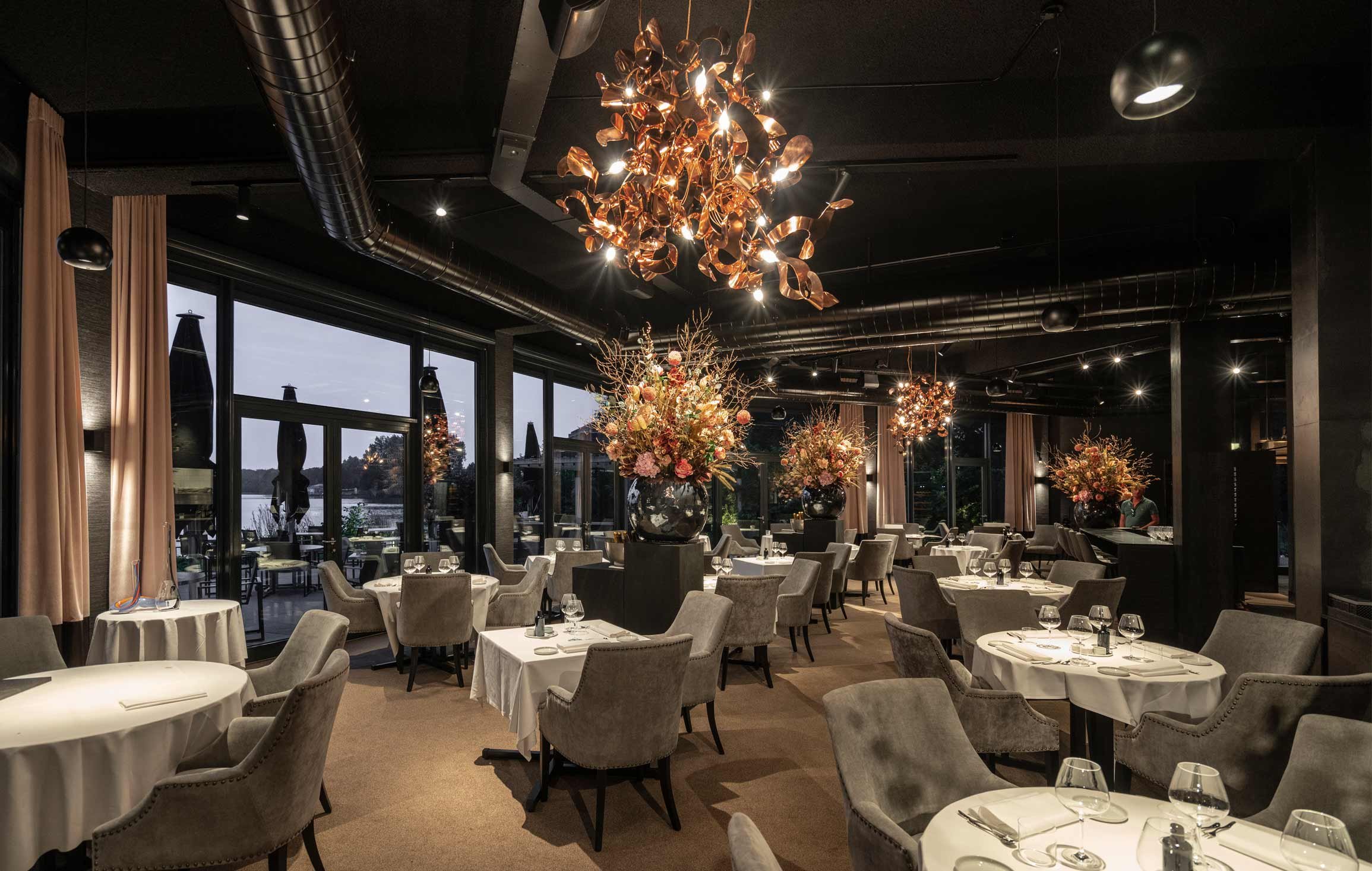
Bars in Rotterdam
Browse all →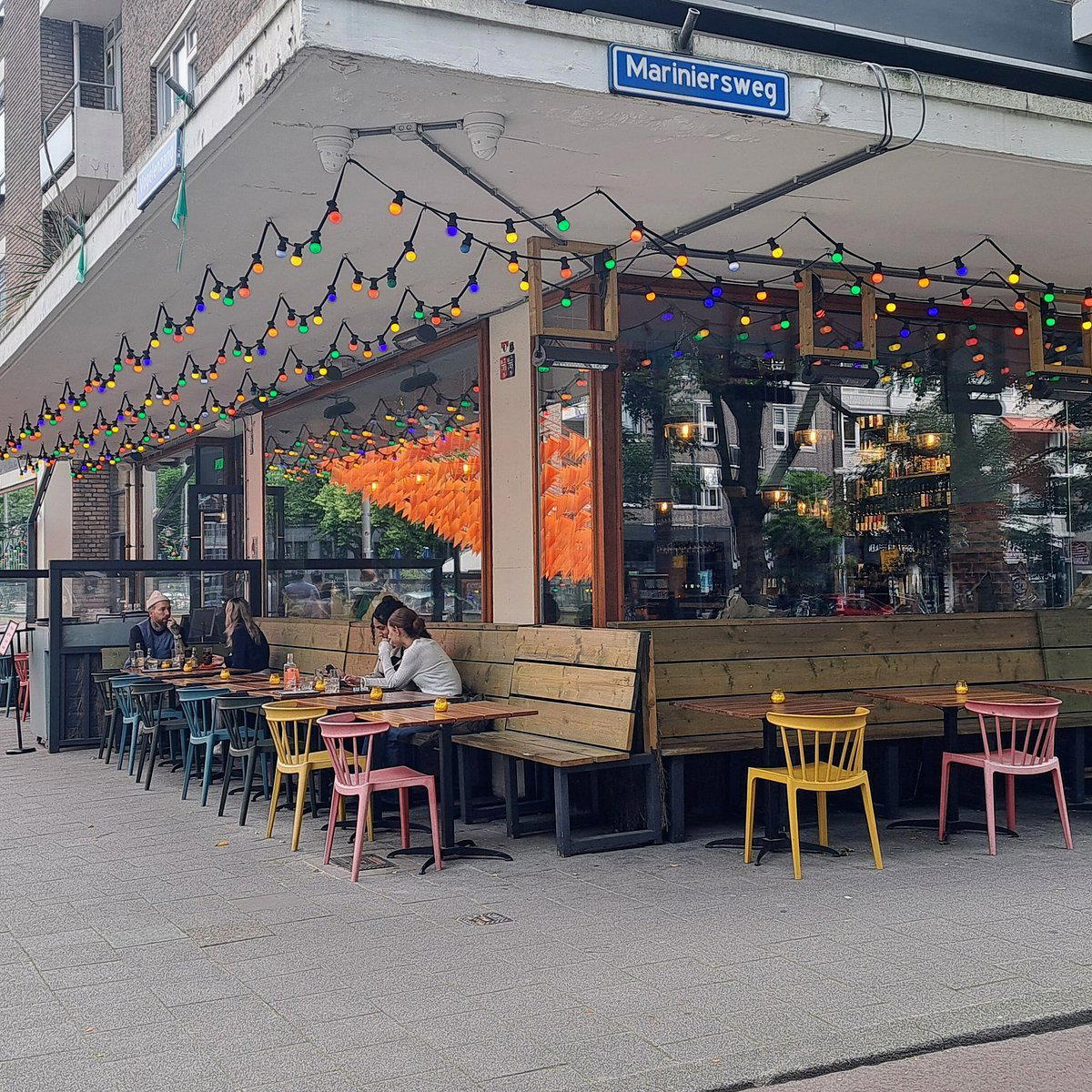
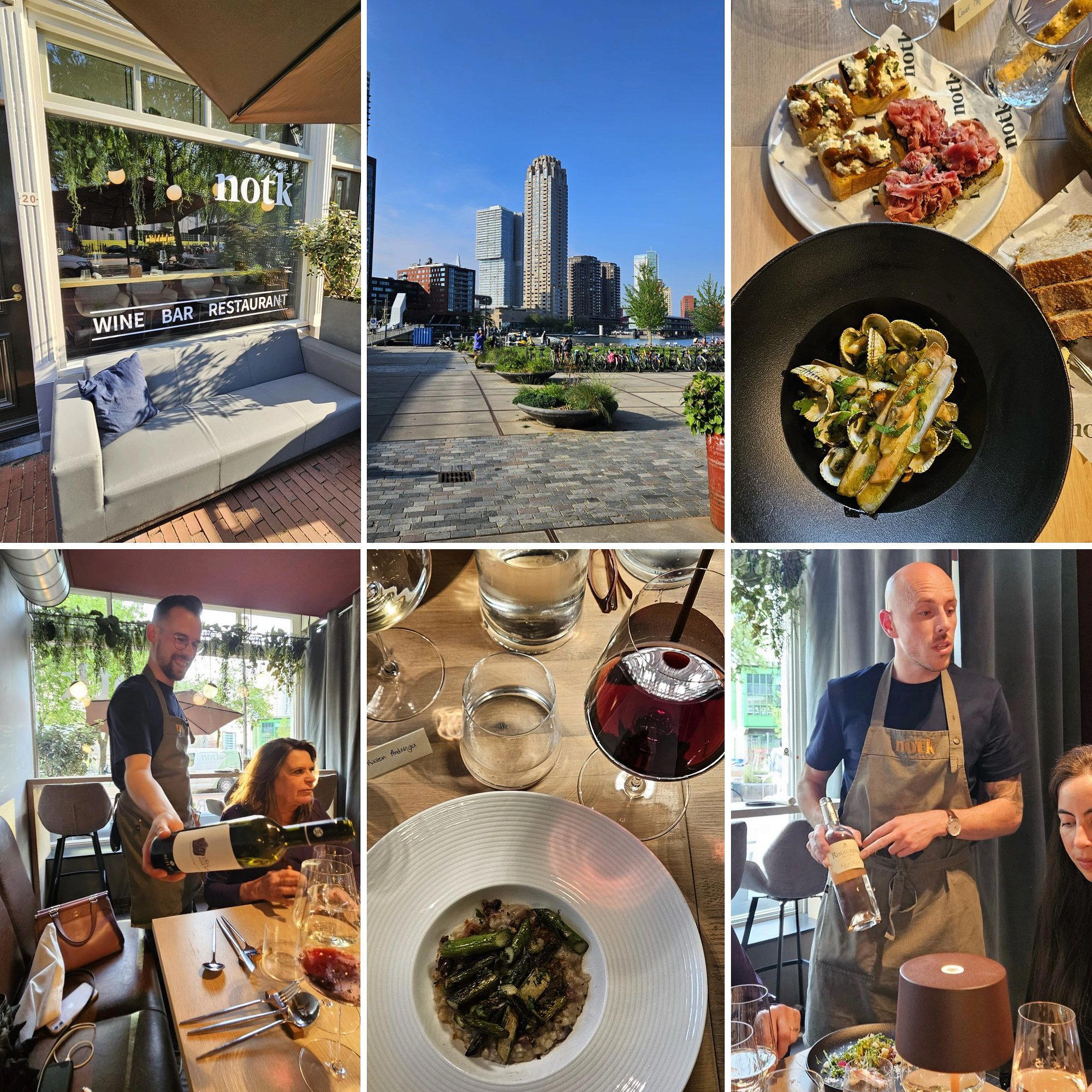
Hotels in Rotterdam
Browse all →
Wineries in Rotterdam
Browse all →
At a Glance
- Cozy
- Rustic
- Trendy
- Lively
- Date Night
- Group Dining
- Casual Hangout
- Family
- Open Kitchen
- Terrace
- Extensive Wine List
Current opening hours
- Monday
- 8:30 AM–11:30 PM
- Tuesday
- 8:30 AM–11:30 PM
- Wednesday
- 8:30 AM–11:30 PM
- Thursday
- 8:30 AM–11:30 PM
- Friday
- 8:30 AM–11:30 PM
- Saturday
- 9:30 AM–11:30 PM
- Sunday
- 9:30 AM–11:30 PM
Hours can change for holidays and private events. Last verified .
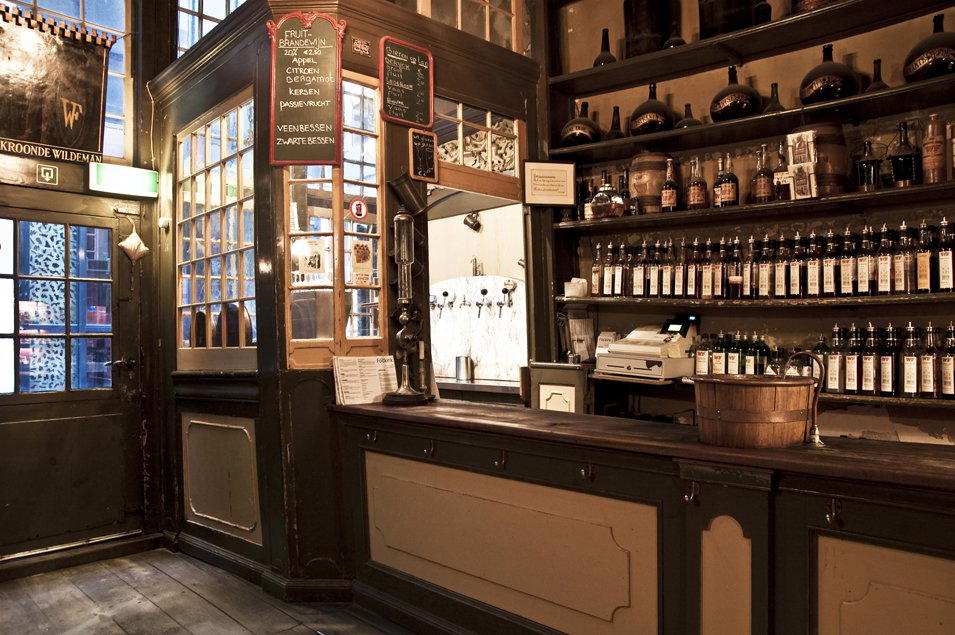
Warm, cozy interior with industrial-Nordic style, lively atmosphere, and pleasant terrace.