

Michelin Plate
Our verdict
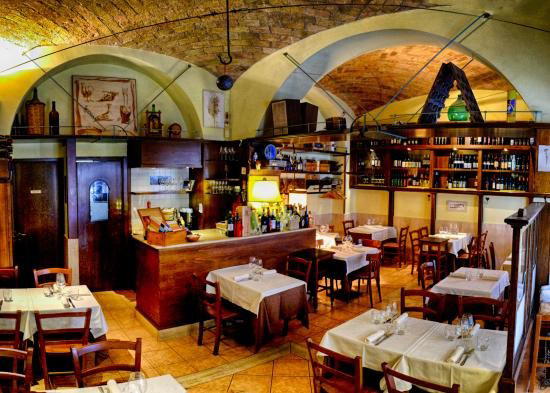
Osteria dell'Arco occupies Piazza Michele Ferrero at the heart of Alba, serving traditional Piedmontese cooking at prices that remain accessible within a city increasingly defined by high-end dining. Connected to the Slow Food world through its management ties to Boccondivino in Bra, it holds a Michelin Plate and an Opinionated About Dining Casual Europe ranking, signalling credible casual dining rather than tourist convenience.

Pearl is the En Primeur Club membership app, where members save venues, book tables and use the concierge.
The menu
What to order
- Tajarin al tartufo
- Vitello tonnato
- Agnolotti al plin
A Courtyard in Alba's Centre, and What It Signals
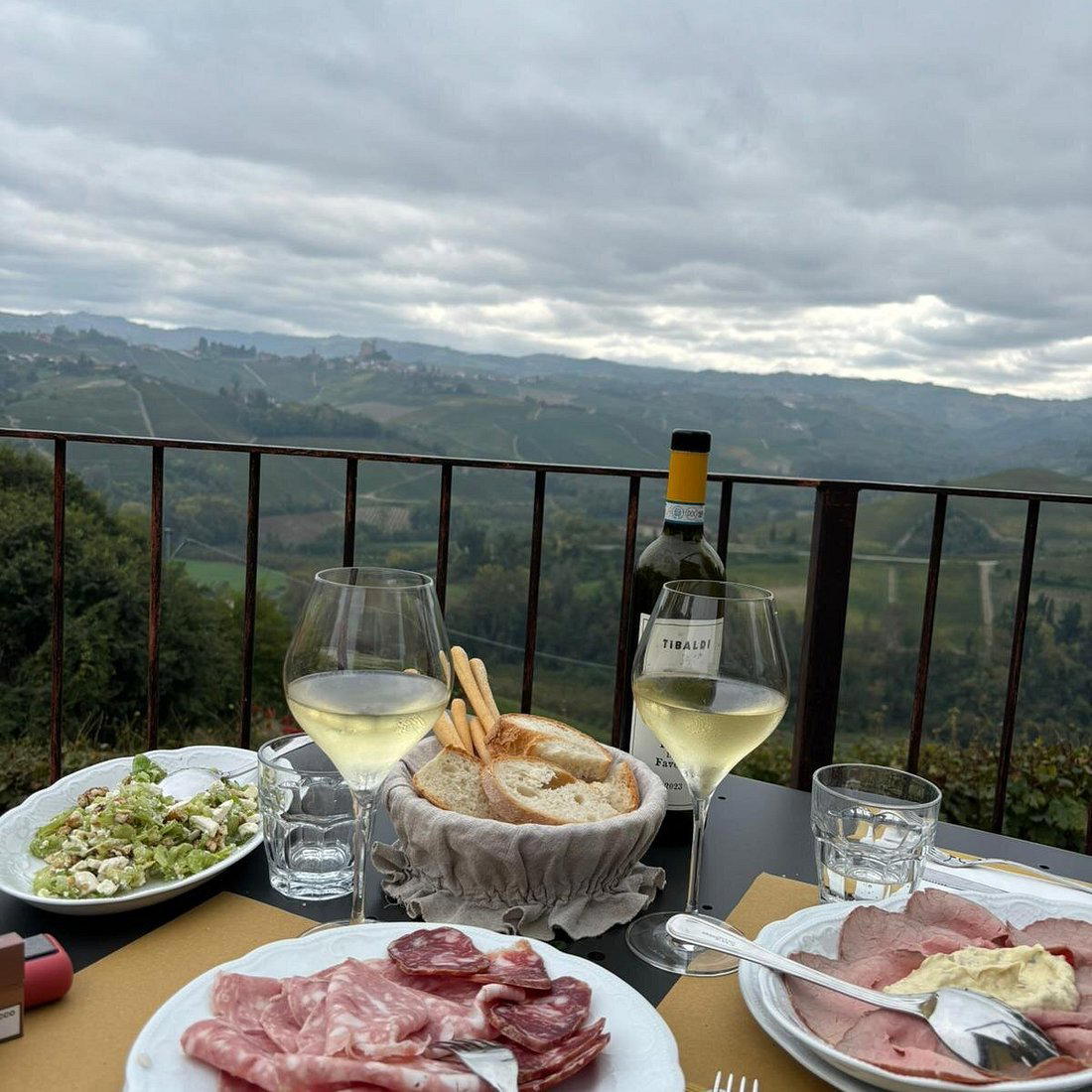
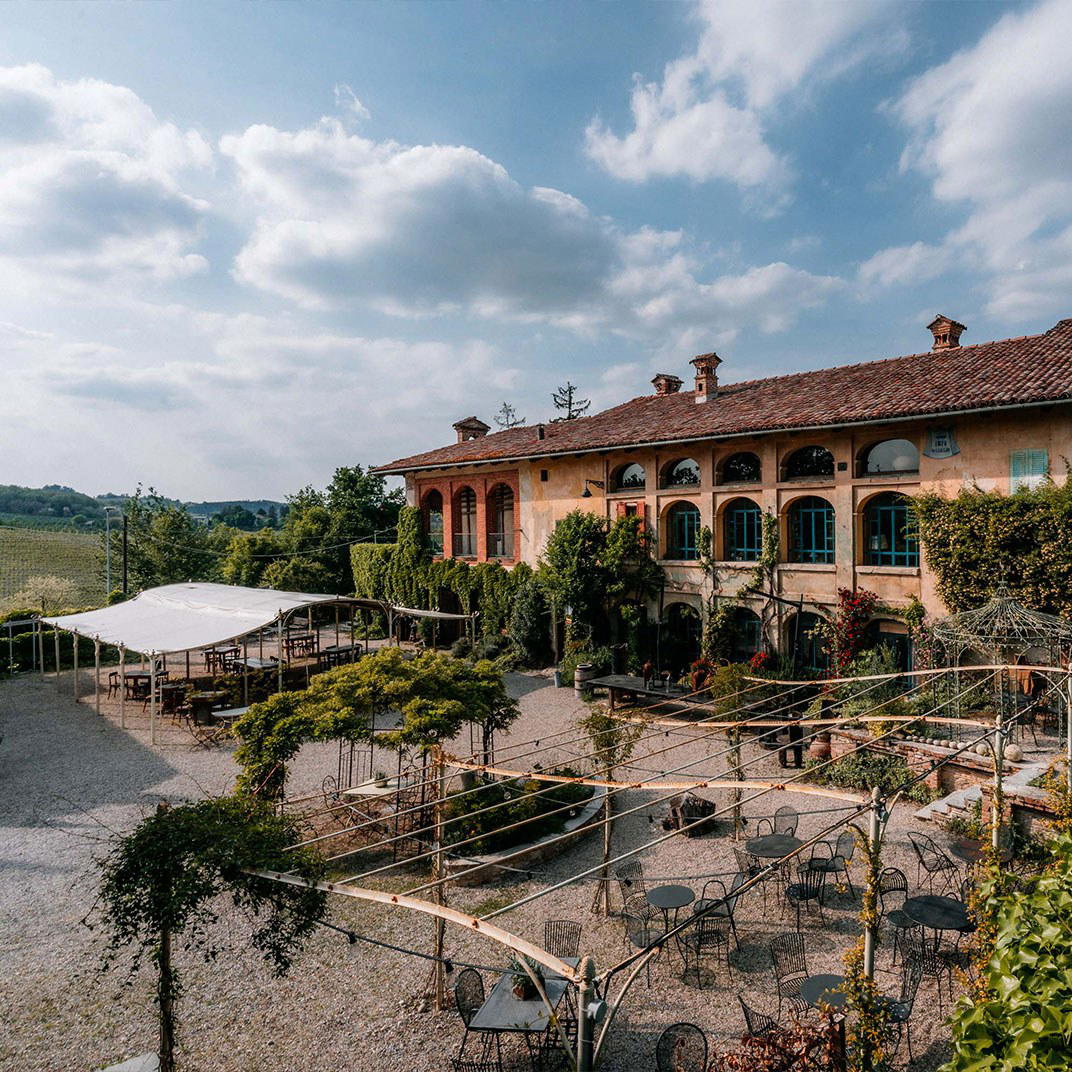
Piazza Michele Ferrero sits close enough to Alba's cathedral quarter that the streets feeding into it carry the familiar rhythm of a Langhe market town: narrow, stone-paved, punctuated by enotecas and the occasional truffle shop. Arriving at Osteria dell'Arco, the draw is an internal courtyard that offers separation from the square's foot traffic without the sealed-off feeling of a formal dining room. In a city where the temperature of a room often tracks the price point, this kind of open, mid-register space is rarer than it should be.
Alba's dining scene has stretched considerably at both ends. At the leading, Piazza Duomo operates at the €€€€ tier with a creative tasting format that places it alongside the most ambitious restaurants in northern Italy. At the accessible end, a number of trattorie serve the agricultural working crowd. What the middle has needed, and what Osteria dell'Arco addresses, is a room that takes traditional Piedmontese cooking seriously without converting that seriousness into a cover charge that requires advance justification. The single-€ price tier here is notable: this is the same city where Locanda del Pilone operates at €€€ with creative Piedmontese reinterpretation, and Ape Vino e Cucina sits at €€. Osteria dell'Arco occupies the more accessible bracket without abandoning the regional canon.
What the Menu Architecture Reveals
The structure of a Piedmontese menu tells you something about a kitchen's priorities before a dish arrives. In the broader Italian casual tradition, menus often read as lists of options held loosely together; in serious regional Piedmontese cooking, the sequence matters, and the sourcing decisions embedded in that sequence carry meaning. At Osteria dell'Arco, the menu is described as offering a good choice of traditional and authentic dishes, language that sounds modest but, in the context of a Michelin Plate award and consistent Opinionated About Dining recognition, indicates a kitchen operating with clarity of purpose rather than compromise.
Traditional Piedmontese menus carry a structural logic that runs from antipasto through to dolce with very little room for creative detours. Vitello tonnato, tajarin with meat ragù, braised meats, and seasonal truffle integrations in autumn are the pillars of this tradition. What distinguishes restaurants within this framework is not invention but execution and sourcing: the quality of the egg yolks in the pasta, the patience in the braise, the provenance of the white truffle when the season opens in October. The menu at Osteria dell'Arco engages with this tradition directly, without the modernising reframe you find a few kilometres away at creative Piedmontese tables.
The Opinionated About Dining Casual in Europe ranking, reaching #113 in 2024 after a Highly Recommended placement in 2023, positions the restaurant within a specific peer group: casual European tables where the food is the primary argument and the environment supports without distracting. This is not the same competitive set as Enoclub or Hostaria dai Musi, which occupy different registers. Osteria dell'Arco's OAD trajectory, moving from Highly Recommended to a numbered ranking, suggests a kitchen that has maintained consistency rather than relying on initial momentum.
The Slow Food Connection and What It Means in Practice
The management link to Boccondivino in Bra is more than a biographical footnote. Bra is the town where Slow Food was founded, and Boccondivino is the movement's house restaurant, a place that has functioned as a proof-of-concept for the idea that local, seasonal, and producer-connected cooking could anchor a credible dining experience without theatrical ambition. The principles that govern that table carry forward to Osteria dell'Arco: an emphasis on supply chain integrity, seasonal rotation, and the primacy of regional ingredients over technique-forward showmanship.
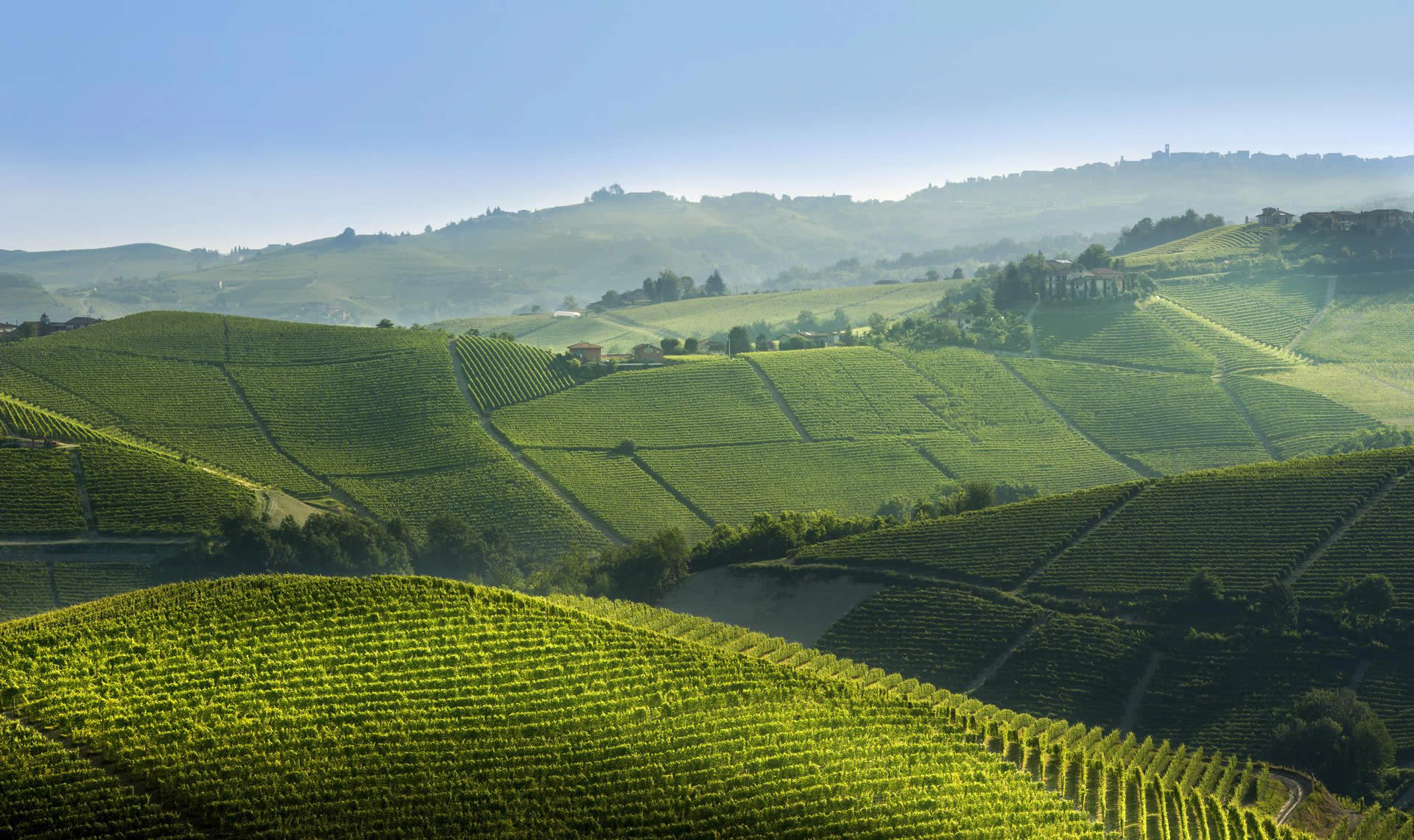
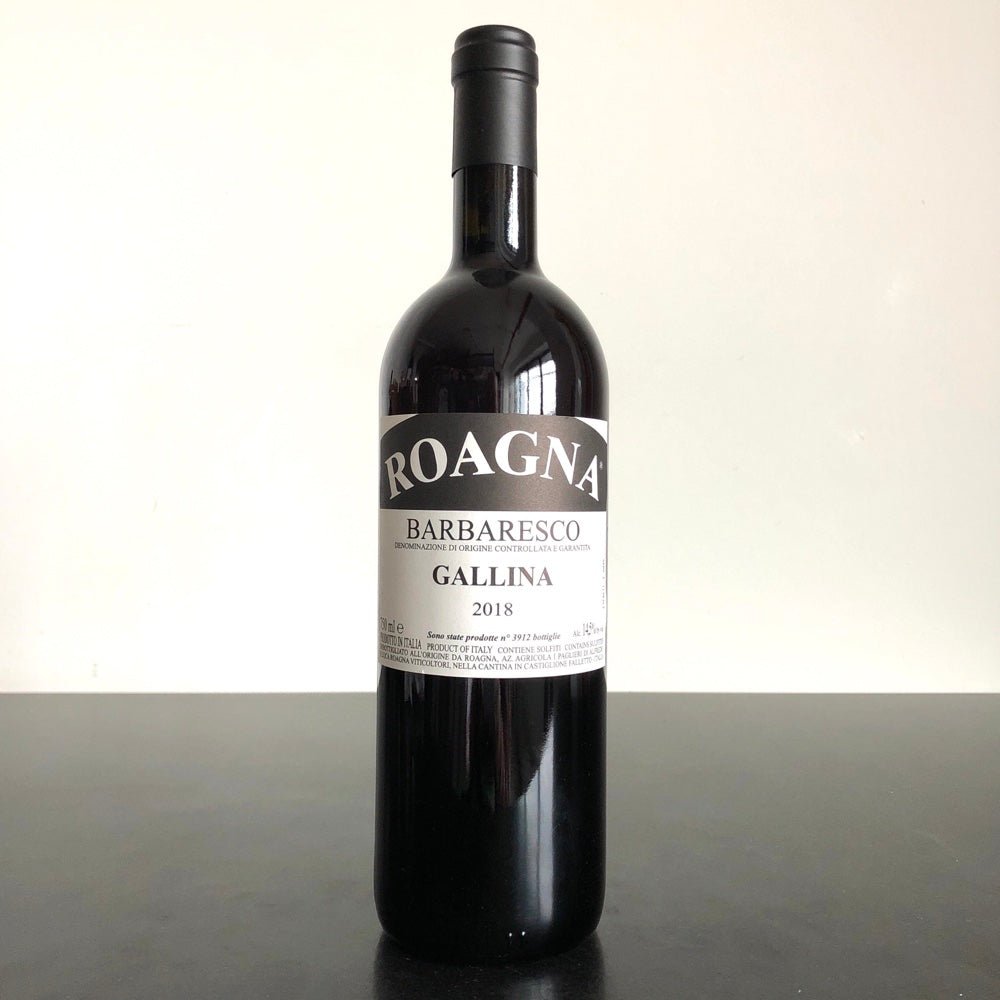
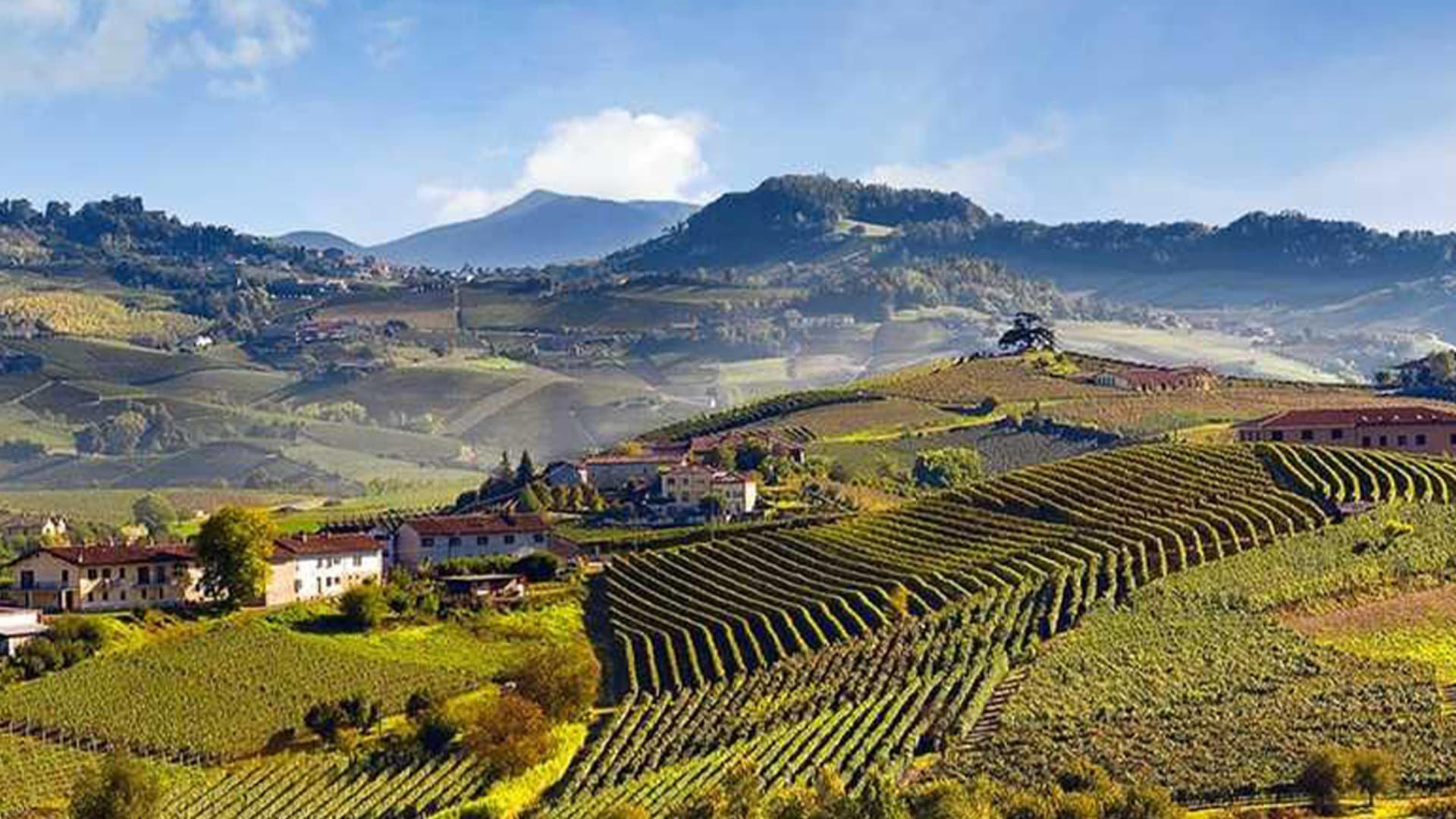
This alignment matters in Alba specifically because the city's food identity is already heavily associated with the Langhe's premium agricultural output: Barolo and Barbaresco from the surrounding hills, white truffles from the Tanaro valley floor, hazelnuts that supply the confectionery industry based here. A kitchen connected to the Slow Food world has structural incentives to engage with these ingredients at source rather than as luxury garnishes. Whether that translates directly to truffle season bookings or local wine pairings, the orientation is toward the region's actual food culture rather than a curated version of it.
Placing It Within the Wider Northern Italian Context
Alba sits within a northern Italian dining circuit that includes some of the country's most discussed addresses. Osteria Francescana in Modena and Enoteca Pinchiorri in Florence represent the formal, destination-dining end of the spectrum. Enrico Bartolini in Milan and Atelier Moessmer Norbert Niederkofler in Brunico operate in the progressive-creative register. Dal Pescatore in Runate and Quattro Passi in Marina del Cantone show how strong regional tradition can sustain serious critical recognition.
Within Piedmont's own internal map, Il Centro in Priocca and Consorzio in Turin demonstrate what committed regional cooking looks like at different price points and contexts. Osteria dell'Arco's position at the accessible end of the Alba market, with verifiable critical recognition behind it, fills a specific gap: a place where the Piedmontese canon is treated as the entire point, not as a foundation for something more ambitious. For visitors spending time in the Langhe, the combination of central location, courtyard seating, and a menu architecture rooted in tradition rather than trend makes this a practical complement to a wine-focused itinerary rather than a dining destination that competes with it.
Planning a Visit
Osteria dell'Arco sits on Piazza Michele Ferrero, 5, in central Alba, close enough to the cathedral and truffle market to integrate into a morning in town without backtracking. The kitchen runs lunch from 12 to 2:30 pm and dinner from 7:30 to 10:30 pm, Tuesday through Saturday, with the restaurant closed on Thursdays and Sundays. The € price tier means a full meal with wine lands at a fraction of what comparable regional cooking costs a short drive away. For broader context on where this table sits within Alba's dining options, see our full Alba restaurants guide, and for planning accommodation and activities around a Langhe visit, our Alba hotels guide, bars guide, wineries guide, and experiences guide cover the full picture.
Frequently asked questions
What kind of recognition has Osteria dell'Arco received?
Osteria dell'Arco has received recognition including: Enjoy a warm family welcome at this centrally located restaurant with an internal courtyard, where the menu features a good choice of traditional and authentic dishes full of flavour. The restaurant is run by the same friendly managers as t….
What's the best thing to order at Osteria dell'Arco?
The menu follows the Piedmontese seasonal canon, so the productive strategy is to track what the kitchen is doing with the region's defining ingredients, tajarin, vitello tonnato, and braised cuts appear across comparable Langhe osterie at this price point. The Michelin Plate recognition in both 2024 and 2025, alongside an OAD Casual Europe ranking of #113, suggests the kitchen executes the traditional repertoire with consistency rather than novelty. Ask the floor what's arrived that week; in Alba's truffle season (October through December), the answer will reorient the entire order.
Fast Comparison
A quick peer list to put this venue’s basics in context.
| Venue | Cuisine | Price | Awards | Notes |
|---|---|---|---|---|
| Osteria dell'ArcoThis venue (the venue you are viewing) | Traditional Piedmontese Trattoria | $30–50 | Michelin Plate | Not listed |
| Piazza Duomo | Modern Piedmontese Fine Dining | $300–500 | 3 Michelin Stars · World's 50 Best #32 | Progressive Italian, Creative |
| Lalibera | Modern Piedmontese Osteria | $50–100 | Michelin Plate | Piemontese |
| Locanda del Pilone | Seasonal Piedmontese Fine Dining | $300–500 | 1 Michelin Star · Star Wine List | Piemontese, Creative |
| La Piola | Traditional Piedmontese Osteria | $50–100 | Wine Spectator Best of Award of Excellence | Piemontese |
| Ape Vino e Cucina | Piedmontese Italian Wine Bar | Not listed | Michelin Plate | Piedmontese |
Recognition history
Dated appearances from independent guides and award organizations, with the underlying list record or original source where available.
Michelin Plate
Michelin
Opinionated About Dining Casual in Europe Highly Recommended
Opinionated About Dining
Full recognition history (6 entries)
Michelin Plate
Michelin
Michelin Plate
Michelin
Opinionated About Dining Casual in Europe Ranked #113
Opinionated About Dining
Opinionated About Dining Casual in Europe Highly Recommended
Opinionated About Dining
Continue exploring
More in Alba
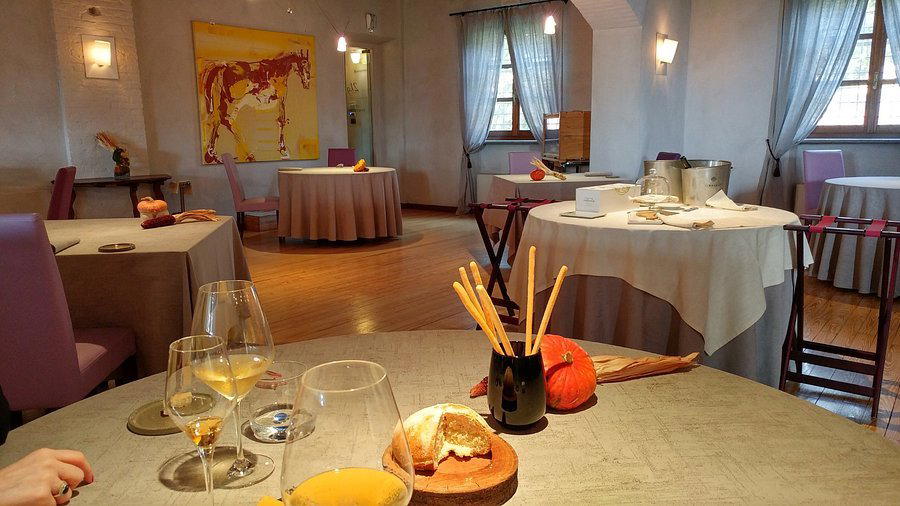
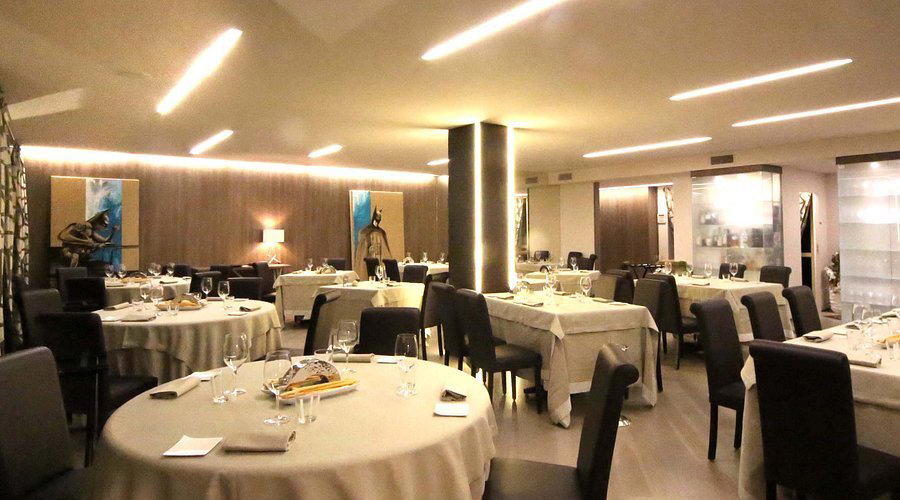
Restaurants in Alba
All restaurants in Alba →
Bars in Alba
All bars in Alba →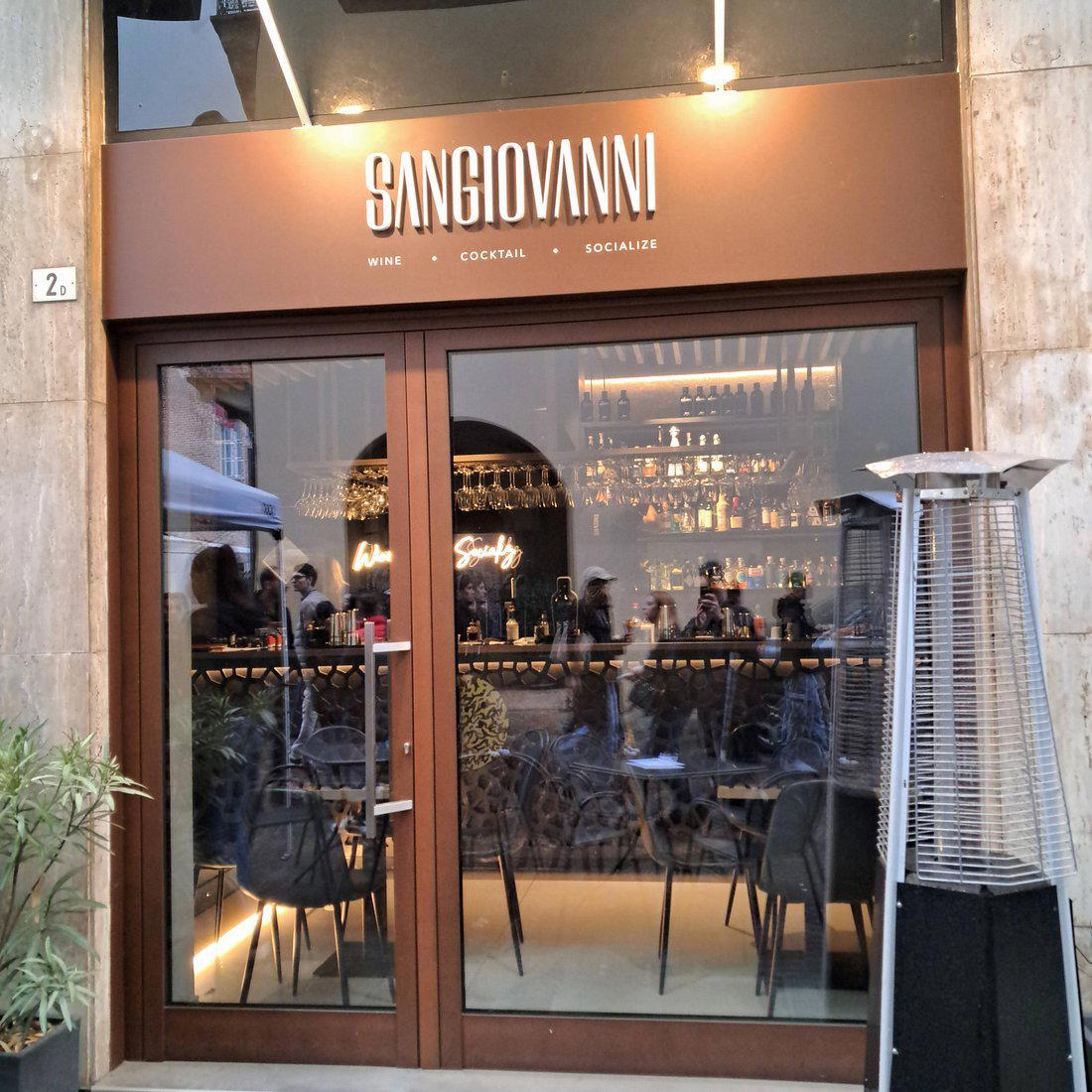
Details
- Rustic
- Cozy
- Classic
- Intimate
- Special Occasion
- Date Night
- Courtyard
- Extensive Wine List
- Local Sourcing
- Street Scene
- A La Carte
- Vegetarian Friendly
- Gluten Free Options
Current opening hours
- Monday
- 12–2:30 PM, 7–10 PM
- Tuesday
- 12–2:30 PM, 7–10 PM
- Wednesday
- 12–2:30 PM, 7–10 PM
- Thursday
- Closed
- Friday
- 12–2:30 PM, 7–10 PM
- Saturday
- 12–2:30 PM, 7–10 PM
- Sunday
- Closed
Hours can change for holidays and private events. Hours as of .
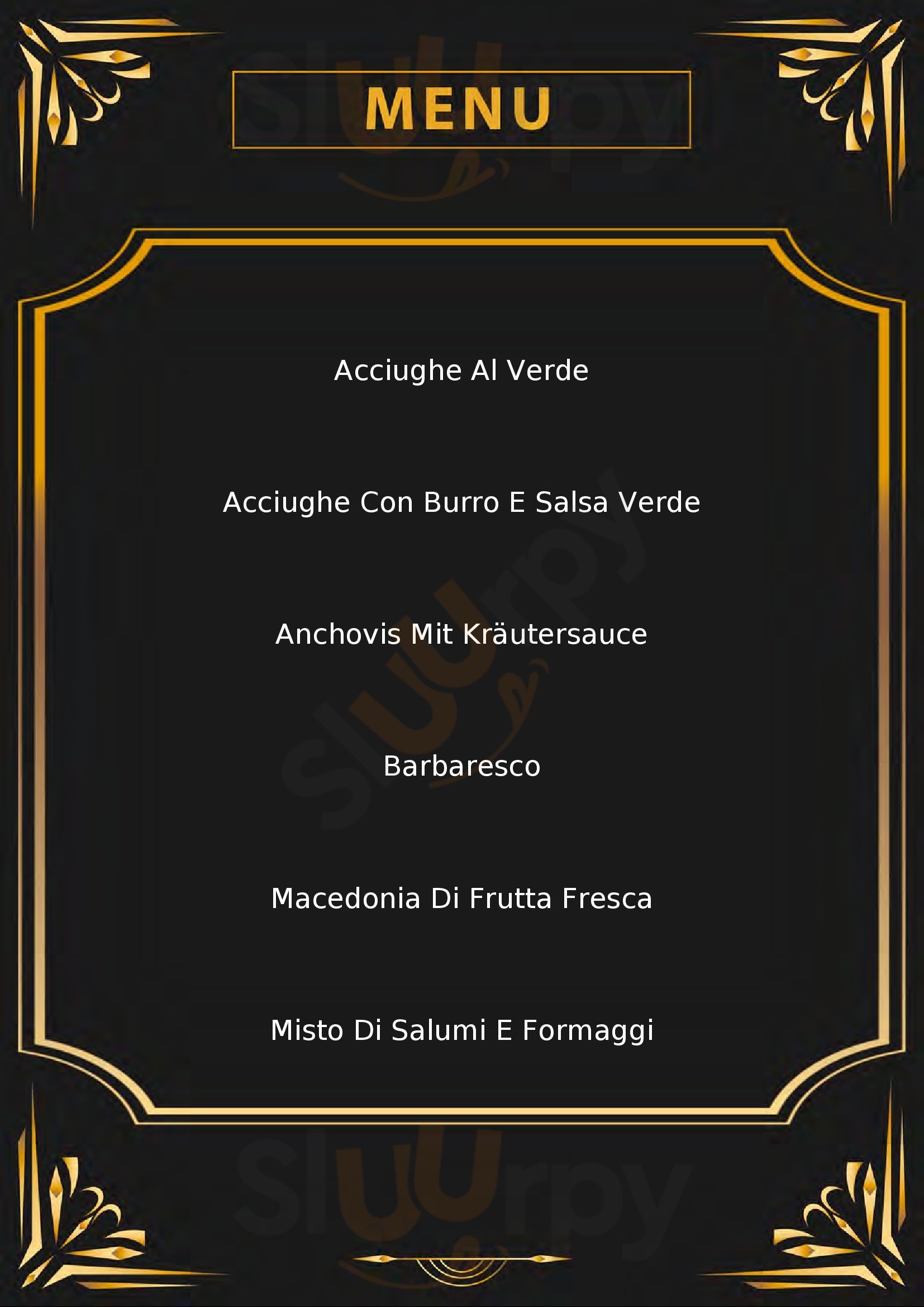
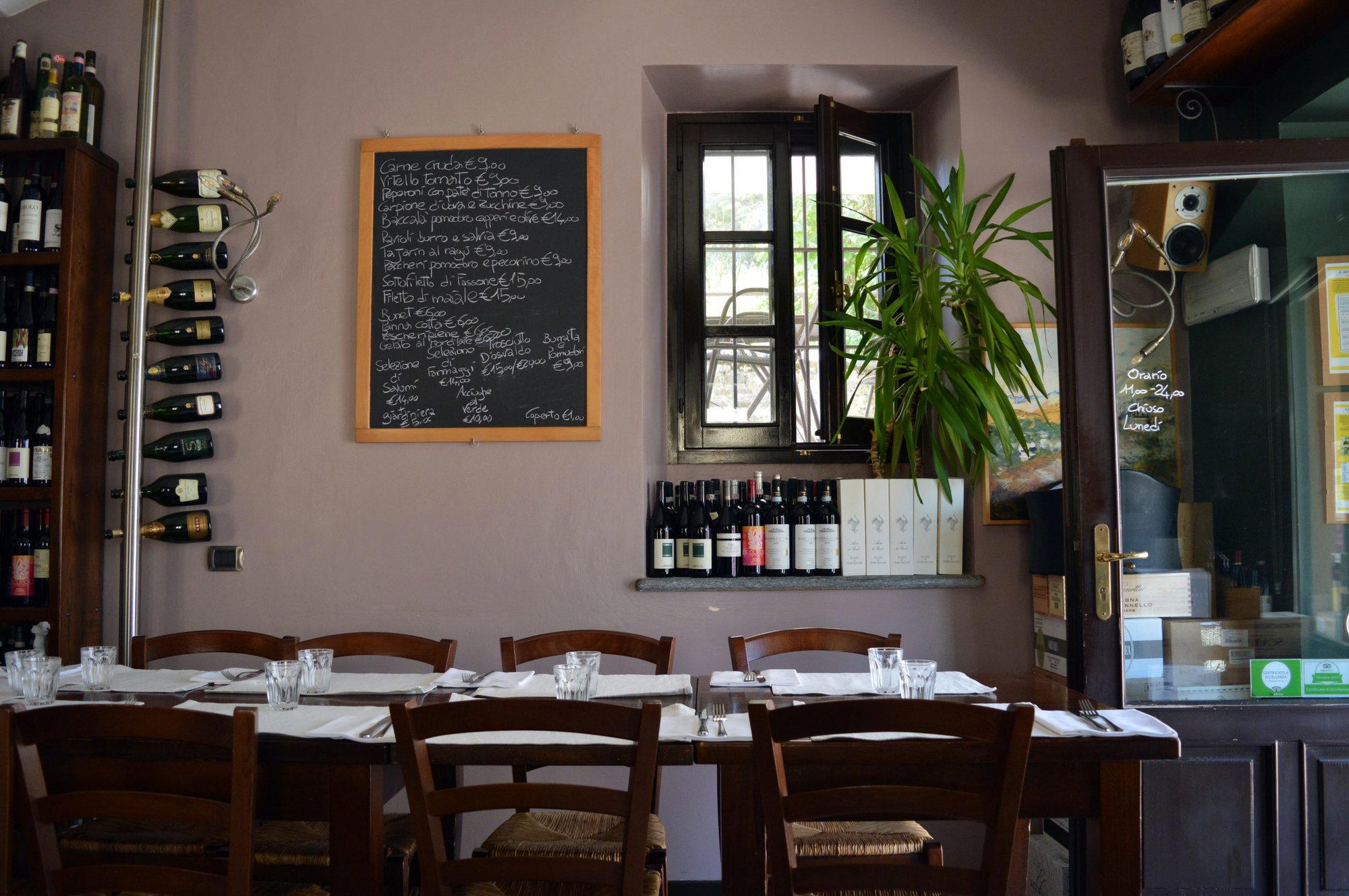
Warm familial atmosphere in a nostalgic former wine bar with white tablecloths, antique cabinets, modern decor, and wooden tavern-style furnishings.