
A Michelin Plate-recognised address on Alba's central Piazza Risorgimento, Ape Vino e Cucina sits in the mid-range tier of Langhe dining where traditional Piedmontese cooking meets an aperitif-led format. Homemade pasta, bread, and desserts anchor a menu rooted in local sourcing, with Fassona beef and seasonal produce signalling the kitchen's priorities. Advance booking is advised.
Pearl is the En Primeur Club membership app — saves, bookings, and concierge access live there. Same editors, same standards.
- Address
- Piazza Risorgimento, 3, 12051 Alba CN, Italy
- Phone
- +39 0173 363453
- Website
- apewinebar.it
- Directions
- Get directions
 Saves & bookings on Pearl
Ape Vino e Cucina in Alba, Italy
Alba's central piazza functions as a kind of barometer for the Langhe's dining scene. The square is ringed by addresses that span the full price spectrum, from simple trattorie charging single-figure covers to rooms pressing toward the €€€ bracket with creative menus and substantial wine lists. Ape Vino e Cucina occupies a position in the middle of that range, where the expectation is generous, ingredient-led cooking rather than tasting-menu architecture. That positioning matters in a town where Piazza Duomo (Progressive Italian, Creative) commands four price bands above and the city's trattorie tradition sits one below. At the €€ tier, the kitchen's job is to make the case for Piedmontese classicism on its own terms.
Where the Ingredients Come From, and Why That Framing Matters
Piedmont's kitchen identity is inseparable from its agricultural specificity. The Langhe and Monferrato hills are not interchangeable with other Italian regions when it comes to sourcing: Fassona cattle, raised in the Po Valley and prized for their lean, fine-grained flesh, represent a product category that barely exists outside this corner of northern Italy. Hazelnuts from the Langhe, white truffles from Alba's surrounding woodland, and Castelmagno cheese from the Cuneo valleys are all products with protected designations that anchor menus to a defined geography. At Ape, the presence of Fassona beef on the plate is not a stylistic flourish but a sourcing commitment that puts the kitchen in dialogue with the same raw material used by starred rooms like Locanda del Pilone (Piemontese, Creative) at a higher price point. The difference is in what happens to the ingredient, not where it comes from.
Homemade pasta, bread, desserts, and ice cream signal a kitchen that keeps the production chain short. In a region where egg-yolk-enriched tajarin and hand-rolled maltagliati are considered baseline competency rather than a point of distinction, producing pasta in-house is expected rather than notable. What it does indicate is that the restaurant is not buying in shortcuts at the €€ tier, a discipline that separates it from comparable-price addresses that rely on industrial pasta or bought-in dessert components. This is the kind of detail that matters when comparing Ape against its mid-range peers, including Hostaria dai Musi and Ventuno.1, both of which operate in broadly similar territory.
The Format: Aperitif Culture Meets Full Dining
One structural distinction at Ape is the explicit layering of an aperitif programme alongside a full dining menu. The combination of snacks, tapas, and cocktails running in parallel with substantive plate-based cooking reflects a broader shift visible across Italian mid-market dining: the erosion of the strict antipasto-primo-secondo-dolce sequence in favour of a more flexible entry point. Younger diners in particular move between a Negroni and a plate of cured meats without necessarily committing to a full sit-down meal. Ape's format accommodates both modes, which broadens its audience without diluting the kitchen's output for those who do commit to a full meal. This dual identity places it in a different competitive conversation than a direct trattoria like Enoclub, where the wine-cellar format shapes the meal's pace differently.
Michelin Recognition and What It Signals at This Price Point
The Michelin Plate, awarded in both 2024 and 2025, indicates cooking that the Guide considers good without reaching the level of a star recommendation. At the €€ price range in a town that also houses three-starred rooms, this is a meaningful signal: it places Ape in a group of restaurants that offer a credible quality floor without the booking complexity or price commitment of the starred tier. The training pipeline matters in Piedmontese fine dining, where the region's starred restaurants have historically been feeders for the next generation of chefs returning to open more accessible addresses. Italy's north has produced a number of these trajectories, from Osteria Francescana in Modena to Dal Pescatore in Runate, where decades of kitchen lineage have shaped regional dining culture in ways that filter down to mid-market rooms. Ape's Michelin Plate status, sustained across two consecutive years, suggests consistency rather than a one-cycle performance.
Comparable Piedmontese addresses at higher price points, including Antica Corona Reale in Cervere and Locanda Sant'Uffizio Enrico Bartolini in Cioccaro, demonstrate the range of investment the region's restaurant culture demands across its tiers. Ape sits at the accessible end of that spectrum, where the Michelin Plate acts as a quality assurance signal for visitors who want credible regional cooking without committing to the starred-room price bracket. For context on the full spread of options, our full Alba restaurants guide maps the city's dining range across all price tiers.
The Langhe as Context, Not Backdrop
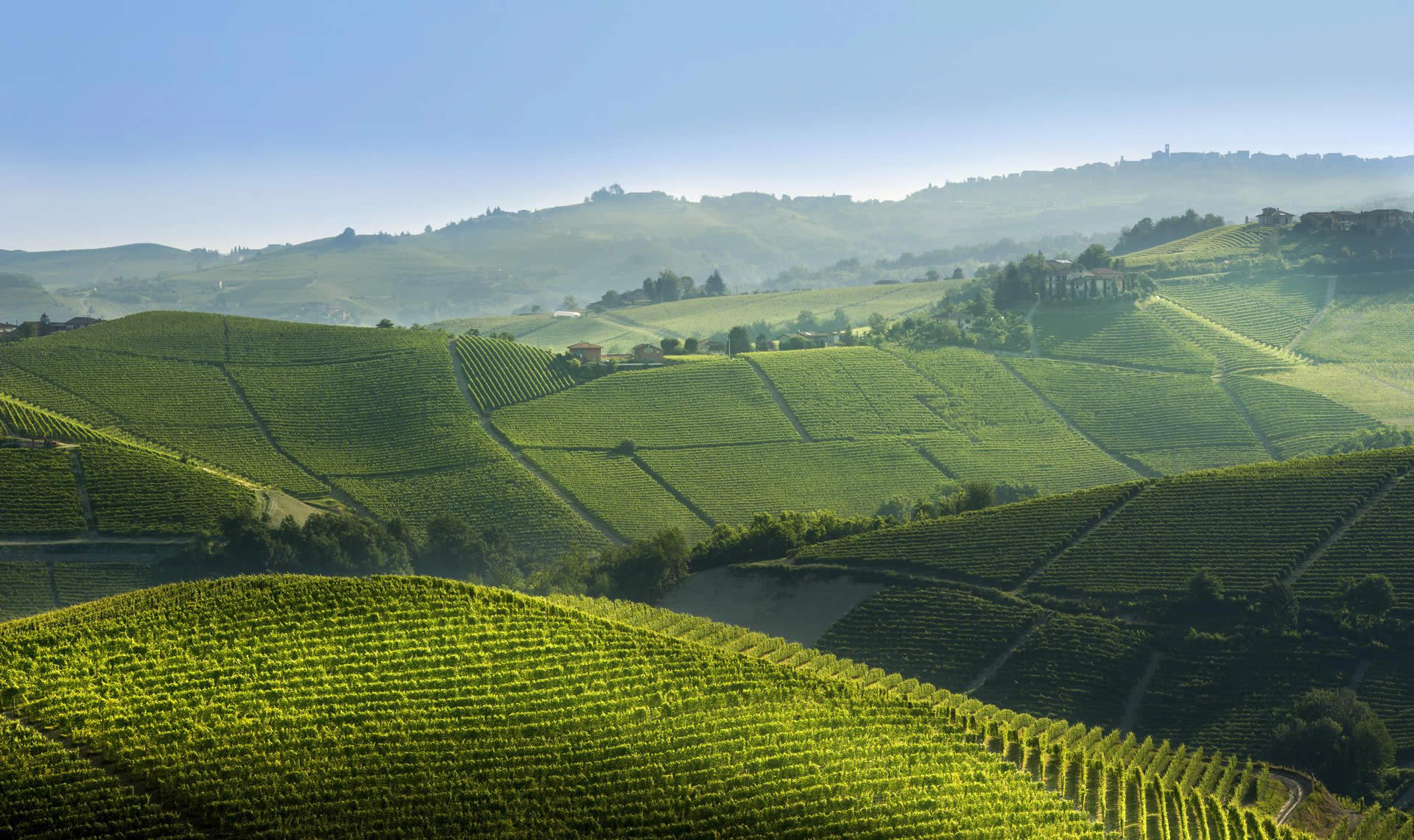
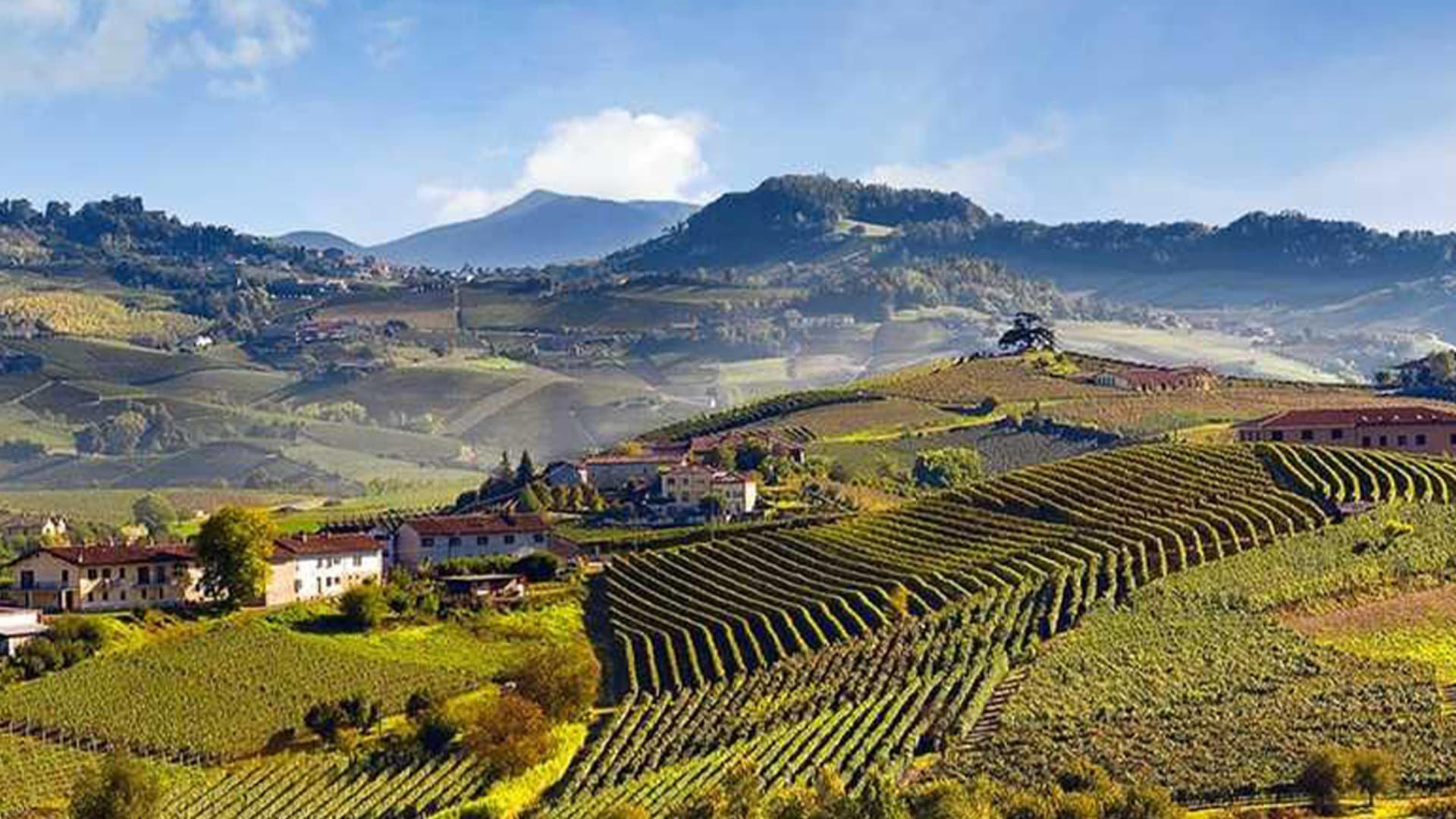
Alba's position as the Langhe's principal market town gives it a particular relationship with its ingredients. The white truffle fair in October and November draws buyers and chefs from across Europe, briefly making Alba the reference point for one of the world's most price-volatile ingredients. Outside that window, the town operates on the strength of its year-round larder: Barolo and Barbaresco from the surrounding hills, Fassona from the valley farms, hazelnuts from the Langa slopes. A kitchen that sources seriously from this geography is working with some of northern Italy's most concentrated agricultural identity. Restaurants at the level of Enrico Bartolini in Milan or Le Calandre in Rubano have built reputations in part on mastering comparable regional raw material at higher investment levels. At Ape, the same sourcing logic operates within a more compressed price structure.
Alba's visitor infrastructure extends well beyond its restaurants. Our full Alba hotels guide covers the accommodation range for those staying in the area, while our full Alba bars guide and our full Alba wineries guide map the drinking and cellar-door options across the Langhe. For those planning time outside the city, our full Alba experiences guide covers structured visits to the region's vineyards and truffle grounds.
Planning a Visit
Ape Vino e Cucina is at Piazza Risorgimento, 3, 12051 Alba CN, Italy, in the centre of Alba. The €€ price range places it at a level accessible to most visitors to the Langhe without advance financial planning. The restaurant is also referenced in Michelin's 2024 and 2025 editions, which increases inbound interest from travelling diners using the Guide as a filter. Outside truffle season, the pressure on tables eases, but the kitchen's commitment to seasonal sourcing means the menu's character shifts with the calendar in any case.
Comparable Spots, Quickly
Comparable venues nearby, for context on price, style, and recognition.
| Venue | Cuisine | Price | Awards | Notes |
|---|---|---|---|---|
| Ape Vino e CucinaThis venue — the venue you are viewing | Piedmontese Italian Wine Bar | $$$ | Michelin Plate | Not listed |
| Ventuno.1 | Modern Piedmontese-Neapolitan | $$$ | Michelin Plate | Alba city center |
| Lalibera | Modern Piedmontese Osteria | $$$ | Michelin Plate | San Giovanni |
| La Piola | Traditional Piedmontese Osteria | $$$ | Not listed | Piazza Risorgimento |
| Hostaria dai Musi | Modern Italian Seafood | $$$ | Michelin Plate | Central Alba |
| Enoclub | Traditional Piedmontese | $$$ | Michelin Plate | main square |
Recognition history
Dated appearances from independent guides and award organizations, with the underlying list record or original source where available.
Michelin Plate
Michelin
Michelin Plate
Michelin
Michelin Plate
Michelin
Continue exploring
More in Alba
Restaurants in Alba
Browse all →
Bars in Alba
Browse all →
Hotels in Alba
Browse all →
At a Glance
- Elegant
- Lively
- Cozy
- Date Night
- Casual Hangout
- Open Kitchen
- Terrace
- Wine Cellar
- Extensive Wine List
- Local Sourcing
- Street Scene
Current opening hours
- Monday
- 11:30 AM–2:30 PM, 6–11:30 PM
- Tuesday
- 12–2:30 PM
- Wednesday
- Closed
- Thursday
- 11:30 AM–2:30 PM, 6:30–11:30 PM
- Friday
- 11:30 AM–2:30 PM, 6–11:30 PM
- Saturday
- 11:30 AM–2:30 PM, 6–11:30 PM
- Sunday
- 11:30 AM–2:30 PM, 6–11:30 PM
Hours can change for holidays and private events. Last verified .
Fantastic atmosphere with terrace seating overlooking the lively piazza, well-suited for aperitifs and relaxed dining.