On the eastern shore of Lake Garda, La Dacia occupies a position in Bardolino that connects the table to one of northern Italy's most productive agricultural and viticultural zones. The restaurant draws on the produce traditions of the Veneto and the lake's own fisheries, placing it in a growing category of Garda-area dining that takes ingredient provenance seriously. For travellers moving between Verona and the lake towns, it represents a grounded regional option worth seeking out.
Pearl is the En Primeur Club membership app — saves, bookings, and concierge access live there. Same editors, same standards.
- Address
- Strada Dei Dei Monvei, 1, 37011 Bardolino VR, Italy
- Phone
- +39457211408
- Website
- ristoranteladacia.com
- Directions
- Get directions
 Saves & bookings on Pearl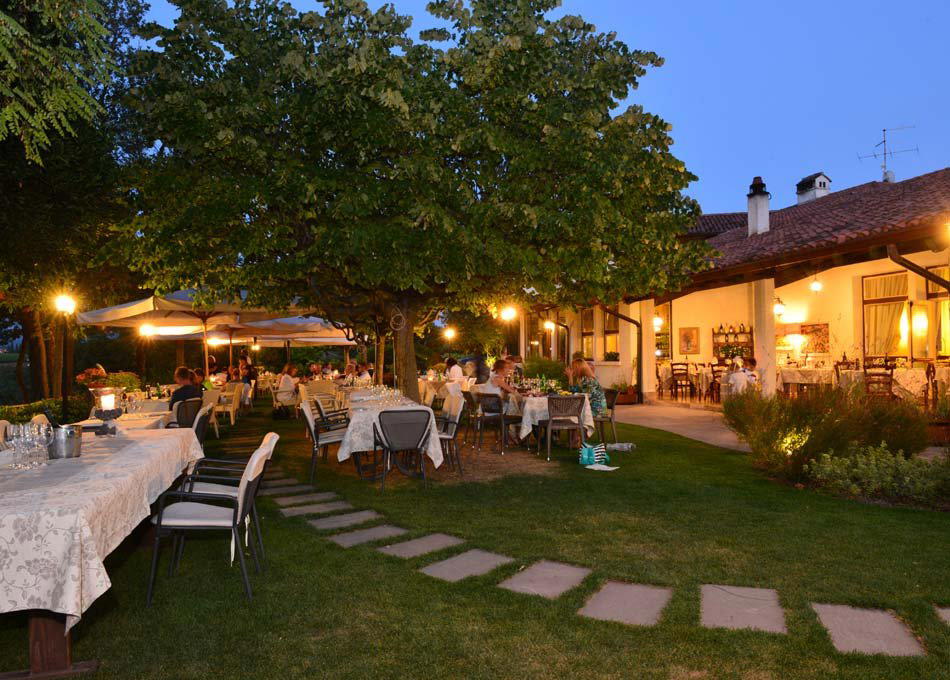
Where the Veneto's Larder Meets the Lake Shore
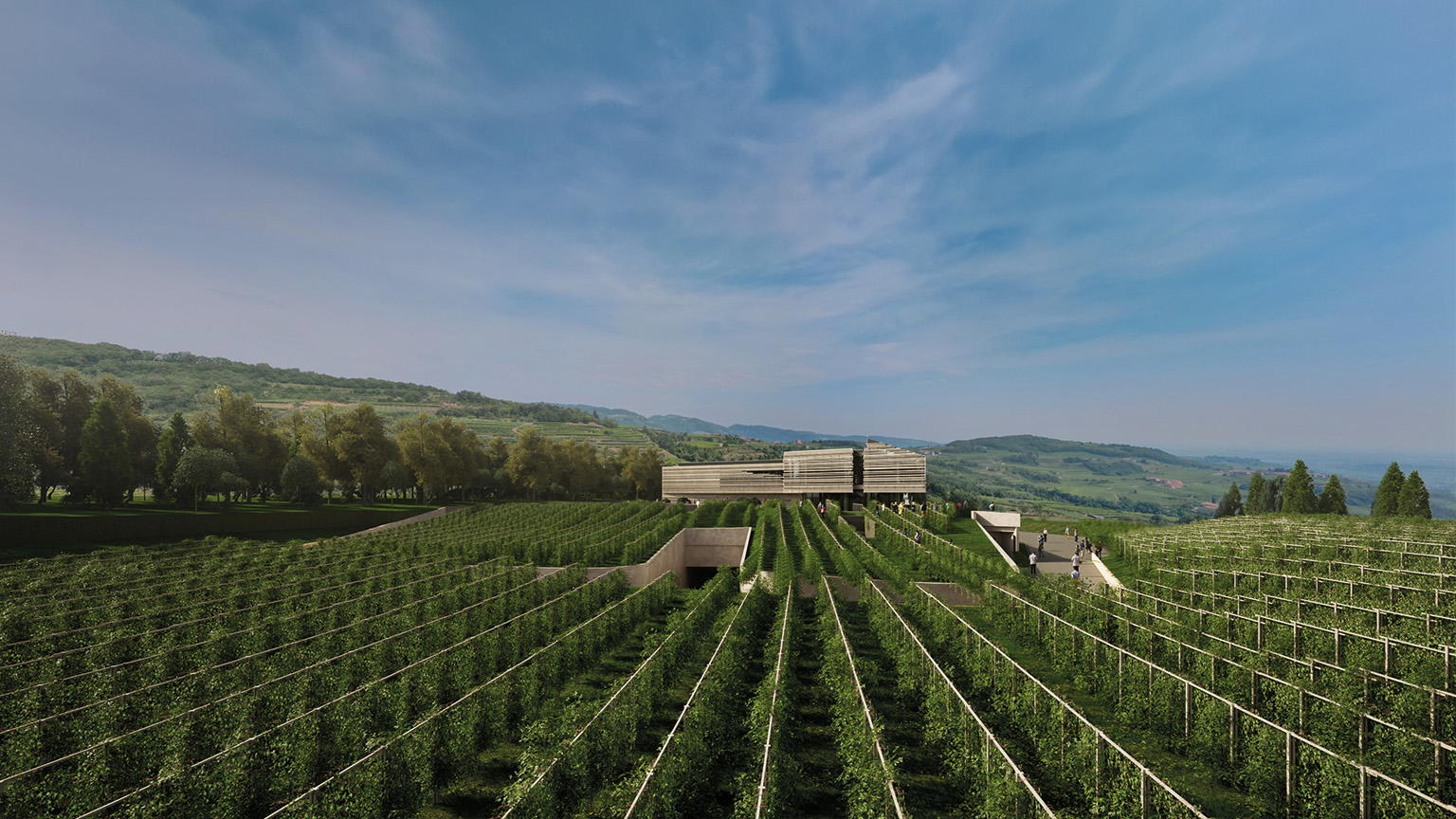
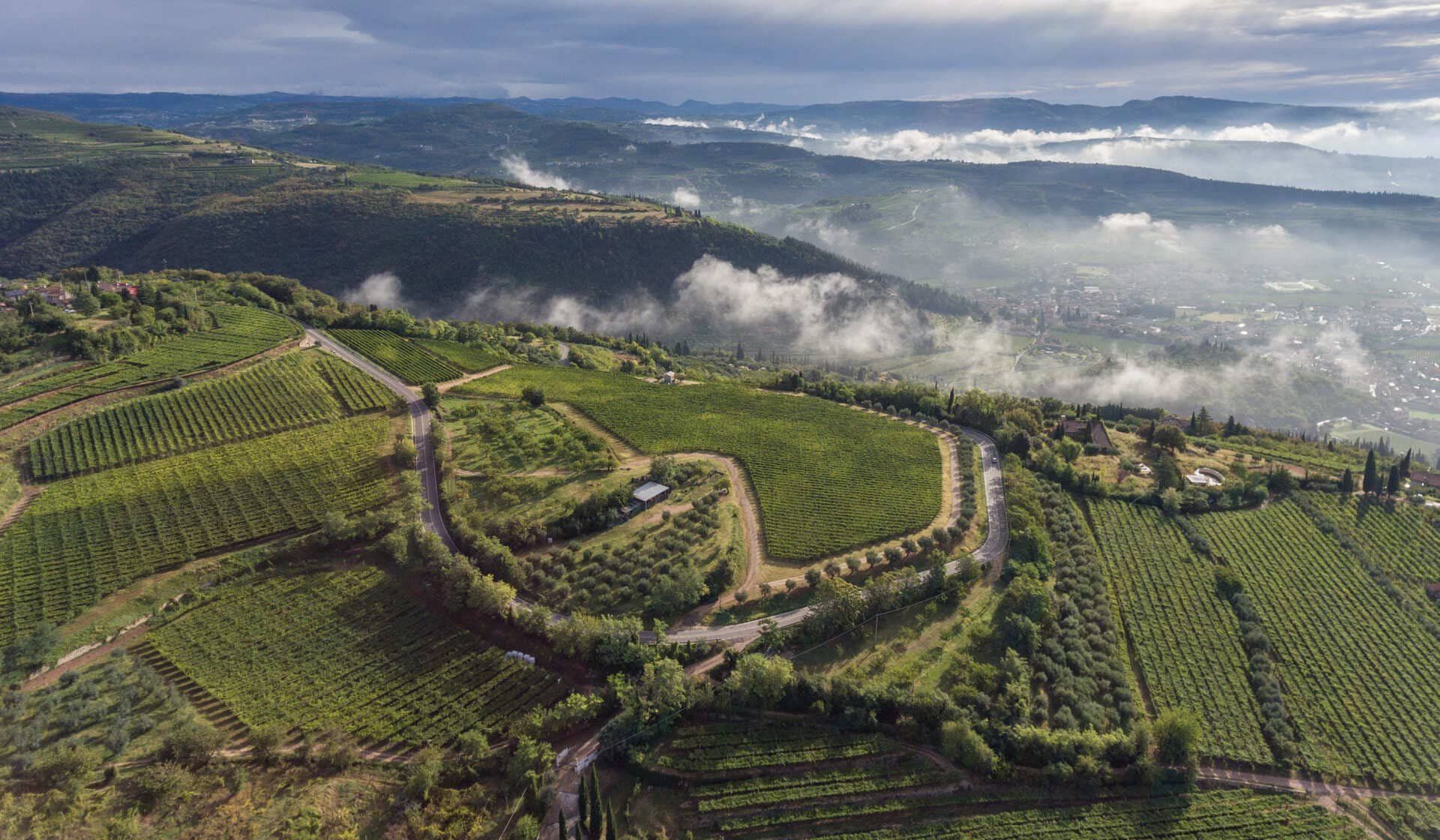
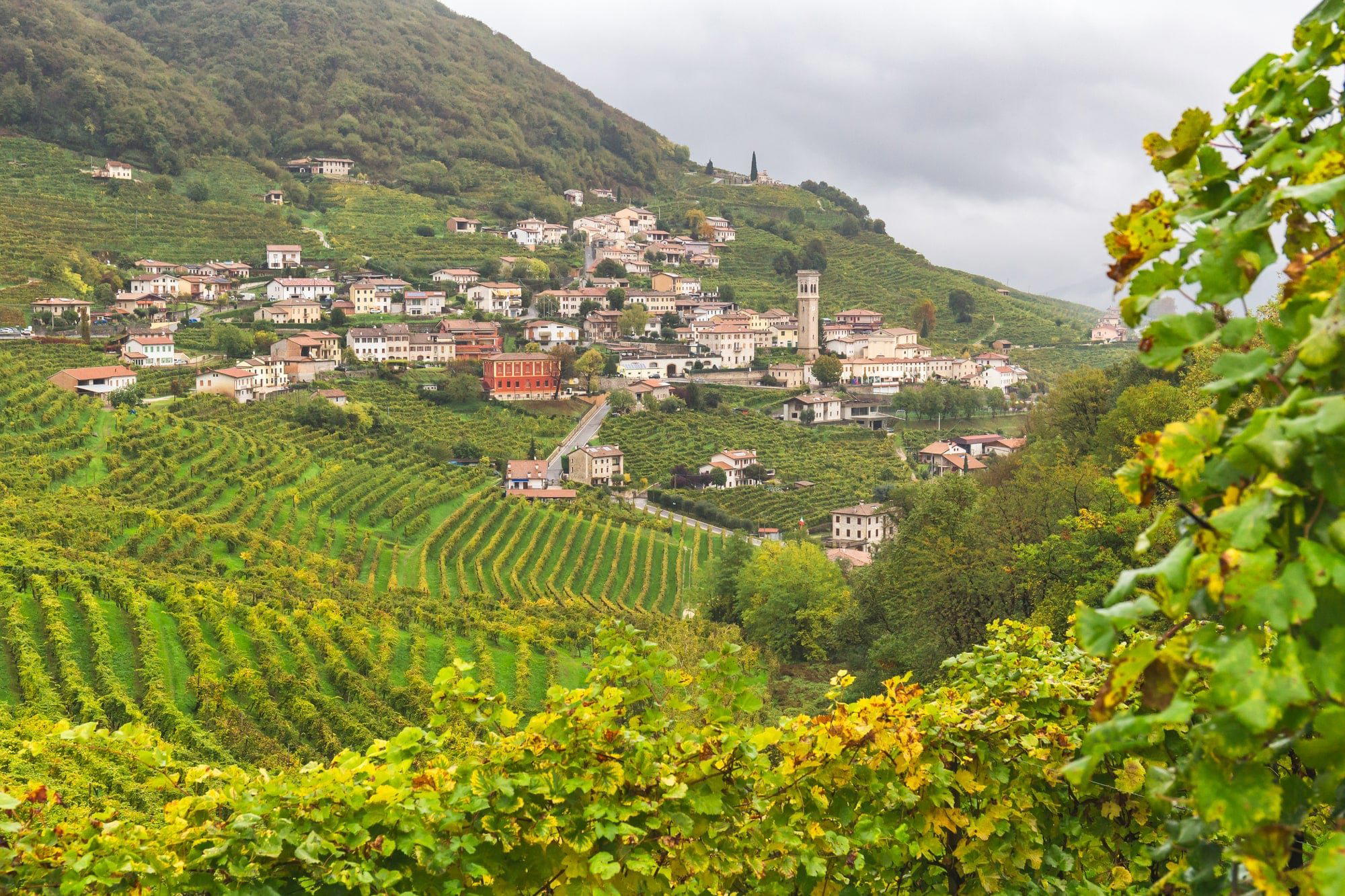
Bardolino sits on the eastern bank of Lake Garda, in a strip of territory where the Veneto's agricultural identity and its viticultural reputation overlap in unusually concentrated form. The olive groves begin almost at the water's edge; the Bardolino DOC vineyards climb the moraine hills immediately behind town; and the lake itself supplies a modest but distinct fishery of whitefish, perch, and the region's prized carpione. Restaurants operating in this geography have access to a larder that larger city kitchens would import at considerable effort and expense. La Dacia, at Strada Dei Monvei 1, is positioned to draw directly from that supply.
The address places it slightly away from the centro of Bardolino, on a road that runs toward the hills rather than the waterfront promenade. That positioning matters in practical terms: the tourist-facing lakefront strip and the more locally-rooted dining rooms a few minutes inland operate with different rhythms and, generally, different sourcing priorities. Visitors who spend time only on the promenade miss this quieter register of Garda eating entirely.
Ingredient Geography: Why This Corner of Italy Punches Above Its Weight
Northern Italian regional cooking has spent the past two decades attracting serious critical attention, much of it concentrated on a small number of highly decorated addresses. Dal Pescatore in Runate and Le Calandre in Rubano anchor the Padana plain's reputation for technically accomplished, produce-led cooking. In the northeast, Atelier Moessmer Norbert Niederkofler in Brunico has built a program almost entirely around Alpine and South Tyrolean ingredient sourcing. What connects these places is a commitment to the geography of the plate, where the distance between farm or water and kitchen is treated as a meaningful variable rather than an incidental one.
Lake Garda's eastern shore participates in this tradition at a less decorated but no less genuine level. The Veneto's position as Italy's largest wine-producing region by volume tends to overshadow its standing as an agricultural zone of considerable depth: white asparagus from Cimadolmo, radicchio from Treviso, the freshwater fish culture of the lake system, and the olive oil produced in the microclimate along Garda's western and southern shores. A kitchen working in Bardolino has the option to build a menu that is genuinely of this place, with provenance woven into every course rather than announced as a marketing posture.
The Dining Room and What to Expect
The physical environment at La Dacia reflects the approach common to this class of Garda-area trattoria and osteria: the room tends toward the unpretentious, with an emphasis on the meal rather than the setting as spectacle. This is consistent with how regional Italian dining at the non-destination tier operates across the Veneto and Lombardy, where the room functions as a frame rather than a statement. Contrast this with the more theatrical room design that defines the starred tier, whether at Casa Perbellini 12 Apostoli in Verona or further afield at Osteria Francescana in Modena.
For travellers accustomed to the formal progression of a tasting menu at places like Enoteca Pinchiorri in Florence or La Pergola in Rome, the register here is different: more immediate, less mediated by service theatre. The conversation between kitchen and table is direct, and the value proposition rests on what arrives on the plate rather than on the infrastructure surrounding it. That directness is, for many travellers, exactly the point of eating in the lake towns rather than in the regional capitals.
Nearby, Osteria Caffè Amaro operates in a comparable register and provides useful calibration for understanding where La Dacia sits within Garda's local dining ecosystem.
Garda's Place in the Broader Northern Italian Picture
Italy's current fine dining conversation is dominated by a concentrated set of addresses, most of them well north of Rome: Piazza Duomo in Alba, Enrico Bartolini in Milan, Villa Crespi in Orta San Giulio, Da Vittorio in Brusaporto. These are the rooms that attract international press and structured itineraries built around single meals. But a significant part of how Italy actually feeds people, including well-travelled people who know what they are doing, happens at a layer below that tier, in restaurants that do not carry Michelin stars but do carry deep knowledge of their own territory.
This is the layer Lake Garda's eastern shore largely occupies. The lake's western shore, in Lombardy, has historically attracted more press attention and a higher concentration of visitors. The Veneto side, from Bardolino through Lazise to Peschiera del Garda, operates more quietly and, by some measures, more authentically. The agricultural hinterland is closer and more accessible; the tourist economy, while present, has not yet entirely displaced the local one.
For the kind of traveller who has already done the grand rooms, whether that means Uliassi in Senigallia, Reale in Castel di Sangro, or internationally at Le Bernardin in New York City or Atomix in New York City, a meal at a well-executed lake-town restaurant offers something different: access to a regional larder without the formality of a destination-dining event. Quattro Passi in Marina del Cantone performs a similar function on the Campanian coast, translating a specific coastal geography into a meal that could not plausibly exist anywhere else.
Planning a Visit
The restaurant's address on Strada Dei Monvei places it accessible by car from Bardolino's centre or from the lakeside road running south from Garda town; given the limited public transport on this stretch of the eastern shore, driving or cycling from one of the nearby hotels is the practical approach for most visitors. The restaurant sits within the Bardolino DOC zone, so the local wine program, if offered, draws on production that surrounds the building on three sides. Timing a visit to the shoulder seasons, April through June or September through October, avoids the peak-summer congestion that compresses the lakefront towns and fills reservations across the region.
A Quick Peer Check
Comparable venues nearby, for context on price, style, and recognition.
| Venue | Cuisine | Price | Notes |
|---|---|---|---|
| La DaciaThis venue — the venue you are viewing | Traditional Italian with Lake Garda influences | $$ | Not listed |
| Osteria Caffè Amaro | Rustic Veronese Osteria | $$ | Garda |
| Osteria all'Organetto | Traditional Veronese Trattoria | $$ | S. Zeno |
| Pergolo | Italian Small Plates & Wine Bar | $$ | historic center |
| ALIMENTO | Modern Italian Pizza and Focaccia | $$ | Vittoria |
| Trattoria all'Antenna | Traditional Northern Italian Trattoria | $$ | Contrà Barona |
Continue exploring
More in Garda
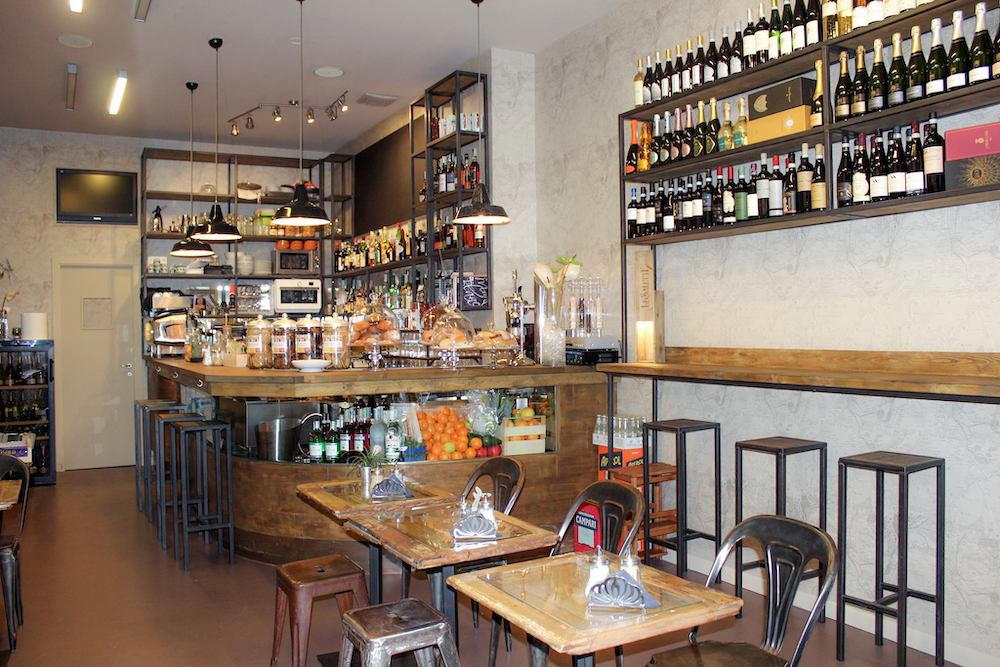
Restaurants in Garda
Browse all →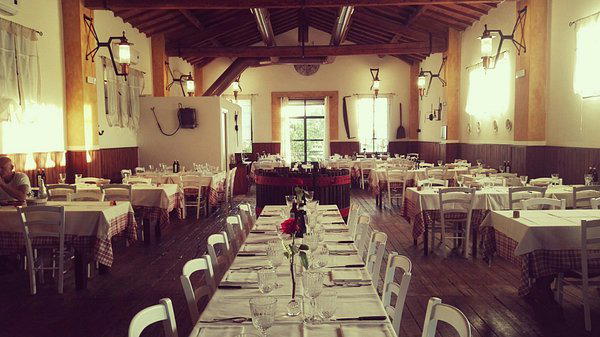
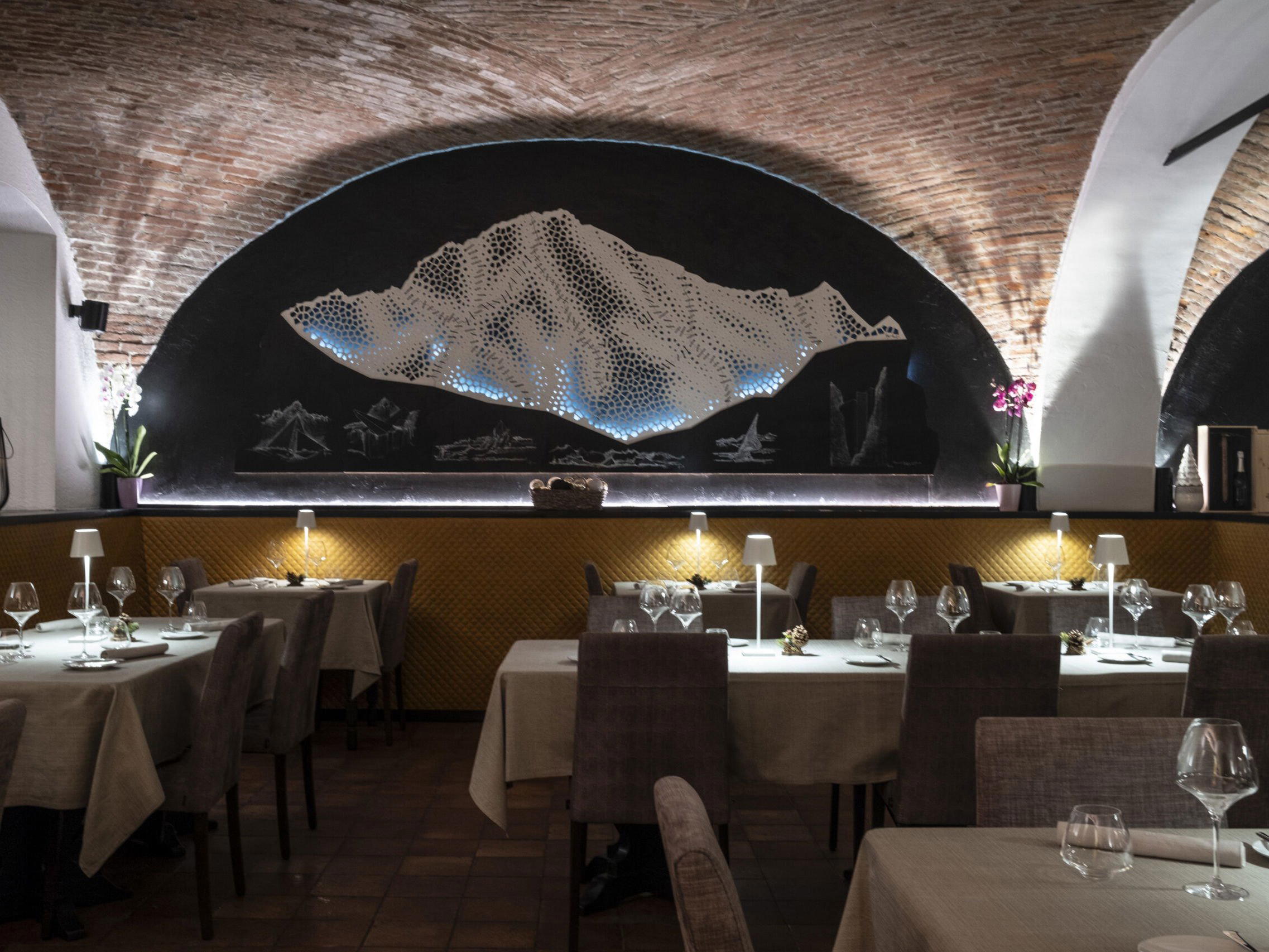
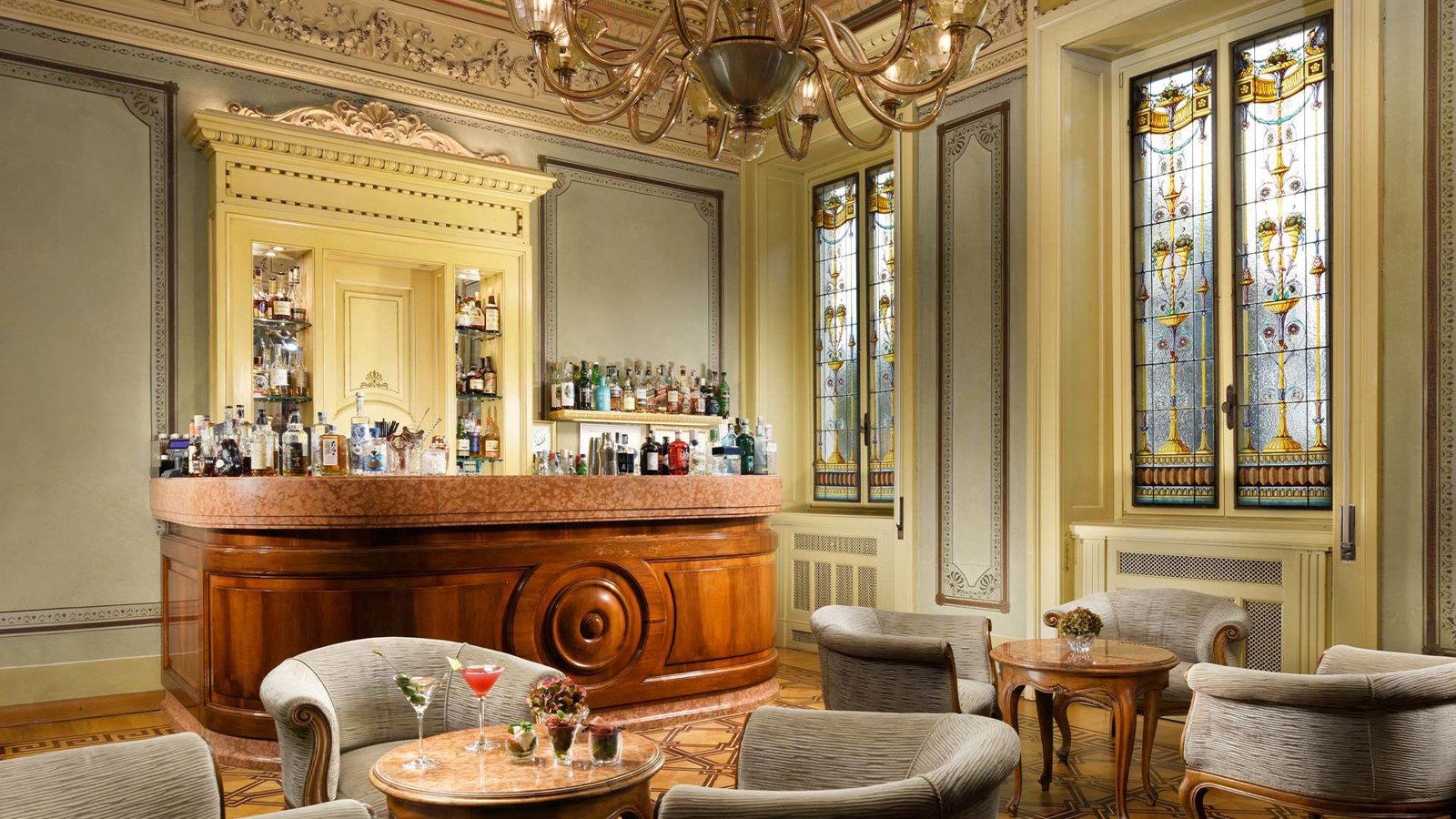
Bars in Garda
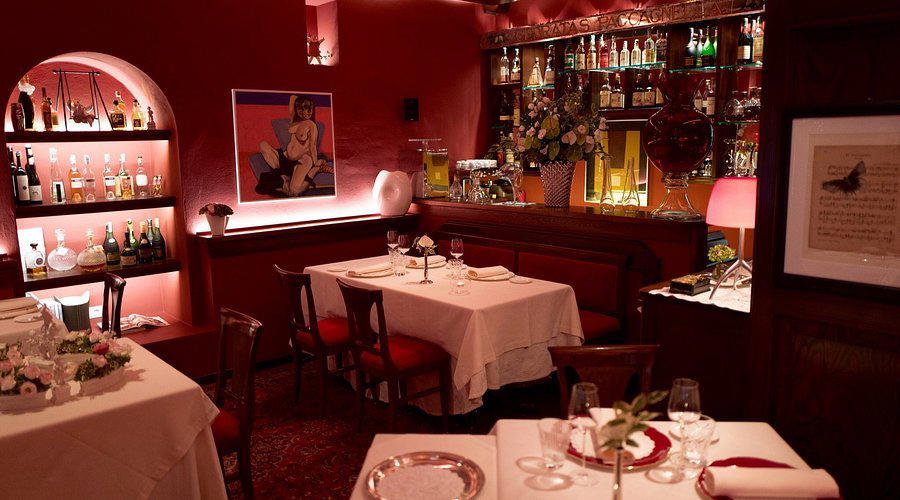
Browse all →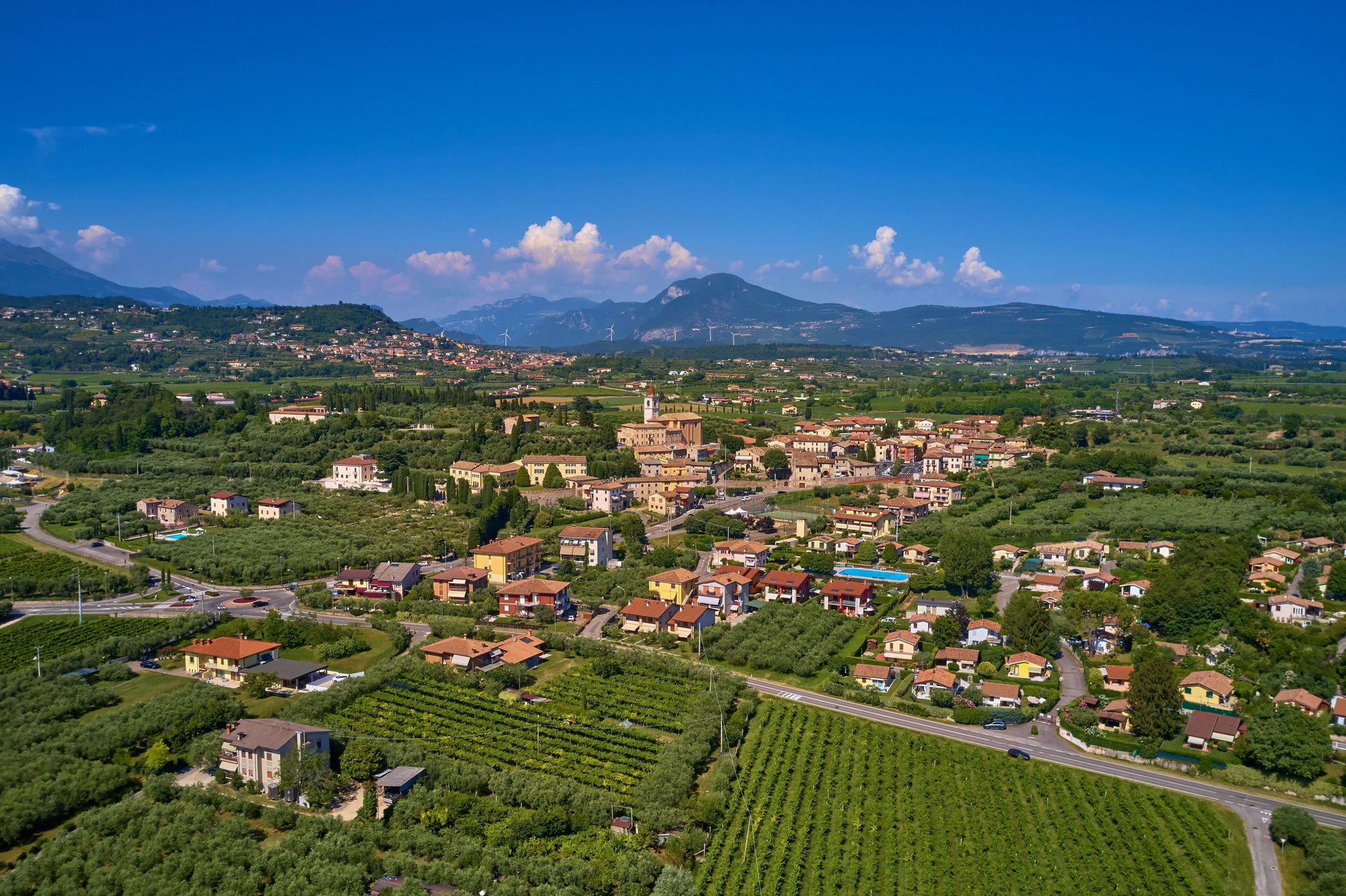
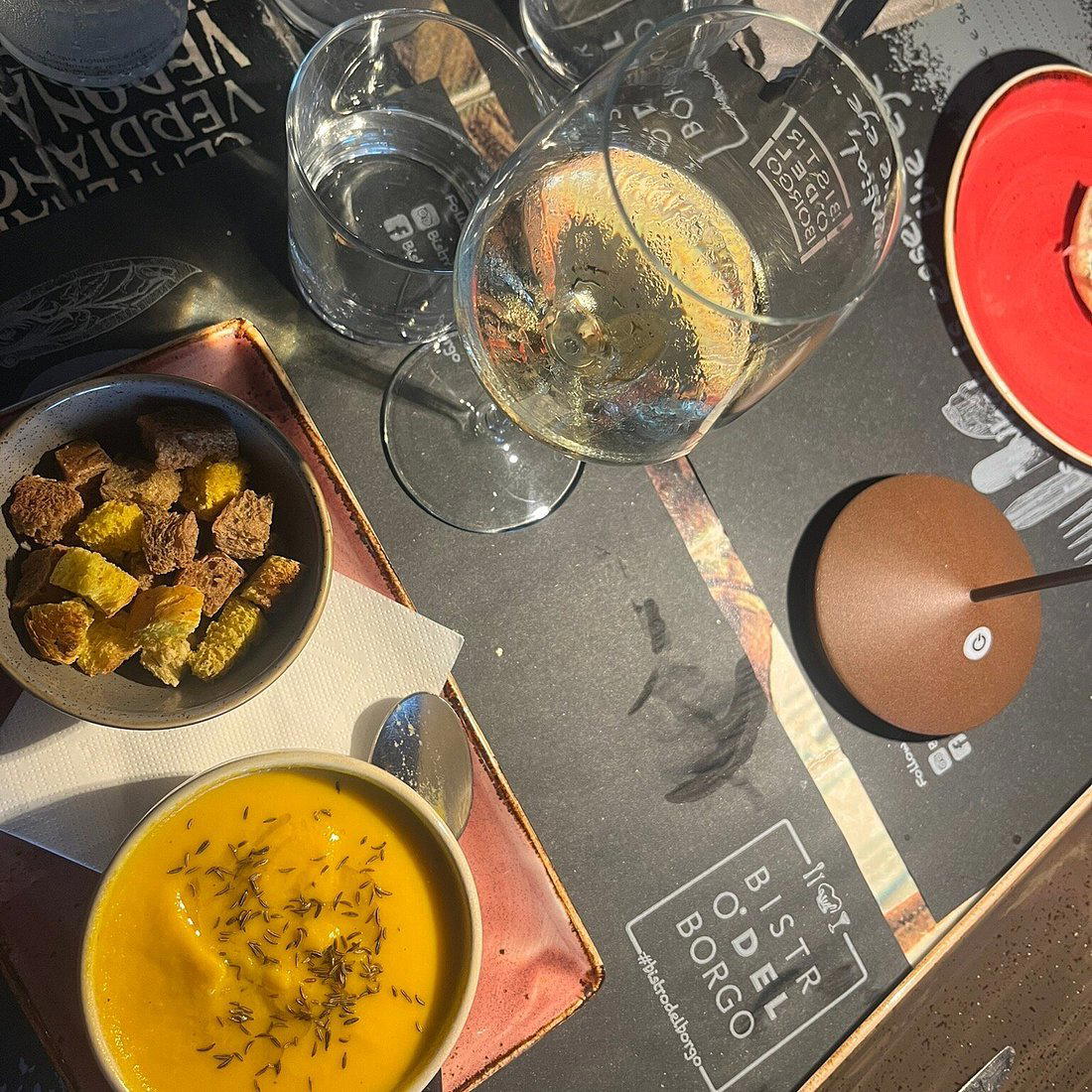
Hotels in Garda
Browse all →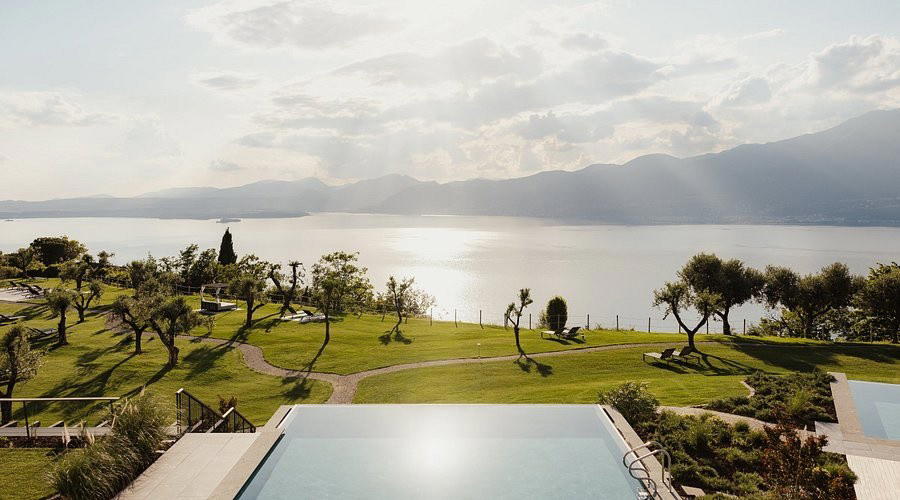
At a Glance
- Romantic
- Elegant
- Cozy
- Scenic
- Date Night
- Family
- Celebration
- Special Occasion
- Garden
- Terrace
- Panoramic View
- Extensive Wine List
- Local Sourcing
- Mountain
- Garden
Current opening hours
- Monday
- 12–2:30 PM, 7–10 PM
- Tuesday
- 12–2:30 PM, 7–10 PM
- Wednesday
- 12–2:30 PM, 7–10 PM
- Thursday
- 12–2:30 PM, 7–10 PM
- Friday
- 12–2:30 PM, 7–10 PM
- Saturday
- 12–2:30 PM, 7–10 PM
- Sunday
- 12–2:30 PM, 7–10 PM
Hours can change for holidays and private events. Last verified .
Charming garden immersed in greenery with warm, elegant atmosphere and candlelight dinners.