Ostaria da Mariano sits in the Venetian trattoria tradition that predates the city's tourism wave, operating on the mainland edge where the address at Via Cesare Cecchini places it outside the island circuit. The menu here reads as a document of Veneto home cooking rather than a curated tasting experience, positioning it closer to neighbourhood osterie than to the contemporary Italian tier occupied by venues like Local or Ristorante Quadri.
Pearl is the En Primeur Club membership app — saves, bookings, and concierge access live there. Same editors, same standards.
- Address
- Via Cesare Cecchini, 1, 30173 Venezia VE, Italy
- Phone
- +393941615765
- Website
- eatsdifferent.it
- Directions
- Get directions
 Saves & bookings on Pearl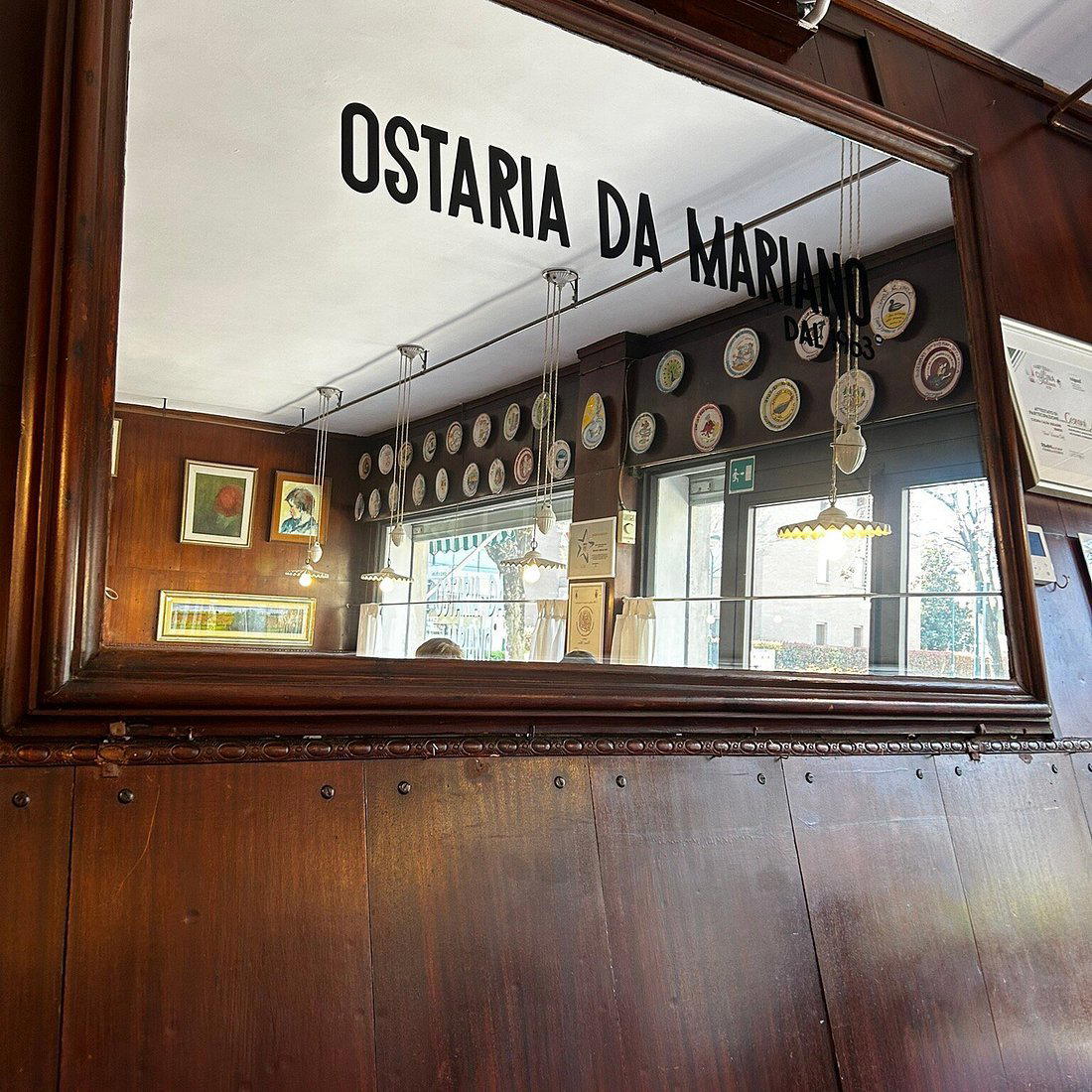
The Osteria Form in Venice, and Where Mariano Sits Within It
Ostaria da Mariano is a restaurant in Venice Mestre serving traditional Venetian seafood and regional Italian cooking. The first is concentrated on the island, built around tourist flow, aperitivo culture on the Grand Canal, and an increasingly compressed tier of high-end contemporary Italian restaurants, from Glam Restaurant by Enrico Bartolini at the creative end to Ristorante Quadri in the prestige square. The second population, less written about and considerably less Instagrammed, exists on the terraferma, the mainland districts of Mestre and Marghera where Venetians who actually live and work in the city have always done their everyday eating. Ostaria da Mariano belongs to the second category. Its address on Via Cesare Cecchini in the 30173 postal zone places it firmly outside the island circuit, and that geography shapes its appeal.
The osteria format across the Veneto has historically been about proximity rather than ambition. These are neighbourhood rooms where the menu reflects seasonal availability, where the wine list runs to house pours and local labels rather than deep cellar programs, and where the cooking is calibrated to the expectations of regulars rather than first-time visitors. The form sits well below the contemporary Italian tier occupied by Local or Wistèria, and equally distant from the kind of technique-forward Venetian cooking found at Oro Restaurant. That distance is not a deficit. It is a different proposition entirely.
Reading the Menu as a Document of Veneto Tradition
The architecture of a traditional Venetian osteria menu tells you something important about how this region has always thought about eating. There is no tasting menu logic at work, no arc from amuse-bouche to petit four. Instead, the structure tends to be flat and practical: a short list of cicchetti or antipasti drawn from whatever came in that morning, a handful of pasta and rice dishes that carry the weight of the meal, and a second course section that leans on fish from the lagoon and, depending on the season, game or braised meat from the Veneto interior.
This menu architecture reflects a philosophy of sufficiency rather than elaboration. The cooking traditions that inform it, bigoli in salsa, sarde in saor, baccalà mantecato, risi e bisi in season, are not dishes that reward additional technique. They reward discipline and sourcing. In that sense, the osteria form is a harder brief than it appears. The kitchen has nowhere to hide behind reduction work or plating theatrics. The comparison set here is not the three-star tables of northern Italy, places like Le Calandre in Rubano, Osteria Francescana in Modena, or Piazza Duomo in Alba. The comparison set is other osterie, and the measure is faithfulness to a familiar template.
That faithfulness carries its own kind of authority. The same argument applies to a handful of other Italian institutions that hold their lane with consistency rather than reinvention, among them Dal Pescatore in Runate, which has maintained its identity across generations without chasing the contemporary tasting menu format. At the osteria level, the equivalent discipline is quieter but no less deliberate.
Venetian Seafood Cooking and the Lagoon Sourcing Logic
The Venetian lagoon produces a specific set of ingredients that shape menus in this region in ways that have no direct parallel elsewhere in Italy. Moleche, the soft-shell crabs harvested during the brief moulting window in spring and autumn, appear on serious menus for only a few weeks each year. Moeche, the local term for the same creature, are fried whole and served simply. Castraure, the first artichokes from Sant'Erasmus island, arrive in April and command a premium that reflects their limited supply. Lagoon-caught branzino and orata carry a different flavour profile from their farmed equivalents, leaner and more mineral from the brackish water conditions.
An osteria operating in this tradition does not engineer these ingredients into complex preparations. The menu respects their seasonal brevity and lets sourcing do the editorial work. This approach positions a venue like Ostaria da Mariano at some distance from the kind of seafood ambition on display at Uliassi in Senigallia or Quattro Passi in Marina del Cantone, where the kitchen intervenes significantly on the ingredient. The osteria form asks less of the cooking and more of the sourcing calendar. The gap between the two approaches is a question of intent, not quality tier.
The Mainland Position: What the Address Signals
Choosing to eat on the terraferma rather than the islands is itself an editorial act. The neighbourhood around Mestre operates at a different pace and at a different price point than the Rialto district or the area around San Marco. Restaurants here are not subsidised by tourist spending patterns, which means pricing tends to reflect the local economy rather than what the market will bear from visitors who will not return.
For travellers arriving by train, Mestre station serves as the gateway before the causeway crossing to Venice proper. The mainland area has its own restaurant infrastructure that most visitors move straight through. Eating in this zone is the choice of someone who either lives nearby or is deliberately stepping outside the island circuit. That deliberateness tends to produce a more genuine interaction with the room, because the room is not built around the expectation of newcomers. The regulars set the tone, and the menu reflects their preferences rather than a tourist-facing brief.
The contrast with the island's premium tier is clear. Italy's most decorated restaurants, including Enoteca Pinchiorri in Florence, Enrico Bartolini in Milan, or Atelier Moessmer Norbert Niederkofler in Brunico, operate with full booking systems, tasting menus priced at triple figures, and lengthy advance reservation windows. The osteria on the mainland operates on different terms. The logic of planning ahead, the logic that governs bookings at Reale in Castel di Sangro or comparable venues in the fine dining tier, does not necessarily apply here. Walk-in viability at neighbourhood osterie varies by day and hour rather than by a fixed booking policy. Evening service on weekends is where demand concentrates, and arriving without a reservation carries more risk on those nights than at lunch on a weekday.
Planning a Visit
Ostaria da Mariano is located at Via Cesare Cecchini 1 in the Venezia Mestre zone, reachable by regional train to Mestre station or by bus from the Venice island. The restaurant sits in the neighbourhood osteria tier of Venetian eating, which means neither the price nor the formality of the island's contemporary Italian rooms. For a broader map of where this venue sits relative to the full Venice dining spectrum, the EP Club Venice restaurants guide covers the range from neighbourhood-level to Michelin-recognised, including comparable seafood-led venues at the mid-market and premium tiers. Diners who want the sharpest contrast with what the restaurant offers should cross-reference the guide entries for Glam and Oro, both of which represent the island's formal end. Compared internationally, the gap in format and price between a Venetian osteria and a destination seafood counter like Le Bernardin in New York or the tasting menu architecture of Atomix illustrates how differently cities have developed their restaurant cultures around broadly similar ingredients.
Just the Basics
Comparable venues nearby, for context on price, style, and recognition.
| Venue | Price | Notes |
|---|---|---|
| Ostaria da MarianoThis venue — the venue you are viewing | $$ | Not listed |
| La Zucca | $$ | Santa Croce, Venetian Vegetable-Focused Osteria |
| Do Farai | $$ | Dorsoduro, Traditional Venetian Seafood Osteria |
| Cà D'oro alla Vedova | $$ | Santa Croce, Traditional Venetian Osteria |
| Cantina Do Spade | $$ | Santa Croce, Traditional Venetian Osteria |
| Antico Forno | $$ | San Polo, Authentic Venetian Pizza al Taglio |
Continue exploring
More in Venice
Restaurants in Venice
Browse all →
Bars in Venice
Browse all →
Hotels in Venice
Browse all →
At a Glance
- Rustic
- Cozy
- Classic
- Casual Hangout
- Family
- Group Dining
- Standalone
- Beer Program
- Local Sourcing
- Farm To Table
Current opening hours
- Monday
- Closed
- Tuesday
- 12–3 PM, 7–11 PM
- Wednesday
- 12–3 PM, 7–11 PM
- Thursday
- 12–3 PM, 7–11 PM
- Friday
- 12–3 PM, 7–11 PM
- Saturday
- 12–3 PM, 7–11 PM
- Sunday
- Closed
Hours can change for holidays and private events. Last verified .
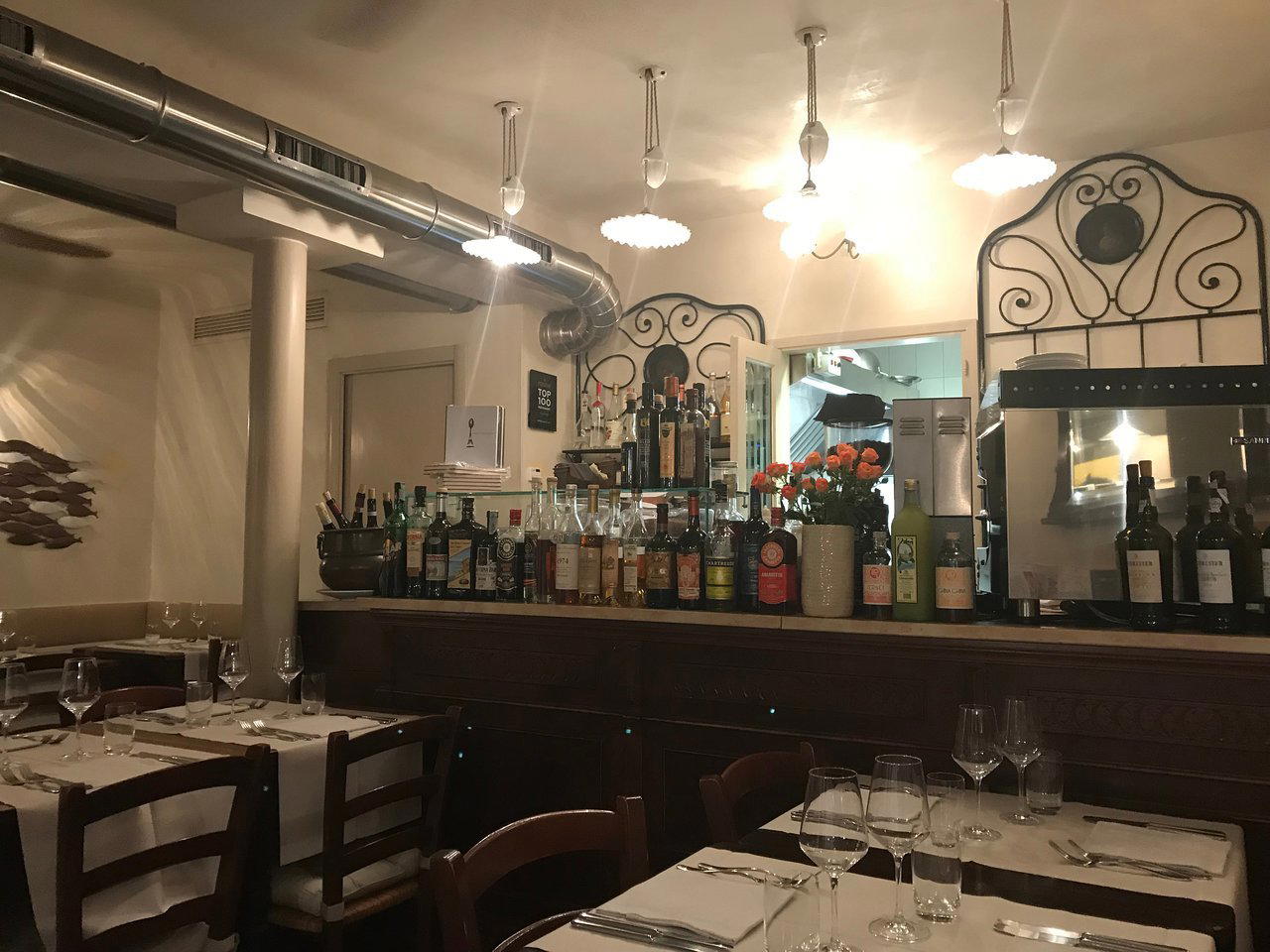
Warm and welcoming old-fashioned osteria with rustic charm, informal atmosphere, and friendly service that emphasizes regional authenticity and natural ingredients.