
Steak House Okano puts Nagasaki’s Shianbashi district in conversation with Japan’s old-school steak and teppanyaki tradition: counter cooking, private-room comfort, and a drinks list that reaches sake, shochu, and wine. Its 2025 Tabelog 100 selection for Steak / Teppanyaki WEST gives it a clear credential in a city better known to many travelers for Chinese, seafood, and port-city cooking.
Pearl is the En Primeur Club membership app — saves, bookings, and concierge access live there. Same editors, same standards.
- Address
- 長崎県長崎市本石灰町6-8
- Phone
- +81958243048
- Website
- steakhouse-okano.com
 Saves & bookings on Pearl
Shianbashi is Nagasaki after dark in concentrated form: narrow streets, compact restaurants, and the particular rhythm of a port city that has always absorbed outside influence without losing its own accent. In that setting, steak and teppanyaki read differently than they do in Tokyo hotel towers or Osaka show kitchens. The format is less about spectacle than controlled heat, shared occasion, and the Japanese habit of turning imported foodways into something precise, local, and ritualized.
Steak House Okano belongs to that older register. Its Tabelog 100 selection for Steak / Teppanyaki WEST 2025 places it inside a regional steak and teppanyaki conversation rather than a purely Nagasaki one, which matters. Nagasaki’s dining identity is often framed through champon, sara udon, Chinese banquet rooms, castella, and seafood. A serious steak house here points to another layer of the city: postwar Western-style dining, celebratory meat, and rooms built for families, colleagues, and friends rather than only visiting gourmands.
Shianbashi steak, seen through Nagasaki's port-city appetite
Japan’s steak-house culture has several lineages. There is the luxury beef counter, where provenance and marbling dominate the conversation; the teppanyaki room, where the grill becomes theater; and the neighborhood house restaurant, where Western-style steak settles into local routine. Nagasaki, with its long history of exchange through Dejima, Chinese settlement, and maritime trade, gives that last category a particular resonance. Western food here is not an imported novelty. It has been domesticated over generations.
That context is useful when reading Okano against the city’s broader restaurant map. Unryu Tei Honten and Kanro sit in a lower spend bracket, useful for casual Nagasaki eating rather than a drawn-out steak meal. Osaka Ya Hamachou ten moves closer to a special-occasion budget. Hountei Honten Torifuku points in another direction entirely, toward poultry and izakaya-style comfort. Against those local comparables, this address occupies the steak-and-teppanyaki lane with a clearer sense of occasion, reinforced by counter seating, semi-private rooms, and non-smoking dining.
The 2025 Tabelog 100 listing is the trust signal to take seriously here. Tabelog’s Hyakumeiten lists do not function like Michelin stars, and they should not be read as a claim of international luxury. They are more useful as a Japan-specific gauge of category depth: a restaurant selected within Steak / Teppanyaki WEST has been sorted into a competitive regional field where repeat local approval matters. For travelers, that is often more revealing than a glossy dining-room narrative.
The format favors occasion over performance
Teppanyaki can become empty choreography when the grill matters more than the cooking. The better Japanese steak-house format keeps the counter central but not noisy: heat management, pacing, and a room arranged so the meal feels social without turning into cabaret. Okano’s profile points in that direction. Counter seating gives the grill its role, while semi-private rooms for small groups make the restaurant workable for family meals and business-adjacent dinners, two settings that define much of Japan’s mature steak-house culture.
The drinks signal is equally telling. Sake, shochu, and wine together place the room between Japanese dining and Western steak convention. That combination suits Nagasaki, where culinary identity rarely sits in a single category. A steak dinner can move toward wine without abandoning shochu; a group meal can include children without becoming casual in the Western sense. The category works because it can stretch across generations and occasions.
There is also a useful restraint in the available public framing. The emphasis is steak and teppanyaki, not a chef personality cult or a tasting-menu thesis. That matters in a city where the strongest dining experiences often come from established formats executed with confidence rather than new-concept restaurants trying to explain themselves. Travelers building a Nagasaki itinerary should read this as a dependable special-occasion steak address, not as an experimental counter.
How to place it within a Nagasaki itinerary
Nagasaki rewards diners who avoid treating the city as a single-theme food stop. Chinese cuisine remains essential, and Chinese cuisine GUNRAIKEN and Chinese Saikan Kozanro Chuukagai shinkan point toward that side of the city’s table. Asa Honten, BEARD, and bread A espresso broaden the picture beyond the obvious first meal. Steak House Okano fits later in the trip, when the point is not to tick off a regional specialty but to understand how Nagasaki absorbs steak-house culture into its own dining habits.
For planning around the city, use Our full Nagasaki restaurants guide alongside Our full Nagasaki hotels guide, Our full Nagasaki bars guide, Our full Nagasaki wineries guide, and Our full Nagasaki experiences guide. Travelers extending the trip across Japan can compare how beef and casual formats shift by city through -Grilled beef Sukiyaki- KAMAKURA TANUKIAN 鎌倉 たぬき庵 in Kamakura,. 鮪と炭火焼き うお炭 秋葉原店 in Tokyo,.cafe in Osaka,.know in Kumamoto, (Shoku) Vietnam in Kawasaki, and [Curry Senmon Ten] Maruyama Kyoju. in Sapporo. For Japanese dining culture viewed from California, Jōdo Saké Bar in Los Angeles and Onigiri Time in Pasadena make useful contrasts.
The editorial read is simple: this is a Nagasaki steak house with regional recognition, a group-friendly room structure, and a format rooted in Japan’s long adaptation of Western meat dining. It is not the city’s cheapest meal, nor the place to understand Nagasaki through a single local specialty. Its value is cultural and social: a Shianbashi address where steak, teppanyaki, and Japanese occasion dining meet without needing to perform novelty.
Cost Snapshot
Comparable venues by cuisine and price in the same metro.
| Venue | Cuisine | Price | Awards | Notes |
|---|---|---|---|---|
| Steak House OkanoThis venue — the venue you are viewing | $$$$ | , | ||
| Hountei Honten Torifuku | $$ | , | Dozamachi, Traditional Nagasaki gyoza & karaage izakaya | |
| Doyama | $$$$ | Kajiyamachi, Itamae-ya Japanese Fine Dining | ||
| Primrose | $$ | , | Furukawa-machi / Meganebashi, Yoshoku / Japanese-Western Cuisine | |
| Iwanaga Baijuken | $ | , | Suwamachi, Traditional Japanese wagashi & castella shop | |
| Kanro | Shianbashi, Chinese Noodle House | $ | , |
Continue exploring
More in Nagasaki
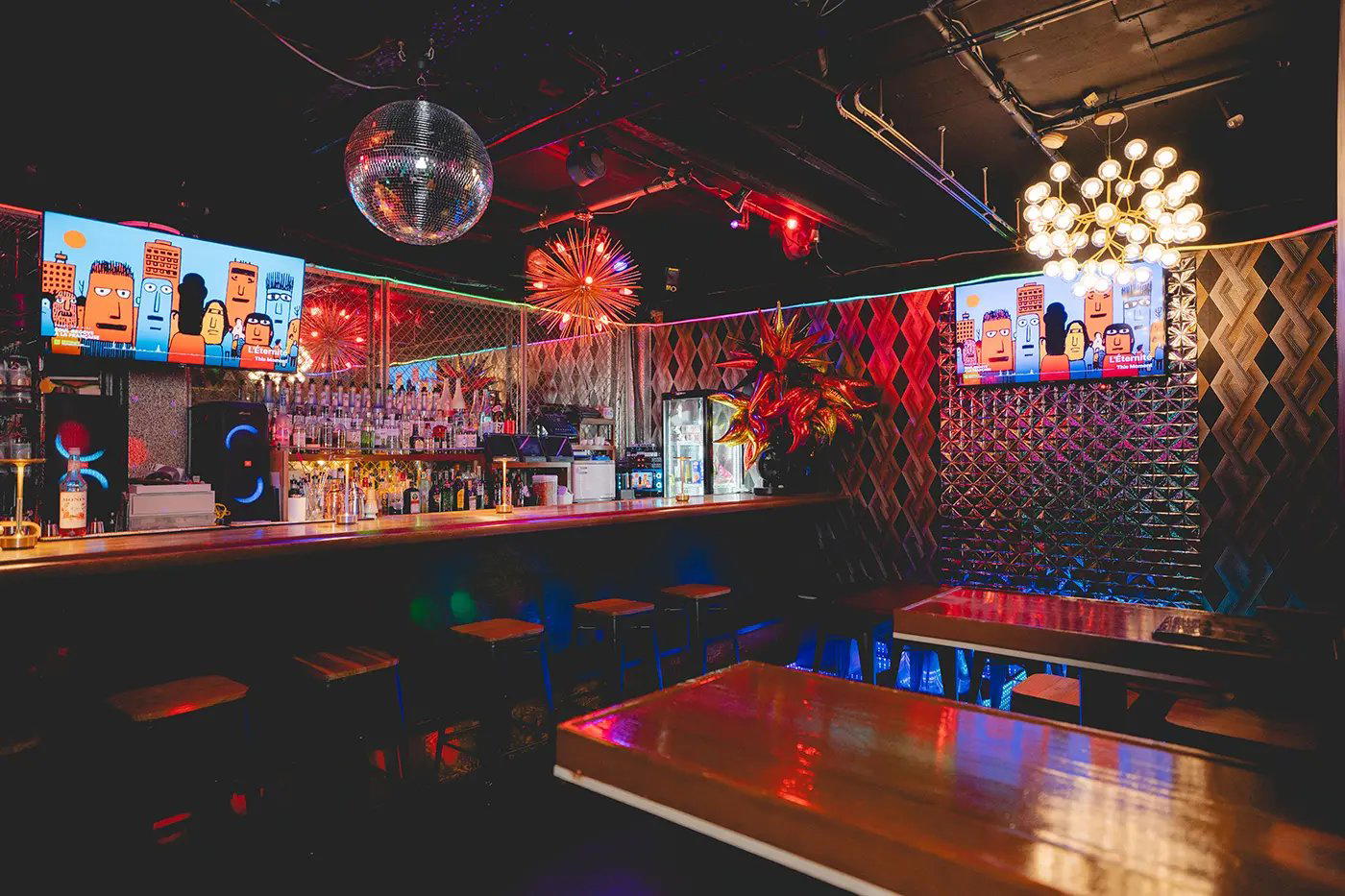
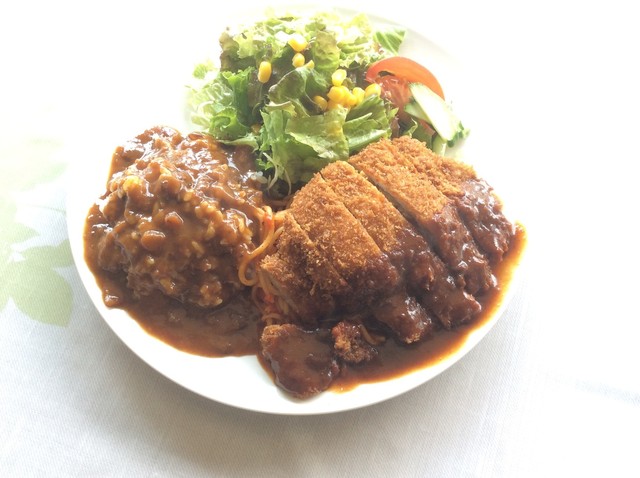
Restaurants in Nagasaki
Browse all →
Hotels in Nagasaki
Browse all →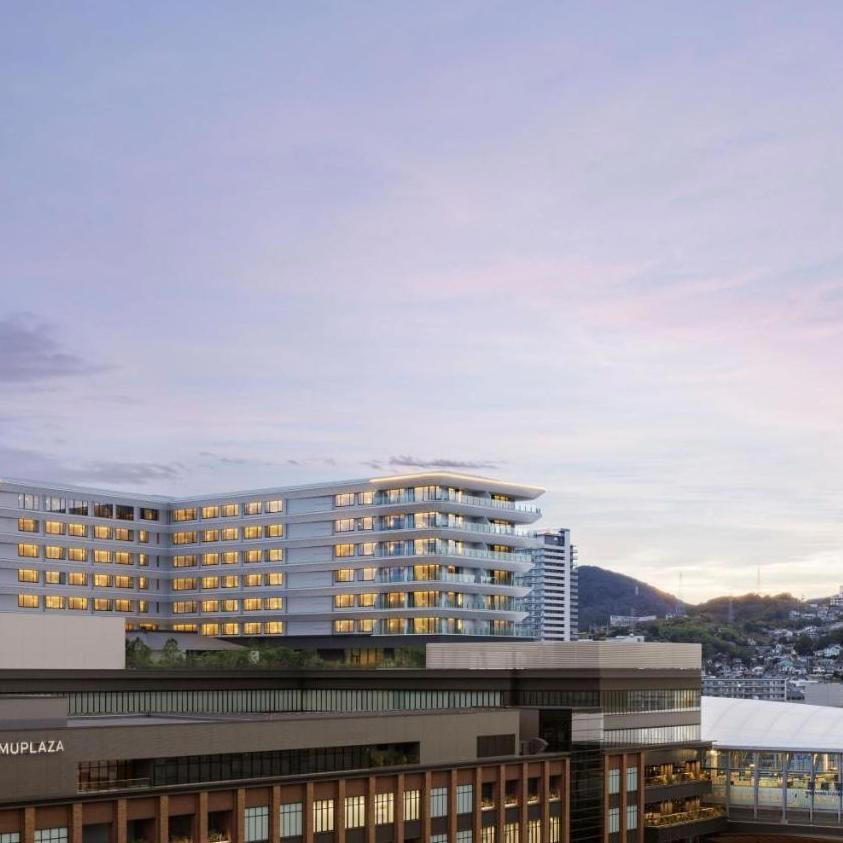
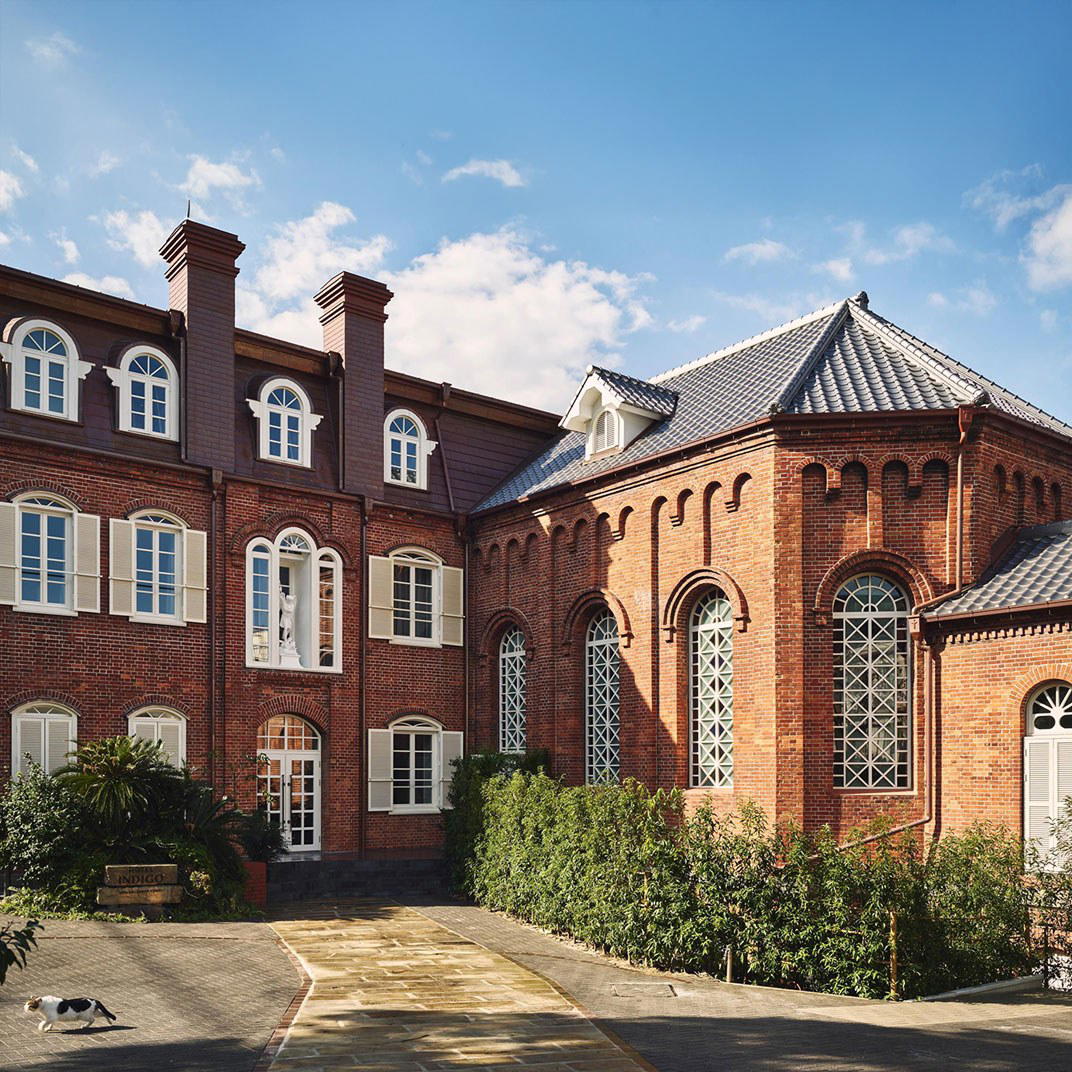
Wineries in Nagasaki
Browse all →
At a Glance
- Classic
- Iconic
- Cozy
- Intimate
- Date Night
- Business Dinner
- Celebration
- Group Dining
- Chefs Counter
- Historic Building
- Standalone
- Local Sourcing
Guest reviews and local guides describe a nostalgic, classic steakhouse atmosphere with polished teppan counters, a warm and welcoming feel, and a quiet to conversational noise level typical of a small, long‑established Japanese steakhouse.[1][3][9][11]