Ong Tipros (อ๋องทิพย์รส)
Ong Tipros sits on Phra Pokklao Road within walking distance of Chang Phueak Gate, placing it squarely inside the band of neighbourhood restaurants that serve the city rather than tourist circuits. The kitchen draws on Northern Thai cooking traditions common to this part of Chiang Mai, making it a reference point for visitors wanting context beyond the Old City's better-publicised stops.
 Discover on Pearl
Pearl is the En Primeur Club membership app — saves, bookings, and concierge access live there. Same editors, same standards.
- Address
- 179/3 ถ.พระปกเกล้า (ใกล้ ประตูช้างเผือก), เมืองเชียงใหม่, เชียงใหม่ 50200
Chang Phueak Gate and the Restaurants That Surround It
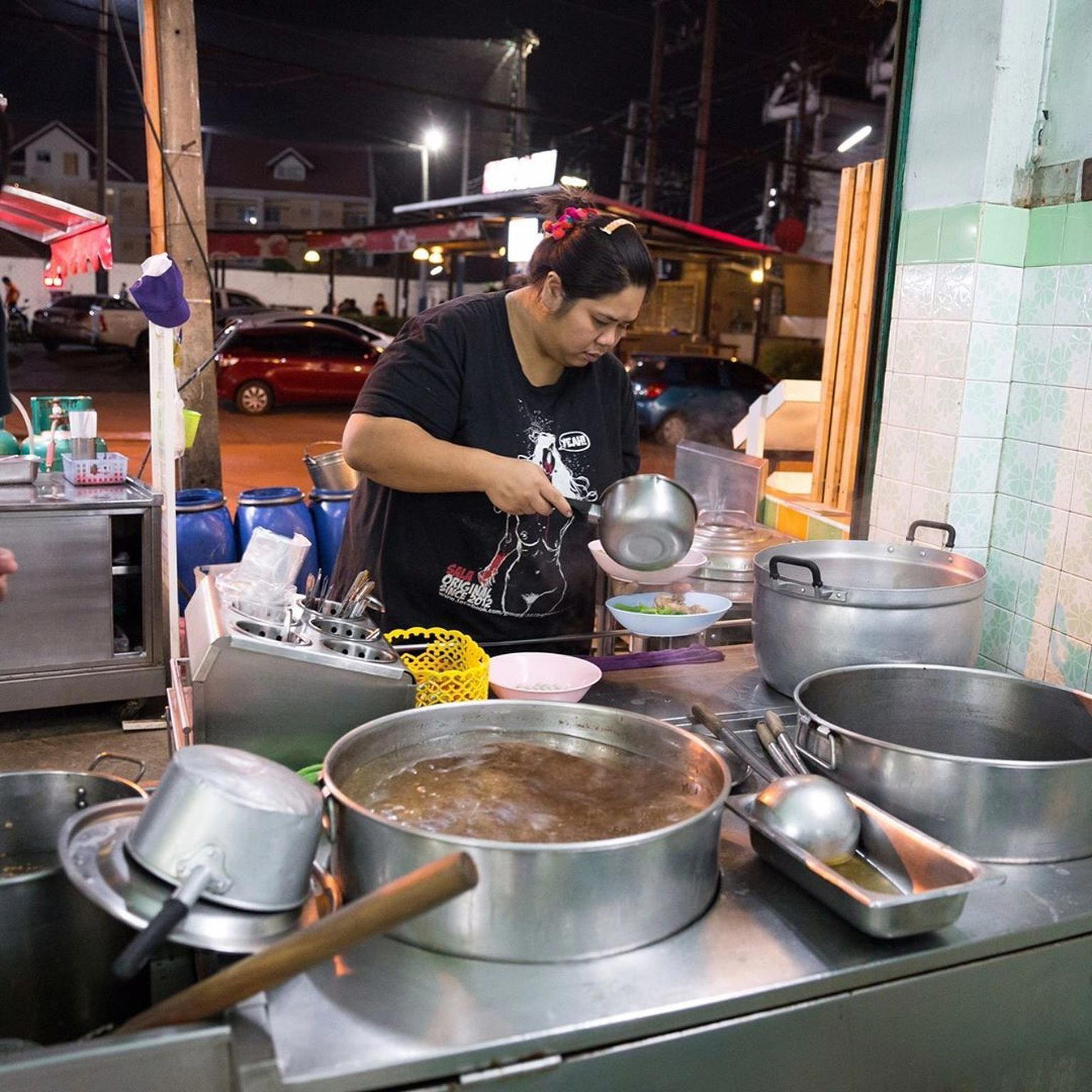
The area around Chang Phueak Gate occupies a different register from Chiang Mai's more photographed corners. Where the Old City's inner moat attracts the guesthouses and cafes that cycle through international visitors, the streets radiating outward from the northern gate carry a denser, more local character: wet markets in the morning, shophouse kitchens serving rice plates through lunch, and the kind of restaurant that measures its regulars in years rather than TripAdvisor reviews. Ong Tipros (อ๋องทิพย์รส), a Northern Thai restaurant in Chiang Mai at 179/3 Thanon Phra Pokklao near Chang Phueak Gate, sits inside that zone. The gate itself is a navigation anchor, and the surrounding streets hold several kitchens that represent the working rhythm of this part of the city rather than its curated-for-visitors face.
Restaurants near major landmarks in Thai cities often polarise: they either capture tourist traffic entirely, or they persist precisely because local foot traffic sustains them regardless of external attention. The second category tends to hold a different kind of culinary integrity, not because tourists corrupt a restaurant, but because the economics of serving locals demand consistency at a price point that repeat customers can absorb weekly. Ong Tipros's address in this corridor places it credibly in the second group.
Northern Thai Cooking in Its Neighbourhood Context
Chiang Mai's position as the regional centre of Northern Thailand means its food traditions differ materially from Central Thai cooking, the style most visitors encounter in Bangkok and which dominates internationally. The Northern kitchen draws on Lanna culinary history: cooking with khao niaw (sticky rice) rather than jasmine rice, heavier use of fermented ingredients, dishes like sai oua (herbed pork sausage), nam prik noom (roasted green chilli dip), and the slow-cooked pork profile of khao kha moo. Restaurants near Chang Phueak Gate, including Ong Tipros, tend to serve within this tradition rather than defaulting to a pan-Thai menu assembled for broader palatability.
The distinction is relevant for visitors arriving from Bangkok, where even well-regarded Thai restaurants such as Sorn operate within a Southern Thai framework. In Chiang Mai's northern neighbourhoods, the culinary frame shifts, and proximity to the gate places a restaurant like Ong Tipros within a cluster that collectively makes the case for that regional difference. Comparable Northern-facing kitchens in the city include Huan Soontaree at the ฿฿ price tier and the noodle-specialist Loet Rot in Mueang Chiang Mai. Ong Tipros occupies space in that broader ecosystem of neighbourhood-facing Northern Thai cooking.
The Shophouse Model and What It Signals
Across Thailand, the shophouse restaurant format carries particular meaning. Operated typically by a family across multiple generations, a shophouse kitchen at a fixed address for many years becomes a neighbourhood institution not through awards or press attention but through the mechanism of daily repetition. Menu range is usually focused, prices are calibrated to local incomes, and the physical space prioritises throughput over atmosphere in the international hospitality sense. That model appears consistently in Chiang Mai's older residential streets, and the Chang Phueak Gate area holds a concentration of exactly this type.
Venues like PRU in Phuket or destination-level addresses such as Le Bernardin in New York operate within legible credentialling systems. Neighbourhood Thai kitchens on streets like Phra Pokklao Road do not, and should not be evaluated as if they should. The credential here is longevity in a competitive local market, which in a city with Chiang Mai's density of food options is its own form of selection pressure.
Other neighbourhood-anchored kitchens in Chiang Mai worth cross-referencing include Aunt Aoy Kitchen and Baan Landai, both operating within the local-facing Thai dining tier. Baan Landai's Phra Pokklao Road location in particular shares a street with Ong Tipros, making that corridor a small study in how neighbourhood Thai cooking concentrates in this part of the city.
Arriving, Ordering, and What to Expect
For visitors arriving from outside the neighbourhood, Chang Phueak Gate is the practical orientation point. The gate sits at the northern edge of the Old City moat, reachable on foot from the historic centre in under fifteen minutes, or by songthaew (shared red truck) from most parts of central Chiang Mai. The address at 179/3 Thanon Phra Pokklao places Ong Tipros on the road that runs directly to the gate, making the landmark useful for navigation when GPS precision is uncertain.
What the Chang Phueak Gate neighbourhood context suggests, however, is that the kitchen likely operates within the Northern Thai canon described above: expect sticky rice as the staple carbohydrate, expect chilli-forward dips and relishes, and expect pork to appear prominently across preparations. The street and market corridor around Chang Phueak is one of Chiang Mai's reference clusters for this style, so the surrounding environment provides useful orientation even before entering any specific kitchen.
Travellers who have spent time in Bangkok's more polished dining rooms, or who have visited technically ambitious addresses like Atomix in New York, will find the operational register here considerably more direct. Walk-ins are the norm, the menu is focused, and the setting is informal. The experience is closer to what Aeeen represents in Chiang Mai's vegetarian-facing tier, in that the value proposition rests entirely on the cooking rather than on surrounding hospitality infrastructure.
Little Edo in Surat Thani and Hoy Tord Chao Lay illustrate the same principle in different regional contexts.
Just the Basics
Comparable venues nearby, for context on price, style, and recognition.
| Venue | Cuisine | Price | Notes |
|---|---|---|---|
| Ong Tipros (อ๋องทิพย์รส)This venue — the venue you are viewing | Sri Bhoom, Northern Thai | $$ | |
| Cherng Doi Roast Chicken (ไก่ย่างเชิงดอย) | Su Thep, Northern Thai Roast Chicken | $ | |
| Lim Lao Ngow Fishball | $ | Chiang Mai Old City, Traditional Thai Fishball Noodles | |
| Tubtim-Krob J'Auan | $ | Chang Khlan, Northern Thai Lanna Desserts | |
| Laab Ton Yang (San Phi Suea) | Mueang Chiang Mai, Northern Thai Laap | $$ | |
| We-La-Dee | San Sai, Central Thai | $$ |
Continue exploring
More in Chiang Mai
Restaurants in Chiang Mai
Browse all →

At a Glance
- Rustic
- Cozy
- Classic
- Casual Hangout
- Standalone
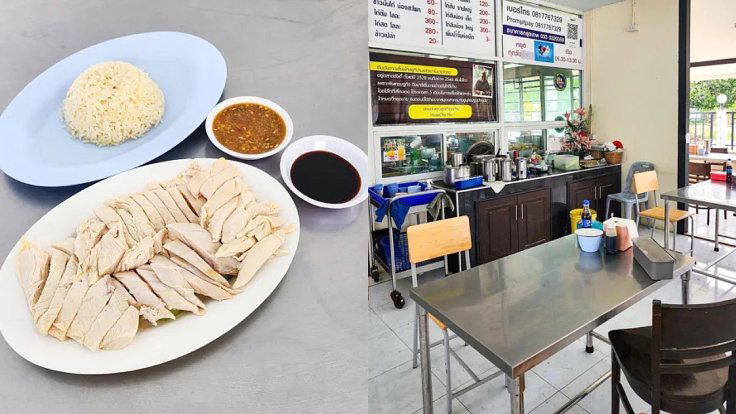
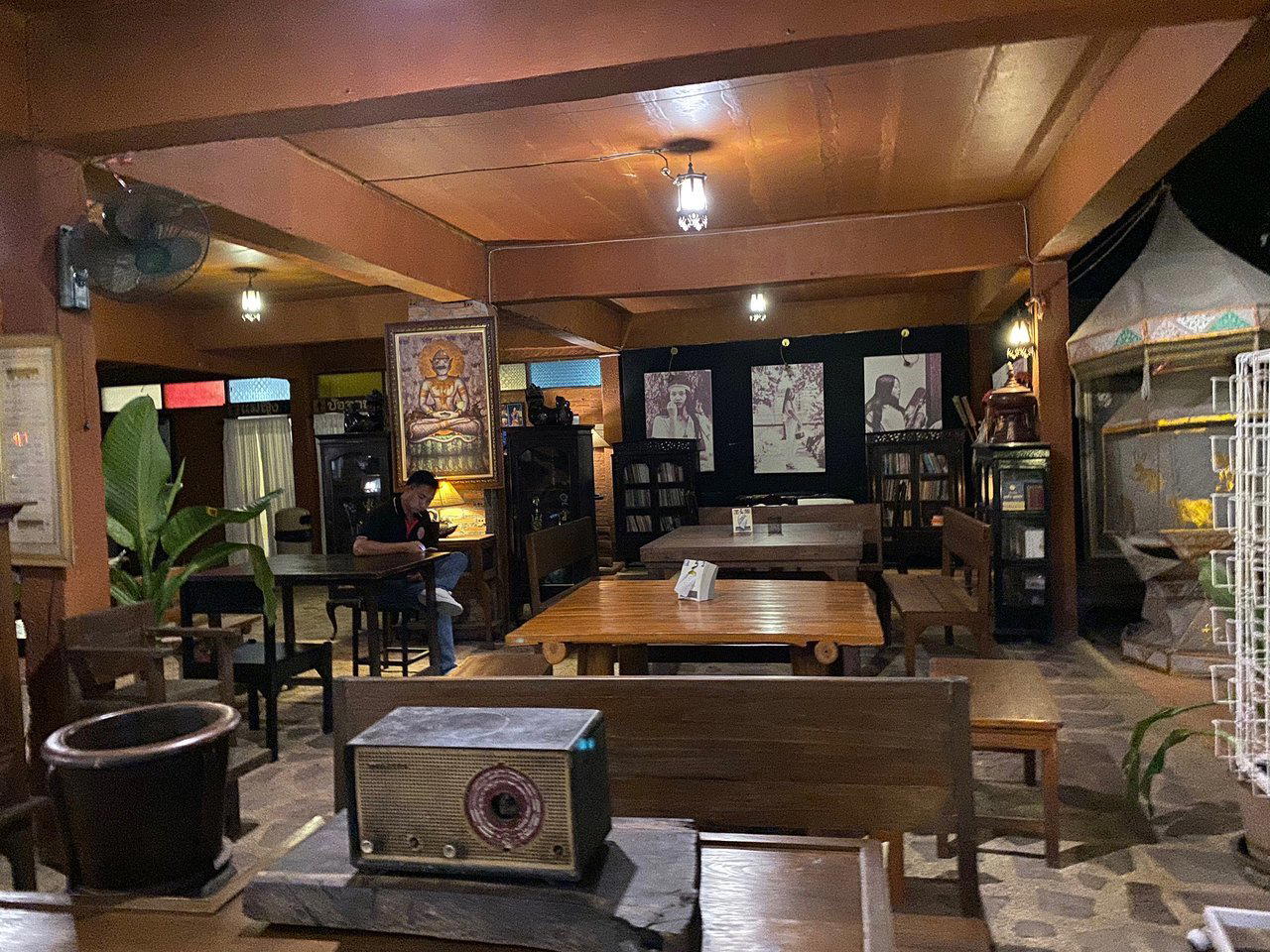
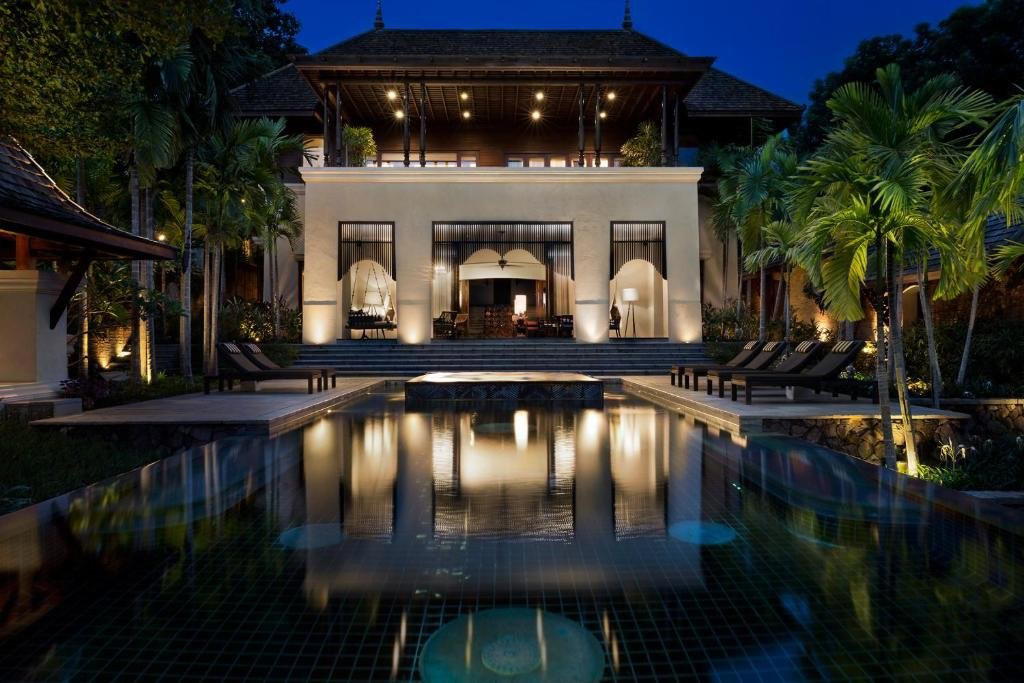
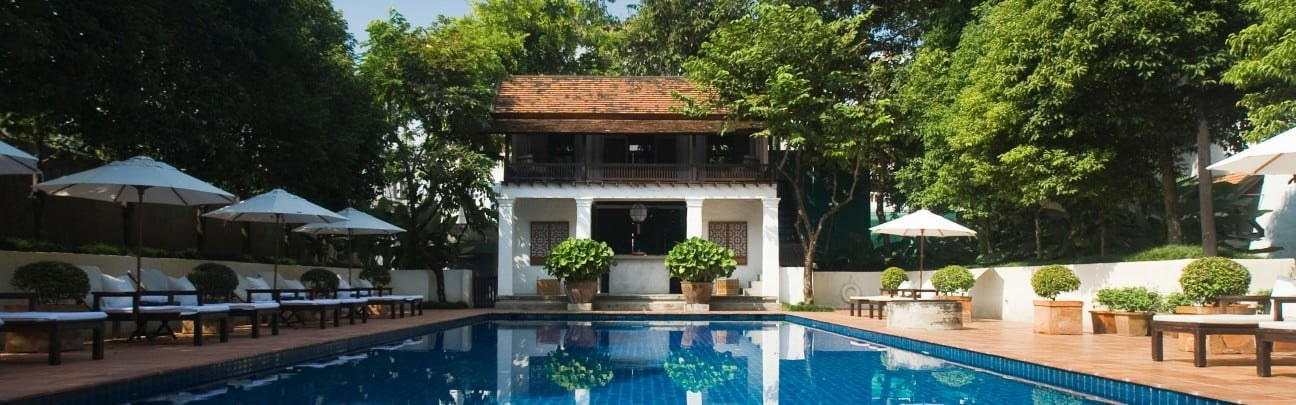
Modest, neighborhood shophouse atmosphere.